
Without the multiple Grammy nominee strong attitude on the road, Nigerian music would have been without direction.
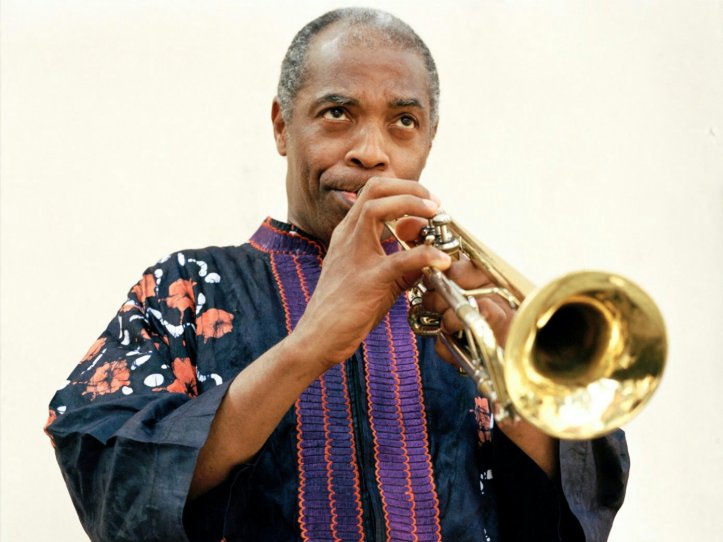
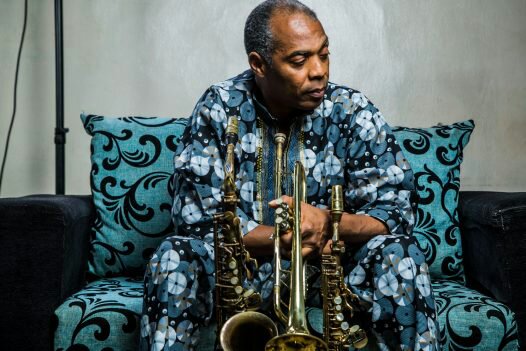
Femi Kuti is a part of the Ransome -Kuti, Anikulapo Kuti manual for ever. He is part of the family tree we have come to understand as part of the names that made Nigeria’s institution. Ransome -Kuti family is a huge name since the days of Jesse Josiah Ransome Kuti. And the name won’t stop blowing the sound of life anywhere it’s mentioned.
Femi Kuti rose from being withdrawn from college abruptly by his great father Fela Anikulapo Kuti, so that, he wouldn’t be corrupted by Western education. Then, Femi, maybe would have been better off as a rascal, “my father actually wanted me to be a rascal to prove a point on his belief,”he once told some sections of the media. Yet, he was influenced by his father’s music and family’s activism. His grandmother -Funmilayo Ransome -Kuti, led women’s uprising in South-western part of Nigeria in the 1940s and the reigning king was held in captivity over demands to abolish extortion in tax payments. It is a history that catapulted the Kuti name to the list of institutionalized Nigerian names.
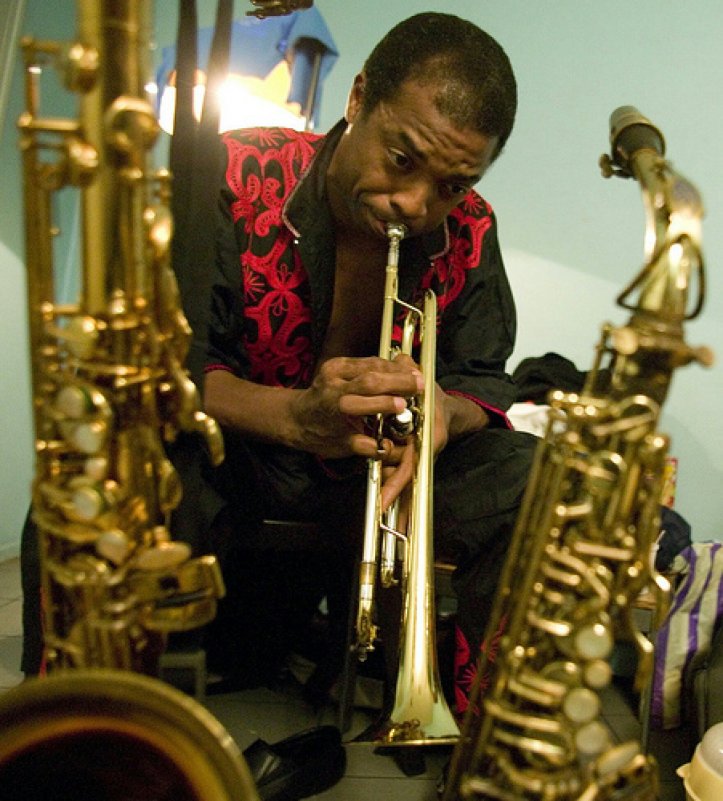
In his own revelation, “my father made me to read a lot of books on emancipation of the black people and how the West have been taken Africans for a ride. ” I read virtually everything but he refused to teach how to play music. He had the best of music education but I had to go through the hard way to learn. “
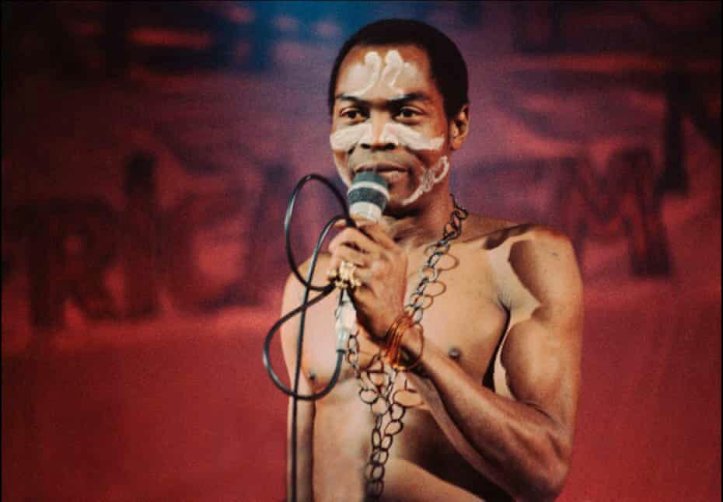
Femi joined his father’s band Afrika ’70, which later metamorphosed into Egypt ’80 as a 19year old. And he toured extensively with the band, learning the rope in music business and leadership. He was part of the ensemble that recorded iconic albums in the ’80s, moving Afrobeat to the forefront of World Music. And glossing Frontpage reviews in international magazines.
Definitely, the family force of rebellion for justice revels in the young Femi at that time too. In one of his One on One interviews with American Supermodel, Naomi Campbell, Femi recalled in those days when his father’s music standing as a weapon for change was hurting the ruling military regimes at the time. Mufti -clad security agents bestrode their home many times to bug on the family. “My mother would tell us about these security agents reading newspapers across the street just to spy on my family.” Femi revealed to Naomi that his mother told them they were detailed by the government to monitor his family activities, as Fela their father was given the government trouble for truth to worry about.

About that time, the Kalakuta empire had been razed down by ‘Unknown Soldier’ and the family was under scrutiny. Fela’s mother, the gracious Funmilayo Ransome -Kuti later died from injuries sustained during the invasion of Kalakuta shrine, known as Fela’s empire state of freedom. According to Gariokwu Lemi, one of Fela’s many protégé, “the Kalakuta was a state on his own. A lot of young people resided at Kalakuta for freedom of expression. “
Femi’s mission with his father’s band would lead to him walking away positively to start his own band known as Positive Force with his friend Dele Sosimi and his two sisters Yeni and Sola. Fela had been held in captivity and charged to court. The show must go on. Femi led the band on a playing tour in the absence of his father, before coming home to start his Positive Force band which he has kept ever since.
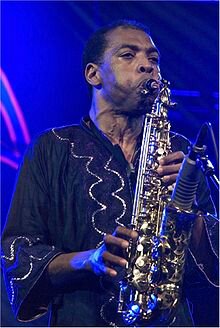
Success was very far away from the naive band. That they would ride on the renowned name of Fela was like a wild dream. The band didn’t wish to be under Fela’s clone as well.
Determination made their dreams come true recording albums and going on album promotions but recording little success. The period was like hot coal on their palms. Positive Force almost got disbanded but for Femi’s determined spirit. “Some of my friends would buy tickets just to mock me. Only four fans would witness the concerts. Things were terribly bad then.”
From songs like ‘No Cause for Alarm’ ‘Bang,Bang, Bang in Shoki ShokShoki album, and to all the Grammy appreciated songs and albums, Femi Kuti rose to super stardom with that resilience, A -Can- Do -Spirit, working with the best team and rigorous rehearsals that stood him apart from other band leaders.
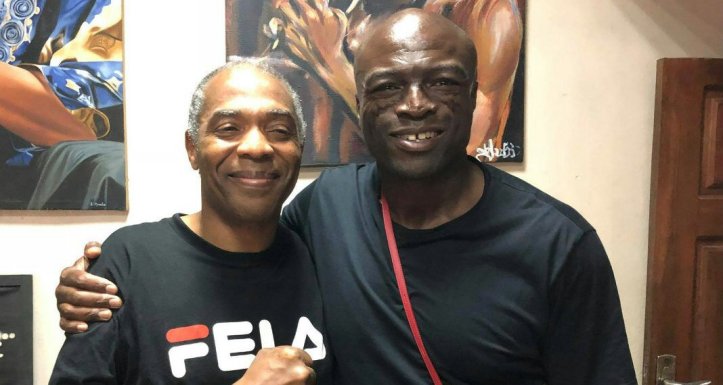
Immediately after Fela’s death, Afrobeat family found themselves at a crossroad. Feud and counter accusations dominated post Fela era, until stability came in through positive force. And the Positive Force were back on the road with a fantastic album entitled ‘Shoki Shoki. Femi was very busy with what he loved most playing Afrobeat. The next album ‘Fight to Win’ got a Grammy nomination and the world started given Femi the necessary respect he deserves. He eventually lost in his nominates category to Ruben Blades. He still went ahead to get three more Grammy nominations bit lost in those categories as well. But Afrobeat has been extablished into the minds of Americans with Femi’s contribution to its development.

Career support for younger artistes who belong to the Afrobeats generation by Femi is worthy of commendation. The living legend and custodian of the original beat has continued to lend his support for the new generation of musicians. Apart from multiple collaborations, his world music as a music artiste collaborating with the west gave him the impetus to influence new crop of musicians.
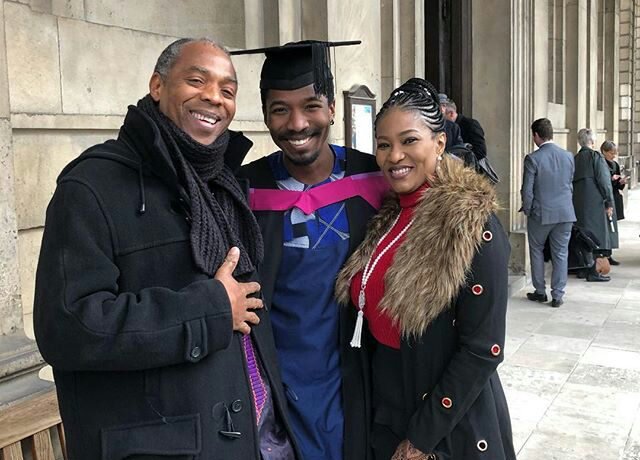
His famous nightclub ‘Afrika Shrine’ is a music fortress for the young ones to hone their talents to global acclaim. The yearly Felabration festival is a pillar of support for the next generation of performers. Femi Kuti’s global influence, no doubt, opened the door for international music business men to flood the Nigerian market, as Femi has collaborated with virtually everyone in the West. While explaining to Bono of the U2 band, Femi explained the choice for the site of the new shrine. “Many people rejected the site in the beginning, being too far away from the center of activities, unlike the old one. But the rebel in me soldiered on by launching gigs upon gigs, with rigorous rehearsals which I am used to. The horns ricochet all over the city and people started coming into the shrine to listen to good Afrobeat music.”
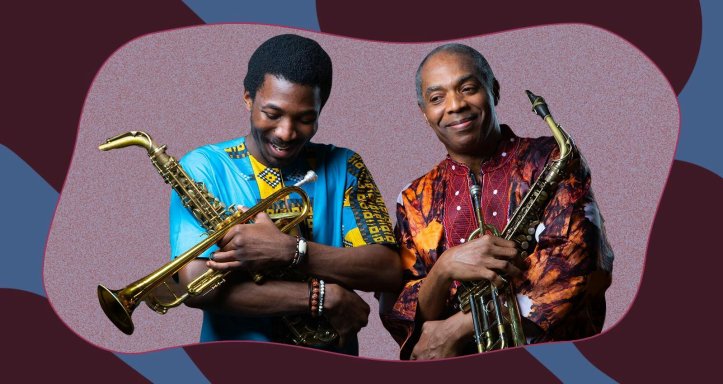
Femi Kuti doggedness gave birth to new sound. And the discovery of new successors such as his son, Made, who released a new project with his father Today, that new generation proclaiming the new sound has produced a Grammy winner in Burna Boy and a testament to trust and integrity principles. Nigerian music sit atop World Music presently, from recording to video and distribution. That’s the power of one saxophonist who seriously push beyond the limits.
Words /Ireho Aito /photographs /Google /Femi Kuti archives/Felabration archives

