Exploring African Art, AI, and Life: A Conversation between Jean-Patrick Guichard and Ireho Aito
Jean-Patrick Guichard, a cultural connector based in Atlanta, Georgia, recently had a chat with Nigerian journalist Ireho Aito for a candid conversation about the intersection of African art, artificial intelligence (AI), and the realities of life for artists today.
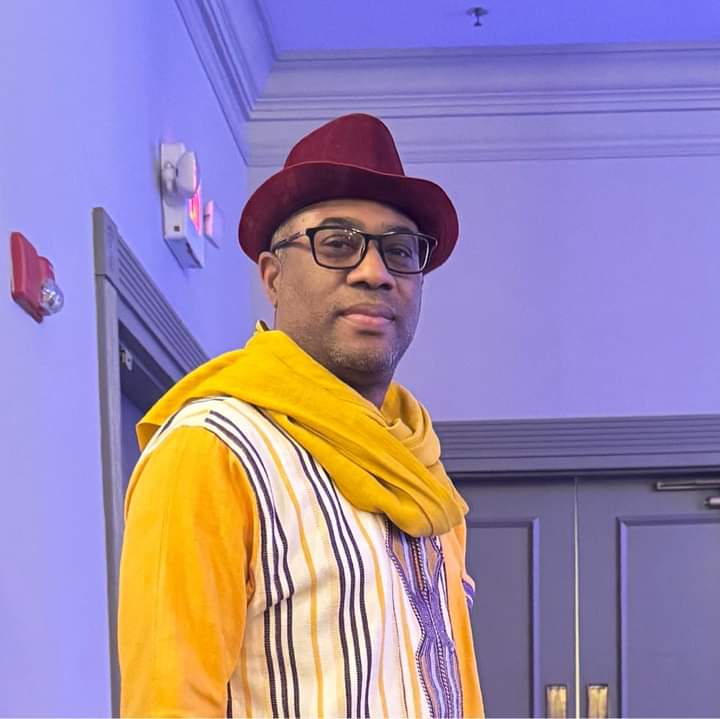
Guichard, known for his efforts in introducing African artists to the USA, brings a unique perspective to the discussion, acknowledging the complexities and challenges faced by artists in the modern world. When asked about the potential impact of AI on the artistic landscape, Guichard challenges the notion of AI as inherently destructive, highlighting the evolutionary nature of technology and its capacity to complement rather than replace human creativity.
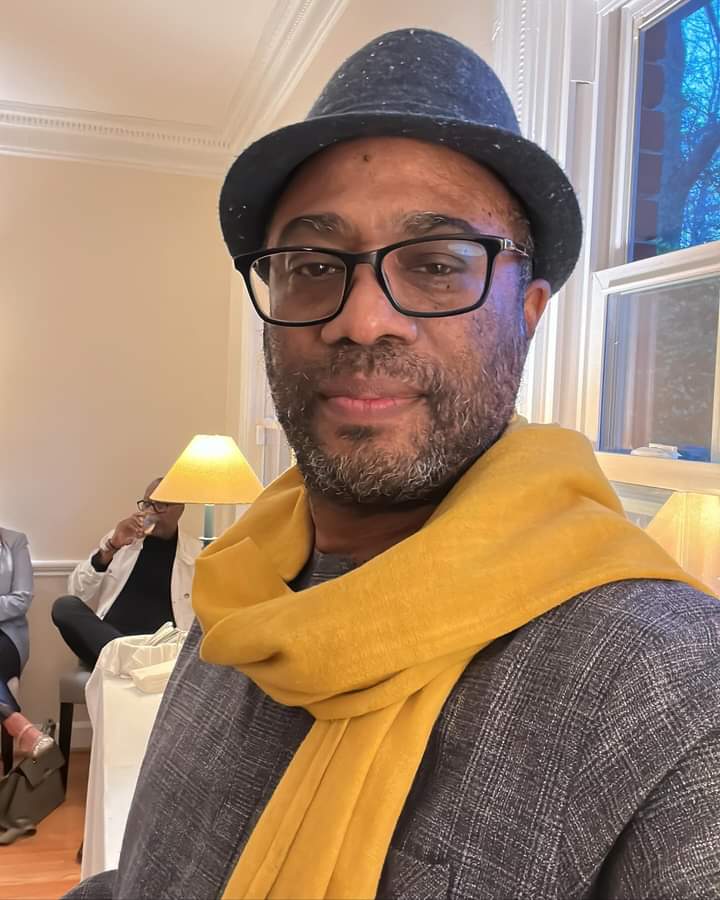
“Innovation, including AI, often elicits fear of displacement,” Guichard notes. “But just as the automobile didn’t render the horse obsolete, AI won’t replace the essence of human creativity, which includes intuition and abstract thinking.”
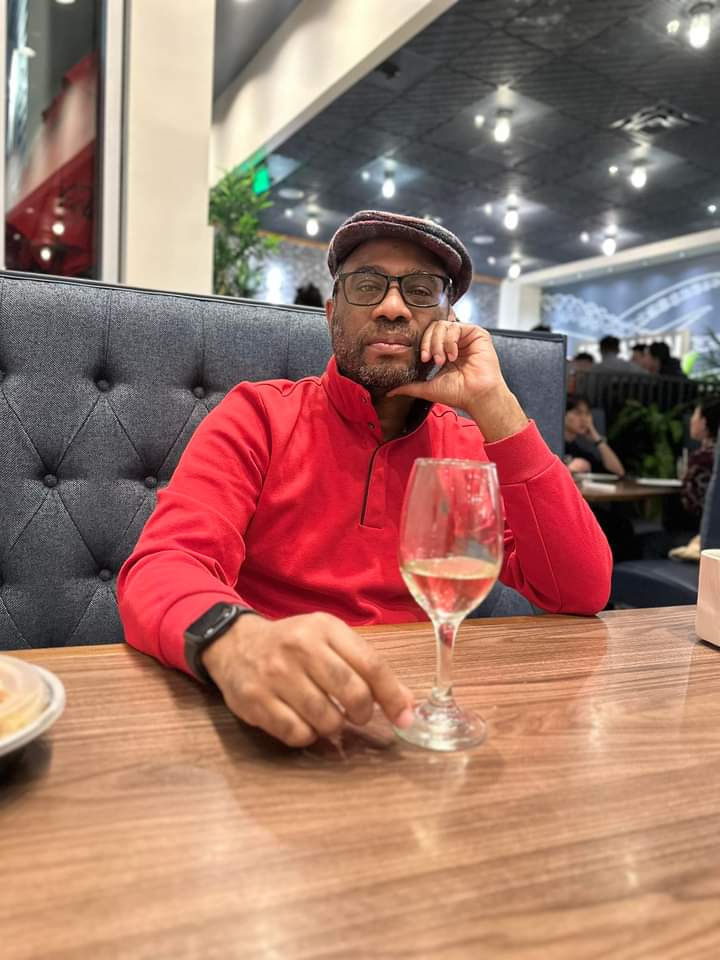
The conversation delves deeper into the concept of conscious artists – individuals who not only create art but also grapple with the realities of poverty, hunger, and family obligations. Guichard acknowledges the dual struggle faced by many artists, balancing the need for creative expression with the practicalities of daily life.
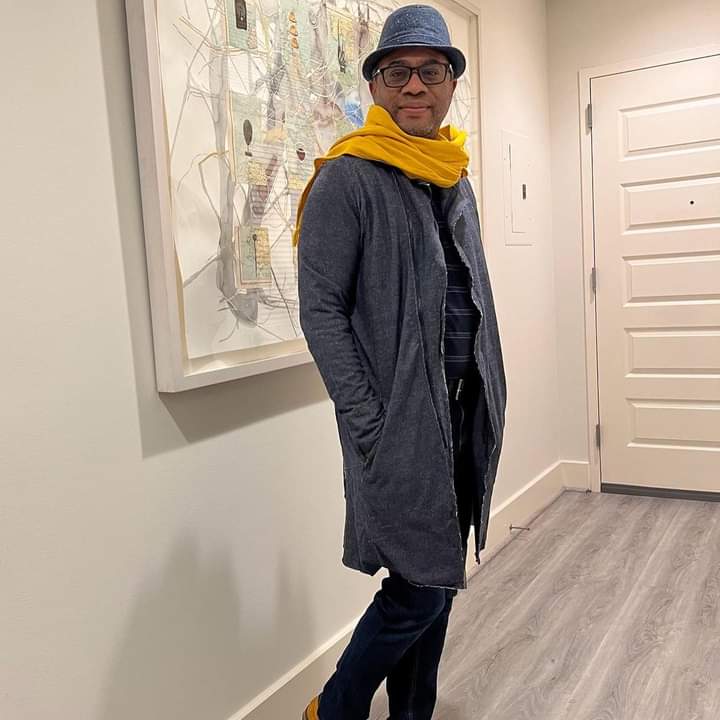
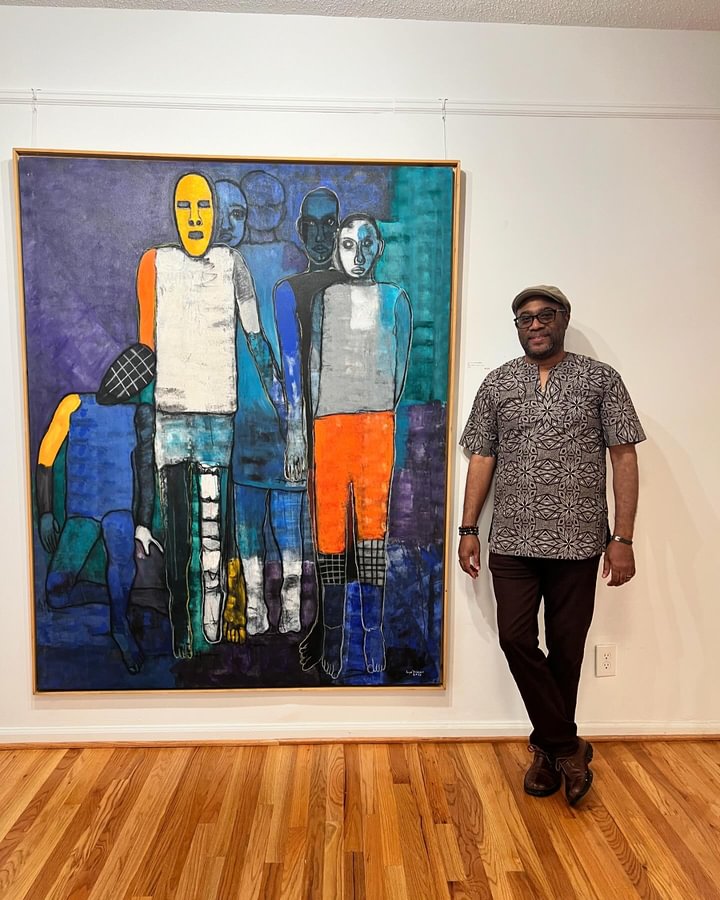
“What’s your definition of conscious artists?” Guichard poses to Aito. “As artists are humans, they are battling with poverty, hunger, and family issues, which does not lend them the time to really discover who they are.”
While reflecting on the challenges faced by artists, particularly in traditional societies where familial expectations may conflict with artistic pursuits. Guichard responds, “Some traditions or cultures need to come to the 21st century as well,” he remarks. “The pressure to marry and start a family can stifle artistic growth, as artists are weighed down by responsibilities and the quest for financial stability.”
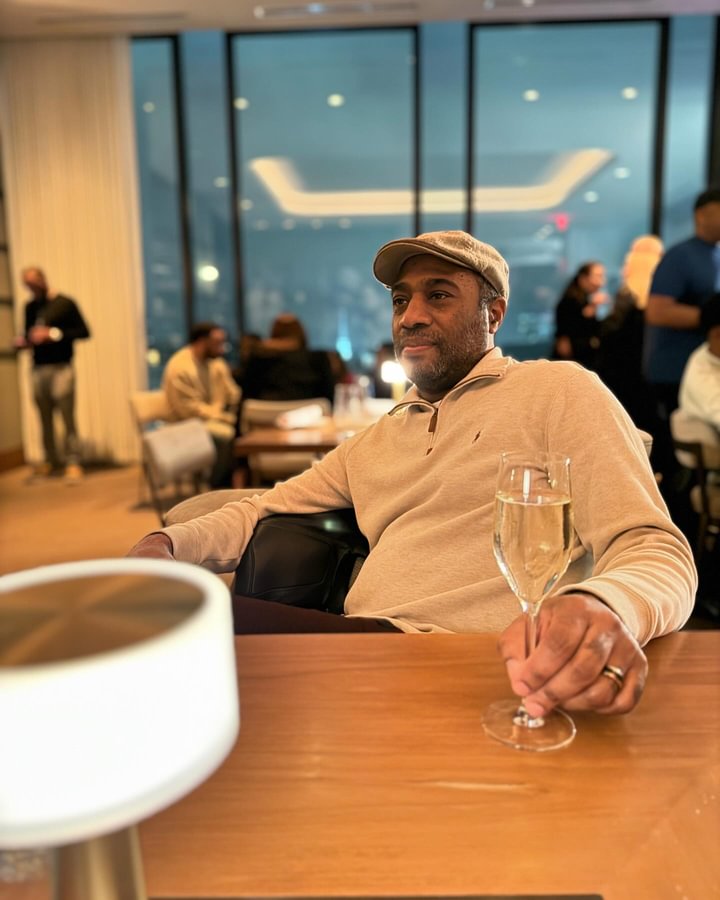
Guichard emphasises the importance of support systems for artists, whether through financial assistance, flexible employment opportunities for spouses, or community networks that foster creativity and innovation. He advocates for a holistic approach to nurturing artistic talent, one that recognizes the diverse challenges and aspirations of artists across the African continent and beyond.
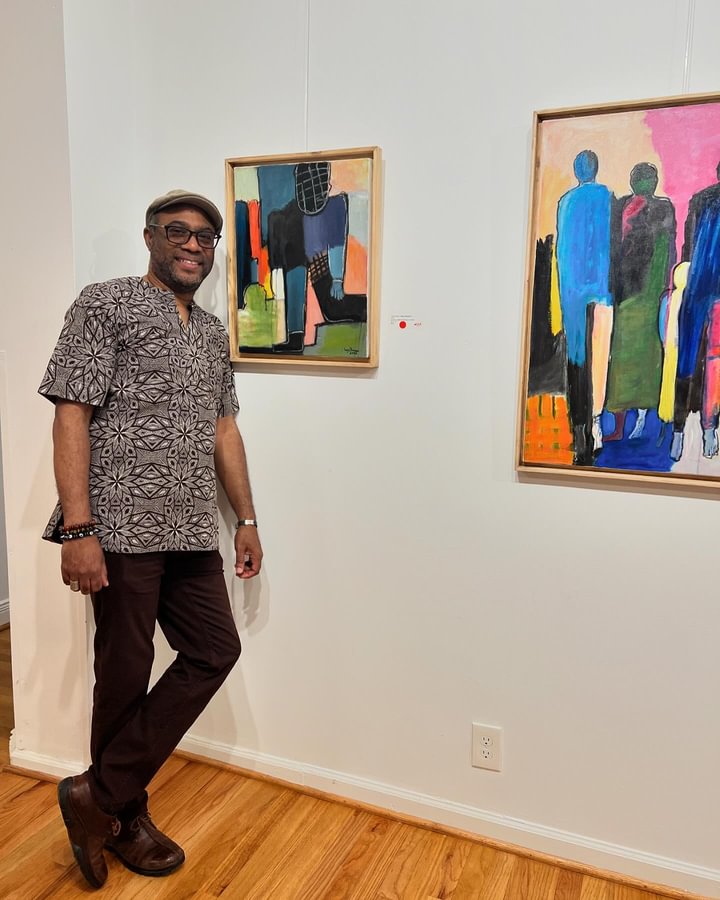
As the conversation draws to a close, Guichard expresses optimism for the future of African art, highlighting the resilience and ingenuity of artists in overcoming obstacles and shaping their own destinies. Through dialogue and collaboration, they believe that African artists can continue to thrive and make meaningful contributions to the global cultural landscape.
Words/ Ireho Aito/ Don’t Keep Your Art in the Finger!/Pictures/ Jèan – Patrick Guichard

