
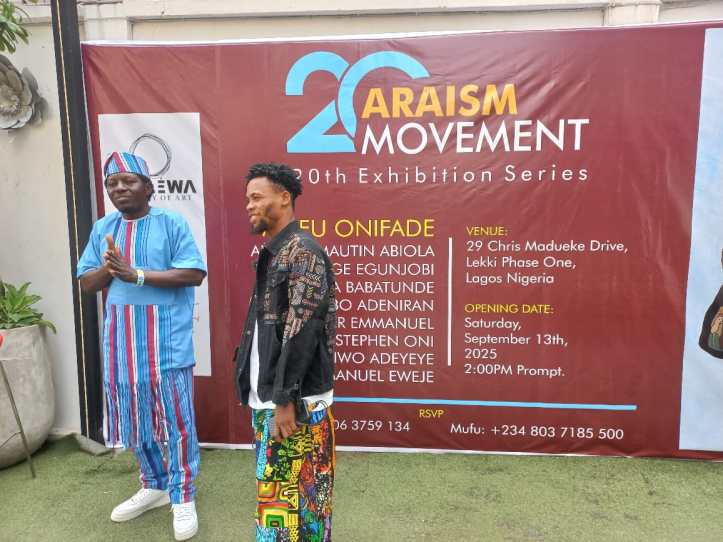
Lagos doesn’t just host exhibitions; it stages experiences. On the afternoon of September 13, 2025, the usually quiet stretch of Lekki where Iwalewa Art Gallery stands was transformed into a carnival of colour, texture, and rhythm. Opposite the glowing spires of Our Lady Star of the Sea Catholic Church, another kind of worship was underway, a worship of art. Writes Ireho Aito. Photographs Babatunde Muyi.
On September 13, 2025, Lagos cultural calendar was lit with a blaze of colour and rhythm as the ARAISM Movement marked its twentieth anniversary at the prestigious Iwalewa Art Gallery, Lekki. The exhibition was more than a show of artworks, rather, it was a celebration of resilience, innovation, and two decades of a movement that has grown into one of Nigeria’s strongest contemporary art voices.
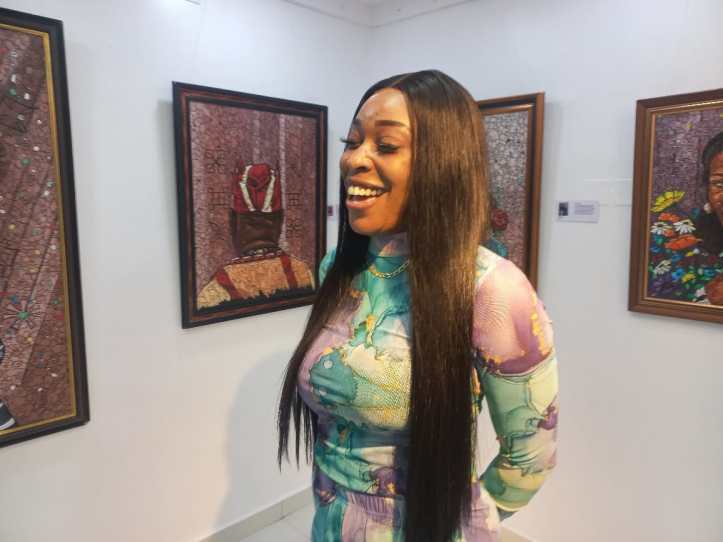
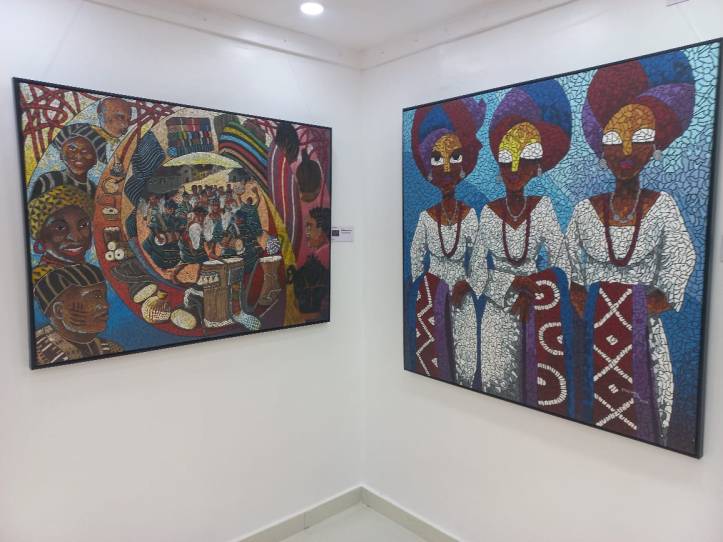
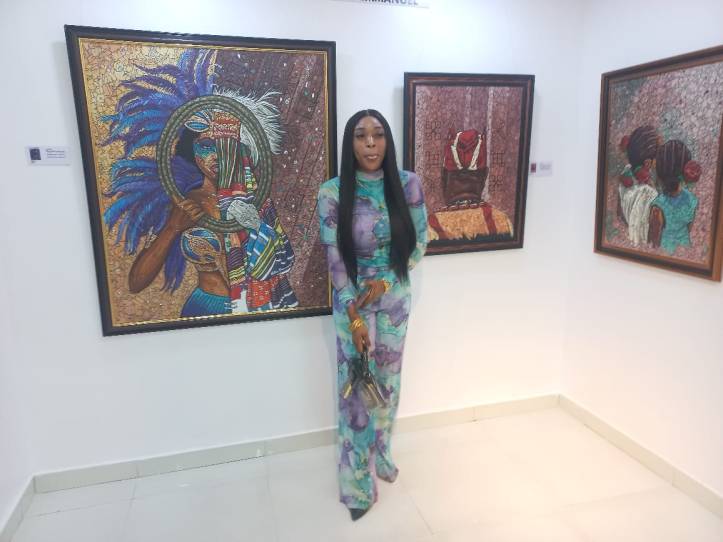
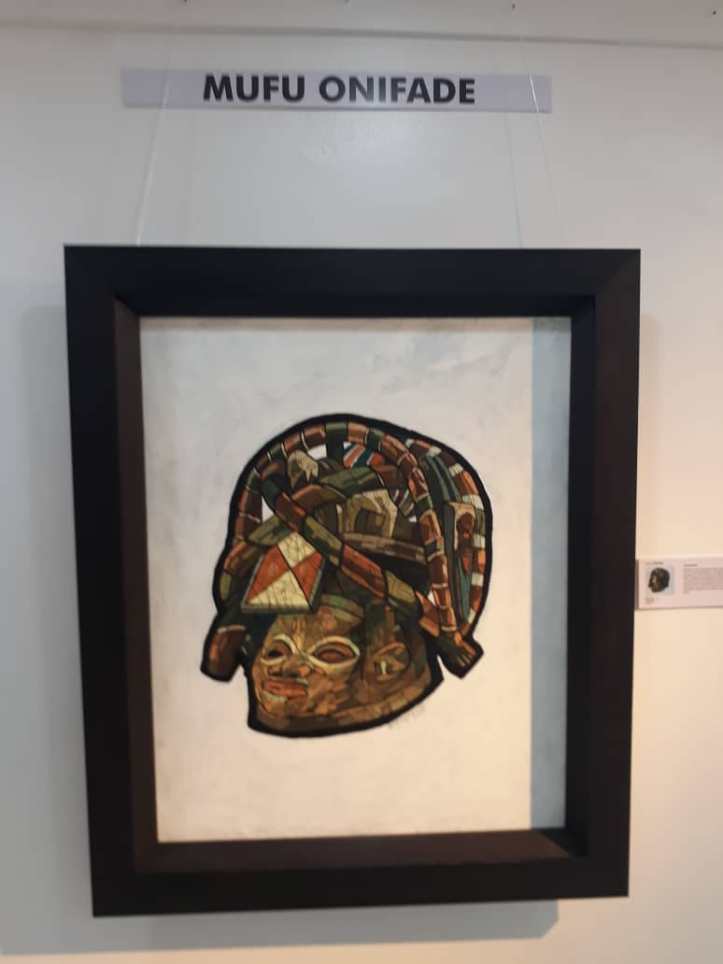
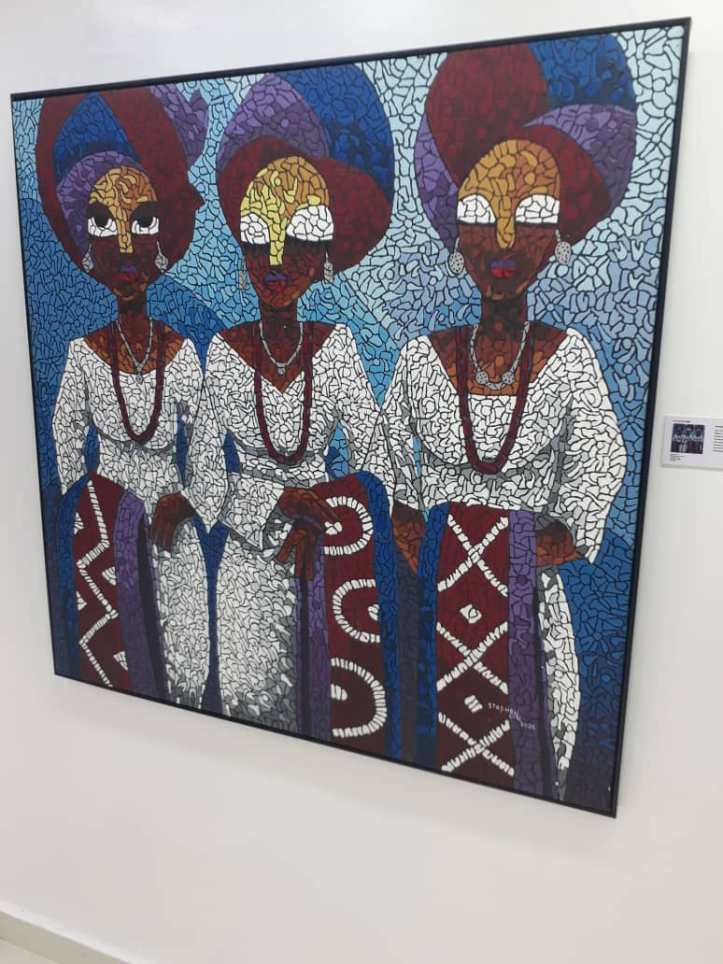
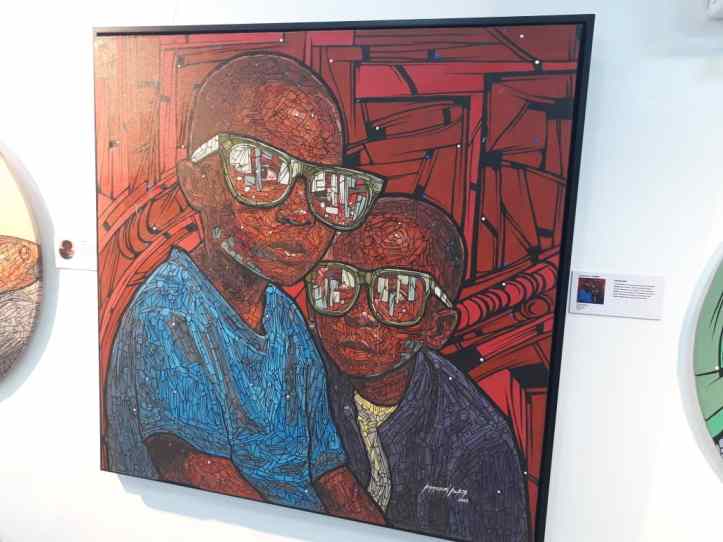
The baptism of ARAISM Movement was officially done at Harmattan Workshop Gallery, Victoria Island in 2006. This was at a time when Nigerian art was experiencing a shift from strict realism to more experimental expressions, Mufu Onifade unveiled a new technique he called Araism. Inspired by the Yoruba word “Ara” meaning wonder, thunder, or mystery, Araism combined textured surfaces, broken forms, and symbolic strokes that gave artworks a tactile, almost spiritual quality.
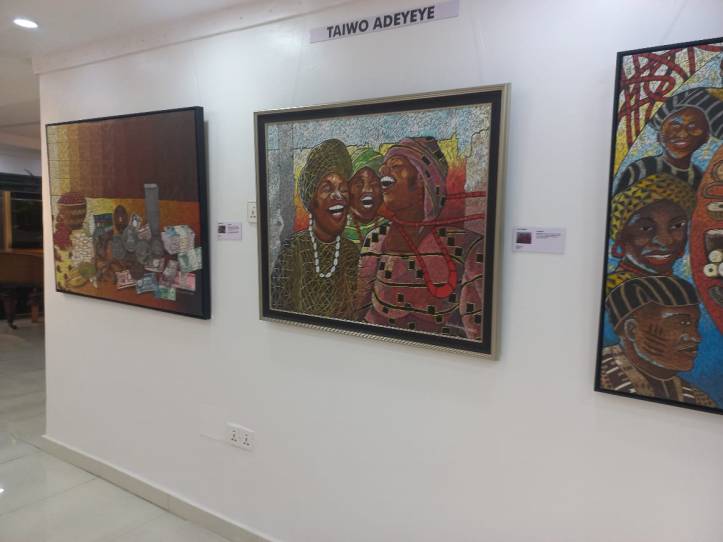
What began as an individual’s stylistic experiment soon attracted a circle of like-minded creatives who embraced its philosophy, to break boundaries and celebrate African identity through new visual languages.
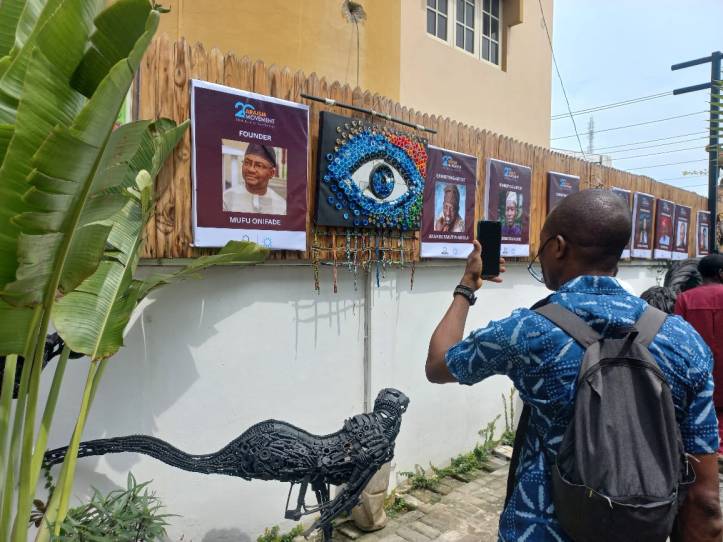
Rolling Out the Drums for a Movement
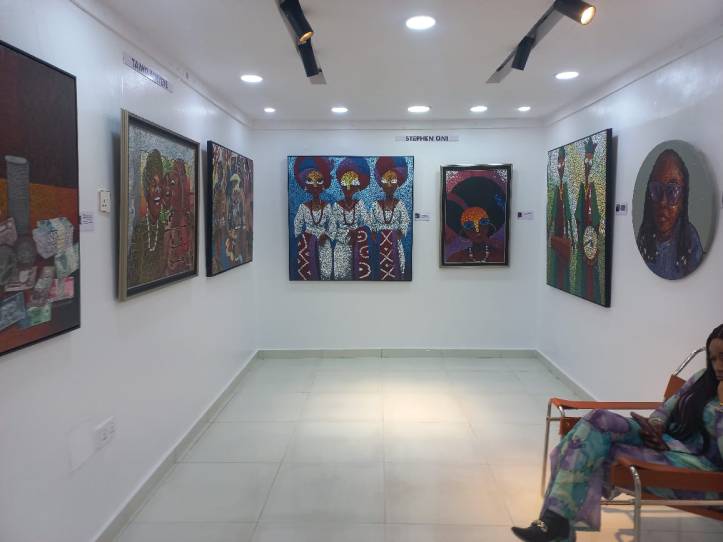
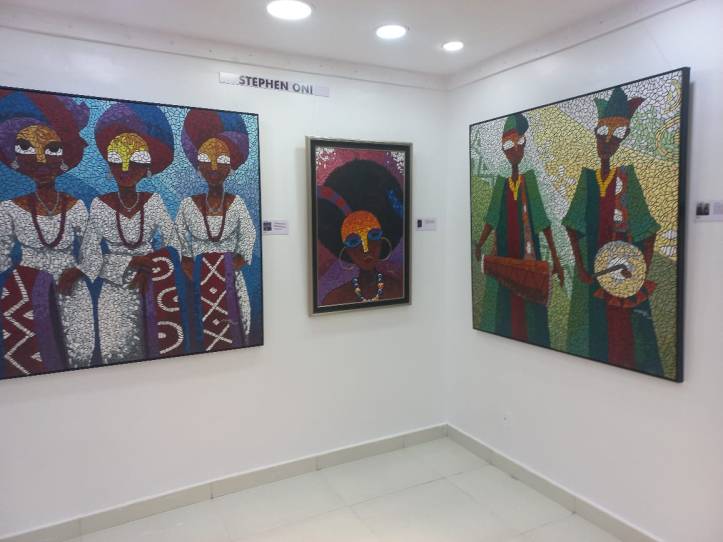
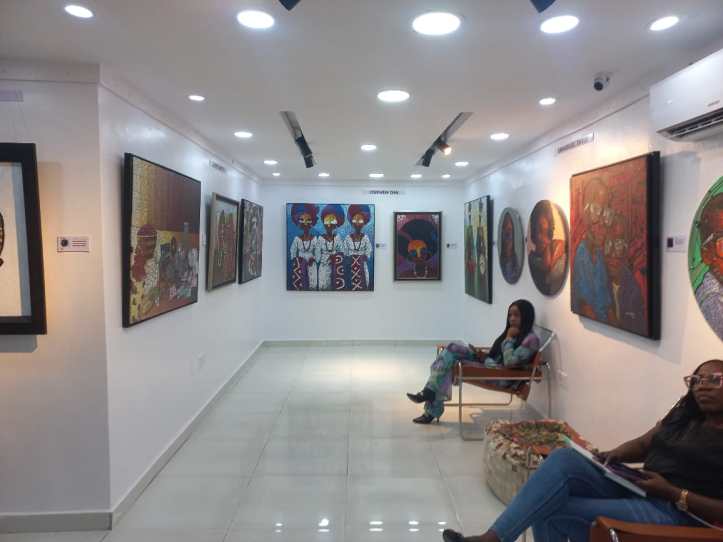
Fast forward twenty years, and the Araism family rolled out the drums. The Iwalewa Art Gallery, the genuine cultural place, opened its whitewashed doors to a flood of collectors, art lovers, critics, and cultural enthusiasts. Inside, the walls radiated with textured canvases that are bold, colourful, sometimes conversational, yet always grounded in cultural memory.
According to Femi Williams, the Curator of the exhibition, the planning has been on – going for two years to mark the milestone moment at the gallery. The Iwalewa team had to work along with the theme and removed stereotypes kind of exhibition which is what Araism Movement also stands for to be unique in technique.
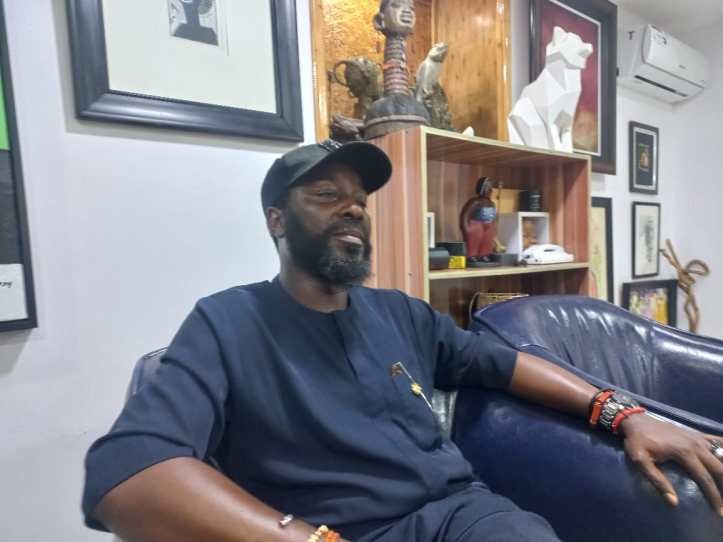
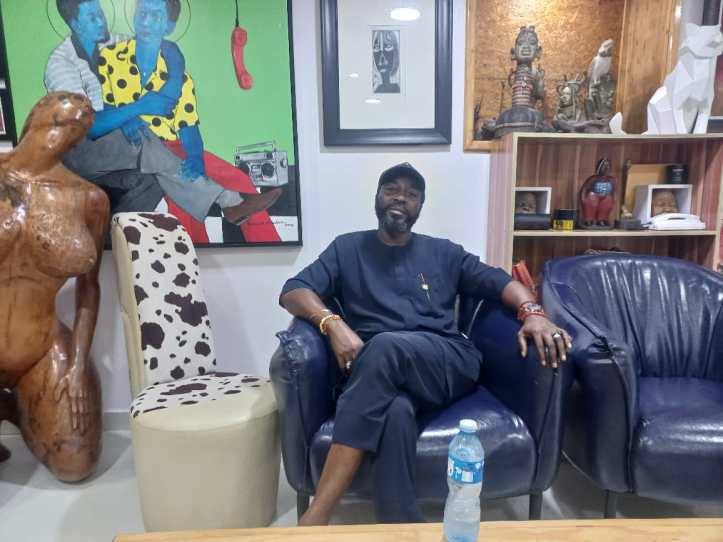
“For me, the brain behind this technique, Mufu Onifade has a amiable personality and very creative. Even, when I was in School of Art and Design, Federal Polytechnic Auchi, and living in Benin, I have always heard about his prowess and continuously communicating with his movement,” Femi Williams reveals. “Kesa Babatunde was my course mate,” he confirms. “We all agreed that life is transient and there will always be movement into other obligations among pioneering members.” At Araism Movement, 30 artworks were on display.

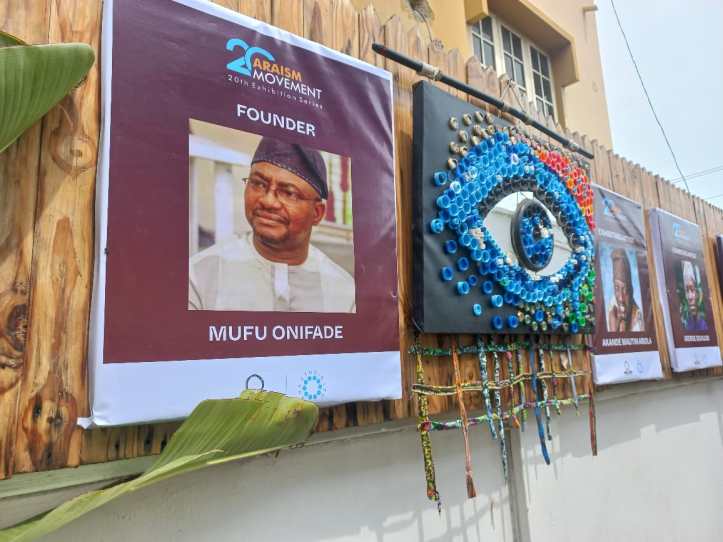
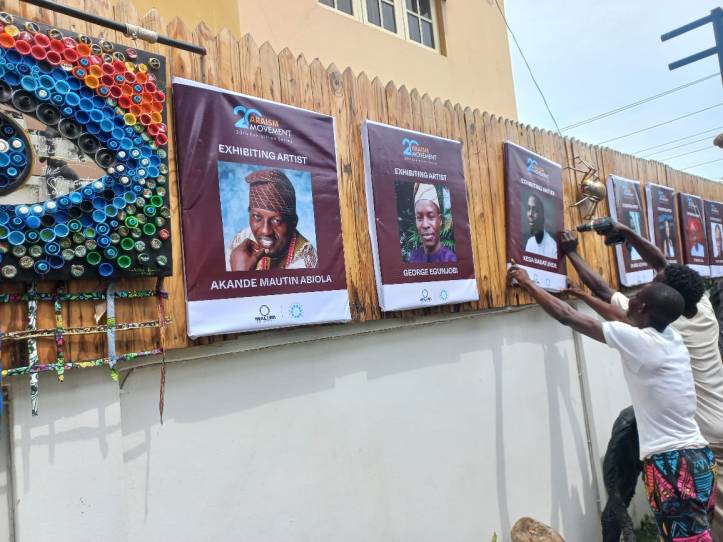
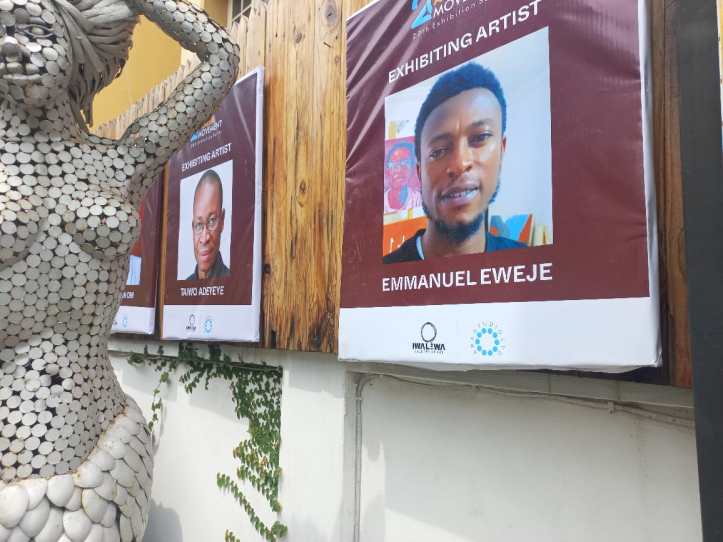
The exhibiting artists were led by Onifade himself, the founder and master of Araism, Akande Mautin Abiola, Oluwanbe Amodu, George Egunjobi, Kesa Babatunde, Odumbo Adeniran, Jonathan Imafidon, Esther Emmanuel, Stephen Oni, Adeyeye Taiwo and Emmanuel Eweje.
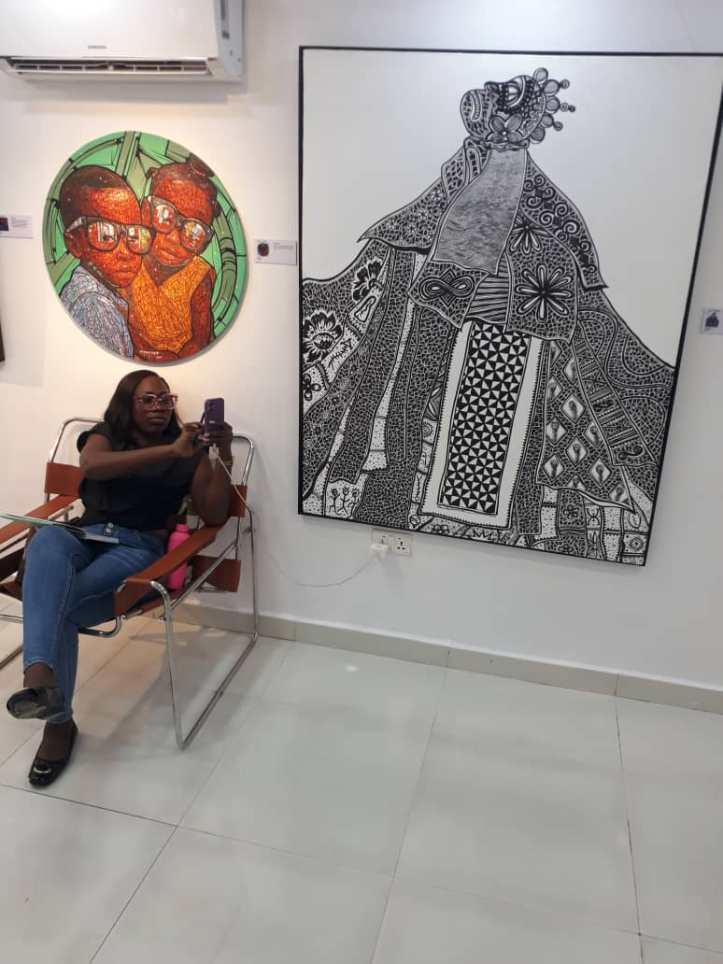
Each brought a distinct voice to the Araism vocabulary from abstract explorations to figurative reinterpretations and proving that the movement has matured into a spectrum of possibilities.
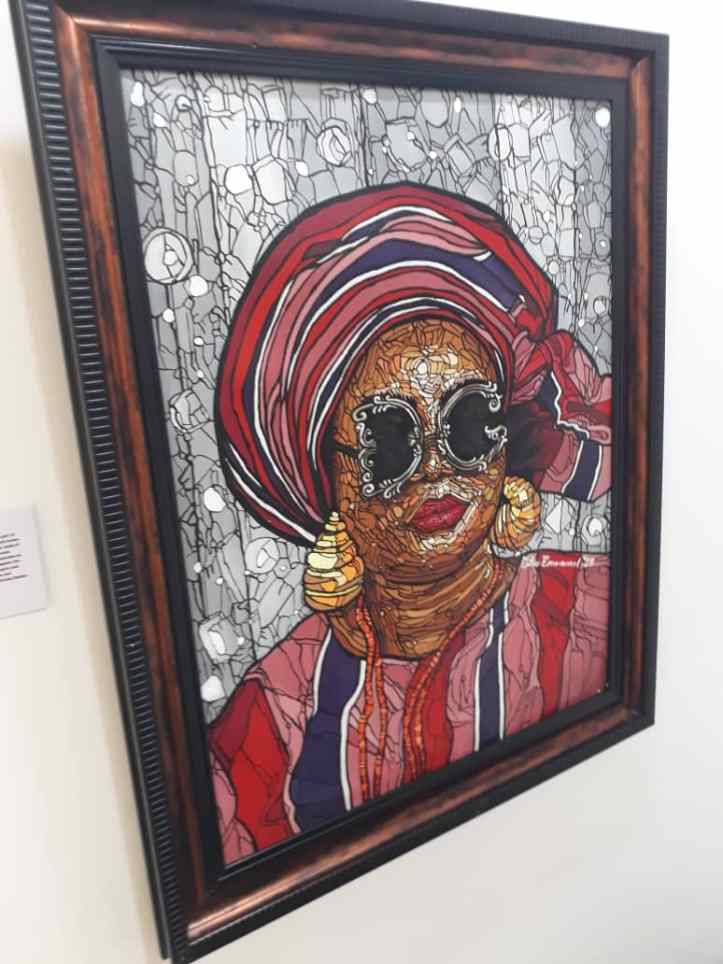
A Visual Chronicle in Photography
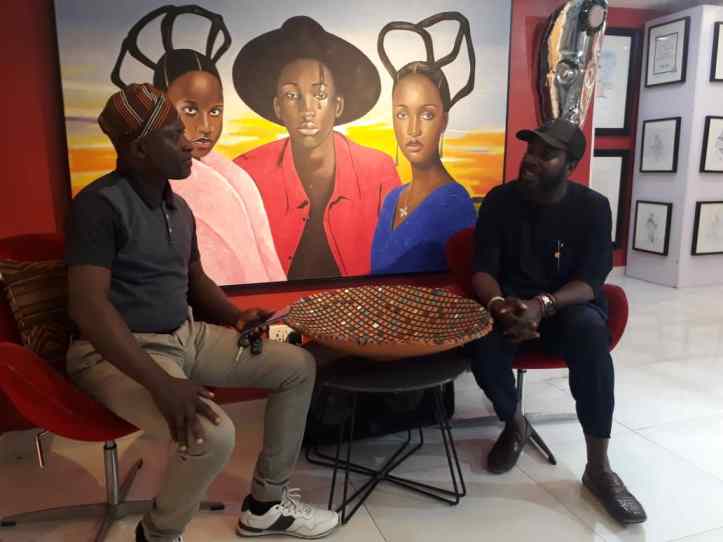
Among the early arrivals was acclaimed Nigerian photographer Tunde Muyi, who turned his lens toward both the artworks and the gallery’s pulsating atmosphere. His photographs captured not just canvases but conversations, laughter, and that unmistakable Lagos art energy. In his frames, Iwalewa itself became a subject of a sanctuary where art and life embraced.
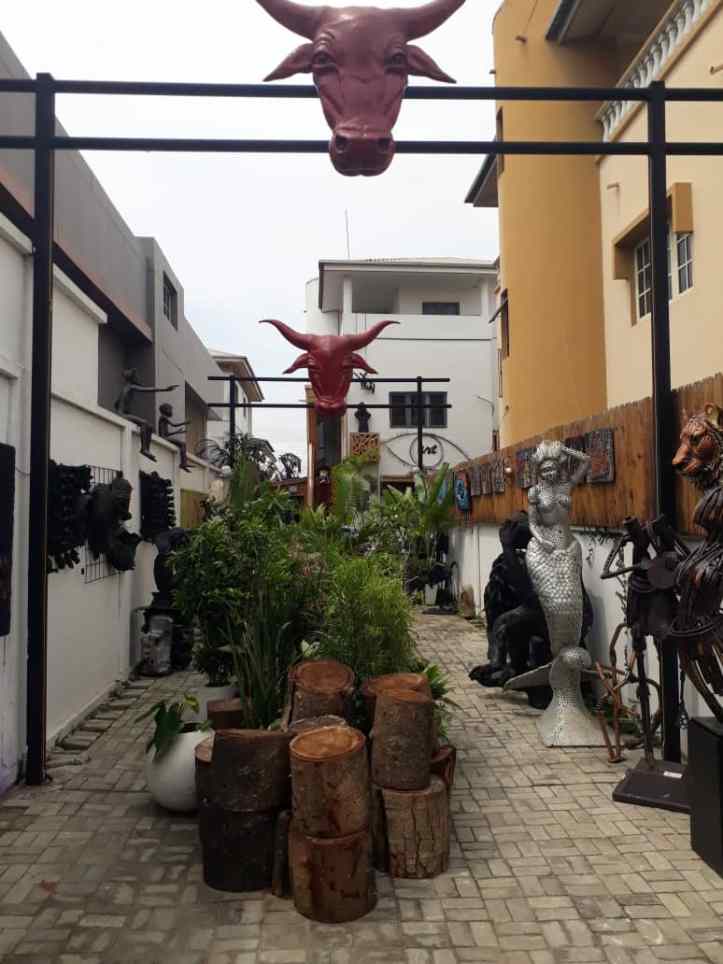
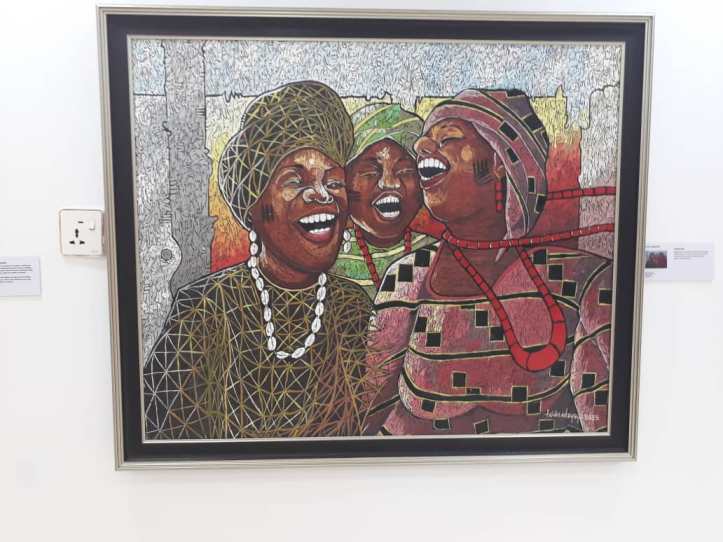
Why Araism Matters
Over the years, Araism has built a reputation for daring to be different. It rejects perfection, embraces brokenness, and uses texture to echo Africa’s complex layers of history and identity. Art historians often compare it to global movements like Cubism or Expressionism, but with a distinctly Nigerian soul.
For Onifade, it has always been about more than technique. “Araism is a philosophy of wonder,” he told admirers at the humble beginnings. “It reminds us that even in fragments, beauty exists.”
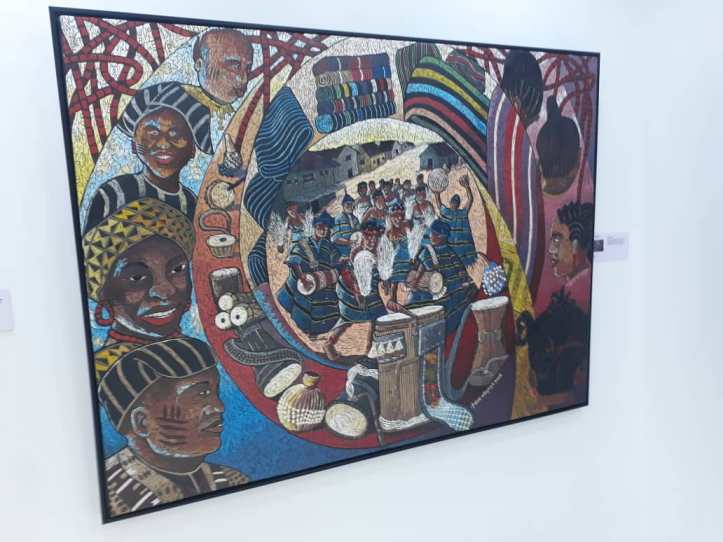
As the drums rolls on Araism Movement inside Iwalewa Art Gallery, one thing was clear Araism has secured its place in Nigeria’s art history. Twenty years on, it is no longer just a movement, now it is a legacy.
Words/Ireho Aito/Don’t Keep Your Art in the Finger!/Photographs/Babatunde Muyi

