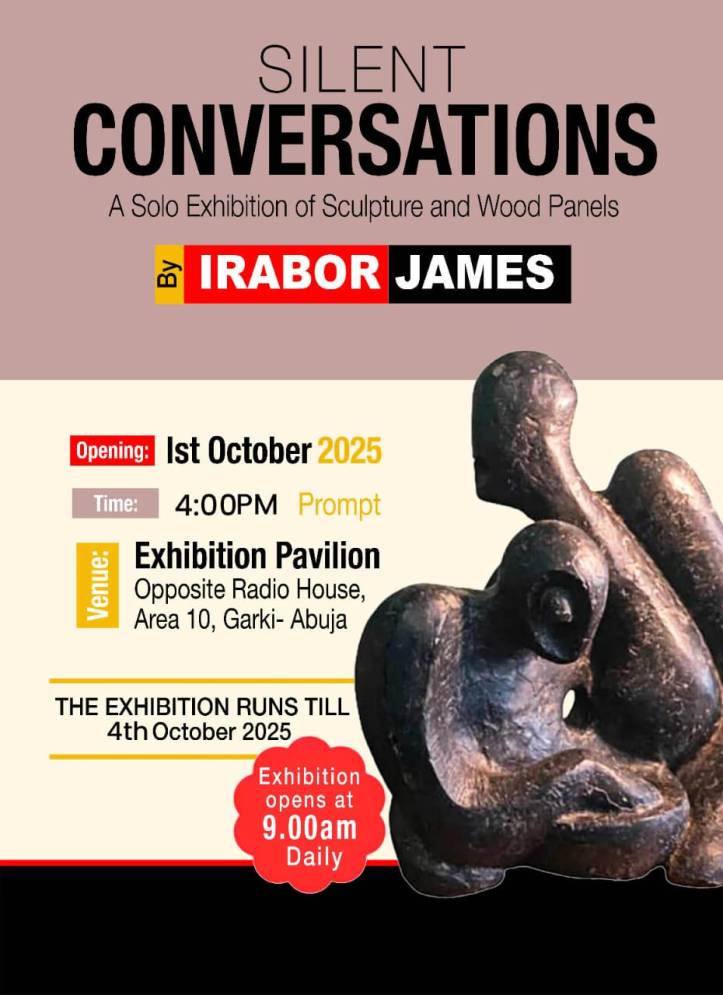
With Silent Conversations, James Irabor steps out and onto the spotlight, weaving personal history, cultural memory, and experimental forms into one powerful body of work. For Irabor, the exhibition is not just a debut, it is a homecoming. For Nigeria, it is a reminder that art, like independence, is both freedom and responsibility. Writes Ireho Aito
The Exhibition of a Lifetime
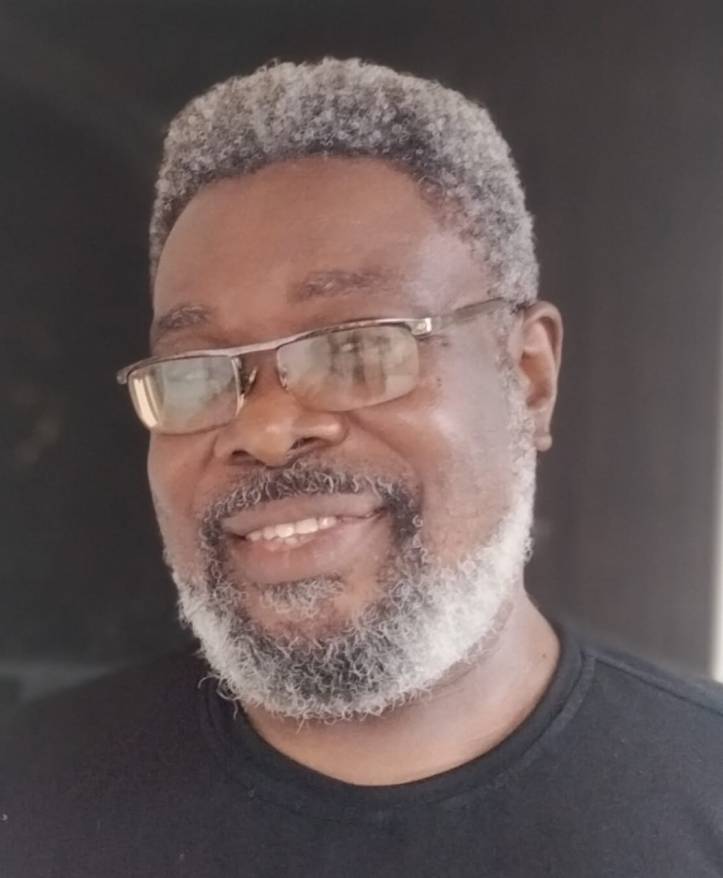
On October 1st, while Nigeria celebrates 65 years of independence, another kind of freedom will be unveiled in Abuja. James Uwagbale Irabor, a Nigerian-born visual artist and retired Deputy Director of the National Gallery of Art, will open his debut solo exhibition titled Silent Conversations.
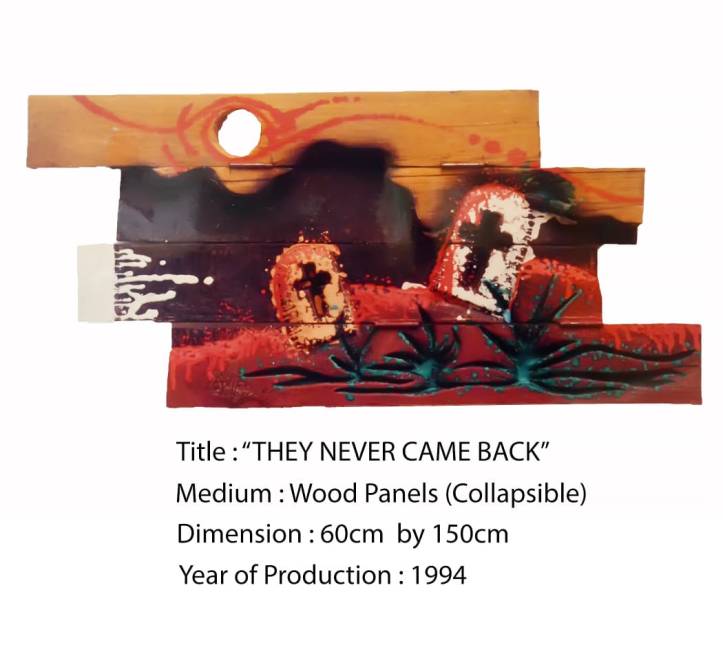
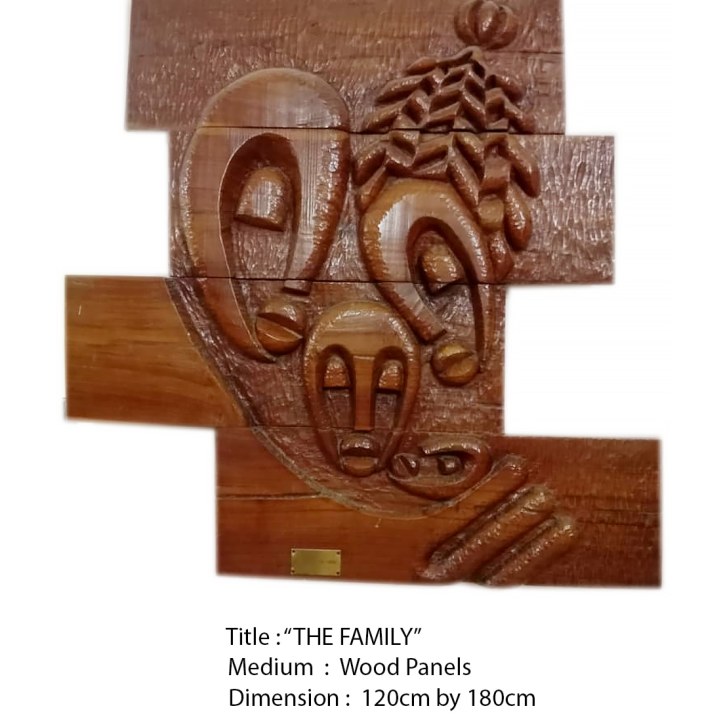
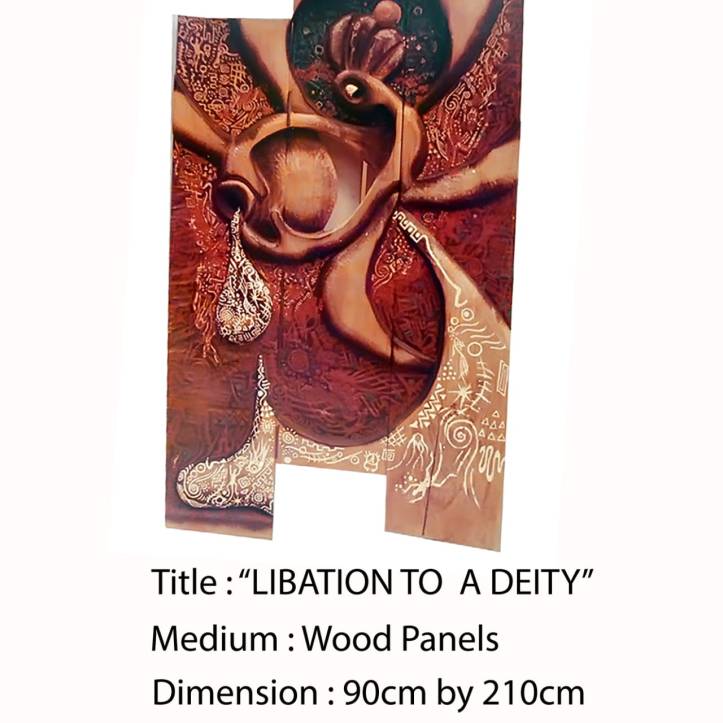
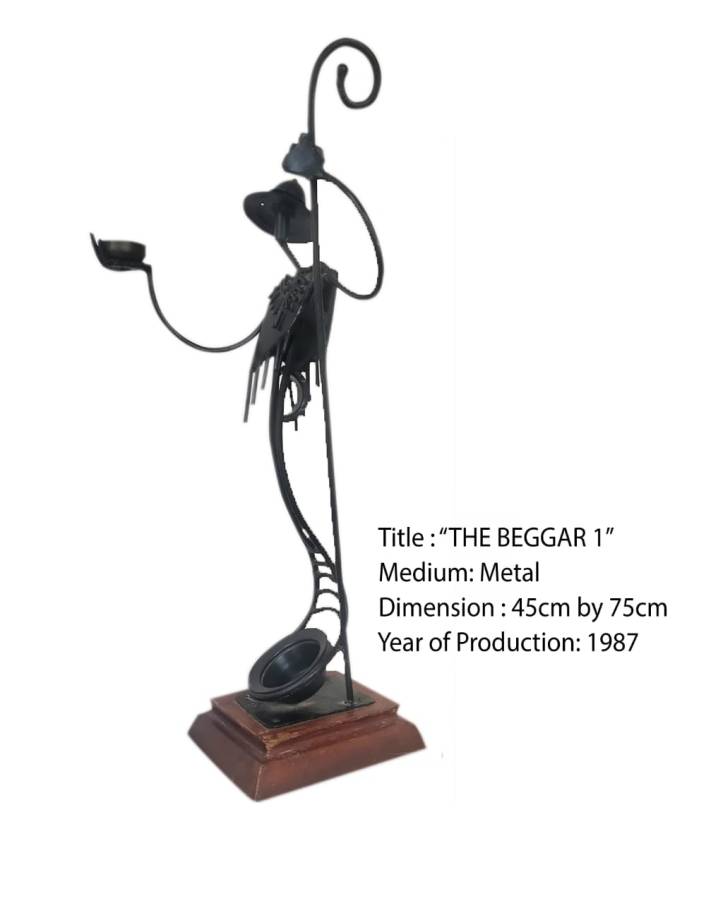
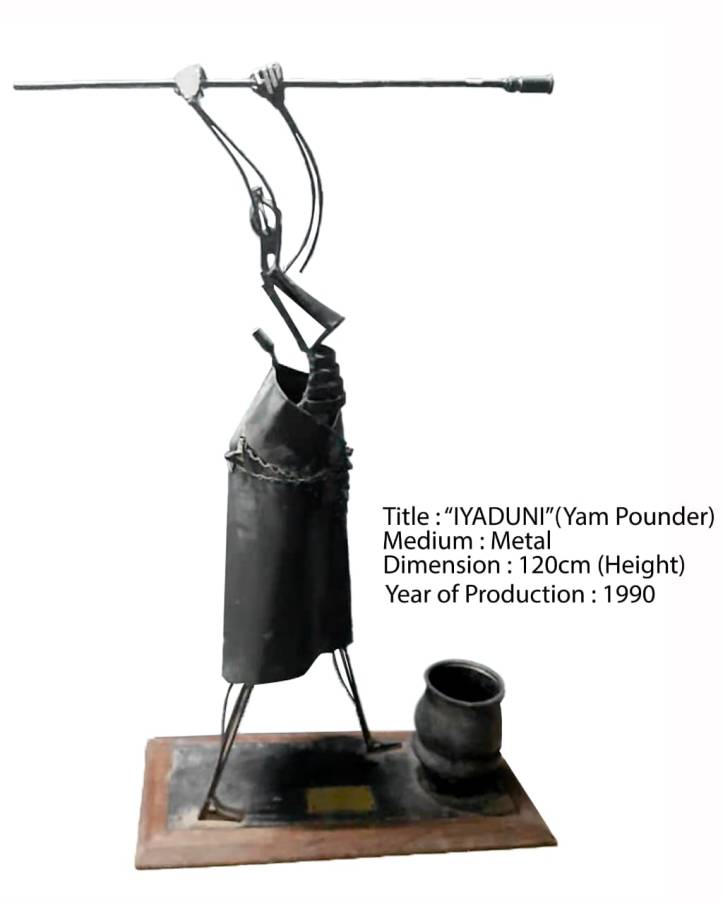
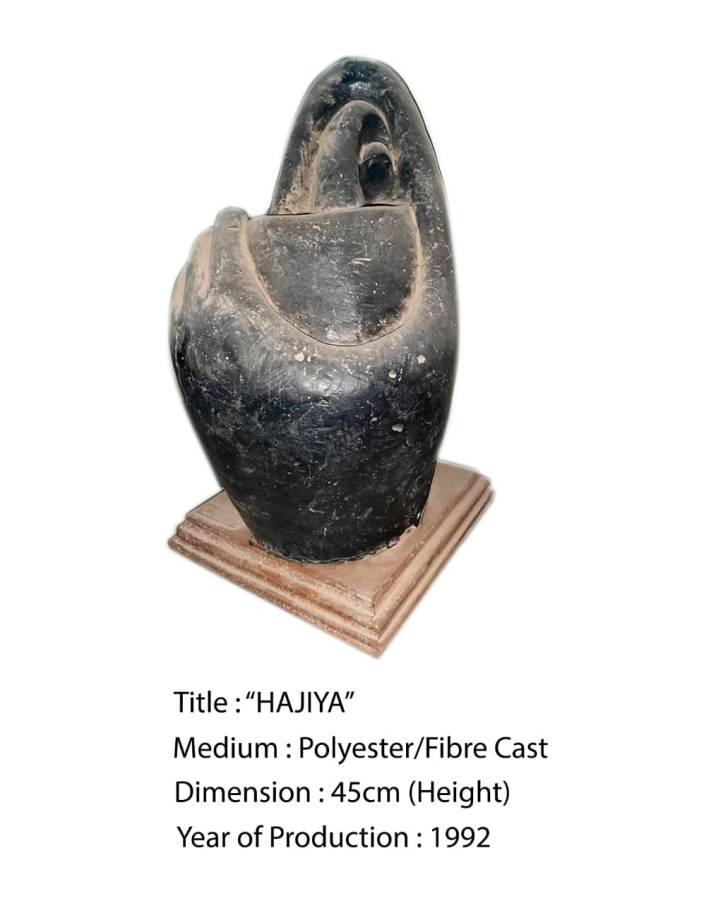
The show brings together over 30 works created across decades of carved wood panels, metal sculptures, fibreglass, and colourful motifs, all woven into narratives that whisper truths about culture, society, and the human spirit. iBAND Magazine sat down with Irabor to talk about his journey, inspirations, and what audiences can expect when art and emotions collide.
“Art for me is not decoration,” James explains. “It is life itself. It is memory, it is history, it is silence speaking.”
A Name Destined for Greatness
Just like his name that was destined for greatness, it about time, it soared.
As we all know that time is a great healer, and it is also a storyteller. James Irabor Uwagbale’s story feels scripted for TV and film. His names alone, Irabor meaning “warrior” in Edo, and Uwagbale meaning “supplication” both seem like prophecies of destiny. Strength and prayer, boldness and humility, all find their way into his art.
James Irabor’s art carries depth and beauty. A glance at his Instagram page reveals a flourishing gallery showcasing carefully arranged sculptures with striking titles that instantly draw the eye and stir curiosity. James Irabor is indeed a glam!
If you have ever stumbled upon a school magazine in the 1970s with witty caricatures that had seniors fuming and juniors giggling, chances are you have already met James Irabor, though back then, he was the “mystery cartoonist” of Government College Ibadan Focus Magazine.
James was born in the ancient city of Ibadan in the early 1960s to a proud Esan father from Edo and an Ijaw mother from Nembe/Brass, Bayelsa, both were trained Pharmacists who met in medical school. James grew up in a middle class home where culture was a second skin. His father, a debonair man with refined taste for art, museums, and architecture, planted seeds of curiosity in young James. But it was Marvel Comics superheroes characters like Spiderman, Hulk, and Captain America that watered them.
“My father was a powerful dresser, a debonair,” James recalls. “He loved museums, architecture, and culture. I think he unknowingly passed that flame to me.”
At Sacred Heart Private School, Onireke run by the Catholic Mission, little James was the boy who skipped lunch breaks just to copy Spiderman, Hulk, and Captain America, colouring them to life before cutting them out and staging his own storylines. While other kids played football, James was already scripting alternate comic universes in the dusty classrooms of Ibadan. He shares such accounts, “I would copy Spiderman, colour him, cut him out, and create my own adventures. Comics were my first world of art.”
The Risky Business of Caricatures
By 1974, James gained admission into the prestigious Government College Ibadan, a school celebrated for its discipline and academic excellence. Yet even within that structured environment, art quietly carved a path for him. A senior student spotted his gift and soon recruited him as the secret cartoonist for Focus Magazine, the school’s in-house publication. With each hidden sketch, James sharpened his craft while leaving behind whispers of creativity that many never knew came from his hand.
His job? To sketch biting caricatures of prefects, seniors, even teachers. It was hilarious but dangerous. “If you annoyed the wrong senior with your cartoons, you could be in serious trouble,” he laughs.
The secret leaked. Yet instead of punishment, his peers shielded him. That episode marked him as a fearless artist whose pencil could sting sharper than words.
“It was dangerous,” James admits. “If you annoyed the wrong senior with your cartoons, you could be in serious trouble.” He recalls that he was very young but was able to handle such a herculean task. He James still relishes that period in his early years, often sharing those memories with younger artists who stop by for mentoring. For him, the story of sneaking art into the pages of Focus Magazine is more than nostalgia. In fact, it’s a reminder that creativity can thrive even in the most unlikely places. Those moments now serve as lessons for the next generation that passion, once found, should never be silenced.
But unfortunately for James, the secret didn’t last. Soon, whispers spread that the mysterious cartoonist was James a junior! Instead of punishment, they rallied around him, ensuring he was protected from bullies and angry “victims.” That episode cemented his reputation as a fearless artist whose pencil could cut sharper than a cane. “The secret leaked. Yet instead of punishment, I was shielded. That episode marked me as a fearless artist whose pencil could sting sharper than words,” he recounts.

From Comics to Classical Masters
Such encounters were the burning spear he held on for further studies. And beyond school walls, James discovered the greats. Books like Art Through the Ages opened his eyes to Michelangelo’s marble, Picasso’s experiments, and Henry Moore’s organic forms. At home, Nigerian sculptor Lamidi Fakeye’s works became a compass. These influences fused in his mind, making art not just a pastime but a destiny.
“From comics to Michelangelo, from Edo motifs to Fakeye, everything became part of me,” James explains. “I realised art is not taught, it is lived.”
What the works will say and how he made them
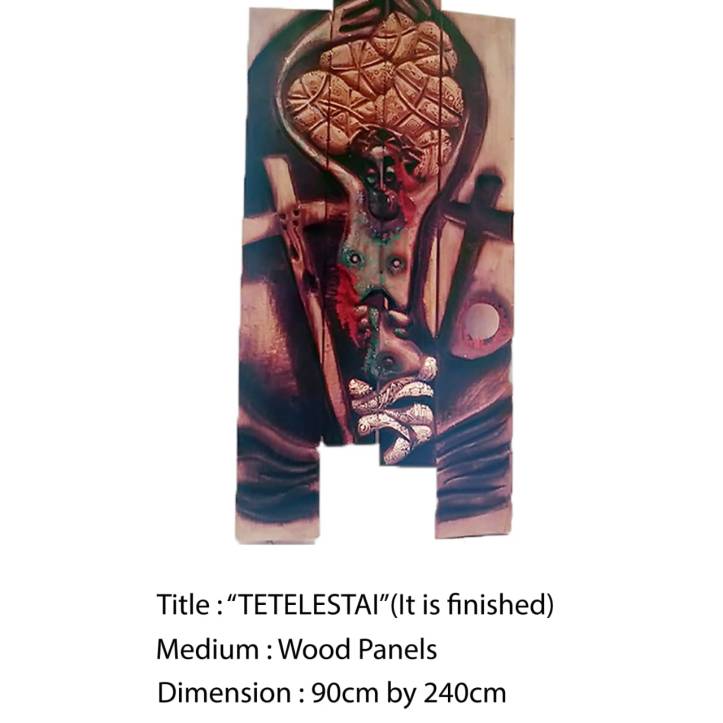
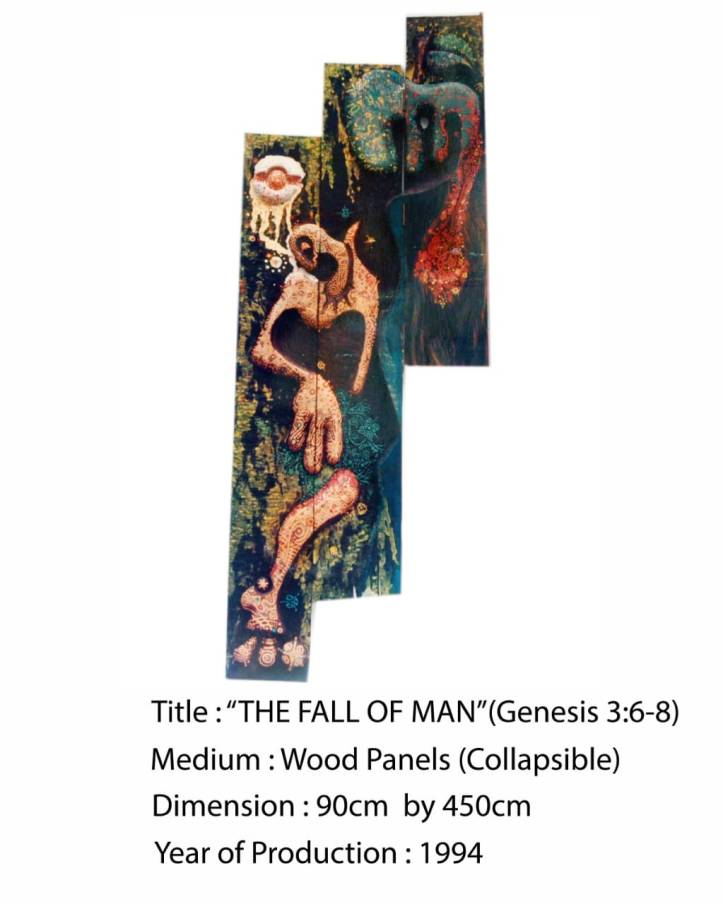
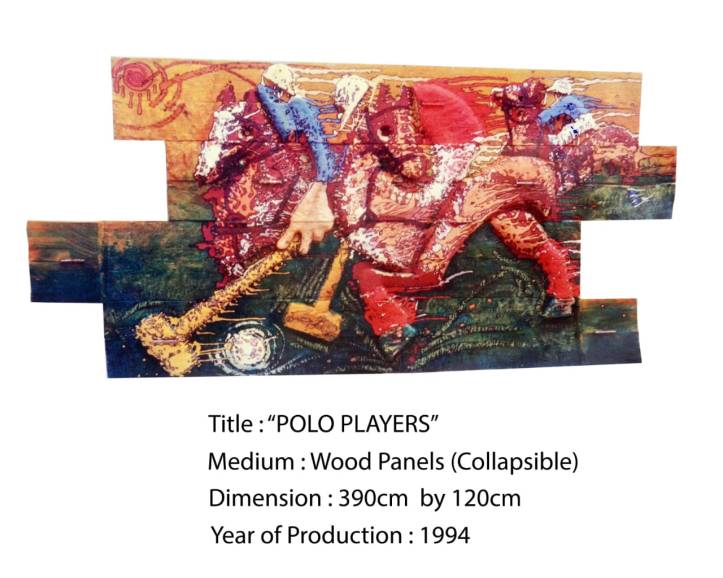
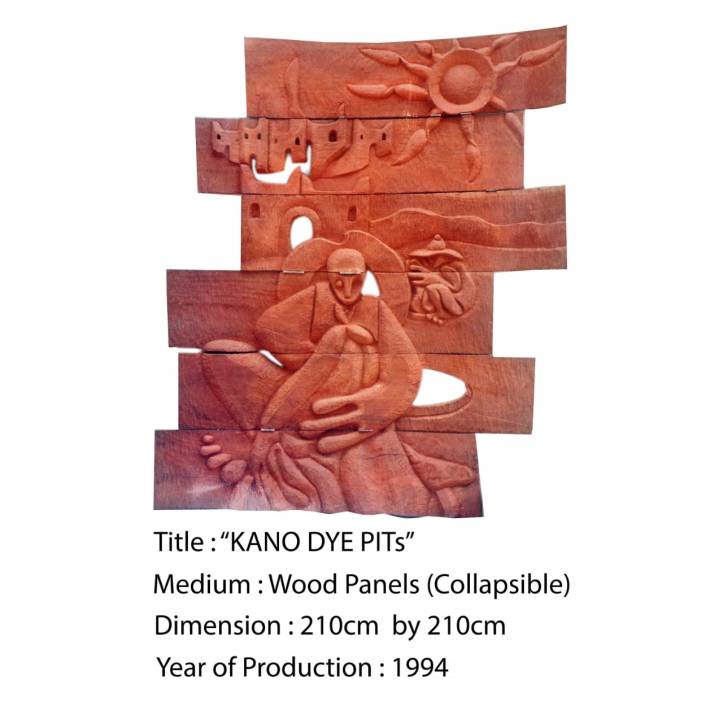
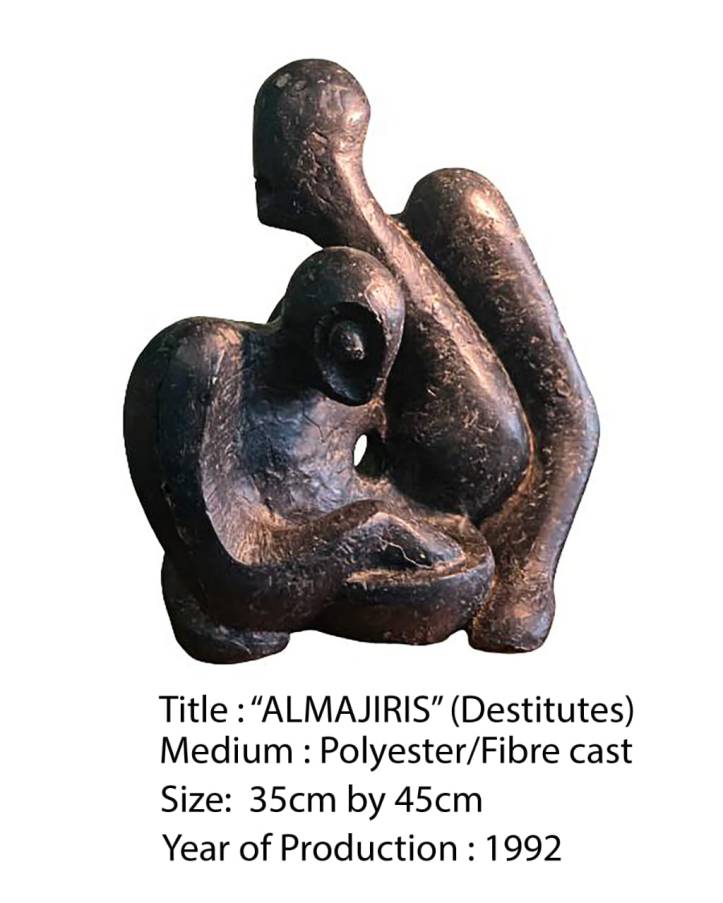
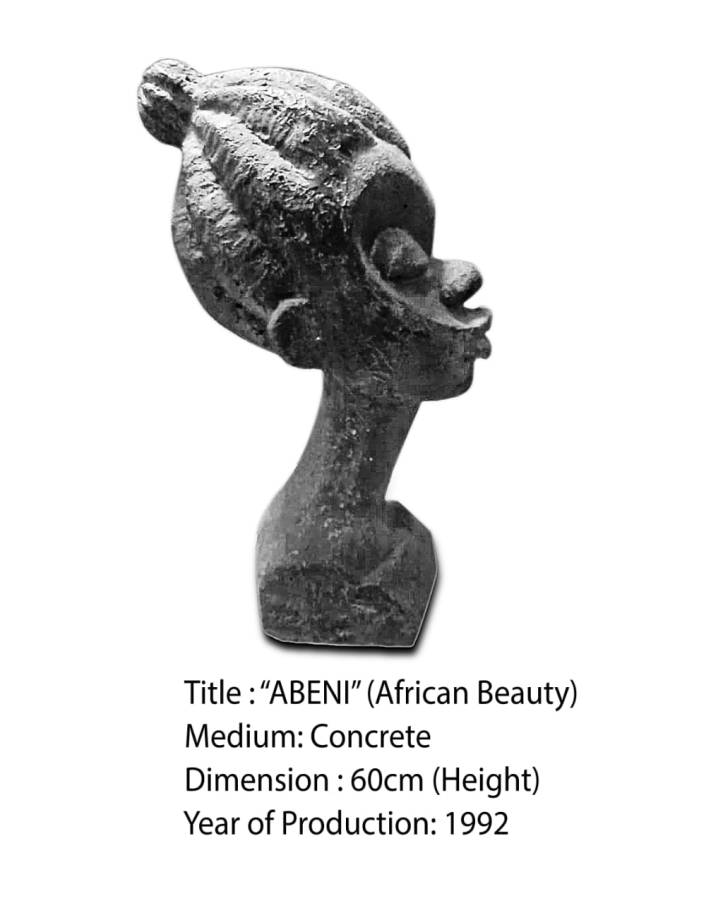
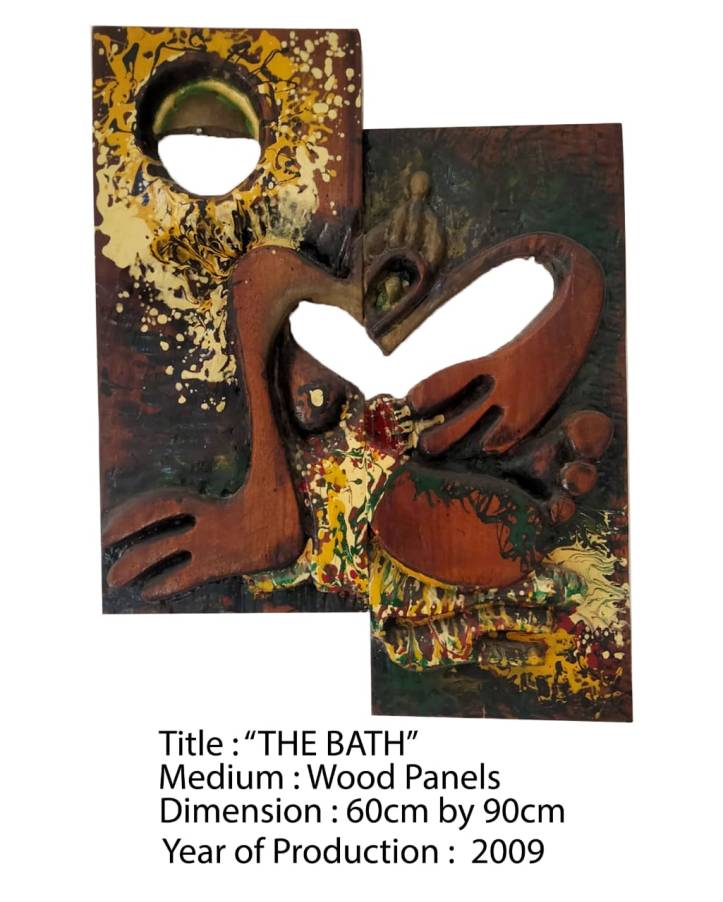
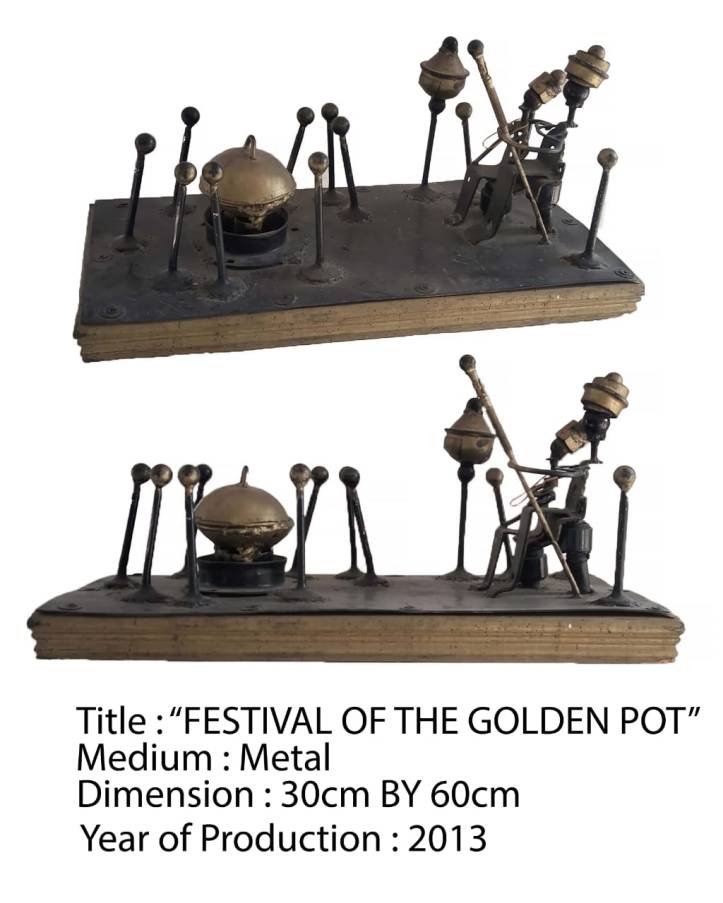
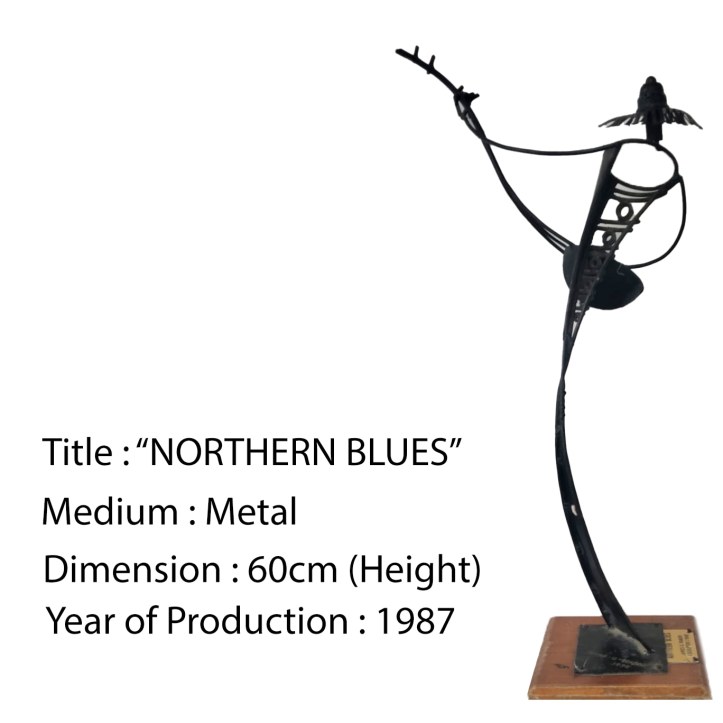
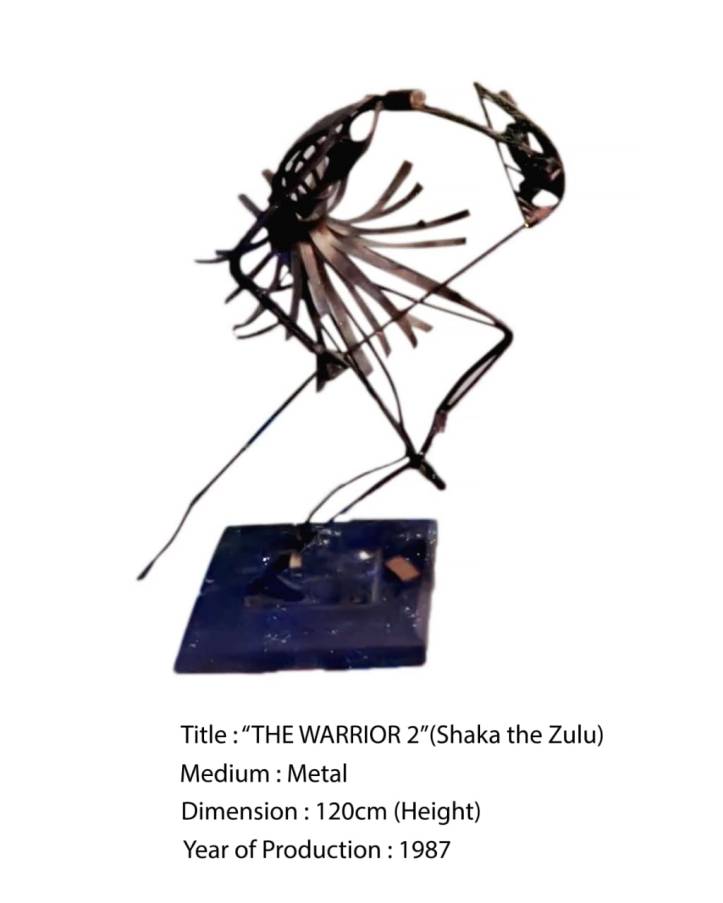
On display at the exhibition in Abuja on the 1st of October, there will be works that speak quietly but cut deep. James says the pieces will touch on hypocrisy, environmental damage, fake religious leaders, salvation, child abuse and neglect, cultural life, sports and more. It is a mixed grill of themes and each work is a small story that opens up bigger conversations long after the show closes.
James remembers his first studio life clearly which began during his OND at The Polytechnic, Ibadan. He calls it “scary, wild but quite interesting,” as he smiles. Nights were the time for work while the campus slept, the studios hummed with music, smoke, and the buzz of tools. After school and NYSC he opened Earthworks Art Gallery at the family home in Ibadan. His father loved watching him work though his mother did not always approve, especially the life drawings of nude figures used to study anatomy.
Even when he moved into the civil service, the studio never left his heart. He admits the nine-to-five duties pushed him into a long hibernation and left only snippets of time for sketches and experiments with wood and metal. Still, the silence of those years only built a reserve of ideas waiting to be released.
“I was privileged to have attended some of the best art schools in Nigeria,” James says. He lists The Polytechnic Ibadan (OND), Auchi Polytechnic (HND), and Ahmadu Bello University, Zaria (BA and MFA in Sculpture). “My whole adult life revolves around the studio. I could be labelled a ‘studio rat’ because all the thrills and inspiration come from sharing space with gifted colleagues.” He laughs as he remembers wearing khaki overalls like a uniform that some people even thought he was a labourer because he was always on site.
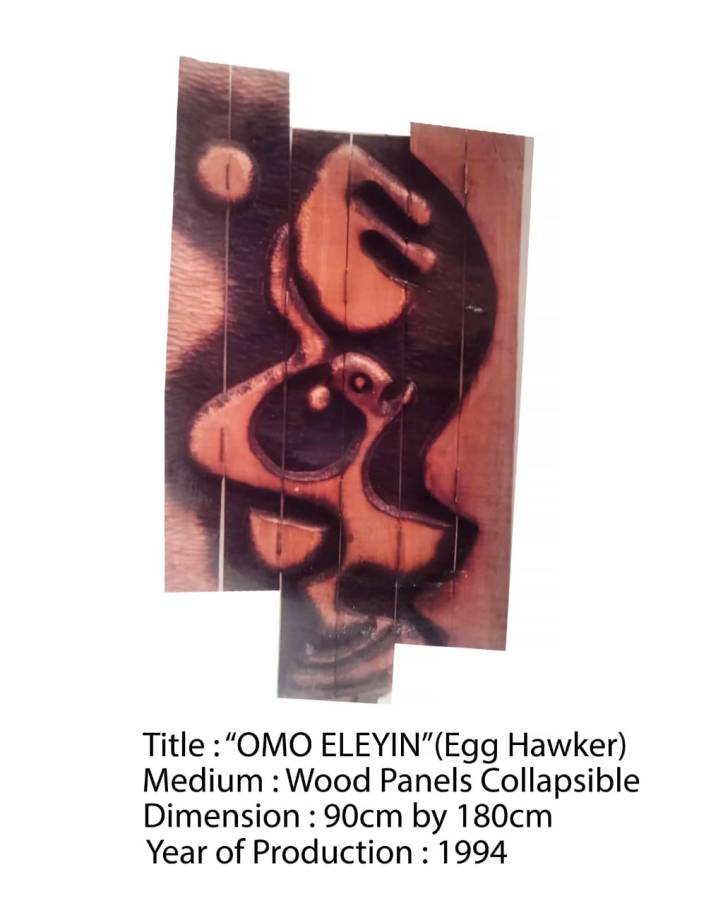
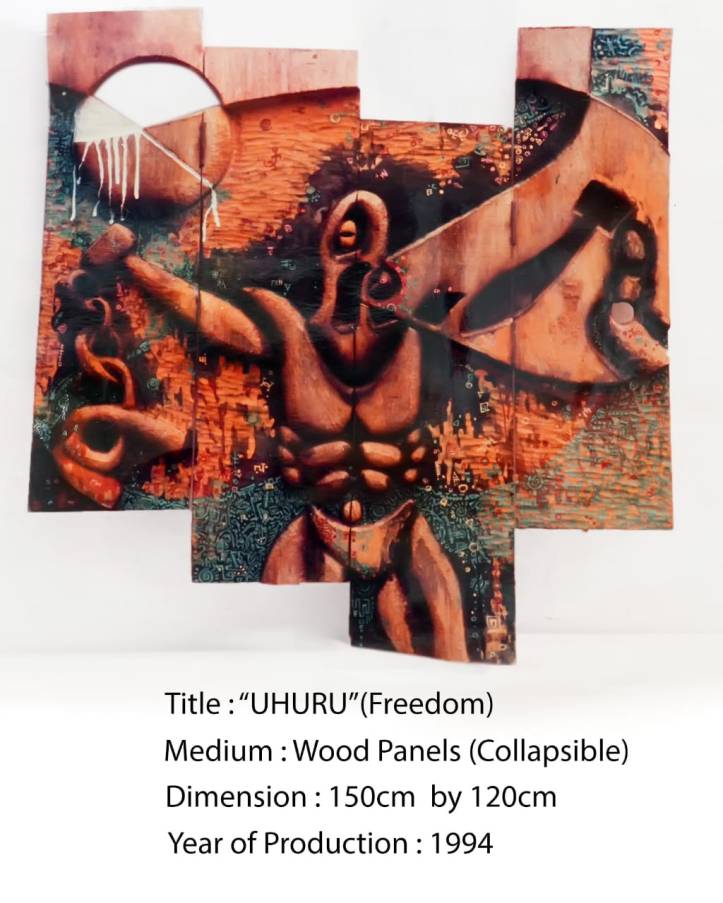
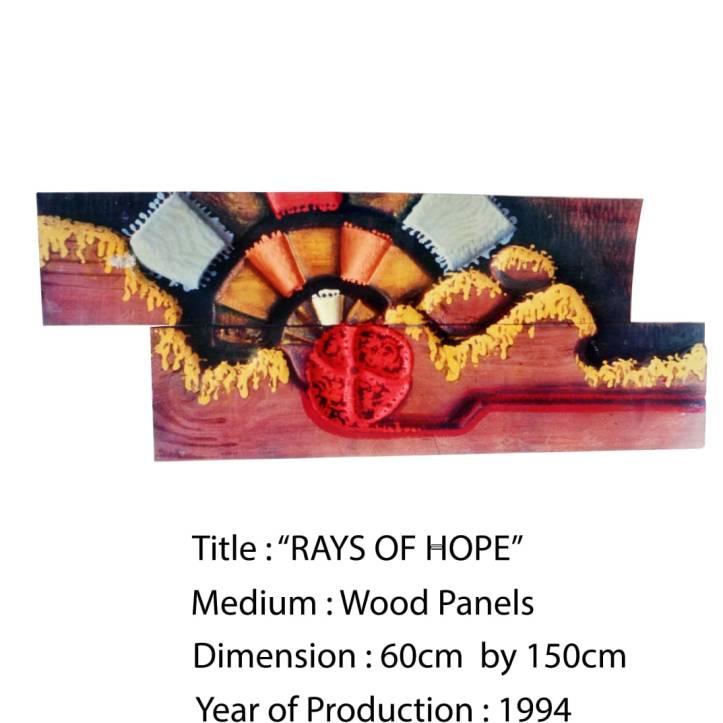
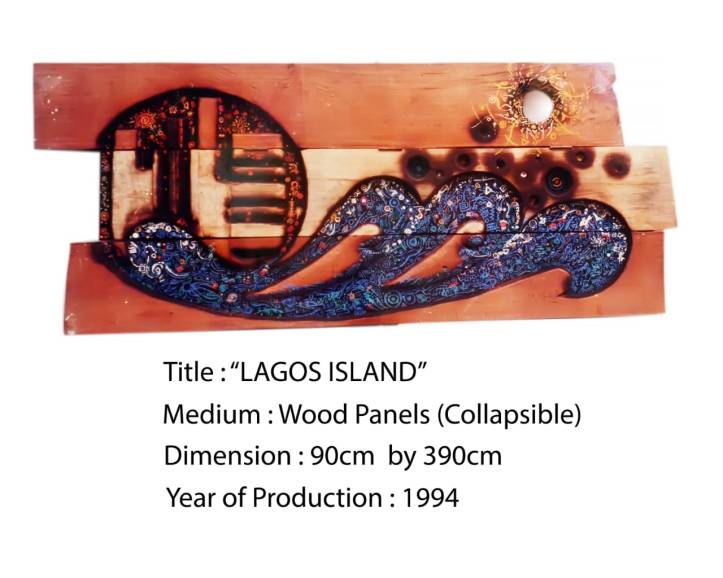
He graduated with honours, winning the Cyprian Hejiani Prize as the Best Student in 1992. Later, he earned a Master of Fine Arts, pushing research boundaries by colouring wood carvings with local dyes, burning surfaces with blow torches, and creating collapsible wood reliefs.
“I always wanted to see what else was possible,” he says. “Why should sculpture remain silent when colour could make it sing?”
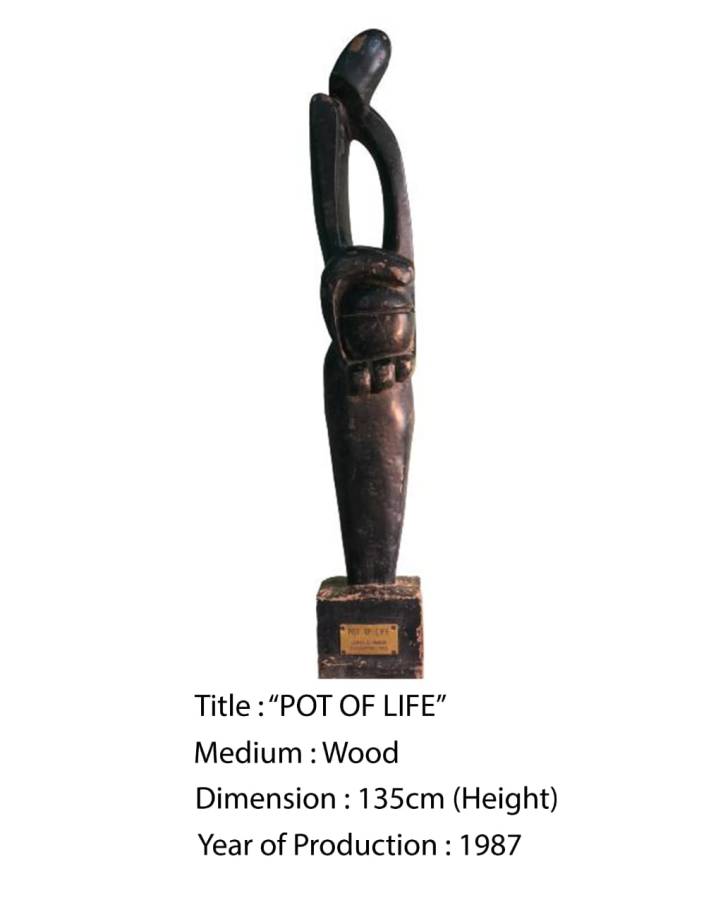
The Civil Servant Who Never Stopped Creating
But James is frank about what public service did to his practice.
For over 30 years, James served Nigeria in the Federal Civil Service, eventually retiring as Deputy Director at the National Gallery of Art. There, he worked as curator, critic, and technical assistant to the Director General. He documented artists, organised exhibitions, and shaped Nigeria’s visual art scene.
“The civil service really affected my drive for studio work,” he says.
“I saw the power of art from behind the desk,” he reflects. “But I always knew my own hands had more stories to tell.”
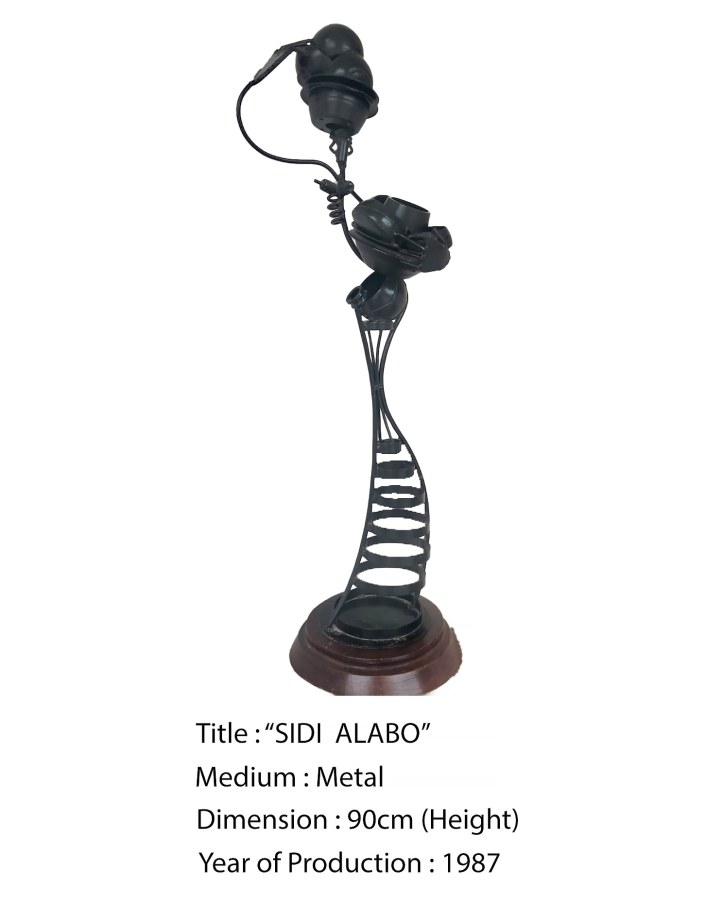
Even in civil service, his studio practice never slept. He sculpted, experimented, and quietly built a body of work that was waiting for its moment.
For James, art was always an escape from the rules of science into a world of imagination. “It was a way of peeping into dreamland,” he says. Despite the old stigma that artists were “ragamuffins,” the art boom of the 1990s changed things, bringing new collectors and new hope.
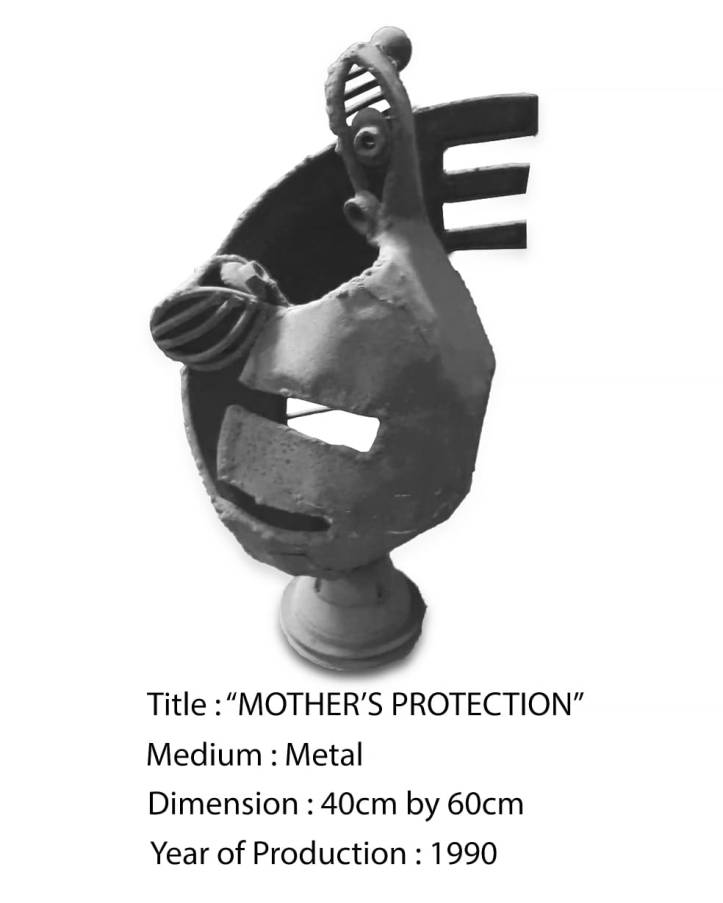
The Return to Studio Life
Today, James is the resident artist at Artwox Art Studio and Gallery. His mission is to educate, inspire, and create. Children come to learn, collectors come to acquire, and enthusiasts come to wonder. Traditional, modern, and contemporary styles live under one roof, bridging Nigeria to the world.
His focus now? Studio freedom. “After years of public service, the studio feels like home again. Here, silence has a voice.”
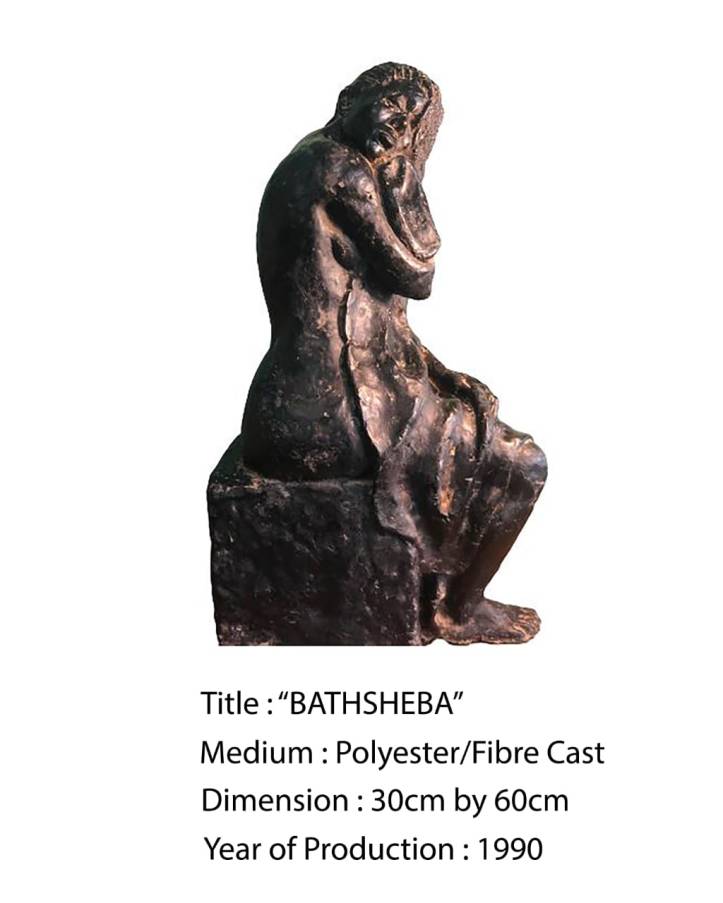
At “Silent Conversations” he brings all this experience to the fore. “I am presenting 30 works to the public,” he explains. The styles cut across stylised expressionism, avant-garde experiments with carved wood panels joined by metal hinges and hooks, and the use of colour signs and motifs drawn from West African traditions. His forms are often geometric or biomorphic, playing with concave and convex shapes, and he regularly uses found objects to stir curiosity and balance.
Finally, it was friends who urged him out of retirement. Old studio colleagues such as Wande George and Prince Leonard Oronsaye pushed James to show the works he had kept hidden for decades. As Leonard put it, the silence was getting too loud and it was time for the world to see. Now the silence is speaking, and everyone is invited to listen and have conversations.
Silent Conversations: A Debut and a Homecoming
“Silent Conversations” is more than an exhibition. It is James Irabor’s story, sculpted and polished over decades. Thirty works will meet the public, each carrying African motifs, universal questions, and emotional whispers.
“They don’t shout,” James says. “They whisper. They invite you to pause, reflect, and see yourself in them.”
For him, debuting on Independence Day is symbolic. “Nigeria and I are telling our stories together,” he smiles. “We are both old enough to reflect, but still young enough to dream.”
An Invitation to the World
Collectors, art lovers, and the curious are invited to be part of this conversation. The works are not just for the eye, they are for the soul.
“This is not just my show,” James insists. “It is our show. When you come, you bring your own silence, your own conversation. That is the true magic of art.”
Words/Ireho Aito/Don’t Keep Your Art in the Finger!/Artwork/Photographs/James Irabor

