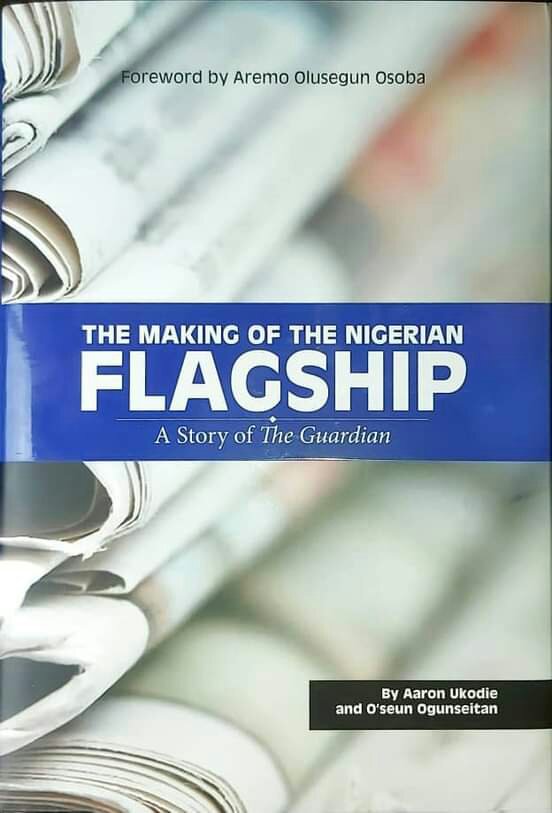
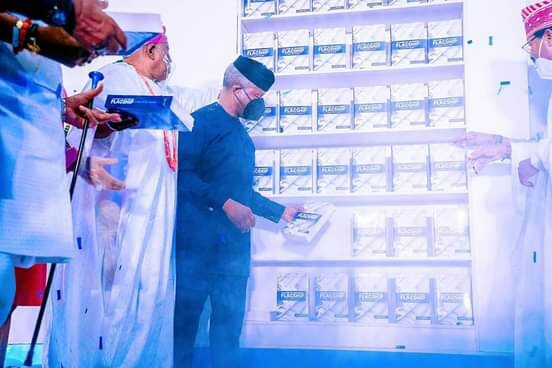
The launch on 8 April 2021 of The Making of the Nigerian Flagship: A Story of The Guardian is significant in several respects. One of them is literature and documentation of the evolution of the Nigerian media.
Just two weeks ago, I taught a class of persons who learnt via Zoom at the Nestle/LBS programme on Advancing Nutrition, Health and Environmental Awareness through the Media. One of the participants asked a critical question. Why do Nigerian scholars often cite foreign examples rather than local ones?
The answer is a lack of documentation. I told him there was no concise history of our major media organisations such as The Daily Times, Nigerian Tribune, The Punch, amongst the oldest. Nor of Radio Nigeria (FRCN) and the 80s print media giants such as National Concord, Vanguard, Satellite and The Guardian.
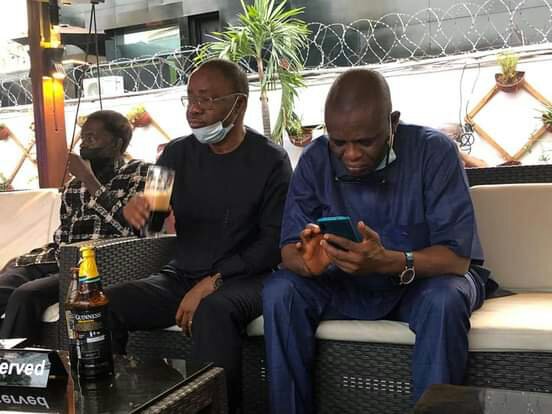
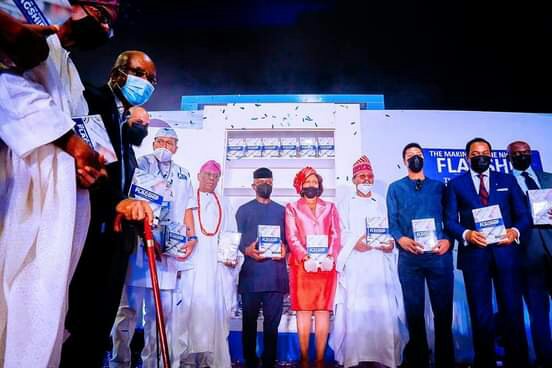
I was glad to ask him to look out for the launch on 7 April of work on The Guardian. The authors shifted the launch by a day to accommodate changes in the Presidency.
The challenge of documentation and citation was the most significant hurdle in teaching Nigerian Media History over four semesters at the School of Media & Communication, Pan Atlantic University. We often cite Fred Omu’s Press and Politics in Nigeria and Dayo Duyile’s Makers of Nigerian Press. Nnamdi Aziiwe’s My Odyssey has good stuff on newspaper management in that era. I sent out questionnaires to Managing Directors of the major titles. Only a few responded after three years.
Richard Ikiebe, Lanre Idowu, and Aremo Olusegun Osoba have recently added arrows to the quiver.
Richard contributed a two-volume book of first-hand accounts by certain players in Nigerian Media Leaders: Voices Beyond the Newsroom, as well as Kolade’s Canons with a book devoted to broadcasting, Then, a book with Taiwo Obe, titled future tense: The Travails of Next and Nigerian
Journalism in the Digital Age.
Lanre Idowu added Uneven Steps: The Story of The Nigerian Guild of Editors and Voices from Within, essays in honour of Sam Amuka. Osoba offered a biographical account that included the Daily Times in Battlelines. Then there is Walking A Tightrope by Alhaji Babatunde Jose.
Broadcasting has benefited from broad-stroke studies. They include the essay by Liwhu Betiang (2013), Global Drums and Local Masquerades: Fifty Years of Television Broadcasting in Nigeria: 1959-2009 and books such as Folarin, B. (2000). Foundation of broadcasting: A handbook for Nigerian students, and Lasode, O. (1994). Television broadcasting: The Nigerian experience, 1959-1992.
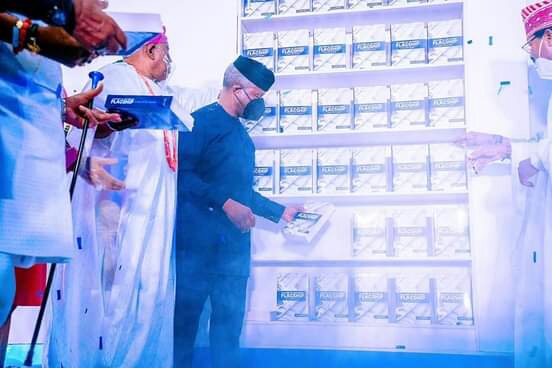
The Making of the Nigerian Flagship: A Story of The Guardian represents a significant plank to document Nigerian media history. It will be essential reading for students and scholars of the Nigerian media.
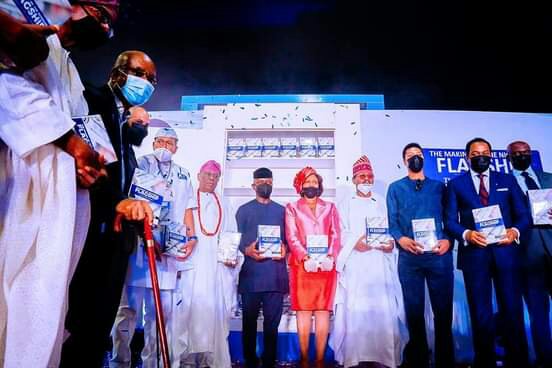
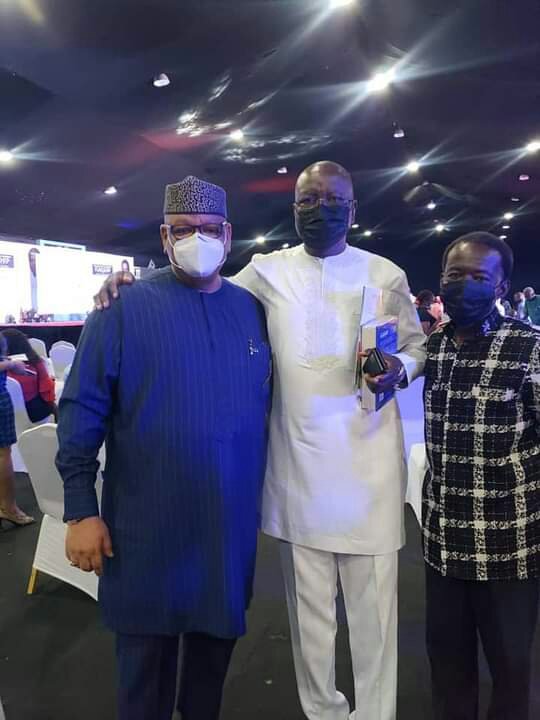
Kudos to Aaron Ukodie and O’Seun Ogunseitan for the work on the story of The Guardian. I shall dig into it for a review on Culture Shelf.
Happy birthday to Aaron as he celebrates today.
Aaron and O’Seun have rendered an excellent service to journalism and scholarship. At first glance, the book reminds me
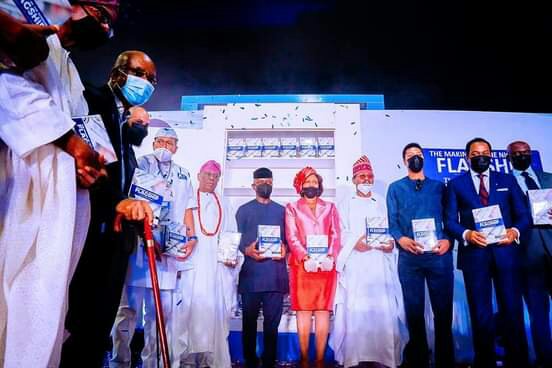
of Gay Talese’s (1969) The Kingdom and the Power: Behind the Scenes at The New York Times: The Institution That Influences the World. This work offers a broader scope.
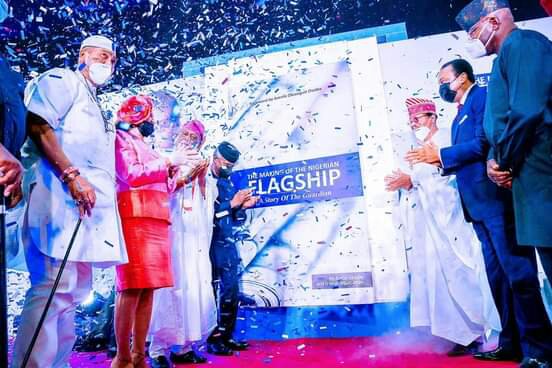
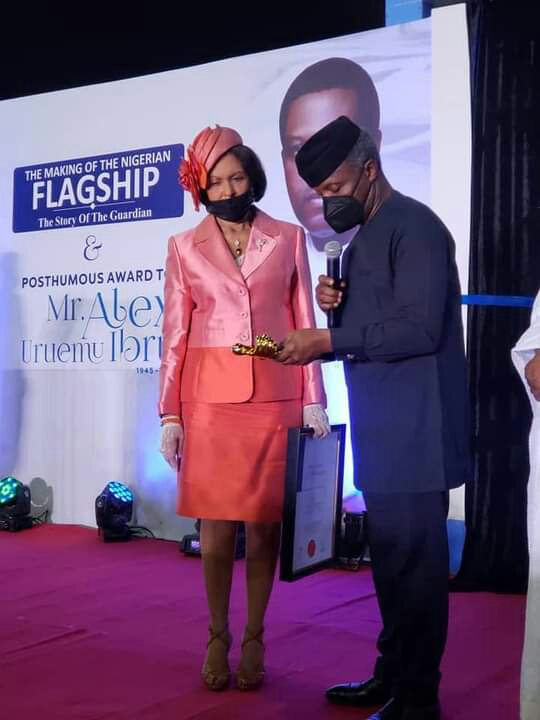
Thank you to Vice President Yemi Osinbajo, whose presence added heft and glamour to the event. Prof Osinbajo is a media scholar. His book, Yemi Osinbajo (1991), Nigerian Media Law, builds on the eponymous Taslim Elias book.
It was a satisfying day yesterday.
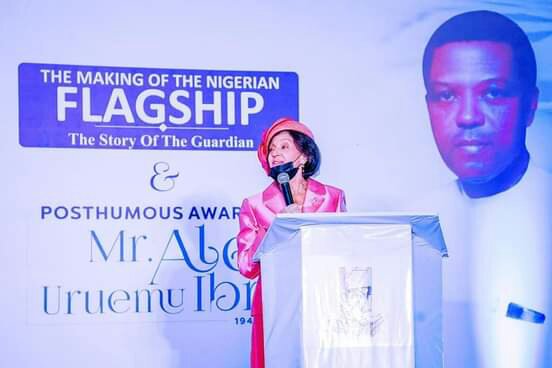
The presence of Prof Osinbajo negated the absence of six governors who had all promised to come. Maybe the date change affected them, but.
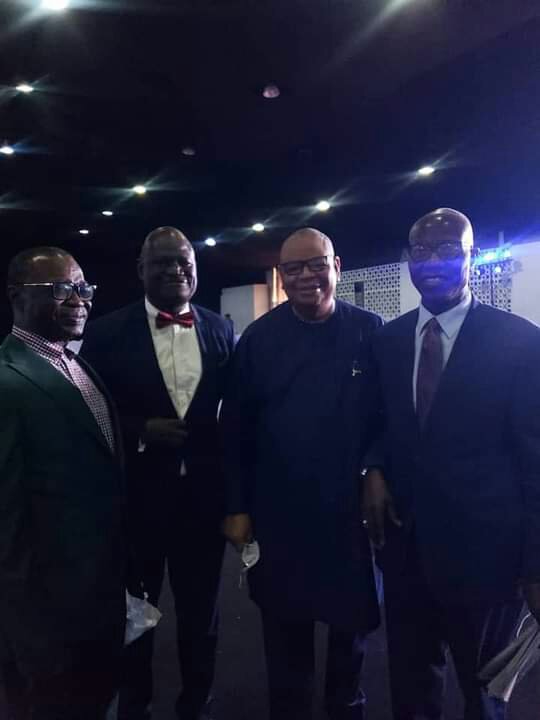
There was networking later in the evening.
Courtesy Chido Nwakama/Jahman Anikulapo

