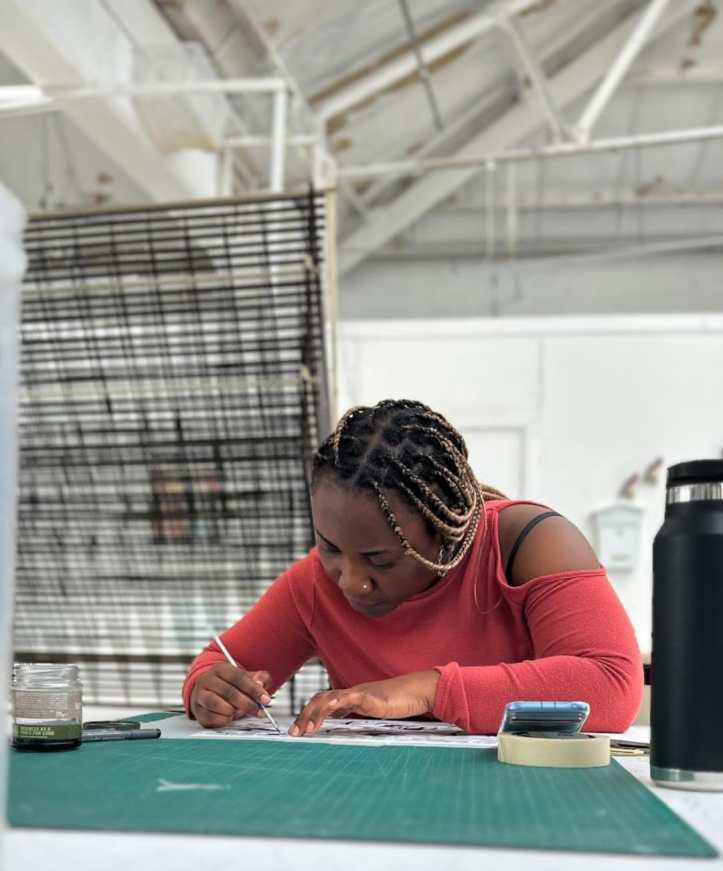
From sketching on the white walls of her grandmother’s home in Lagos to presenting eco-art projects in London and Tijuana, Oluwaseun Mojisola.Ademefun has crafted a journey that reflects resilience, curiosity, and an unshakable belief in the power of discarded materials. Her art is not only visual; it is conceptual, interrogating society’s assumptions about waste, value, and identity.
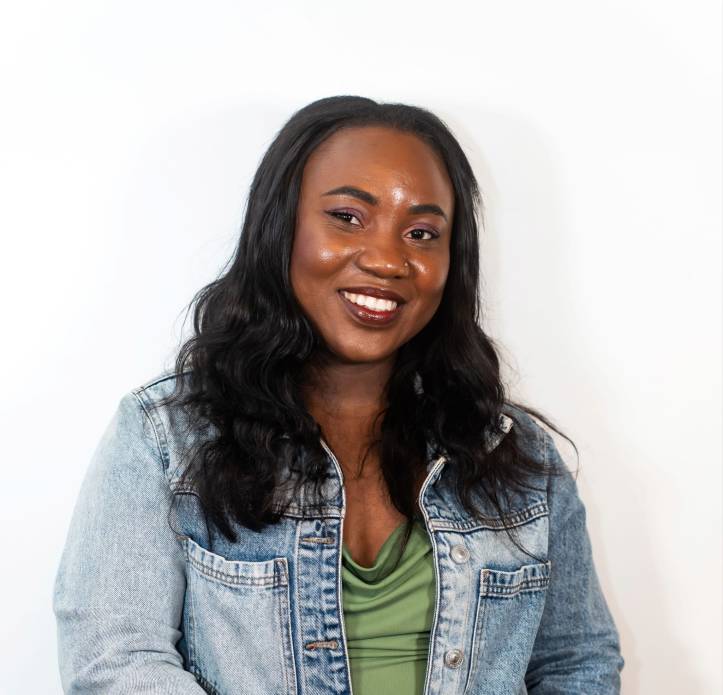
In this exclusive conversation with iBAND Magazine, she shares her early beginnings, the influence of her family, her education in Nigeria and the UK, her ground-breaking Rethinking Rubbish project, and her vision for the future of eco-art.
Can you tell us about your place of birth and what your childhood was like?
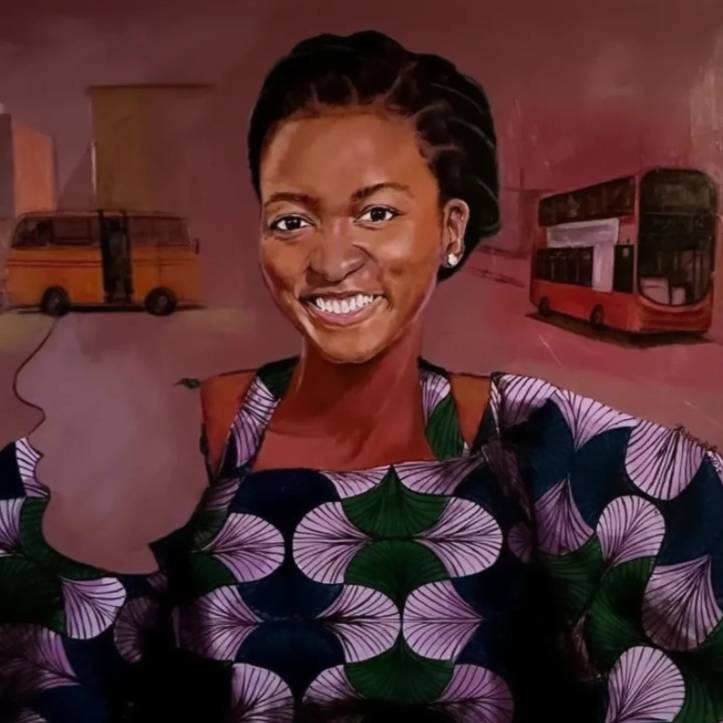
I was born in Akure, Nigeria, but was raised in Lagos, living with my grandparents in their home. My grandfather, Prince T.O.A. Alade, was a passionate collector and auctioneer, and his home was full of art and relics from diverse sources. Growing up in that environment was formative. I was exposed to visual richness from an early age. The energy and textures of Lagos, the streets and streets cultures, the everyday life, the contrasts also framed my sensibility.
What role did your family play in shaping your creativity or outlook on life?
My family’s influence was pivotal. With my grandfather’s art collection around me, I learned early that objects hold stories and histories. My grandmother, rather than seeing my incessant drawing as mischief, allowed me to express myself freely, even on her plain white walls. At her prompting, I was introduced to a local studio, which helped channel that raw impulse into form. Their support grounded me in the belief that art could be meaningful, not merely decorative.
Were there early signs in your upbringing that hinted you would one day become an artist?
Absolutely. From childhood I was always sketching on paper, on walls, wherever I could. The act felt instinctive and necessary. That recurring drive, combined with the visual surroundings of my grandfather’s collections and the encouragement of my grandmother, made it clear that art would not just be a hobby but a core part of who I am.
Where did you go to school, and how did your education influence your artistic journey?
My formal art education began at Yaba College of Technology, Yabatech. Between 2005 and 2007, I studied for a National Diploma in General Art, graduating with Upper Credit. My industrial training in 2006 placed me at Universal Studios of Art in Lagos, which exposed me to professional art practice and collaboration. Later, I pursued a Higher National Diploma in Painting, completed in 2010, also with Upper Credit.
In 2022, I relocated to the United Kingdom for a Master’s in Art and Design at the Cambridge School of Visual and Performing Arts (CSVPA). That experience expanded my technical repertoire, exposed me to new discourses, and allowed me to network within the UK art ecosystem.
Did you have mentors or teachers who encouraged your path into the arts?
Yes, several. Before Yabatech, I was mentored by Korede Sholarin, who built my discipline and skills. At Yabatech, Kelani Abass deeply influenced my approach to painting and materials. My dean, Mr. Rukeme, recognized my progress and often highlighted my work. More recently, Lison Sabrina Musset, Director at The Collective Makers London, has been instrumental in guiding my journey abroad.
At what point did you know that visual art was not just a passion but a career?
It became clear during my college years. Industrial training in 2006 exposed me to real-world art practice. Completing my diplomas with high Upper Credit validated my potential. Later, pursuing my MA abroad and receiving opportunities like the Free Studio Award solidified my decision: art wasn’t just passion, it was vocation.
What inspired you to start the Rethinking Rubbish project, and why Lagos, London, and Tijuana?
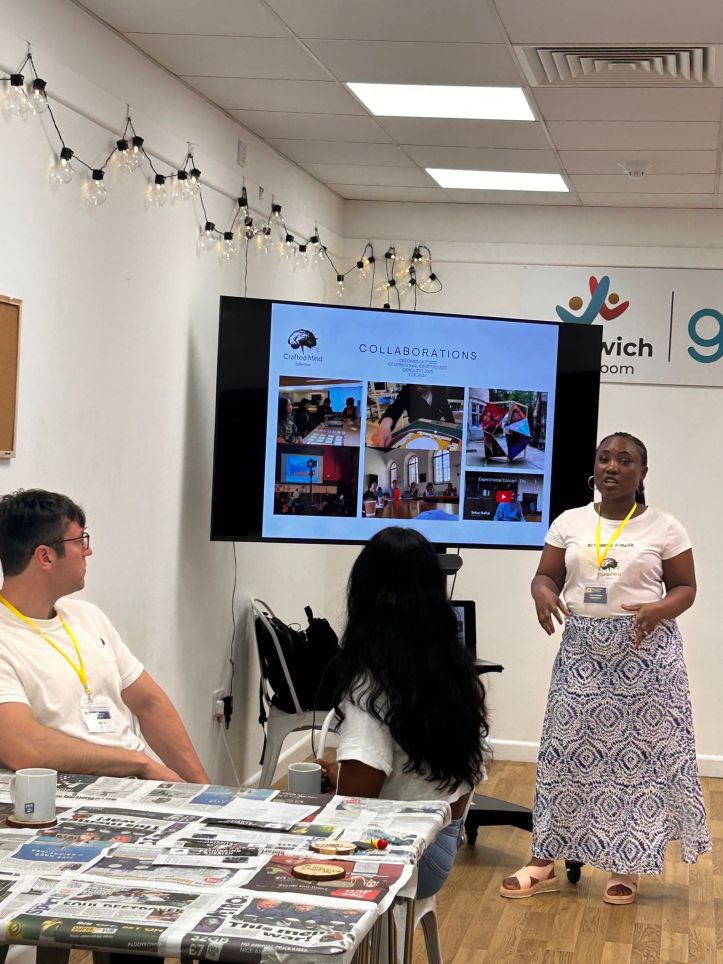
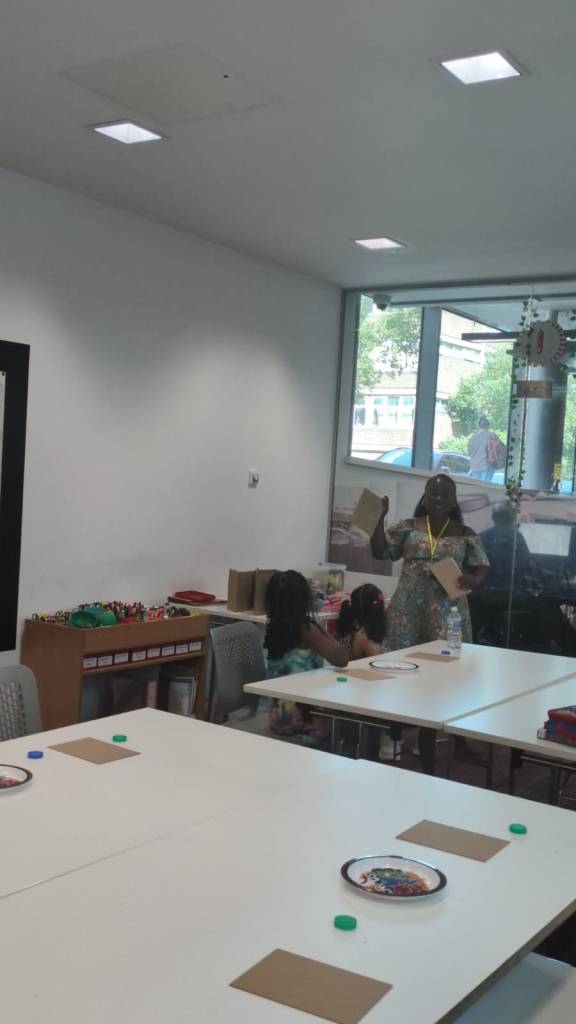
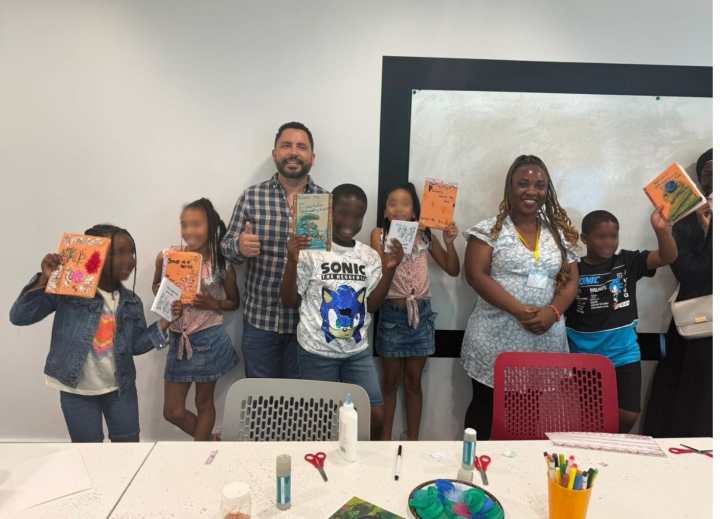
Rethinking Rubbish is about finding value in discarded materials, paralleling overlooked identities. Lagos, London, and Tijuana each represent intersections of migration, consumption, colonial histories, and ecological stress. These cities allowed the project to address both global and local concerns on how societies produce waste, and how communities reinterpret it. Lagos grounds the project locally, London positions it within a diasporic and global hub, while Tijuana places it in the context of borders, thresholds, and material flux. I also co-coordinated the London workshop held on May 29, 2025, and the Rethinking Rubbish initiative has been presented simultaneously in Lagos and Tijuana.
Could you walk us through your thought process when choosing materials, and why rubbish?
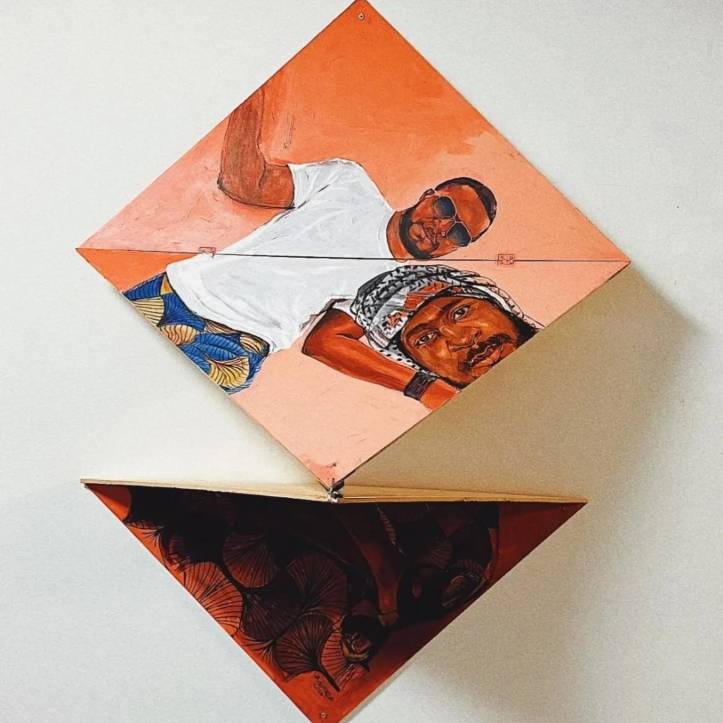
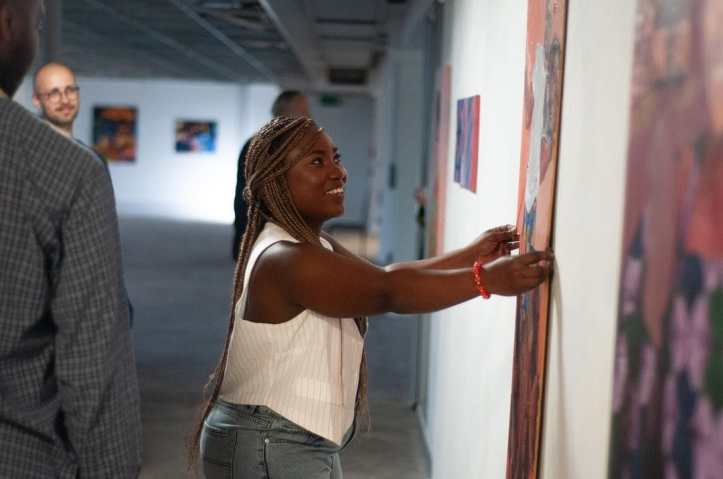
Material is meaning in my work. I experiment with wood, washes, and mixed surfaces, but incorporating waste pushes the idea further. It’s about transforming what’s rejected into something meaningful, an allegory of reclamation. The act itself challenges assumptions about value and permanence.
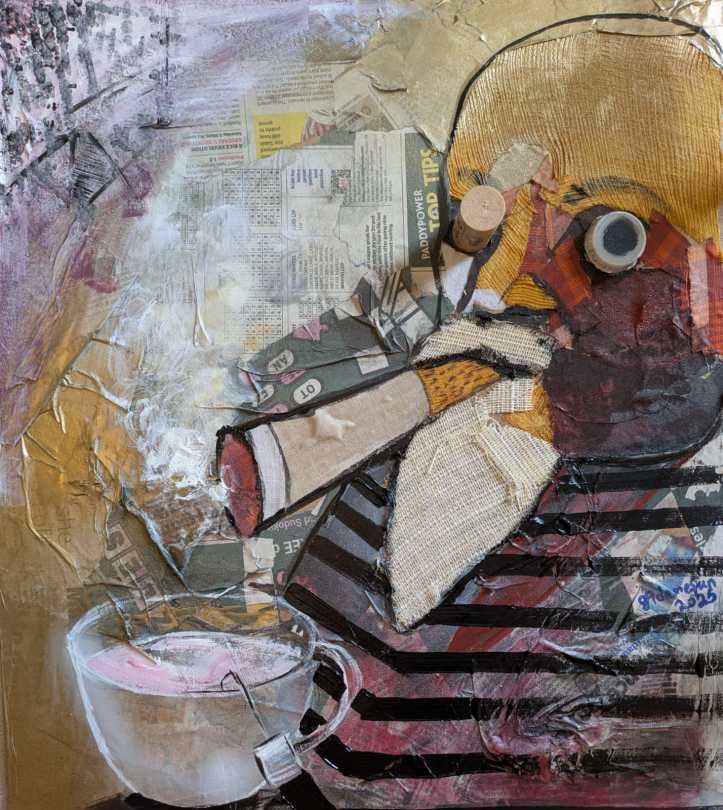
How do your works Inhale, Steep, Repeat and The False Contaminant reflect your message to society?
Inhale, Steep, Repeat explores cycles of consumption and renewal, while The False Contaminant challenges ideas of impurity and exclusion. Both works question what society discards and highlight the potential of what is labelled “waste.”
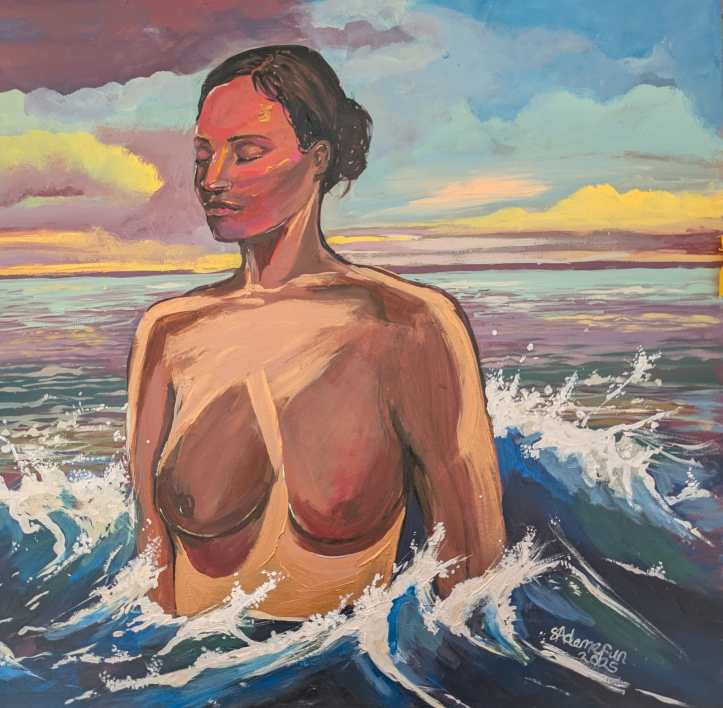
What challenges do you face as an eco-artist in Nigeria, and how do you overcome them?
Challenges include limited resources, institutional skepticism, public perception, and logistics. I overcome them through resourcefulness, community collaboration, workshops, and international partnerships that share tools and knowledge.
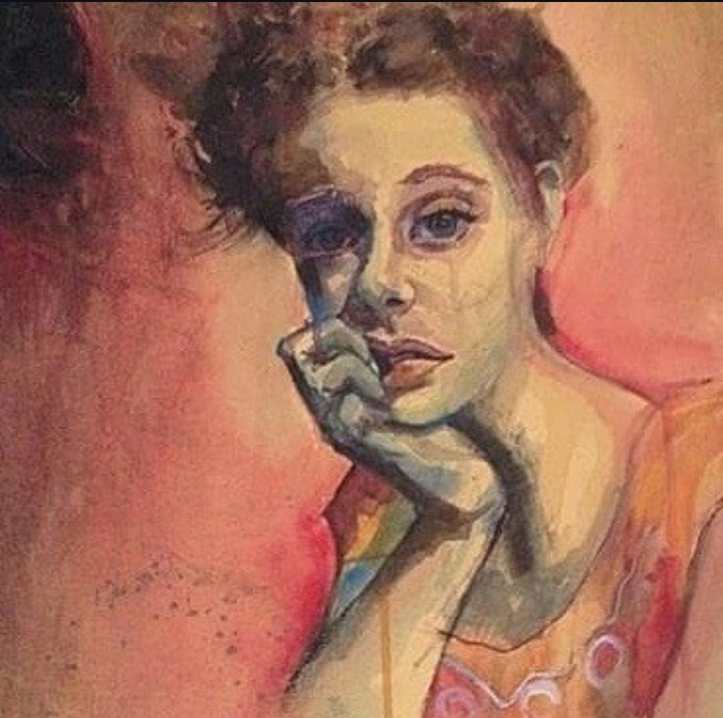
Outside of art, what hobbies or interests bring you joy?
I enjoy reading philosophy, exploring new environments, music, film, and engaging in cross-cultural conversations. I am also curious about interactive games and how they foster connection.
How does your family feel about your work with waste and environmental themes?
They have been supportive. They see my shift toward environmental art as an evolution, not a departure. I believe they are proud that I push boundaries while engaging urgent global issues.
What personal values guide your life and your creative practice?
My life and creative practice are guided by values that remain constant, no matter the challenges or opportunities before me. At the heart of everything is authenticity—a commitment to staying true to my experiences and expressing them without compromise. Alongside this is curiosity, a restless drive to push both technical and conceptual boundaries, always seeking new ways of seeing and making.
I hold fast to resilience, knowing that obstacles are inevitable but persistence transforms them into stepping stones. Equally important is responsibility—a respect for the materials I work with and the communities I engage, ensuring that my practice contributes rather than depletes. Finally, I embrace connection, striving to create works that invite dialogue and emotional resonance, where viewers can find a piece of themselves reflected back.
Together, these values shape not just my art, but the way I navigate the world.
Where do you see your art going in the next 5–10 years? Any dream projects?
I see myself creating large-scale multidisciplinary installations that merge painting, sculpture, and immersive experiences. A dream project would be a global exhibition of Rethinking Rubbish: Borderless Materiality that travels through migration-impacted cities, collaborating with local artists at each stop to produce dialogues around waste, identity and belonging.
What message would you like young people, especially in Nigeria, to take away from your journey?
Your origin does not limit your reach. That childhood sketches can grow into international exhibitions. That waste can hold stories. Stay curious, persistent, and bold. Use creativity to connect, transform, and build bridges between the discarded and the valued.
Interview by Ireho Aito/Don’t Keep Your Art in the Finger!/Images/Artworks/Photographs/ Oluwaseun Mojisola Ademefun

