
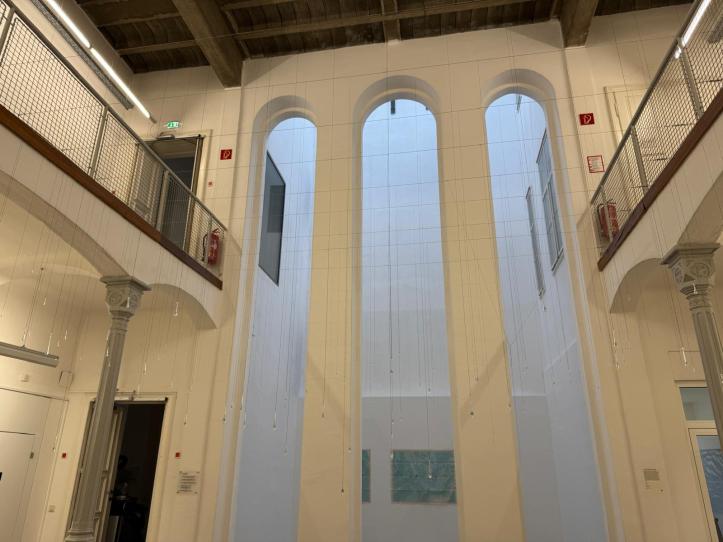
In a defining moment for contemporary African art, two visionary Nigerian artists are set to command the European stage as their works headline “Unfolding Horizons – Female Nigerian Artists in Graz, Austria.” Opening on March 5, 2026, at the Afro-Asian Institute Graz, the exhibition signals more than a showcase, it is a cultural bridge between Africa and Europe, and a bold affirmation of the global relevance of Nigerian women in the arts.
Words Ireho Aito | Don’t Keep Your Art in the Finger! All photographs and artworks provided in the publication courtesy of the curator Selma Etareri
This landmark exhibition is curated by renowned ceramist Selma Etareri, who is still rueing about missing the 2026 Harmattan Workshop at Agbarha Otor in Delta State but found artistic joy in curating this exhibition in Graz. Selma’s Nigerianess needs to be studied and celebrated by Nigerians. She is always available to celebrate Nigerìa, her cultures, names, cultural symbols, music and everything that is traditionally Nigerian. She has the spirit of a Nigerian, the resilient spirit in her heart, and Selma is readily available to fly Nigeria for you. One of those occasions was flying to London and becoming a foreign correspondent on the highly successful Nigerian Modernism exhibition at Tate Modern Museum in London 2025. Selma’s love for Nigeria is that deep. She is a rare class living a class act!
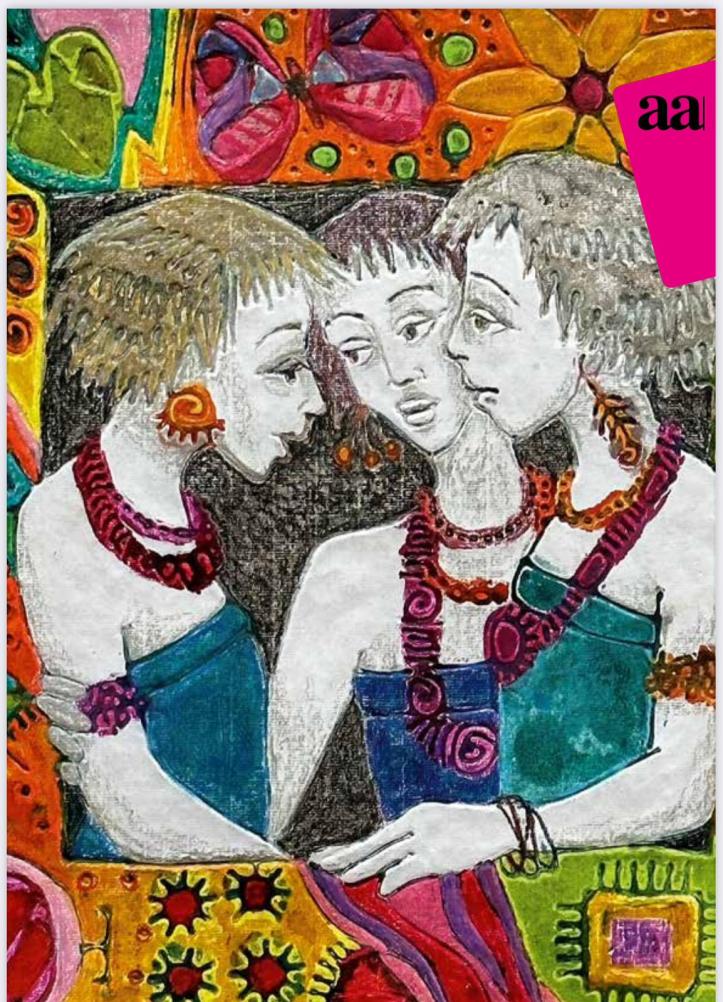
“Unfolding Horizons – Female Nigerian Artists in Graz, Austria” exhibition will feature the evocative works of Pamela Cyril-Egware and Juliet Ezenwa Pearce, two Nigerian artists whose practices explore identity, memory, migration, and the layered realities of womanhood.
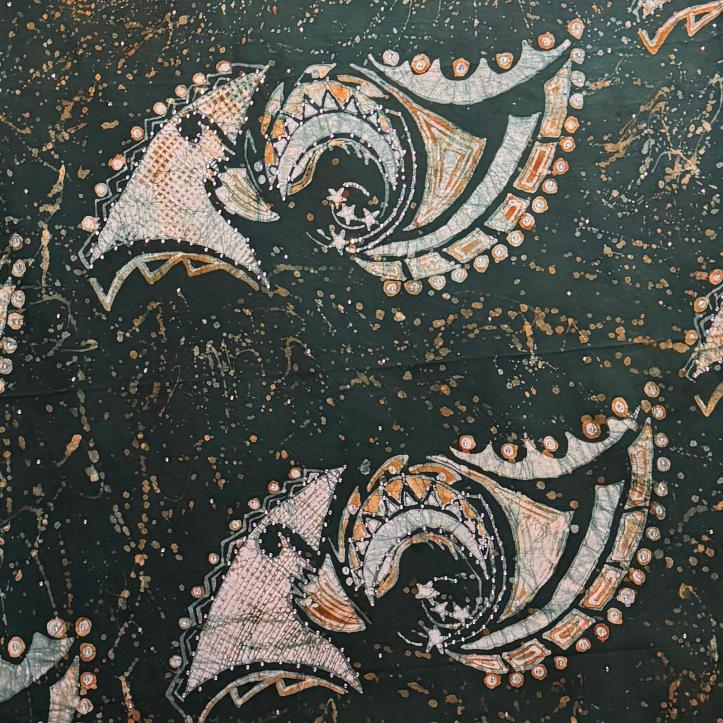
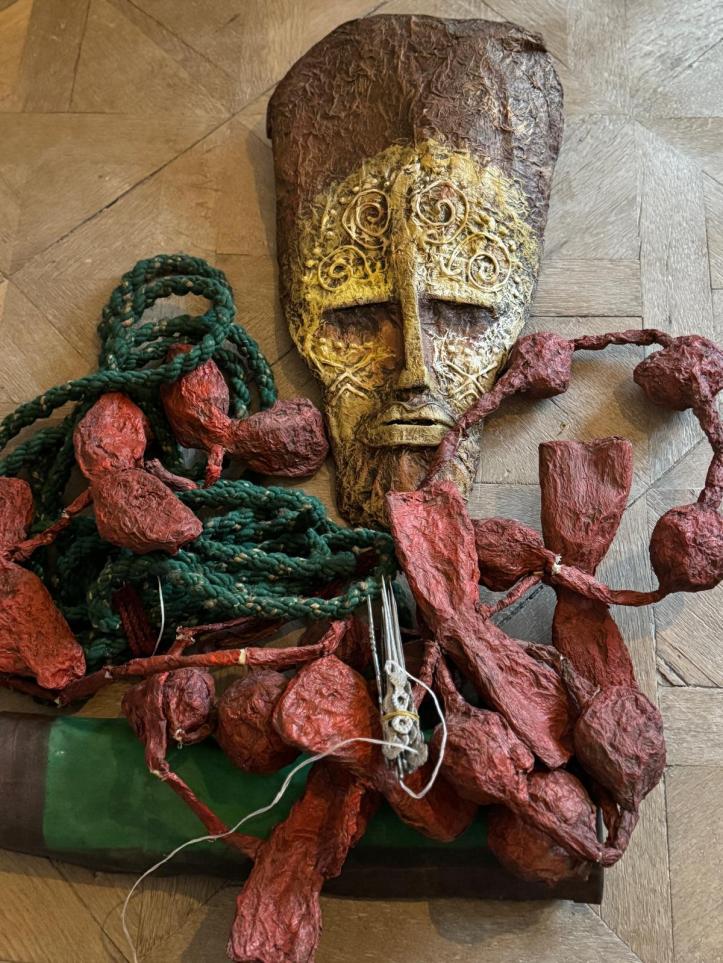
Across Africa, women artists are redefining narratives long shaped by colonial gaze and patriarchal frameworks. “Unfolding Horizons” arrives at a time when the world is increasingly attentive to African voices, yet discovering the depth and diversity within them.
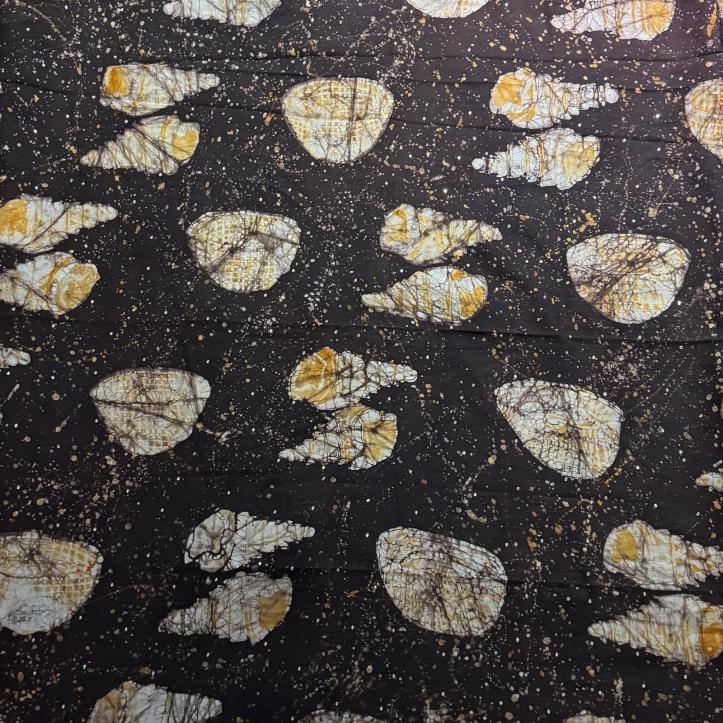
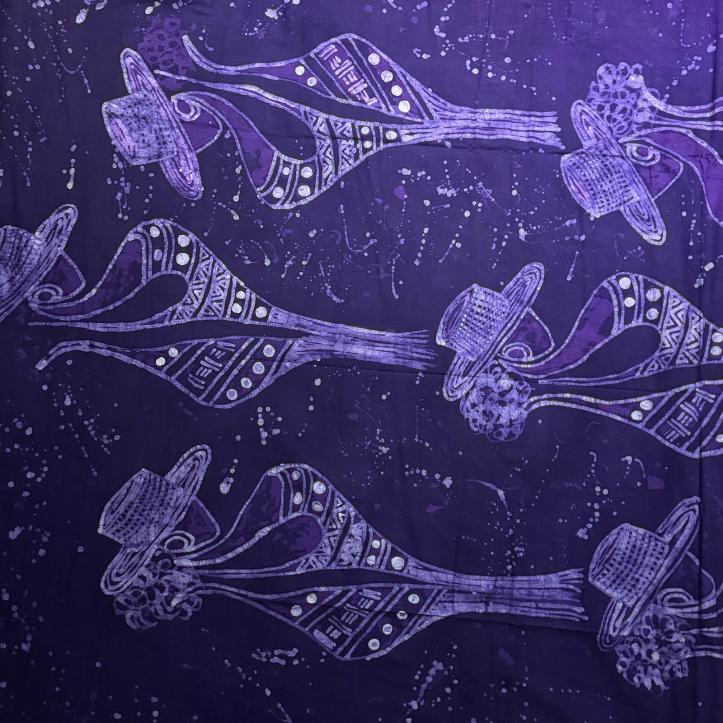
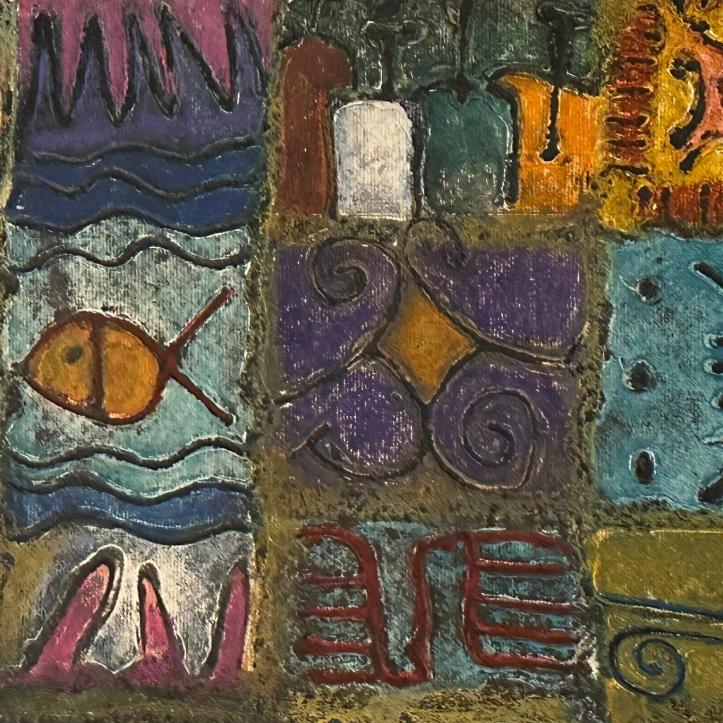
For Pamela Cyril-Egware, artistic expression is a language of resilience. Her work often merges texture, symbolism, and emotional storytelling, drawing from personal and collective histories. Through layered materials and earthy palettes, she reconstructs memories of home, displacement, and belonging.
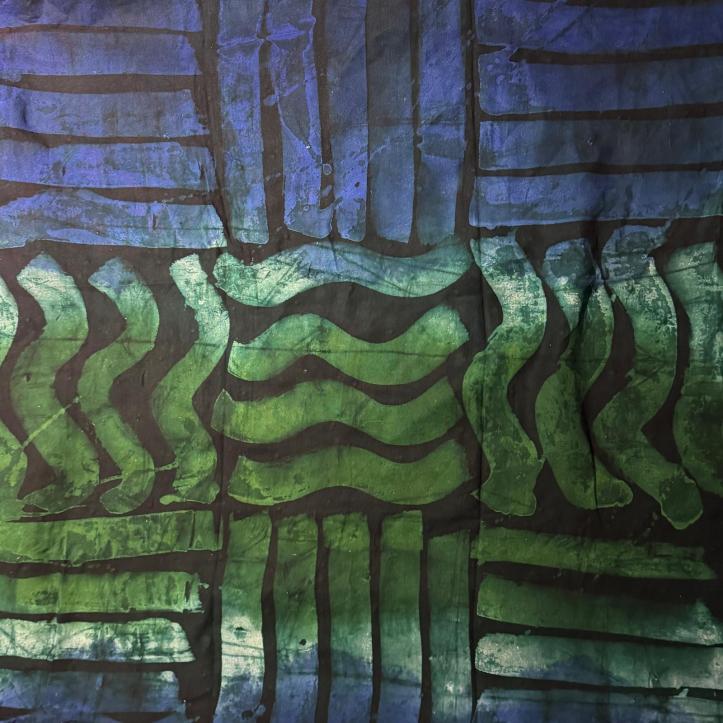
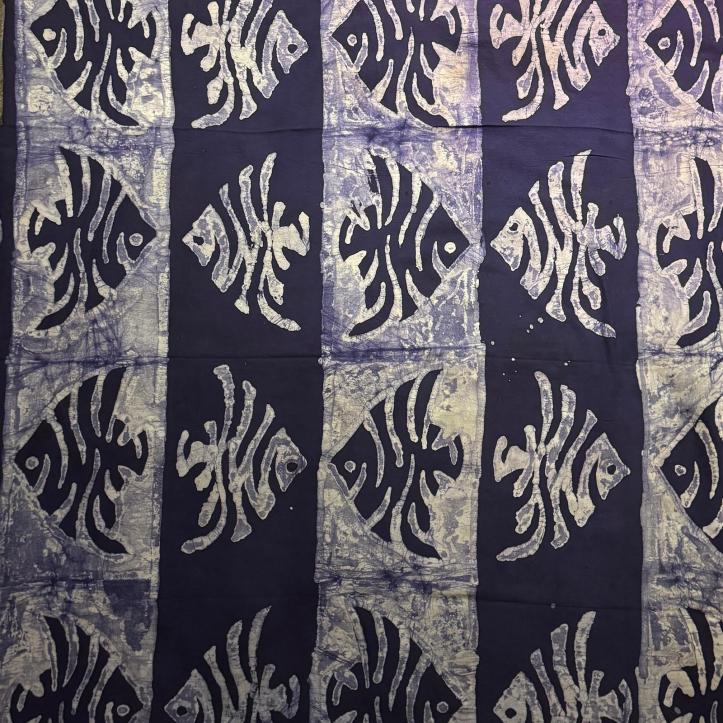
Juliet Ezenwa Pearce, by contrast, navigates the intersection of tradition and modernity. Her multidisciplinary approach, spanning painting, printmaking, mixed media, and conceptual installations, interrogates how African identities evolve in diasporic contexts. Her pieces are known to juxtapose indigenous motifs with contemporary forms, creating visual dialogues that resonate across cultures. This motif she still gave a much more presence at one of the commemorative exhibitions such as Prof. Ebun Clark’s Sixty Years of Collecting Prints and The Global Print Family in the Collection of Prof. Ebun Clark, Ezenwa Pearce works were among the collection of prints with the Octogenarian collector.
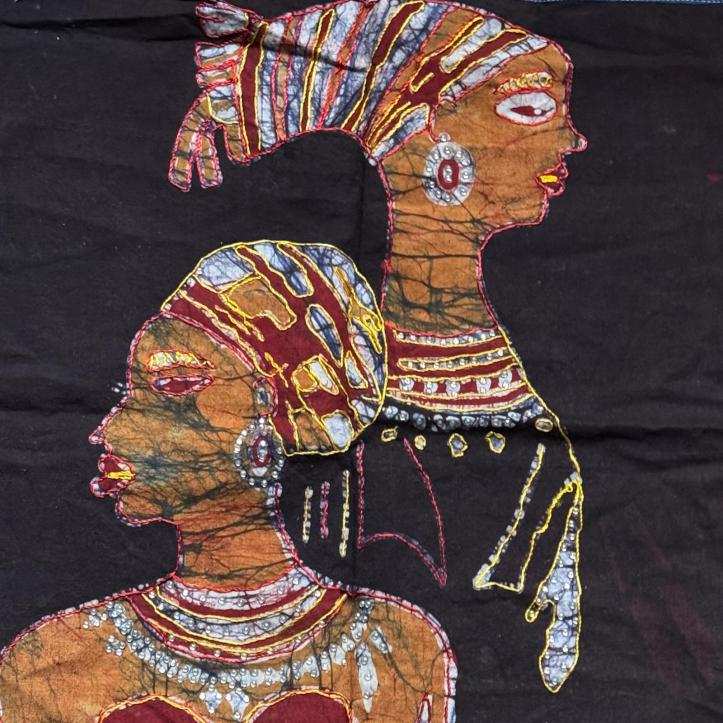
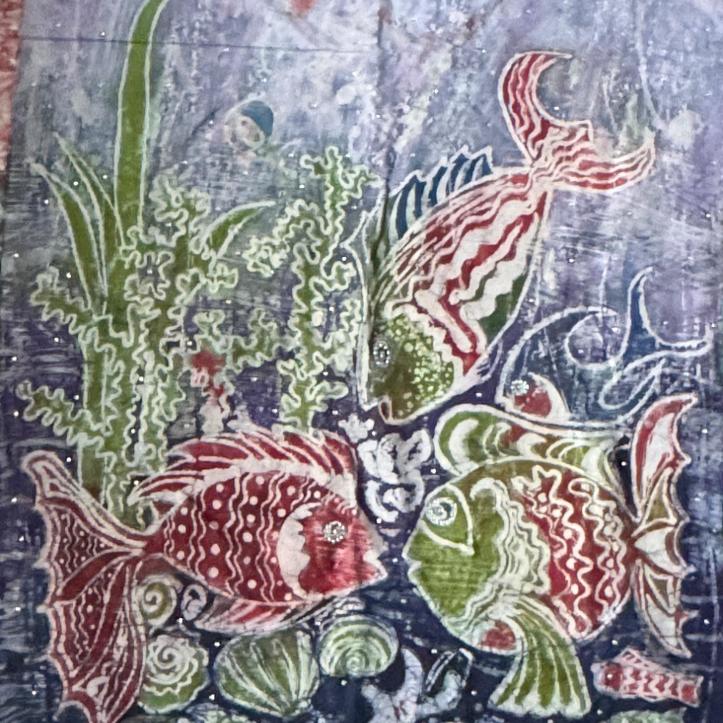
Between Juliet and Pamela, their works form a compelling conversation: What does it mean to be African, female, and global in the 21st century?
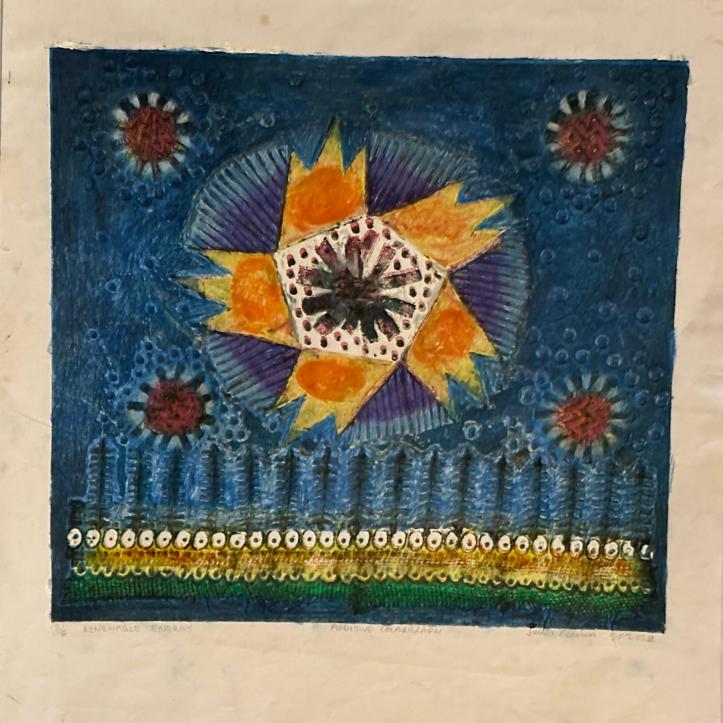
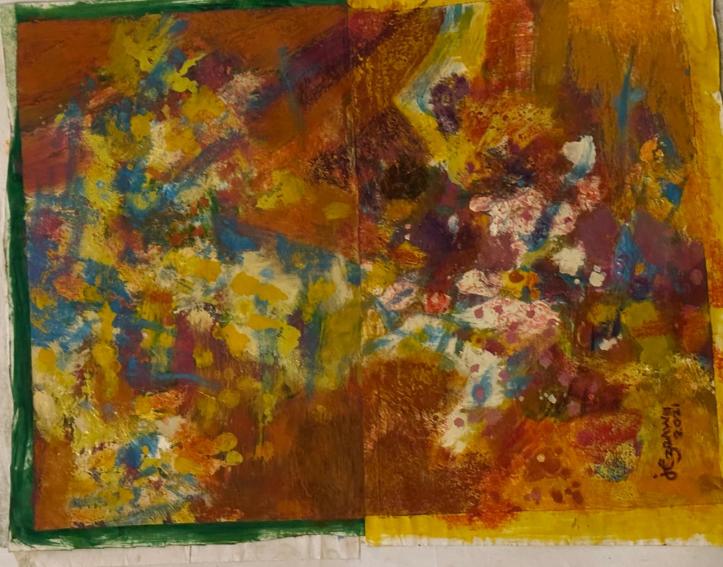
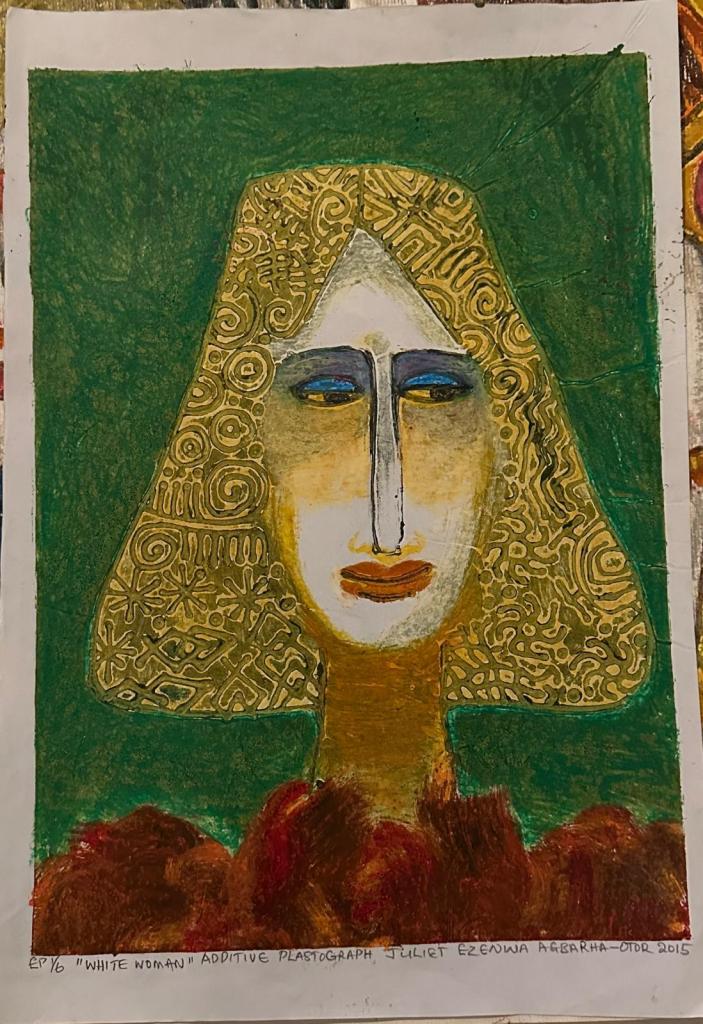
At the helm of the curatorial vision once again is Selma Etareri, a ceramist whose practice is deeply rooted in indigenous techniques and cultural preservation. Her curatorial approach for “Unfolding Horizons” is both tactile and philosophical which is centered on materiality as a metaphor for identity.
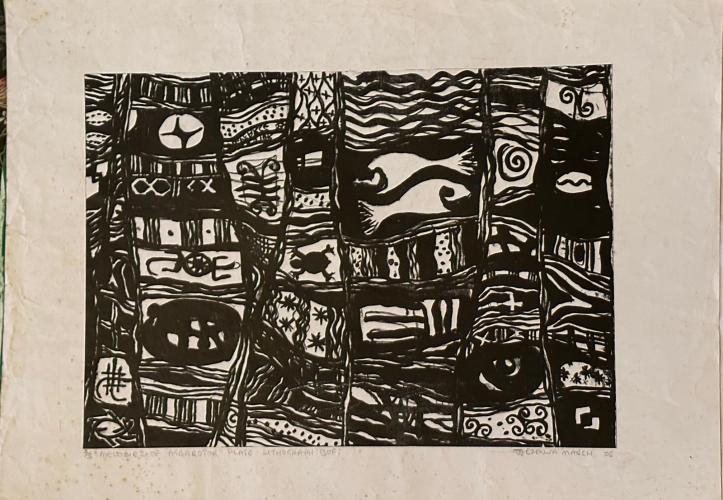
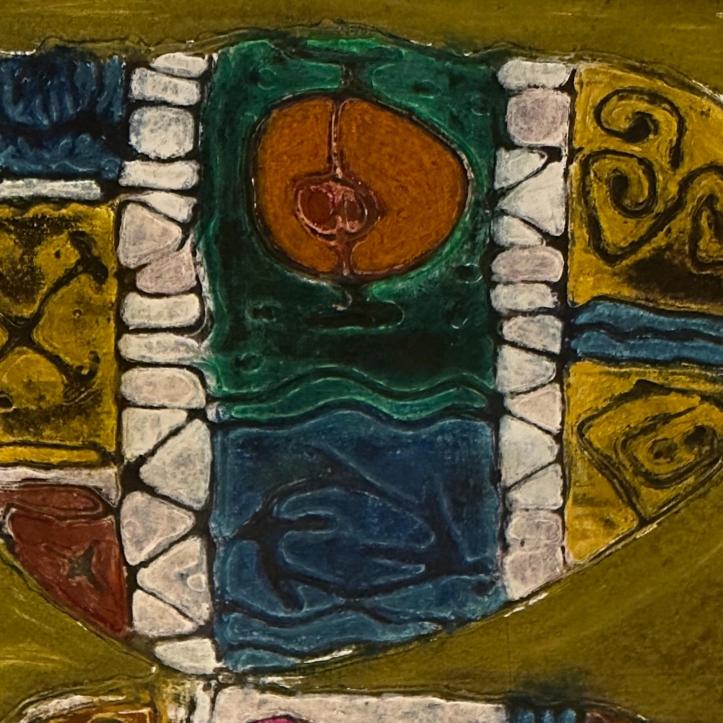
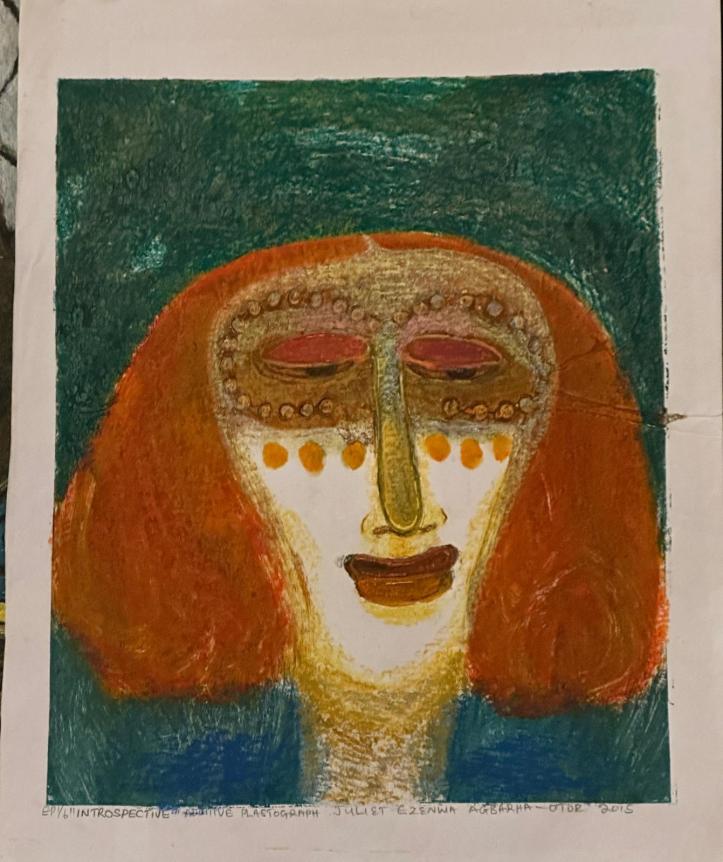
Etareri’s in her conversation from Graz on her vision positions the exhibition as an unfolding narrative rather than a static display. Visitors are invited to witness process as much as product through behind-the-scenes documentation, preparatory highlights and studio insights that reveal the artists’ journeys from conception to completion.
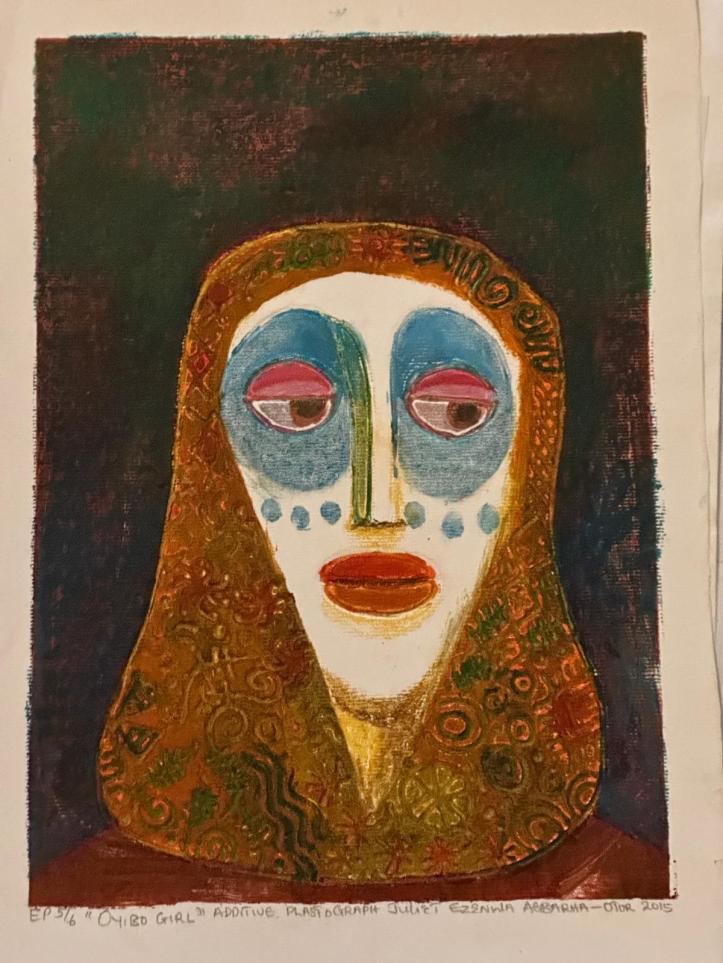
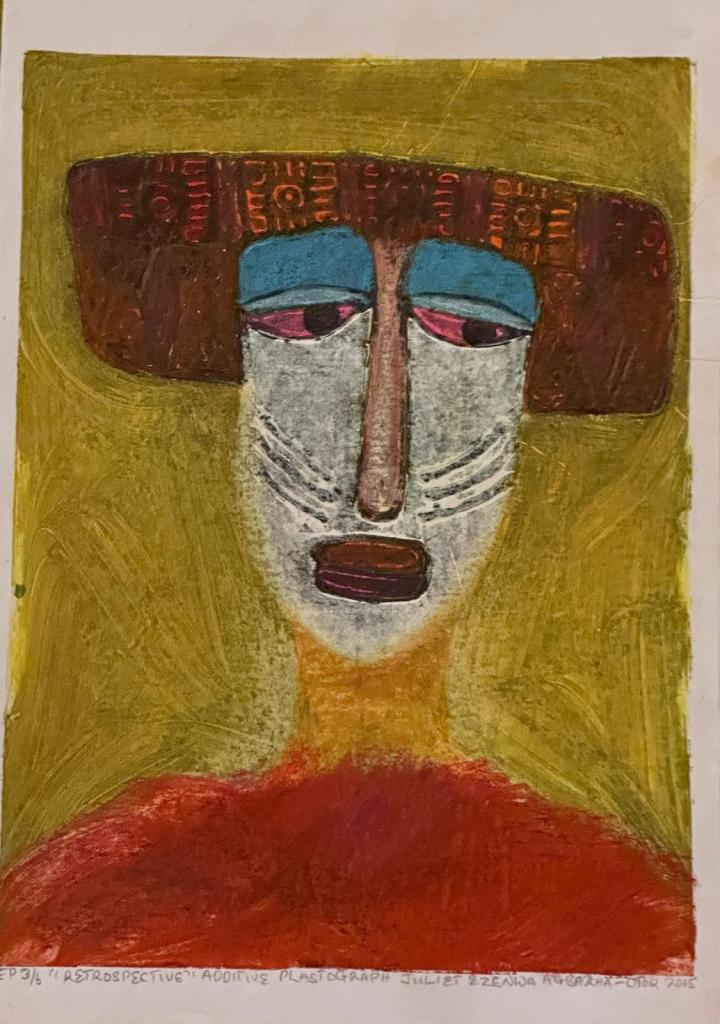
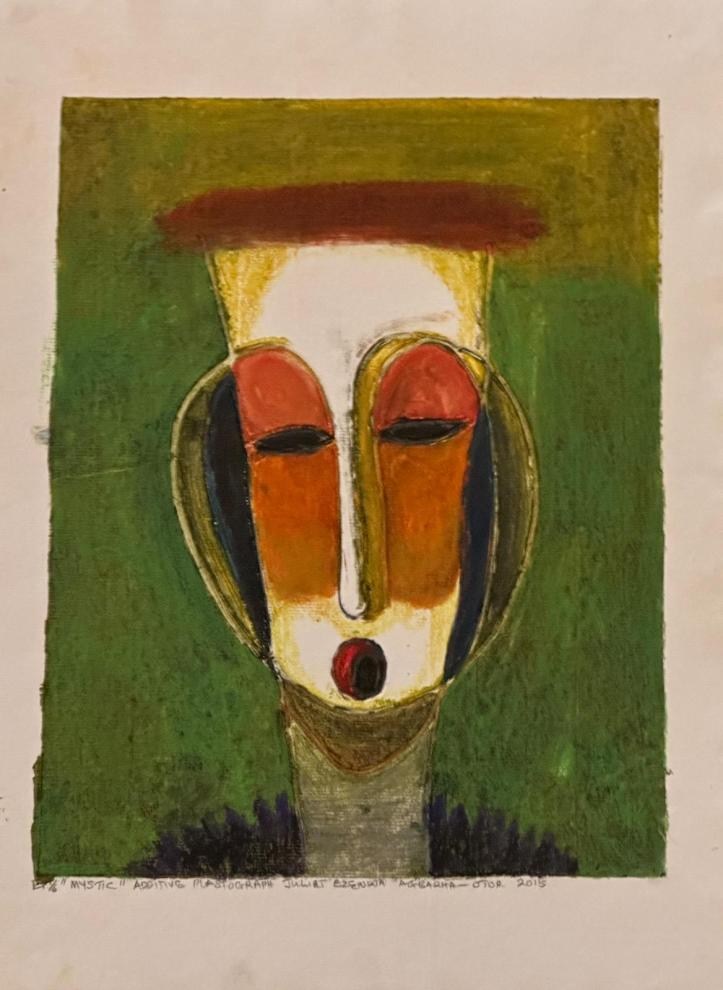
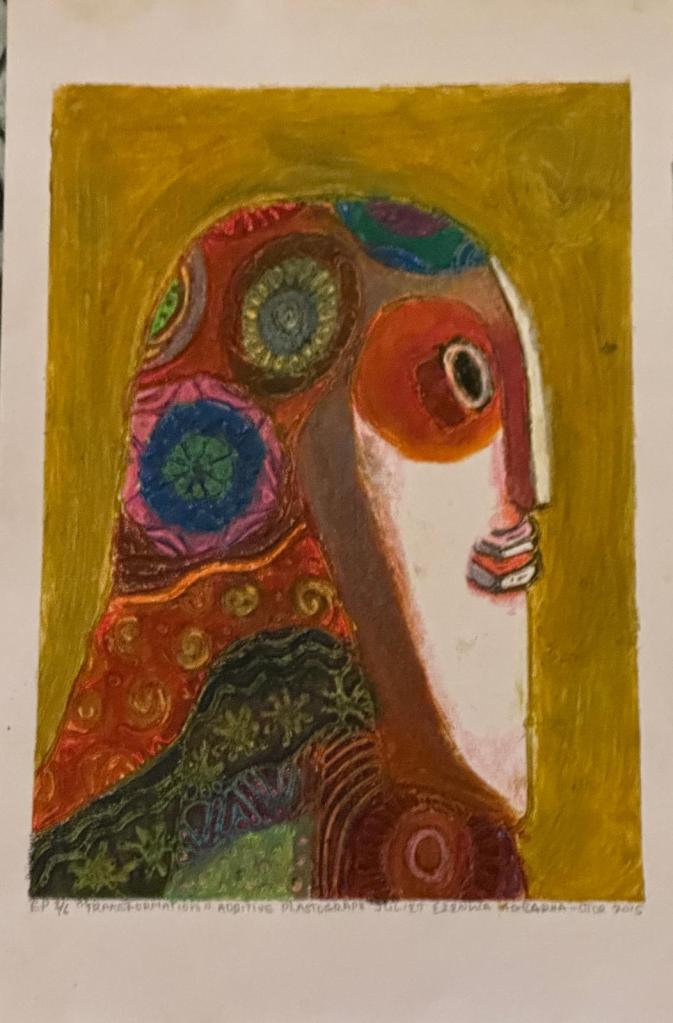
Her curatorship underscores a critical message that African art is not monolithic but dynamic, experimental, and globally conversant.
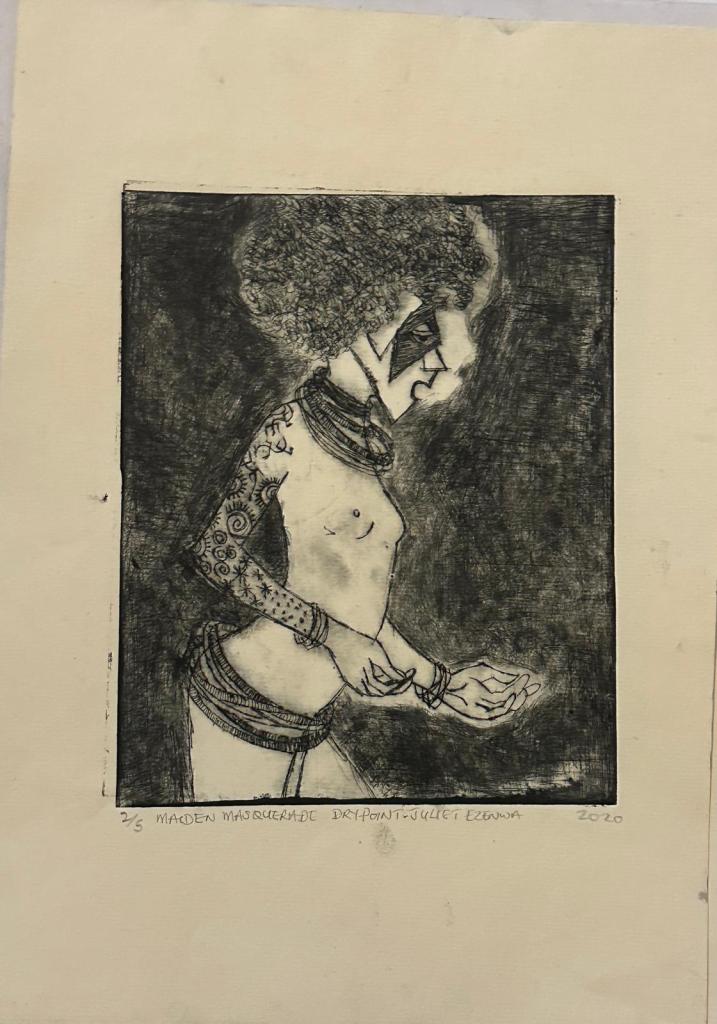
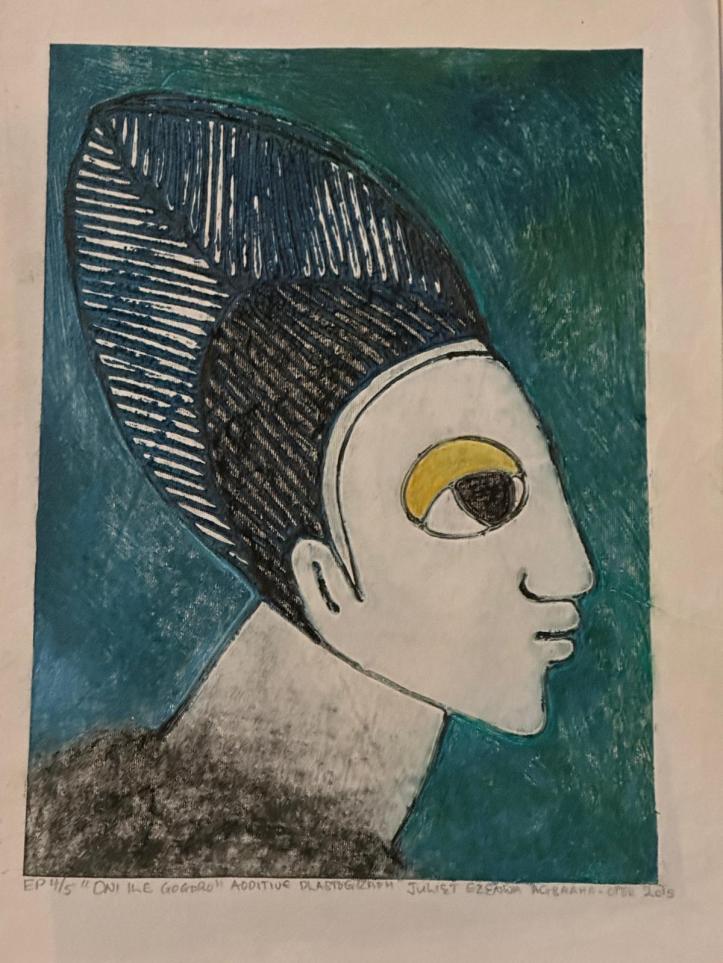
Selma Etareri in her words humbly appreciated our human treasure, Prof. Bruce Onobrakpeya, the renowned printmaker who carefully selected the two Nigerian artists for “Unfolding Horizons” exhibition. She also commended Dr. Mudiare Onobrakpeya Harmattan Workshop for their support in bringing the exhibition to reality.
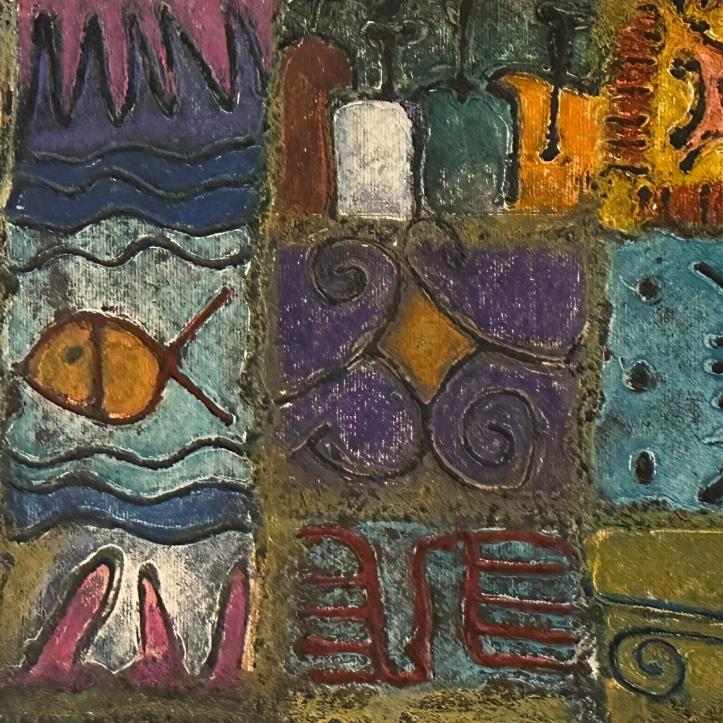
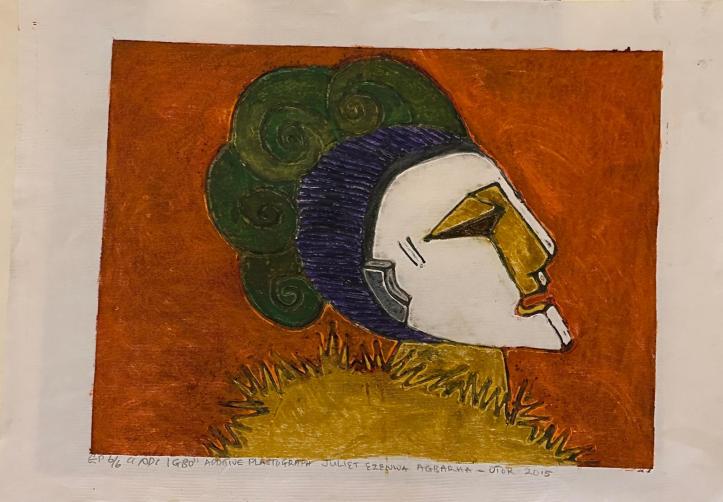
One important thing to know is the power of the city hosting the exhibition. Graz is a cultural crossroad in Europe. The city is Austria’s second-largest city, and has long been a meeting point of ideas and influences. At its intellectual core stands the Afro-Asian Institute Graz, a hub dedicated to intercultural exchange and global understanding. By hosting “Unfolding Horizons,” the institute reinforces its mission to amplify voices from the Global South while fostering meaningful conversations between continents.
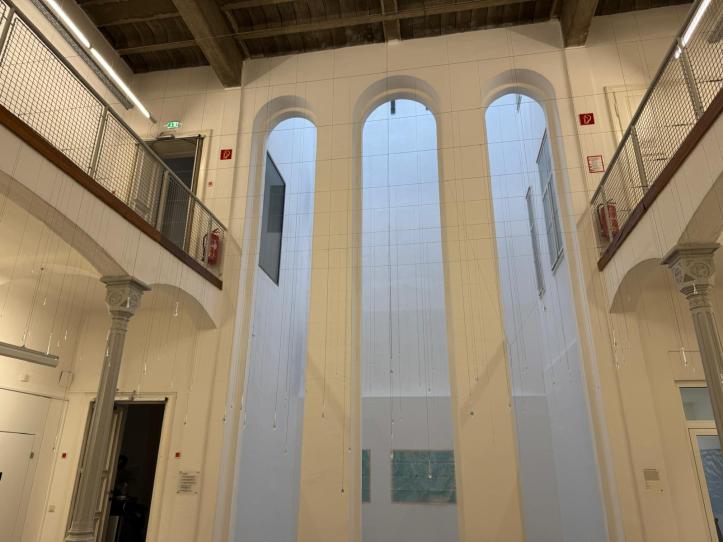
For the Nigerian artists featured, Graz represents both distance and connection. It is a place where African narratives are being reframed for new audiences yet remain deeply rooted in their origins. Their works travel across geography without losing their cultural anchor or appeal, relish with stories of womanhood, resilience, migration, spirituality, and memory resonate within gallery walls thousands of kilometres from home.
Here, at the moment, Europe does not simply observe Africa, know that it listens.
What makes Unfolding Horizons particularly exciting is its role as a bridge between continents, generations, and perceptions. For European audiences, it offers a nuanced view of Nigerian womanhood beyond headlines and clichés. For African viewers, it affirms that their lived experiences are worthy of global platforms.
iBAND Magazine, Celebrating Visual Arts from the Original.
Africa | Visual Art | Lifestyle | Culture

