
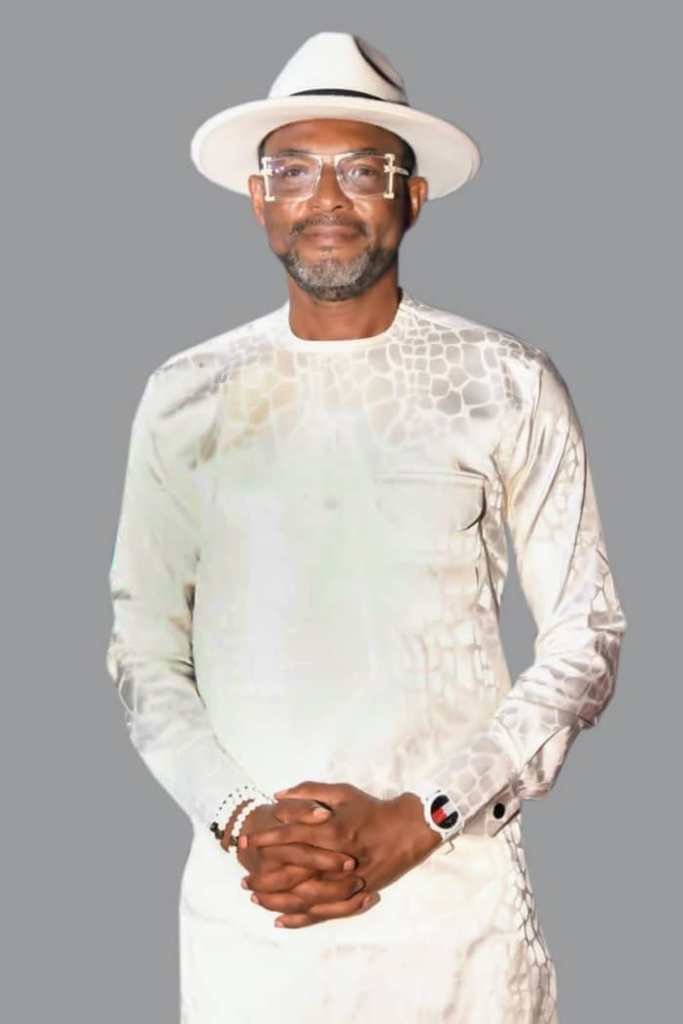
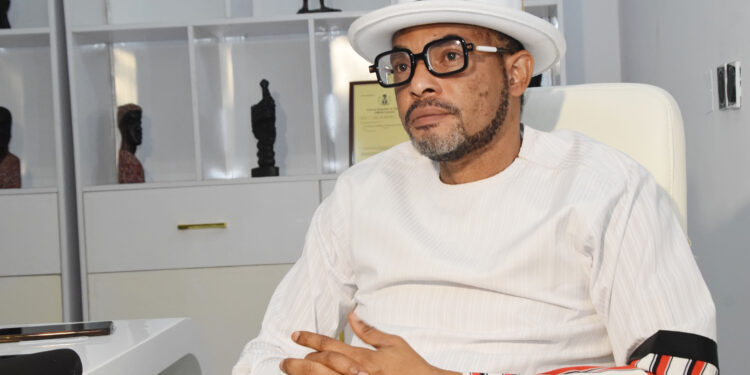
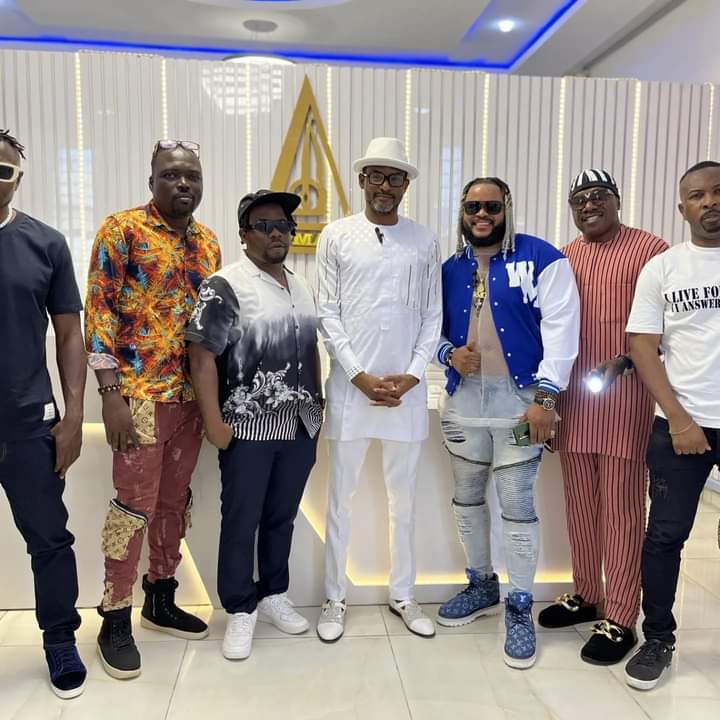
For over four decades, the Performing Musicians Employers Association of Nigeria (PMAN) grappled with internal conflicts and leadership challenges. However, a new era dawned under the guidance of Pretty Okafor, formerly of the Afro Hip-hop duo Junior and Pretty. Today, PMAN stands transformed, boasting a Music house, a radio station, and a harmonious atmosphere. Discordant notes have given way to melodious harmony, a soothing sound for all ears. In an exclusive interview with PMAN’s current president, Pretty Okafor, iBAND Magazine uncovers the secrets and aspirations of this musical powerhouse. Lagos pulsates with the rhythm of PMAN’s resurgence. – Ireho Aito writes from Lagos.
iBAND – What has changed for Performing Musician Association of Nigeria today? You can blow your trumpet for us.
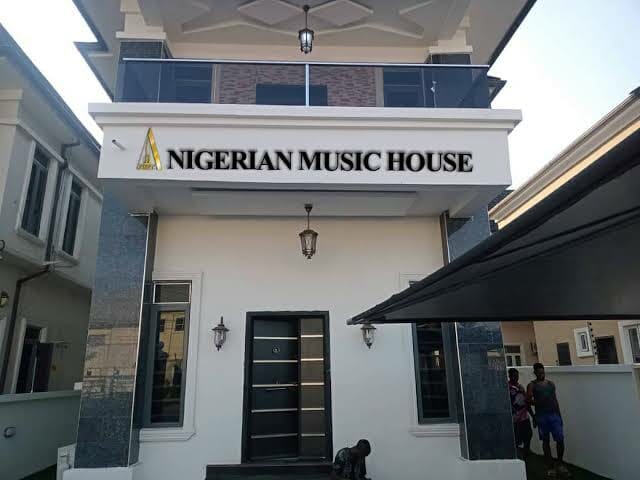
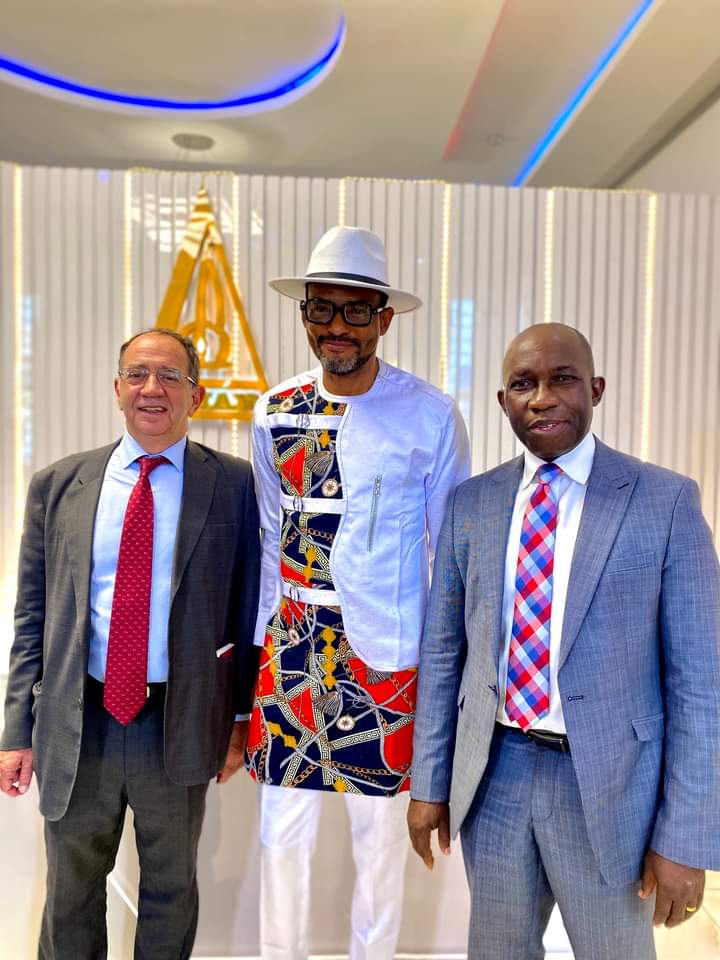
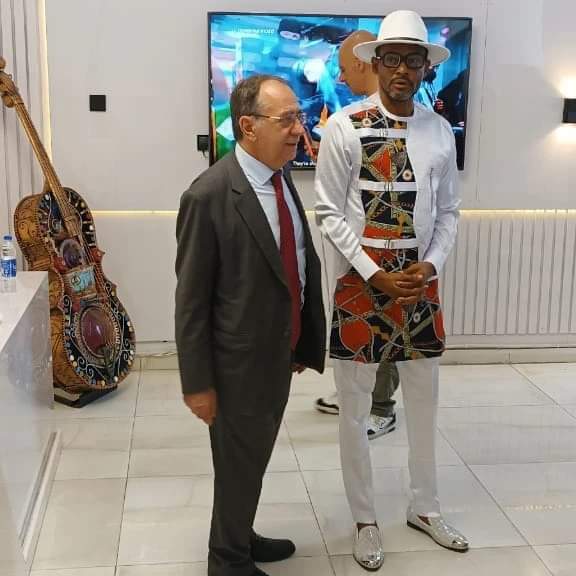
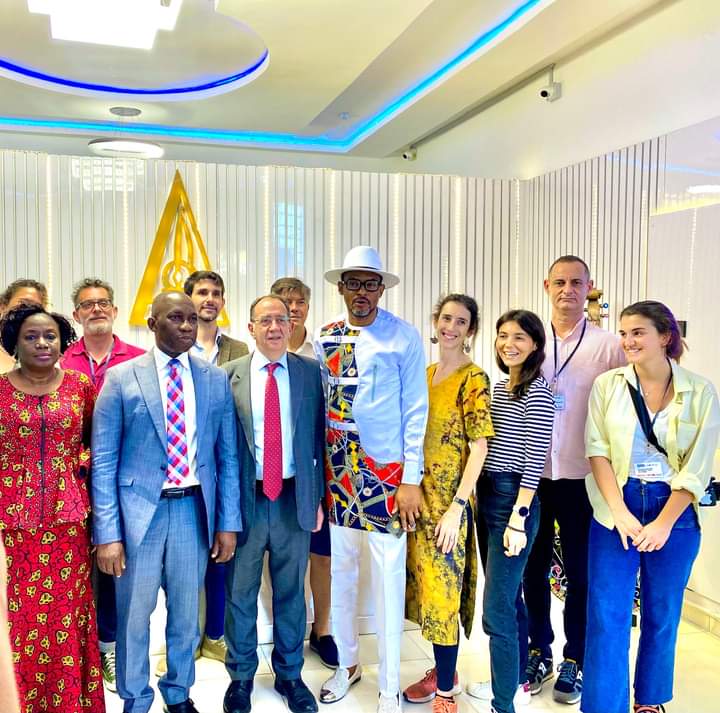
Perception changed. Management changed. Thinking changed. Drive changed. PMAN of today, the new PMAN is an association that protects and cares for its members. The welfare services is awesome, out of this world where once you register you get automatic life insurance policy, you get automatic health insurance policy, you get automatic pension plan policy and you get legal assistance in case of contractual issues and you also get visa assistance in case you are going for a tour. The music body will give you a notary cover that will allow you to process your work permit in any country of the world. That is what PMAN of today is. If we need to ask of what has changed then blowing our trumpet. This is the first time that PMAN, in over 40 years has purchased their own building. So PMAN has its own edifice now. It is owned on paper and physical property as a property of PMAN.
. PMAN has a radio station. PMAN has a radio station in Lagos. The studio is at the PMAN house in Lekki. There is another one in Abuja. A whole lot of estate, amphitheatre, school and all that in Abuja. So yes, by blowing our trumpet. PMAN has been able to achieve this by ourselves with our sweat, without any governmemt assistance. We are supposedly the regulator, the policy makers. So we’re trying to live up to our standard. You know, for the past years there’s been infighting and politicking, but right now we’ve decided to move forward and change the perception and the image of the association. That’s why we got here.
iBAND – Can you define PMAN to the newbies who see music as a career path?
PMAN for the new generation is the only trade union in entertainment industry. PMAN is a union and not an association. PMAN takes care of your music career and personal welfare. The only union that can call the record labels, artistes managers and musicians to a table and resolve issues. PMAN does not need the government or police to handle such issues. Once issues are reported to PMAN’s desk we move to resolve.
But know that PMAN cannot act ònce you are not registered. You need to be a member before PMAN steps into musicians issues. The union has authority to handle contractual disputes on musicians behalf. The new generation of musicians need to get closer now to PMAN for their travels and documentations.
The new generation artiste need PMAN because without PMAN you won’t be able to get your work permit whenever you travel for engagements. Also, getting your visa, assessing the visa, you need the union’s Cover Letter. Then the Notary Cover from PMAN will give you a work permit in any country whenever you travel to perform outside the country. That’s why becoming a member of PMAN is beneficial
Is it a compulsory music association to join?
It’s not compulsory. it’s not in our constitution not compulsory for you to be a PMAN member. We have a whole lot of millions of musicians, so it’s not compulsory for you to be a member, but it’s compulsory for the union to delve into your matter or handle any issue or get funding for you for anything. Now it’s going to be impossible because you need to be a PMAN member before the union can assist. We get into that. It is your decision to join the union or not. But we as the union cannot deal with your issue if you are not a member. PMAN as a body cannot take the money of other members to start resolving your personal issues. So that is how it works. So that’s why it’s not a compulsory issue.
You must have observed that as PMAN, we kept away from the crisis rocking Nigerian music now about Naira Mali and Mohbad. It is because the last time I checked they were not members of PMAN. They were not registered members. So I don’t think PMAN need to waste its resources and energy stepping into the issue. And some people were like where are you?! Why did you decide to keep quiet when you know this is affecting your industry? It’s affecting my industry because at the time I was preaching, telling everybody, speaking to the record labels, speaking to the Artistes and their Managers, begging the promoters, they were making mockery of us. They didn’t take us serious. So right now they have found themselves in a lurch. They caused it. They wanted to do it. They wanted to be the authority. They decided and told PMAN that even if you guys have changed to a new union, we don’t think we want to join. Now they’ve seen why they had to join. Now they have seen why it’s necessary to be part of the union. You cannot play a big industry like this as a lone ranger. It’s bigger than you. It’s definitely going to be bigger than you. The union is 41 years old, so this thing has been there before I even started my career. So at this point, sorry they have to carry their dog.
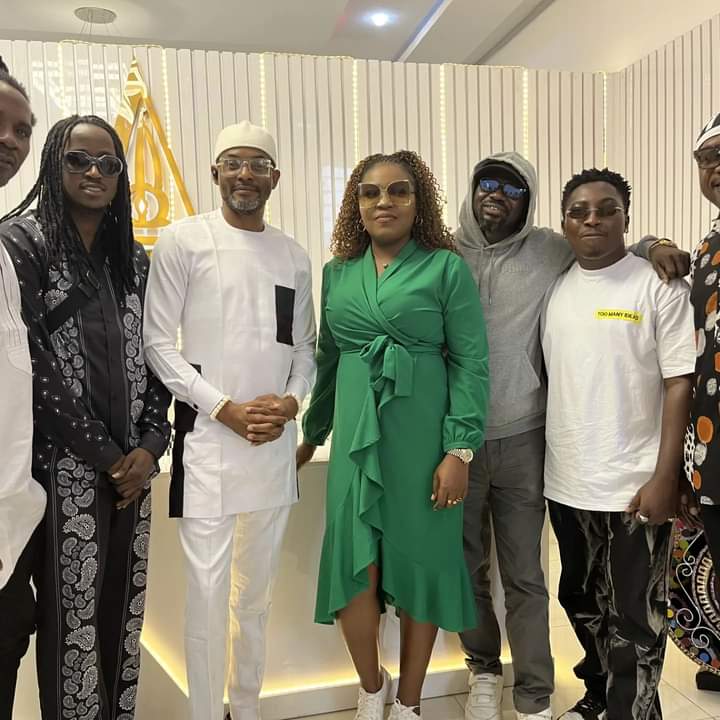
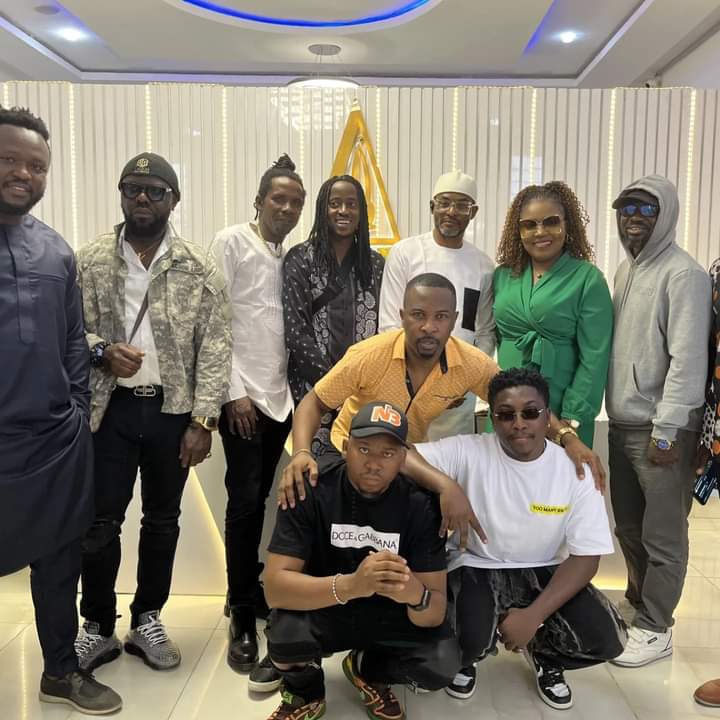
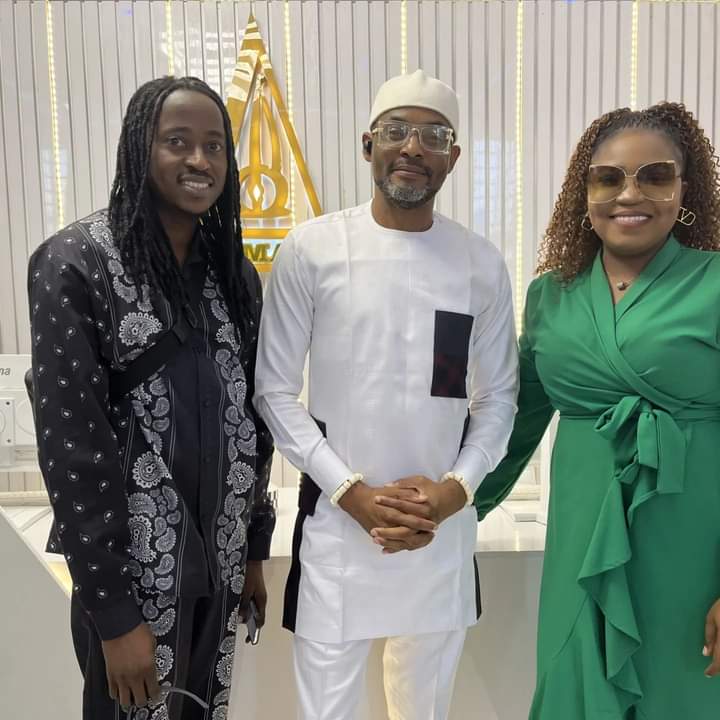
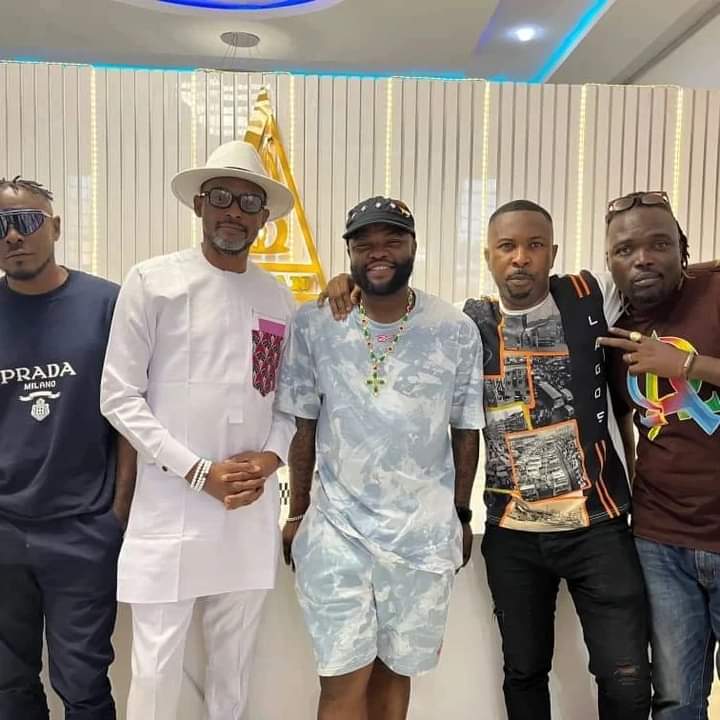
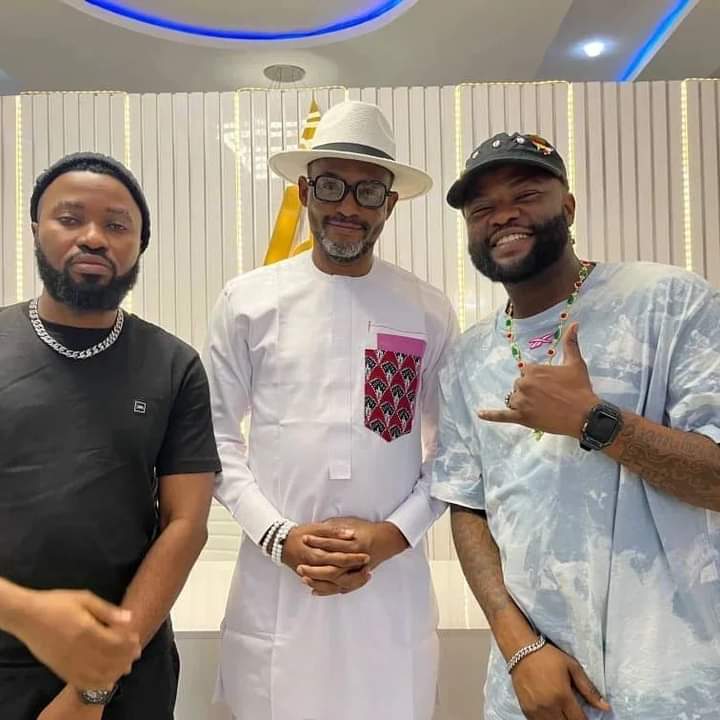
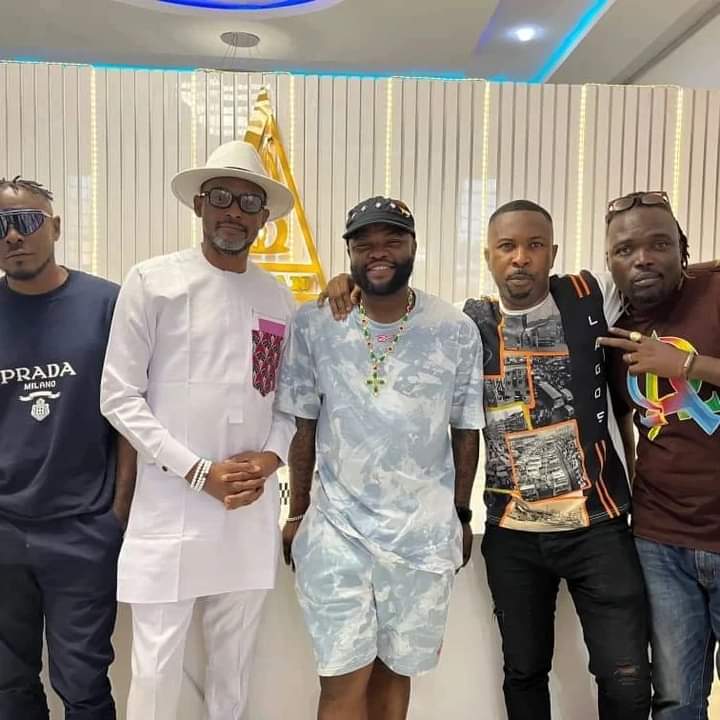
I
.
- Before now, many musicians never believed in the PMAN ideals and mission. Not only among the old ones, even the younger generation. How have you been able to bring the house together?
I think we were able to do that with perception management. We’ve been able to change the trajectory. We changed the thinking. We have been able to tilt the mentality towards PMAN. We’ve been able to show with the little resources that we’re making in-house to purchase a building worth over 500 million. We’ve been able to build the first radio station for musicians, PMAN Radio, which is in Lagos and housed inside PMAN edifice. The PMAN House in Lekki. We have been able to put another radio station in Abuja. We’re already building a music school for music rudiments. We have also built a music school for business of music. We are building facilities, amphitheatres around. So we really do not think any straightforward person will see the union as the old one now without doing much campaign because of what we have been able to achieve. We have over 1.6 million members. So if you’re leaving yourself behind, you’re on your own. But what I told them at the summit is I am not going to go back begging everybody on the street to be a PMAN member. You know what is good for yourself, You know what is good for your life. You want to be part of it, jump on. But if you don’t want to be part of it when it happens, count us out. That’s why me, I’m counting myself out of this current crisis rocking the industry among the younger musicians because it was the fault of some reputable people. It was the artistes managers that caused it. So let them bear the cross.
- Nigerian music has always been at the forefront of world music with Afrobeat and Juju really commanded the stage. Today, it has become a phenomenal status with the new Afrobeats fusion from the younger generation. Did you see this coming that such brand of music could give Nigeria her first Grammy award back home?
Afro hip hop, which we created, Junior and Pretty started in the 90s that has transcended to Afrobeats today because the word beats there was taken from the Worldbeats but people keep mistaking it, saying it was from Fela Anikulapo Kuti’s Afrobeat. But anyway, that’s a discussion for another day. It was a planned process. It was a planned structure that myself and Junior wanted to achieve, to create a brand of music that could outsell reggae. We wanted to create a brand of music that would compete with hip hop. And that was when, 10 years back, the DJs wanted to take out the Afro away from the hip hop in the Afro hip hop. And I agreed with them, but the best they could do was replace it with ‘Beats,’ which is also making phenomenal penetration right now. The music has been able to change the perception of global audience. The idea was being able to outsell this other brand of music and being able to position us as youth with a distinct talent and direction that we are not all fraudsters, neither 419ers. If you have observed for the past five years, six years, no-one is calling Nigerians fraudsters anymore. Instead, the world is calling us Afrobeat stars. That’s what they recognize us with now. So it’s more of a strategic planning, branding, perception placement. That is what has got us here. And that’s why the whole world is talking about Afrobeats and the younger generation is taking it. I mean, we’re going to get Grammys, yes. It might not be from Junior and Pretty, but the beautiful thing that I live with happiness in my heart is that the brand of music that we created has taken over the world, it has taken over the space and actually doing what we planned. Yes, we couldn’t do it at our prime, but we got people doing it with the same followership that we had then. And it’s producing Grammys. Yes, this brand of music is producing the Grammy. That is something nobody can take away from us. And I keep saying what nobody can take away from us is actually our talent. We are gifted and talent people. The country is blessed with talents and it’s those talents that have shown that we can do much more than people expect of Nigerians youths.
- What are the mistakes you and your executives have observed in PMAN and among stakeholders in the music industry. Tell us some of the strategies you have implemented to curb such mistakes?
Mistakes that we have observed in the industry is people are turning themselves into an embodiment of authority. They think the industry can’t grow without them. They are ego – bloated. Some of them disregarded PMAN but unfortunately, they did that at their own peril. The new artistes managers and record labels didn’t want to associate with PMAN. They thought everything about music is just funding the artistes since they have the money. PMAN never needed them to get to where it is today.
So people should understand that when people are coming to you they’re coming to you because they want partnership. They want the whole body to work together but they keep making that mistake thinking they know more than PMAN. No union in Nigeria has more investment and financial structure like PMAN. We are way ahead.
I have produced some of the biggest musical events and concerts in this country starting from Benson and Hedges Golden Tones to Star Mega Jams. The whole of Star Mega Jam concerts were produced by Pretty Okafor. So, I have the experience they need. I have the vibes they struggle to have. When you arrogate to yourself disrespectful nuances in the name of being independent of a union, then you lose a lot of gains and opportunities. My humble self still reached out to them educating them the gains they need in the partnership. They rejected my advice and now they are behind. PMAN is up there. Yes, but none of them, no industry can say they have a radio station or they have a school. We have a school, we have a radio station we have an edifice called PMAN House. The only music union that can compete with us in terms of the type of office we have is the American Music Union. We are highly ranked as PMAN.
We got registration from around Nigeria. Meanwhile we are over 6 to 7 million musicians, but yes, it’s a good number. We have over 1.6 million musicians registered already. That was how we were able to fund ourselves to get to where we are and and a clear use of fund for what we wanted to use it for.
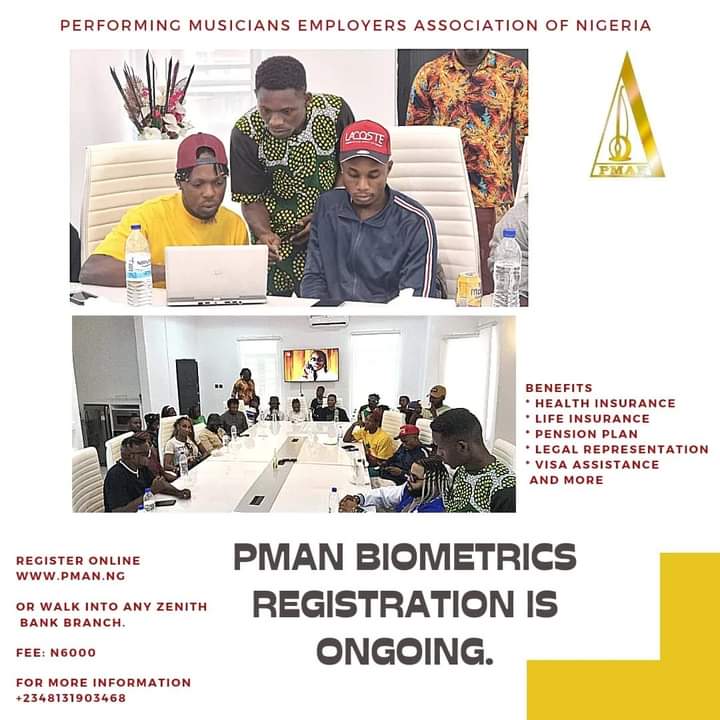
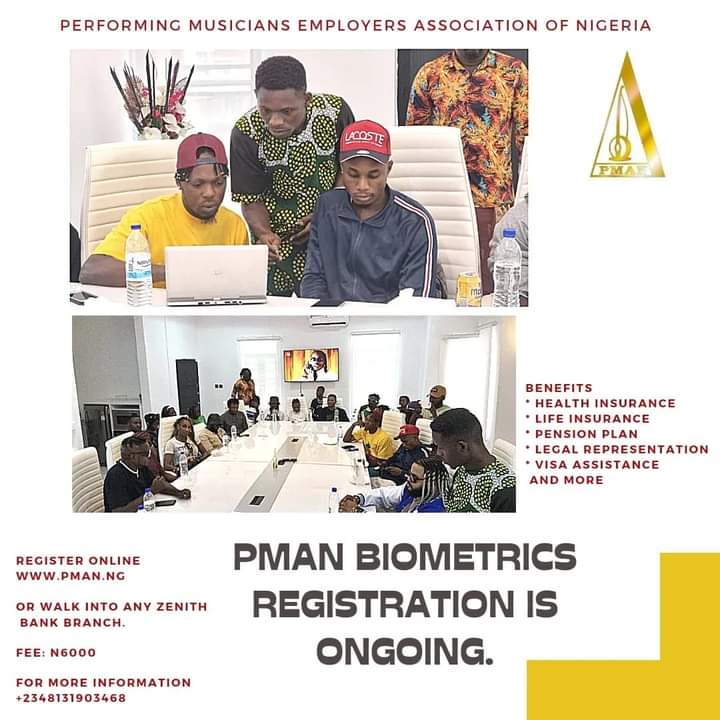
We have built a system where musicians can register online, digitally and just pay a stipend of 6000Naira and you automatically get your healthcare insurance policy. Get your life insurance policy. You are entitled to Pension Plan policy. You also get a cover for career assistance even on legal matters because PMAN has a legal team. PMAN provides you with visual visa issuance because we will provide a Notary for you. This helps you to access your work permit in any country you are travelling to work.
This same registration will allow you to distribute your work into 150 digital stores around the world so they could get your royalty. This same registration will link you into MCSN so that you could get your monitor, your mechanical royalties, your performance royalties, your digital royalties, and more. PMAN is a serious institution and we are ahead. PMAN radio stations play your songs as a registered member and this saves you from paying outrageous money to DJs and others. You get saved from Payola as well. PMAN has come to make life easier for Nigerian musicians and they need to key into it.
- Is it really true that most artistes only know about the show and not business?
Yes, practically most artistes don’t even understand what music business is. They don’t really know how to monetize their work or talent and what they have in them. So part of what we’re doing is to do that and get information out, making them to register so that they could join in the conference that we’re doing and also joining to have access to information and education that we’re passing around.
But like I said, a whole lot of them are heady or whole lot of them believe they are bigger than what we want to teach them. Erroneously they claim they are better and bigger than PMAN. They boast they are more organized. On our part, we let it be. We all are privy to the disaster being experienced because we let it be.
More than five years ago, I can still recall telling them about being obstructive to PMAN’s vision and mission of putting the industry on track. They keep making the same mistake when they believe joining PMAN means they will be exploited. Meanwhile, these are all false. Nobody is asking anything from them apart from registering and become a member of PMAN. How is the registration? For an artiste, you pay 6000 Naira while a record you 15000 Naira annual membership operating in Nigeria.
Presently, they are nowhere. They don’t have any identity because they have destroyed their own face. With the countless emails and phone calls I get every now and then, they don’t even trust the celebrated record labels or artiste manager anymore. Faces of deceit everyday. These are setbacks already and which means we have to start rebuilding trust among supposedly stakeholders in the music business.
Sometimes, in fact of recent, I have decided to learn to talk less. Because whenever I talk, I reveal a lot due to being sad seeing situations could have been handled going nosedive!
Yes, I have kept over Mohbad’s death. I have kept quiet over record labels and artistes issues simply because these people are not members of PMAN. We reached out to them and it is on record we did. The reason we decided to stay aloof.
PMAN reached to all the music bodies under the umbrella of PMAN. They know we did. The records are there. We have the structure, funding is there, we only need your membership.
What is your relationship with musicians in addressing digital piracy?
My relationship with them is good. but it’s just that some musicians, I won’t say, oh, some musicians practically don’t even understand what piracy is.
Yeah, they might know about bootleggers, but they don’t know about digital piracy. So it’s difficult to also educate them. We’ve been trying our best to educate them, being to a couple of conferences to make them understand. And again, automatically once you’re a registered member, it’s the system that will lead you and guide you through, so, you can understand your digital rights and all that.
But should I use the word Nigerians like going with the flow. They don’t like to do individualistic thinking.
And that’s where the issue is, they keep going with the flow. They want to go with this person doing this and so far it is working for that person.
Is that the standard?
That’s not the standard. The standard is for you to belong to a union. If you belong to a union, 50% of your problems are solved. So you can’t be ripped off by your management team, you can’t be ripped off by your record label, you can’t even be ripped off by the promoters. So until they keep understanding this, it is going to be difficult to solve their issues. But a whole lot of others that understand the issues are being solved.
Like I said addressing the issue, we need to be together, we need to be one. So you can’t stay at a distance and want me to solve a problem of your digital piracy from a distance when you are not in the fold. That is if you understand what I’m saying, you need to be in the fold. We need to be one big family. Then we could discuss that. We could go further and incorporate your problem and fashion out the best solution for you and for your talent.
PMAN’s acquisition of a property to house PMAN came a big deal. How was the reception from stakeholders?
It was huge. It was I think knocked a whole lot of people off balance. The purchasing of the PMAN Nigeria Music House, which has never happened for the past 40 years. It was a big surprise because a whole lot of them have already written off
PMAN as a dead organization, as a dead horse, some even call it a jinx organization. There’s nothing they haven’t told me, there’s nothing they haven’t said about PMAN, especially this new breed of music managers and record labels. They keep painting evil about PMAN all over the place. They didn’t bother looking at the future. They didn’t bother to look at how it’s going to affect them, affect their businesses, but we took a different tune and decided to do stuff. Because we’ve been trying over the years to partner with them.
I think it’s a fundamental problem. And that fundamental problem is also what is wrong with Nigeria. We keep looking at the negative side without looking at the positive side. Yes, we could have bad leaders, but also remember that we’re gifted. We’re the most resourced blessed with natural resources. Nigeria is a blessed nation.
So, we should look at how to manage all this, manage the perception. Yes, until there’s the crop of this bad leaders go, the new leaders will come. But we shouldn’t be using our tongue and creating more negativity for the country.
Yes, it’s badly managed. It’s terrible. But I can’t go outside and say Nigeria is the worst country on the planet earth. Nigeria is the show. America is more corrupt than Nigeria. Take it from me, there’s nothing in America. It’s just organization. They are organize. That’s all. Nigeria is gifted, Nigeria is blessed. Nigeria has serene and we, we live with resources, but we don’t want to follow the rules, We don’t want to follow the the law. Everybody does their own thing in Staccato. That’s why we feel Nigeria is disorganized. But that’s not why we’re going to condemn Nigeria, say Nigeria, you know, so we are also part of the people making it look like that, right? So we need to learn how to follow others. We need to learn how to follow things properly. We need to learn how to follow stuff. Well, if you guys remember, like I mentioned before if not that we now changed the perception of how people see Nigerians and the youths, they’re still going to be calling us fraudsters where is the government ready to do anything. No. Did they do anything? The Foreign Affairs Minister and those at the helm of affairs couldn’t change the perception. What did they do? Were they able to change the perception? No, they couldn’t. But we now changed the perception through music. We changed the perception through movies. We changed the perception through Afrobeats. They are the flag bearer for this country right now. Nigerians are hardworking people. And now, if you travel with your green passports, they practically like giving you a welcome red carpet reception. They don’t treat like Nigerians anymore, like criminals. That has ended. They treat us now with respect and like superstars.
Collecting royalties by musicians has always been an issue every leadership of the music body encounter. What concerted effort is being designed by your team and how far have you gone?
We need to learn to get things right. First is PMAN has nothing to do with royalty collection. We are not a CMO. We are not a royalty collection body. Yes, we can appoint a royalty collection body, the CMO or we can support, we can partner. But people are getting it wrong. Thinking is PMAN is collecting their royalty. We don’t have any business. In fact,
PMAN doesn’t collect any money from anybody. PMAN has never collected money from anybody. So I wonder why people think PMAN collects royalty. They just want to collect your money. Like what the record label owners and the artiste managers were selling to these artistes. Ah, don’t join PMAN. They want to collect your money. Don’t join PMAN. Ah, they want is to eat your money. Okay which money will PMAN eat or collect? We don’t have any business with royalty collection. We can only introduce you to CMOs that will collect your royalties for you. Nothing is coming to PMAN, so I don’t know where they got the perception. So it’s a deceit that has ruined the industry. But we kept it, kept it right because we wanted to prove to musicians that they were all fed with lies. Now we have what the record labels could not achieve, in terms of massive structure without anybody’s contribution. We have a massive radio station that is helping the artistes both in Lagos and in Abuja. We are building a school of Rudiment Academy. We’re building a business of Music School. So I don’t know why people keep talking about royalties. but we don’t get involved. It’s not our business. It has never been our business and but if you were aware recently because people were missing it, because we shut down the other CMO, that could not account for what they collected. So people started thinking that we have something to do with collection. No, we don’t collect, we don’t have any business with collection. We can only recommend a collective body, but we monitor that they make sure that they collect and pay the artistes.
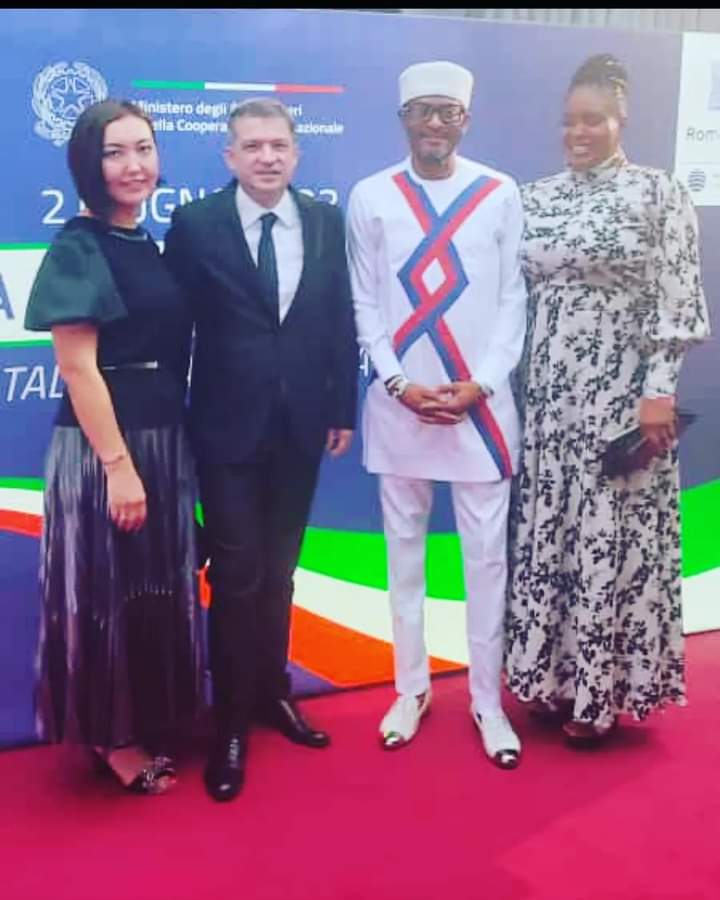
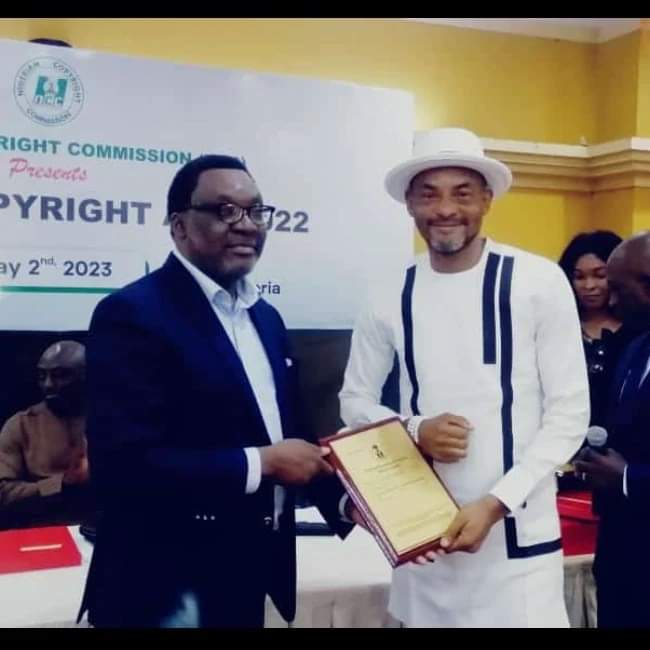
Are Nigerian musicians smiling and feeling good under your leadership?
You can see that for yourself and you can decide. You’ve seen the achievement, you’ve seen how many people that were registered before. Then, nobody can boast they had 100,000 registered members. But you can see what is happening. You can see that all the states and their chapters are working under my leadership and it’s looking good.
There’s a whole lot we’re supposed to achieve. But for now, nobody has ever had it this good an edifice for the musicians. Their own property, A radio station for the musicians, their own property, an Amphitheatre, a 5 star hotel, a music school and all that for musicians.
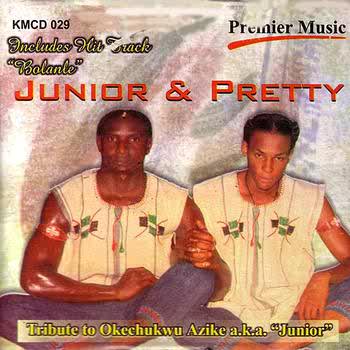
Let’s move away from your official capacity as the industry head. Your brand of music was edifying when you started with your partner Junior. You people were tagged as the pioneer of hip-hop music from Nigeria. Did you see the success recorded in that era coming?
Our brand of music wasn’t tagged hip hop, it was tagged Afro Hip Hop, and it was this same Afro Hip Hop that has transcended to AfroBeats so that we won’t mistake it is called Afro Beats. It is the new generation sound, new generation genre of music. We knew what we were planning. We, like I said, we wanted to excel reggae and hip hop, but we wanted to do it in our own style. We wanted to bring our motherland. We wanted to bring our own African rhythm, African sound to be able to sell out this other competitors.
There’s no way we could have outsold reggae when if we had played reggae. There’s no way we’d have outsold hip hop if we had played hip hop. So we just thought of something that wasn’t in existence, but we can combine all infused, all genre of music into one. And that’s what gave us what we have today. The success has been huge. The success has been huge and it is. It has created a phenomenon process, some procedure which the whole world and the globe is looking into today.
Junior and Pretty were signed under Storm Records. How was the management support of your work. Was every aspect of the contract fulfilled?
Yes, we were signed by Storm with our first record deal. I’ll tell you the this genre was bigger than Storm at that time. We released it first. They didn’t know it was going to sell that big. The massive sale was outnumbered by the demand. It was was outnumbered by the amount of cassettes that we had outside. So you know, it boiled down to the record label to be able to print more, to be able to sustain the market demand. And that’s where they fell short. I wouldn’t blame them, I was blaming them then, but I wouldn’t blame them now, knowing what I know then. They were also young. They were just learning through the ropes at that time. We were young too. We were excited about having our work outside. But I don’t think Storm thought of the market demand, thought of the circulation, thought of all that. So at a point the bootleggers took over because the demand was now bigger than the supply. The bootleggers took over because every everybody was demanding for Monica and Storm couldn’t meet up.
The contract wasn’t fulfilled, like I said, but at a time, Junior got so irritated that he wanted to go fighting, then our manager and I said no, that’s not the way to go about it, that you need to go and make official report to PMAN. And I remember we did that and they were called upon, but it was at that point that we knew that they didn’t even have the capacity to carry the weight that they had on. The song was huge and they were helpless on the weight that the song or the album was generating.
So it was at that point that discussion started because other record labels wanted us. Record companies like Ivory Music, Sony Music and Polygram wanted us because we were the rave. We were young and hot. It was at this point we got the deal to go and sign with Polygram Records.
Polygram too wasn’t that fantastic because as we were growing we were also experiencing challenges with Polygram with the second album. The second album Bolanle was now a monster hit. It was now bigger than the first album and we found ourselves playing concerts around Africa. That’s what took us outside and took us to Europe at that time the Bolanle album.
At a point as well, we reported Polygram which was now known as Premier music. We reported them to PMAN and we had round table meeting though I was quite young, but I could pay attention to managerial stuff and what was happening and what our lawyers were discussing at that time.
Everything still boils down to what I am saying about these young talented boys. If we can go back to the era when before you practice music, you need to belong to PMAN and for your protection and for your welfare. In case, whenever, anything happens, the PMAN will take charge. PMAN will deal with it. The PMAN will be the one going to the police going to everybody, going to the media. PMAN won’t even allow this crisis to degenerate to this level. Unfortunately, they don’t know anything about the industry. Now they understand that they don’t know anything about the industry, that the industry is bigger than them. An industry is even more powerful than them. So as record label you can destroy yourself with one mistake. As an artiste, you can end your career with one mistake. As a recording artiste manager, you can sink yourself. A whole lot of promoters have come and gone because they don’t listen. They don’t also want the guidance from the Union and they will invest their money and everything end in a waste.
. How many songs and albums were recorded?
Our first album contained 9 songs, the second album was 10 and the third album was 10. That is it. Who Yeah, 29 or 30 songs for three albums
- Did you guys make money? Did you?
We did not make money through the record deals because we didn’t understand the tabulation at that time. But they were tabulating now, even till today, I still don’t understand what they were tabulating then. We didn’t make money but we were big. We made money through concerts and we made money through touring.
In fact we made money more than the record labels when we got signed into Benson Hedges Golden Tones. We were the performing artistes on Benson and Hedges platform.
Then after like two years we were now employed to anchor Benson Hedges Golden Tones concert. And after anchoring the show for couple of years, the organisation sent us on managerial courses. Later, I became the the Regional Director – Production of the company in the whole of Africa. It was a learning curve for us and it was good that we did it. But for the records or albums, I can’t tell you if we made money at the time. We were signed with Storm. We were signed with Five thousand naira. Yeah, a lot of people would be dumbstruck. It was small, but it was huge. It was big at that time because I could remember the clothes we bought. We spent maybe one thousand or one thousand and five hundred naira on clothes alone. Yet, we couldn’t even wear all the clothes. They were so many for that amount of money. Then we saved some of the money. But when we were signed to Polygram Records, the record company paid us 250,000.00. And we became big boys. I remember I had to finish my second house and heading to the third one because with the money made from Monica I was able to build my first house. You can just google Pretty St. It’s still there. So I own the property the street was named after me.
Honestly, we were the talk of the town. We made good money at that tender age in the industry. Even at that era, making money at a very young age has always been there. Remember there was no internet or social media at that time. It is still possible we made more money than some of the present generation of musicians today. When we started working for Benson and Hedges, we were being paid in pounds at that time. We were changing our automobiles every three months. We were comfortable. We were touring and having a good career stead.
But I now converted mine into investments because at that time and my age I wasn’t a car freak. I never liked investing in cars because I came from a big family, so I was always holding up my money so that I could accommodate everybody.
When Junior and Pretty came into the scene, American hip hop music was dominance. How did you and your partner able to withstand the pressure and still command the attention of music lovers back home and beyond?
That’s exactly why we created a brand of music that can withstand the pressure from hip hop, withstand the pressure from pop and rhythm and Blues. Withstand the pressure from reggae. We wanted to do something different, but we didn’t want to do what everybody was doing. We didn’t want to do Highlife. We didn’t want to do Juju music because we have superstars there already. So we wanted to create something that we could defend but that would still make impact on young people. So that was when we created the Pidgin English and Mother – tongue rap and they caught the bug and started singing it which gave it a different feel.
At that time we were on the rave, nobody did a song in hip hop with our kind of chorus in between. So we now created this, this brand of music that took the world by storm. And it made sense. Everybody was excited. It was new, it was unique. That’s a fantastic thing. The lyrics was African, it was down to earth, so it was what people could associate with.
You guys brought panache into Nigerian music using pidgin English to deliver your lyrics. Today, that style of language to drive lyrics has gone global. How do you feel as a pioneer?
Like I said it was a planned process. Junior and I planned it. We wanted to do something differently and we succeeded. Our brand of music hit the right audience with our kind of lyrics and musical language. Just know today that what we pioneered is now a global phenomenon. Yes, three years ago, Afrobeats music outsold Reggae. And this year, we are outselling hip hop. People and music lovers are looking for new sounds and they are connecting more with Afrobeats from here. I am excited to be alive and witnessing this as PMAN’s president. We are indeed working and God is with us. We are moving at the right speed at PMAN and pioneering a lot of positive changes that were hitherto impossible at this Union.
Reasons for your choice of songs and lyrics?
We wanted to identify with the poor. We wanted to identify with the street, the downtrodden, the lower class. We wanted to identify with our culture. We wanted to identify with our tradition. We wanted to identify with our women, our food, our ways of doing things. So that’s why we introduced our lyrics, introduce our brand of music.
And if you know what we’re selling now internationally is not just Afrobeats or the uniqueness of the genre. We are selling our food. we’re selling our fashion, we’re selling our culture, we’re selling our dress sense. We’re selling our dance steps.
if you also look at the Monica and Bolanle videos, you would see we were creating that dance steps. We were not depending on the hip hop dance steps, then we were always manufacturing ours. So that is what has created this trend and this trend is still being sustained till now.
I am a happy man. I am happy that nature is looking at our faces at this time and I am still quite young seeing it all turned out this way.
It’s a pity Junior is not with us. May his soul rest in perfect peace. This is a vision we had together and it is yielding fruitful dividends.
Share your experience as a music entrepreneur and administrator. How do you juggle both?
I think I am a workaholic. I discovered I am a workaholic from quite tender age because a whole lot of people didn’t know. They know I was a musician with junior. But I was the back manager. I was managing the structure if I should use the word. You know Junior was a superstar. But I was the back manager. I made sure that the administrative end was well thought through. Decisions were done properly. Rehearsals were done on time. We were keeping on time all the band structures working smoothly. So these have been part of me growing.
Juggling my own kind of music, my kind of work, my own company and juggling with PMAN’s work, juggling my App, my marketing agency business, my marketing communications agency, juggling my event technology agency is all crazy. But it’s been part of me. So I don’t see it as pressure. I don’t see it as anything. This is part of life. I am used to doing things and looking after businesses from time because I started looking after other people’s businesses properly. And that’s why my business or my businesses are successful.
Which of the concerts staged for Junior and Pretty remain memorable and why are they so special?
Benson and Hedges concerts will remain memorable. I think our first performance before we got signed into Benson and Hedges was a trade fair. It was a first time experience for us to come on a big stage. And honestly, I never knew we were that big or popular. The crowd was huge. I think I just turned 18 or 19 at that time because they didn’t allow us for two years to perform because I was relatively young. So I think I just turned 18 or 19. The turn out and crowd was something else. It was out of this world. So it was that same performance that made the owners of the concert to retain us. And from that day we started going on tours. We were on tours, we toured the whole Nigeria with them. Then after touring they now reached out to us to create experiential for the younger people. That was the first time we developed the experiential side of Benson Hedges which was the ‘Grab the Mic’ competition. We scouted for talents with a mobile screen. It was the first experiential strategy that we did for Benson and Hedges and that introduced the experiential marketing to Nigeria. Apart from Afrobeats, Junior and Pretty also pioneered experiential marketing into Nigeria. It was a road show. We designed it and the white guys built and brought it, Junior and Pretty took it on the road.
Interview / Ireho Aito/ Pictures/Google /Pretty Okafor archives
Music from the Original/Studio 5

