
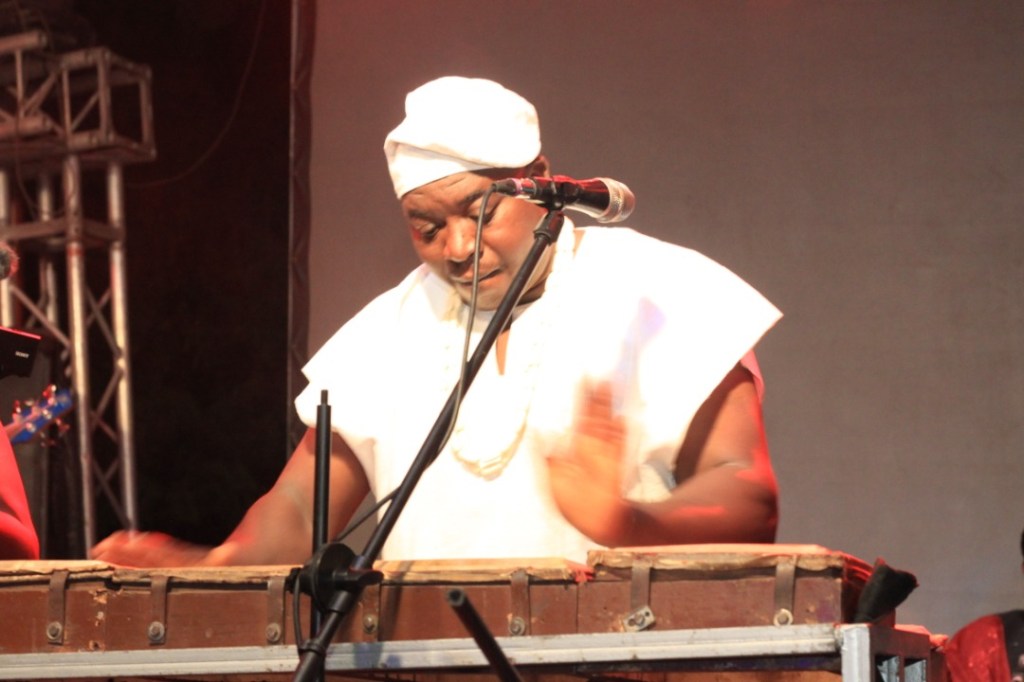
Wura Samba, born Abiodun Abraham Oke, stands as a contemporary Yoruba griot, weaving captivating stories on traditional drums. Hailing from Abeokuta, Ogun State, his upbringing in Lagos infused cosmopolitan elements into his musical odyssey, garnering global acclaim through tours and performances. Notably, his masterful display at this year’s Felabration, an annual homage to the late Afrobeat icon Fela Anikulapo Kuti, showcased his prowess. Samba’s live performances are a mesmerizing spectacle, as he shares his musical soul, enthralling audiences with African sounds that resonate worldwide.
In an exclusive conversation with Ireho Aito in Lagos, Wura Samba delves deeper into his music and the commitments driving his success
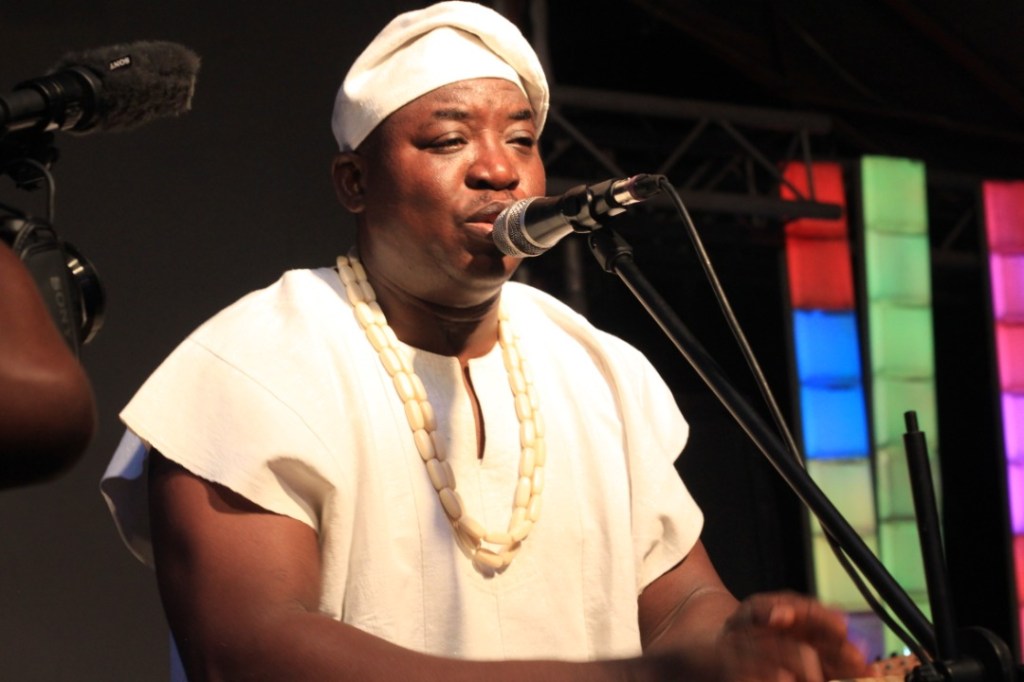
Your performance at Felabration was electric. How did you feel honouring Fela at Felabration?
Thank you for your support. I appreciate the hype and am grateful for the opportunity to perform at the Felabration once again. Being on the Afrika Shrine stage is an honour and I’ve been there several times. It’s a privilege to be part of it again this year. Fela has been a significant inspiration to me, and I’m honoured to share the stage with other acts
The opening song was spiritually inclined in rendition. How would you describe your songs and messages?
The opening song tells the story of a woman whose husband is reassuring her. They’ve been married for years without having a child, and the husband is comforting her, assuring that just as the moon rises and is seen by people, her womb will also be fruitful in time. The song serves as a prayer, especially for women facing fertility challenges, expressing the hope that they will have children. It’s a message of encouragement, emphasizing that like the rising moon, their dreams of having children will also come true
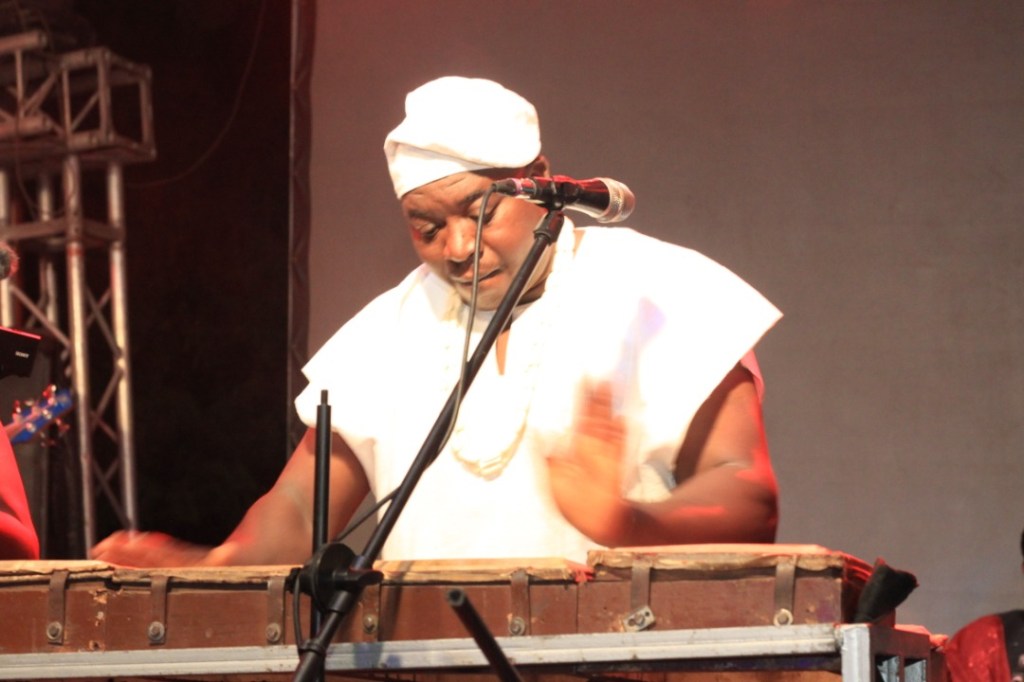
Osupa Ran Wa was a great song. What is the inspiration behind the song?
The inspiration behind the song Osupa came from a real-life experience that I saw. It’s about a couple where the husband was calming his wife, addressing certain issues. I found this interaction intriguing and decided it could be the basis for a great song. The reference to the moon in the conversation particularly inspired me. The composition of Osupa was my own, but I borrowed the vocal melody from the legendary King Sunny Ade song that complemented it very well – ‘to ojo ba yo lowuro a tan imole saye’ I combined the two elements to create the song.
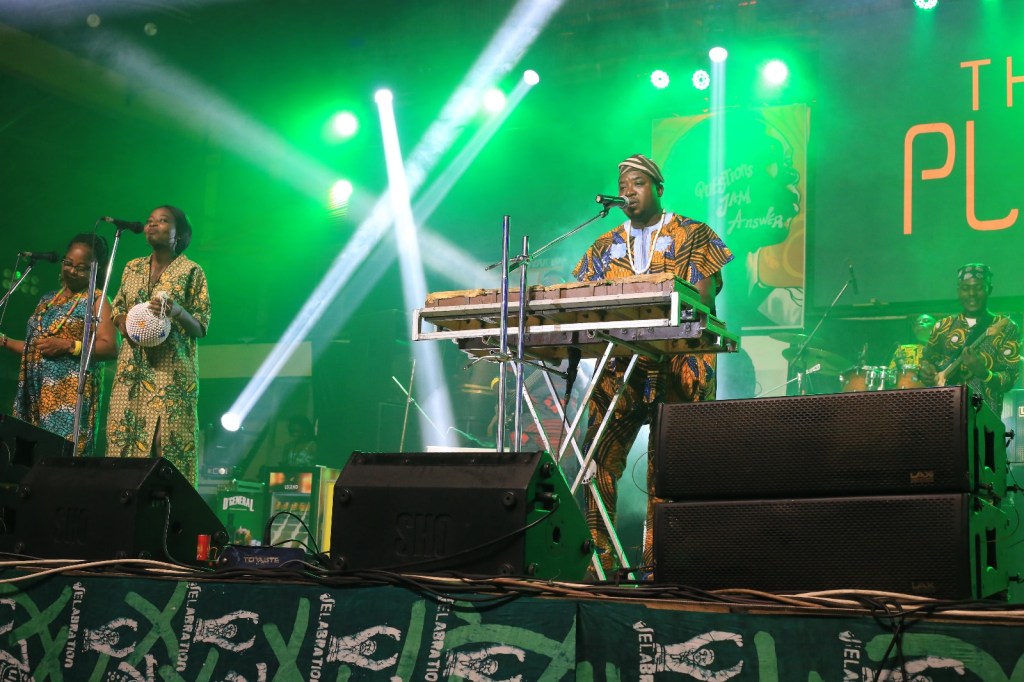
You broke into Fela’s beat with Samba experimentation and it was powerful. Can you categorise your brand of music?
Certainly! I classify my music strictly as Afro – folklore because of the diverse experiences I’ve had. Throughout my musical journey, I’ve collaborated with artists spanning various genres. From traditional hip hop with Zakky Azzay to contemporary jazz with Kayode Olajide and Afrobeat with Dede Mabiaku, I was in Dede’s band for some time, Ayo Balogun. These collaborations, including international artists like Keziah Jones and Nneka and Ade Bantu, and many more have shaped my musical style. I labelled my music as Afro folklore, a blend of traditional music and diverse influences reflecting my rich experiences.
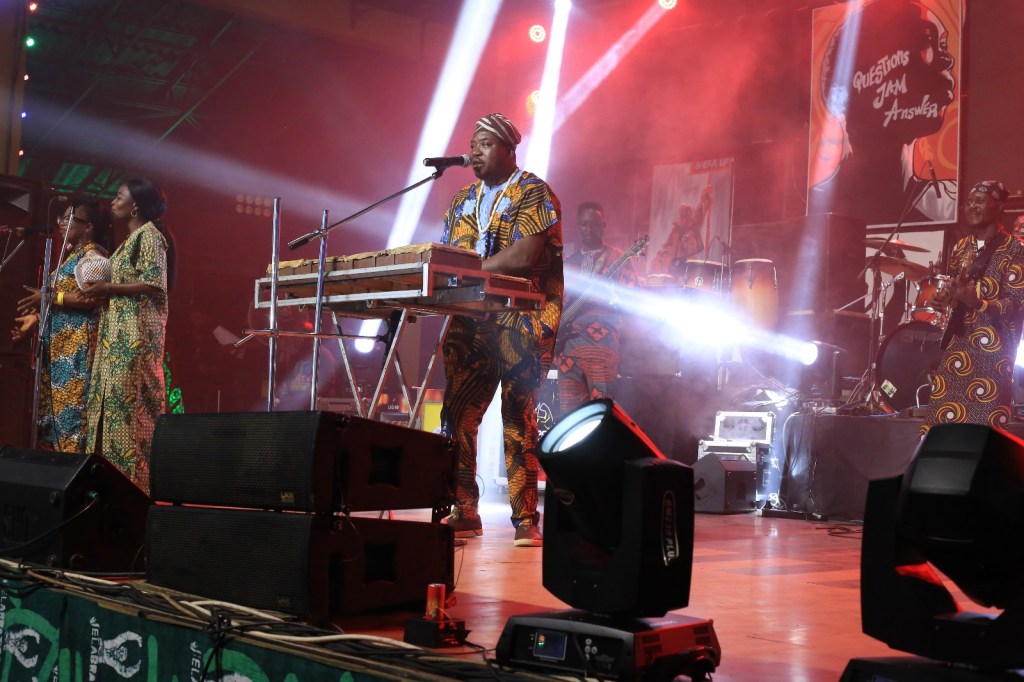
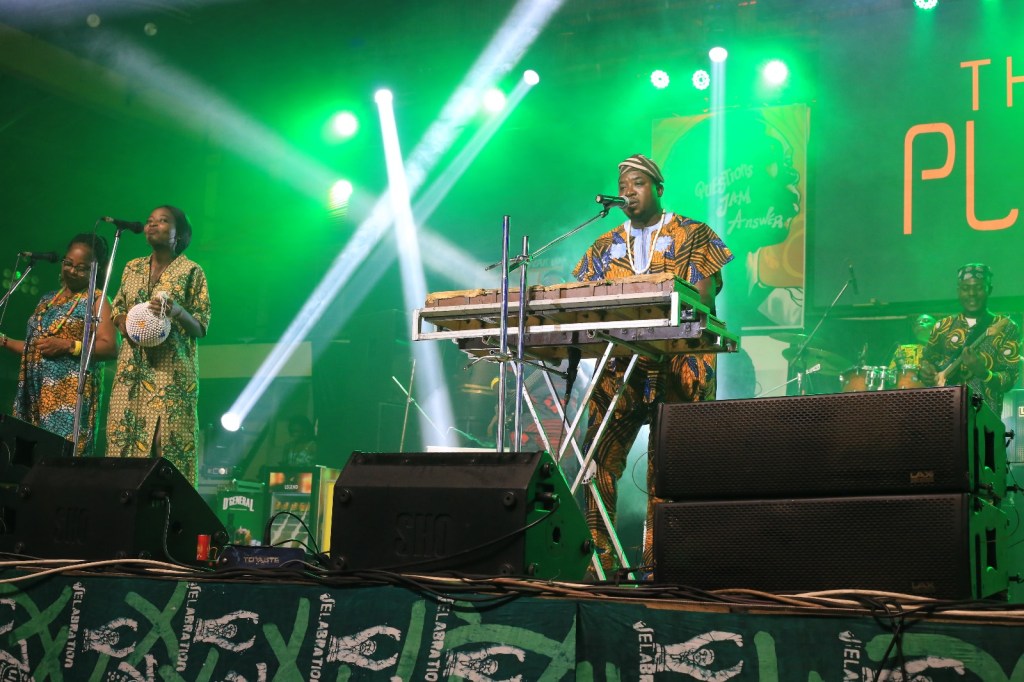
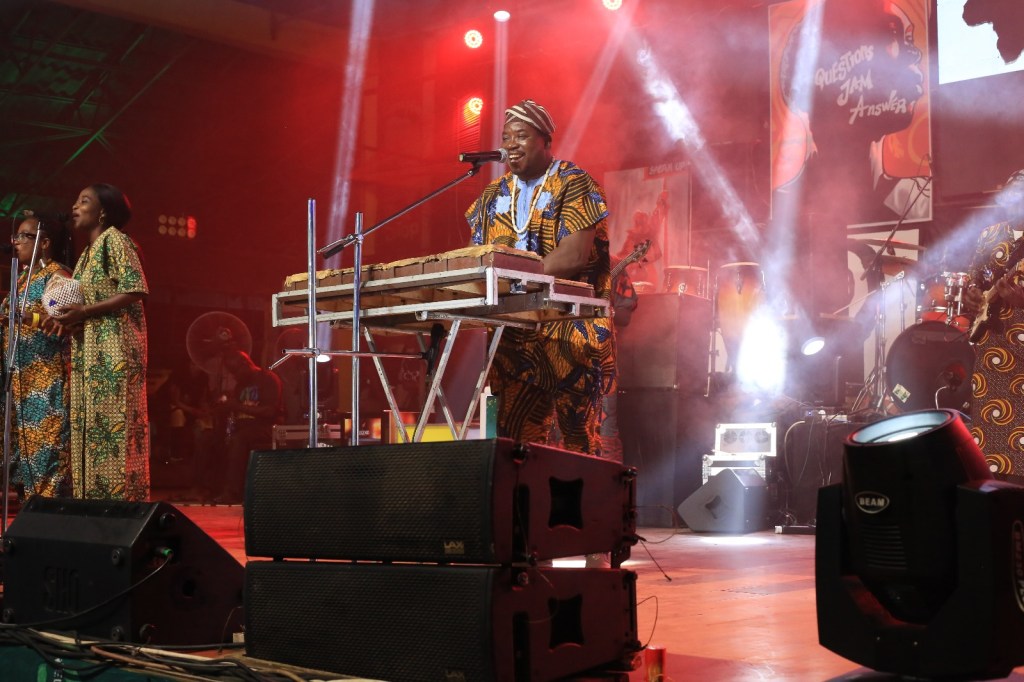
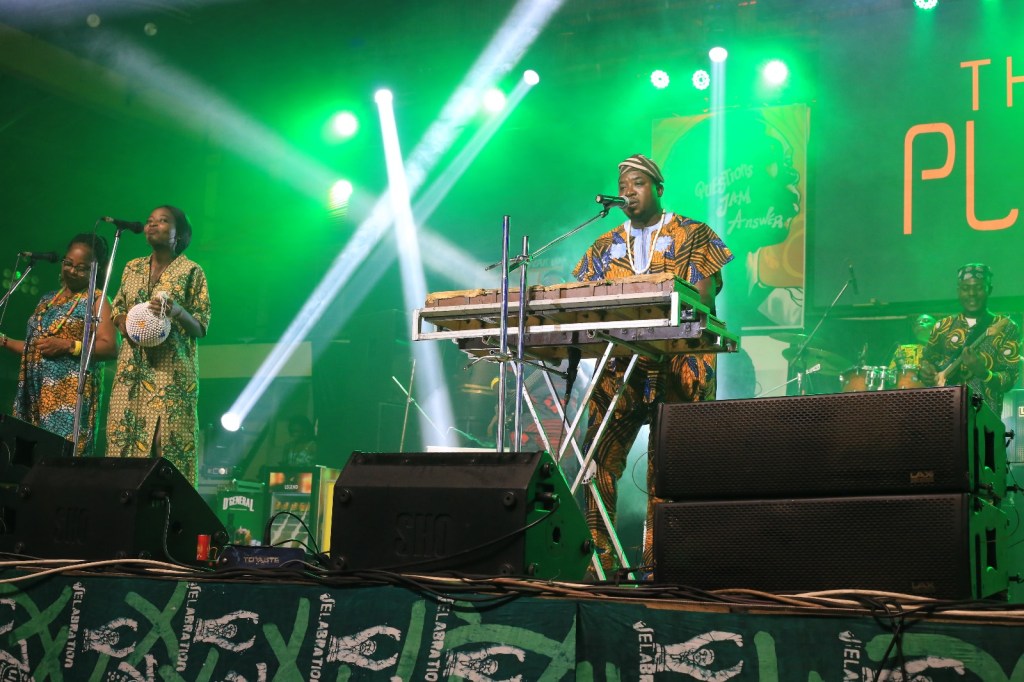
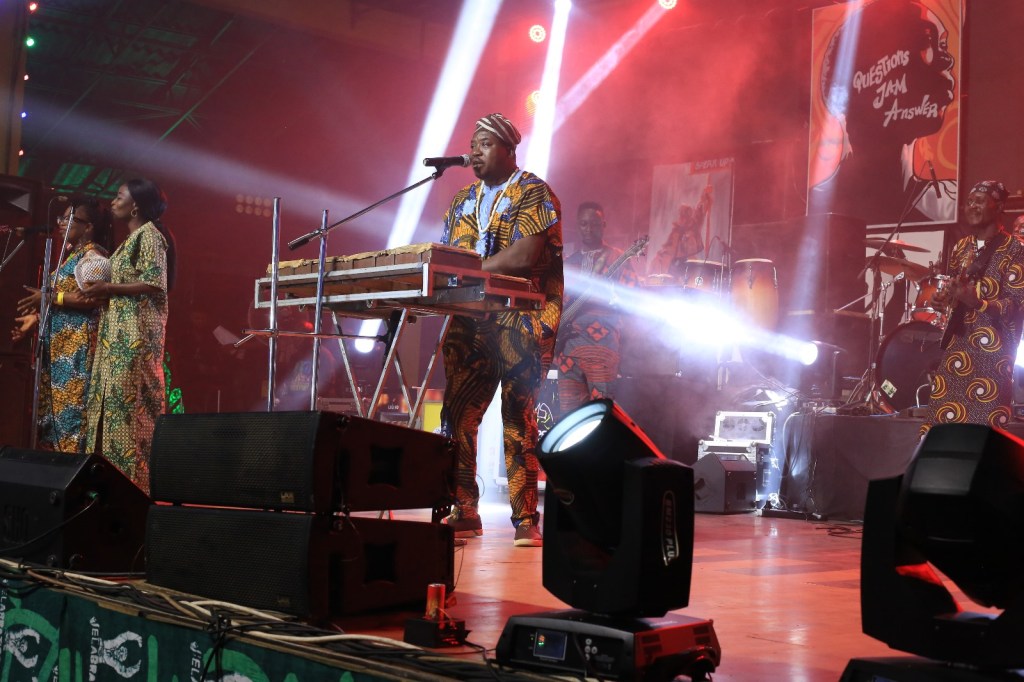
Your song rendered in Yoruba Imole leledumare, Otito leledumare and the messages flow in Afrobeat and highlife ensemble. How do you derive lyrics and tone musically?
In that song, the second song is a composition I created to pay homage to the Almighty whenever I begin my show. It’s a song where I normally praise God in a traditional way, blending Afrobeat fusion with influences from other beats. The composition seamlessly incorporates various music genres from my past experiences, including jazz, hip hop, juju, and traditional music. The result is a fusion of Afro, folklore, and traditional music in one harmonious piece.
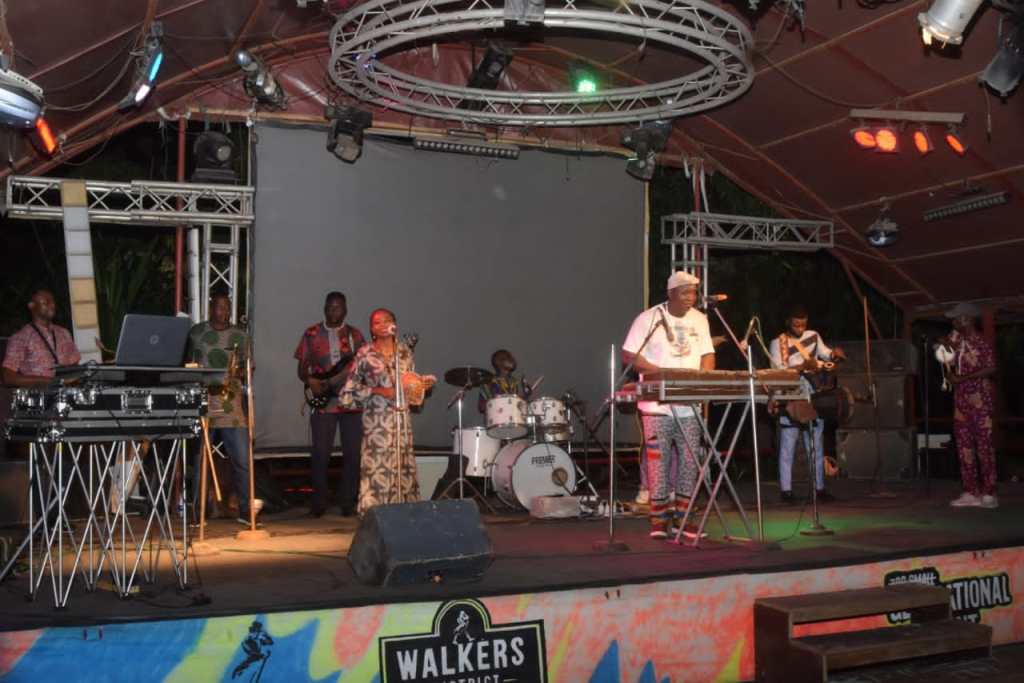
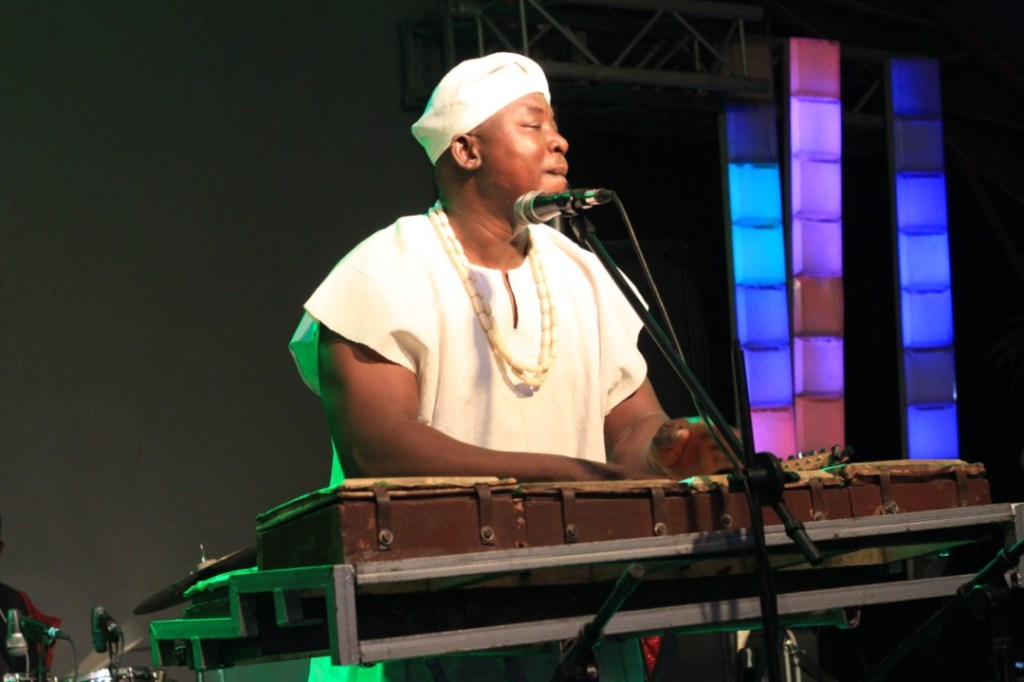
Playing the samba and leading vocals looks magical. For how long have you been doing it this way?
I’ve been playing samba and singing for over three decades now. It all started when I was born into a white garment churchin Nigeria where I used to play the same samba and also sing. This has been a constant part of my life since I was much younger.
As I gained experience from various bands I played with, I eventually formed my own band. Choosing to focus on samba, both playing and singing, has been my consistent passion for over three decades.
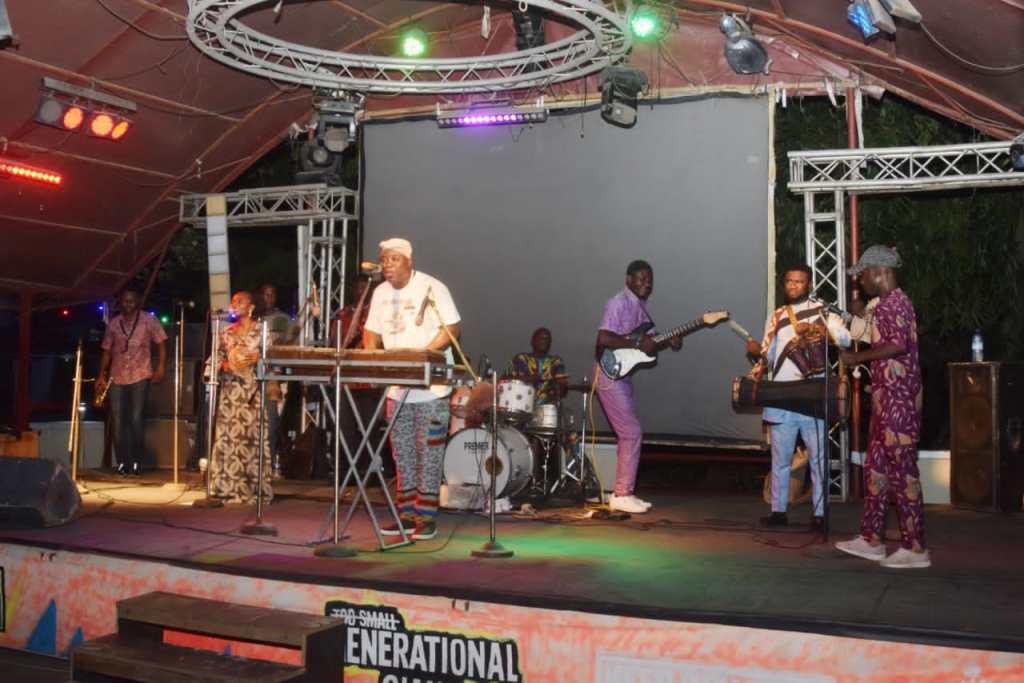
Your compositions are deep in Yoruba folklores. Tell us about your background?
Yes, my composition is on Yoruba folklore, simply because I’m an original Yoruba man. I was born in Lagos anyway, but I’m from Ogun State, Abeokuta to be precise and one thing I will say reflect more in my music. And if you check some of my songs you see it’s very melodious and with high tonality because like Yoruba language, our language is very tonal. So the way Yoruba song goes, it’s the way you speak it because of it’s tonality. And also if you check out the people from Abeokuta, you see and feel the way they sing, You see that the tonality of that Yoruba language is distinct. Check the people from other Yoruba tribes such as Ibadan you find that tonality there. Check the people from Ekiti, you see that tonality of that language, see that language they speak. You know that language is really melodious. Check the people from Ondo. Check the people from Ikale. Check the people from Ilaje, check the people from Ijebu, also Ilesa, that tonality is always there. So when you sing in Yoruba, it’s it gives you more happiness and brings out your culture. Singing in your indigenous languages give you more confidence to express yourself more than speaking in English and music speaks in universal language. So I’m very proud to be a Yoruba man and that’s why I sing and play in Yoruba language.
Tell us more about your tours and concerts. How do people appreciate your music globally?
Yes, globally. I thank God. It’s always interesting to take my art abroad, Yeah. So I could remember this year I was in a place in Germany called Nuremberg in Berlin. So it was so amazing. So even the concert I had in Cologne this year during my tour was really amazing.
I had a very fantastic tour this year. I also toured with Bantu. I do some shows with Bantu. I did some show with Adedeji also. I was just doing back and forth, collaborations with Bantu and Adedeji, also doing my own tours. It was so interesting. And I really thank God that people really appreciate my kind of music and language, despite the fact they don’t even understand the language but very conversant with the melodies. They get gyrated to the melody of my songs everytime. And they were so happy. They appreciate it well and appreciate me more abroad.
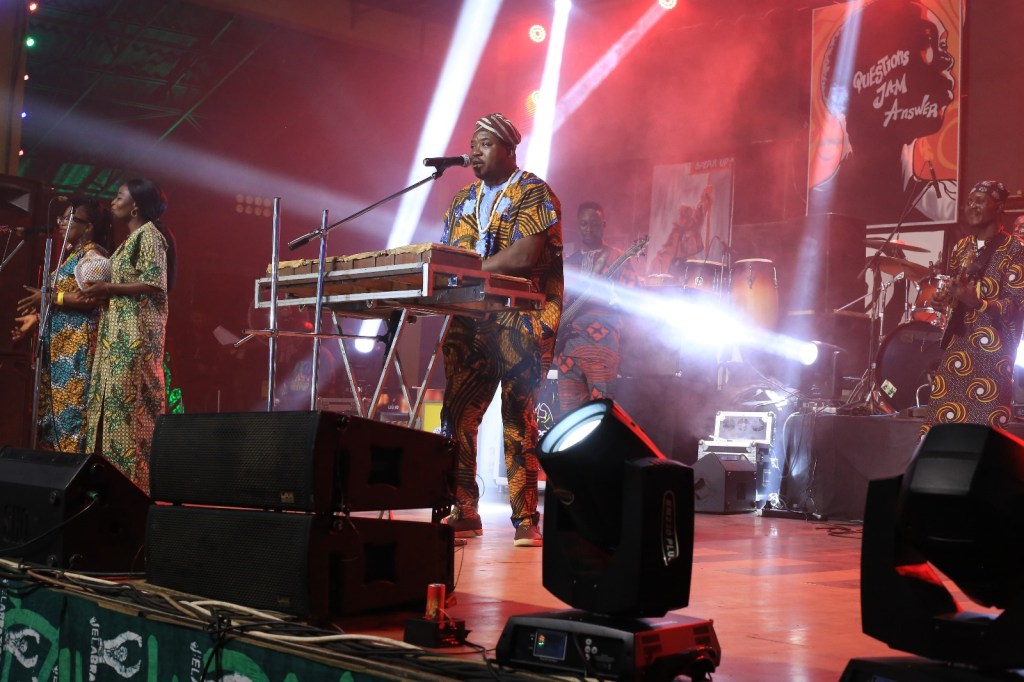
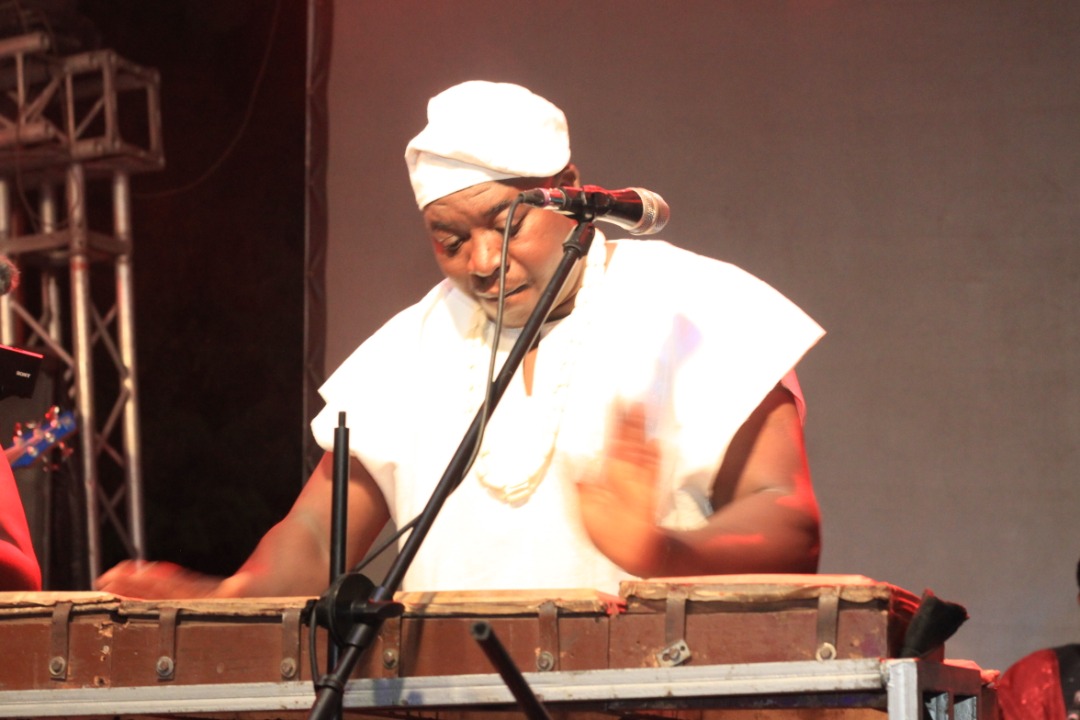
Eclipsing Borders: Wura Samba’s Gold Tradition and Cosmopolitan Beats Unite the Globe.
How many albums have you released so far?
I’ve released two albums so far and currently working on the third one. The first album was titled Ajo. It was a percussive album without guitars. The second album, titled Ona La was released in 2020 and it is available online on platforms like Amazon and Apple Music.
Now, I’m working on a deluxe edition that combines tracks from the first two albums, re-recorded for a broader reach. It will be called “Ajo Deluxe,” featuring selected songs from both albums. I aim to make the music more accessible to a wider audience. The release is expected before the next summer, by the grace of God.
Managing a band like yours can be somehow expensive. How has it been and what are the breakthroughs?
Managing a live band can be quite costly. Rehearsing with the band in the studio involves expenses like studio rental fees and transportation costs. Despite the financial challenges, supporting musicians is essential, even if it’s not always possible to fully compensate them for their significant contributions. Personally, I believe any amount given to an artist or musician is meaningful, considering the positive impact their music can have on people’s lives. Music has the power to uplift and bring joy, providing a temporary escape from life’s challenges. Managing a band, including mine, requires finding a balance between financial considerations and supporting the artistic process.
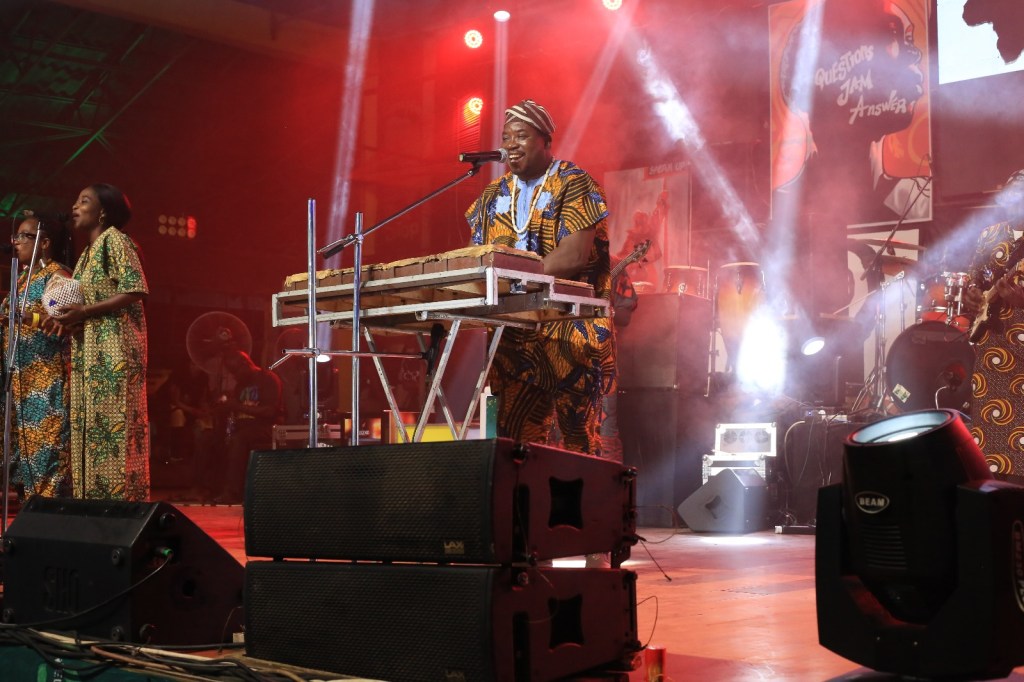
What is Wura Samba’s real name and why did you choose such a name?
My actual name is Abiodun Abraham Oke, but I am known as Wura Samba. I picked the name Wura Samba because of my passion for playing the Samba drum. Growing up in an Orthodox church, I used to be a bit of a nuisance to the church drummers as a child. Eventually, a prophecy came that my dad should get me a drum, and at five years old, I got the same Samba drum from my father.
As a child I would sit, play the drum, and little did I know that it would become my identity. Samba was what made me popular in Cherubim and Seraphim Church community and some other churches. People even hired me to play at different churches in Ilasamaja in Mushin, a suburb in Lagos.
The Apostle at the church, an elderly and revered Apostle knew me well and supported me. Through playing the Samba drum, I managed to pay for my school fees and gained the support of people who appreciated my talent. Many bands and churches hired me to be part of their bands and it was very interesting and commercially viable.
When I was in secondary school, the Samba drum continued to be my source of income. Eventually, in the ’80s, I felt it was time to go solo after being a member of Ayo Balogun’s band. I had dreams thrice about the Samba drum in a circular shape which led me to create my own drum with the help of an Upholstery friend. I wanted a unique type of drum due to the epiphany that I had. I chose the name Wura, meaning gold in Yoruba, symbolizing something precious. Combining it with Samba, I became Wura Samba, reflecting the fusion of Yoruba for gold and the Samba drum, a name that I felt suited the kind of music I wanted to play.
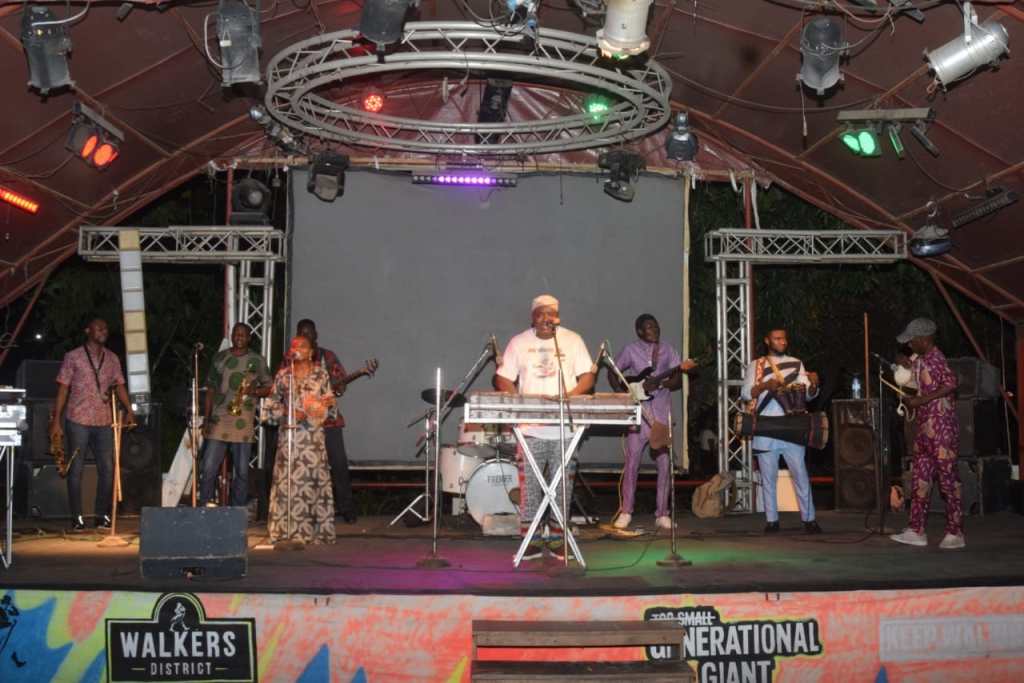
Education and music among Nigerian musicians. What do you think younger ones in the game should take from you?
Encouraging education is crucial for aspiring musicians, especially the younger ones entering the music industry. My advice is for anyone interested in music to recognize and nurture their talent while also prioritizing education. Don’t underestimate the importance of obtaining a degree, even if it’s from a Polytechnic. Education plays a significant role in today’s music landscape, not just for honing musical skills but also for understanding the business side.
Many musicians excel in talent but falter in understanding the industry’s business aspects, its a global issue.
Therefore, my recommendation to the younger generation entering the music scene is to pursue education alongside developing their musical abilities, ensuring they grasp both the artistic and business facets of the industry
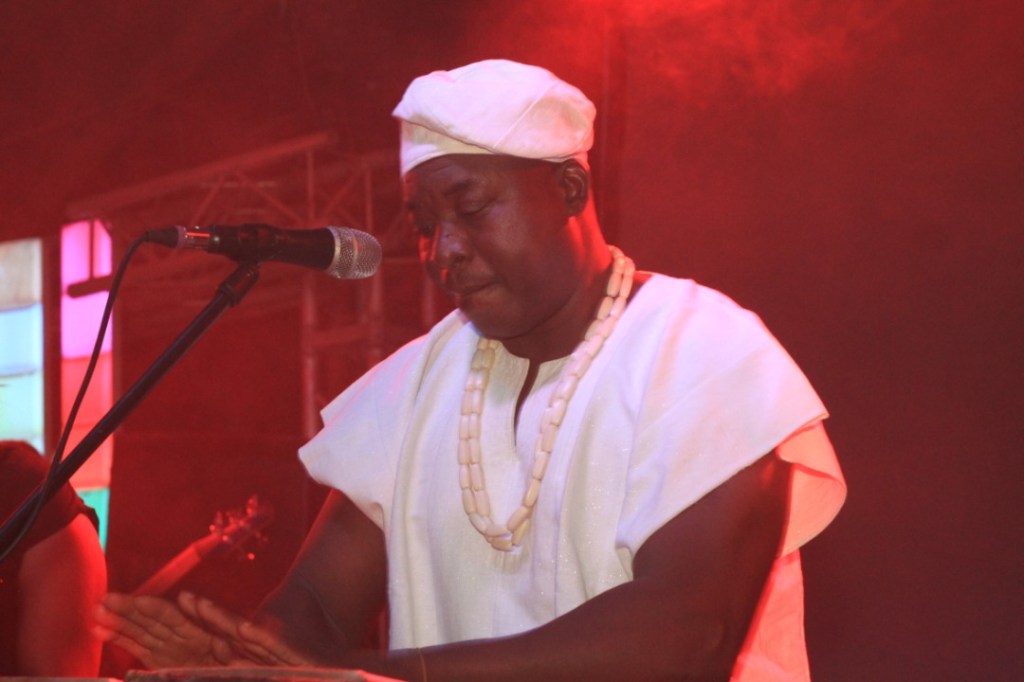
Can you explain to us the effect of Yoruba culture in your music?
I got a lot of influence in my Yoruba culture. My culture spurs me to succeed and I derive joy to drive my act to global acclaim. I am richly blessed with the impact my culture has had on me and my career.
Interview/words/Ireho Aito/ photographs/Wura Samba Library/ Music from the Original!

