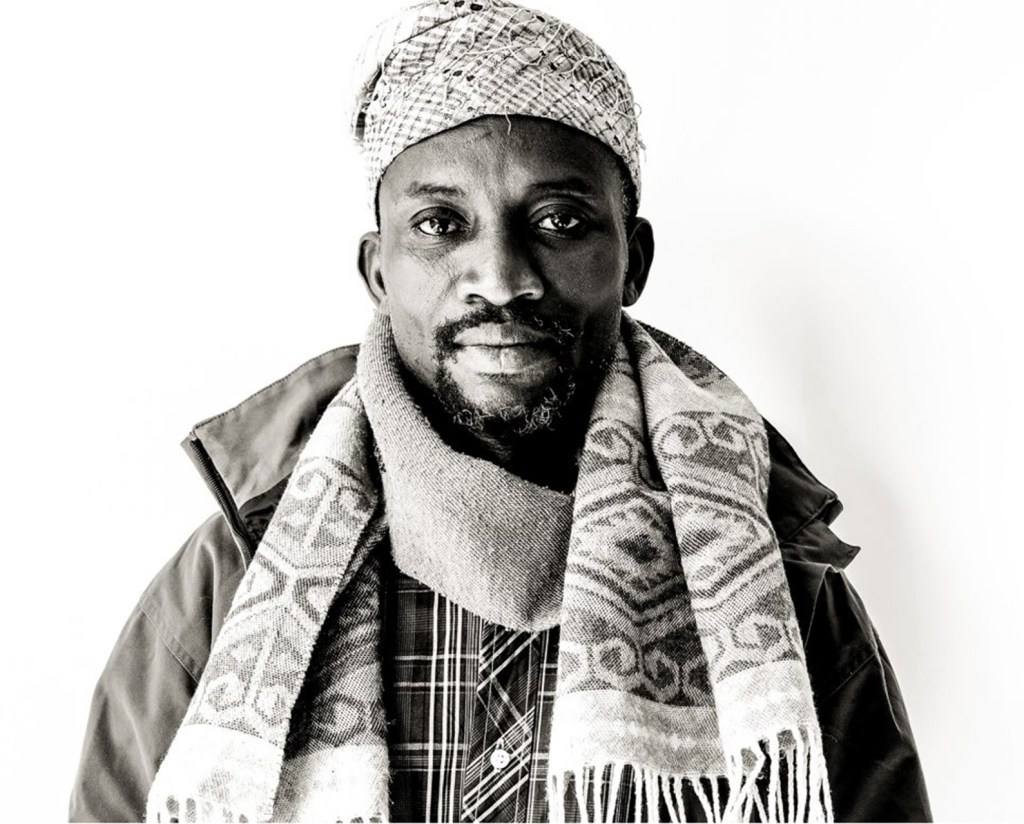
From Fela Anikulapo Kuti to Jelili Atiku, these two performance artists embody a voice for the greater good of the public. Jelili Atiku identifies himself as a performance artist, a pivotal element in artistic expression. He’s akin to a modern-day masquerade, blending cosmopolitan culture into his artistry. Utilizing various performances, Jelili Atiku has sparked global attention on socio-economic, cultural, and political issues. To him, this is the change imperative—the voice of the people resonates through his performances.
Despite global acclaim, Jelili has faced backlash from his own community, unable to embrace his unconventional art form. As a Prince Claus Fund laureate, he’s endured harassment from his people, pressuring him to silence his voice. Yet, undeterred, Jelili continues to expand his global footprint. Even though his performances in Ejigbo, Lagos, haven’t sat well with his community, he persists despite internal strife. Today, his unbridled creativity propels him forward, placing his family name prominently across global magazines and institutions.
As a Prince Claus Fund laureate, he’s endured harassment from his people, pressuring him to silence his voice. Yet, undeterred, Jelili continues to expand his global footprint.
Originating from Abeokuta, Fela Ransome-Kuti—later Fela Anikulapo Kuti, translating to “one who carries death in his pocket”—emerged from the Ransome-Kuti lineage, a middle-class family renowned for their resilient characters across generations. Fela’s grandfather, Jesse Ransome Kuti, a prominent pastor, contributed to translating numerous Christian songs into Yoruba. His mother, Olufummilayo, an activist, fiercely fought for women’s liberation from tax burdens during the colonial era in the 1940s.
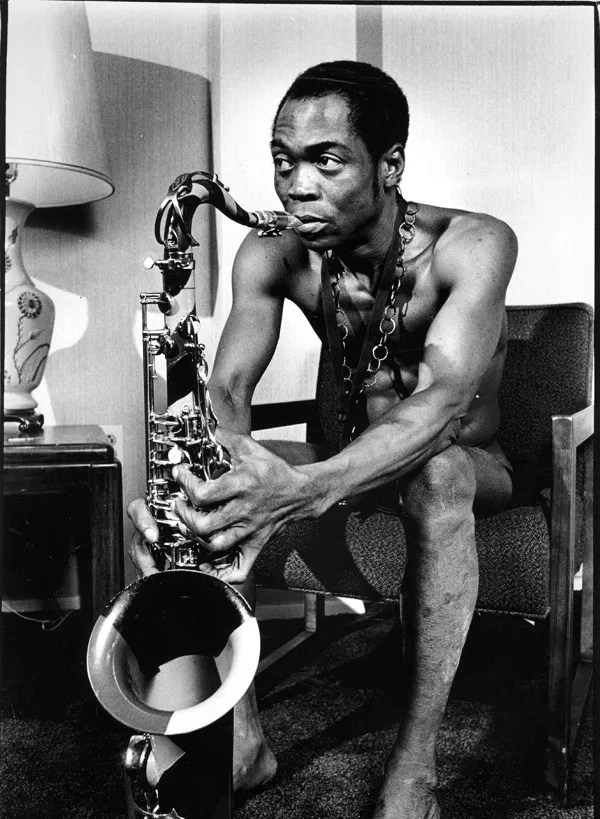
Fela Anikulapo Kuti gained global acclaim as a musician, vehemently campaigning against injustice, particularly targeting governmental and military oppression. He viewed music as a potent weapon against societal injustices, releasing critically acclaimed albums that endeared innocent citizens to his musical activism. Weekly, he entertained a global audience at the Kalakuta Shrine, spreading his message through his music.
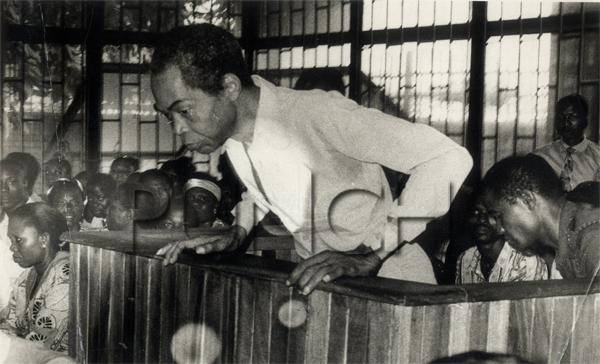
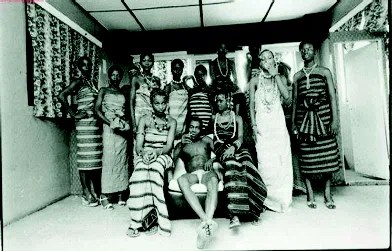
Jelili Atiku and Fela Anikulapo Kuti, representing different philosophical eras, faced relentless bullying for their unwavering principles. Despite enduring dehumanization for their outspokenness, they remained resolute in their pursuit of justice.
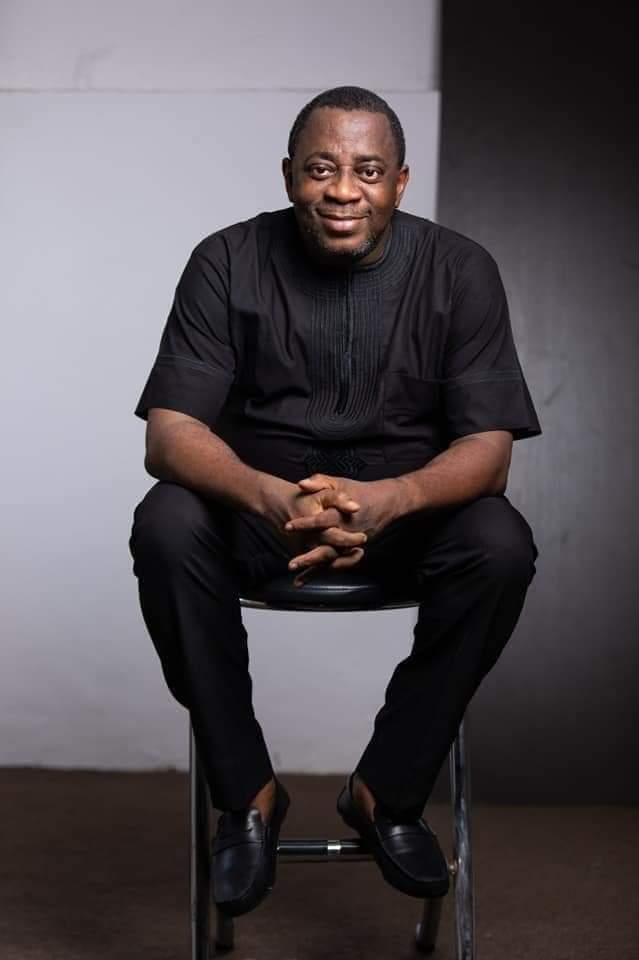
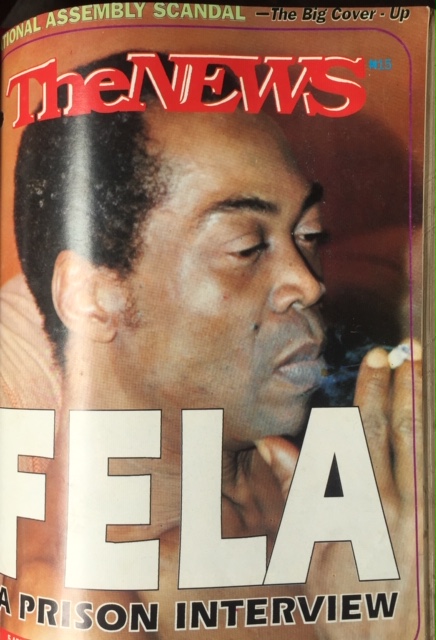
Notably, Nigerian journalist Seye Kehinde had the opportunity to meet Fela Anikulapo Kuti in prison and conducted an insightful interview with the Afrobeat music legend. Seye Kehinde, a trailblazing Nigerian publisher, has left an indelible mark on the journalism industry. As the publisher of City People magazine, a prominent lifestyle publication based in Lagos, he has dedicated his platform to celebrating individuals and their accomplishments globally. Kehinde’s visionary leadership has played a pivotal role in reshaping the African perspective on lifestyle and business, presenting a positive narrative that transcends borders.
One noteworthy chapter in Seye Kehinde’s life involves his encounter with the legendary Fela Anikulapo Kuti during a period of incarceration at Ikoyi prison. This encounter not only reflects Kehinde’s resilience but also underscores his connection to influential figures in Nigerian history. The meeting with Fela Kuti, a musical icon and political activist, adds depth to Kehinde’s narrative, showcasing the intersections of journalism, culture, and social change.
Seye Kehinde was one of the leading editors with TheNews magazine in Lagos in 1993 and was incarcerated alongside members of TheNews publishing team.
Words by Ireho Aito/Don’t Keep Your Art in the Finger!/Pictures/Google
Enjoy some excerpts of the interview below
Q – What is it like behind bars?
Fela – This place na different world. I beg, I beg, I beg. In this place people don’t talk, they just look. I mind here. I meditate, I try to rediscover myself.
Q – Meditation apart, what other things do you do in prison?
Fela – Of course, I dey think now. But I prefer to keep it to myself, not to tell you people. If I discuss my meditation with you, that means I am not meditating. You see I don’t think about outside. For me, once I enter here I don’t about outside again, outside is dead. Finish. That is the way to spend time in prison, otherwise you’ll go crazy. Simple.
Q – Don’t you miss freedom?
Fela – Yes, now. I have always been free. I am not free here. Finish. But I still like it here. You don’t know anything. This is the best prison in Nigeria. Go and try Maiduguri or Benin prison.
Q – Are you saying there is no way you can be free while in prison?
Fela – Teach me now. You are in prison yourself, go and open the gate and go out if you can. Look what I am getting at is that it is only my mind that is free. My meditation here is spiritual.
Q – Do you miss your favourite pastime – watching television?
Fela – Yes of course. I watch television a lot for many reasons. I watch the control of human beings on television. For example, you don’t know that words have roots in spirituality.
Q – How can that be?
Fela – If the measurement of knowledge is the ceiling up there, anything that falls below it, is the amount of ignorance somebody has. So, your question how can that be is a question from the mind of an educated man. The Yoruba meaning of education, incidentally, is someone whose mind has been trained and locked with a key. You are that kind of person. Knowledge is how your mind expand reach.
Q – English words even have Yoruba a essence; are you not saying all these because you are a Yoruba man?
Fela – No I know what I am saying. You should not have said “how can that be.” You should have said “can you explain,” because that kind of question can only come from a foolish man who get moustached like you. That’s what we call M. P – Moustache Problem. Hitler who is one of the most wicked men according to history also has Moustache like you people. What you people don’t know is that Yoruba is the secret of the spirit, that is why the Pot was given to Olodumare to put at Ife. When you hear America, it means ye -shall-find-wickedness in Yoruba and that is why there is so much wickedness in America. When you hear Russia, the real meaning in Yoruba is rush-into-suffering. Really there is nothing called Europe. It should be Europa, it means Yoruba.
It is all elliptical variants of Yoruba language they are speaking there. When you hear London, for instance, that was the beginning of the power in Europe. The British was the first to colonize the world. They got the power from Ife. That was where London got the name from L-o-n-d-o-ni from Ooni which again means crocodile.
Even the name, Windsor Castle palace at London which got burnt last November, is not English, it is Yoruba, from the Yoruba word, Iwin – so meaning the witches are talking. Look at the word soldier. It means Isoluja in Yoruba. Again, look at the word Police, it means po. They take that word from the dirtiest place, po – putty. Latin was the most treacherous of the European languages that was why they cancelled it quickly.
Q – Is Democracy a possible experience in Nigeria?
Fela – Yes. You see Democracy like hospital are very latest developments in the white man’s country. They still have a mixture of Yoruba and English together, like hospital for example. They say h-o-o(spit) and spittle, that lowest form of treatment of human beings. People say they go there for treatment but I don’t go there. Many people in this country are possessed. Some of them are like those birds Lekeleke, egret, they fly, they are possessed. That is why each time everybody says Babangida should go. I have always maintained that Babangida cannot go. I said so, because he is possessed like the rest of us. He has to stay. The forces in him will not let him go. That is the point.
Q – Can’t he decide to hand over?
Fela – No. Look he must play his film finish. Na contract. He must finish his part.
Q – Can’t you predict when IBB will finish playing his part?
Fela – Me? I no fit predict. When he finishes he would pack his things and leave. He is the last of this age. We are entering a new age, the age of Aquarius, the age of water. Our leaders are the last layers of the people that are treacherous to the Africans. Otedola is the mark of that time to remind people of that age. The name means treachery becomes greatness.
Q – But what happens if Chief Abiola becomes the next President.
Fela – Wait now make him take over. He don jump there now his eyes go see a lot.
To be continued…
This interview was conducted by Seye Kehinde formerly an editor with TheNews magazine now Publisher City People and released 5th April 1993.

