
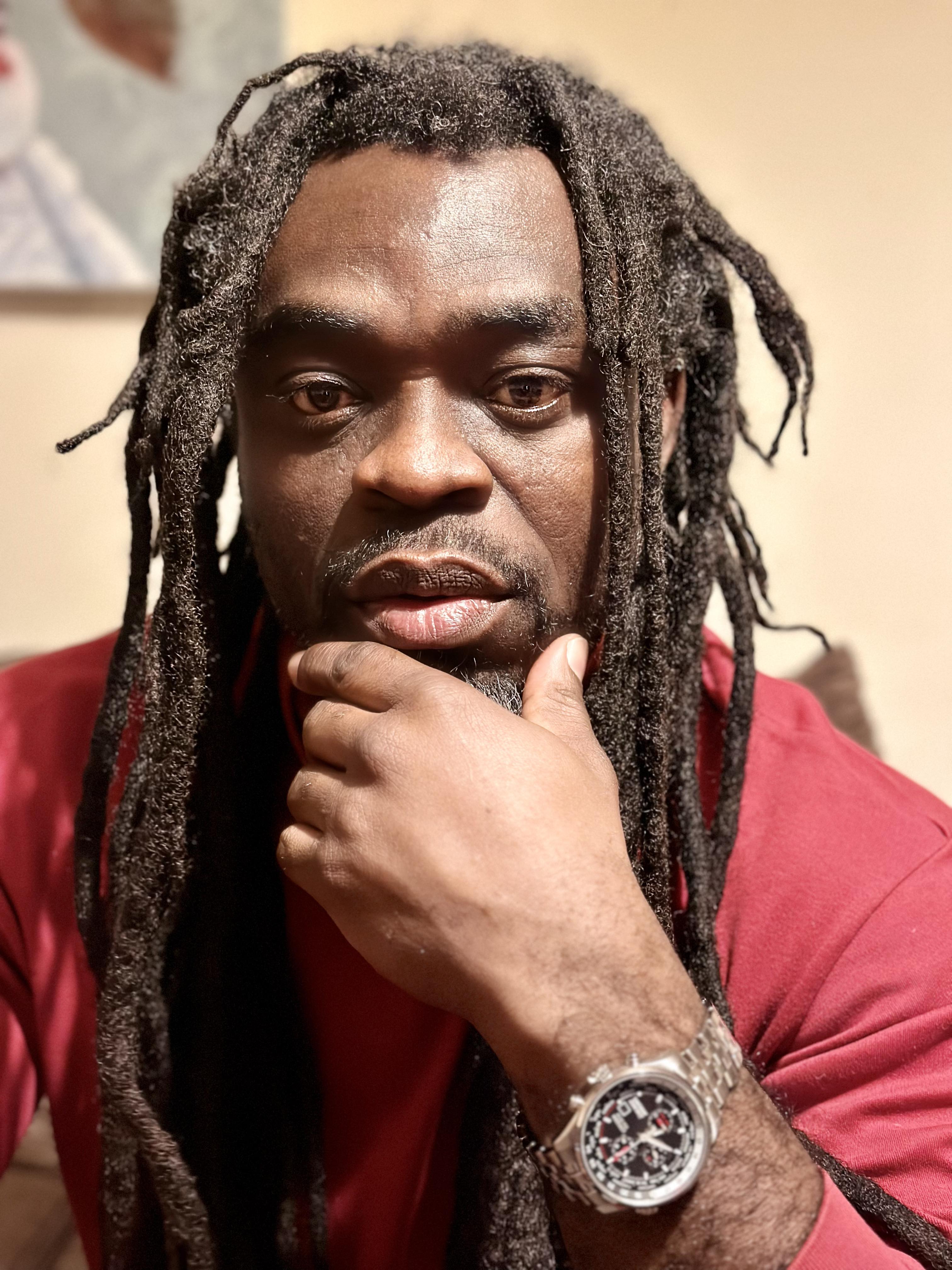
He can be a double – cast because of his locks, for a film role for another Nigerian born United Kingdom based artist, Yinka Shonibare, an icon on his own. Imhonigie Imoesi is already connecting the cultures and advocating for a better climate with his iconic creations. Writes Ireho Aito from Lagos
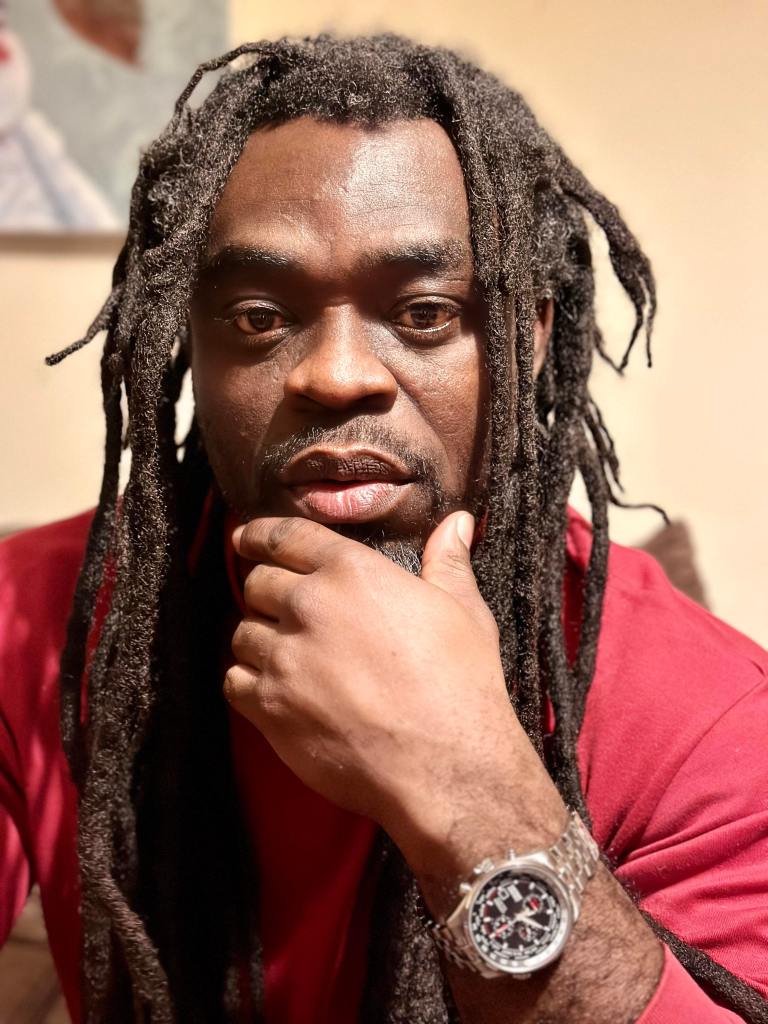
Imhonigie Imoesi, a Nigerian-born visual artist now residing and working in the United Kingdom, embodies a deep commitment to environmental advocacy through his art. As the eldest son in a family of seven, Imoesi’s upbringing in a household led by educators instilled in him a strong sense of discipline and resilience. His father, a strict headmaster, and his mother, who also rose to the position of headmistress, emphasized the importance of hard work and dedication, shaping Imoesi into the person he is today.
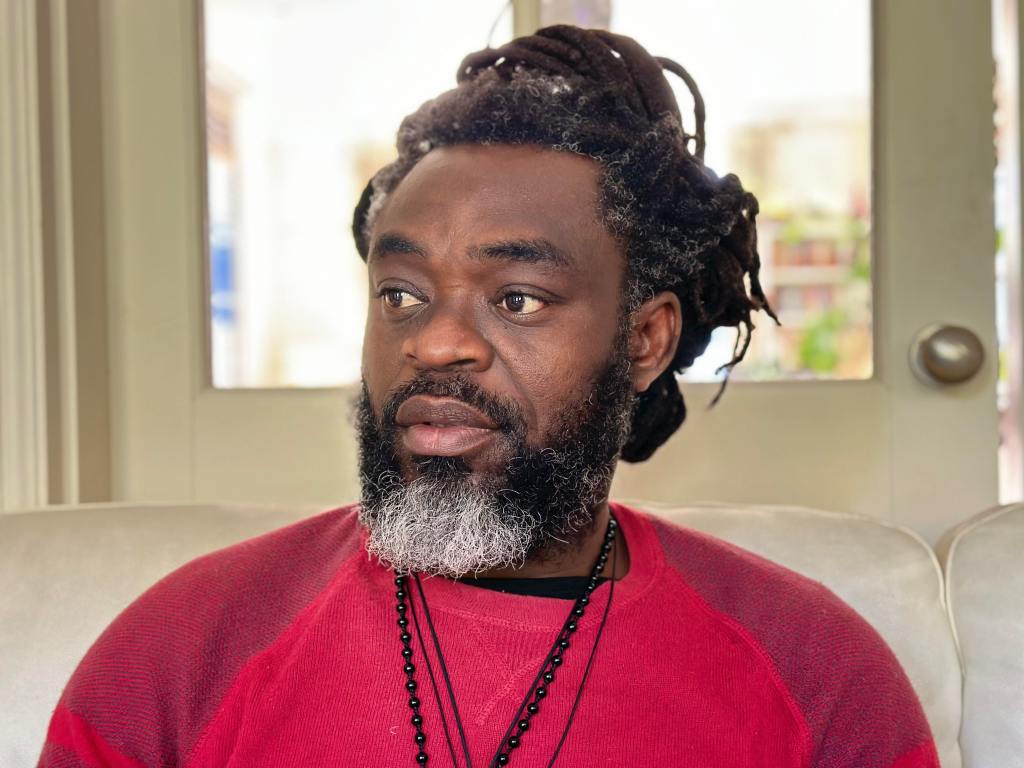
Despite his success abroad, Imoesi nostalgically recalls the camaraderie of his fellow artists in Nigeria, with whom he shared a studio and evenings filled with creative discussions under a tree. He also cherishes memories of his brother and the familiar sights and sounds of his village, elements that continue to inspire his artistic vision.
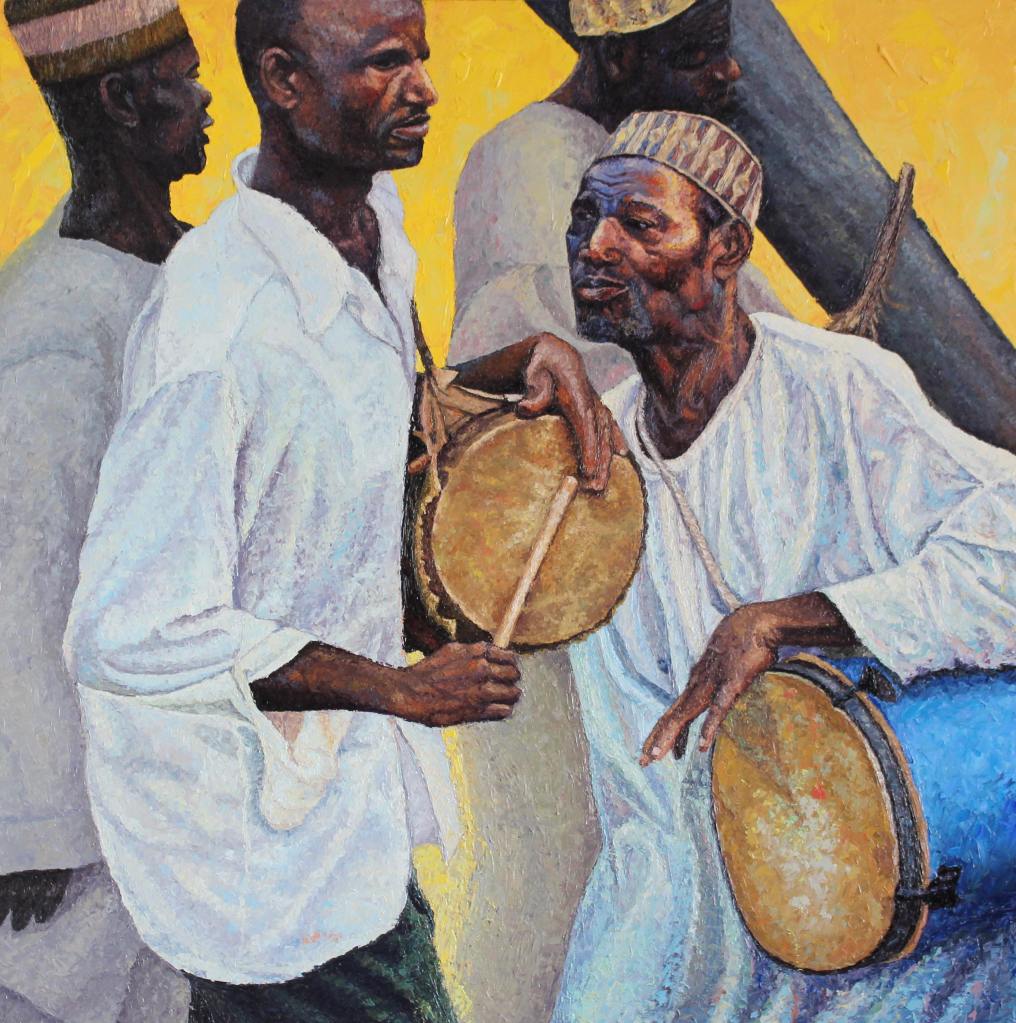
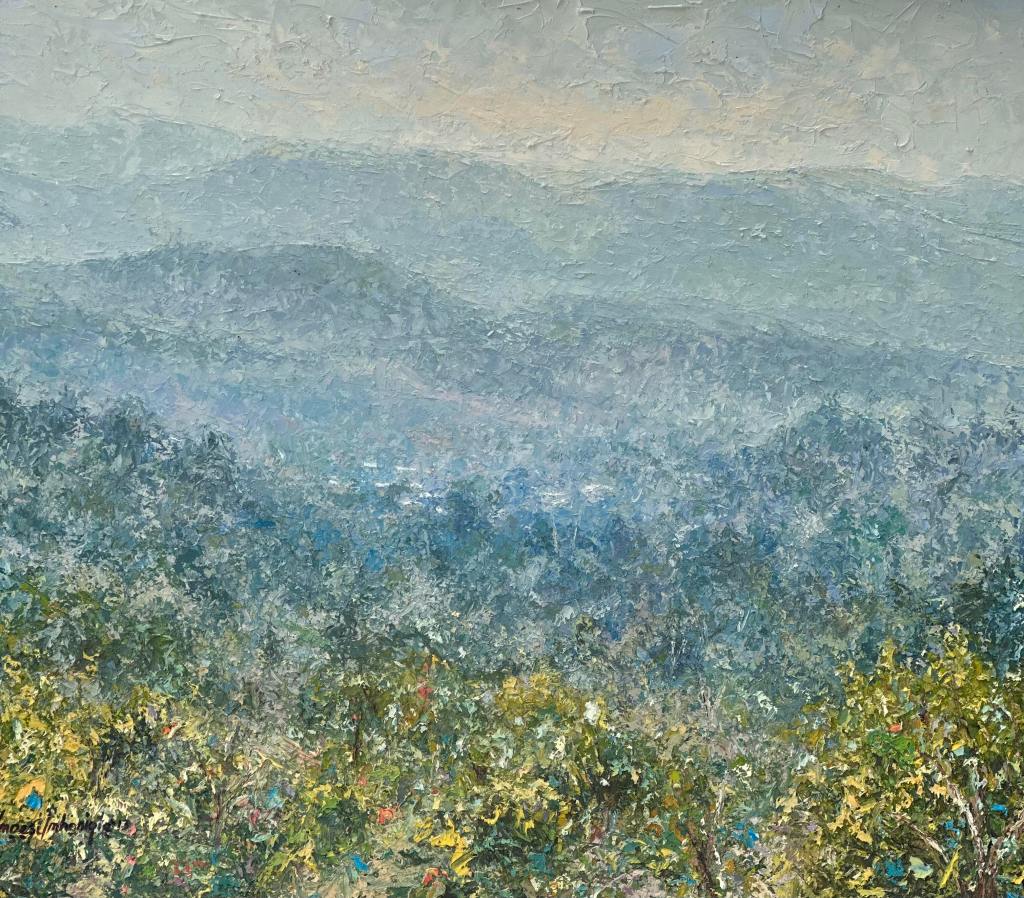
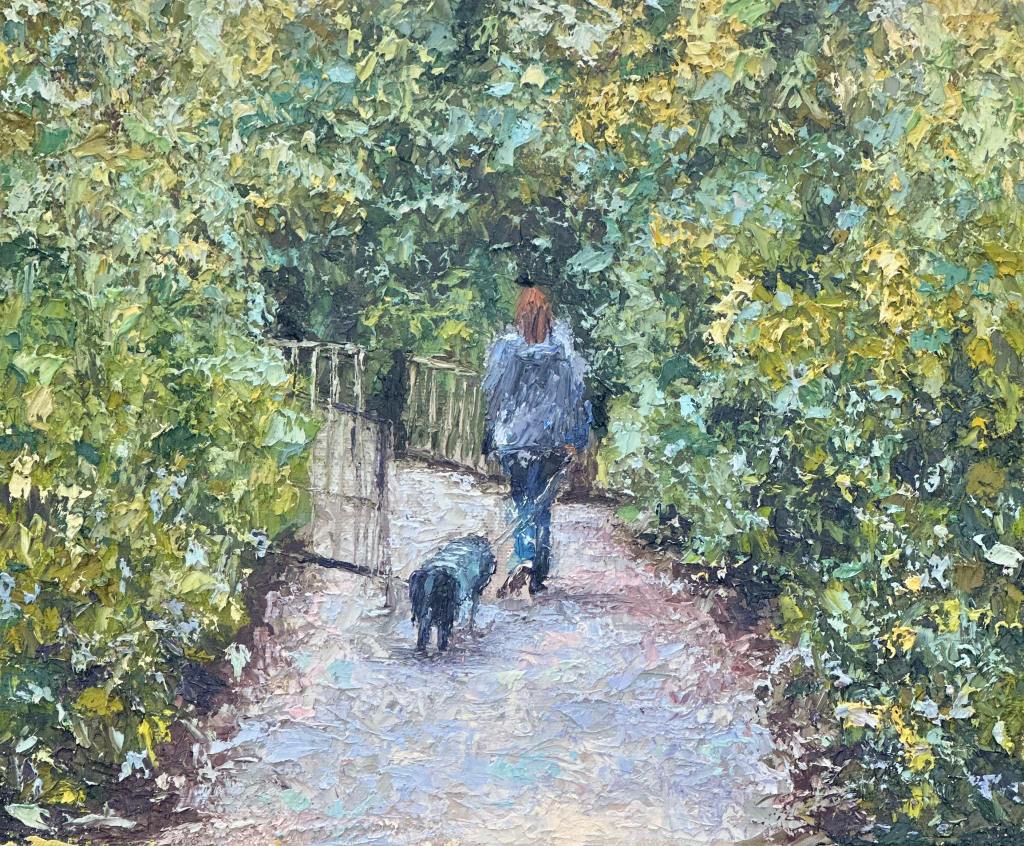
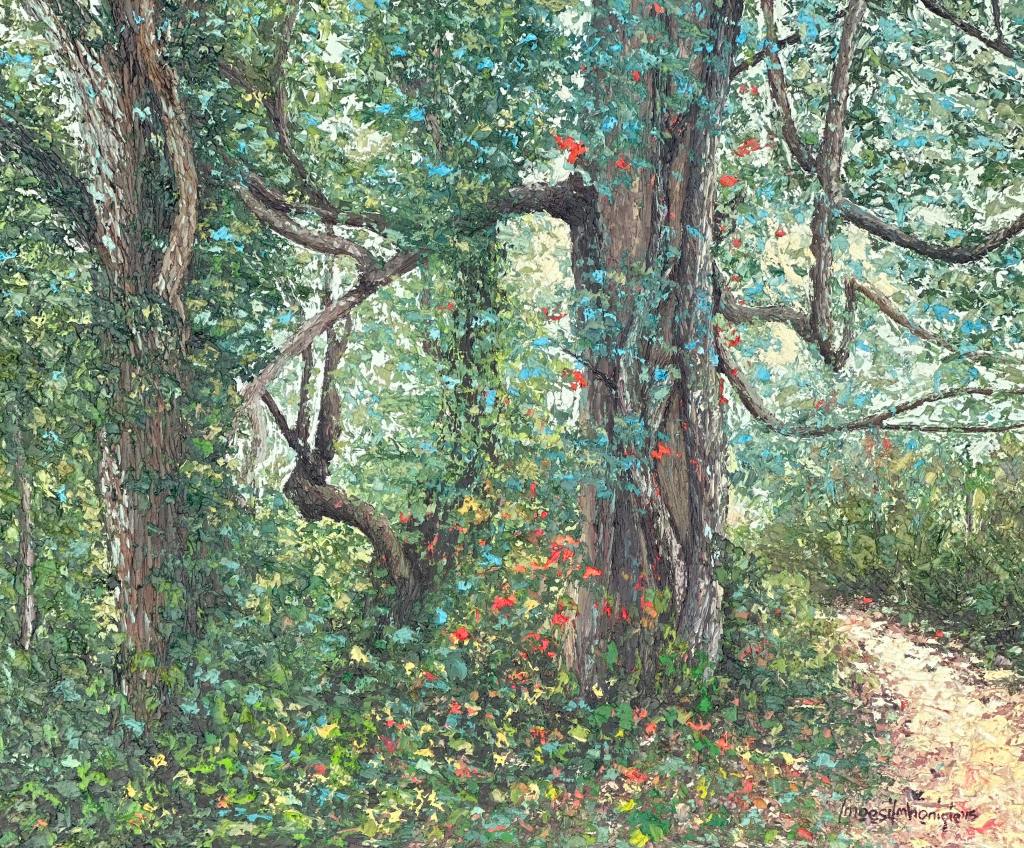
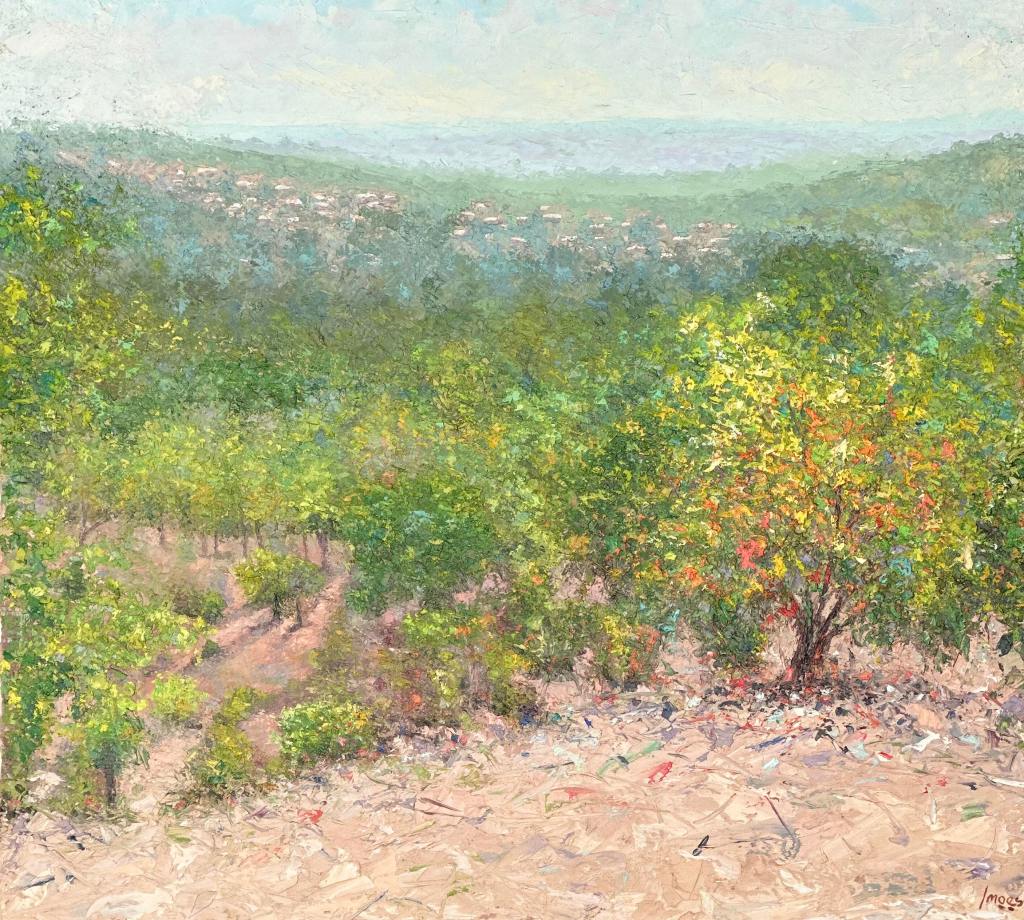
Imoesi’s multifaceted artistry is deeply intertwined with his environmental advocacy, focusing on the urgent issue of climate change. His creations aim to bridge the gap between humanity and the natural world, bringing the essence of nature’s healing power into everyday spaces. His work has garnered international acclaim, recognized for its ability to evoke a sense of tranquility and rejuvenation, offering viewers a respite from the chaos of modern life.
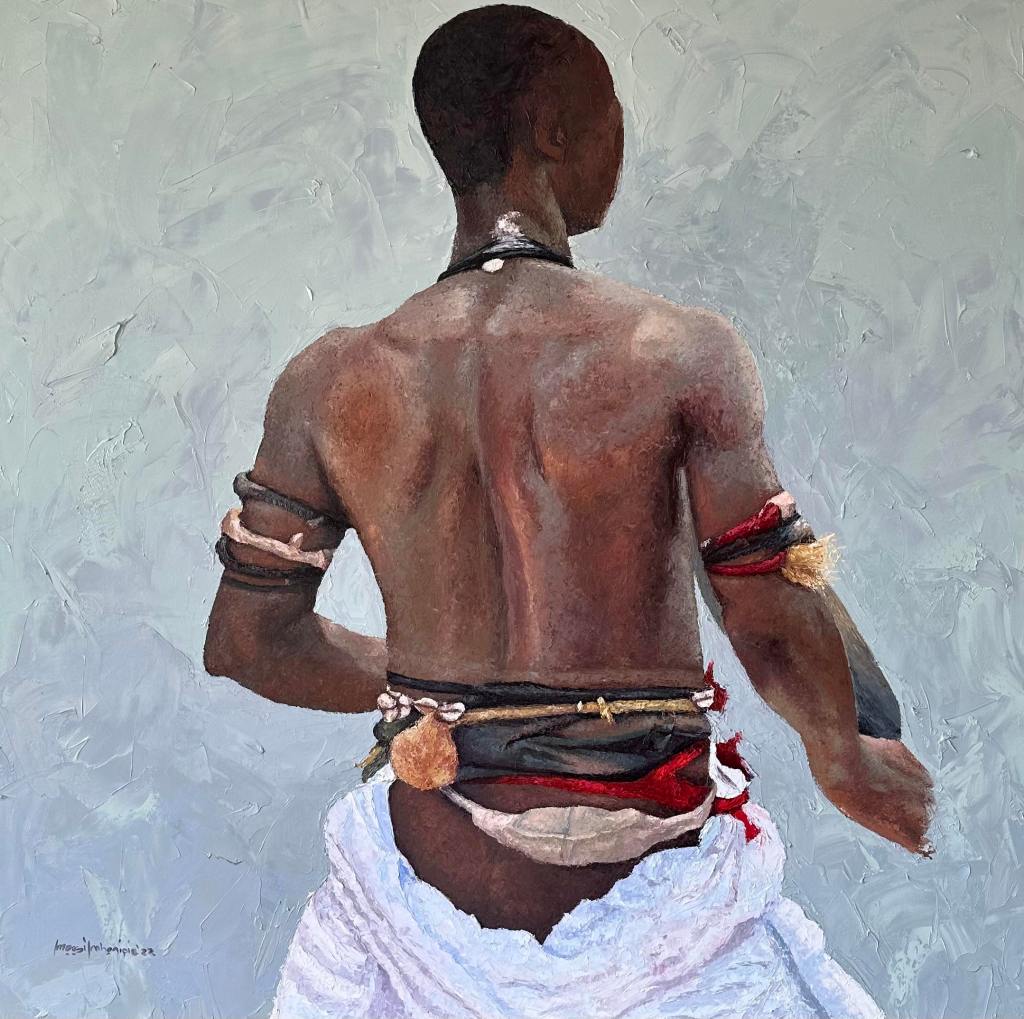
Through his stunning nature paintings, Imoesi invites you to immerse yourself in the intricate beauty of the natural world, fostering a profound connection that promotes the preservation of our environment and the nurturing of a greener planet. His art is not just a visual experience but a transformative journey that brings the soothing presence of nature into your living space. Imoesi had a brilliant discussion with Nigerian journalist from Lagos on his life, art and lifestyle.
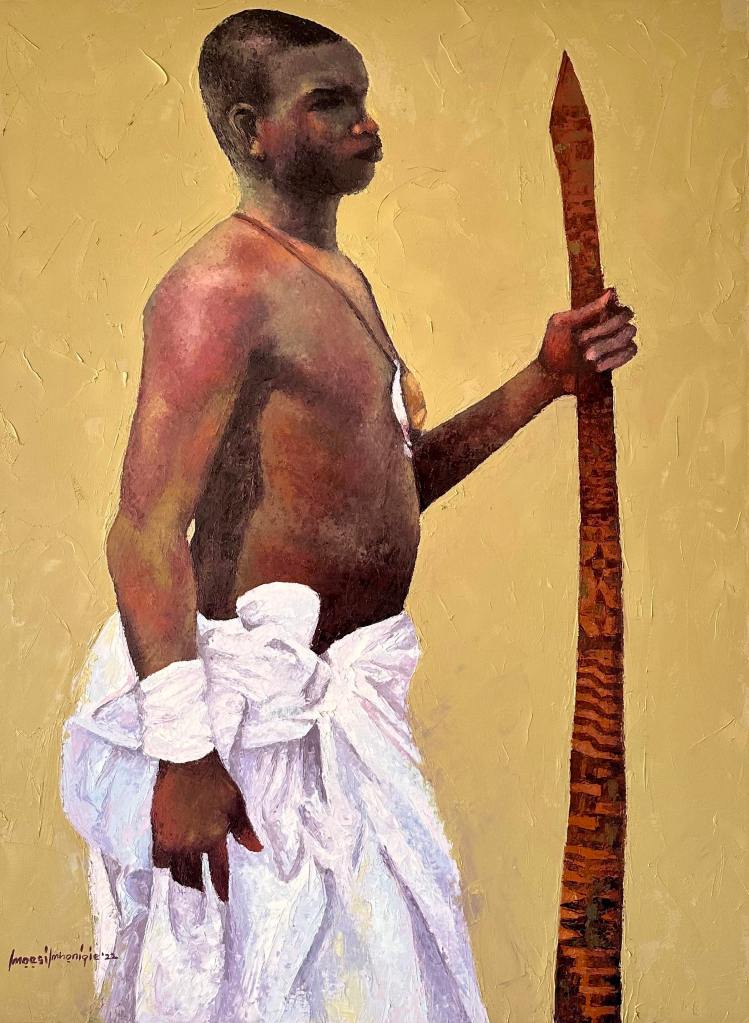
Auchi in Nigeria and United Kingdom what did you miss and what have you gained since you relocated?
I didn’t really miss much about Auchi except for my younger brother Paschal, whom I haven’t seen in years. What would have made me miss home even more would have been my father, but he passed away some years ago. Despite that, I am happy living in the United Kingdom, and I believe a lot of positive things have happened to me since being here.
Progress and success are subjective; for me, freedom is crucial for personal development. Being able to live freely and authentically without pretense is essential. As a philosophy student, I’ve successfully connected with nature and applied its universal laws to my life.
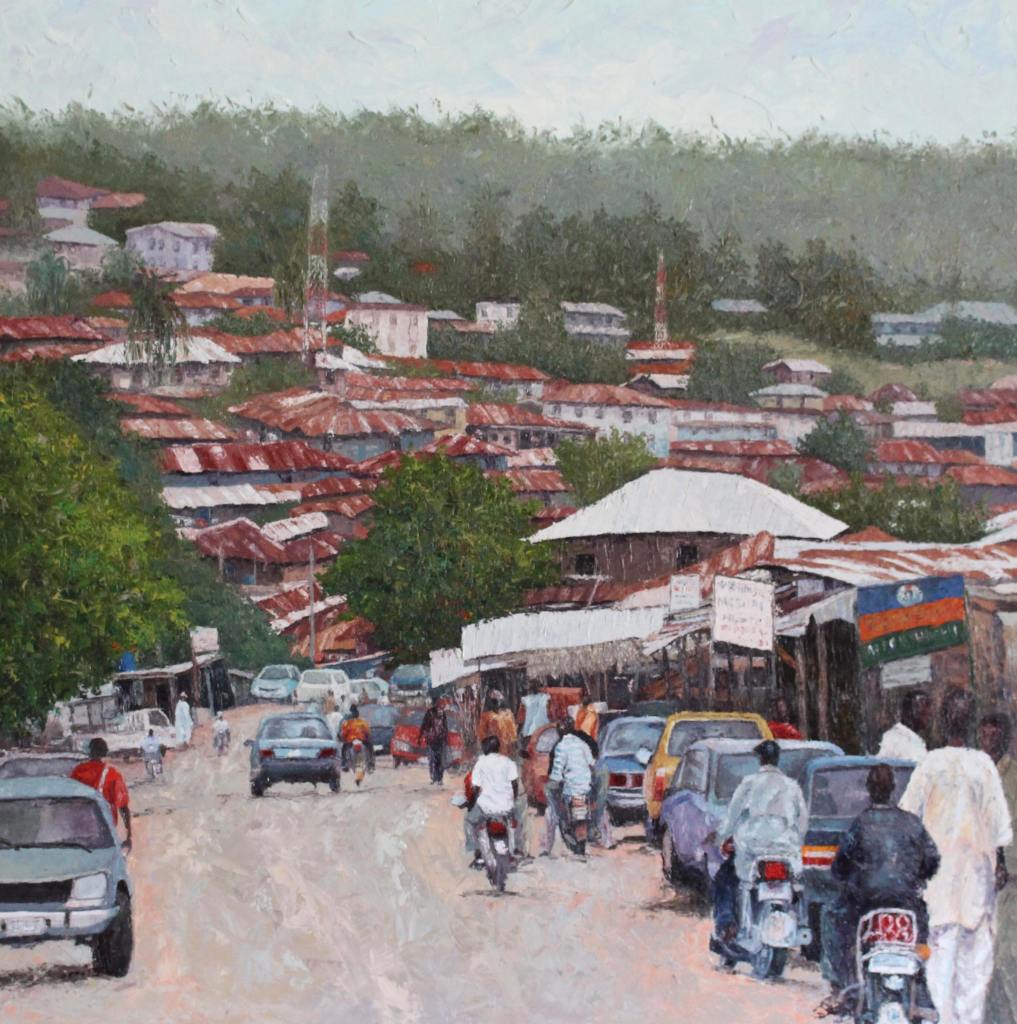
You graduated from one of the best schools in Nigeria and known for landscapism. How did you start your art career in the UK?
It’s truly a great privilege to have graduated from Auchi Polytechnic, one of the most renowned Art Schools in Nigeria. This experience has significantly shaped my career as an artist in many positive ways.
Before relocating to the United Kingdom, I maintained contact with Mr. John Egbu, the owner of Arc Gallery, who admired my work. My nature paintings, which address global warming and humanity’s connection to nature, resonated with him. During that time, I sold my paintings through his gallery. Eventually, I became a member of NASUK (Nigeria Art Society UK), which provides me with the opportunity to exhibit my work annually at their exhibitions.
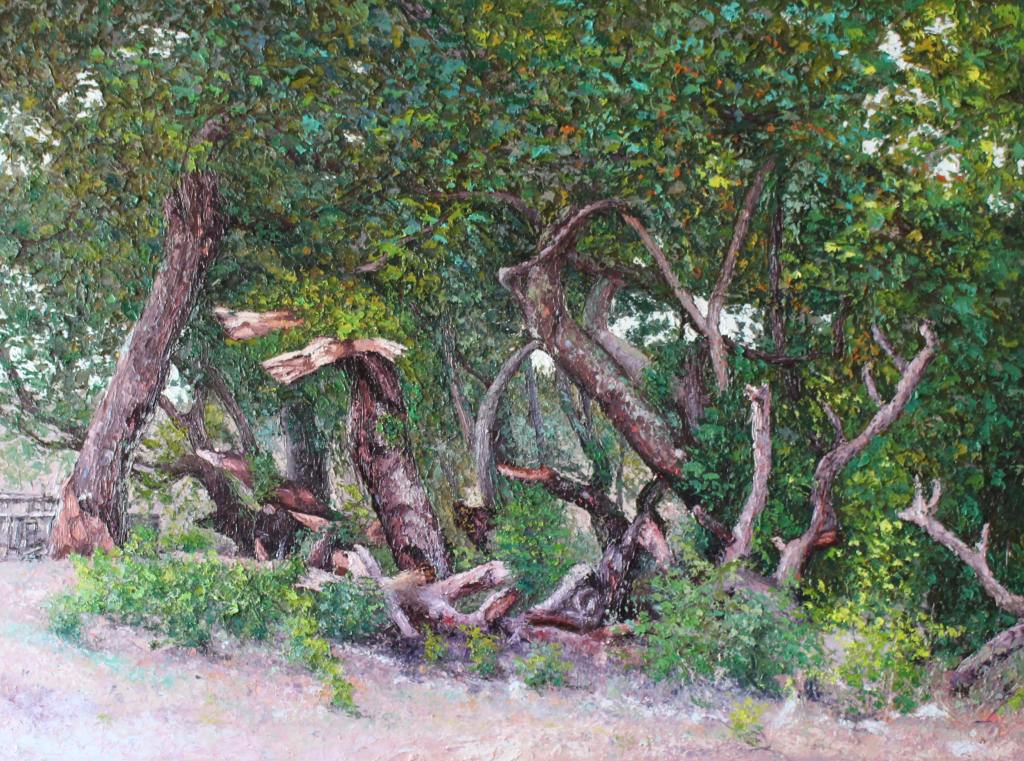
Was it easy to start as a full time studio artist?
The lifestyle of an artist in the United Kingdom differs significantly from that in Nigeria, making it challenging to be a full-time studio artist, unlike artists in Nigeria. For instance, in the UK, artists often have to juggle various jobs to cover monthly expenses such as rent and bills, as it takes time to establish oneself enough to be a full-time artist. Here, many of us pursue other avenues to support our art while ensuring our bills are paid.
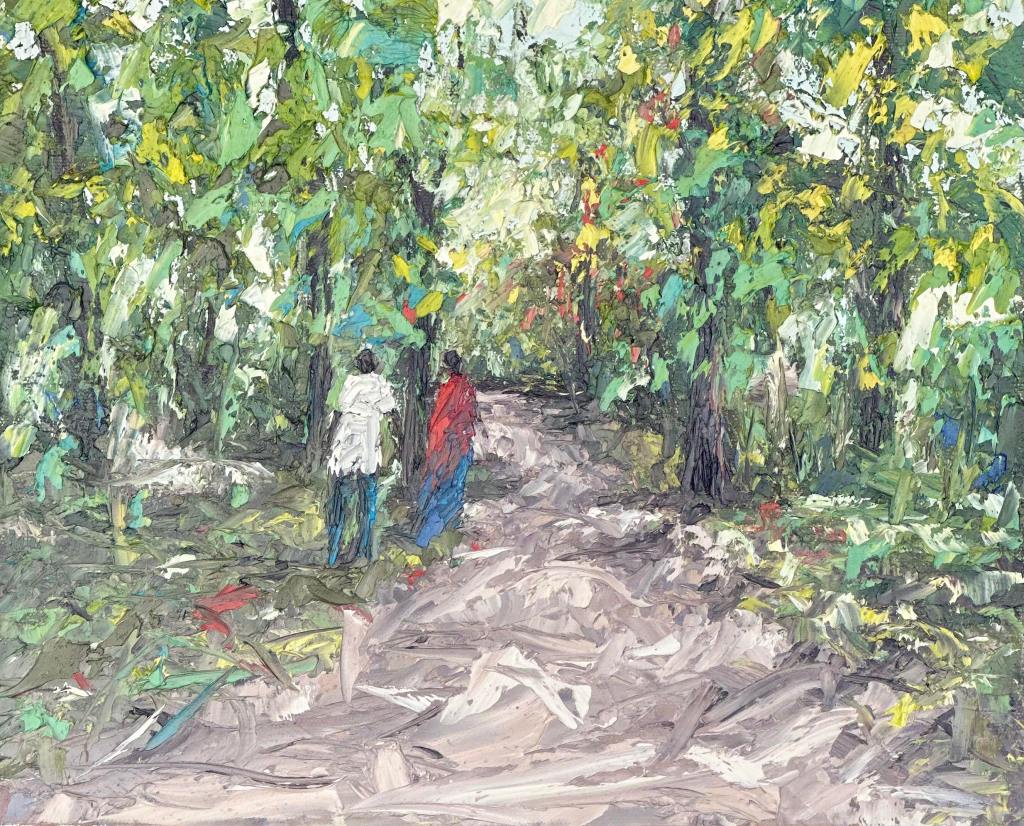
Art makes you rich faster abroad. That is the notion back home because the whites love being collectors. Is the notion true?
Our perceptions as Nigerian artists about the art industry in the UK led me to relocate to further my career. However, upon arriving, I realized it wasn’t what I had anticipated. In Nigeria, it’s relatively easy to approach galleries directly and showcase your work for potential sale. Yet, in the UK, this direct approach is often frowned upon, with galleries preferring to work through agents rather than dealing directly with artists.
This difference in approach has led many of us to seek additional work to support ourselves financially. Despite my initial expectations, I’ve found that navigating the art scene in Nigeria, where I used to sell my works daily in my studio at the National Gallery, was more straightforward than in the UK.
One insight I’ve gained is that many of the white individuals purchasing our art in Nigeria are tourists seeking mementos of their time in the country. This realization has tempered expectations, as making a living solely through art in the UK is far from easy. I’ve encountered young Nigerian artists who, like me, were surprised by the challenges they faced upon arriving in the UK, expecting an easier path to success.
Share your family values that have continued to work for you in the UK?
Having a family here in the UK is what keeps me motivated. When you deeply love your family and you are willing to do anything to provide and care for them, it gives you a reason to keep pushing forward. They inspire me to give my best in everything I do, striving for success. My love for my family is a constant motivation to become a better person for them.
What impact has wearing dreadlocks have on you and your endeavour?
I prefer not to refer to my hair as dreadlocks because the term was coined by white colonial masters, reflecting their negative perceptions of Africans with locks. They associated dread with the spirituality and mysticism often associated with African hair, labelling “Dada” as dreadlocks.” Christianity even demonized this natural expression, pressuring individuals to cut their hair before baptism. It’s important to remember that even the Bible highlights figures like Samson, who was known for his strength and had locks.
I recall attending a Pentecostal Church in Nigeria, where the pastor publicly called me out during his sermon because of my hair. His words made me question his intentions, and I realized that was the last time I would set foot in that church. In Nigeria, the freedom our ancestors enjoyed before colonialism has been eroded, impacting our creative processes and personal expression.
For me, my locks symbolize my personal relationship with my spirituality, devoid of societal judgments. They represent my identity and are deeply personal to me, illustrating my connection with my inner self and my faith.
How many exhibitions have you held both group and solo in the UK?
Over the years, I’ve participated in more than 15 exhibitions in the UK, including one solo exhibition and three salon exhibitions.
What was the first major work you did and opened the doors for you in the UK?
While I haven’t yet created a major breakthrough piece in the UK art scene, participating in the annual exhibitions played host to by NASUK (Nigeria Art Society UK) has provided me with some recognition. Notably, I was among the artists featured in the 2020/2021 Sky Landscape Artist of the Year competition, reaching the second heat of the competition. This televised event, broadcast nationwide on Sky TV, garnered attention for my work, leading to numerous commissions for landscape paintings thereafter.
The UK has black influence over there. How is your relationship with fellow Africans and in relation to your work and family?
The majority of my works are collected by individuals of African descent, as they often resonate deeply with my art. One notable instance was when a Jamaican couple purchased a large painting of Old Oshodi Market. The gentleman shared with me his fond memories of visiting Nigeria in the late ’70s or early ’80s with a Jamaican musician which is how he recognized the scene depicted in the painting. He cherished the artwork so much that he invited me to his home to assist in mounting it on the wall. It was a delightful experience to visit the home of such warm and welcoming people.
Who are your influences back home and abroad. Please explain their unique values?
In Nigeria, I would say I have received a significant influence from the works of Mr. Olu Ajayi and Mr Edosa Ogiugo. I admire Mr Olu Ajayi’s personality and everything about him.
Here in the UK, I would say Mr. Hassan Aliyu has influenced me a lot. He is the President of NASUK. Whenever I visit his studio and see his large and impressive canvases, I get inspired to push myself further.
The modern artist and photography. What do you have to say about the dominance feature of photographers today. Are they really pushing away painters and others?
Photography has coexisted alongside painting for a long time, and I don’t subscribe to the notion that modern art or photography can overshadow painters in the market. Painting is about breathing life into a canvas, infusing it with your essence, much like how God breathed life into us humans.
Do you feel threatened by invasion of AI or you are ahead of the game?
I don’t feel intimidated by the prospect of AI taking over because I have unwavering belief in my art and its significance. My creations are an extension of myself, imbued with my emotions and essence, much like how they carry my DNA. This deep connection ensures that my art remains uniquely mine, serving a purpose beyond mere replication. It’s a calling to bridge the gap between humanity and nature, which is why I’m confident that my art will always stand out.
What do you like wearing while not working?
Since my secondary school days, I’ve consistently dressed well, and any outfit I wear complements my appearance. I prefer unique clothing pieces that set me apart from the crowd, reflecting my desire to stand out and embody my distinct personality.
Are you a home person or club owl?
I consider myself a homeperson as I enjoy spending time with my family when I’m not working. However, it doesn’t mean I don’t go out or spend time with friends when needed. Ultimately, my family always take priority in everything I do.
Can you share your best food and how you want it?
I adore hot pounded yam paired with groundnut soup and goat meat. It’s a dish I relish immensely.
Interview/Ireho Aito/Don’t Keep Your Art in the Finger!/Pictures/Artworks/Imhonigie Imoesi gallery


Wow, I have always wondered were my love for art comes from. At least now I know. Keep up the good work sir.
LikeLike
Thanks so much
LikeLike