
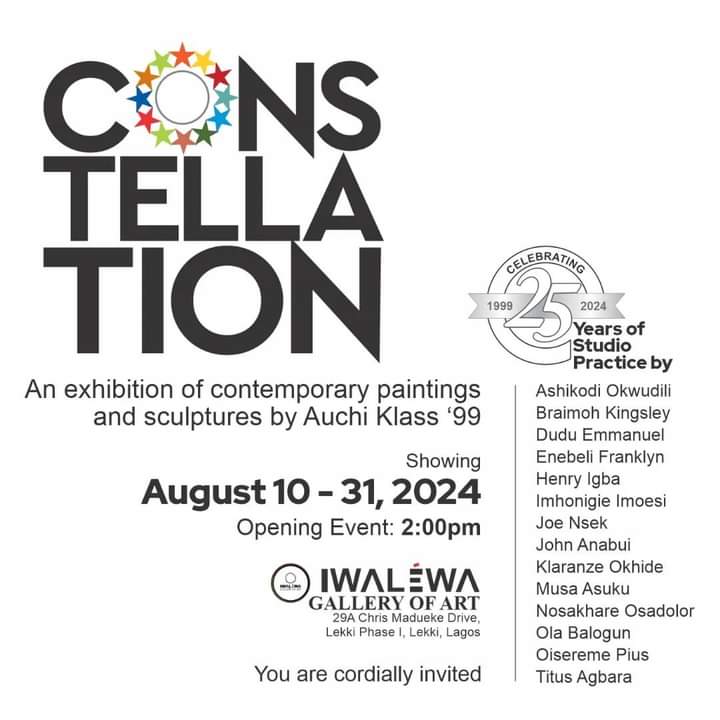
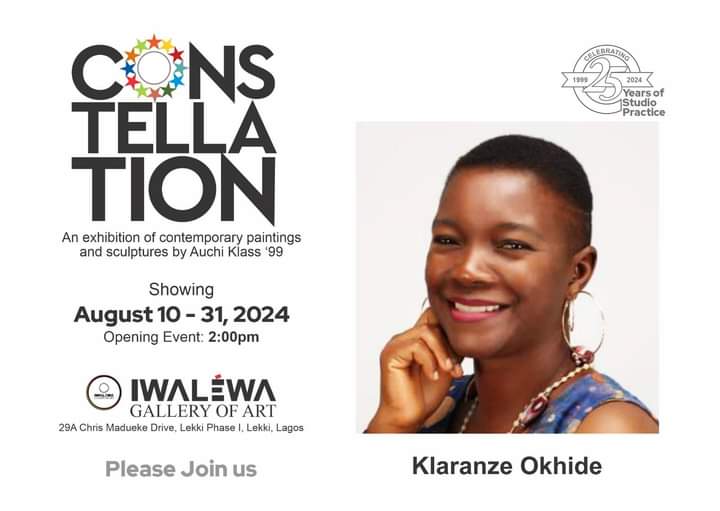
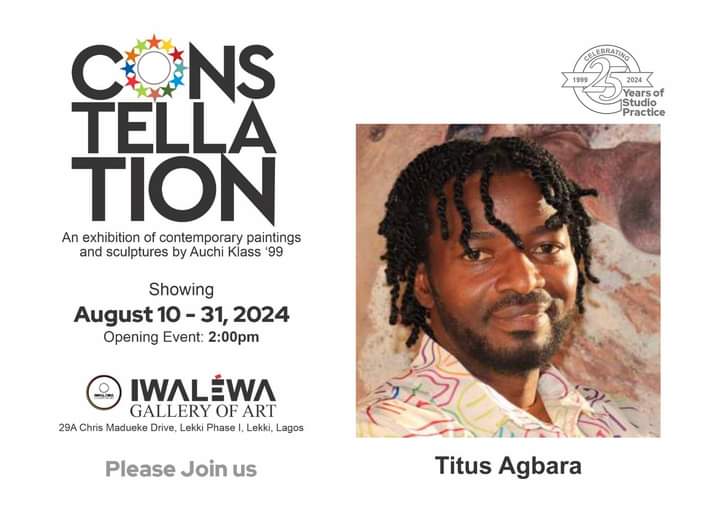
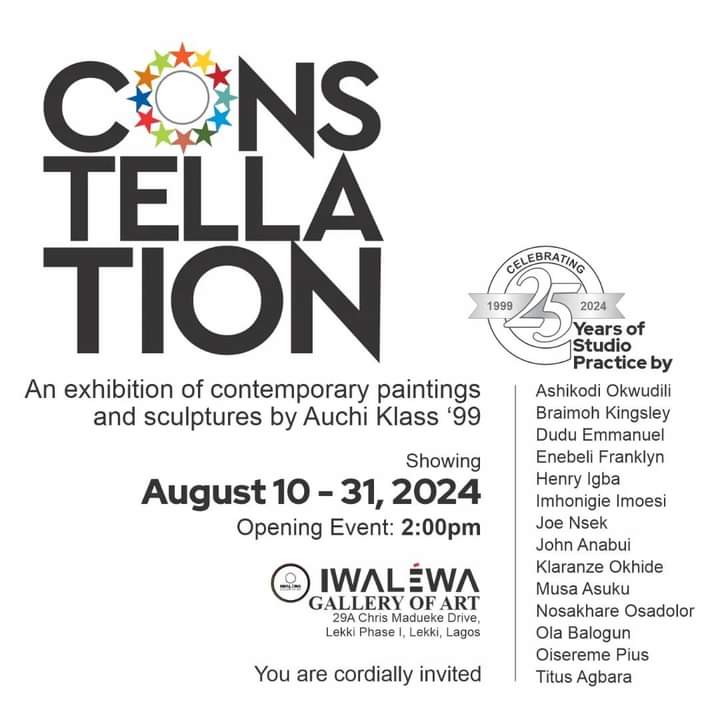
The Class of 1999 from Auchi Polytechnic recently reunited for a remarkable group exhibition at the Iwalewa Gallery of Art in Lagos, celebrating 25 years of shared history and professional growth. This occasion highlights not just their artistic evolution but also the enduring bonds formed during their academic years.
Words by Ireho Aito
Two and a half decades ago, these artists sat together in classrooms, learning the fundamentals of their craft. Incredible personalities with astute presence such as Ashikodi Okwudili, Braimoh Kingsley Dudu Emmanuel, Enebeli Franklyn
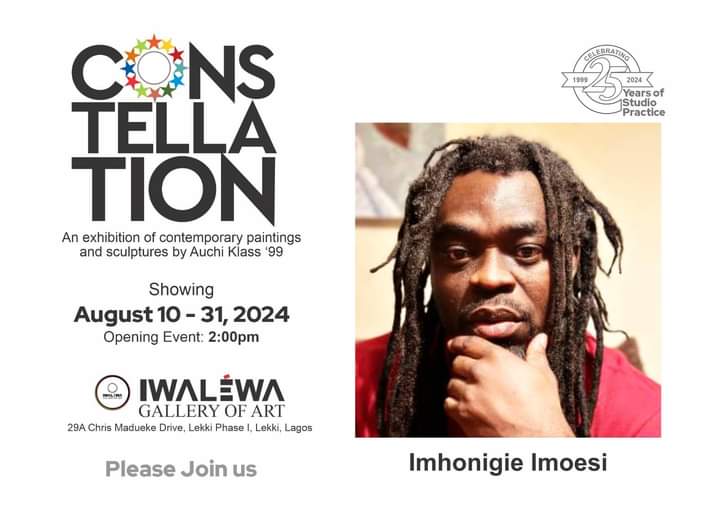
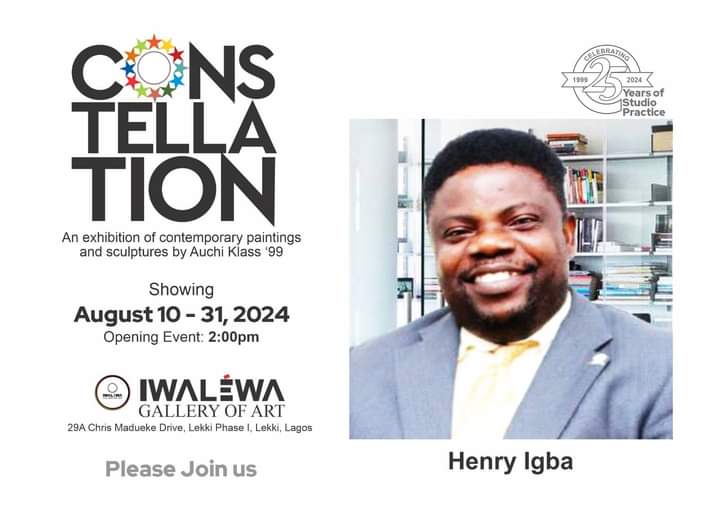
Henry Igba, Imhonigie Imoesi,
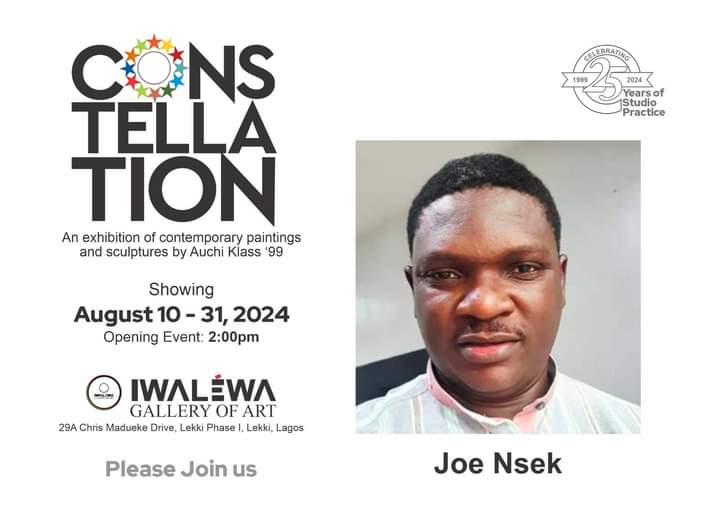
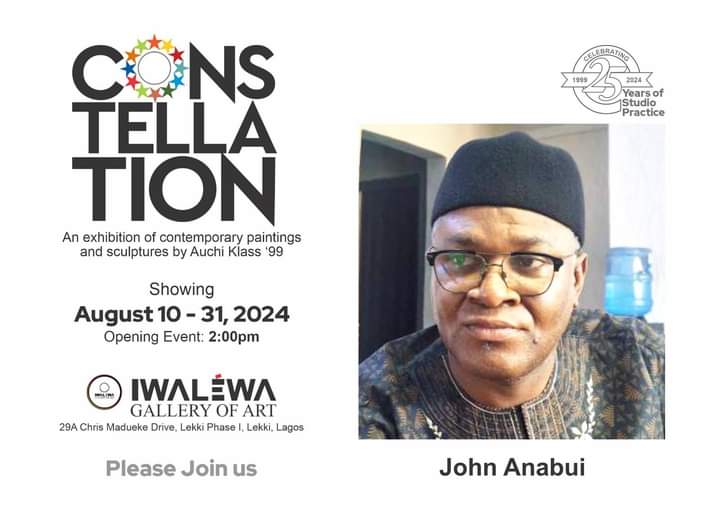
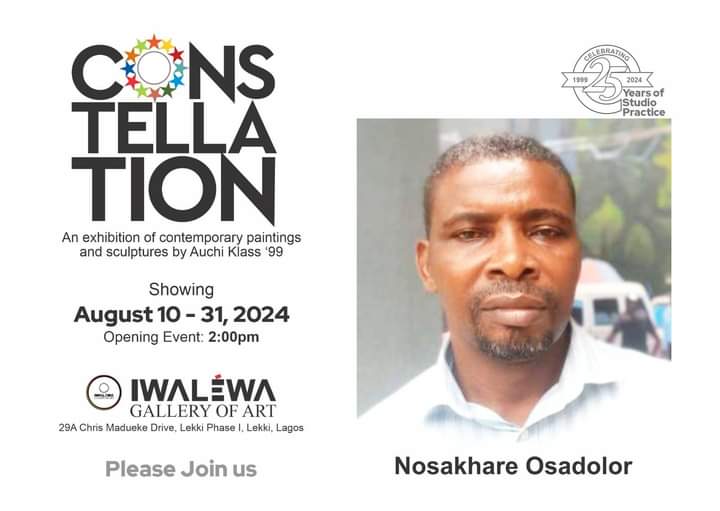
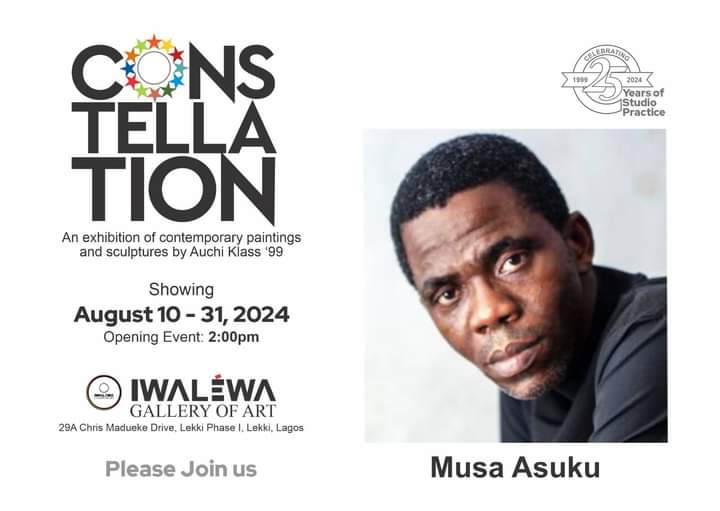
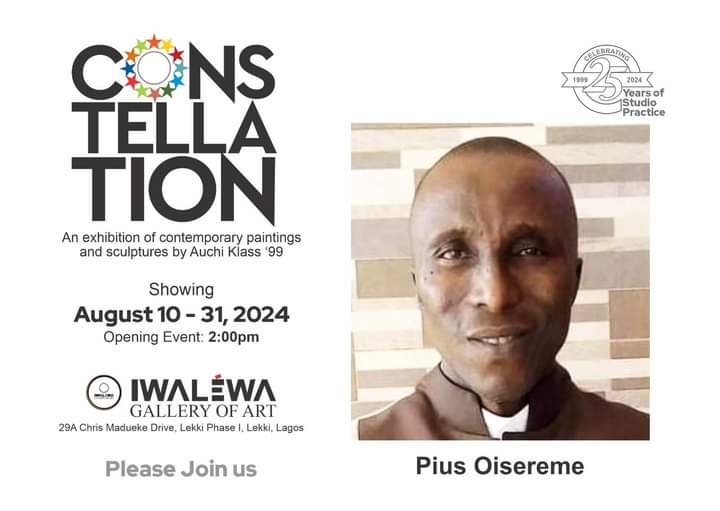
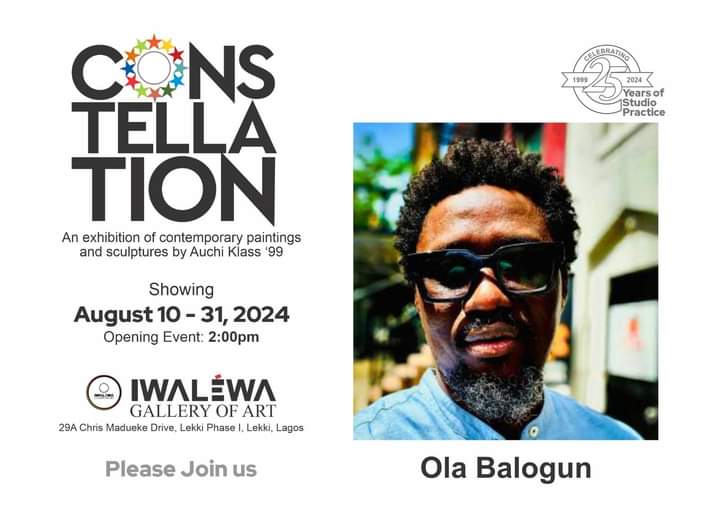
Joe Nsek, John Anabui, Klaranze Okhide, Musa Asuku, Nosakhare Osadolor, Ola Balogun, Oisereme Pius and Titus Agbara, all were in the classroom with dreams that became reality.
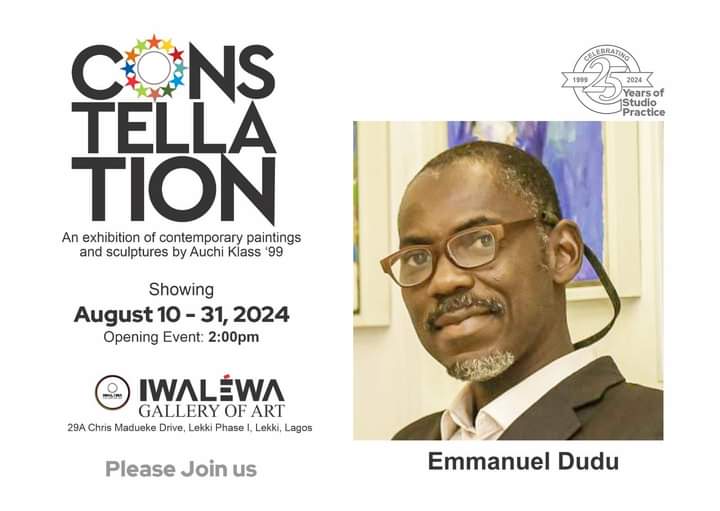
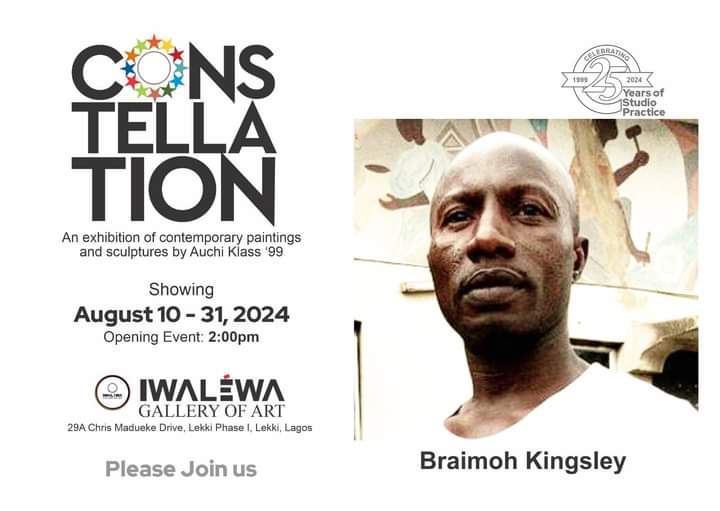
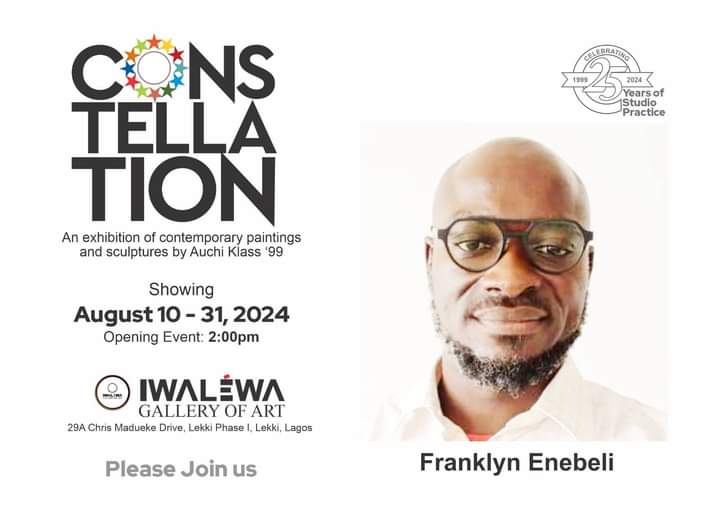
And to celebrate the 25 years in a Reunion, the Class came up with a group exhibition entitled ‘Constellation,’ An exhibition of contemporary paintings and sculptures. Constellation is a tribute to Auchi Polytechnic’s vibrant community and creative spirit. This event highlights the power of art to transform and unite us. The exhibition opens on the 10th of August and runs till 31st of August, 2024.
Over the years, they have navigated diverse career paths, overcoming the challenges of the art world and adapting to changing times. Some have remained in Nigeria, establishing themselves as prominent figures in the local art scene, while others have taken their talents abroad, contributing to international exhibitions and expanding their reach.
Their careers have been marked by significant milestones—solo exhibitions, prestigious awards, and influential collaborations. Each member has built a unique portfolio of work, reflecting personal growth and the impact of their diverse experiences.
From entrepreneurial ventures in the creative sector to high-profile commissions and critical acclaim, their individual successes are a testament to their dedication and skill.
The journey has not been without challenges. Economic fluctuations, shifting art trends, and the ever-evolving demands of clients have tested their resilience. Yet, their ability to adapt and innovate has allowed them to remain relevant and influential.
Through these trials, they have also garnered numerous testimonials from satisfied clients and art critics, underscoring their professional credibility and artistic impact. The group exhibition is a poignant reminder of their shared origins and collective achievements. Despite the geographical distances and diverse experiences, their reunion at Iwalewa Gallery of Art symbolizes the enduring strength of their connections and the influence of their formative years at Auchi Polytechnic.
This event not only celebrates their individual accomplishments but also reaffirms the power of collaboration and community in the arts.
Edo State, located in southern Nigeria, is renowned for its rich cultural heritage and artistic traditions, which have significantly influenced the arts in the region.
The state is particularly famous for its Bini Kingdom, known for its sophisticated bronze sculptures, intricate beadwork, and wood carvings that reflect its historical depth and artistic prowess.
Definitely, the vibrant colours and intricate patterns of Edo art have directly impacted the aesthetics of institutions like Auchi Polytechnic. The institution has embraced the traditional colours and artistic motifs of the peoples culture, incorporating them into its visual identity.
This integration highlights Auchi Polytechnic’s cultural pride and its artistic legacy making it a school of international repute.
Furthermore, the landscape art of Auchi Polytechnic, often features the lush, diverse natural scenery and architectural landmarks that resonate with traditional art forms.
The interplay of these elements in landscape art reflects a deep connection with the cultural and historical roots of the region, illustrating how the aesthetics of Auchi art school continue to inspire and shape contemporary artistic expressions.
Henry Egba, a distinguished contemporary visual artist from Delta State, excels in impasto painting. Educated at Auchi Polytechnic and the University of Lagos, his academic background enriches his creative expression and advanced communication skills. Egba’s work, which spans various mediums including acrylic, explores human challenges and offers solutions through art. His notable pieces, such as ‘Melting Point,’ ‘Therapeutic View,’ and ‘Transgenerational Heritage,’ advocate for peace, well-being, and ethical living.
Ashikodi-Ebuh Okwudili, born in Delta State during the 1970s, emerged as a pioneering sculptor with a focus on dynamic forms and materials. His work, such as the “Slam Dunk” sculpture, captures action and movement, setting a high standard for contemporary Nigerian sculpture. Okwudili’s innovative use of metal, fiberglass, and cement paved the way for others who explore similar themes, such as John Oshoke Anabui.
Anabui, also an Auchi Polytechnic graduate, integrates environmental concerns into his art. His use of recycled styrofoam in sculptures reflects a commitment to sustainability, demonstrating how art can address pressing global issues while maintaining aesthetic value. Anabui’s focus on environmental preservation connects deeply with Imhonigie Imoesi’s nature-inspired paintings, where the beauty of landscapes and cultural narratives underscore a shared concern for ecological advocacy.
Meanwhile, Kingsley Osarieme Braimoh’s exploration of African heritage through metal sculptures resonates with Dudu Emmanuel’s multidisciplinary approach. Emmanuel’s diverse portfolio, which spans painting, sculpture, and installations, reflects a broader dialogue about cultural visibility and tradition. His recognition in international art competitions parallels Braimoh’s impact during his National Youth Service Corps (NYSC), illustrating how foundational experiences can shape artistic careers.
The intersection of culture and personal expression continues with artists like Enebeli Franklyn C. and Musa Asuku. Enebeli’s contemplative approach to painting addresses philosophical themes, which complements Asuku’s bold expressionist style. Both artists contribute to a deeper understanding of human emotion and existence, each through their distinct methods and perspectives.
In the realm of experimental techniques, Joe Nsek stands out with his innovative approaches, including Stamp Painting. Nsek’s work reflects a willingness to push boundaries, a trait shared by Nosakhare Osadolor, whose vibrant narrative paintings amplify personal and societal stories. Osadolor’s commissioned pieces, such as those for MTN, demonstrate the potential of art to engage with and impact wider audiences.
Ola Balogun’s exploration of identity, migration, and societal issues ties into the overarching narrative of cultural introspection. His international recognition and thematic focus echo the broader concerns addressed by Clara Obioma Okhide. Okhide’s advocacy for cultural preservation and women’s rights, alongside her role in art education and festivals, underscores the importance of art in societal development and cultural dialogue.
Lastly, Oisereme Pius Ilogben’s dual role as sculptor and educator emphasizes the importance of nurturing future generations of artists. His work and teaching contribute to a legacy of creativity and skill that supports the growth of the Nigerian art community.
Together, these artists create a cohesive story of Nigerian art—one marked by innovation, cultural depth, and environmental consciousness. Their interconnected narratives highlight how individual journeys contribute to a collective artistic legacy, reflecting the dynamic and evolving landscape of Nigerian creativity.
Words/Ireho Aito/Don’t Keep Your Art in the Finger!/


Thoughtful analysis, well pened.
LikeLike
This is a very interesting weave and blend of creativity, I love and will share with my audience.
LikeLike