“
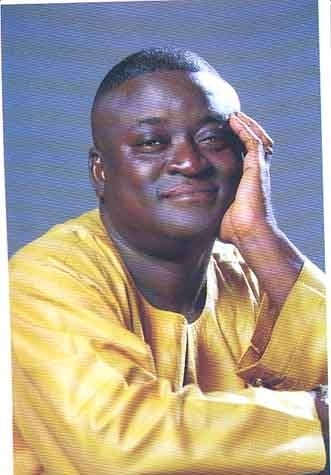
In the profound rich culture of Nigerian art, few threads are as richly hued as those woven by Osazuwa Osagie. The National Museum in Lagos, on a beautiful sunshine in October, Saturday 27th 2012, to be precise, bore witness to a significant chapter in his artistic journey with the unveiling of his solo exhibition, ‘Views in Colours.’ This exhibition not only celebrated Osagie’s impressive career but also paid homage to the influential Colourist School of Auchi Polytechnic, where his artistic foundations were laid. Words by Ireho Aito for iBAND Magazine
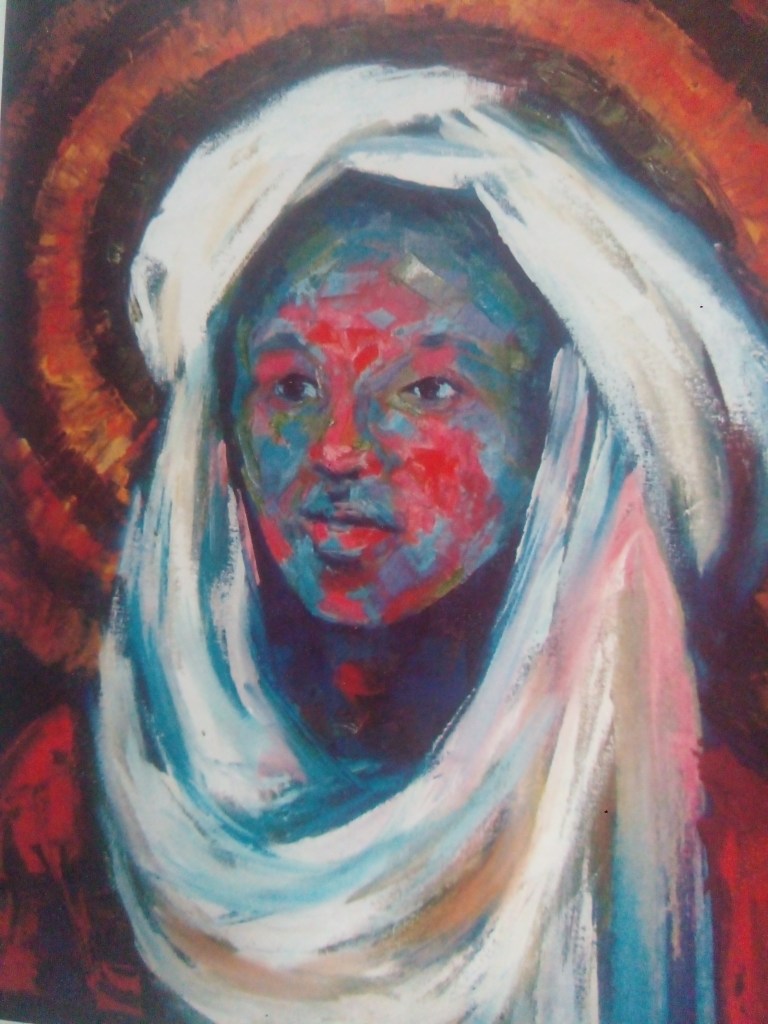
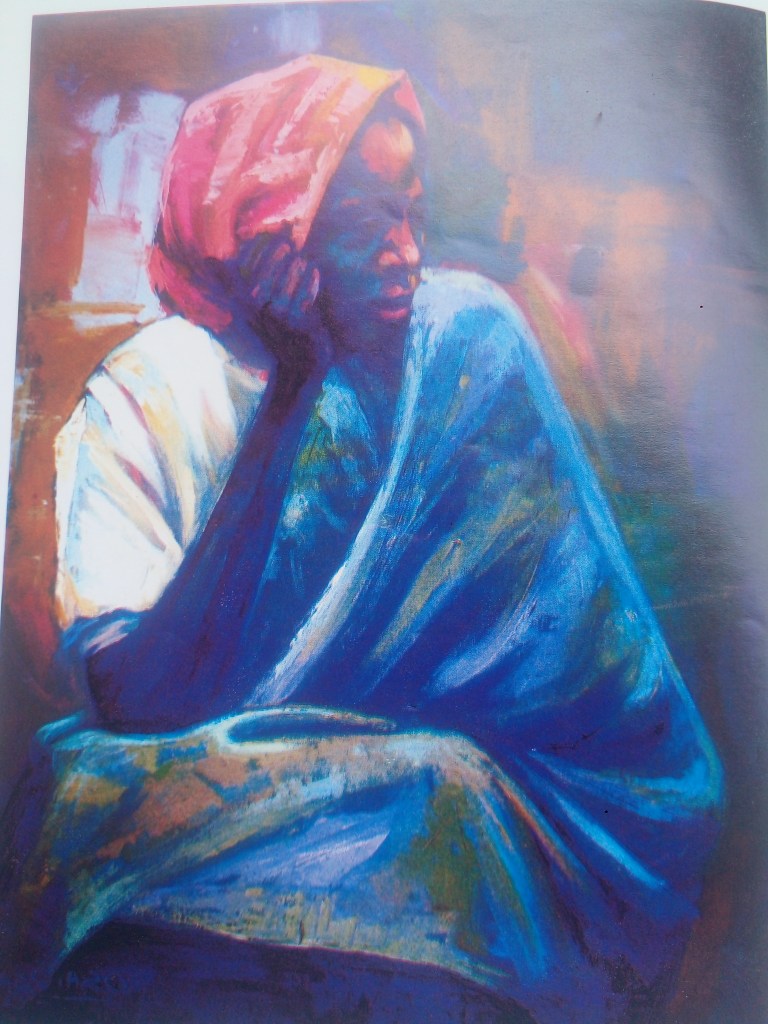
Osagie’s path from a promising student to a revered artist is a testament to the enduring impact of tradition and innovation in art. Through his dynamic use of colour and compelling narratives, Osagie reflected the essence of his alma mater’s legacy, while his diverse career underscores a remarkable evolution in his craft. This exhibition was more than a showcase; it was a confluence of personal achievement and artistic heritage, that offered a vivid exploration of themes that resonated with the human experience.
On a crisp October morning in 2012, I received an intriguing invitation from Jahman Anikulapo, a renowned journalist with an eye for significant cultural events. The occasion was the highly anticipated solo exhibition of Osazuwa Osagie, a celebrated painter, scheduled to take place at the iconic National Museum in Lagos. The exhibition was entitled Views in Colours. An exhibition of Paintings by Osazuwa Osagie
The date was set for the 27th of October. I eagerly accepted the invitation, knowing this was an event that promised to leave an indelible mark on my journalistic journey.
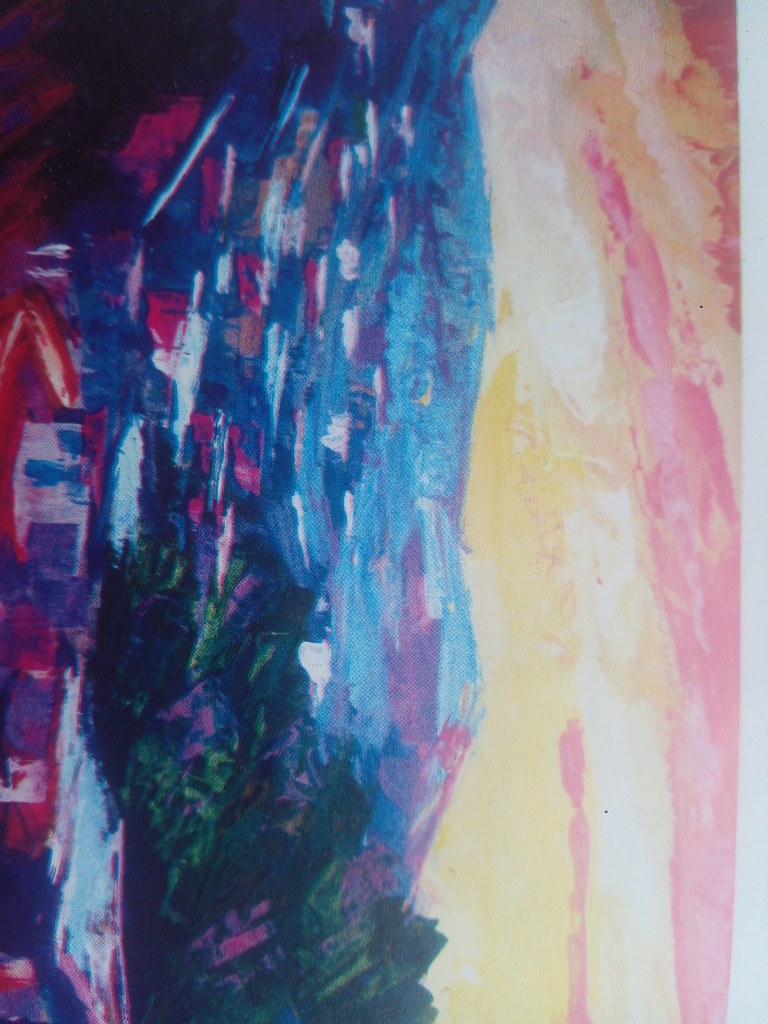
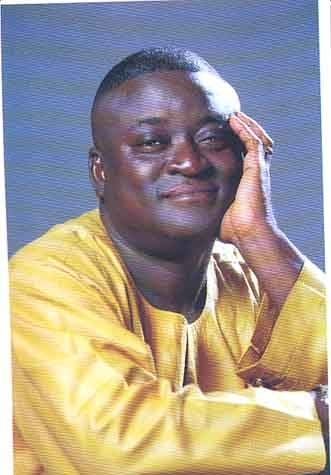
Osazuwa Osagie, a product of Immaculate Conception College, Benin City, alongsides big names such as artist and broadcaster, Joe Musa, Victor Obasuyi and a host of others, is a graduate from the prestigious Federal Polytechnic Auchi. This institution, known for its rigorous high and colour standards, had molded him into an exceptional artist. Graduating in 1983 with a major in Painting, Osagie was part of a notable class that had significantly influenced modern Nigerian art. His peers, including Sam Ovraiti and Olu Amoda, had also made remarkable strides in the art world, guided by the visionary E.A. Adejumo, whose hardwork laid the foundation for the institution’s renowned Colourist School.
The influence of this tradition was evident in the vibrant works displayed at Osagie’s exhibition, reflecting the rich legacy of his alma mater.
Arriving at the National Museum, I was relieved to find smooth traffic, allowing for a timely arrival. Upon entering the exhibition hall, a familiar face caught my eye—Mr. Jones, my new neighbour. I walked up to him to introduce myself and he connected instantly due to the same neighbourhood connection. We exchanged pleasantries, discovering our shared roots in Lagos and our mutual interest in art. Mr. Jones, an art collector and longtime friend of Osagie, warmly welcomed me to the event. The atmosphere was electric with the presence of Osagie’s friends and classmates, creating a camaraderie that added to the exhibition’s charm.
Osazuwa Osagie’s career was as diverse as it was impressive. Despite his busy schedule over three decades, whicih included roles as an illustrator, cartoonist, portrait painter and painter, this exhibition marked his first major solo show. His career began with a flourish after his compulsory NYSC year, where he started out at an advertising agency as as illustrator.
His cartoons gained prominence in Nigerian newspapers, paving the way for his later successes. By 2010, his cartoon series, ‘Sniper,’ had become a notable feature in The Sunday Nation.
The painting tradition from Auchi Polytechnic played a crucial role in shaping Osagie’s career. This tradition, rooted in colour and landscape, enabled him to carve out a niche for himself in the art world. His achievements over thirty years in cartooning, painting, and portraiture were a testament to the institution’s profound influence on its graduates.
Osagie’s talent in portraiture was first recognized by Ben Osawe, an external examiner during Osagie’s final exams at Auchi Polytechnic. Impressed by Osagie’s work and the appraisal afterwards, marked the beginning of Osagie’s celebrated career. The ‘Views in Colours’ exhibition was not only a celebration of his journey but also a milestone as his first solo showcase since graduation.
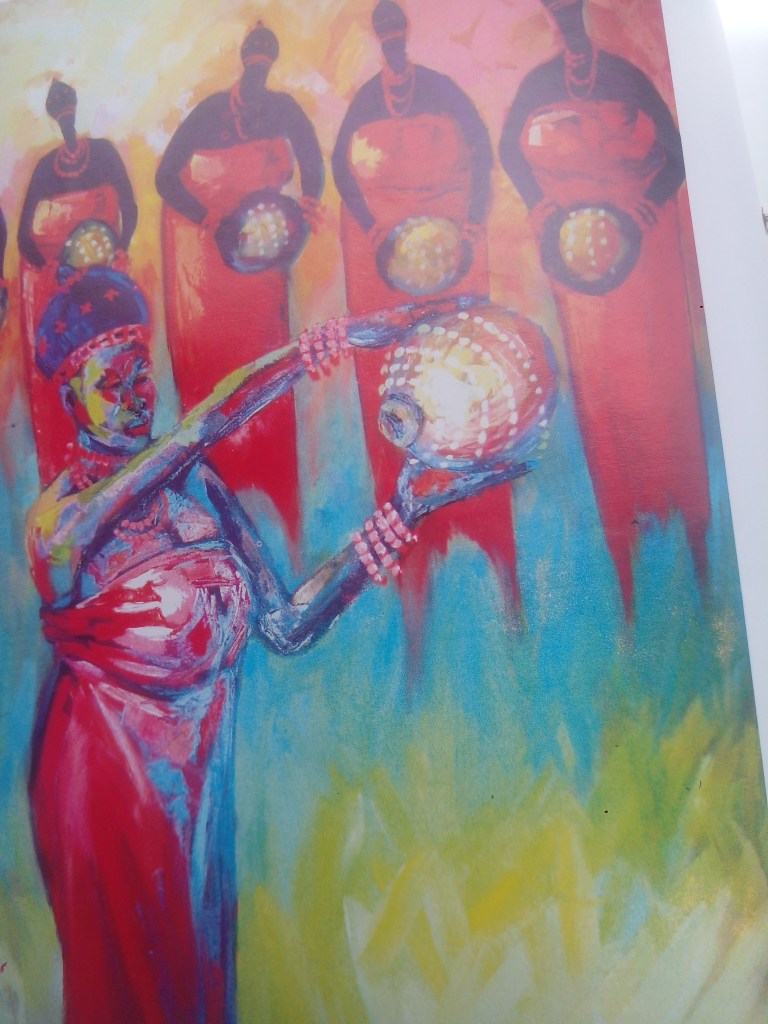
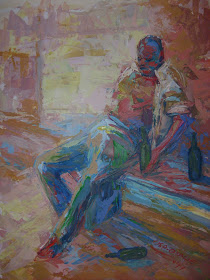
Before the ‘Views in Colours’ exhibition, Osagie had participated in numerous group exhibitions worldwide, including a recent show in Ghana to commemorate Nigerian Independence. His exhibition featured works in acrylic and oil, addressing themes of human impact on the environment and society. Pieces like ‘Bottle Too Many, ‘Abuja Suburb’, Ogoro Bar, Study, Abuja Suburb, Beggars, Royal Dancers, Call to Worship, Korkosa, Bodi No bi Firewood, Market Place, Mama Put, Mai Suya, Market Place 2, Child Abuse 2, Fulani Boy, Durbar Procession, Nana Procession, In Thought, Fatigue, Ikorodu (View from the Bridge) Railway Market and Inner City Blues, all captured the essence of his message through vibrant colours and compelling narratives.
As the exhibition drew to a close, I bid farewell to Mr. Jones, who graciously allowed me to take my leave. A week later, our paths crossed again at a local grocery store in our cherished neighbourhood. Our conversation revisited the exhibition and delved into the personal sacrifices Jones had made, including trading a portion of his art collection, numbering over three hundred art pieces to support his daughters’ education and family. Despite the emotional weight of our discussion, Jones expressed no regrets, reflecting on his choices with a sense of fulfillment. Art collection actually saved him from poverty.
The ‘Views in Colours’ exhibition was more than an artistic showcase; it was a celebration of Osazuwa Osagie’s remarkable career and a testament to the vibrant tradition of the Colourist School. The event not only highlighted his artistic achievements but also fostered connections among art enthusiasts and collectors.
Words/Ireho Aito/Don’t Keep Your Art in the Finger!/Images courtesy of Osazuwa Osagie’s archives

