
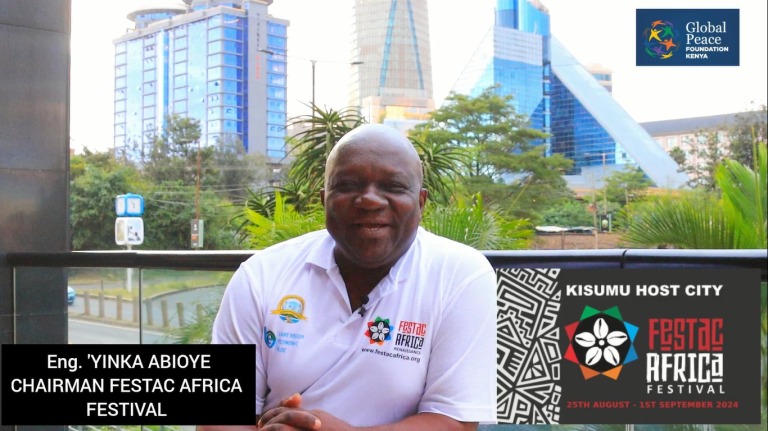
‘FESTAC ’77! ’77 is here!!’ That was 45 years ago and the pay – off song on the Nigerian radio and television cut across the black people of black nations who gathered in Lagos for a one – month long cultural event. In 2024, Yinka Abioye, a Nigerian born certified engineer took us through the renaissance of this glorious festival for its 3rd organised edition in Kisumu, Kenya. And right from his temporary in Kenya, Yinka opened up to iBAND Magazine Lagos based journalist, Ireho Aito why FESTAC renaissance is important to Africa’s growth and development.
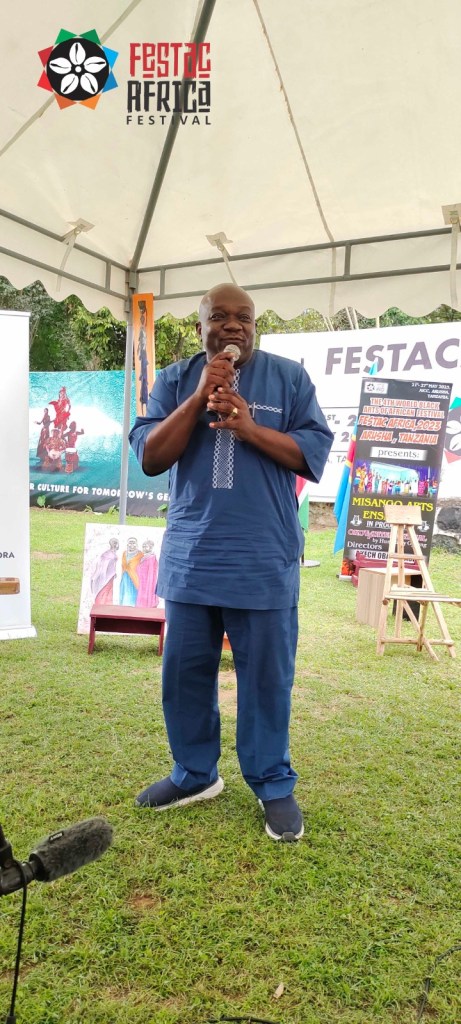
‘Welcome, welcome, ladies and gentlemen. You are welcome to Nigeria!’ That was King Sunny Ade and his Golden Mercury of Africa rocking the globally televised event at the center stage of the for Festival of Arts and Culture, known as FESTAC, in the sprawling city of Lagos. The opening ceremony was one of the best opening ceremonies ever staged in modern Africa.
King Sunny Ade’s baritone on the microphone welcoming everyone to Africa’s and people of black received a glorious applause worldwide. Many of us were just trying to get enrolled into elementary school when Nigeria played to one of the most important festival of black people to celebrate liberation. This event was named FESTAC and Nigeria was the second host after Senegal played host to the first edition in 1966.
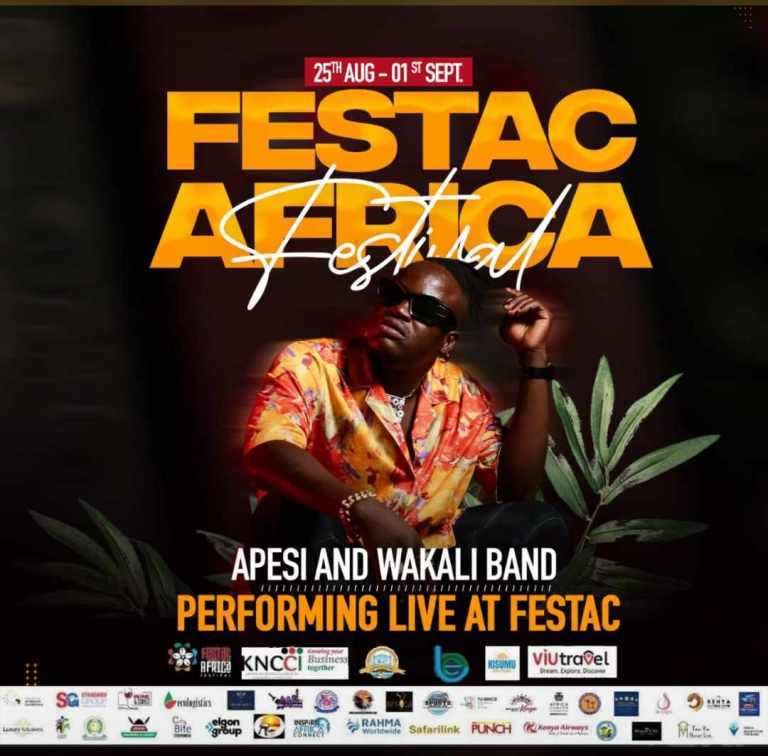
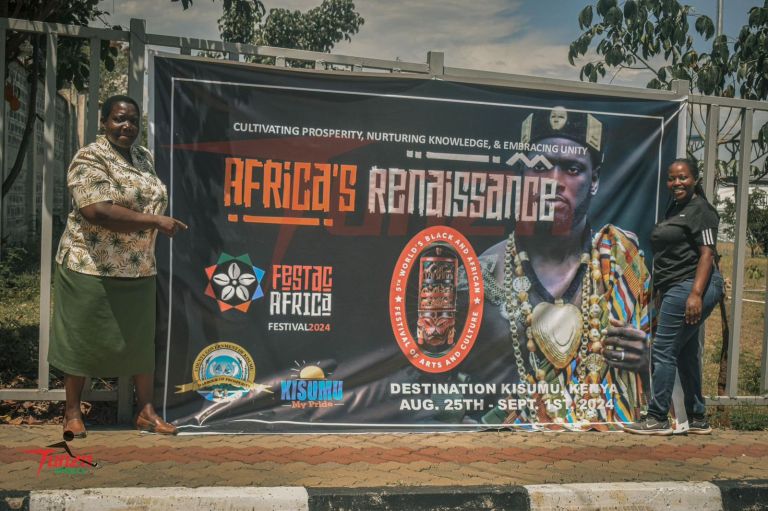
Nigeria was truly prepared for the event. New housing estates were built to accommodate participants. Cultural event centers were built. Healthcare facilities were provided and entertainment was everywhere. Nigeria and many African nations were still experimenting their new found freedom when FESTAC was birthed in Dakar, Senegal in 1966 to celebrate the freedom of black people all over the world. It was a liberation event to make people of black origin to express themselves and celebrate their emancipation from colonialism. But the idea was cut short due to military incursion and civil wars in Africa especially and the dream started dying off gradually.
Nigeria, under the leadership of General Olusegun Obasanjo, decided to usher in FESTAC in the year 1977. And people came but after the event, everything went into the abyss.
Many of us were just trying to get enrolled into elementary school, maybe were young adults, or not being alive at that time when Nigeria played host to one of the most important festivals of black people to celebrate black people and their liberation. This event was named FESTAC and Nigeria was the second host after Senegal played host to the first edition in 1966.
45 years later, Yinka Abioye is moving on with FESTAC as a champion that he is and he sincerely believed that the festival has come to stay. Presently, FESTAC Renaissance Festival has been held in Zanzibar in 2022,
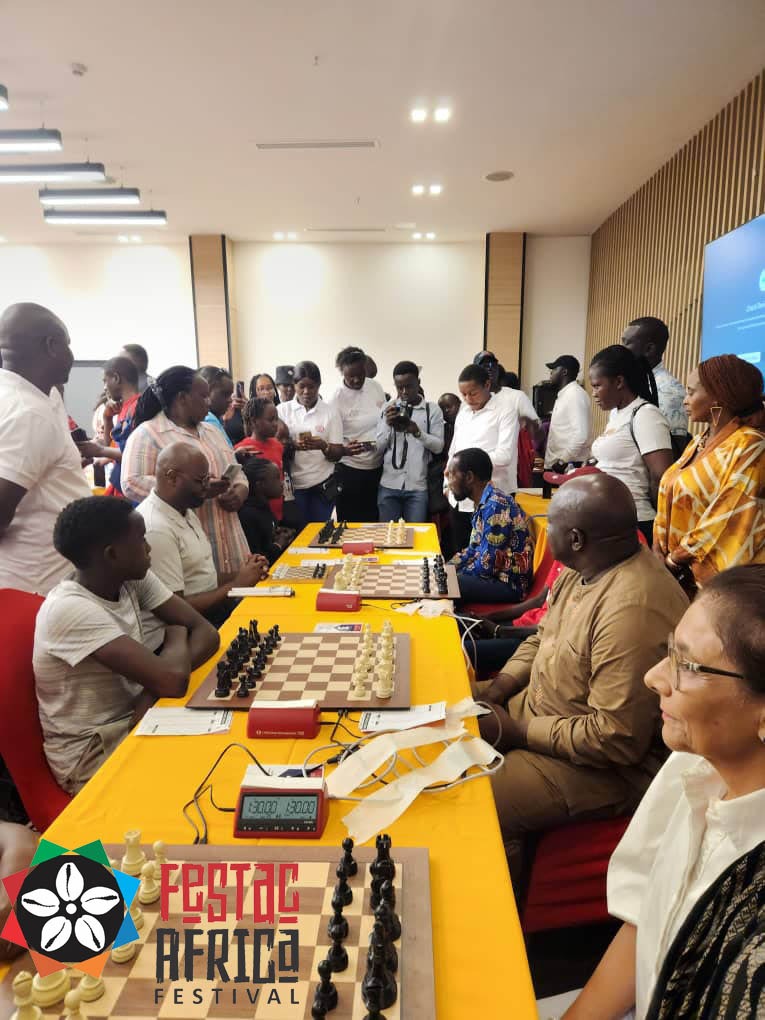
Why are you still in Kenya at the moment?
I have been in and out of Kenya consecutively since last year for the festival planning, execution and more. Definitely, we have to close all the books as well as there are other things taking our time in Kenya. We don’t vacate our host country for the festival immediately. We want the people in that environment to feel the impact of what we have done. Because we are leaving the stocks behind and we would want them feel them always. They have to continue from where we stopped. Instituting those things always take time.
Why the new FESTAC AFRICA is different?
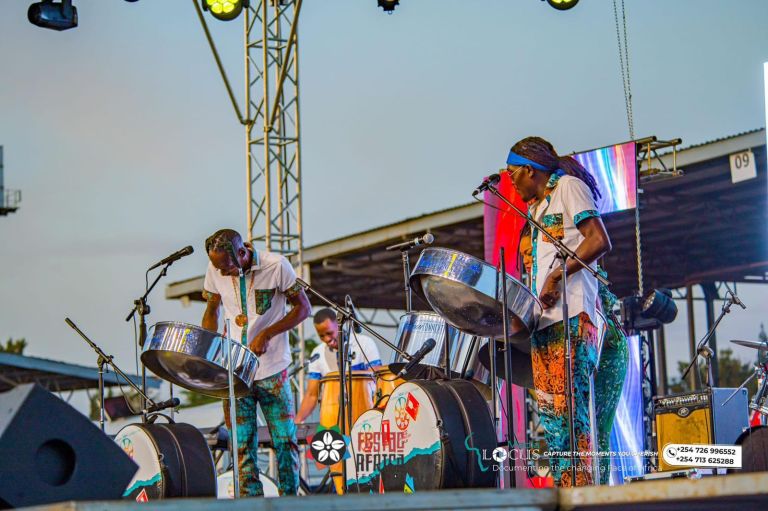
Most festivals are there to just say, enjoy the moment. So, if you go to a festival like Radio festival for instance, they bring a big artist to perform. The essence is for you to live with the memory. The same applies the following year. What we are doing with FESTAC AFRICA is not about the festival. We are trying to change minds. So, it is not your typical festival. When we do what we do, all we are doing is planting seeds that could be used or could be experimented, modified for a better continent and people. Because of that, it is called festival, yes, FESTAC AFRICA Festival. But it is not about dancing then you go home. There are lots of initiatives that we started during the festival and you have to follow up so that they can be sustained.
They do a festival like Coachella 2024 which was great. We have a meaning behind what we are doing. Ours is not just about music, the culture or dance, there are other things beyond them.
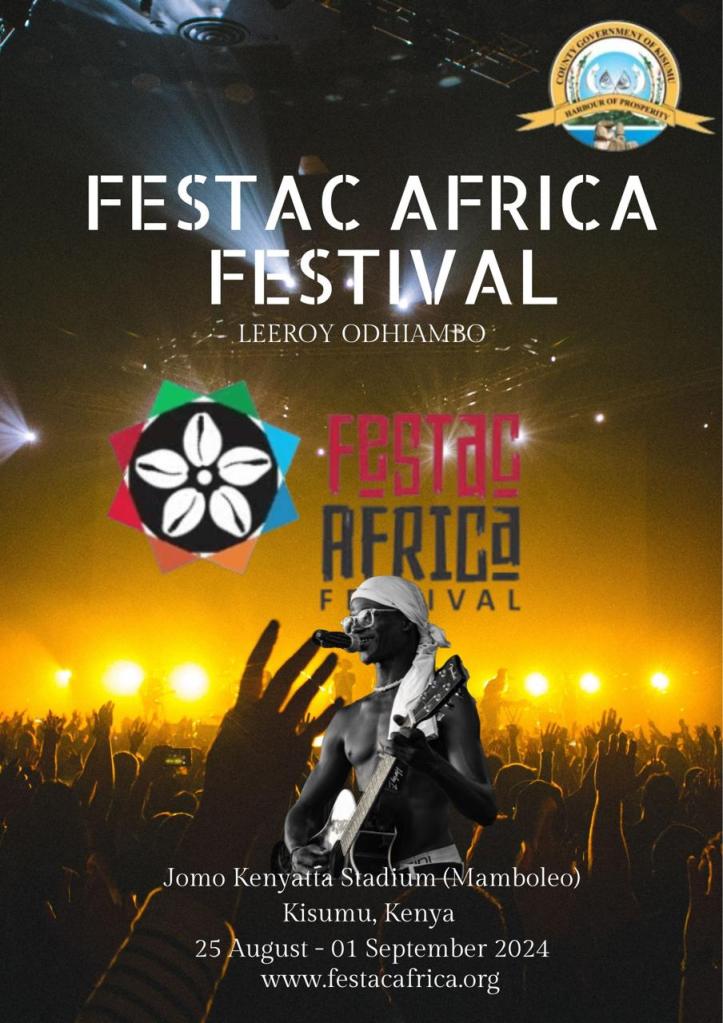
You are a culture aficionado, do you think the festival can raise awareness of African cultural richness and diversity, fostering a greater appreciation both locally and internationally?
It has definitely done that. Look at we have done. We could have sat back and say give the festival any kind of name. I understood when it was founded, it was meant to liberate us from colonization. It was formed to give self – pride and self – assurance then. When you go back when Nkrumah and his liberation fighters liberated Ghana in 1958 and other African countries followed suit. Independence movements were being established. The leaders took it upon themselves by using arts and culture to hope to our people. They started the festival in Senegal in 1966 by Leopold Senghor with the idea that we need to get our people emancipated. And the festival was designed to hold every four years. Unfortunately, events such as civil wars like in Nigeria, Nigeria couldn’t host it until 1977. As you know, FESTAC ’77 was extremely powerful. They did everything and more to grow the festival, but it died for 45 years. Moving forward, we told ourselves, this is the right platform to continue. This is a festival of arts and culture but what it’s suppose to do goes beyond art and culture. It includes reorientation of our people, our minds, on Africa’s cultural richness. It brings togetherness among Africans.
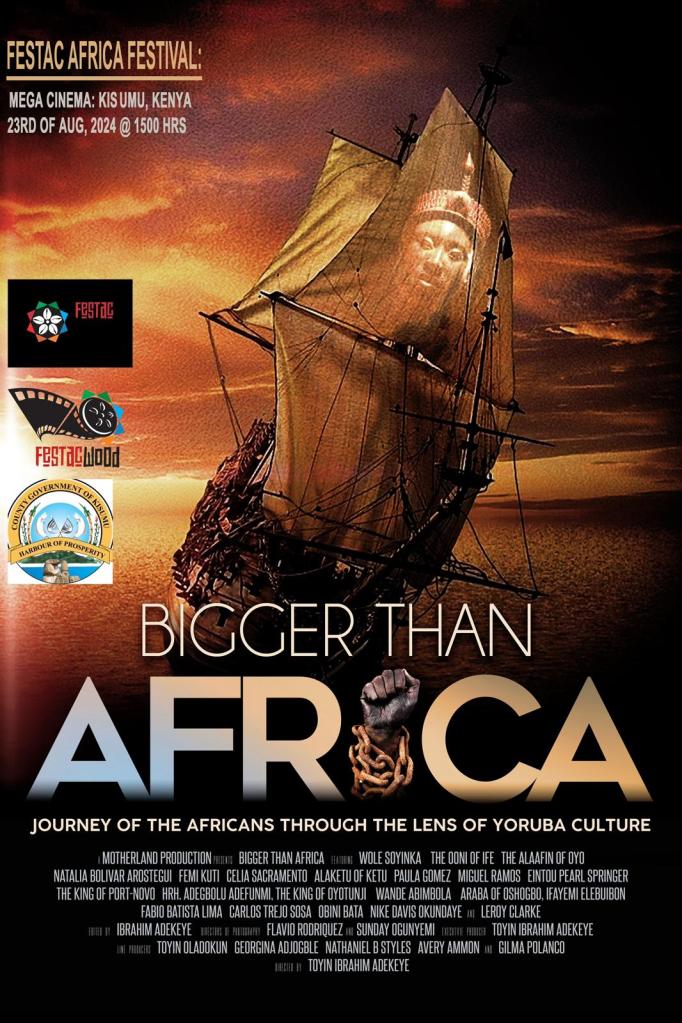
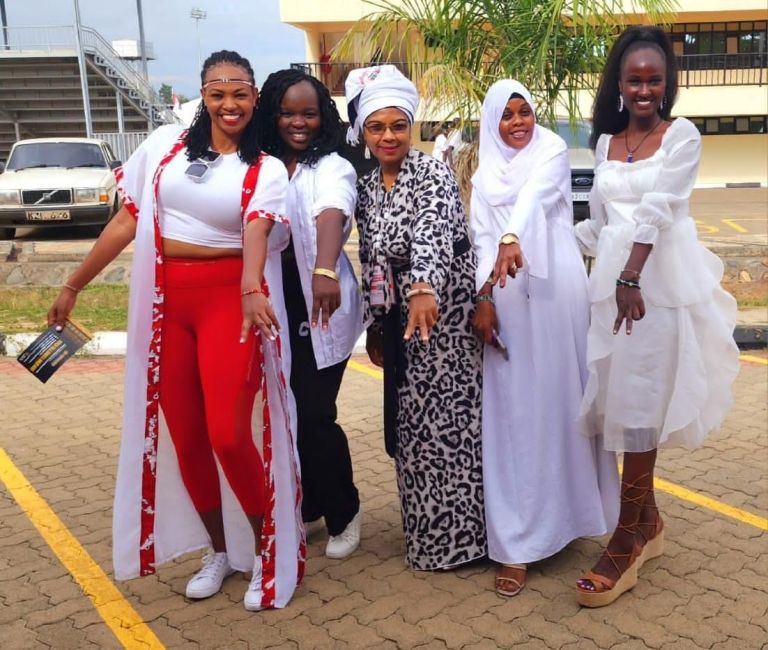
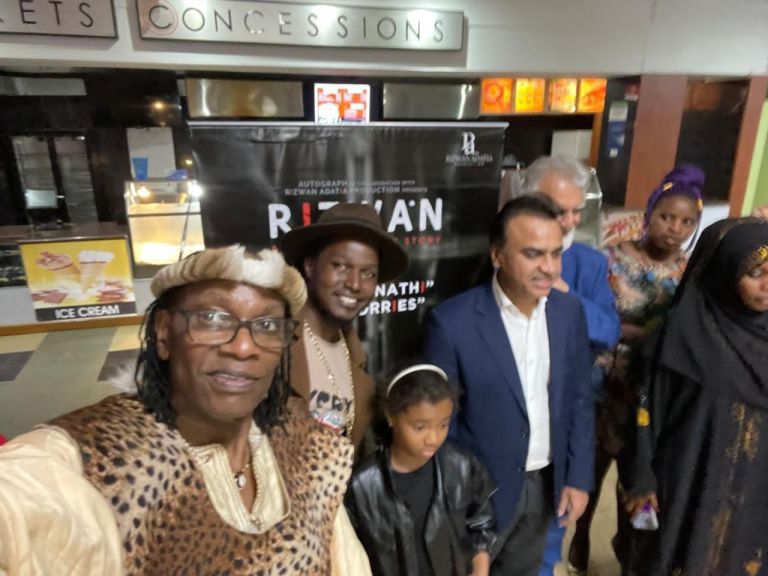
Going to Kenya…
The next edition? The answer is to go round Africa. With FESTAC? Yes! Is it easy? No! But we won’t stop. If we host it yearly in Nigeria, that’s no problem, everybody only get to know about Nigeria alone. They won’t know the continent. We all have our peculiarities and what makes us special. Therefore, we want a better continent, we all need to travel to see other places. I have been fortunate to visit 80% of the continent. I can tell you that it has been a experience and would love other Africans to be exposed to the same. It is not about organising a festival and making profit. It is about trying to get all of us to be one.


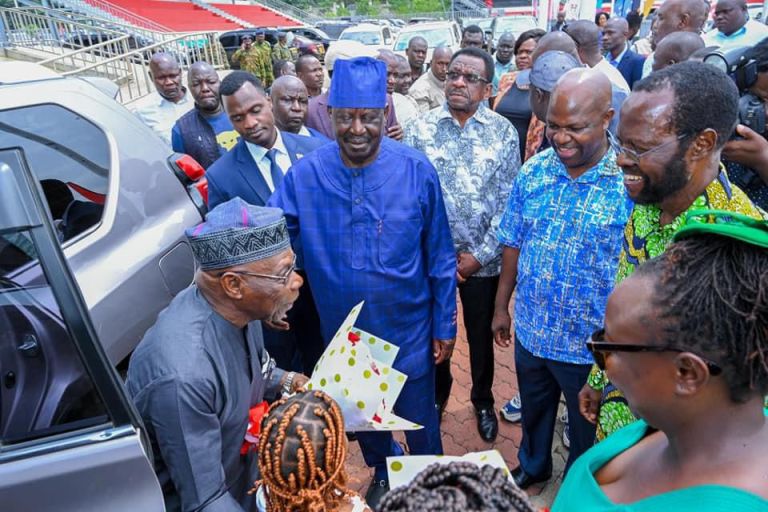
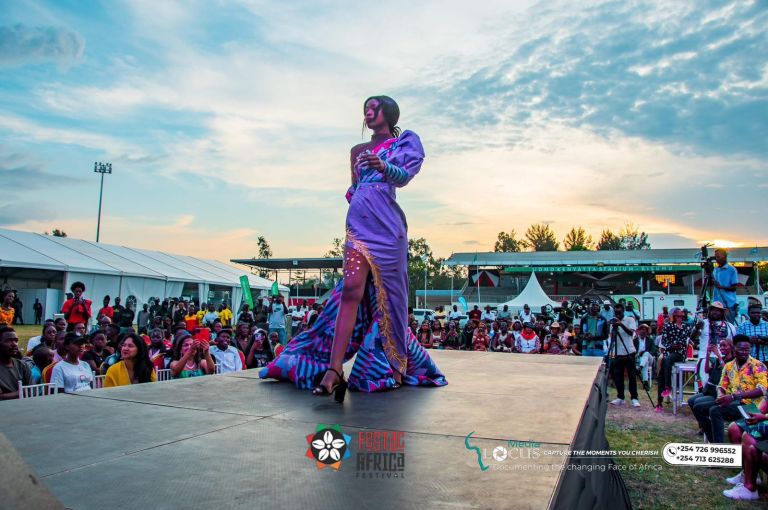
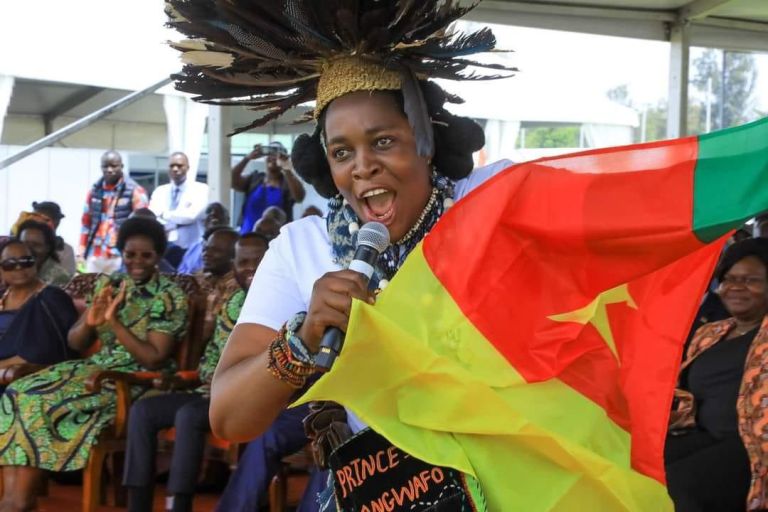
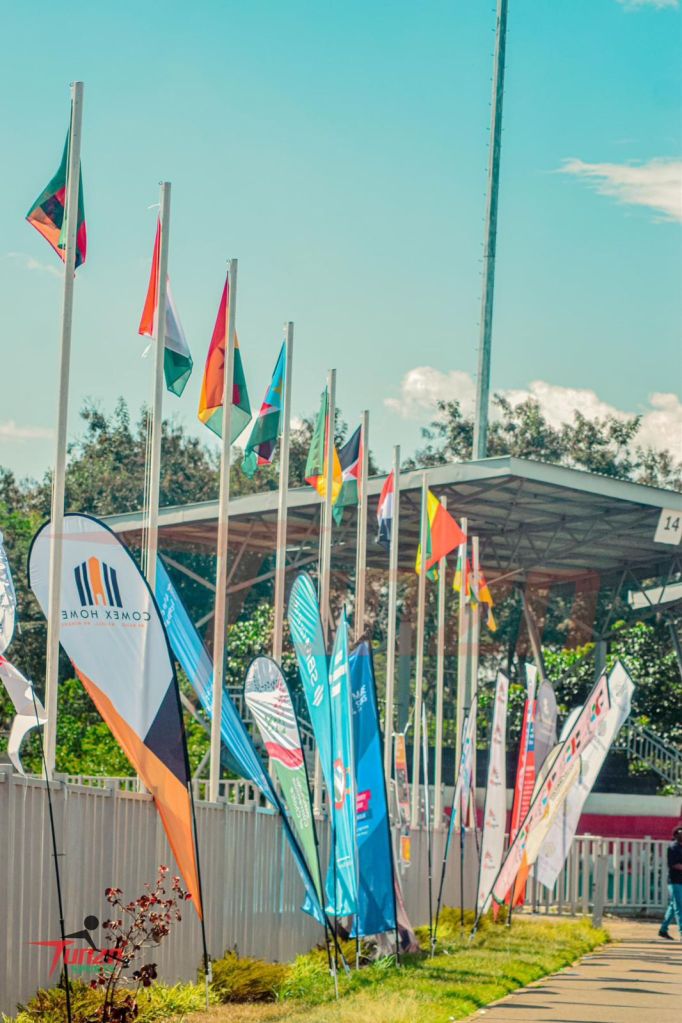
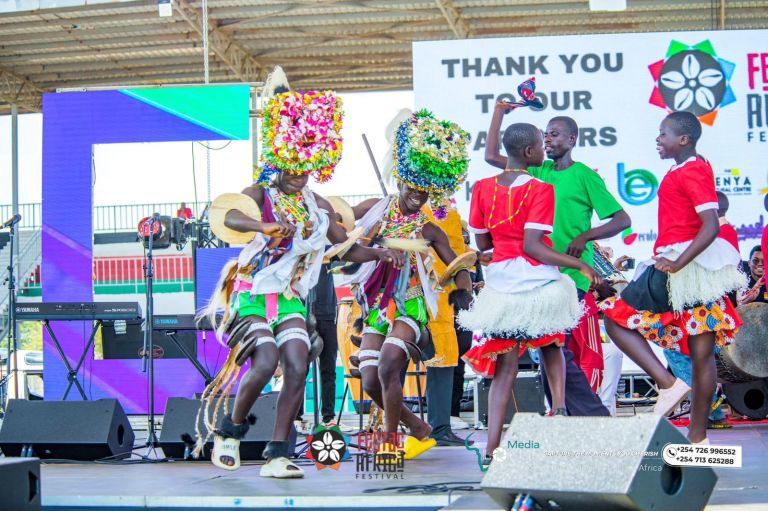
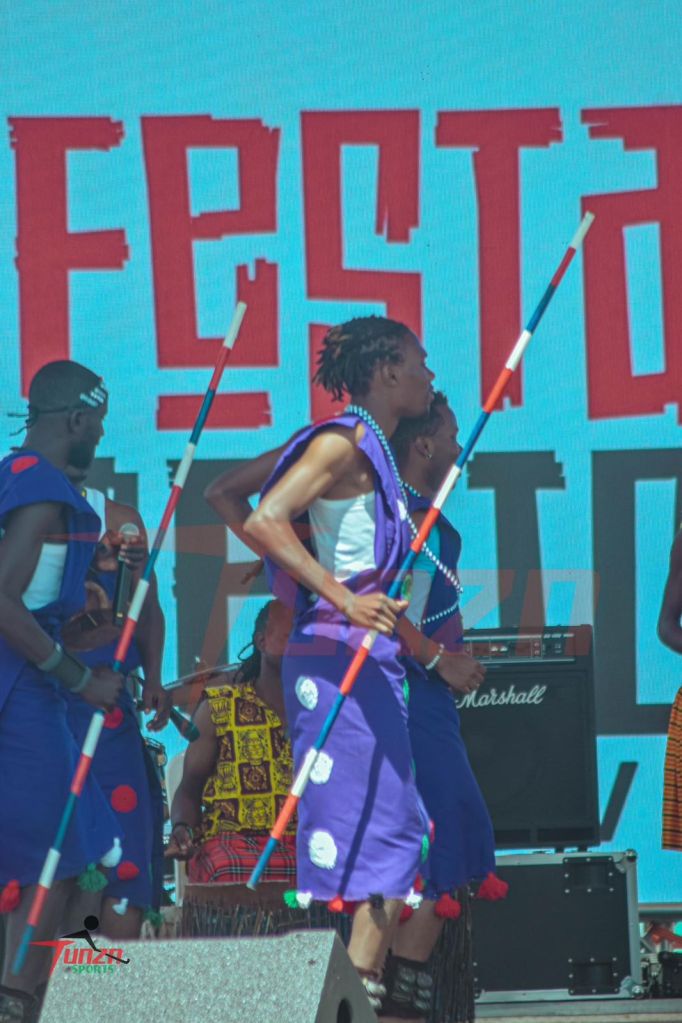
Impact of partners…
Media partners are sustainable. We reach out to them. In some cases, they reach out to us. They like the message that we carry. Between the message is one of unity, of new world where all of us come together. We have media partners scattered all over Africa. In Nigeria, Ghana, Kenya and South Africa. There is a magazine that requested to join us. We enjoy a media partnership with a leading media outlet that translate our events into 9 different languages globally. We appreciate the exposure media keep giving us.
Corporate sponsorships…
In terms of corporate sponsorship, we continue to write corporate organisations and government organisations and agencies to look into what we are doing. We understand that when you do something like this, remember the last time FESTAC was held was in 1977 and the first one we did after that came in 2022 in Zanzibar. So, when you do something that has been dead for 45 years, first of all, nobody believes you. People just sit and watch. They expect you to do it once and go away And you come with the next edition, they come to you and say you guys have done it twice. Two years in a row. But at the third attempt, they know that you are serious about your ideas. We will do it every year.
Actually, 2024, it was suppose to be in May but there was flooding in Kenya. We did an intervention by given out relief materials to affected communities and console them. Then, the festival was postponed till August. We couldn’t a festival of such magnitude while people are going through harrowing experience such as flooding. The event was held in the last week of August.
For 2026, we would like to to Senegal because of 60 years of 1966 and 2027 in Nigeria because of 50 years of FESTAC ’77. When we were planning the program in 2021, we had slated Senegal for 2026 and Nigeria for 2027. Presently, we are discussing with countries for the 2025 edition and we would make the announcement very soon.
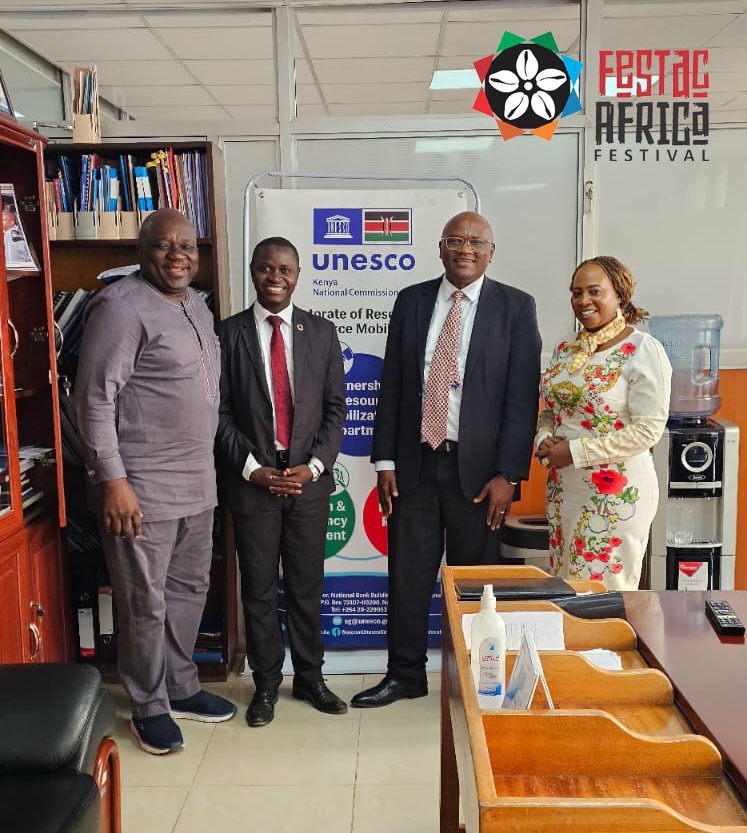
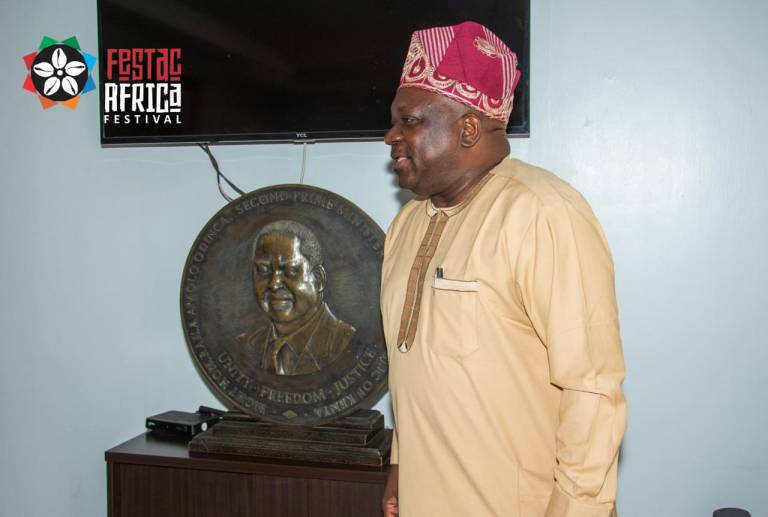
FESTAC and Youth Empowerment…
Youths are definitely part of the festival and their voices are being heard. I was a teenager in FESTAC ’77 and felt the impact of such event at that time. When we were redesigning the festival, we looked at four or five things that we felt if added to the festival will make it more impactful. First one was consistency in dates. FESTAC ’66 was held in April. FESTAC ’77 was in January. Because of that, we felt don’t talk about African Month enough neither Africa Day. Many of the young ones don’t know anything about African Month and Africa Day. We agreed to position the festival in May because of African Month and last week because of Africa Day.
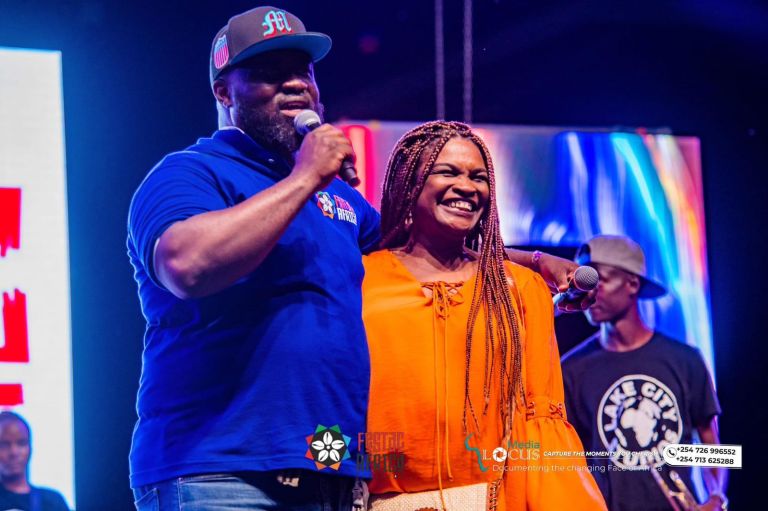
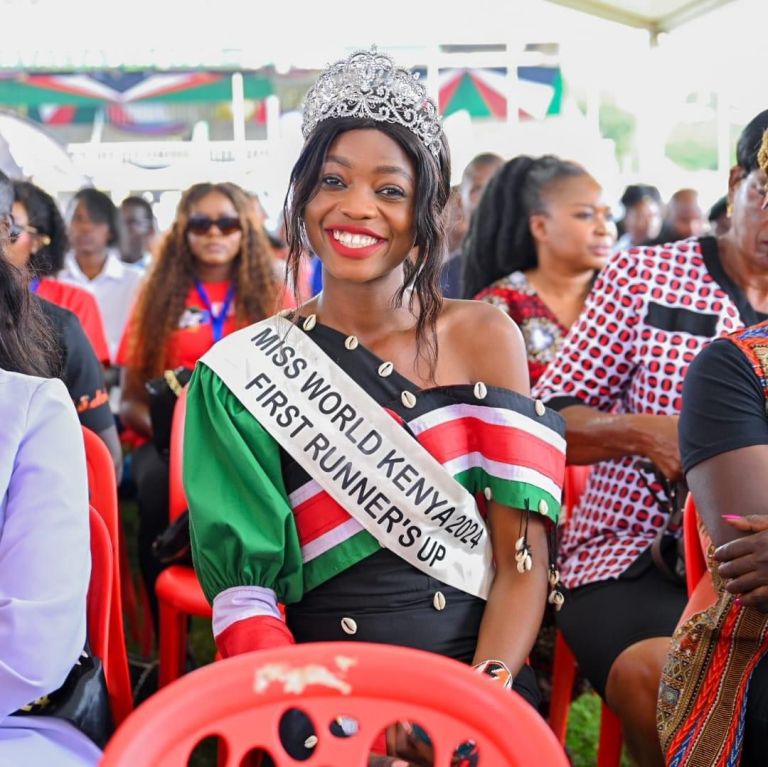
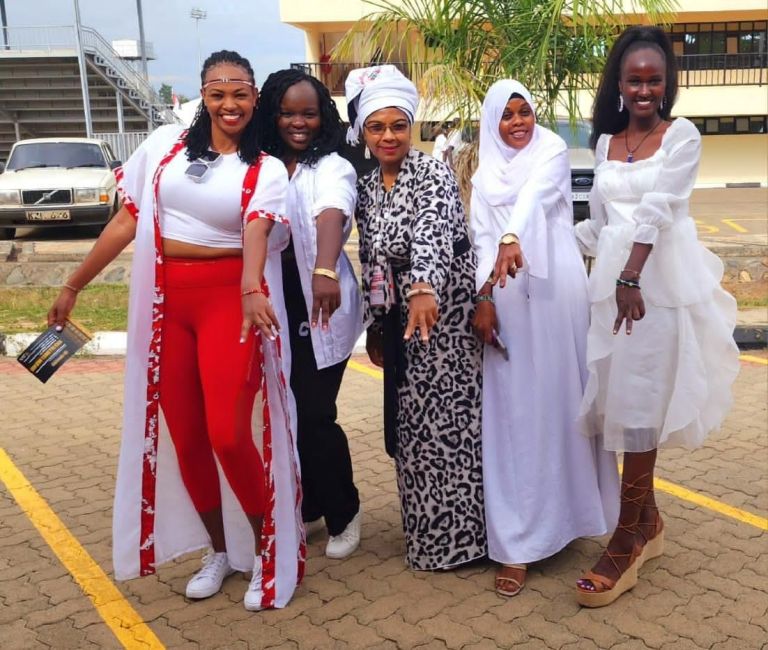
Another factor is travelling and tourism. One of the reasons Africans don’t know themselves is because they don’t travel. We instituted travelling and tourism into FESTAC. For people coming from afar, we talk to the local tourism organisations to put together trips or tour visits to places for the whole week before, during and after the festival.
Again, we decided to input a lot of things on trade. The inter – African trade is very important. Festival such as FESTAC should be a platform for Africans to come together. The more you come together, you trade.
Finally, the only way to perpetuate all our objectives for FESTAC is to involve the youths directly. Involve them in all we do. And then, we sat back and said how can we do it? We decided to design things of interest to them. We partnered with organisations that are into STEM education. And during the festival, there would be educational segment for STEM for young ones. Also, we invested in sporting events and activities because that age demographic loves such sporting activities. While they are participating in STEM and sports, we educate them on what they also need to know about Pan – Africans to self assurance, self awareness. We didn’t stop there but brought in movies. Nollywood is huge and with that big impact of our film celebrities. Some of the movies featured are educational movies like climate change initiative movies. Tackling gender violence through movies. We also invite Influencers to address the youths. Artistes are billed to perform and educate participants and the young ones, they can sing for them to give them hope.
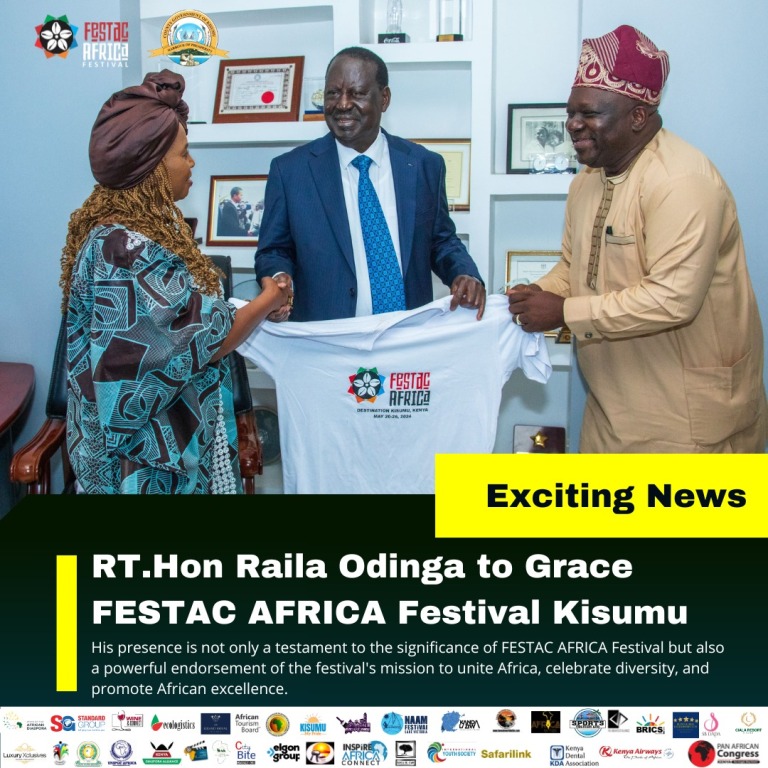
Honestly, we have recorded positive impacts so far, especially, on the third edition of FESTAC AFRICA Renaissance Festival held in Kisumu Kenya. We have empowerment session in Kisumu Kenya. Majority of the youths got to know about FESTAC because of the power of social media.
You studied engineering..
Yes, I studied engineering. I like engineering as I was inclined to it. But after a while, working in a corporate environment and in person’s life, I decided to look at later mission of the values one can bring into the society. I have been an African lover because I love culture right from childhood.
It is interesting to see what Ojude Oba festival looks like today. The last time I went to see Ojude Oba festival was in 2021. And before that the last time was in 1978. I was still a child living in Ibadan. I heard about Ojude Oba and decided to see what it was about. After getting a bit older and travelling around the continent, I see the beauty of culture all over Africa, the similarities, the uniqueness, the power of our culture that we don’t appreciate among ourselves. I once had a job where my position covered the continent and post retirement, I sat back and asked myself how do I add value on the continent in a better way? Culture was the answer. It is a common denominator
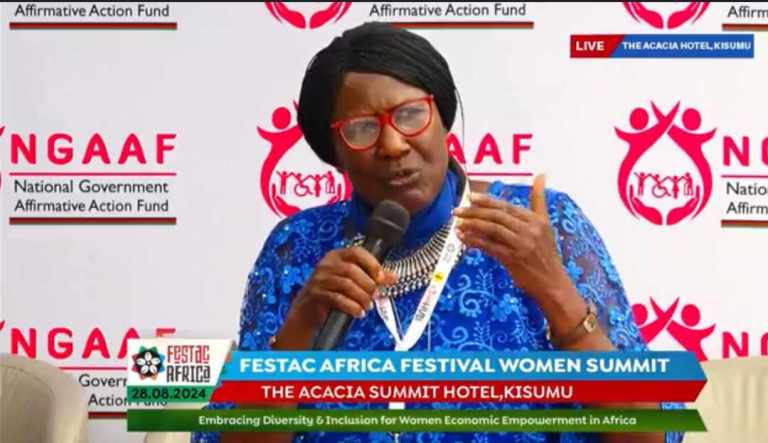
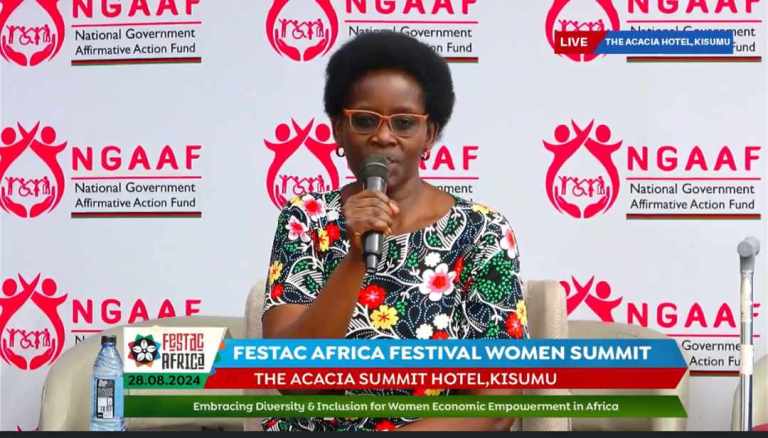
In our last event, we did a Media Day and Writer’s Day. It was in a form of a retreat. In our Writers Retreat, we honoured Ugandan poet, playwright, novelist and academic administrator, Austin Bukenya. Bukenya is in late 80s, a contemporary of our own Wole Soyinka and others. He is a well established writer. Majority of the East African scholars have been mentored by Austin Bukenya. We used our Writer’s Retreat to celebrate him. Beneath the retreat was an idea to de – colonise the ways Africans write.
The media retreat was sponsored by Africa No Filter. The objective of Africa No Filter is positive media about the continent.
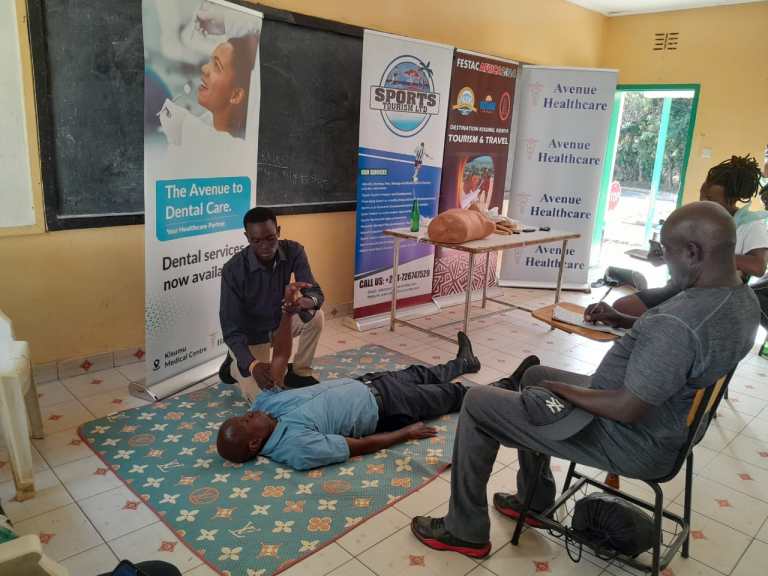
We injected a lot of focus on our CSR. We partnered with various medical organisations like Kenya Dental Association that came and did free medical consultations, having over 500 dental procedures done for free. Also, Blood drive, eye tests were done for people free. The whole idea was to uplift the community and people.
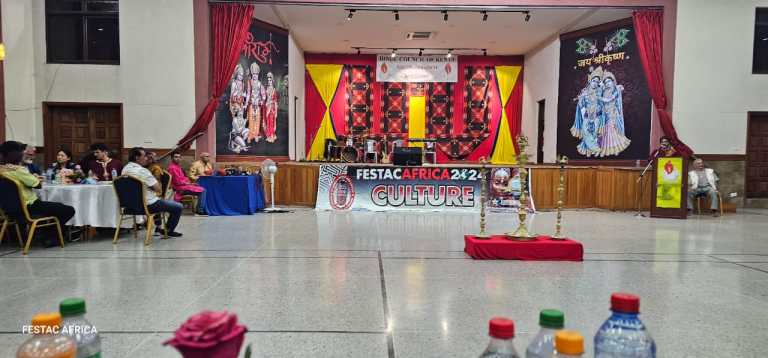
Words/Interview/ Ireho Aito/Don’t Keep Your Art in the Finger!
All photographs courtesy of Engr. Yinka Abioye. Engr. Yinka Abioye is the Chairman of FESTAC AFRICA Renaissance Festival

