
In the quiet company of his lifelong friend Joe Nsek, Frank began searching for a name that felt true. After tossing around ideas and digging deep into what made him, they landed on it – Beli. It was clean. Distinct. And most importantly, his own. Writes Ireho Aito
The first time a collector asked, “Who is this Beli?” Frank smiled, not because he was flattered, but because, finally, the name had taken on a life of its own.
It didn’t come easy.
Before “Beli” became etched in the minds of art lovers and gallery owners, before it sat neatly beneath brushstrokes and sculpted textures, Frank Enebeli was simply trying to be seen for his work. But there was a problem, his name.
Sharing a surname with another celebrated artist, Anthony Enebeli, made every signature a gamble. Would his work be misattributed? Overlooked? It was a quiet creative crisis, until he decided to take control of his identity.
Frank Beli is a graduate of School of Art and Industrial Design, Federal Polytechnic Auchi and an illustrious member of Auchi Klass of ’99.
After completing his National Youth Service in Benue State, he relocated to Abuja, a city that felt worlds apart from the bustling streets of Lagos, where he had come from. At first glance, Abuja seemed unlikely to rival Lagos in the arts. Truthfully, few believed it could ever compete with Nigeria’s cultural and showbiz capital.
Yet, Abuja has steadily defied expectations. The city is emerging as a vibrant hub for “artpreneurs,” a term popularized by renowned artist, writer, broadcaster and former Director-General of the National Gallery of Art, Joe Musa, who once penned a column titled Artpreneur.
Driven by the growing presence of businessmen, expatriates, diplomats, and executives from multinational corporations, and politicians, Abuja’s visual art scene has flourished into a fast-growing creative economy. Luckily for Beli, he found himself in the right place, even as he grappled with uncertainty and searched for his artistic identity.
In the quiet company of his lifelong friend Joe Nsek, Frank began searching for a name that felt true. After tossing around ideas and digging deep into what made him, they landed on it – Beli. It was clean. Distinct. And most importantly, his own.
At first, it sparked curiosity. Collectors admired the work but didn’t know the man behind it. Who was this mysterious Beli whose pieces seemed to breathe emotion and originality? Over time, the signature became a brand, one that stood for quality, experimentation, and a touch of mystique.
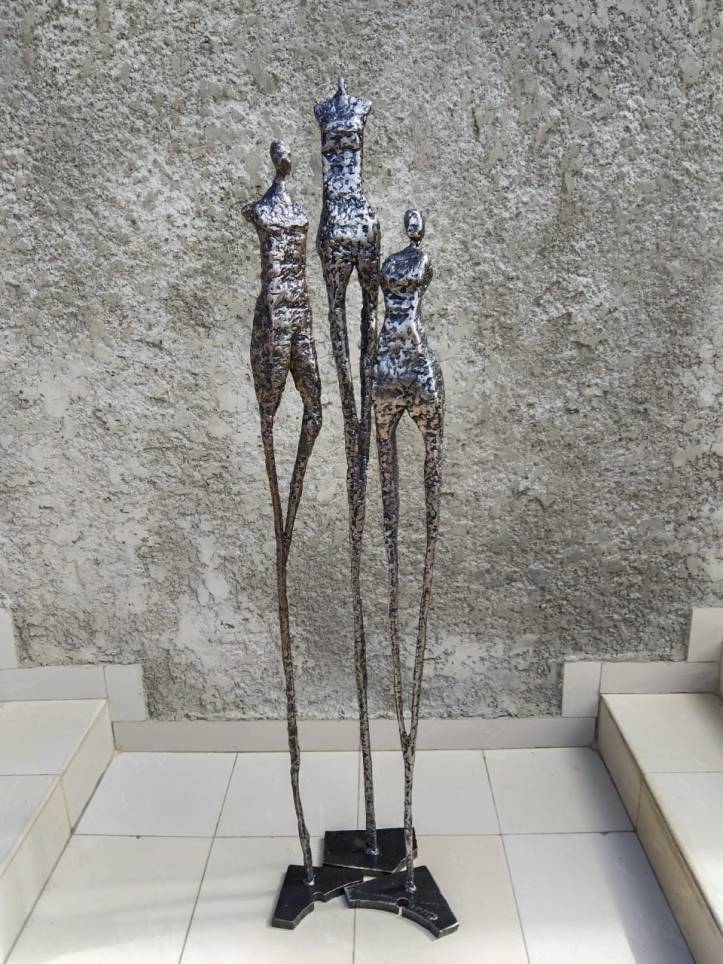
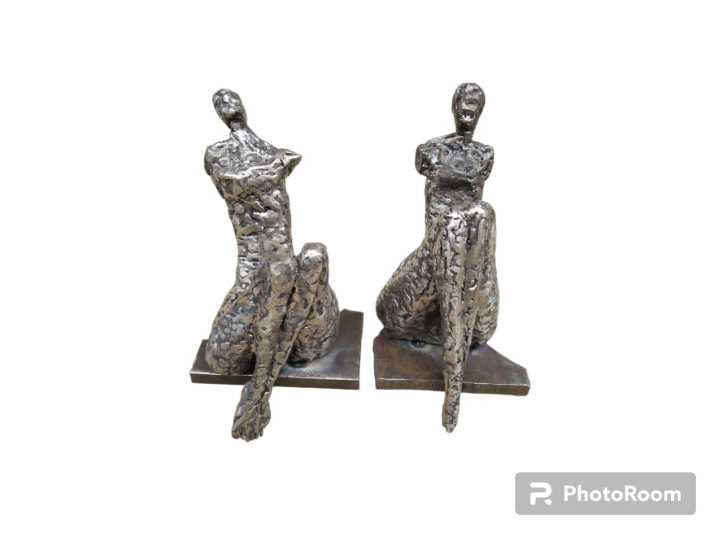
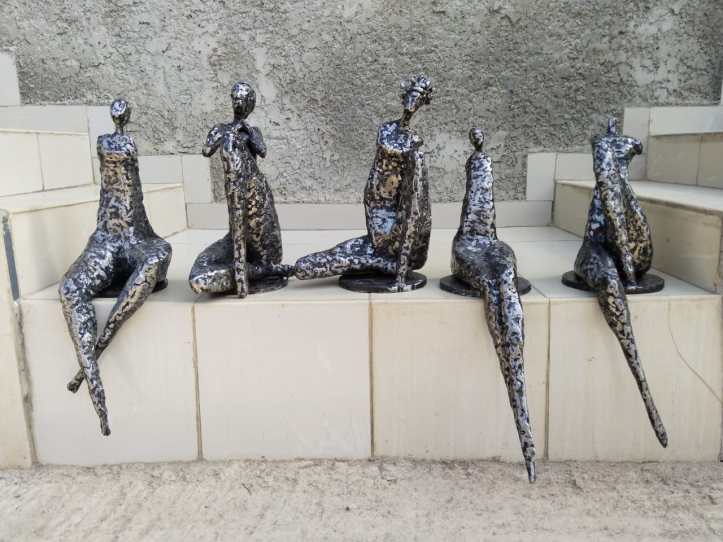
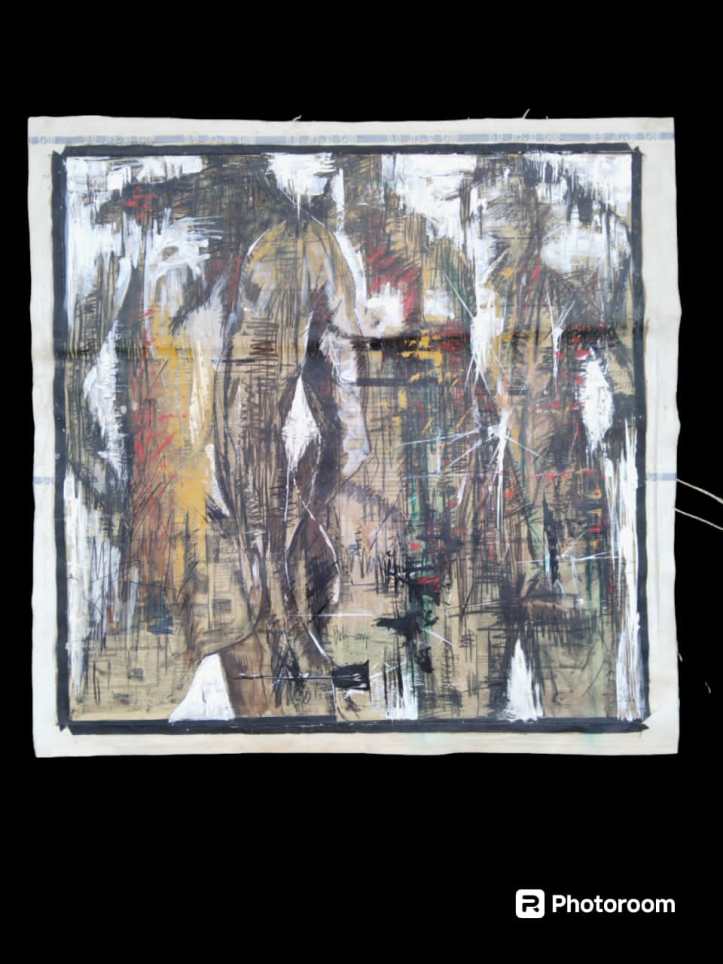
From 2002 to 2003, Frank moved quietly, selling his pieces directly to collectors and patrons. It was grassroots, but it was working. He also began experimenting with metal art which is a brave pivot that showed early signs of the creative restlessness that would define his career. By 2005, his work had caught the eye of Signature Gallery in Abuja, who began collecting his miniatures, pastels, and oils in earnest.
But just when it seemed his journey had found a rhythm, another dramatic turn was waiting.
Enter Mohammad Khechen. By day, a builder. By passion, a visionary curator and founder of Moeshen Gallery. For Frank, meeting Mohammad would prove to be a career-altering moment.
With a discerning eye and international connections, Mohammad brought Frank into a ground-breaking group exhibition in Beirut, Lebanon. Titled Strength in Unity, the exhibition featured Frank alongside Nigerian artist Obinna Makata and South African sculptor Ennie Mayers. It was Beli’s first foray onto the international stage and it couldn’t have been more explosive.
Beli didn’t just show up. He transformed.
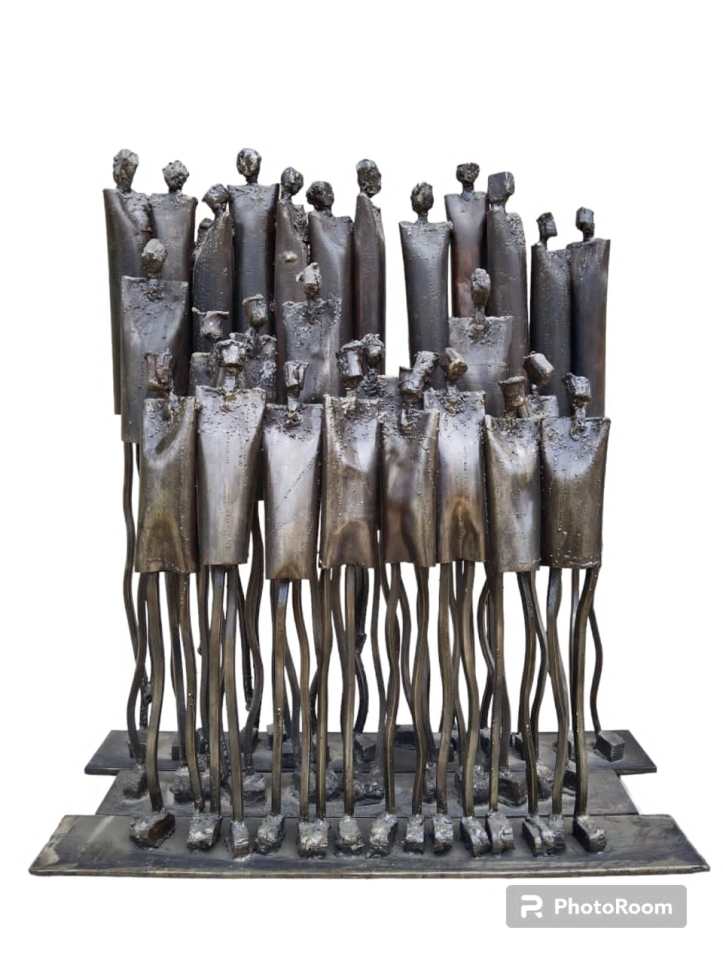
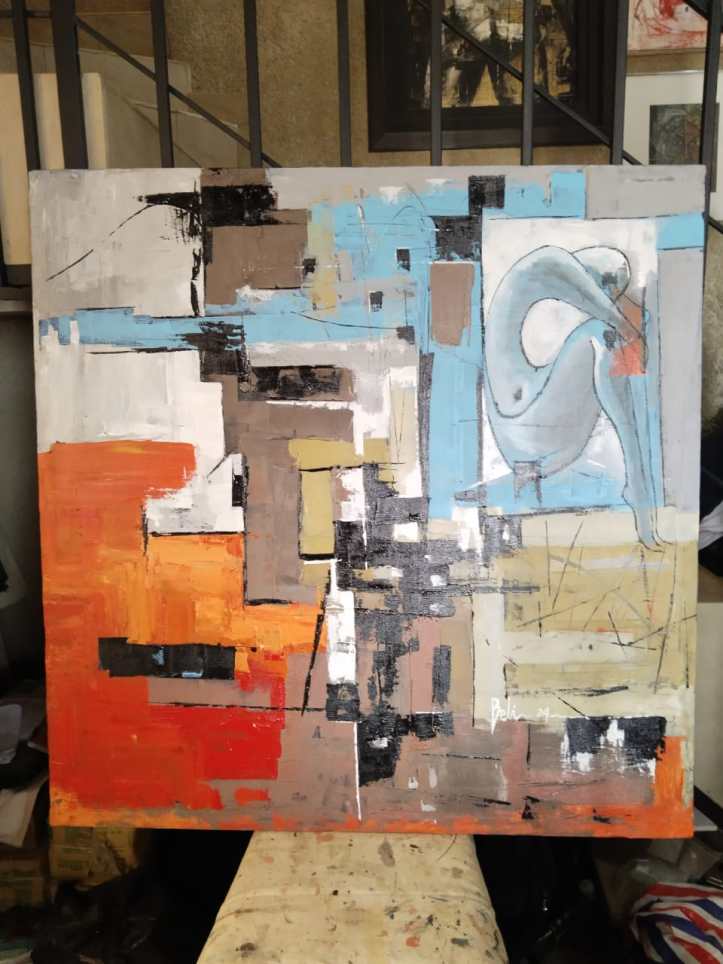
He brought 15 original works—paintings with soft metal cans, bold acrylics on panel, and mixed-media metal ensembles. Every piece reflected a willingness to stretch beyond comfort, beyond habit. It was art born from risk and refined through reinvention.
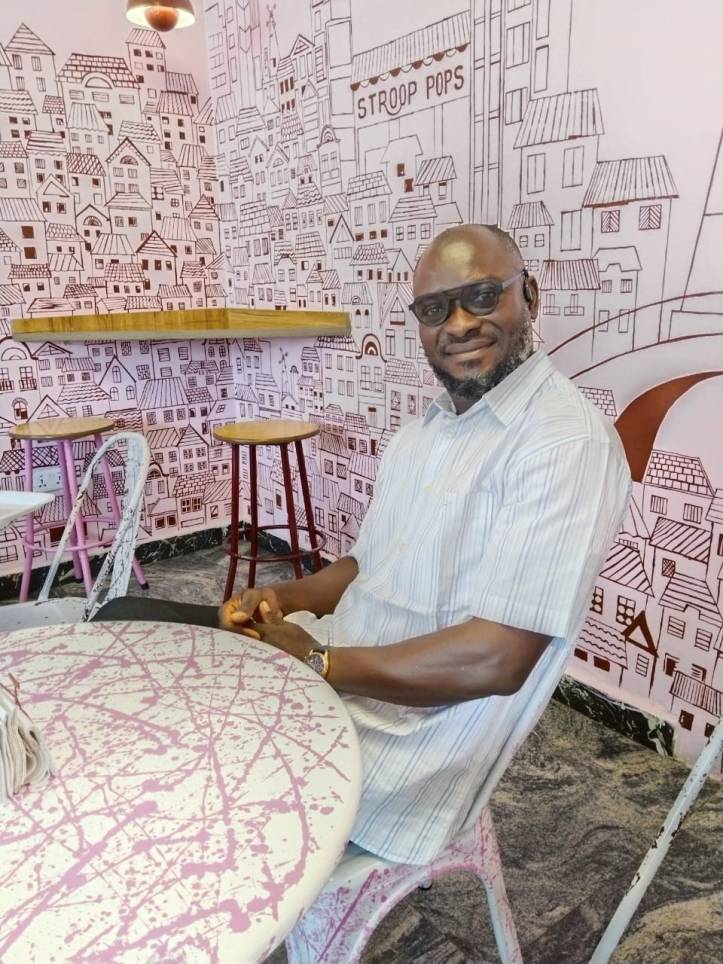
The response? Overwhelming. Collectors, critics, and fellow artists were captivated by his raw, expressive pieces. The exhibition opened doors, yes, but more than that, it opened his eyes.
Suddenly, “Beli” wasn’t just known. He was noticed. On a global scale.
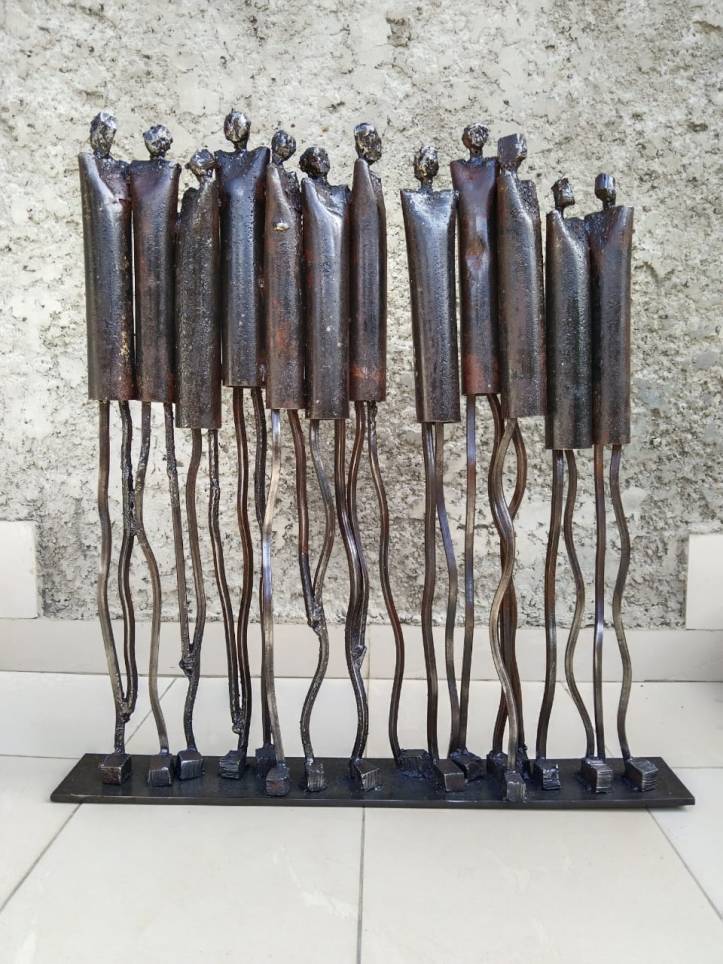
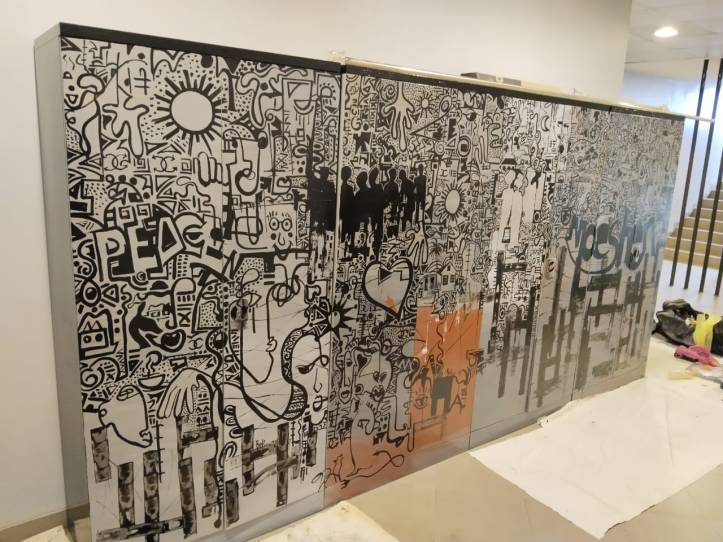
Frank Enebeli is often called a modern-day polymath. And it’s easy to see why. His works are not bound by medium or tradition. Whether it is soft metals, pastels, oil, or abstract forms, there is a consistent thread of innovation and humanity running through everything he touches.
Today, “Beli” is more than a name. It’s a symbol of evolution. Of taking bold steps when it would have been easier to blend in. Of choosing reinvention over repetition.
Words/Ireho Aito/Don’t Keep Your Art in the Finger!/Photographs/Images/Artwork/Beli gallery

