
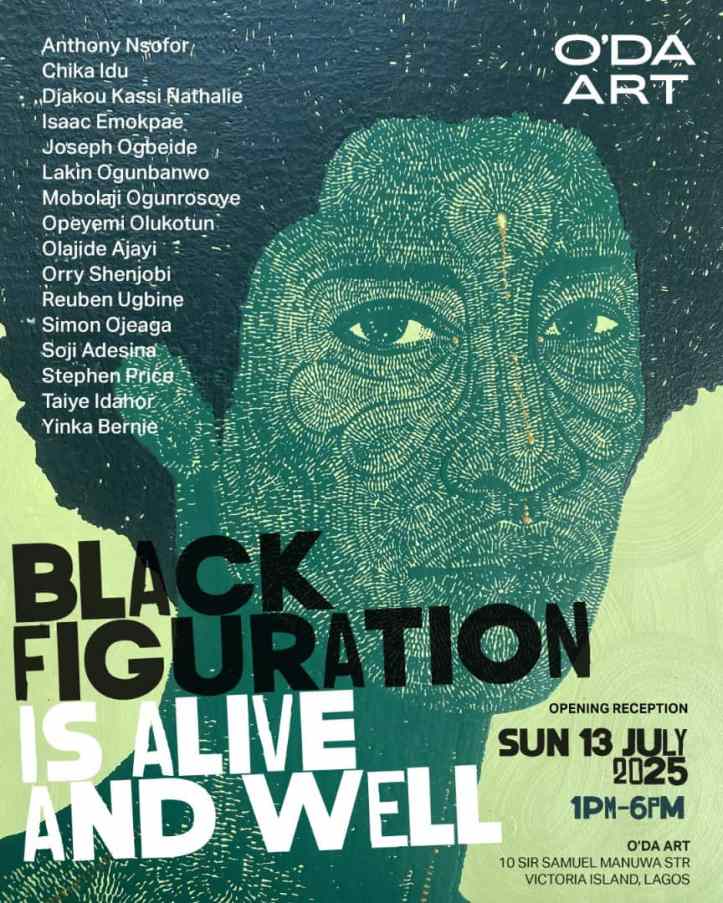
“Black figuration is not just alive, it’s thriving, pushing boundaries and reshaping the global art narrative.” – Obida Obioha
Make a gentle push into O’DA Art Gallery situated at Samuel Manuwa Street, Victoria Island in Lagos this season and you will feel that electric, soul-hugging kind of energy you only get when art meets purpose. Since early July, on the 13th, the Lagos-based gallery has been hosting Black Figuration Is Alive and Well, a group exhibition that feels more like a cultural revival than a traditional art show.
Curated with a precise yet passionate touch by Obida Obioha, the exhibition is a powerful chorus of 16 artists whose works don’t just hang on the wall rather they declare, challenge, groove, whisper and sometimes shout, We are here. We have always been here.
From the jump, the show reads like a visual remix of everything we love about African storytelling when you think Nollywood’s depth and drama fused with the rhythm and richness of Afrobeats. Every work in this exhibition could easily be imagined in a Burna Boy music video or a Kunle Afolayan cinematic dream. It’s that alive.
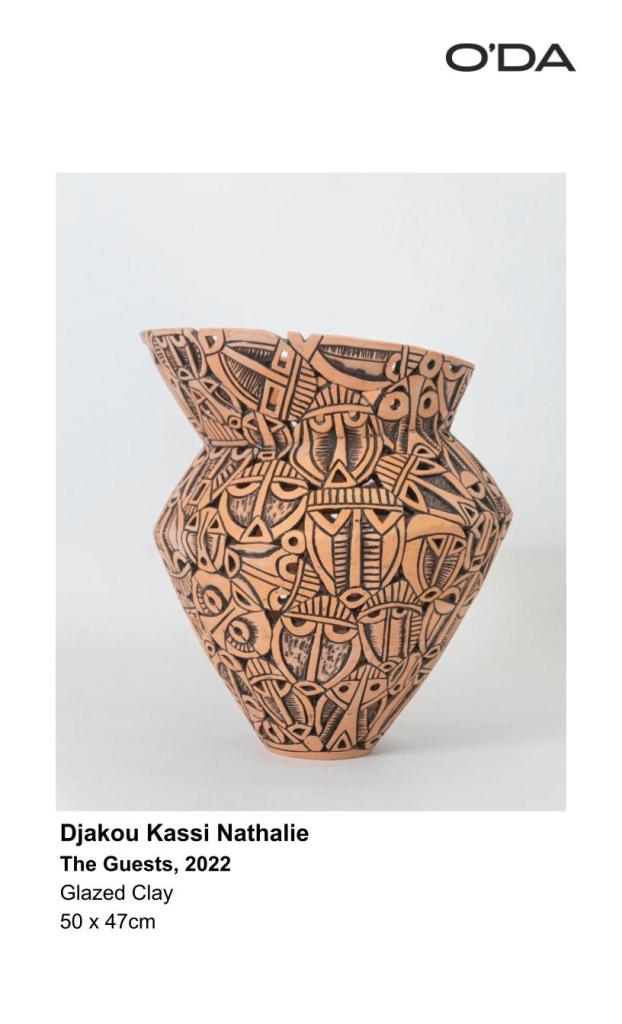
The featured artists span generations, but their common thread is an unapologetic celebration of Black identity in its layered, evolving glory. Sculptors like Reuben Ugbine and Djakou Kassi Nathalie give us work that feels carved from ancestral memory, totemic, spiritual, deeply rooted. You almost expect one of their pieces to start humming a Fela tune if you stare too long.

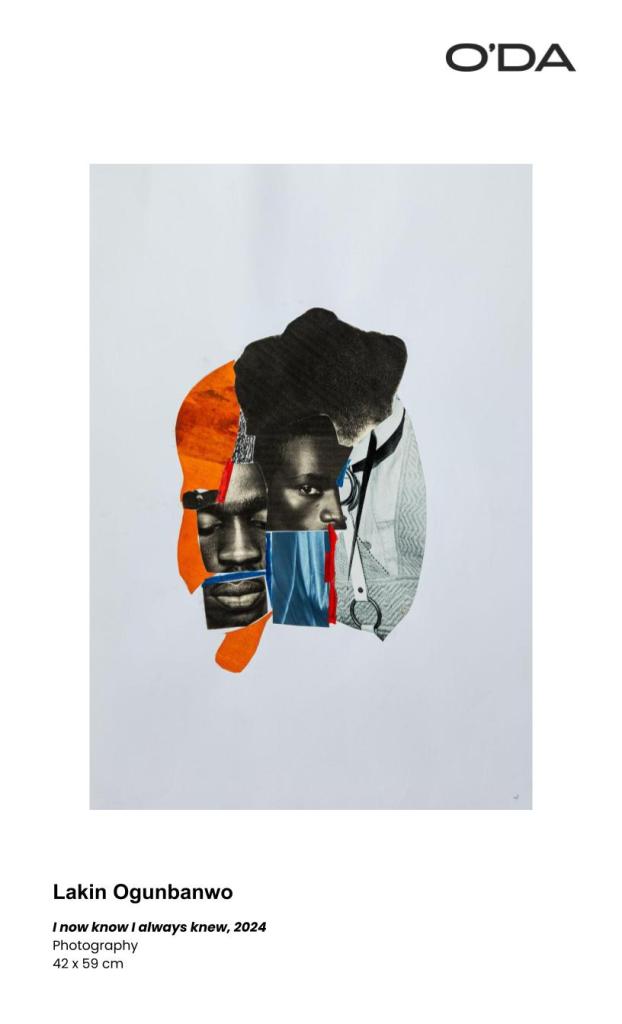
Mobolaji Ogunrosoye, Orry Studio, and Lakin Ogunbanwo take photography and collage and bend them into new emotional terrains. Their art explores identity, beauty, and memory with the same emotional intelligence that makes you see yourself, your past, and your people, all reflected in their experiments.
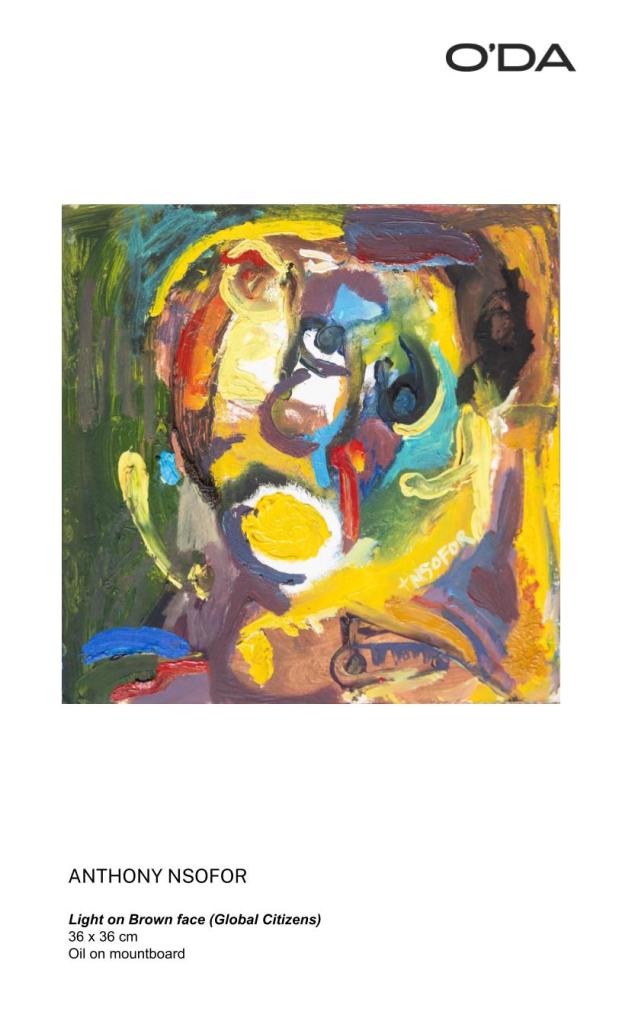
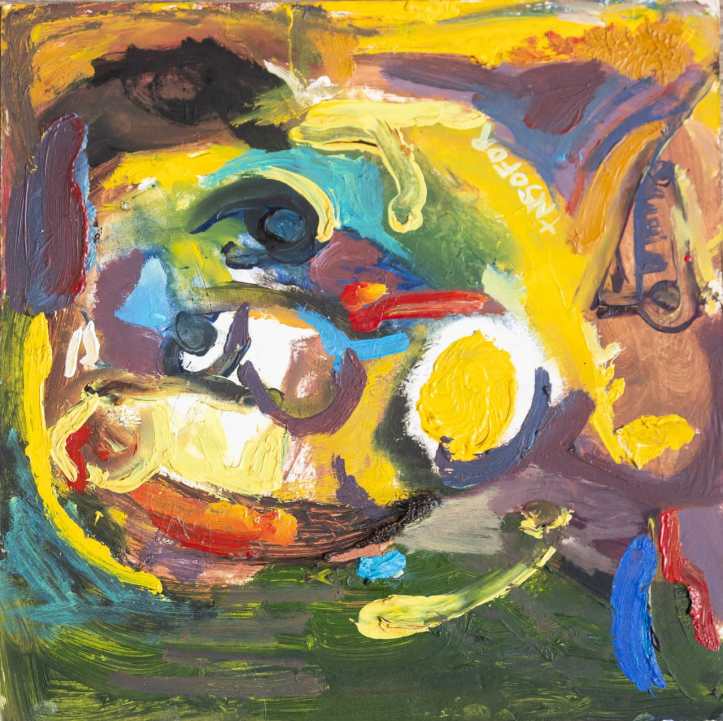
Meanwhile, Anthony Nsofor, Isaac Emokpae, and Joseph Ogbeide play with lines and abstraction in a way that feels like spoken word on canvas. Their strokes ask questions about family, memory, and power—like old Nollywood scripts reimagined in technicolour.
Afro-surrealism is alive and well here too, thanks to artists like Soji Adesina, Chika Idu, and Olajide Ajayi. Their work is cinematic and dreamy, often blurring lines between the digital and the spiritual, the diasporic and the local.
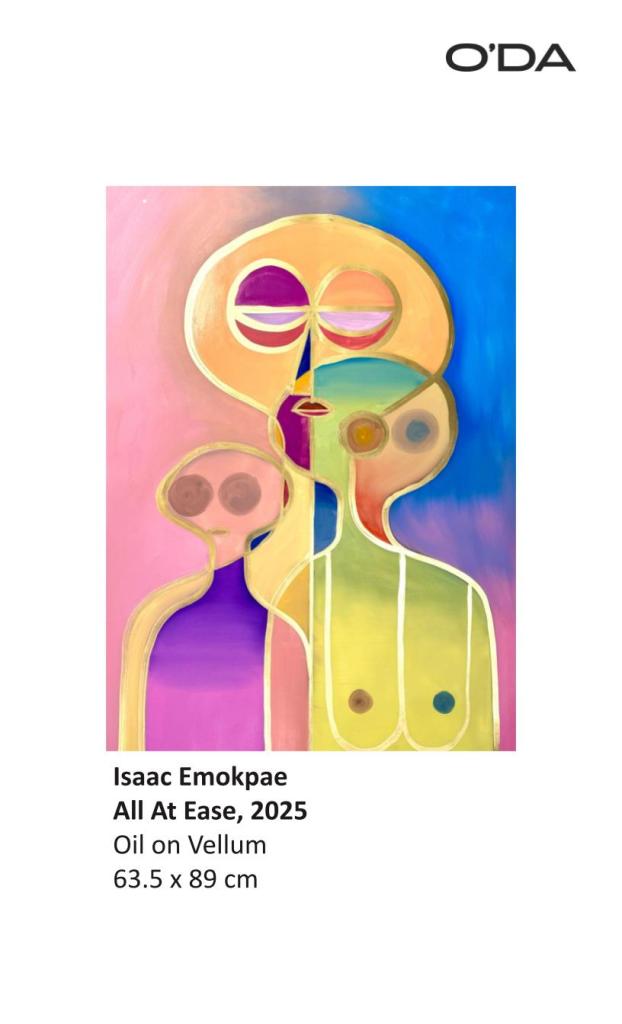
Taiye Idahor and Stephen Price meditate on themes of femininity, generational strength, and freedom. Their pieces tug at your heartstrings, much like a quality lyric on a rainy Sunday. There’s vulnerability, but also power and lots of it.

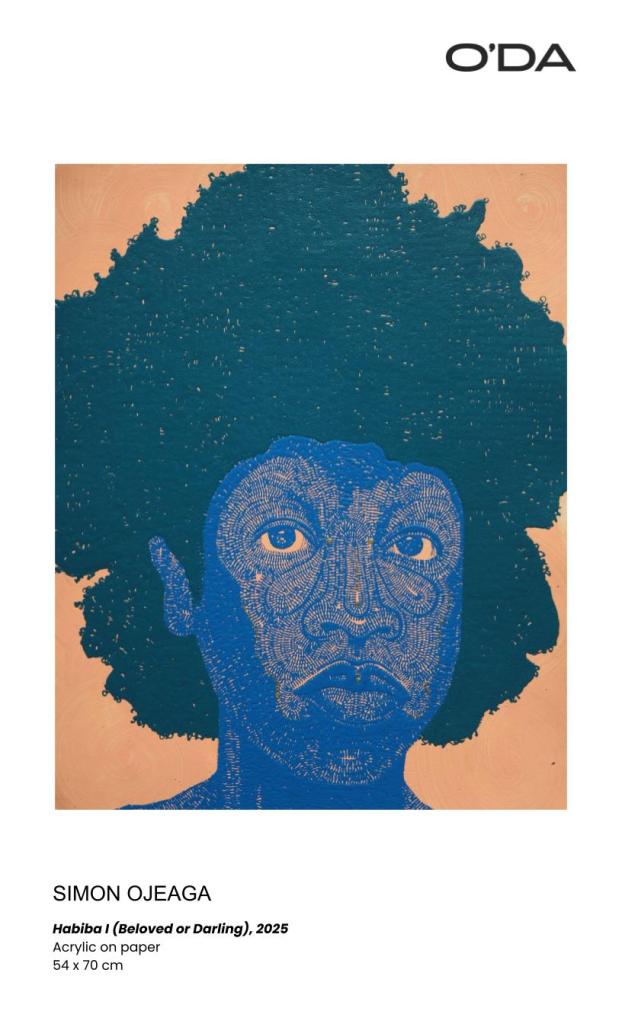
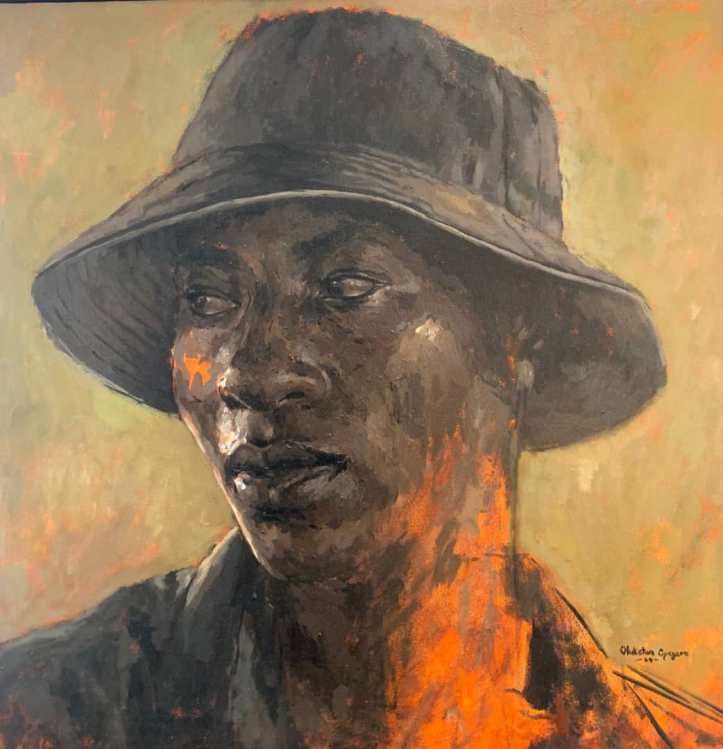
And then there is Simon Ojeaga, whose work Habiba I (Beloved or Darling) a 2025 Acrylic on Paper shares our reality of love in relationships, while Opeyemi Olukotun paints portraits that make everyday Black life feel cinematic, majestic, and worthy of a standing ovation.
Together, these artists create more than a show, they build a universe. One where Black figuration is not boxed in or tokenised, but set free to dance, think, dream, and breathe. Every medium, be it sculpture, painting, collage, multimedia resists the idea that Black identity can ever be singular or still.
This isn’t just an exhibition. It’s a movement, a mirror, and a manifesto. Black Figuration Is Alive and Well boldly reminds us that Blackness is not monolith. Blackness is a moving, shape-shifting symphony that sings loudly at O’DA art gallery
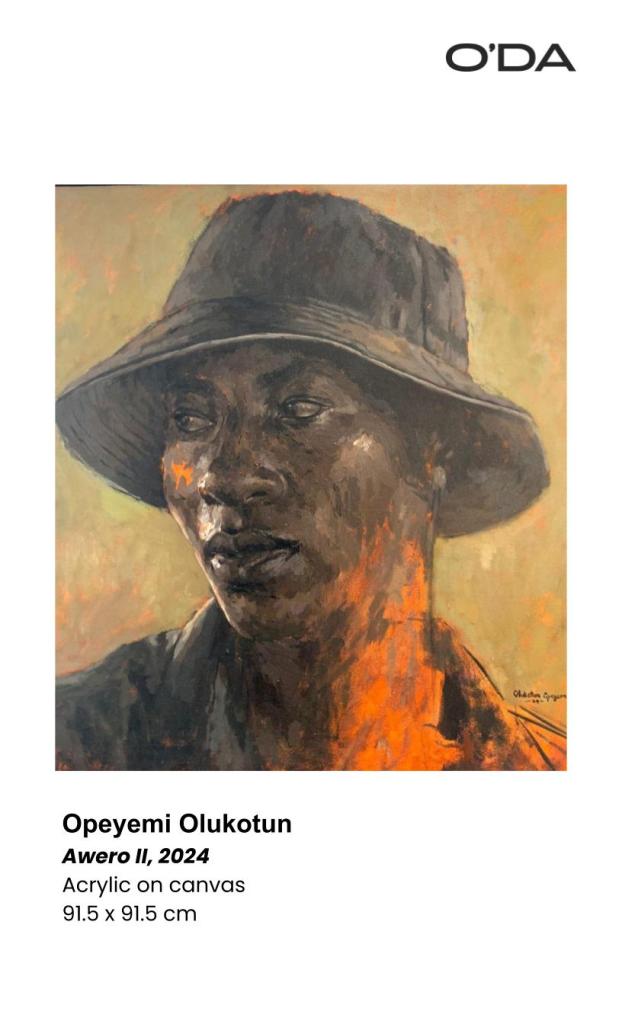
Obida Obioha joins Ireho Aito on a chat about the exhibition where she explains the energy and inspiration behind such a masterpiece of an exhibition.
What inspired the theme “Black Figuration Is Alive And Well,” and why is now the right time for this conversation in Nigerian and global art?
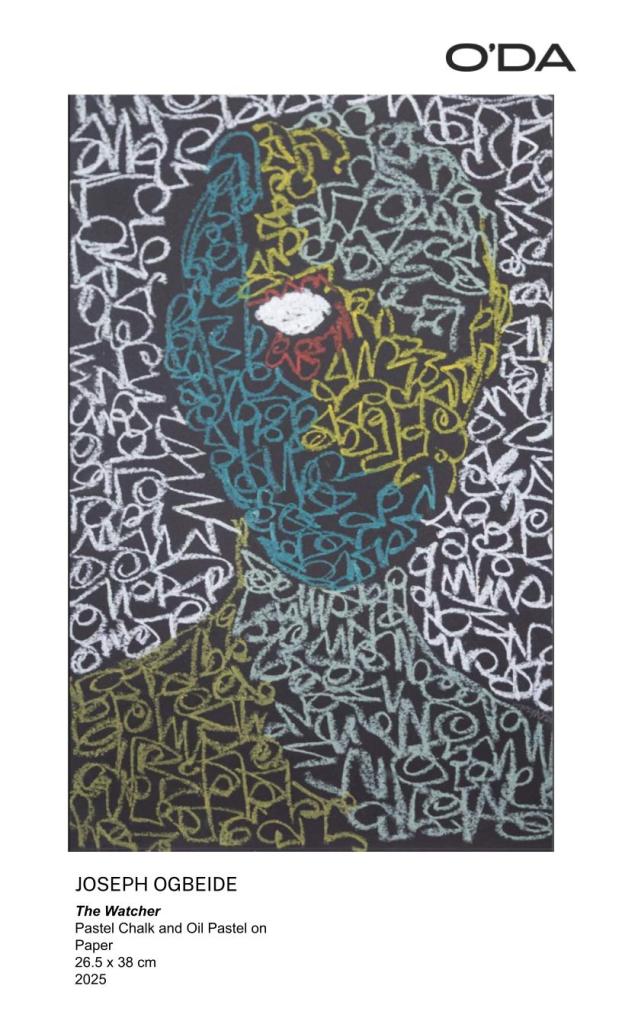
The theme arose from observing how Black artists worldwide are reclaiming figuration as a powerful language of identity, presence, and agency. For decades, the Western art canon overlooked or tokenized Black bodies, often presenting them through a colonial lens. Today, Black artists are actively redefining how they are seen by themselves and by others. Nigeria, with its vibrant contemporary art scene, is an essential part of this global movement, and now is the right time to amplify these voices and narratives as we witness a renaissance of representation in African and diasporic art.
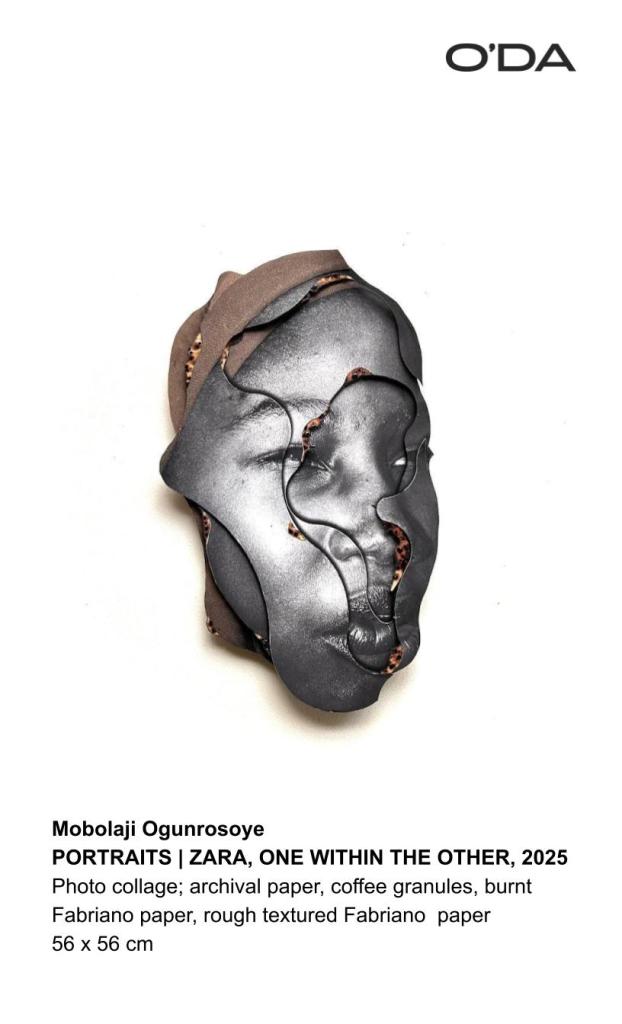
Can you tell us more about the artists participating in the exhibition and how they were selected?
The artists ranging from emerging voices to more established names were selected for their unique language and approach to their respective practises. They include Simon Ojeaga, Lakin Ogunbanwo, Opeyemi Olukotun, and others who interrogate themes of identity, memory, and resilience. We looked for artists whose work not only celebrates Black life but also challenges stereotypes and presents layered, complex narratives.
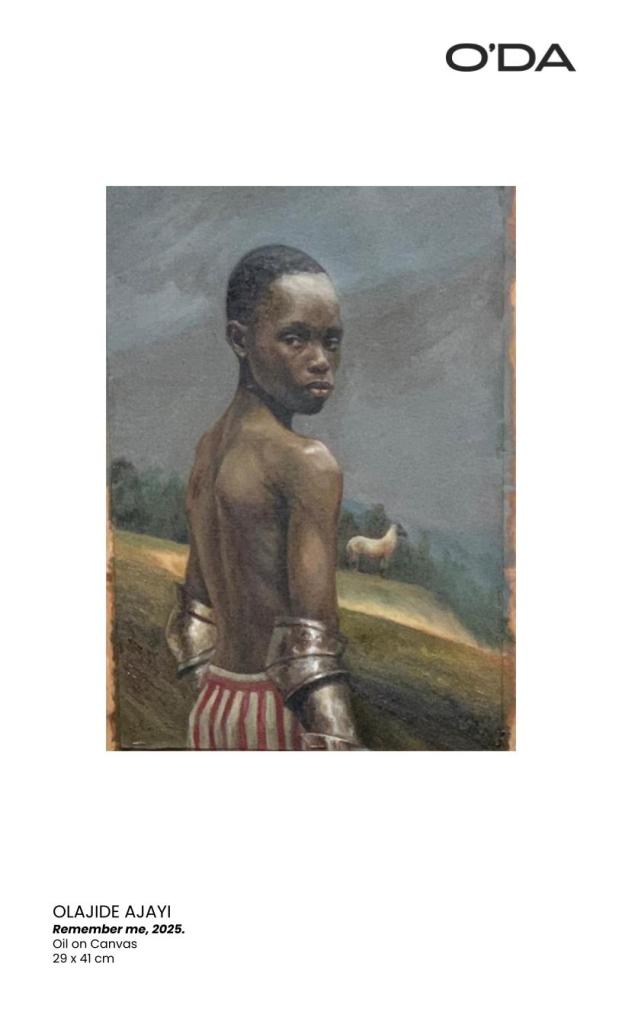
What does “Black Figuration” mean in the context of contemporary African art, and how does this show explore or challenge that definition?
Black Figuration, in this context, refers to artistic practices that foreground Black bodies and lived experiences, often in defiance of histories of erasure. For African artists, this means engaging with cultural heritage, postcolonial narratives, and the complexities of present-day identity. This exhibition both affirms the importance of representation and challenges us to see figuration not as static portraiture but as a space for innovation, abstraction, and conceptual inquiry.
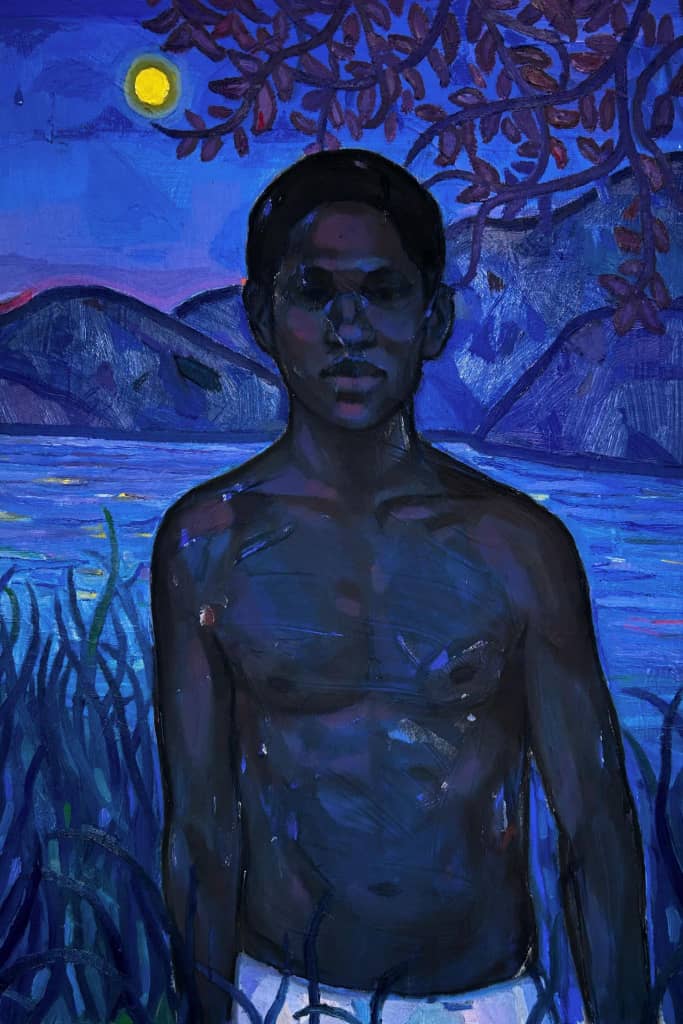
How do the artworks in this exhibition engage with identity, history, and lived Black experiences?
The works are deeply rooted in personal and collective histories, touching on family, spirituality, migration, memory, and everyday life. They show Black people not as subjects to be defined by others but as dynamic agents of their own stories. Some works use traditional mediums like oil painting to convey intimacy and presence, while others employ experimental approaches, such as layered photography and mixed media, to visualize complex identities and shifting cultural landscapes.
Are there particular mediums or styles that dominate the show, and why?
While painting is dominant—given its rich history in figuration—the show also includes sculpture, sound, and mixed media. This reflects how contemporary artists are stretching figuration beyond conventional portraiture, often merging African artistic traditions with modern techniques. This diversity of medium underscores the vitality and adaptability of Black figuration as a living, evolving form.
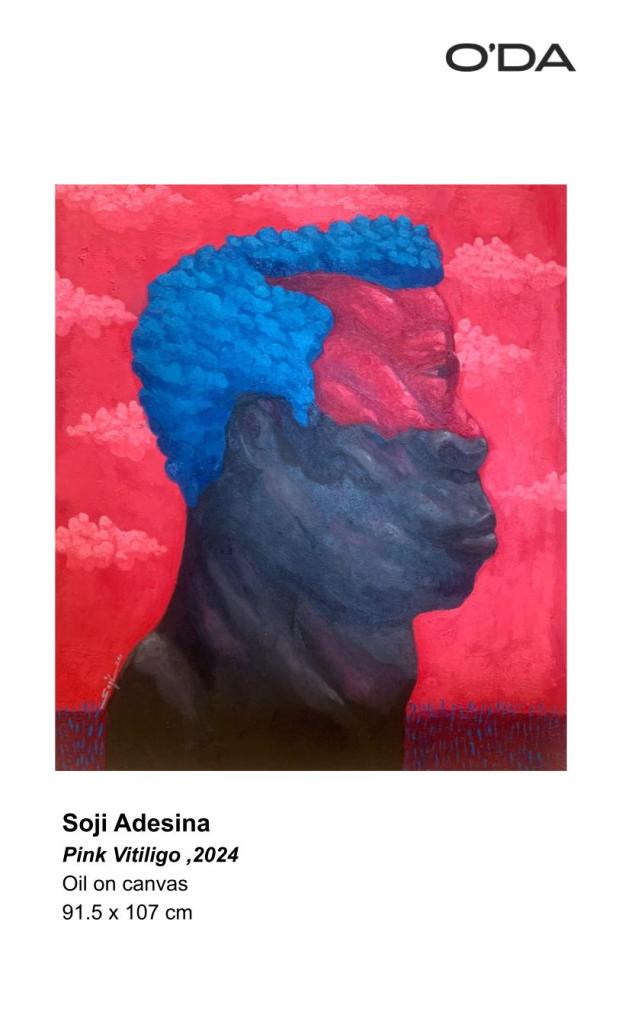
How does this exhibition connect with the gallery’s broader vision or mission?
O’DA Art is committed to showcasing art that engages with identity, culture, and critical social questions. “Black Figuration Is Alive And Well” embodies our mission to present conversations that matter to Nigeria, Africa, and the world. By foregrounding Black representation, the show aligns with our broader goal of amplifying voices and perspectives often marginalized or underrepresented in global art spaces.
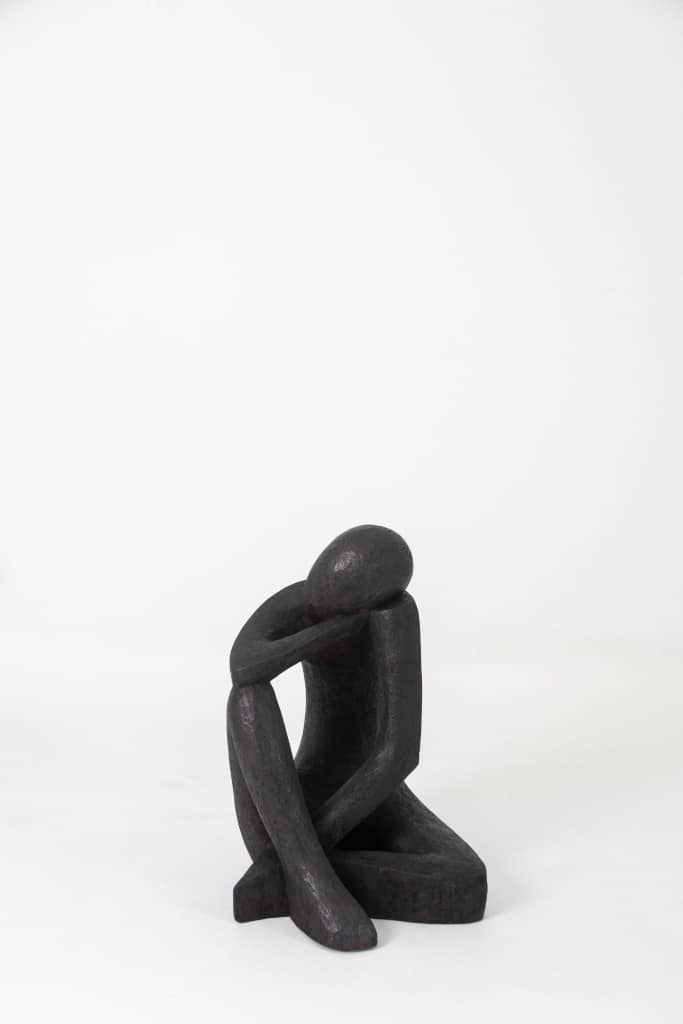
What roles do Nigerian audiences play in shaping the narratives around Black figuration in art, especially compared to global audiences?
Nigerian audiences are uniquely positioned to interpret and influence these narratives because they are not distant observers—they live within the cultural contexts being depicted. Their perspectives are vital in shaping how these works are understood and valued. Global audiences, while often engaging from a different vantage point, are now looking to places like Nigeria for authentic voices and stories that challenge dominant art historical narratives.
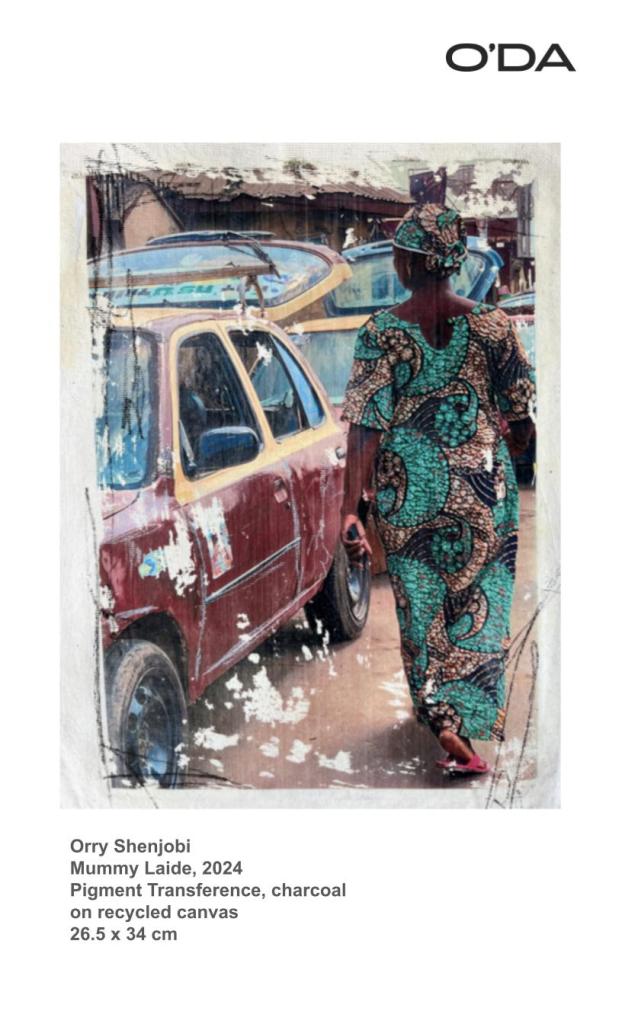
Are there any featured artists or works that visitors should particularly look out for, and why?
All of the artists bring their beautifully unique voices to the conversation on Black presence and identity. They are all a treat to see.
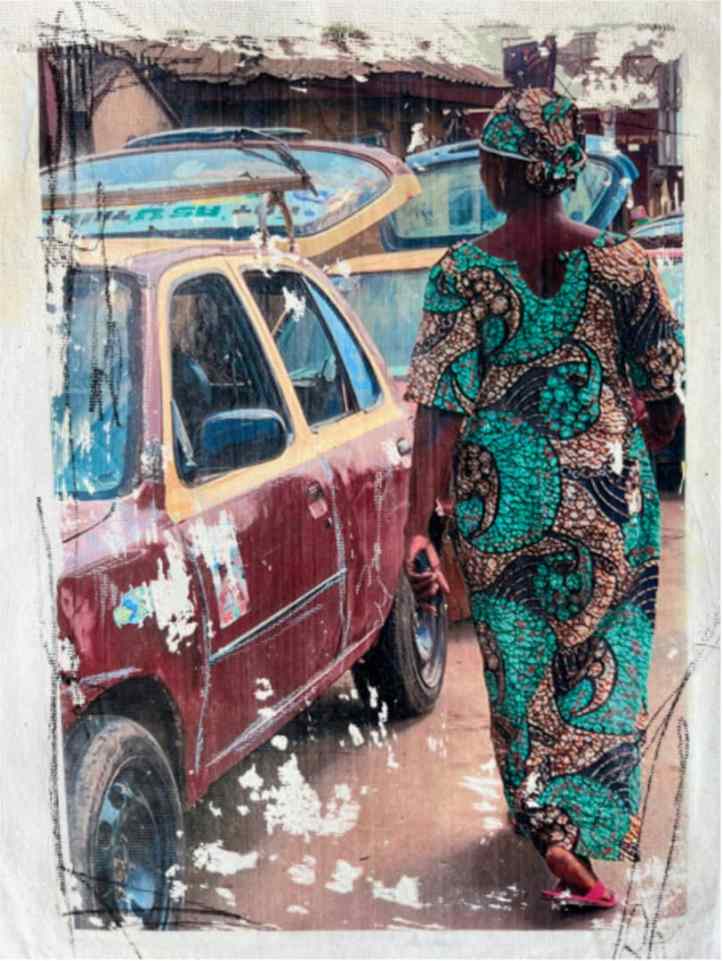
Will the exhibition include any side events like artist talks, panel discussions, or community engagement activities?
Yes. We have planned a creative panel discussion exploring the evolving conversation on who gets to define Black art. It will take place on the 16th of August, and a closing concert by Yinka Bernie on the 23rd of August. There will also be guided tours and community engagement activities aimed at younger audiences, reflecting our commitment to making these conversations inclusive and accessible.
What message or emotion do you hope visitors walk away with after experiencing “Black Figuration Is Alive And Well”?
I want visitors to leave with a sense of affirmation and expanded perspective. These works remind us that Black life is multifaceted—full of beauty, complexity, and resilience. I hope the exhibition prompts people to think deeply about representation, see the value of Black self-expression, and recognize that Black figuration is not just alive but thriving, pushing boundaries and reshaping the global art narrative.
Words /Ireho Aito/Don’t Keep Your Art in the Finger!/Images/Obida Obioha/O’DA Art Gallery

