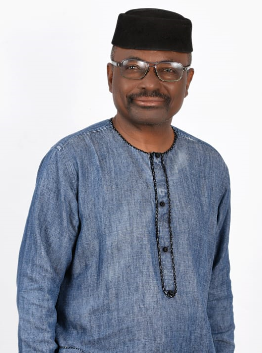
Moses Ohiomokhare on art, patience, and the surprising power of weather. Writes Ireho Aito
If you have been around Nigeria’s art scene long enough, chances are you must have heard the name Moses Ohiomokhare. And if you haven’t, let’s just say he is one of those rare custodians of culture whose journey is as fascinating as the art he curates.
With over 40 years in the business, Moses Ohiomokhare has seen Africa’s art world grow from a whisper into a global conversation and he has plenty of stories and wisdom to share.
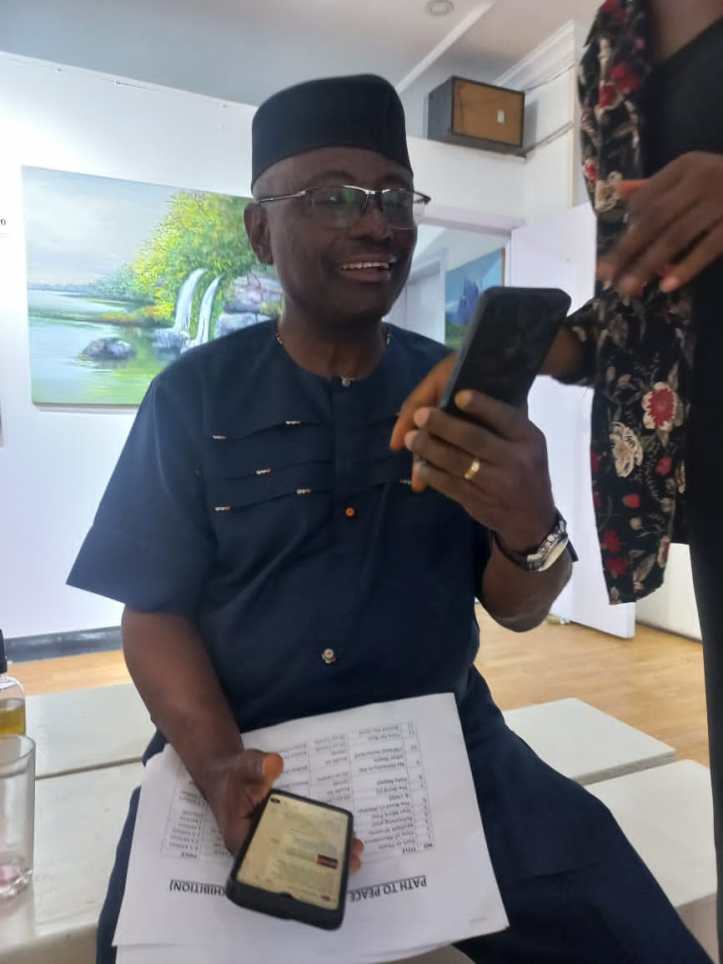
His journey began back in 1983, when a short three-month stint at Quintessence Gallery in Lagos stretched into three decades of shaping artists and pushing African creativity into the limelight. From working alongside visionaries like Dr. Kolade Orinoco, Dr. Kunle Adeyemi, Dr. Adeola Balogun, and Sam Ovraiti, just to mention a few, to guiding fresh talent into stardom, Moses has built a reputation as a curator with both brains and heart. He has toured globally working with seasoned and greenhorn artists with a thoroughly endowed curatorial practice.
But here is the twist while many talk about exhibitions, collectors, and the booming global interest in African contemporary art, Moses brings up something most people overlook which is the weather. Yes, in Nigeria, the skies have a say in whether art sells or not.
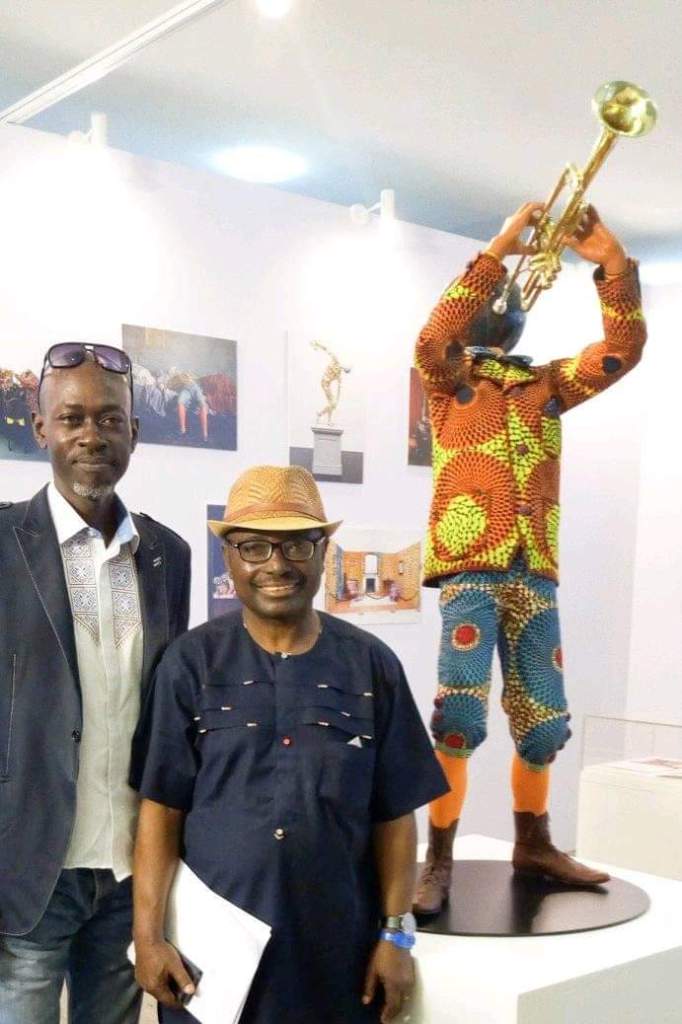
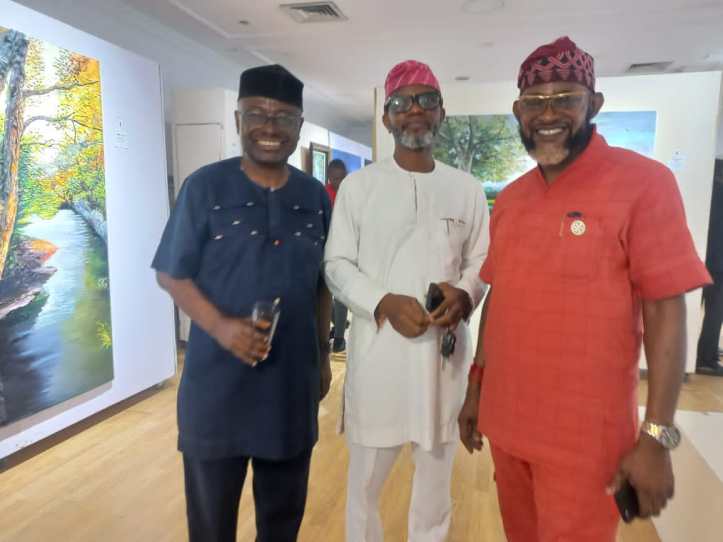
It was one of those cherished moments in a telephone conversation with Uncle Moses as he is fondly called in the visual art circle. His name is a signature to any artwork and exhibition because of his renowned presence in the business.
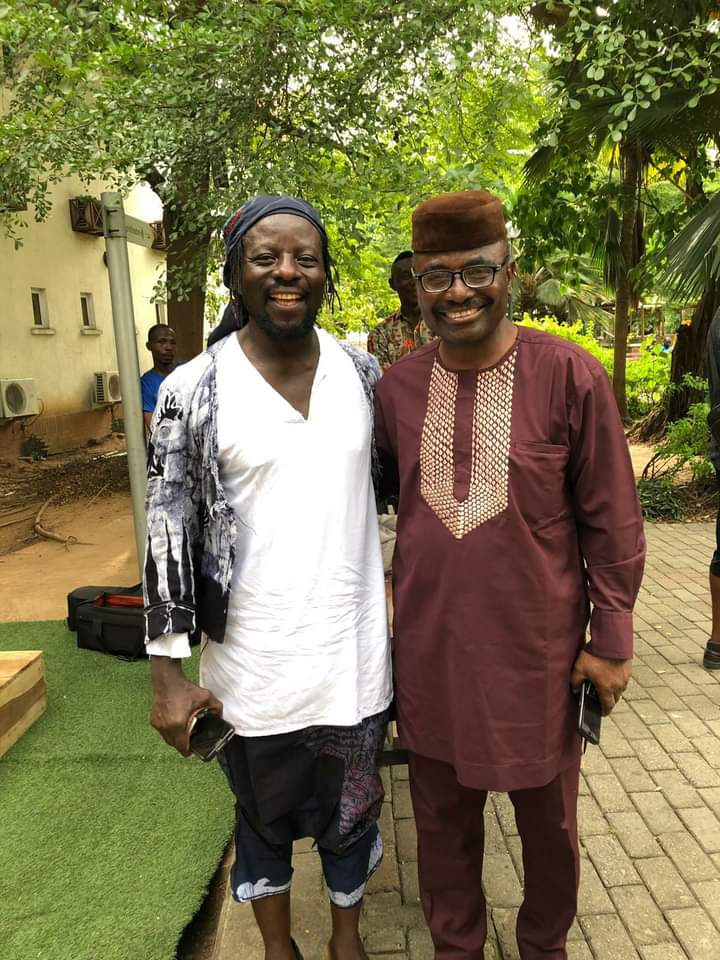
Uncle Moses chips in quickly while the conversation was on going about the current measures to improve art sales and exhibitions promotions.
“Rainy season is always harsh on art sales,” he says with the calm wisdom of a man who has waited out more than a few storms. “Collectors don’t like moving artworks when the heavens open. Roads flood, moods drop, and even attending exhibitions becomes a hassle. Nobody wants their prized canvas catching cold.”
He is right. Between April and October, when rain falls like it’s auditioning for a Nollywood movie role, galleries often feel the pinch. Moisture damage, unpredictable logistics, and traffic chaos make art pickups a nightmare. Even the most passionate collectors would rather stay home with a cup of tea than brave the downpour for a sculpture.
Collectors don’t like moving artworks when the heavens open.
But when the skies clear? Oh, the story changes. From November to March, the dry season brings the art world alive from the experience of Uncle Moses. “Roads are dry, spirits are high, and collectors are ready to spend. It’s no coincidence that Nigeria’s biggest art events, like Art X Lagos, pop up in November. The festive spirit of December adds fuel to the fire, with miniatures and smaller works flying off gallery walls as Christmas gifts, while companies snap up bigger pieces for year-end awards and celebrations.
Interestingly, September is also a hot month for sales. Perhaps it’s the back-to-business energy after the long summer lull, when many collectors are away holidaying in Europe or the U.S. But by the time September rolls in, the appetite for art is back, and the market buzzes again.”
Rainy season is always harsh on art sales,”
Of course, art is not immune to bigger storms either. From political crises to Covid-19, Moses Ohiomokhare has seen how quickly sales can dip when society trembles. Yet his philosophy is always simple and that is patience.

“My style is to wait and hang out there,” he says with a giggle . “Change will surely come for the better.”
And maybe that’s the real lesson. Beyond brushstrokes and pallete knives, auctions, and gallery openings, African art thrives in cycles such as weather, politics, economics, even mood. To be a successful curator, artist, or collector, you must not only know your art, but also know your seasons.
So next time you are planning to pick up a painting in Lagos, know your weather conditions to secure your golden window. Because as Moses Ohiomokhare reminds us, in Africa’s art scene, even the weather is a curator.
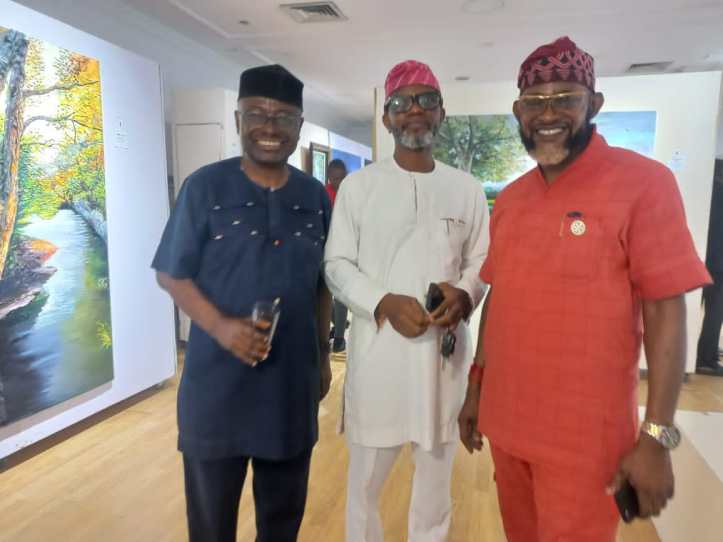

Words/Ireho Aito/Don’t Keep Your Art in the Finger!/ Moses Ohiomokhare Photographs/Google/iBAND Magazine

