
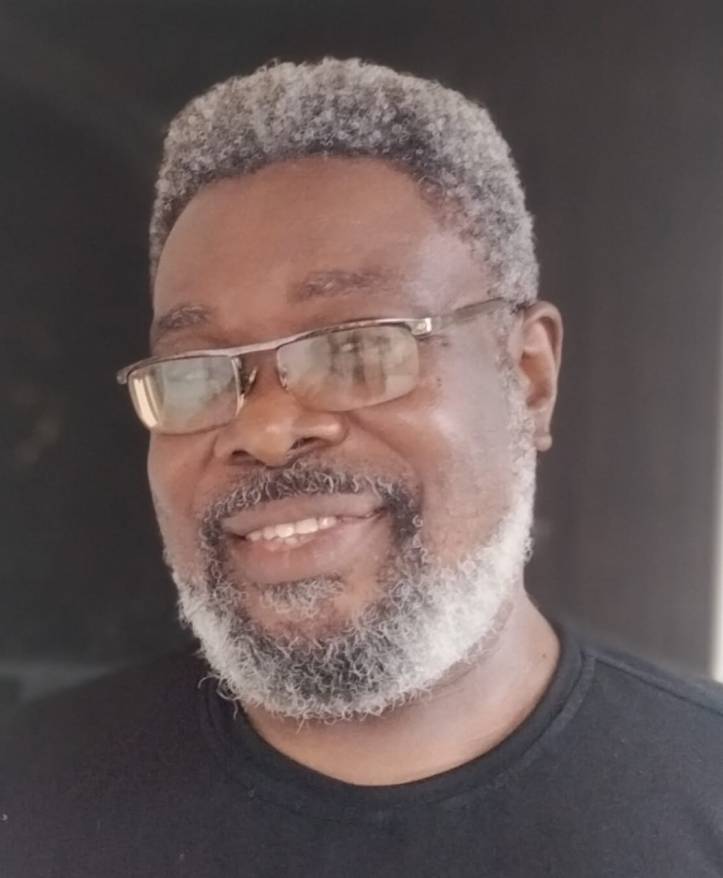
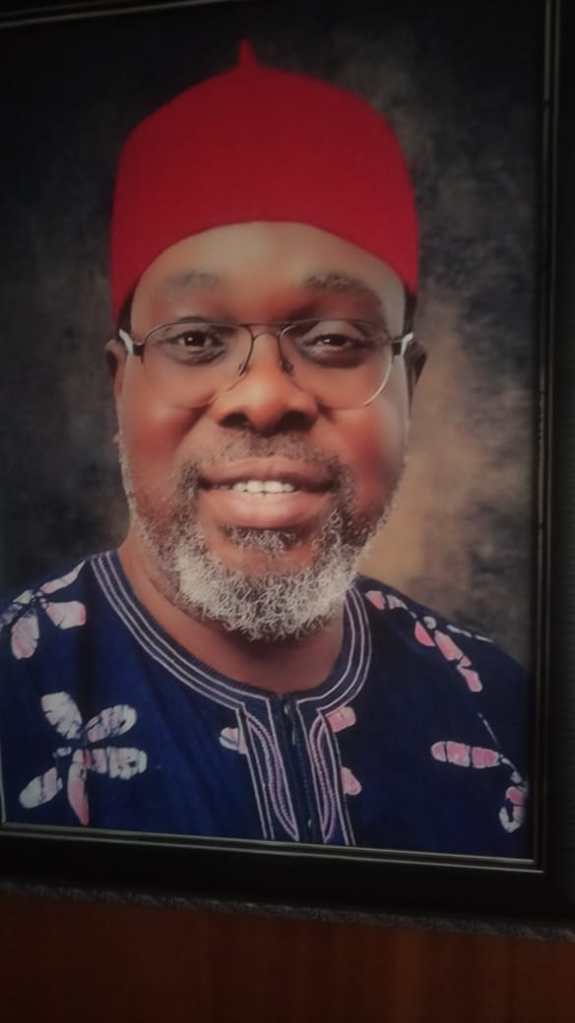
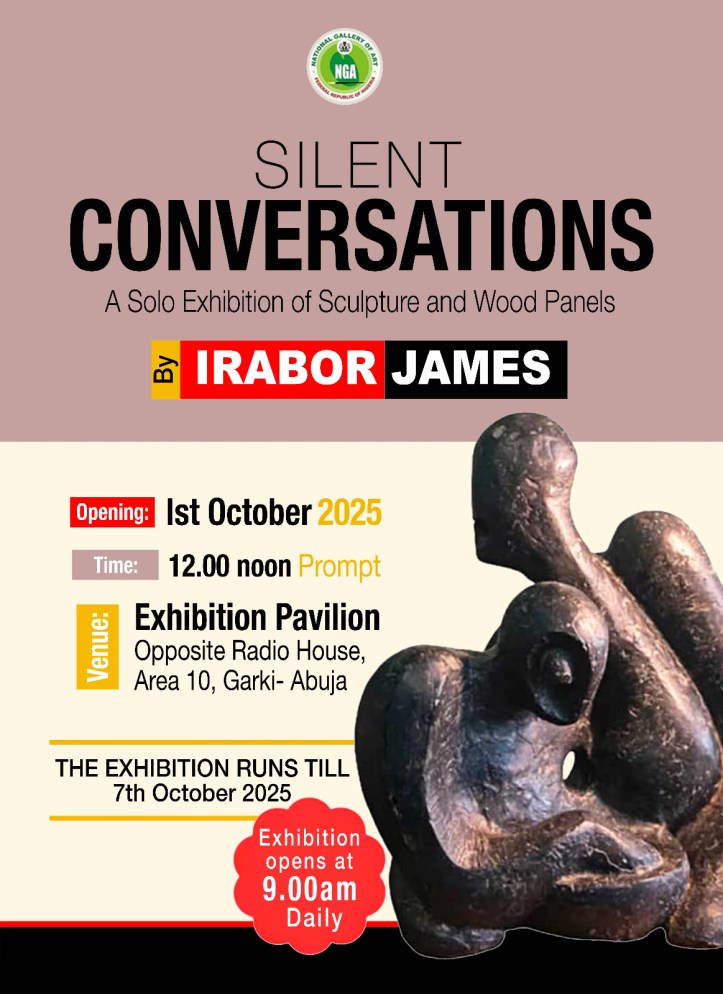
When Nigeria turns 65 on October 1st, 2025, a new chapter will also open in Abuja. At the Exhibition Pavilion, veteran artist James Irabor Uwagbale will unveil Silent Conversations, his long-awaited debut solo exhibition. For many, it will be the first chance to experience the breadth of a man who has lived art in education, civil service, and now full studio practice. Interview by Ireho Aito for iBAND Magazine in Lagos
Born with an eye for form and a hand guided by curiosity, James Irabor’s journey began in the classrooms right from his primary school at Sacred Heart Private School, Onireke, to Government College Ibadan, down to The Polytechnic Ibadan and Ahmadu Bello University, Zaria. There, he honed his skills, through being hired as an undercover for his secondary school in – house magazine – FOCUS Magazine and earning both a Bachelor’s and a Master’s degree in Fine Arts. His brilliance was so evident that he won the Cyprian Hejiani Prize for the best graduating student in sculpture in 1992. “Education gave me the foundation,” he says. “But it was curiosity that pushed me to keep experimenting on wood, metal, and fire, nothing was off-limits.”
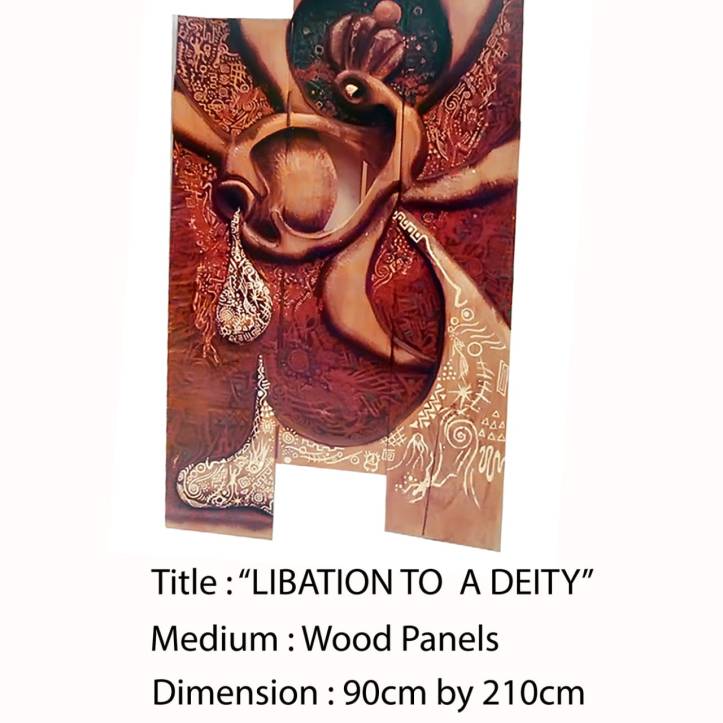
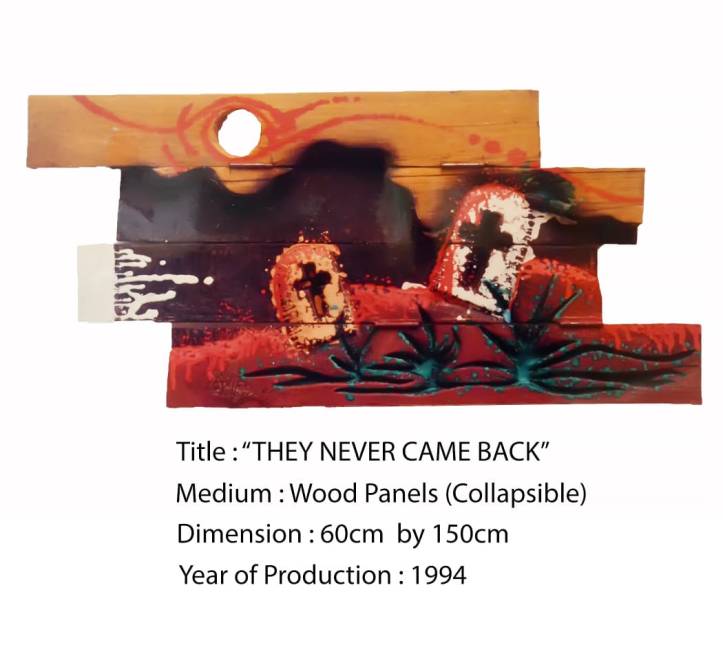
His curiosity took him into pioneering research with colouring carved wood with local dyes, burning wood panels with blow torches for dramatic effects, and exploring motifs across West Africa. These bold experiments shaped his distinctive style, a blend of African tradition and modern expressionism, rooted in deep cultural storytelling.
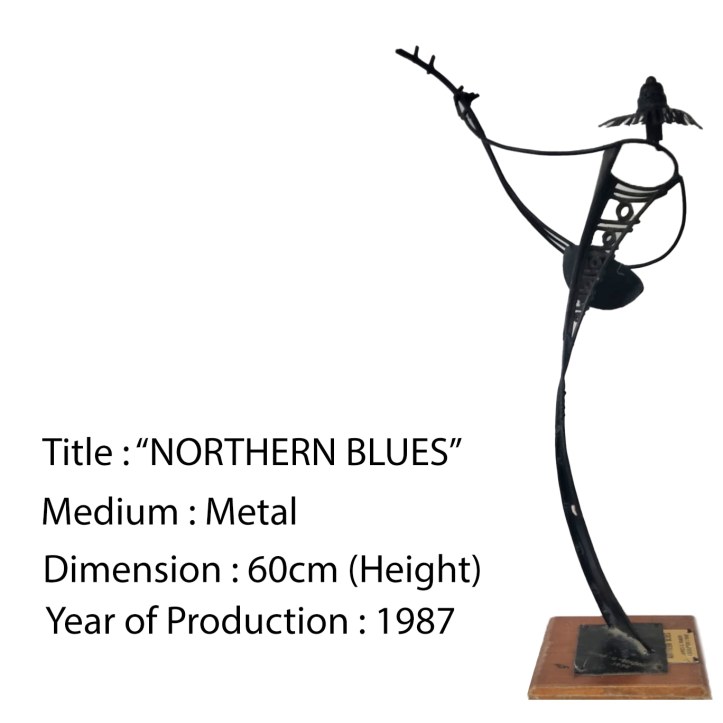
Yet, James did not confine his gifts to the studio alone. For decades, he served Nigeria in the Federal Civil Service, rising to Deputy Director at the National Gallery of Art. As curator and art administrator, he documented, nurtured, and promoted artists while sharpening his vision for what Nigerian art could be. “I saw the power of art from behind the desk,” he reflects. “But I always knew my own hands had more stories to tell.”
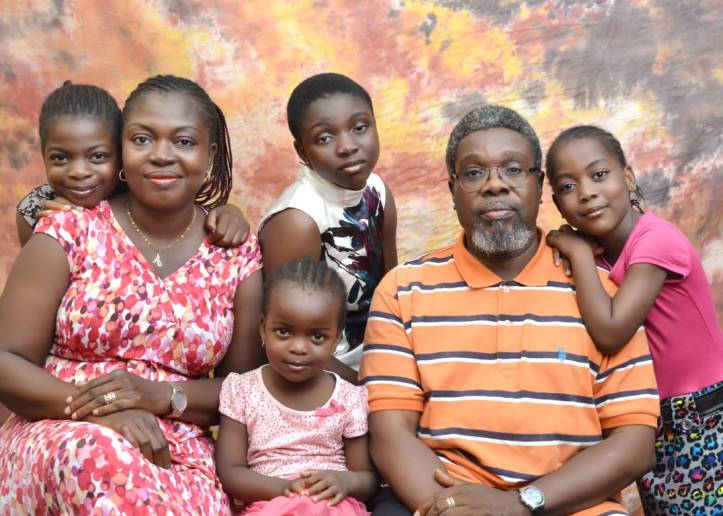
Now retired from public service, James has returned full circle to his first love which is creating. His Artwox Art Studio and Gallery has become both workshop and classroom, a space to educate children, inspire young artists, and welcome collectors eager for authentic African expression.
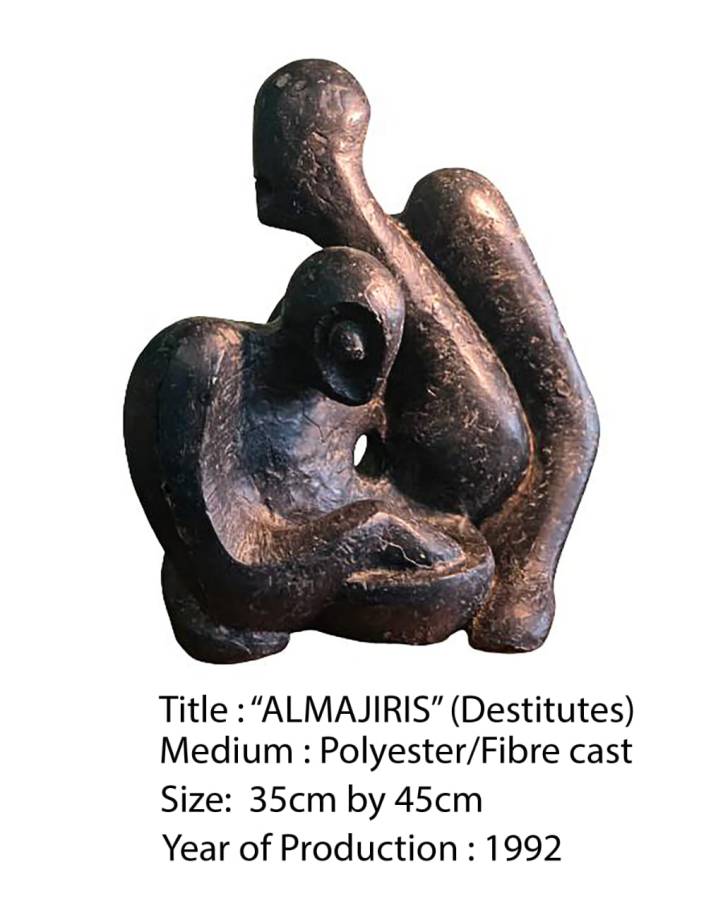
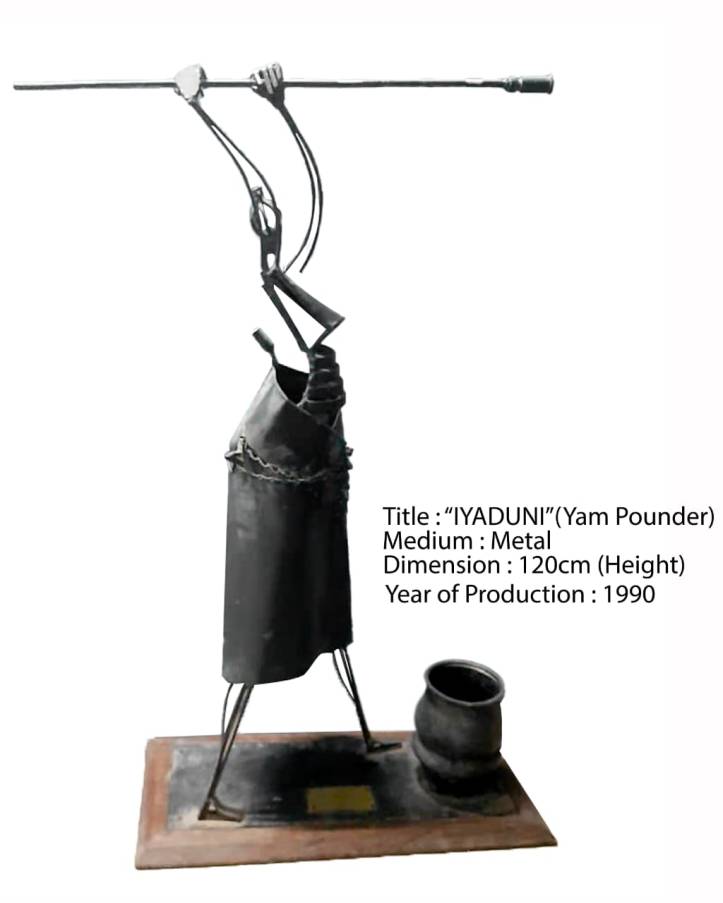
In Silent Conversations, James presents decades of exploration of sculptures, reliefs, and installations steeped in African motifs yet universal in voice. The exhibition is less about showing off than about sharing wisdom. “My works are conversations,” he explains. “They don’t shout, they whisper. They invite you to pause, reflect, and see yourself in them.”
Friends describe James as a man who carries both discipline and playfulness. His civil service years gave him structure; his art gives him freedom. Together, they form the essence of this exhibition that is polished yet daring, African yet global.
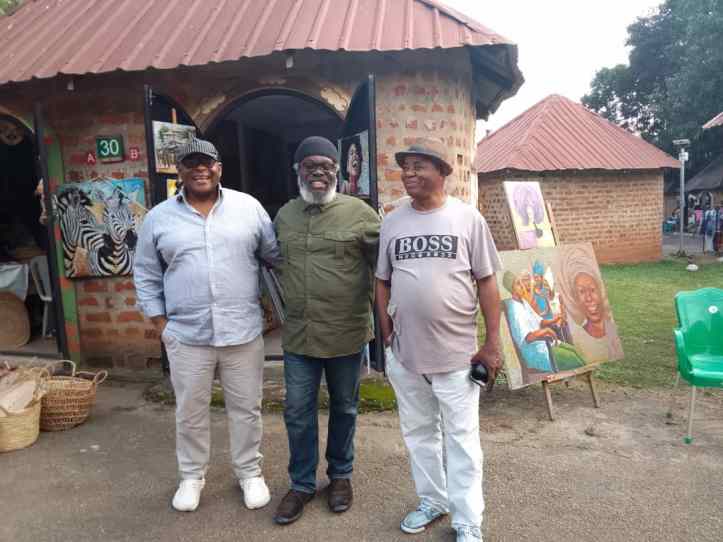
For James, debuting on Independence Day is symbolic. “Nigeria and I are telling our stories together,” he says with a smile. “We are both old enough to reflect, but still young enough to dream.”
As Abuja prepares to celebrate freedom and unity, Silent Conversations will add a quieter but equally powerful voice, a reminder that nations, like people, are shaped not just by politics and policies but by art, culture, and imagination.
iBAND Magazine caught up with the man of the moment who is presently the movement piloting the conversations we need to hear.
This is your debut solo exhibition. Why did you choose to title it “Silent Conversations”?
James Irabor
Behind every artwork lies countless “silent” negotiations moments of struggle, compromise, and inspiration that are often unseen. “Silent Conversations” reflects not only my dialogue with wood, metal, colour, and form, but also the unspoken dialogue I hope each viewer has when engaging with my work.
How significant is it that your exhibition opens on October 1st, Nigeria’s Independence Day?
James Irabor
It is deeply symbolic. Independence represents freedom, reflection, and renewal and these are the themes present in my art. Launching Silent Conversations on that day ties my personal journey with our collective national story.
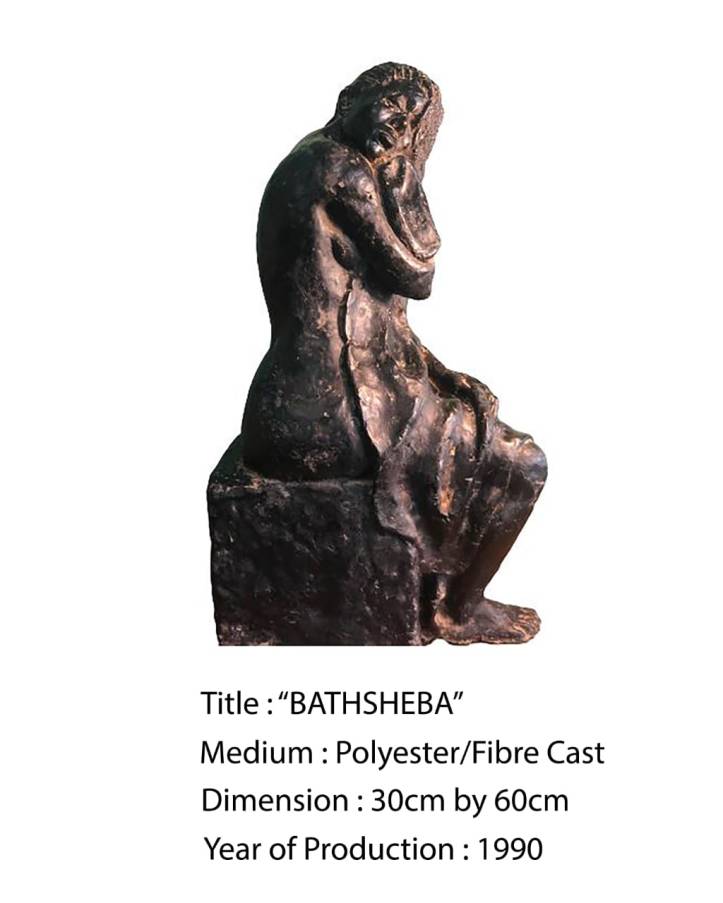
Your works combine carved wood, metal, fibreglass, and acrylics. Why such a wide mix of materials?
James Irabor
Each material speaks differently. Wood carries memory, metal embodies strength, fibreglass allows experimentation, while colours and motifs add rhythm. By blending them, I push boundaries and create layered narratives that reflect the complexity of life.
What themes should visitors expect to encounter in “Silent Conversations”?
James Irabor
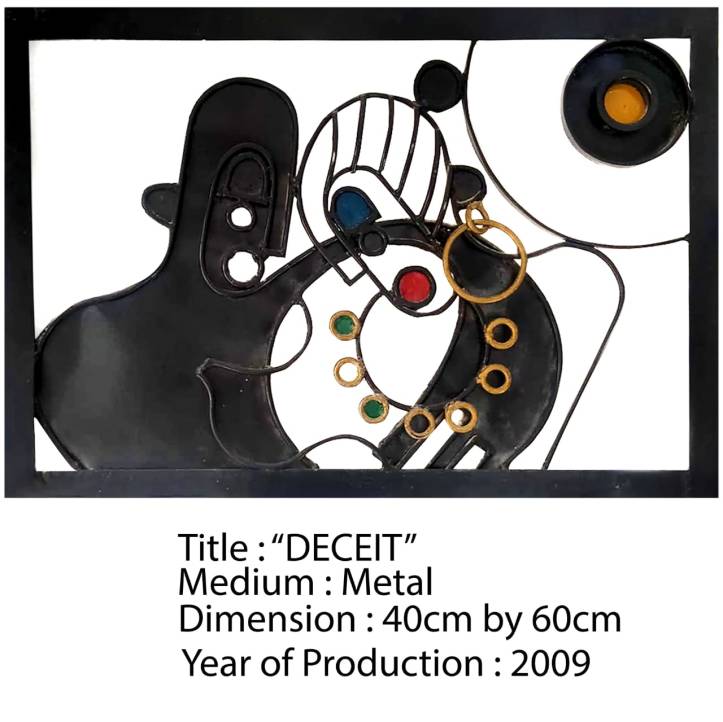
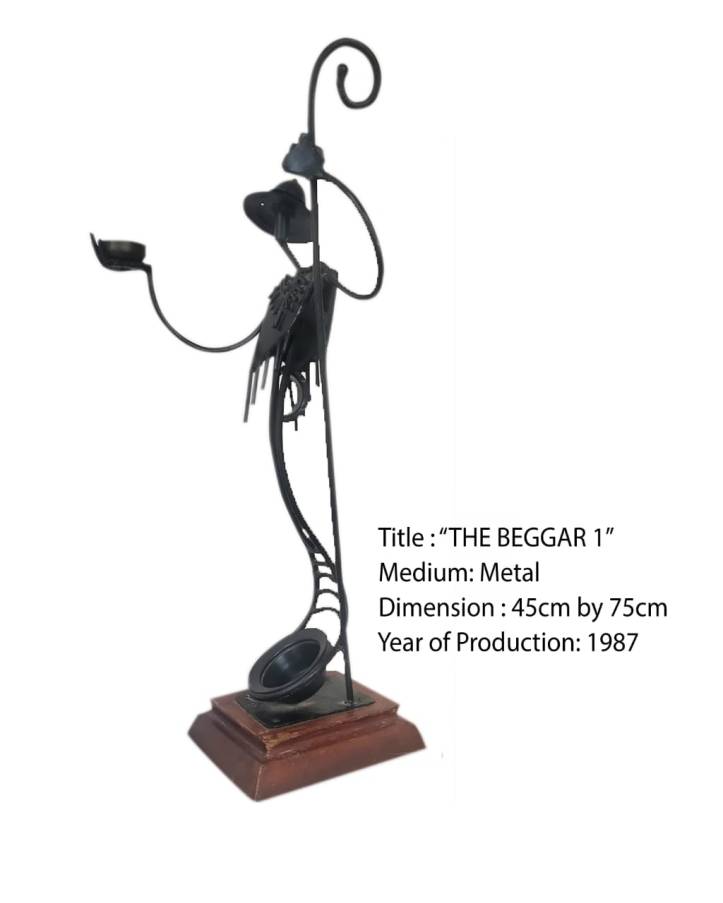
Viewers will see silent but urgent commentaries on environmental degradation, hypocrisy, child neglect, salvation, culture, and even sports. My aim is to provoke reflection without being loud. I am presenting 30 work to the public and the style cut across stylised expressionism (synthesis), avant – garde, experimentation with carved wood panels using metal hinges, hooks and metal angle bars for suspension. The application of coloured signs, symbols, motifs and self – derivatives for embellishments.
What inspired you to finally step out with a solo show after so many years in art administration?
James Irabor
The idea for this debut exhibition was actually prompted by two of my former classmates and colleagues, Wande George, a painter and visualizer who shared a studio with me at The Polytechnic, Ibadan, and Prince Leonard Oronsaye, a sculptor who was my studio mate at Auchi Polytechnic.
The first nudge came from Wande shortly after he heard of my retirement from the National Gallery of Art. He said, “James, now that you are retired, it is time to return to your first love which is Art. Think seriously about this and work towards a big comeback with a debut solo exhibition that showcases the body of work you have kept hidden all these years during your civil service hibernation.”
The second push came from Leonard after he learned that I had been contracted as Director of Curatorial to handle the first Benin Art Fair (TBAF). He called me and pleaded, saying, “James, you have been in hibernation for too long. The silence is becoming too loud. It is time for the art community in Nigeria to finally experience the works you have been keeping in storage for over 30 years.”
Those words from both friends stayed with me and they became the spark that set Silent Conversations in motion.
Reflecting on your portfolio, you mentioned Afro-Cultural Communication. Could you explain what that means in your practice?
James Irabor
For me, Afro-Cultural Communication is about visual storytelling through signs, symbols, motifs, and abstract forms rooted in African identity. It is a language without words that still conveys depth, emotion, and meaning.
Looking back, what role did your childhood play in shaping you as an artist?
James Irabor
A huge role. Growing up in Ibadan, I was exposed to drawing, weaving, and comics. I used to cut out Marvel superheroes and create my own storylines. Later, at Government College Ibadan, I became the “secret” cartoonist for the school magazine. Those playful beginnings shaped my sense of narrative and experimentation.
Since you started out in science-oriented courses, how did the visual art side of you come to light?
James Irabor
For me, art was an escape from the rigours of science into an imaginary world of beautiful fantasies and boundless adventures. It became a relief, a pleasure, and a pleasant pastime to venture into the unknown. It was like peeping into dreamland, a kind of utopia. I cherished those fleeting moments when you could truly be yourself, not what others expected you to be. You create stories in your subconscious and bring them to life through drawing, painting, moulding, or carving. That, to me, is an extraordinary gift.
Over time, I found myself leaning more towards fine art and architecture, because they are closely related. Both deal with form, structure, drawing, landscape, figures, colours, and textures. In fact, some of the courses I encountered in architecture, like “art in architecture,” made the link even stronger. For me, it became clear that it was either going to be art or architecture but eventually, fine art swept me off my feet. From that moment, I have done nothing else but art.
And no stigma…?
Of course, there was a stigma back then. Artists were often seen as ragamuffins, never-do-wells, or dull brains. Society’s obsession with white-collar jobs placed science far above the arts. Many believed an artist could not survive on art alone. That mindset was deeply ingrained for a long time, until the “art boom” of the 1990s, which erupted from the Lagos art scene. Its ripple effect spread across the nation from north, east, to the south. Artists began travelling to Lagos for exhibitions, finding patronage from collectors, enthusiasts, and especially the new generation banks. That was when the narrative began to change.
Can you share your higher institution experience?
James Irabor
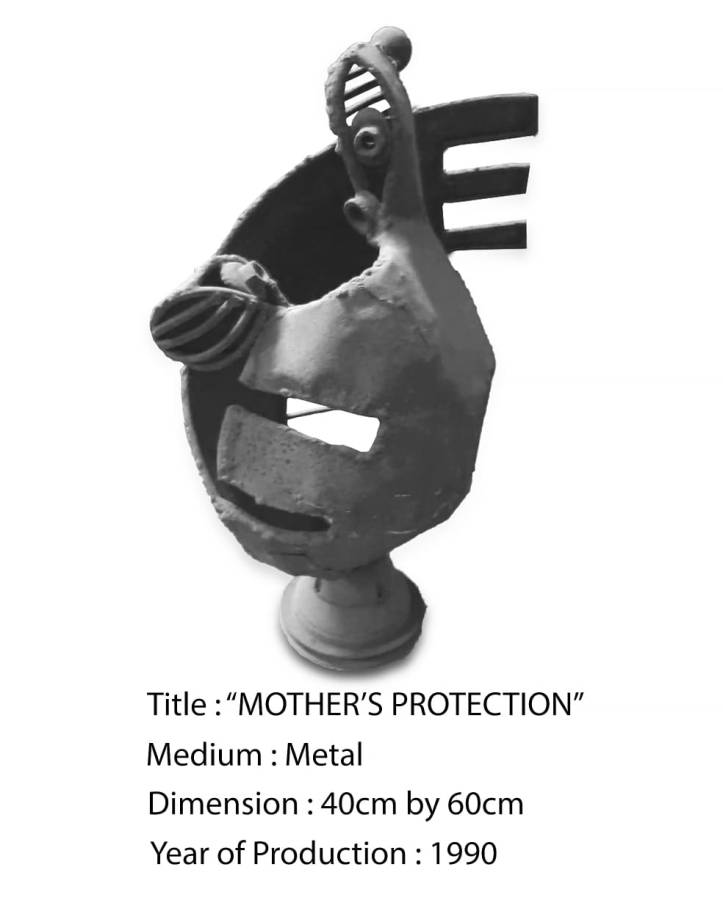
I was privileged to attend some of the best art schools in Nigeria. The Polytechnic, Ibadan for my OND, Auchi Polytechnic for my HND, and Ahmadu Bello University, Zaria, where I obtained both my BA Fine Art (Sculpture Major) and MFA (Sculpture).
My entire adult life has revolved around the art studio. You could call me a “studio rat,” because all my thrills, entertainment, inspiration, and fulfillment came from sharing that space with great and gifted colleagues.
In all these institutions, I was known for always being in khaki overalls. It became my signature look, Monday through Sunday. Some students and even lecturers thought I was a labourer working on site.
Most of us Fine Art students barely used our hostels. We only went back to the halls to bathe and freshen up. It was crazy wayback, the rooms we paid for were underutilised but the studio had a pull. It was simply more fun to be there all day and all night.
Can you still recall your first studio engagement, and what was it like combining a 9-to-5 job with studio practice?
James Irabor
My very first studio experience dates back to my OND days at The Polytechnic, Ibadan. It was scary, wild, but also very interesting. We often chose to work through the night on our assignments. The entire complex would be quiet and deserted, except for the sound of music, smoke drifting in the air, and the buzzing of automated tools and equipment that kept us company till dawn.
After school and my NYSC, I opened my first gallery in Ibadan, called Earthworks Art Gallery, which was situated in my family house. My dad was intrigued by the whole idea, he loved seeing me at work in the studio. My mum, however, wasn’t too comfortable with the nude female figure paintings I used in studying anatomy for my life drawing classes.
Later, my 9-to-5 administrative duties in the civil service gradually pushed me into hibernation. The studio became a place I could only visit occasionally, mostly to make quick sketches for future engagements in my ongoing dialogue with wood and metal.

You often mention the Bible verse Exodus 31:1–6 as your spiritual anchor. Why is it so important to your art?
James Irabor
That scripture speaks about Bezalel, whom God filled with wisdom, skill, and craftsmanship. It reminds me that art is not just talent but a calling and divine gift meant to serve humanity.
What should visitors expect to see in Silent Conversations?
James Irabor
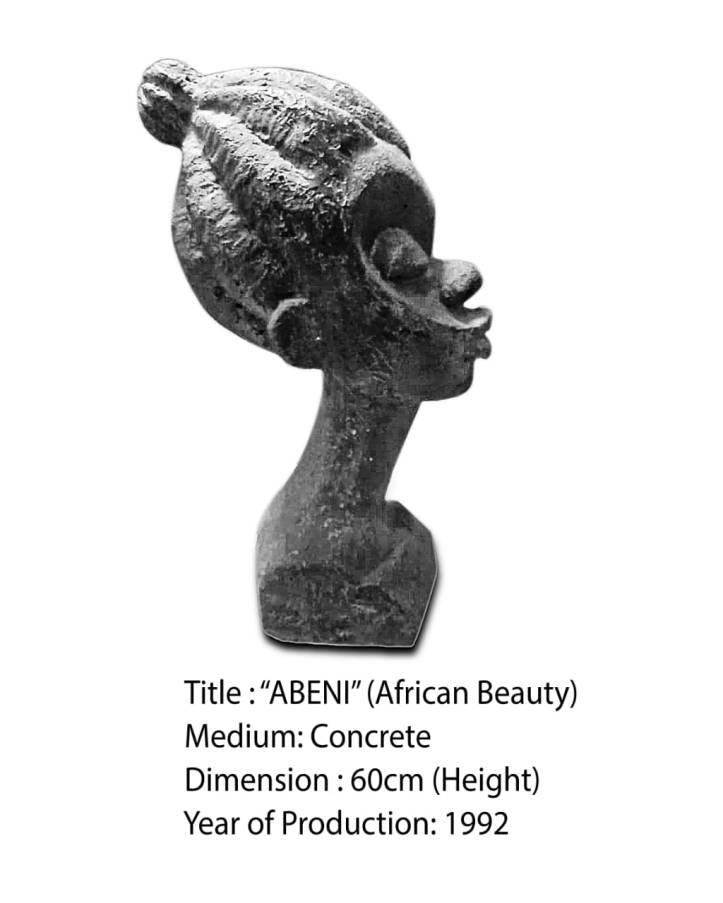
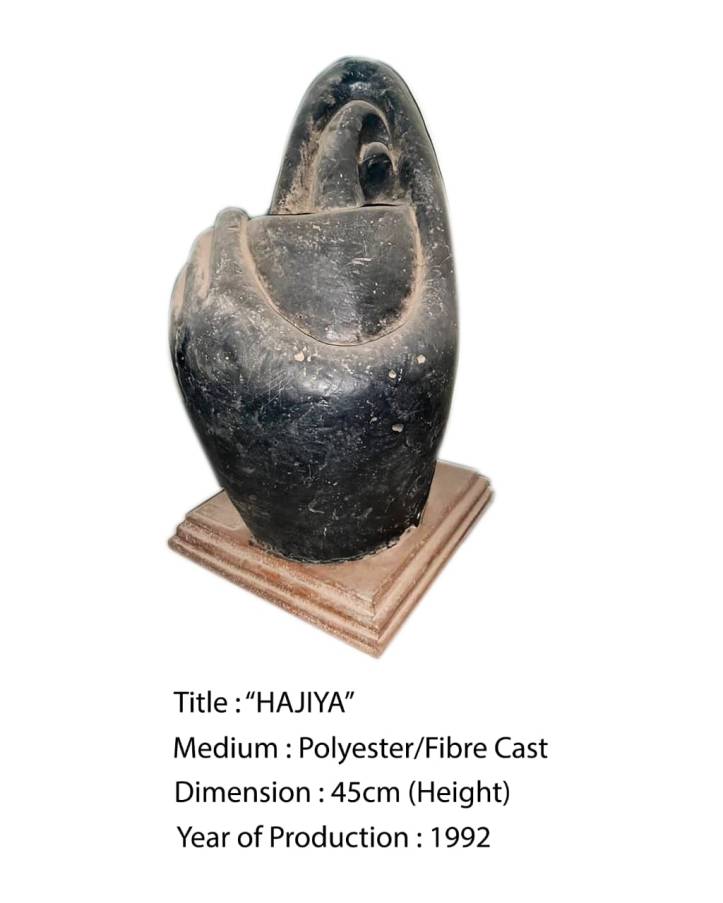
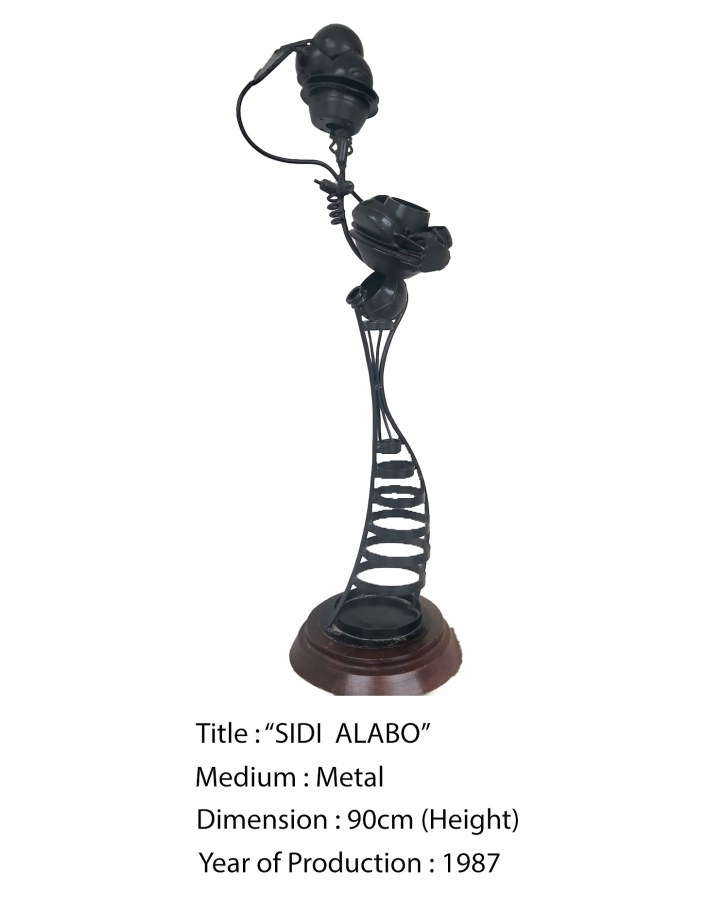
They will encounter collapsible carved wood panels, metal works, polyester, and concrete cast sculptures. Each piece is a different medium but they all connect through the idea of dialogue between materials, textures, and the human spirit.
Why did you choose to work with wood, metal, polyester, and concrete?
James Irabor
Each material has its own character. Wood carries tradition and memory, metal speaks of strength and endurance, polyester opens new possibilities in texture, and concrete grounds everything in permanence. Together, they create layered conversations.
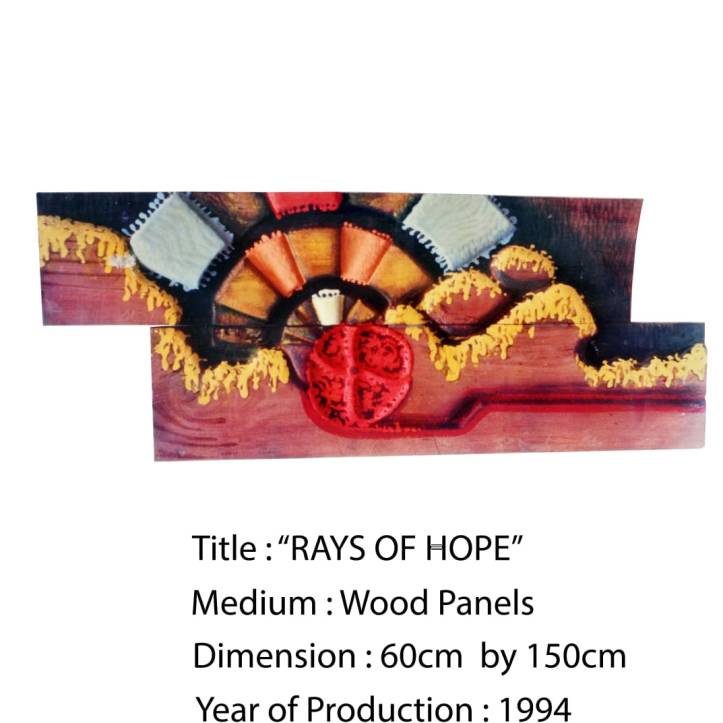
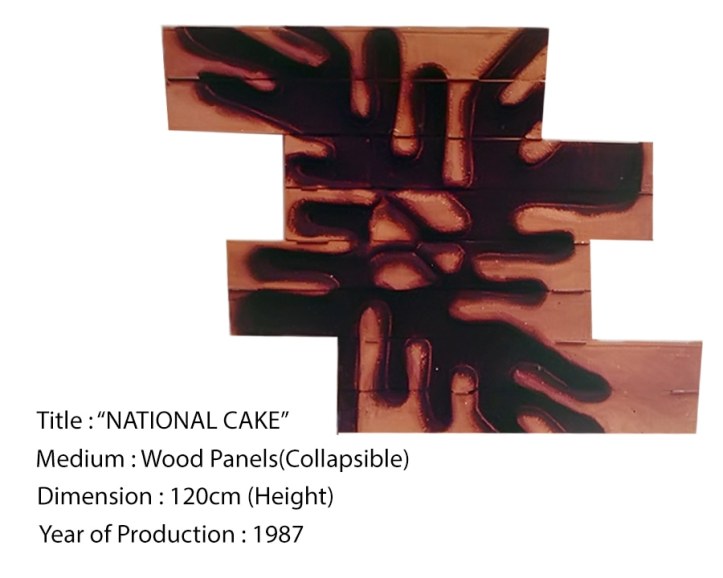
The collapsible carved wood panels sound intriguing. Can you explain more about them?
James Irabor
They are sculptural panels that can be folded or reassembled in different ways. I like the idea that art doesn’t always have to be static, it can transform, adapt, and mirror the flexibility of life itself.
How does your Nigerian heritage influence this exhibition?
James Irabor
Deeply. Our traditions, symbols, and ways of storytelling are embedded in my work. Even when I experiment with modern forms, there’s always a root in cultural memory.
Silent Conversations is opening on Nigeria’s Independence Day. Was that intentional?
James Irabor
Yes. I wanted the exhibition to coincide with a moment of reflection for the nation. Just as my works invite silent dialogue, Independence Day invites us to think about our collective journey.
What has been the most challenging part of preparing for this debut?
James Irabor
Honestly, deciding what to show. I have created so much over the years, and curating down to pieces that tell one clear story has been the toughest part.
And the most rewarding part?
Seeing the works finally come together in one space. Watching them interact with each other has been incredibly rewarding.
If you could describe the mood of Silent Conversations in one word, what would it be?
Introspective.
Your style leans towards abstract expressionism in sculpture. What draws you to abstraction rather than realism?
James Irabor
Abstraction allows freedom. By reducing forms to biomorphic, geometric, or linear shapes, I can explore space, voids, and emotions in ways realism can’t. It’s about evoking feelings rather than replicating appearances.
Finally, what do you hope visitors take away from “Silent Conversations”?
James Irabor
I want them to pause, reflect, and have their own silent conversations. If my work makes someone look inward, question society, or reconnect with nature, then I have achieved my purpose.
Interview/Ireho Aito/Don’t Keep Your Art in the Finger!/Photographs/James Irabor Archives

