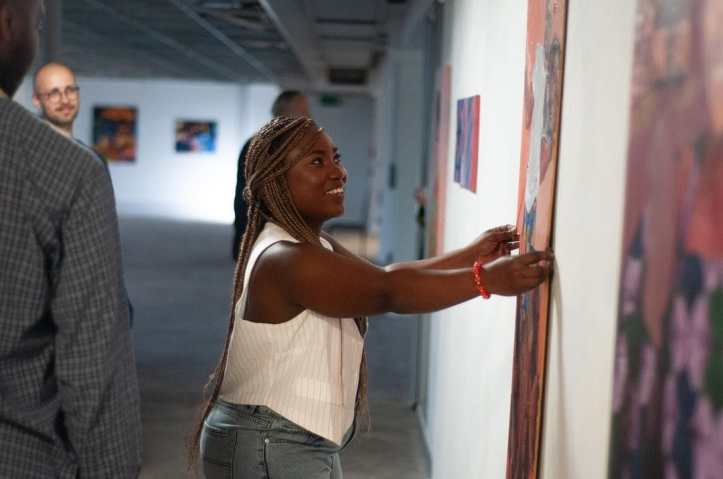
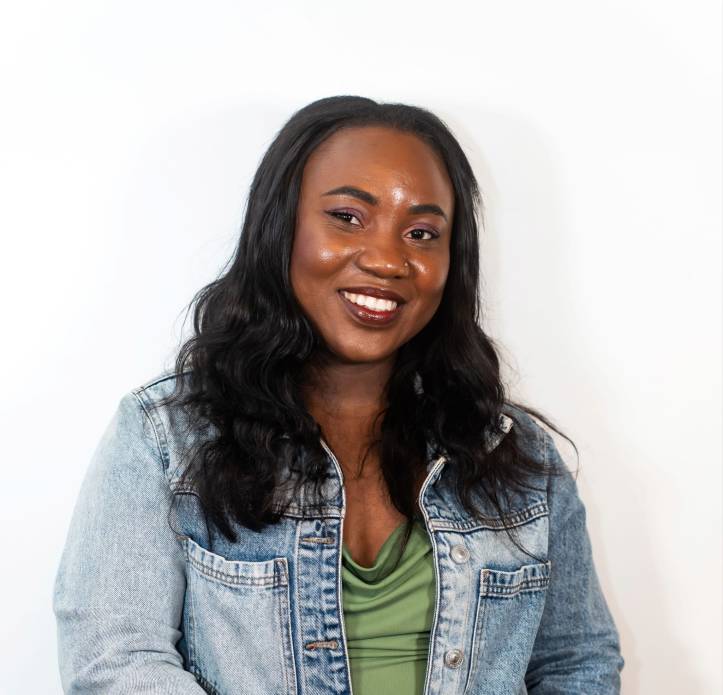
Oluwaseun Mojisola Ademefun’s journey in art spans childhood experiments in Lagos to international showcases in London and Tijuana. Her practice blends personal history with global concerns, transforming discarded materials into powerful statements on waste, value, and identity. Through her acclaimed project Rethinking Rubbish, she has become a leading voice for ecological awareness and cultural reclamation.
Cover | l
In conversation with iBAND Magazine, she reflects on her early beginnings, the influence of family, her journey through Nigeria and the UK, and the personal values that shape her practice. Writes Ireho Aito
Roots and Early Influences
Oluwaseun Mojisola Ademefun was born in Akure but grew up in Lagos and raised by her grandparents. Their home, filled with her grandfather’s eclectic art collection, was a living gallery that shaped her sensibility. “Objects hold stories and histories,” she recalls, crediting her grandfather’s passion for collecting and her grandmother’s tolerance for her wall drawings as the spark that nurtured her creativity.
Those early years in Lagos were soothing. Its textures, rhythms, and contradictions gave her a visual vocabulary that continues to inform her work. “Art was instinctive and necessary,” she explains. “It wasn’t something I stumbled into, rather, it was already part of me.”
Her talent was soon guided by mentors. At Yaba College of Technology, she studied painting, while at Universal Studios of Art, she honed her professional discipline. Later, pursuing a Master’s degree at the Cambridge School of Visual and Performing Arts in the UK, she expanded her technical language and deepened her engagement with global discourses on art and ecology.
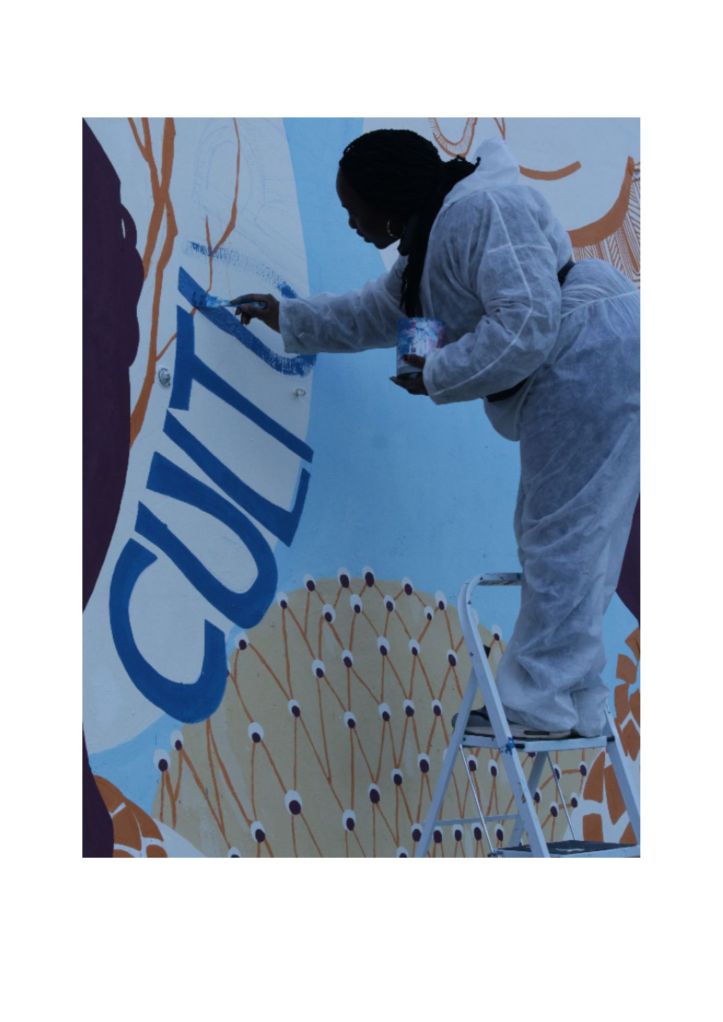
The Birth of Rethinking Rubbish
For Ademefun, discarded materials are not simply leftovers; they are metaphors. “Material is meaning in my work,” she says. “Transforming what’s rejected into something meaningful is an allegory of reclamation.”
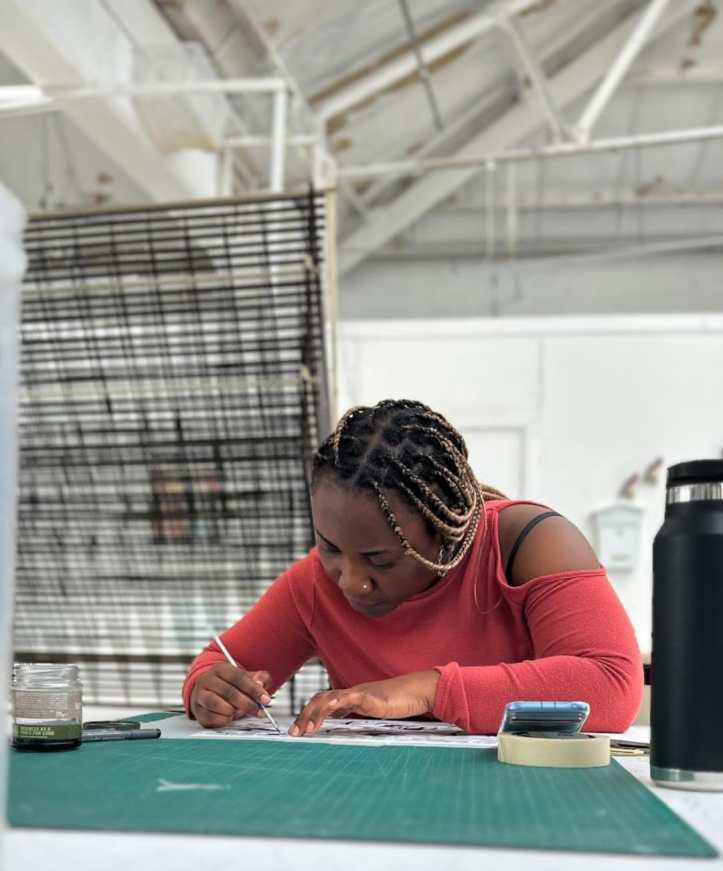
Her project Rethinking Rubbish grew out of this conviction. It situates Lagos, London, and Tijuana as symbolic sites: Lagos, the heartbeat of her origins; London, a diasporic and global hub; and Tijuana, a city of borders and thresholds. Across these geographies, her installations question cycles of consumption, colonial legacies, and environmental urgency.
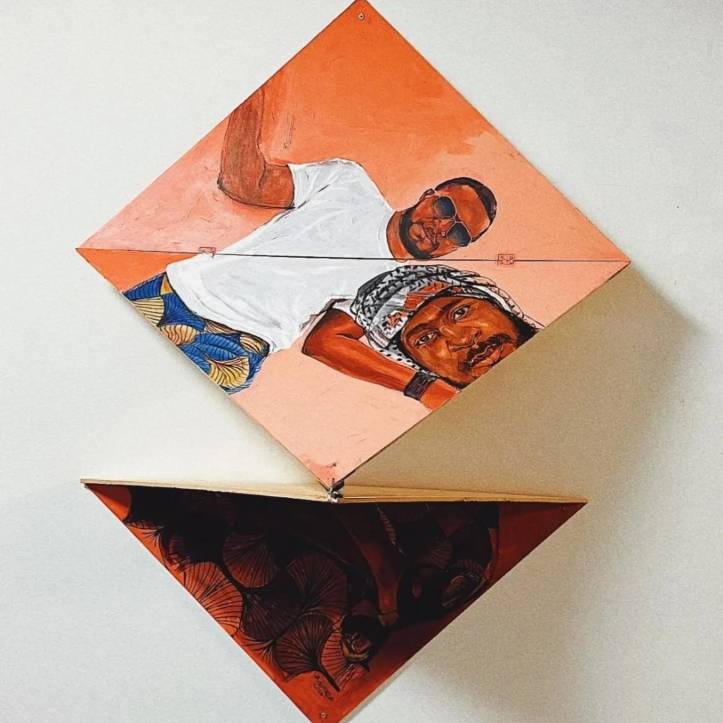
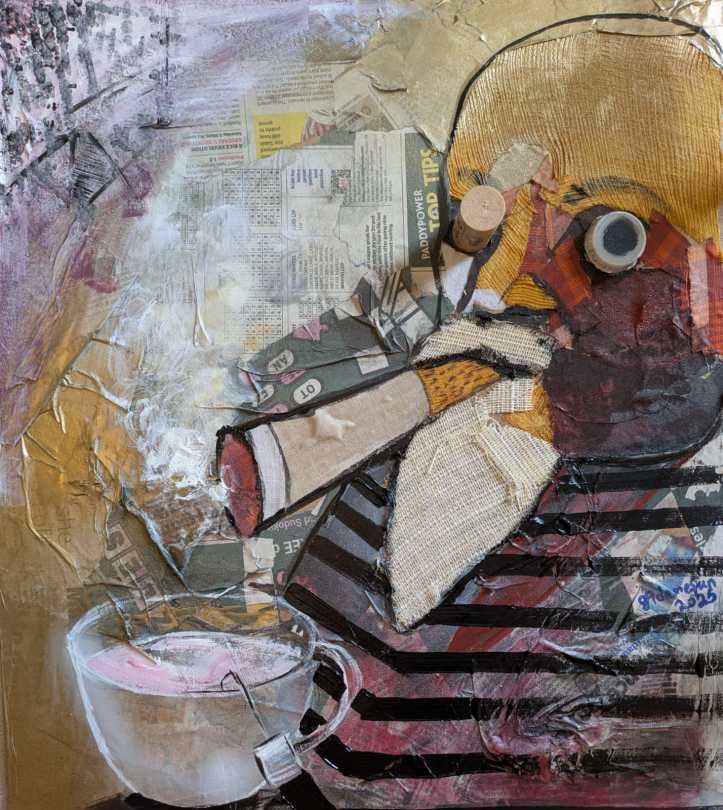
In works such as Inhale, Steep, Repeat and The False Contaminant, Ademefun explores society’s definitions of purity, value, and waste. “These pieces challenge assumptions,” she notes. “They ask us to see the potential in what we discard.”
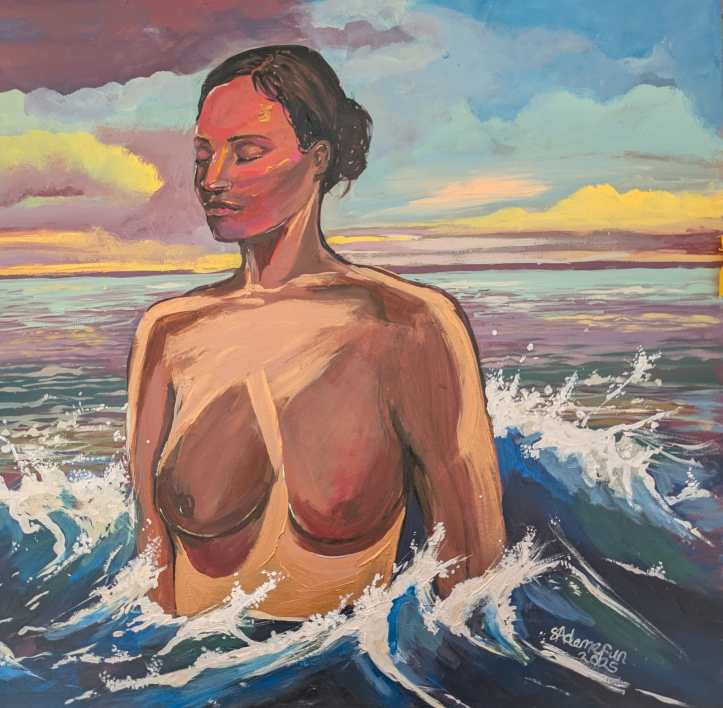
Challenges and Commitments
Working as an eco-artist in Nigeria has not been without obstacles. There would always be scarce resources, institutional skepticism, and logistical hurdles among them. Yet Ademefun remains undeterred. Resilience, she insists, is one of her guiding values. “Obstacles are inevitable, but persistence transforms them into stepping stones.”
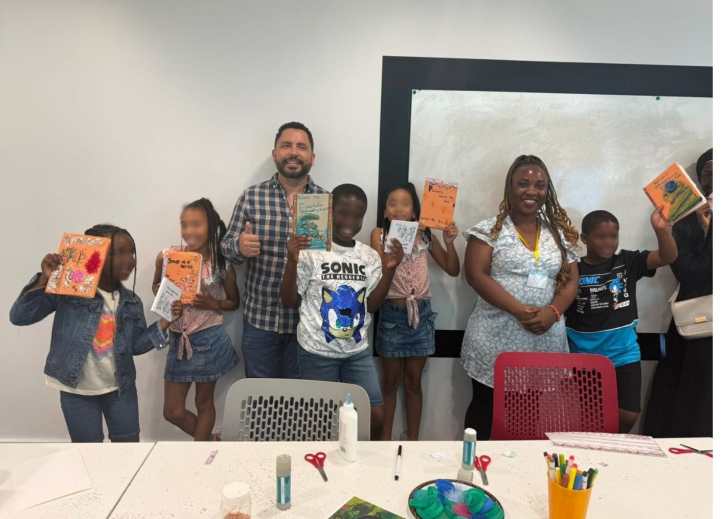
Beyond resilience, she highlights authenticity, curiosity, responsibility, and connection as the principles underpinning her art. These values, she explains, ensure that her practice remains both personally true and socially engaged.
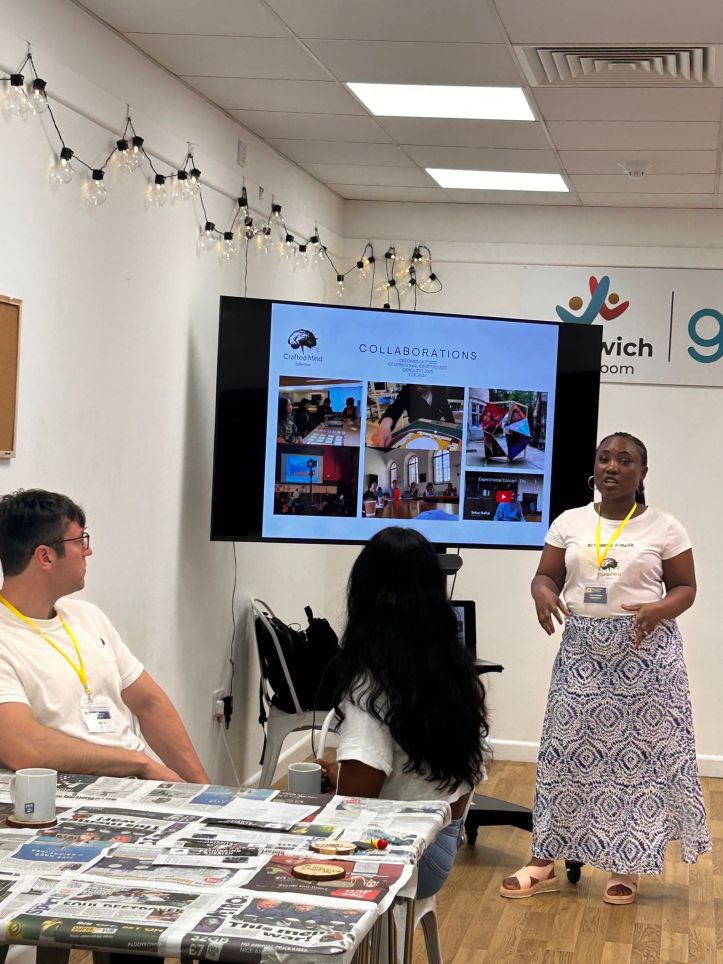
Her family, once witnesses to a child scribbling on whitewashed walls, now see her work with pride. “They view my shift toward environmental themes as an evolution, not a departure,” she reflects.
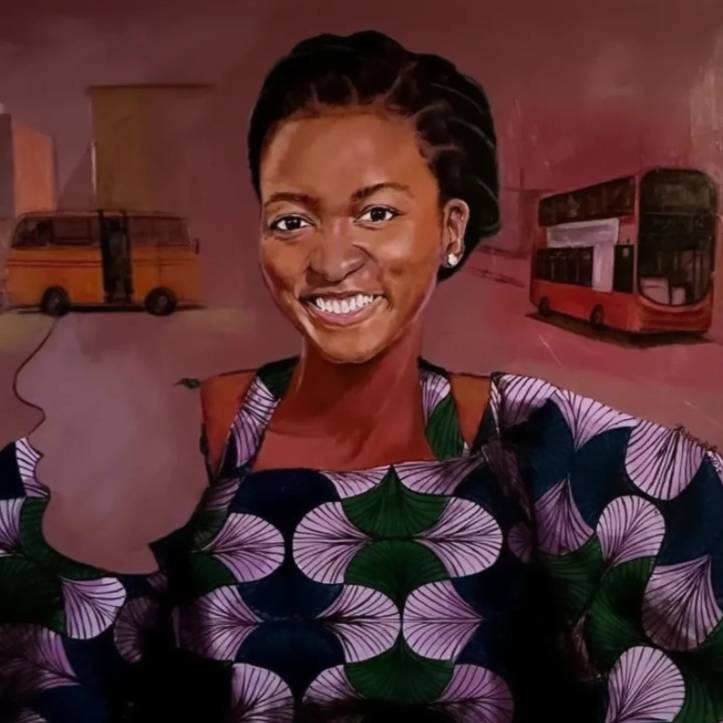
Looking Ahead
The future of her art is ambitious. She envisions large-scale, multidisciplinary installations that merge painting, sculpture, and immersive experience. A dream project, she reveals, would be Rethinking Rubbish: Borderless Materiality, a global traveling exhibition to be staged in migration-impacted cities, with each location engaging local artists in dialogue around waste, identity, and belonging.
Outside the studio, Ademefun’s curiosities are wide-ranging from philosophy and music to film and interactive games. Each, in its way, informs her practice by expanding her sense of connection and narrative possibility.
A Message for the Next Generation
For young Nigerians, Ademefun’s story is a testament to possibility. From childhood sketches to international exhibitions, her path illustrates that beginnings need not define boundaries. “Your origin does not limit your reach,” she affirms. “Waste can hold stories, just as overlooked identities can hold power. Stay curious, persistent, and bold.”
Interview by Ireho Aito/Don’t Keep Your Art in the Finger!/ Images/Artworks/Photographs: Oluwaseun Mojisola Ademefun

