
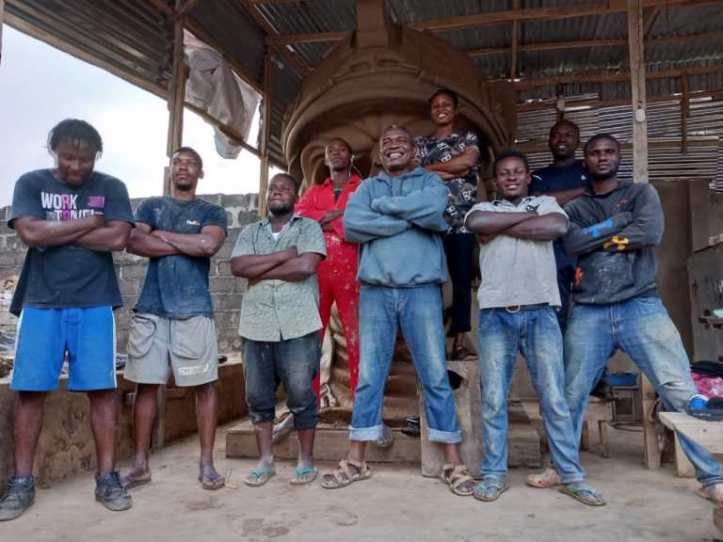
iBAND Magazine has consistently spotlighted African creatives whose work transcends aesthetics to engage society, culture, and identity. From artists redefining materials to visionaries building institutions, our pages have followed stories where creativity meets responsibility.
Words Ireho Aito | Don’t Keep Your Art in the Finger! Photographs and Images courtesy Ato Arinze archives/Google
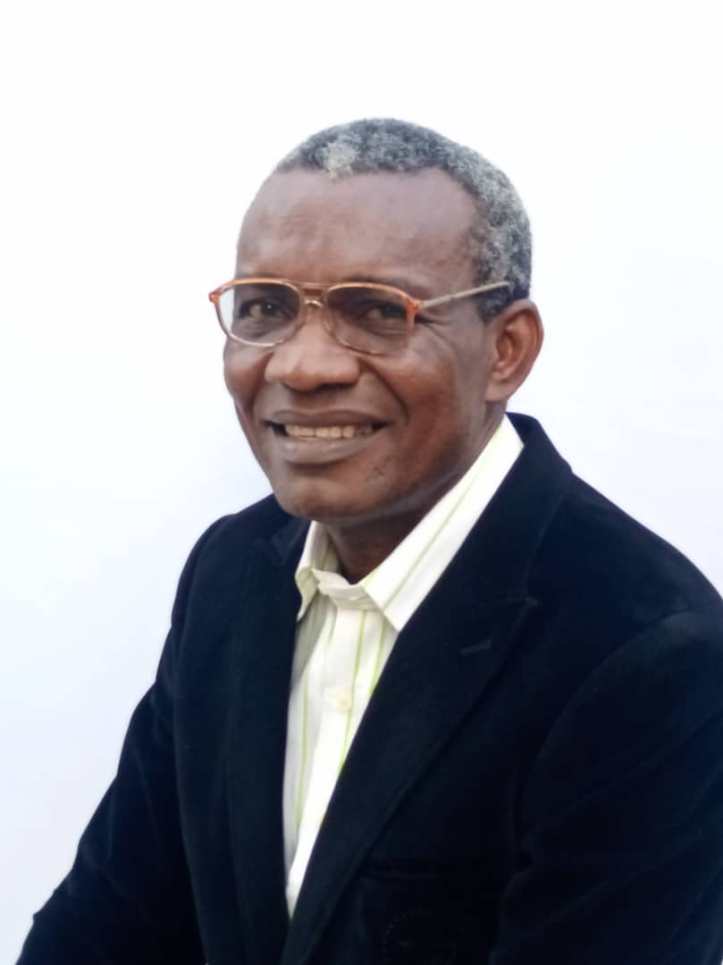
In this tradition, Sculptor Ato Arinze stands as a unique figure who is proudly African. With over three decades of studio practice, a mastery of clay and form, and a philosophy that sees the artist as both witness and historian, Arinze has long been respected within Nigeria’s and Africa’s art ecosystem. His recent confirmation as the 4th substantive President of the Sculptors Association of Nigeria (ScAN) marks a defining moment, not only for his career, but for the future of sculpture practice and advocacy in the country and Africa at large.
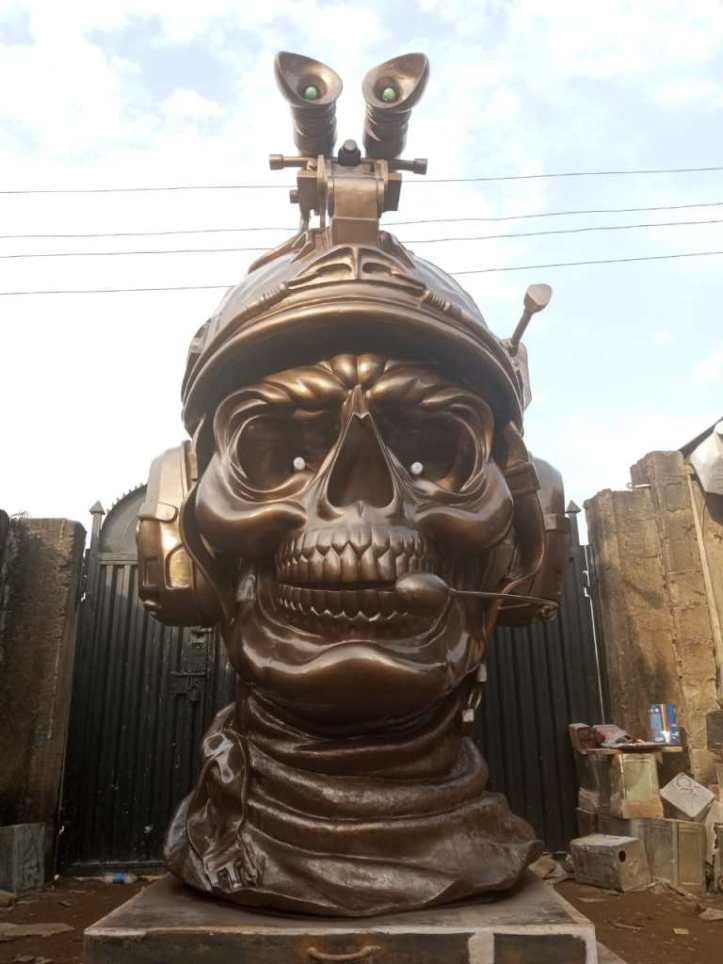
Having first served in an acting capacity, his leadership was unanimously endorsed by the Board of Trustees following a year of measurable impact, intellectual engagement, and renewed member participation.
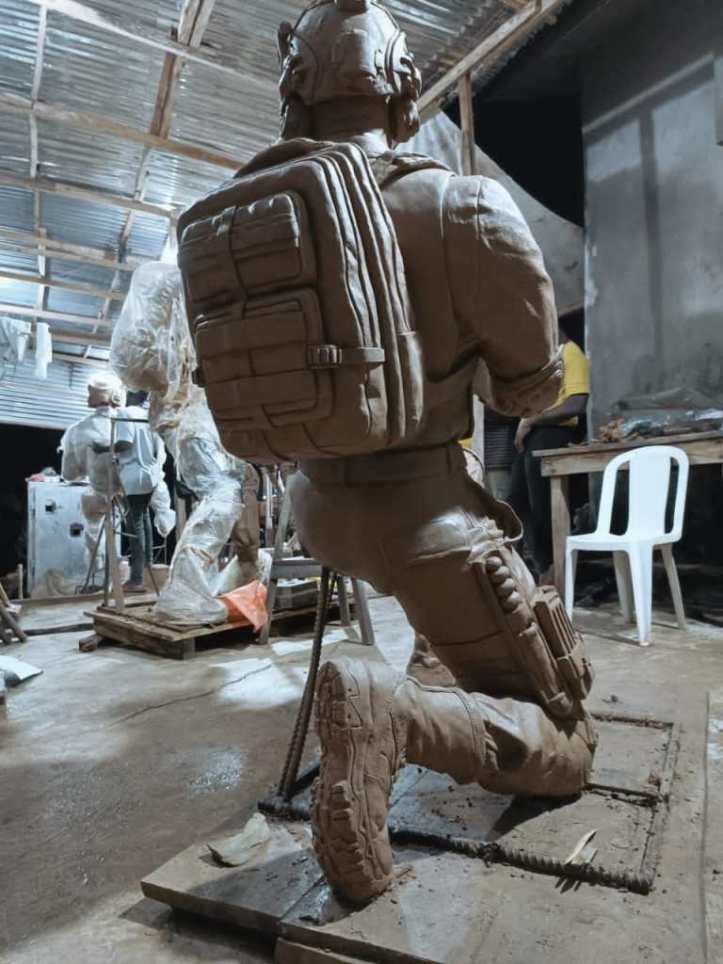
In this conversation with Ireho Aito, Ato Arinze reflects on leadership, legacy, mentorship, and the evolving place of sculpture in contemporary African life.
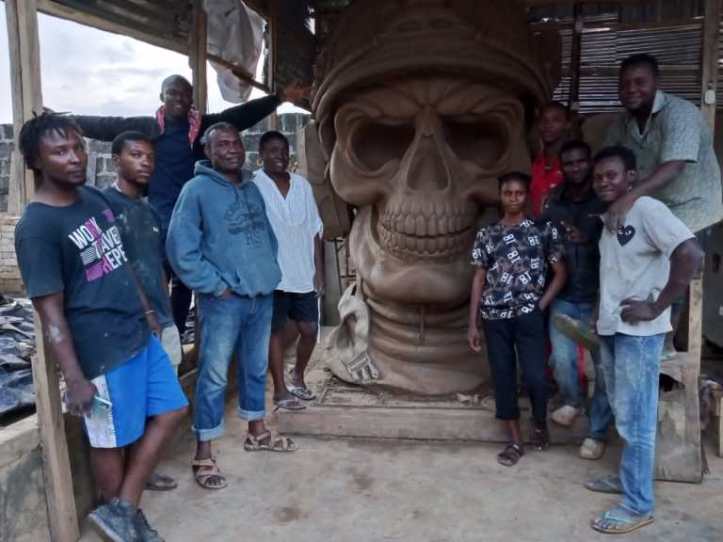
Q: How did you feel receiving the news of your appointment as the new President of the Sculptors Association of Nigeria (ScAN)?
A: I felt deeply happy and honoured by the confidence reposed in me. At the same time, I am fully aware that the position comes with significant responsibilities and sacrifices, as coordinating the activities of artists across the country is no easy task. I am, however, prepared to give my best to serve the association and advance the interests of Nigerian sculptors.
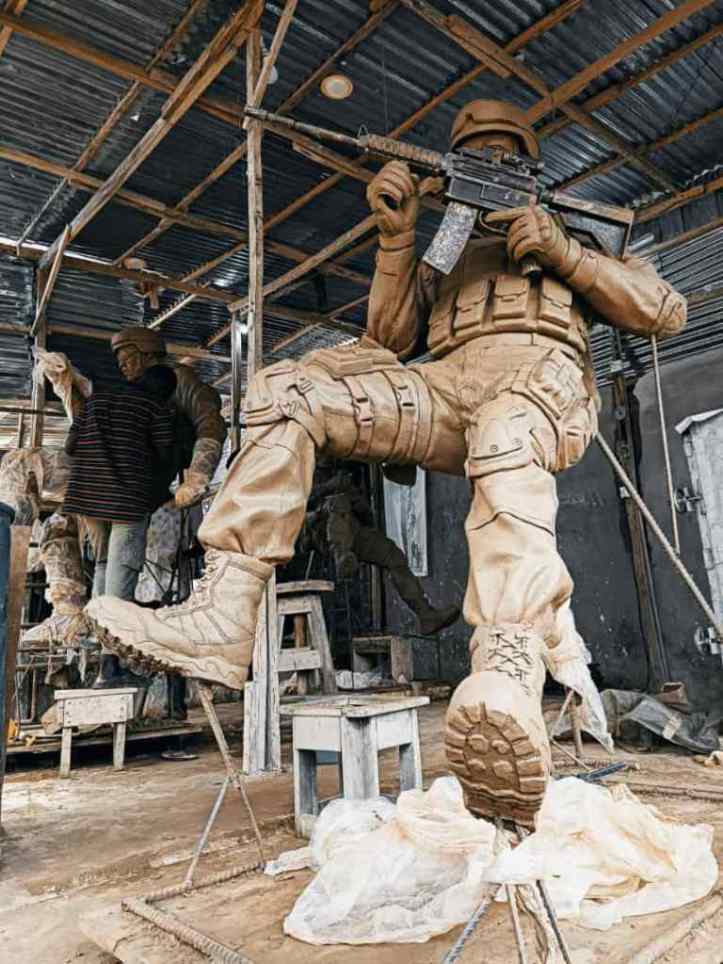
Q: What did that moment represent for you personally and professionally?
A: Accepting the challenge to coordinate the affairs of the association is a significant commitment. It will undoubtedly impact my studio practice over the next two years and affect my personal life, especially as an introvert. However, I see it as a valuable learning curve and an opportunity to contribute to the growth of the association, while helping to promote and project the art of sculpture across the country.
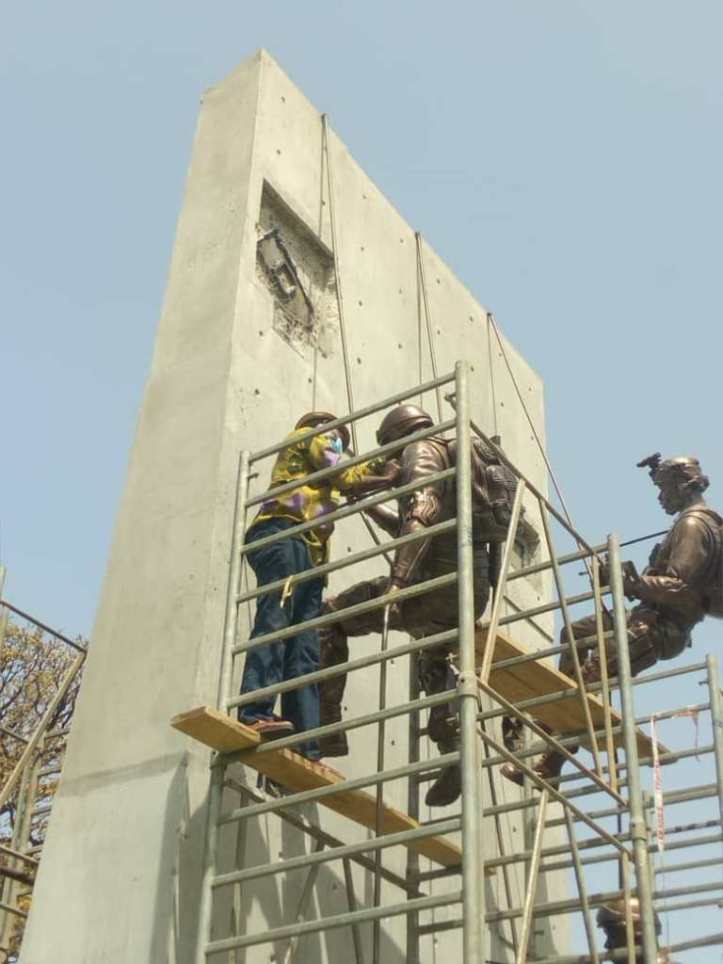
Q: What would you say is the core mandate of the Sculptors Association of Nigeria today, and how relevant is the association to the growth and protection of sculptors across the country?
A: The Sculptors Association of Nigeria (ScAN) was founded in 2018 with the primary mandate of promoting the art and practice of sculpture in the country. Since then, we have remained active in organizing conferences, exhibitions, workshops, and other programs designed to support our members and strengthen sculpture as a discipline in Nigeria. Gradually, these initiatives have helped the art of sculpture gain greater visibility and recognition nationally. For example, we were recently honoured with the Best Art Association Award at the CONADEV/SNA National Conference and Award Ceremony, which highlights the impact of our programs and the platforms we provide to showcase the work of our members.
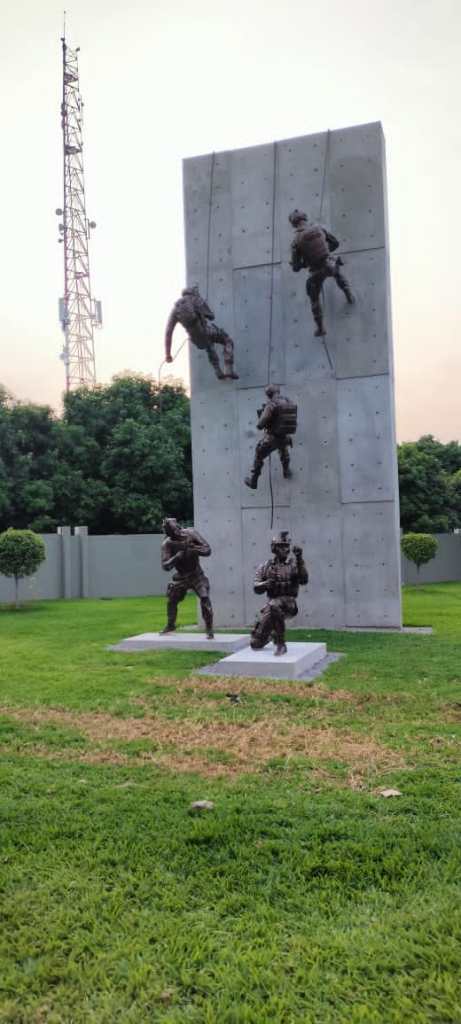
Q: As president, what key areas will you be prioritizing in your tenure? Are there specific reforms, programs, or initiatives members should expect?
A: During my first year as acting president, we introduced a monthly webinar series, which was very well received by our members. It created a platform for intellectual discourse, experience sharing, and strengthened the connection between our members and the public.
Looking ahead, we plan to strengthen our membership structure by introducing different levels, such as students, associates, professionals, and fellows. We already have programs that benefit our members significantly; our goal is to fine-tune and expand these initiatives for the enjoyment of members, non-members, and the public alike.
Additionally, we are developing sculpture competitions and workshops that will become integral parts of our annual exhibitions, further promoting engagement and excellence within the Nigerian sculpture community.
Q: Nigeria has a rich sculptural heritage spanning traditional, modern, and contemporary practices. How does the association plan to bridge generations of sculptors while preserving this heritage and encouraging innovation?
A: Preserving our sculptural heritage while fostering innovation is a key priority for the association. This is being achieved through our yearly exhibitions, alongside the introduction of competitions specifically for students and young, aspiring sculptors. Coupled with our series of workshops and webinars, these initiatives expose members to valuable learning opportunities and experiences. They also help cultivate healthy competition, encouraging both the preservation of traditional practices and the exploration of new, innovative approaches within the Nigerian sculptural community.
Q: Collaboration is increasingly important in today’s art ecosystem. How does (ScAN) intend to work with government agencies, private institutions, museums, and international bodies to advance the interests of its members?
A: Collaboration is indeed vital if we are to achieve greater success as a professional body, and we are very open to it. However, our primary focus is on creating programs and events that popularize the art of sculpture among the general population. By achieving visibility and recognition for our work, and providing capacity-building opportunities for our members, we naturally attract the attention and support of government agencies, private organizations, and international bodies. Our approach is to build the ScAN brand first, and all other partnerships and collaborations will follow as a result.
Q: What role do you see the association playing in creating visibility, opportunities, and economic sustainability for Nigerian sculptors, both locally and on the global stage?
A: By continually refining our programs and events, and with the dedicated commitment of our members, visibility for Nigerian sculptors will naturally increase. This, in turn, will generate ample opportunities both locally and internationally, while contributing to the economic sustainability of our artists. With the right structures in place, our members will not only gain recognition but also enjoy tangible financial rewards for their work.
Q: Finally, what message would you like to share with young and emerging sculptors across Nigeria, and how can they actively engage with and benefit from the Sculptors Association of Nigeria?
A: To young and emerging sculptors, it’s important to understand that the path of an artist is challenging, and lessons are often learned the hard way. We strongly encourage them to seek mentorship and guidance from experienced artists.
They should also actively participate in the activities of the association by first becoming members and then contributing to its growth. Beyond that, building their spiritual and personal resilience is crucial for navigating the demanding journey toward success in the art world. Young sculptors should stay committed to their practice, they should study diligently, travel whenever possible to broaden their horizons, and consistently show up in the studio regardless of circumstances. This dedication, combined with engagement in ScAN programs, will open doors to learning, opportunities, and professional growth.
iBAND Magazine
Africa | Visual Art | Lifestyle | Culture

