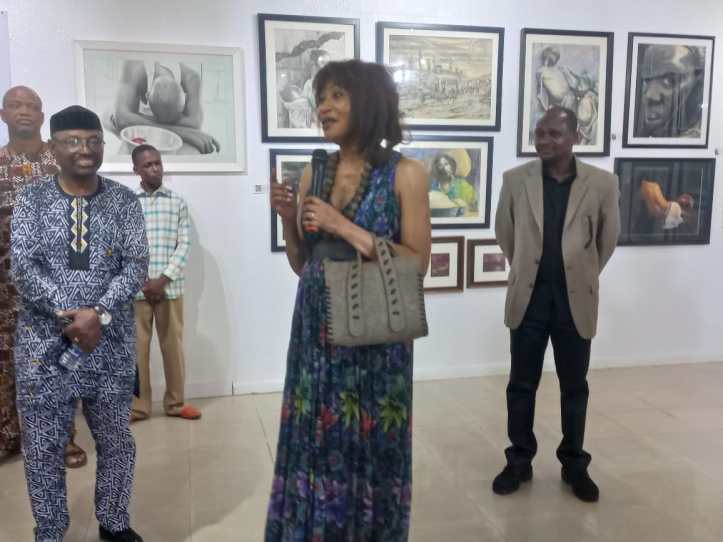
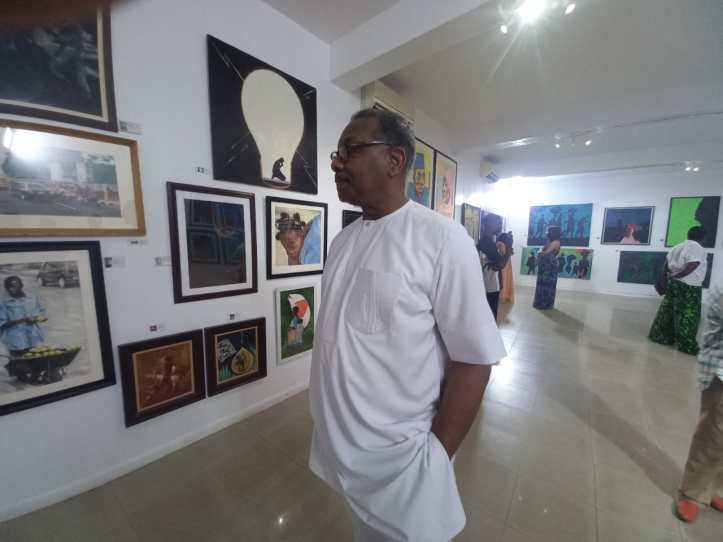
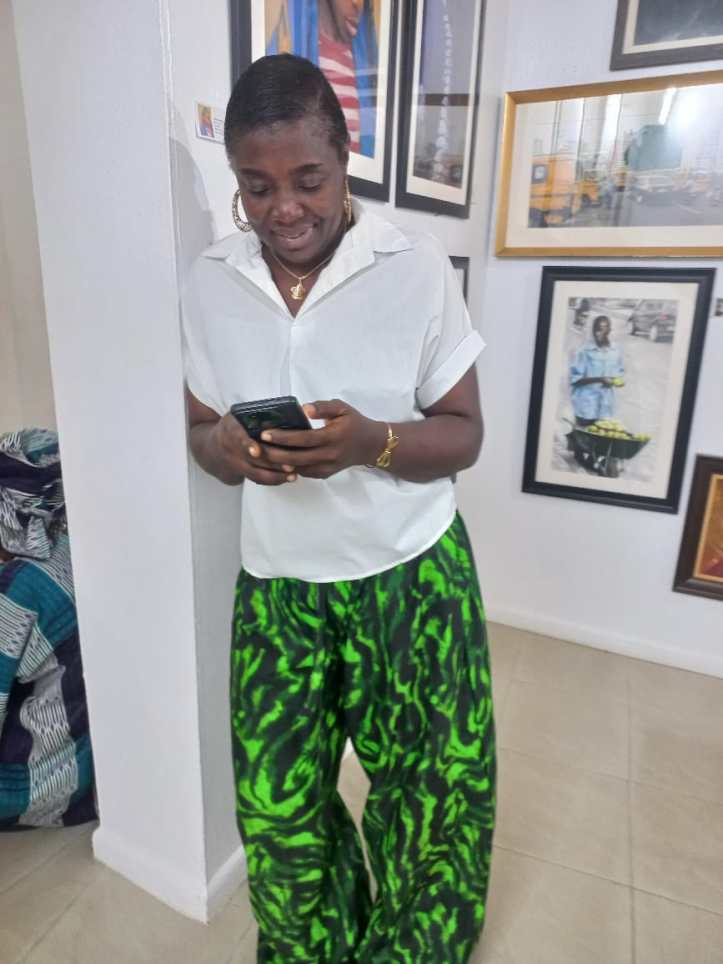
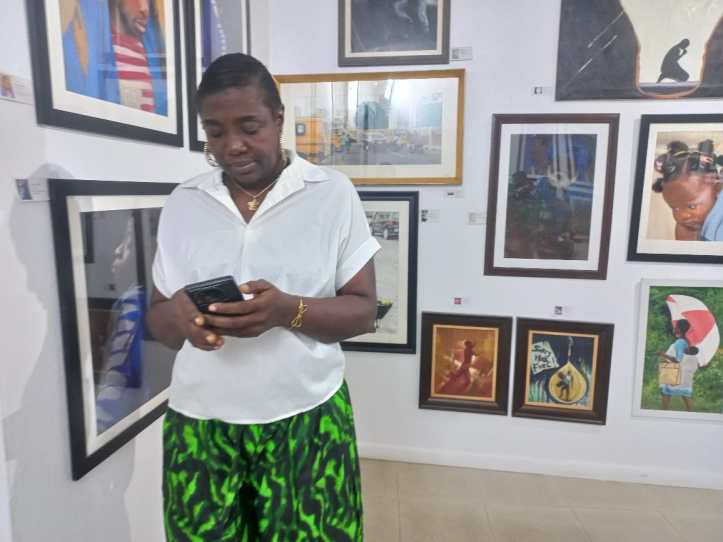
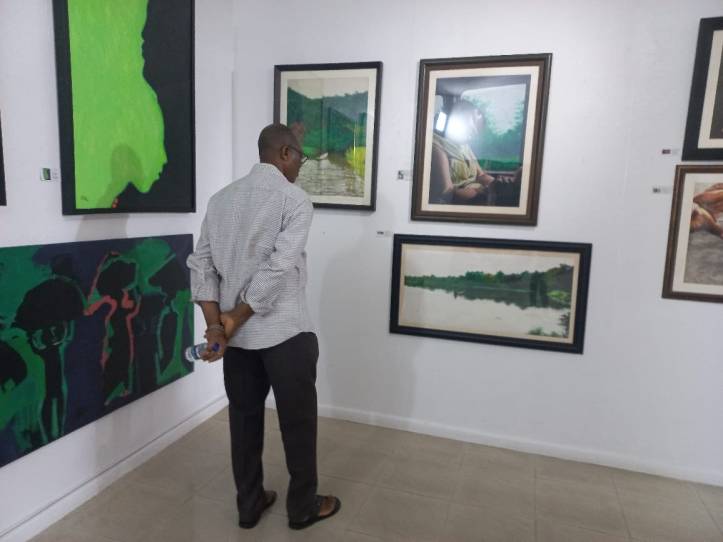
At the National Museum Lagos, theater historian and renowned collector Professor Ebun Clark unveiled yet another treasure from her remarkable private holdings, a chest of art collections by Auchi pastel master Jefferson Jonahan. The exhibition presented over ninety works by a single artist, an extraordinary feat that underscored both the depth of Jonahan’s practice and Clark’s lifelong commitment to preserving Nigerian art.
Words Ireho Aito | Don’t Keep Your Art in the Finger! Photographs iBAND Magazine at the National Museum
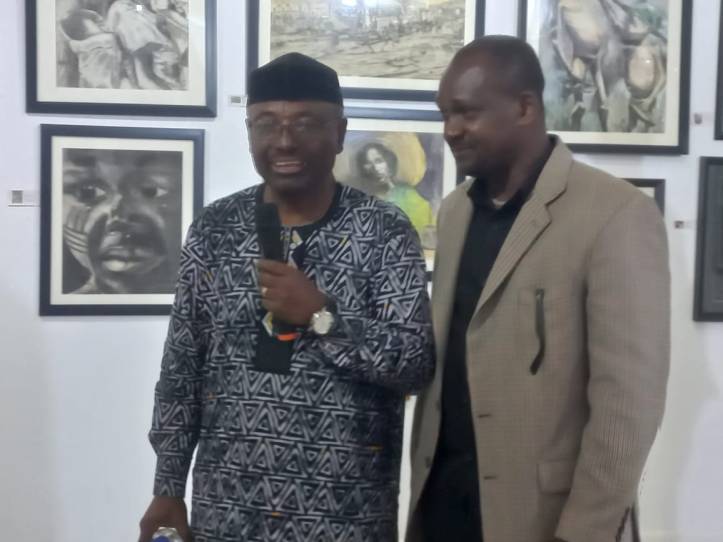
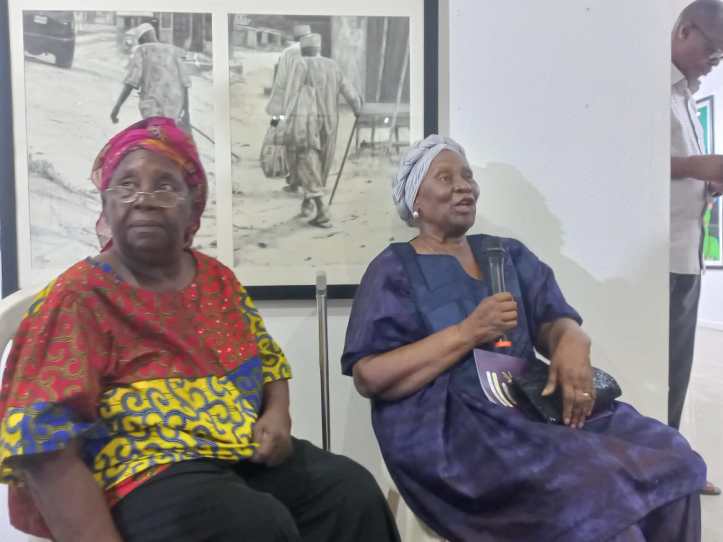
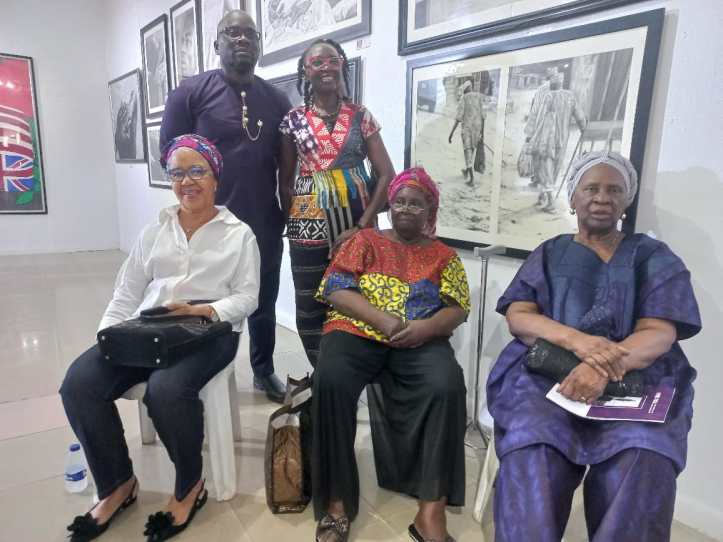
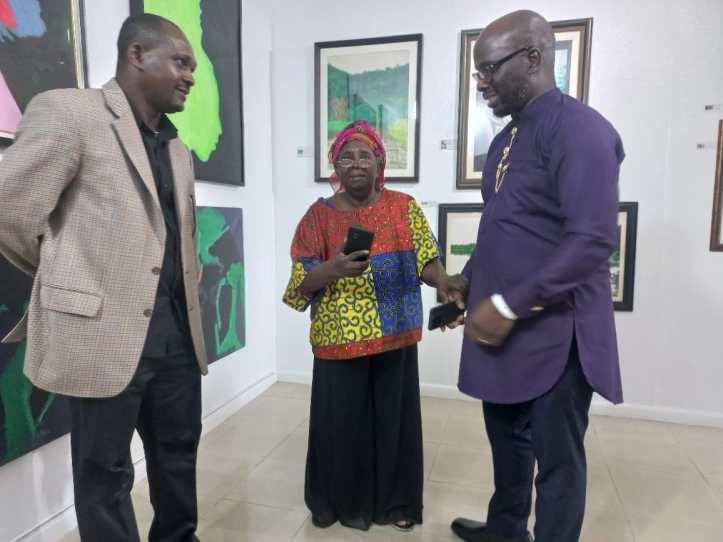
“I travel for art; I don’t travel for shoes. I buy my shoes at Tejuoso” Professor Ebun Clark quipped while sitting and putting on a black but slightly – heeled shoes to complement her African fabrics. Her comments drew warm laughter from the esteemed audience gathered for the Jefferson Jonahan exhibition organised by Oluwani Creative Arts Foundation which opened on the 28th of February 2026.
The elegant crowd listened with rapt attention as she recounted the beginnings of her journey with the works of Auchi pastel master Jefferson Jonahan that started over two decades ago at an auction hosted by Arthouse Contemporary in Lagos.
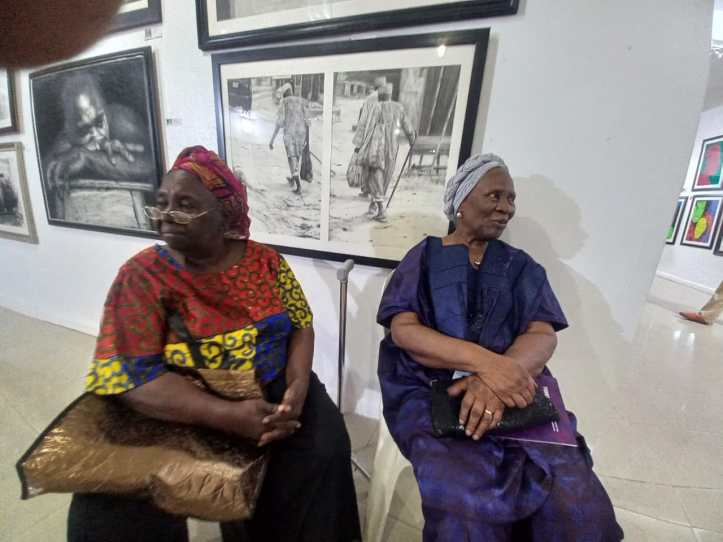
With her usual characteristic wit and clarity, she described how that moment of acquisition grew into a sustained commitment to preserving and presenting Jonahan oeuvre. What started as a single encounter evolved into a carefully nurtured collection, shaped by years of discernment, scholarship, and an unwavering belief in the significance of Nigerian artistic voices.
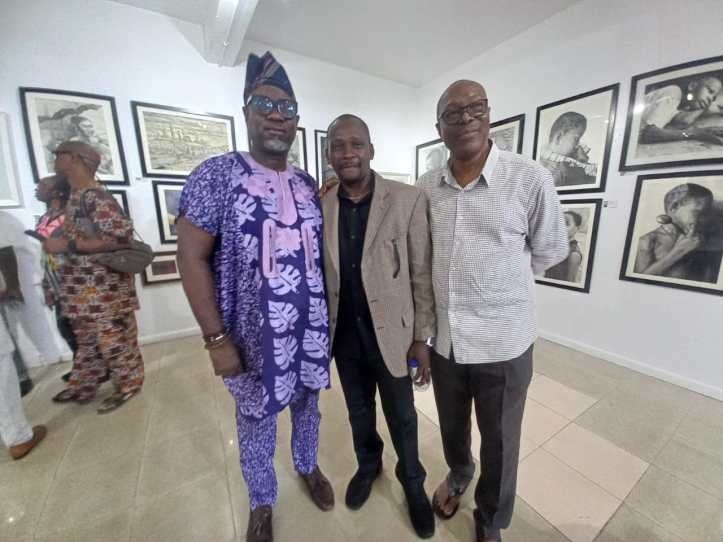
Her remarks transformed the exhibition into more than a display, it became a narrative of devotion and a reminder that collecting, at its highest level, is not accumulation but stewardship, guided by vision, memory, and love for art.
The retrospective exhibition, drawn from the collection of Professor Ebun Clark by the Oluwani Creative Arts Foundation, reflects 25 years of thoughtful collecting and sustained belief in Jonahan’s vision.
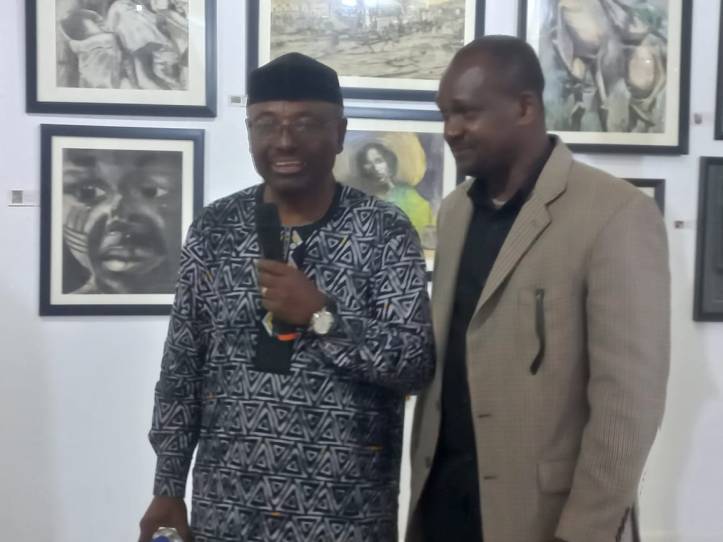
Renowned curator Moses Ohiomokhare in his welcoming address to the audience, he called the exhibition a one unique family event due to the presence of Federal Polytechnic of Auchi – Auchi school that were in abundance to support one of their own.
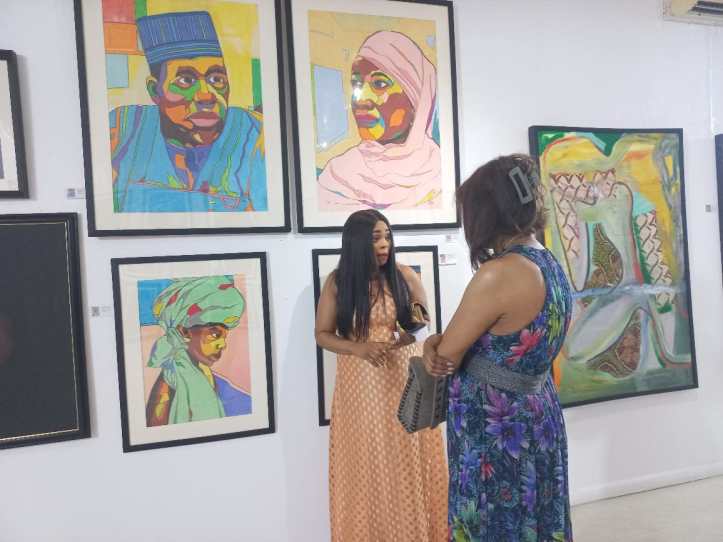
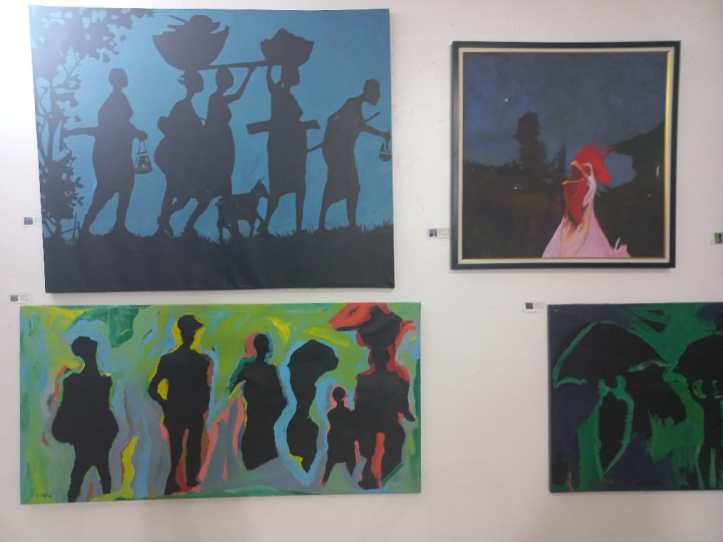
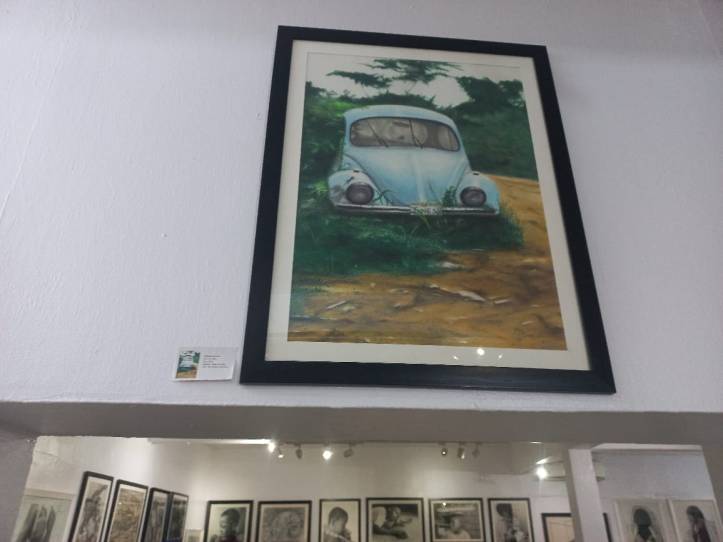
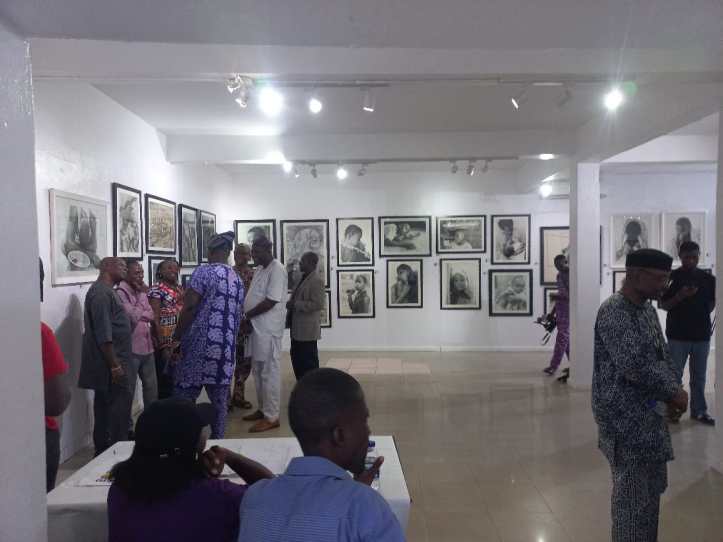
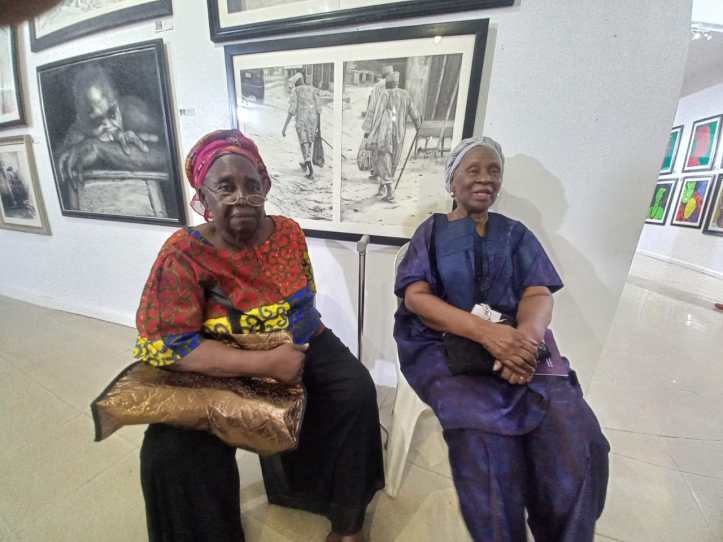
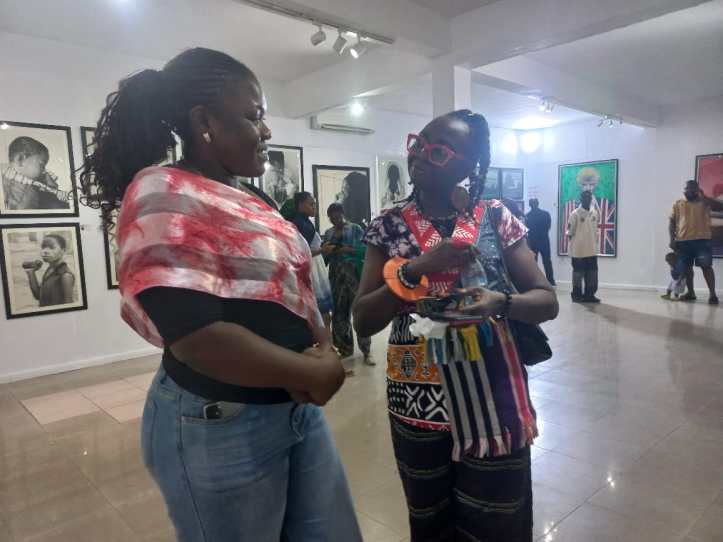
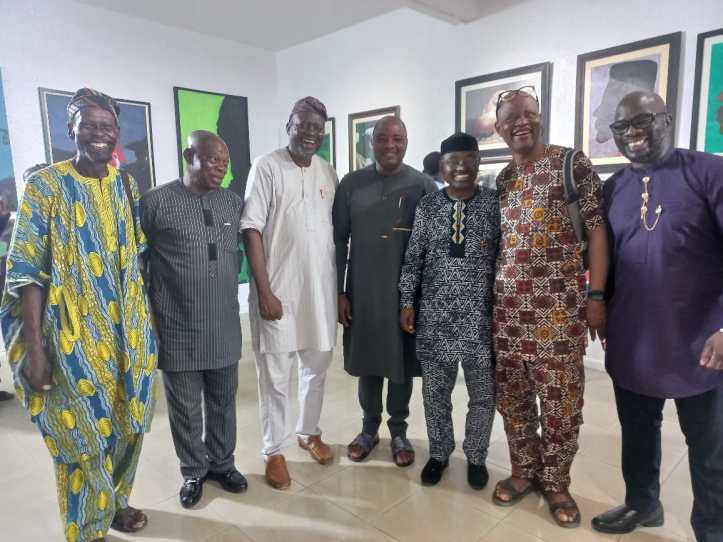
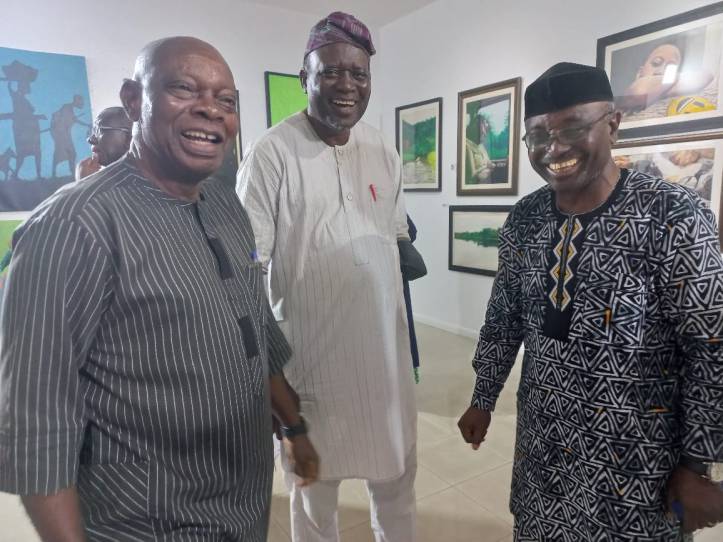
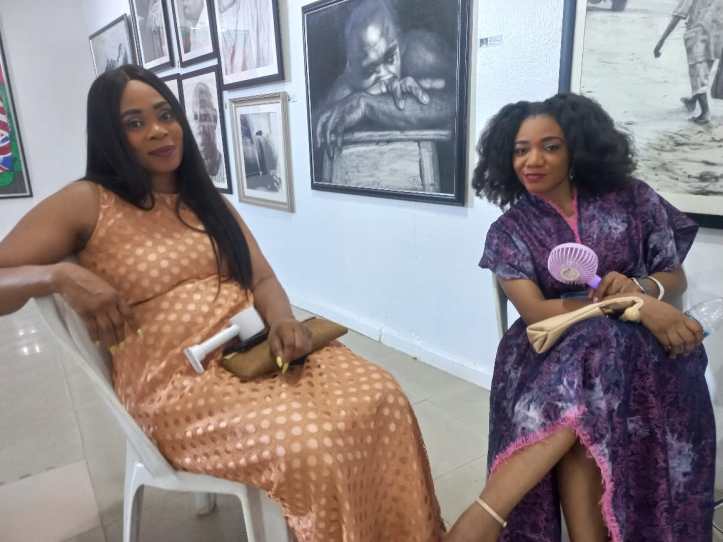
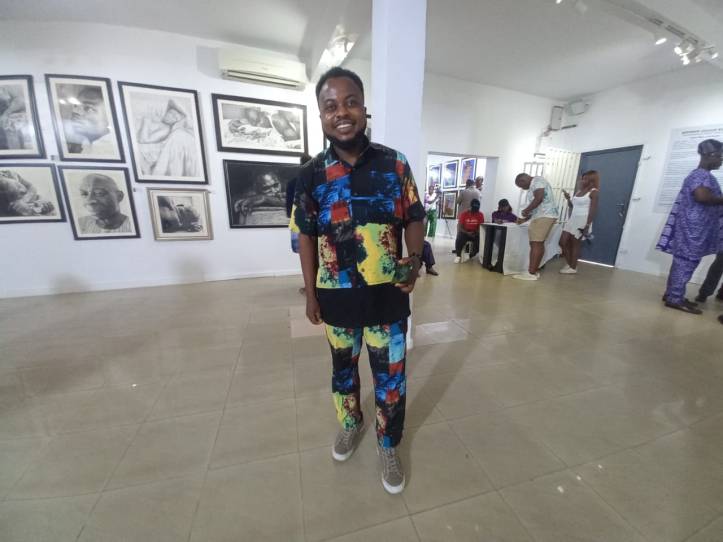
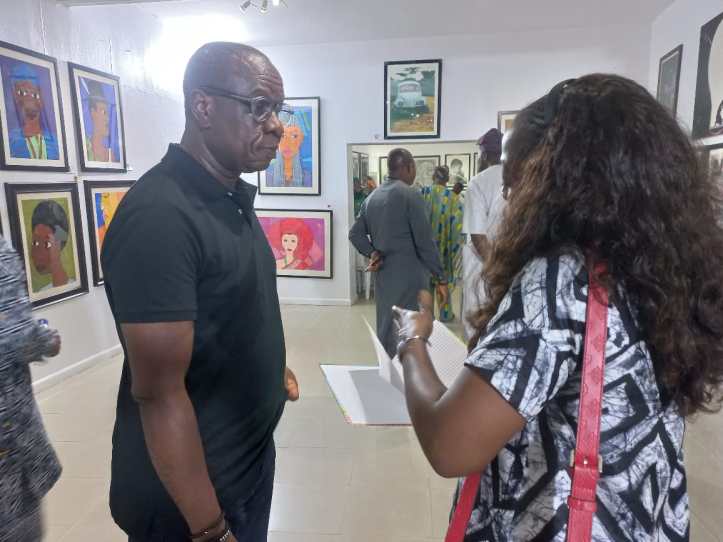
At the gathering, eminent Nigerians, collectors, scholars and art enthusiasts were there to celebrate the enduring legacy of a collector and an artist ScAN president Ato Arinze was present. Also, renowned printmaker Dr. Kunle Adeyemi, Biodun Omolayo painter and Omolayo Gallery founder, Joe Essien, Mrs. Tejuoso in her gracefulness was present. Universal Art Studio and master painter Abiodun Olaku was present and was in awe of Jefferson’s enthusiasm. Emmanuel Isiuwe and Edna Ekenimoh came to support their own also Dr. Simon Ijeh. Workaholic ceramist Nathalie Djakou Kassi and French school teacher Geraldine were also present.
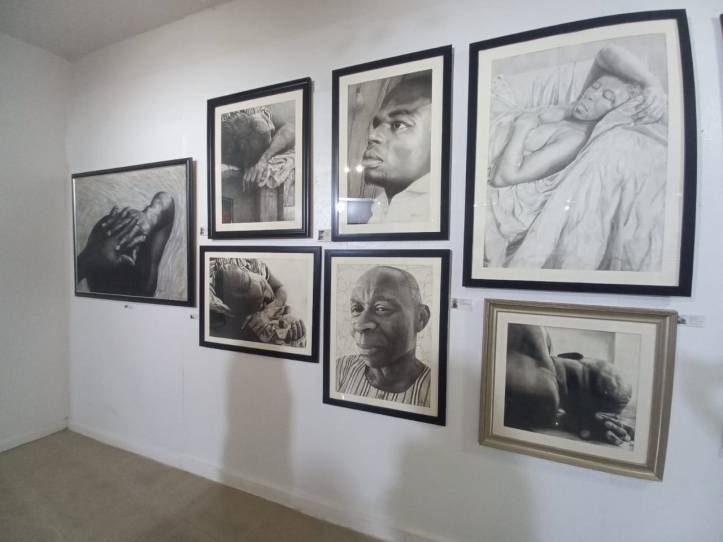
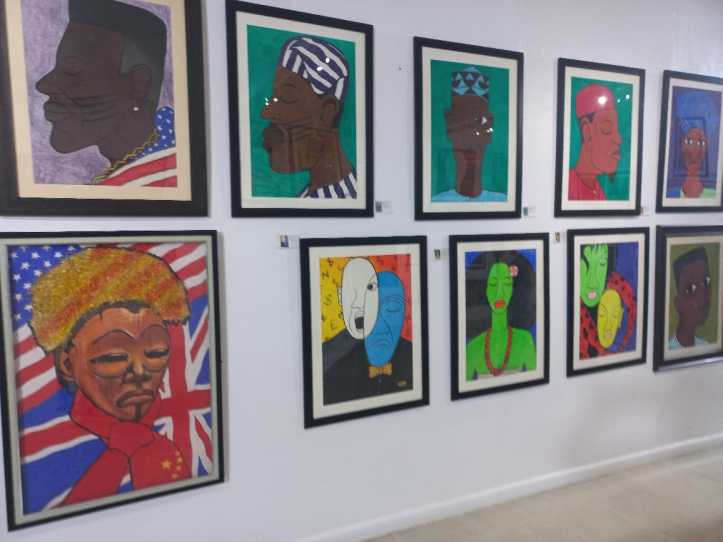
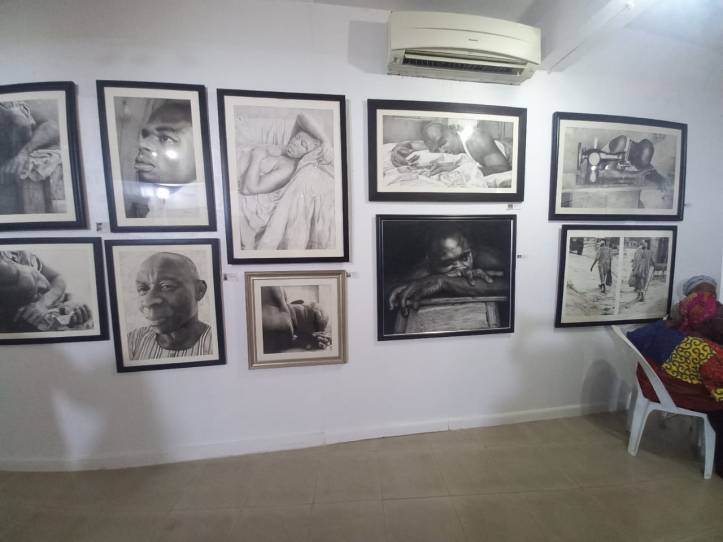
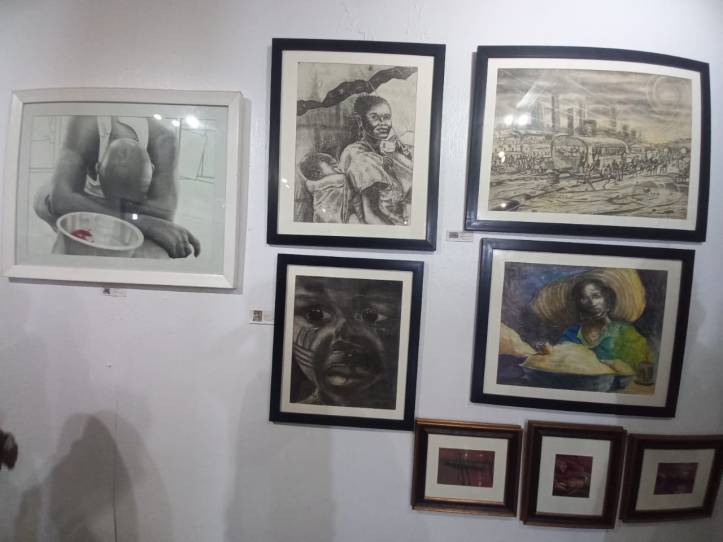
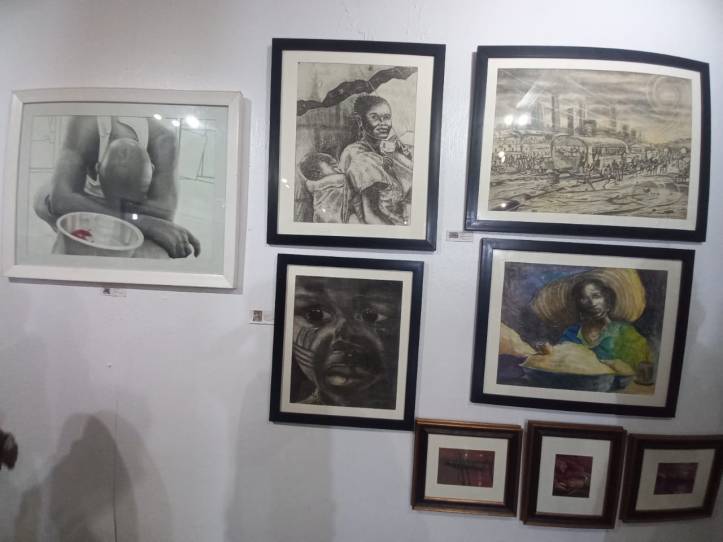
Moses Ohiomokhare remarked in his curatorial statement that in the hands of Jefferson, pastel is neither fragile nor tentative, it is decisive, luminous, and deeply articulate. His pastel compositions invite viewers to slow down and truly see. Jefferson Jonahan stands as a rare figure in contemporary practice, he is a master pastel artist whose command of the medium transcends technique to become a language of seeing.
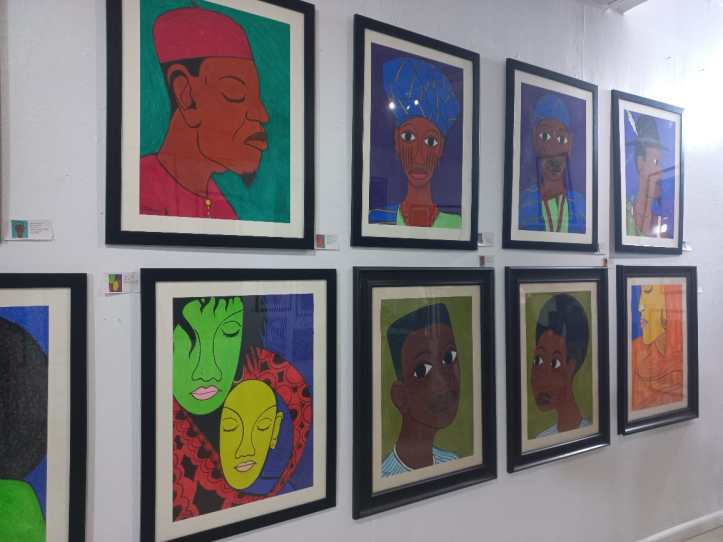
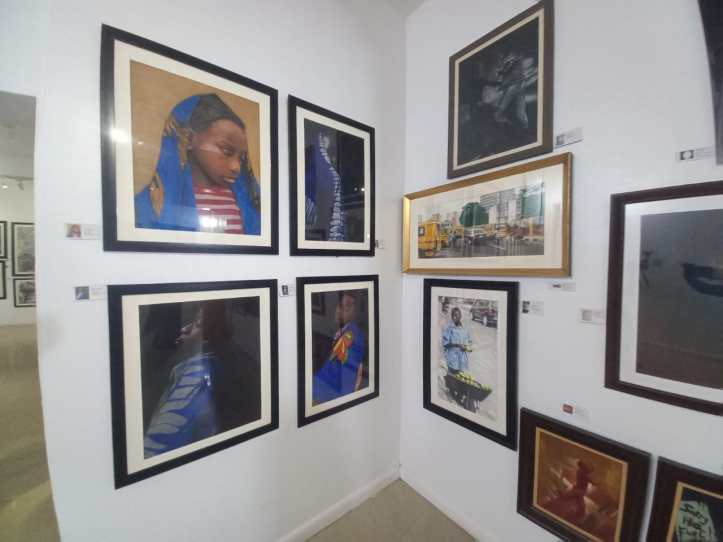
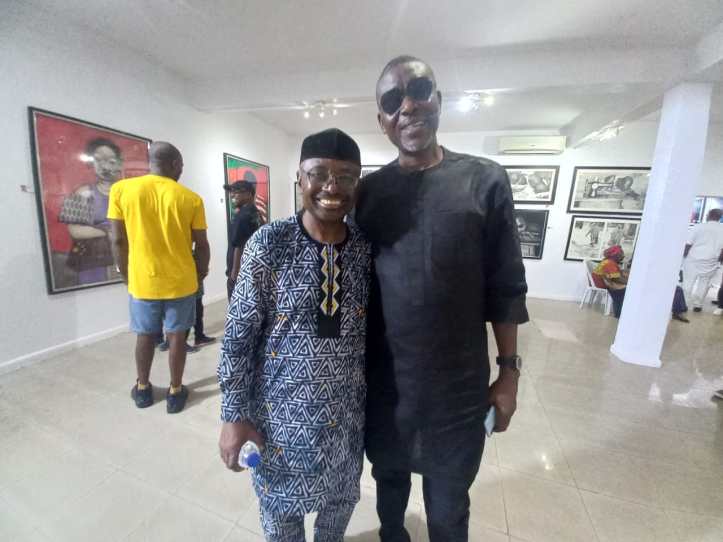
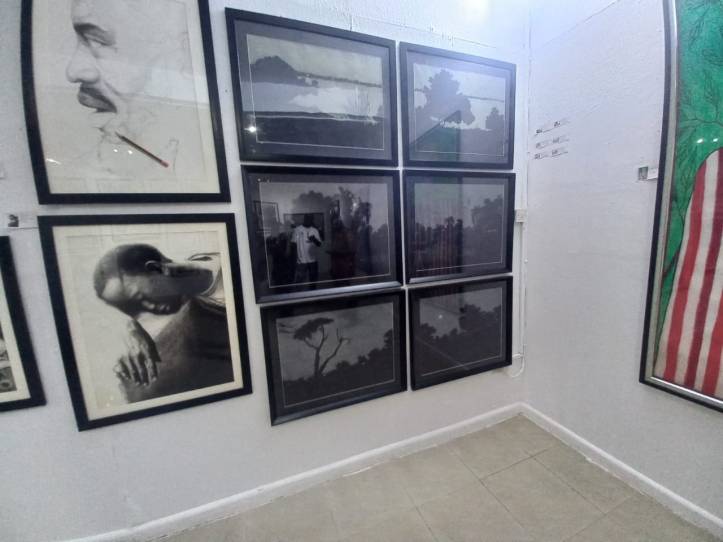
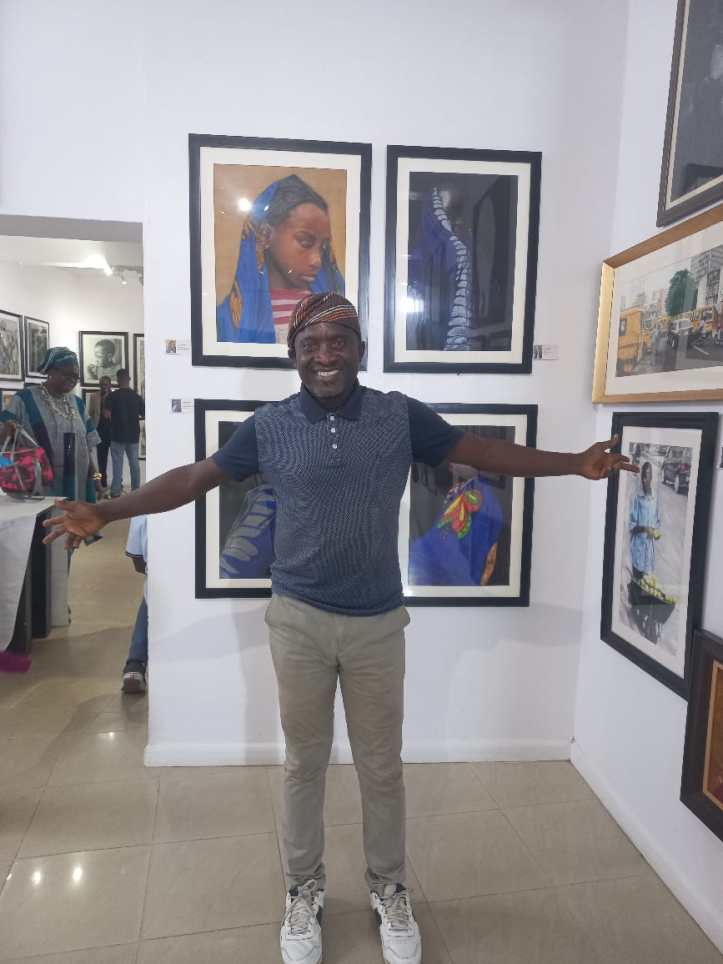
Jefferson Jonahan is a contemporary master of pastel, renowned for his evocative black-and-white compositions that explore the human figure and the depth of expression. His works distill emotion into form, using light, shadow, and texture to create powerful visual narratives that linger long after first glance.
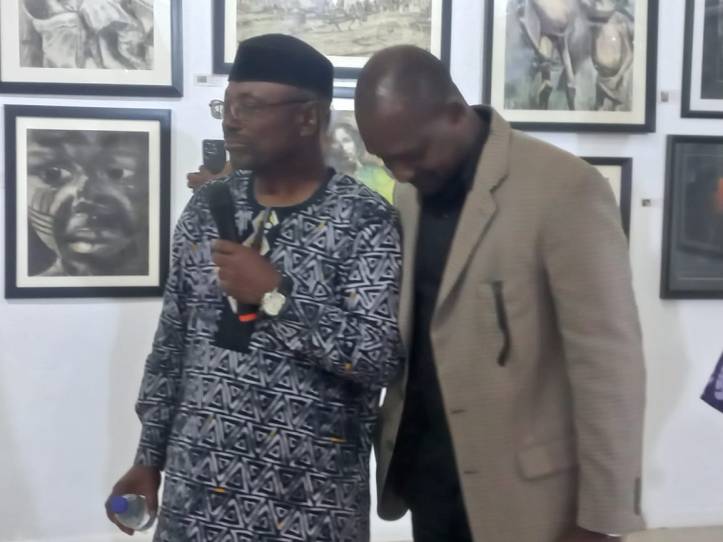
This retrospective exhibition, organised by the Oluwani Creative Arts Foundation, provided a fitting platform to reflect on decades of artistic dialogue and cultural stewardship. With its curatorial vision rooted in preservation and contemporary engagement, the foundation created a space where history, technique, and personal collecting narratives converged.
Professor Ebun Clark’s involvement elevated the exhibition beyond a conventional retrospective. Her insistence on being present during the hanging of works before the event proper, underscored her belief that display is an interpretive act. By collaborating closely with curator Moses Ohiomokhare and the installation team, she helped shape the visual rhythm of the gallery, ensuring that each piece spoke clearly while contributing to a coherent story. She is a clear lover of art direction which she holds on to all the time.
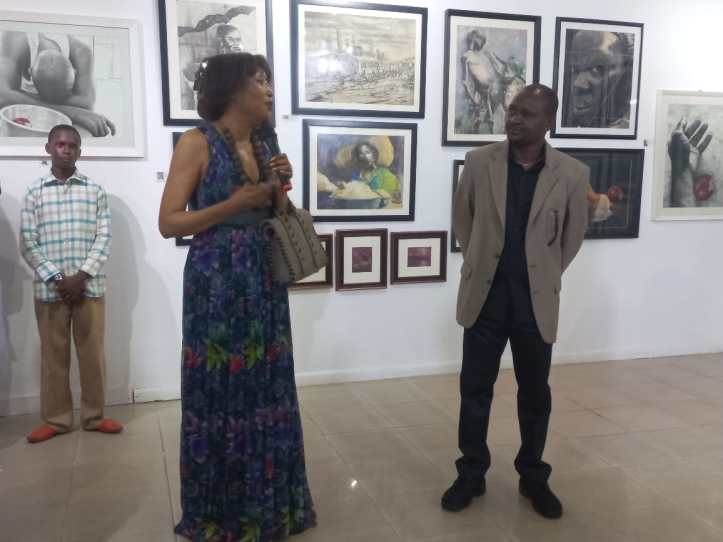
She demonstrated this same commitment at Bruce Onobrakpeya: Sixty Years of Collecting Prints and The Global Print Family in the Collection of Professor Ebun Clark, as well as the Zinno Orara and Gab Awusa, two man exhibition titled “A Refreshing Dialogue,” both exhibitions were held at the National Museum Lagos. In each instance, her engagement reflected a lifetime in theatre and visual culture, where presentation is inseparable from meaning.
Her reflections during the exhibition opening, reiterated a principle drawn from her theatre background that once artworks are installed, the gallery becomes a stage and viewers its audience. Within this thoughtfully orchestrated environment, the retrospective did not merely look back, it became a performance that was performed, inviting visitors into an immersive encounter with art, memory, and meaning.
Charismatic and eloquent, the professor gently reminded attendees of the proper pronunciation of pastel, turning a simple correction into an educational moment. She also urged artists to recognise that the moment their works enter an exhibition, the gallery transforms into a theatre space, and viewers become the audience to witness a silent performance shaped by light, placement, and narrative flow.
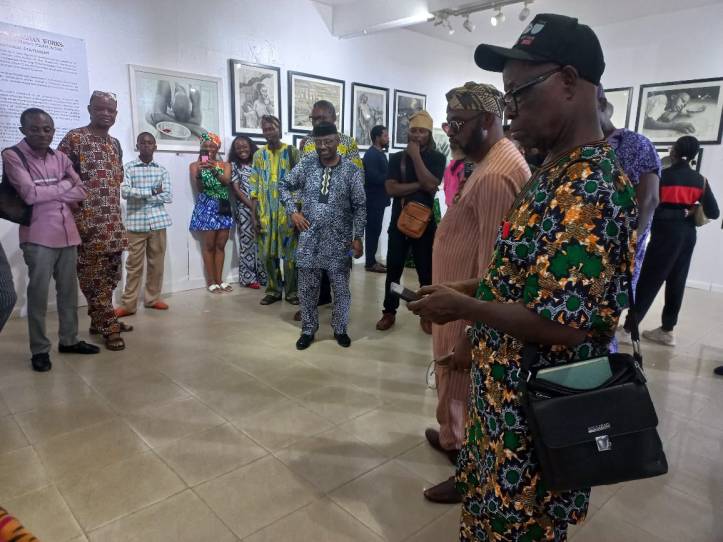
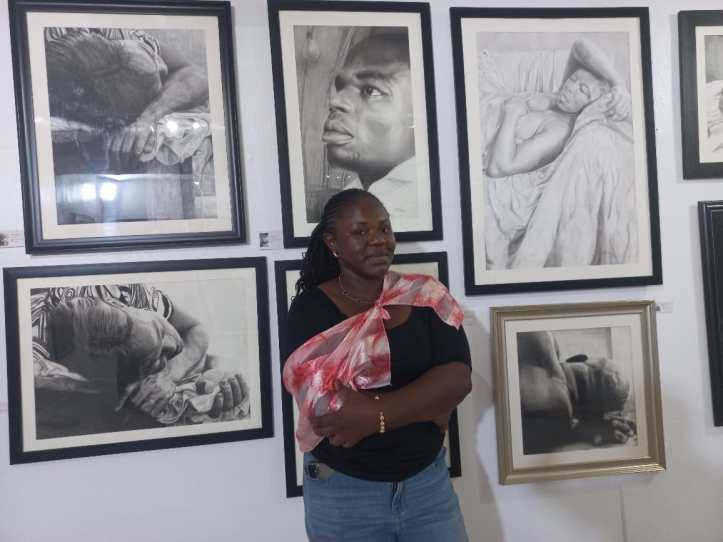
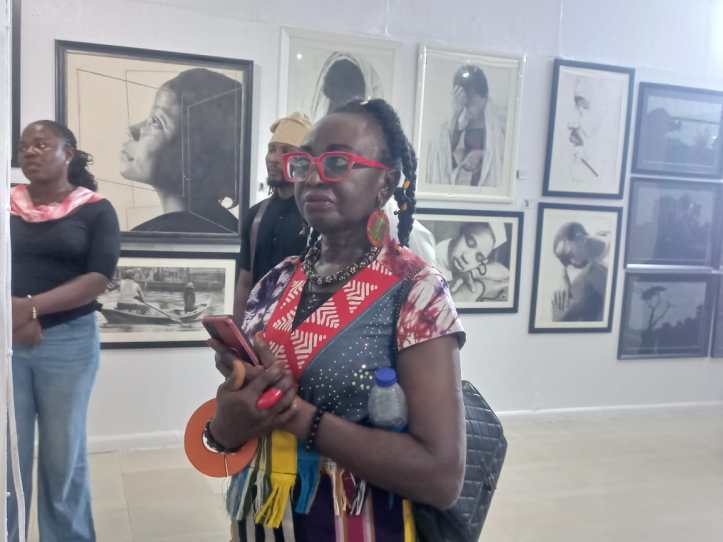
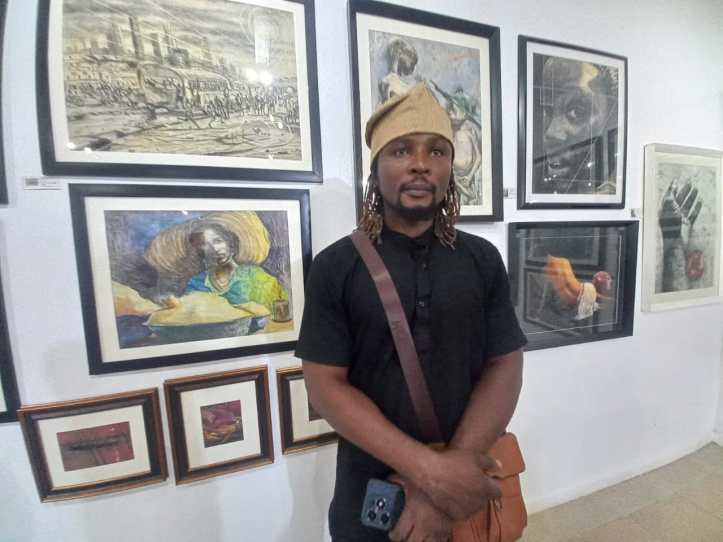
Master pastel artist Jefferson Jonahan was short of words in his appreciation address. It was a beautiful moment for him to see how people turned out for him. His little son was also in the gathering.
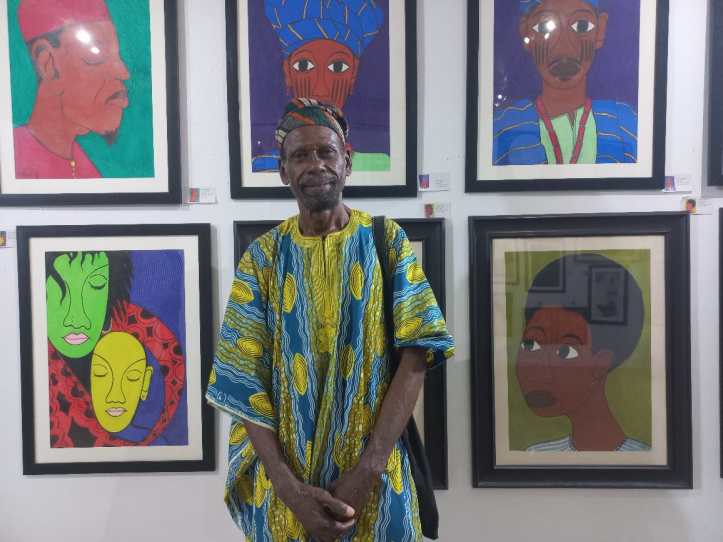
For him in an exclusive with iBAND Magazine, it was art that found him and pastel became his compass to navigate his journey. He is from a background where parents would rather want you to have a profession that is more accepted in the society. Fortunately, Jefferson’s path was clear and the universe prepared him for a special part to excel with pastel.
ScAN president Ato Arinze, who was present at the event, grinning in admiration of the collections, remarked that it is a rare event to see such high volume of artworks on display at a single retrospective exhibition in Nigeria and this shows the power of consistency and commitment that Jefferson has put in his studio practice all along.
Professor Ebun Clark recounted with delight the story of acquiring her first work by Jefferson Jonahan that was carefully displayed by the gallery entrance which she did as well with her first collection of Prof. Bruce Onobrakpeya’s first painting on December 1st 1965.
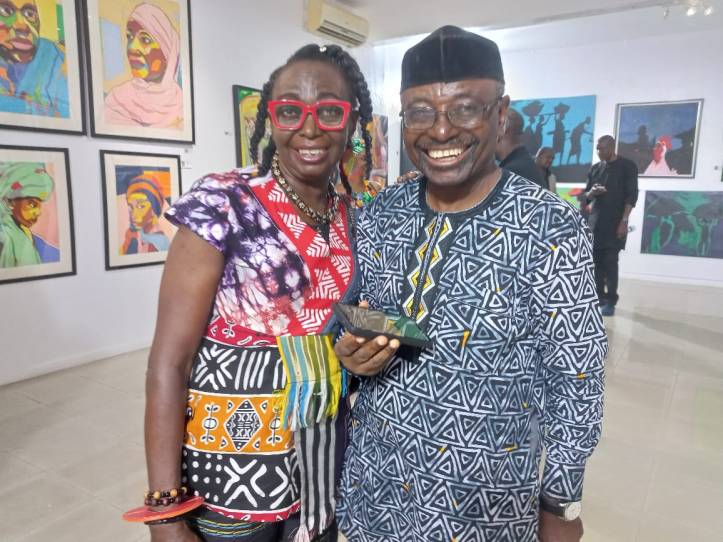
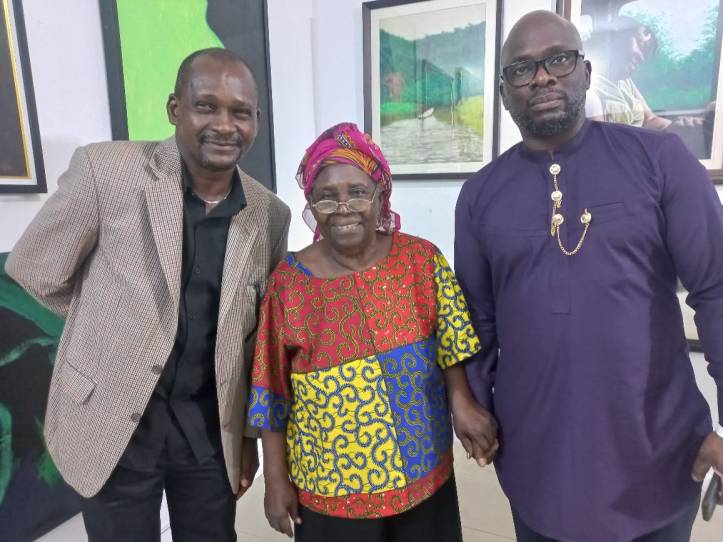
Her acquisition of Jefferson’s work titled Adam, marked the beginning of a decade – long commitment to collecting his art. The purchase took place at an auction hosted by the Arthouse Contemporary, where the atmosphere was charged with anticipation.
She found herself in a spirited bidding race with other determined collectors. Paddle after paddle went up, tickets flashing in quick succession as the price climbed. What began as polite interest soon turned into a dramatic contest of resolve, each bid signalling not just financial capacity but conviction in the artist’s worth. In the end, her persistence prevailed, and the winning bid secured not only the artwork titled Adam but also the start of an enduring relationship with Jonahan’s practice.
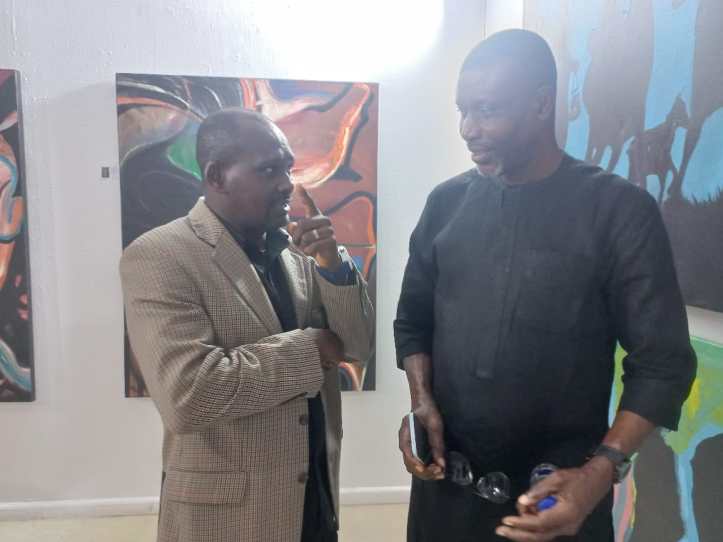
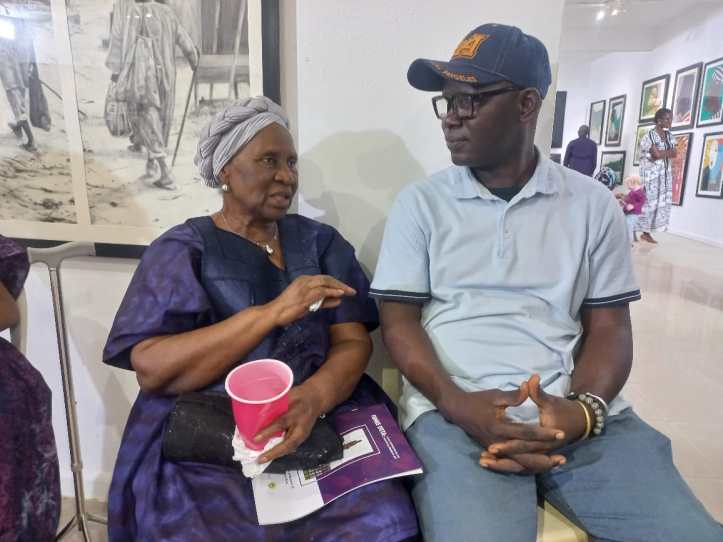
Professor Ebun Clark recalled the moment as theatrical in its own right. It was an unscripted performance of passion, instinct, and belief in art foreshadowing her later conviction that every exhibition space is a stage and every act of collecting, is a story waiting to be told.
The theatre historian explained that her attraction to the work lay in its formal and emotional architecture.
“I was fascinated by the construction itself, by the spacing and the sense of emotion within the composition,” she noted.
To her, the piece conveyed a profound mood of dejection, echoing themes explored in Frantz Fanon’s seminal book The Wretched of the Earth, where the psychological weight of oppression and the struggle for dignity are powerfully examined.
True to her calling as a theatre historian, her remarks at the opening ceremony unfolded like a professor in lecture, weaving art, history, and anthropology into a single narrative.
She recounted an experience, watching a BBC programme, Daughter of Eve, which asserted that the earliest Homo sapiens were Black. The audience listened in stunned silence, some visibly incredulous, as she connected the programme’s claims to broader discussions on human origins and identity.
She reflected that the programme suggested Homo sapiens emerged through fierce competition for survival and supremacy among early human groups, with conflict and extinction shaping who remained. In her telling, Africa stood as the cradle of this last surviving lineage, an idea she presented not as provocation, but as an invitation to reconsider dominant historical narratives and to situate African identity at the centre of human history.
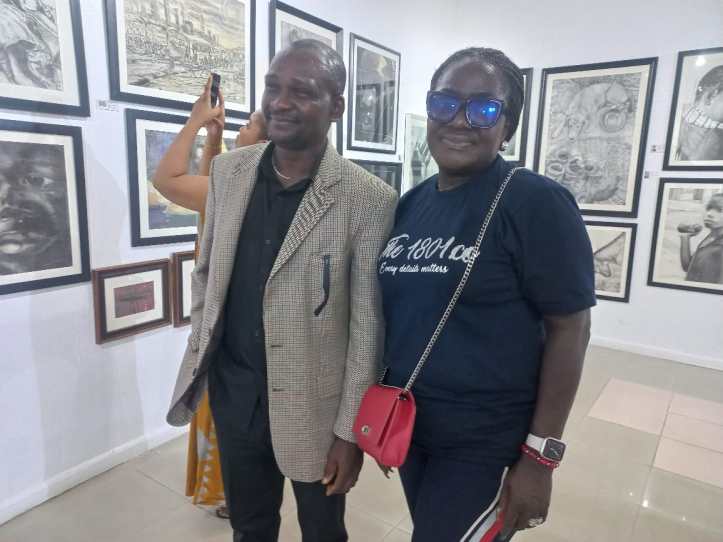
Jefferson Jonahan remarked that his one on one experience in art collecting with Professor Ebun Clark started over 10 years ago and Adam was her first collection even before they met years after.
“That work struck a bond in her and when I eventually met her, she thought I had read a book by Frantz Fanon titled “Wretched of the Earth.”
Jefferson began drawing as early as elementary school, copying and reimagining the comic book heroes that defined that era. From the web-slinging adventures of Spider-Man to the raw power of Hulk, and the patriotic bravado of Captain America, his imagination was constantly in motion. Those vibrant panels, dramatic poses, and exaggerated anatomies did more than entertain him, they sharpened his eye, strengthened his lines, and quietly laid the foundation for the artist he would become.
But Jefferson Jonahan recalled paying a price for that devotion. He got spanked by his father several times who wanted him away from what he believed was a sort of distraction. His father was a police officer and Jefferson’s line of thought did not go down well with him.
“My family actually wanted me to become a lawyer,” Jefferson recalled. “Anytime I see an artwork, there is this kind of exhilaration within me and would not let go.”
Jefferson maintained it was not about money but the mission was already established to follow his passion. The love was enough to live with.
Jefferson studied Fine and Applied Art at the prestigious Federal Polytechnic Auchi, a school renowned for its bold landscapes, technical discipline, and fearless exploration of colour. He graduated in 1994, stepping into the world not just with a certificate, but with conviction.
For him, studio practice was never optional, it was inevitable. He chose the path of the artist fully, understanding early that talent alone was not enough. The journey demanded sacrifice, that relentless practice, experimentation and reinvention. Over time, that discipline carved a steady ascent toward mastery, the seat he confidently occupies today.
“I was a core studio artist,” he reflects. “And on my part, not to be hit by the dark side of financial struggles, I created certain categories of works, largely miniatures. I had them sold by a guy named Collins on the streets of Lagos, especially in traffic.”
It was a thoughtful survival instinct, yes but it was also strategy. While others waited for gallery validation, Jefferson ensured his art met the public where they were, at intersections, in motion, and in the everyday move of the city.
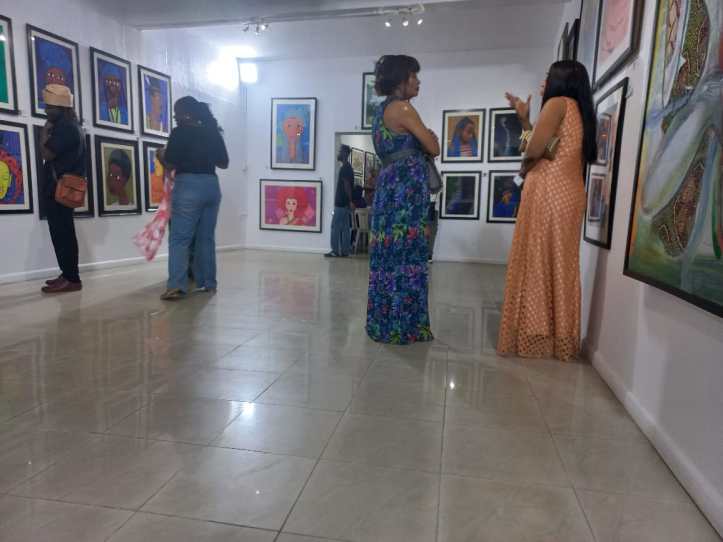
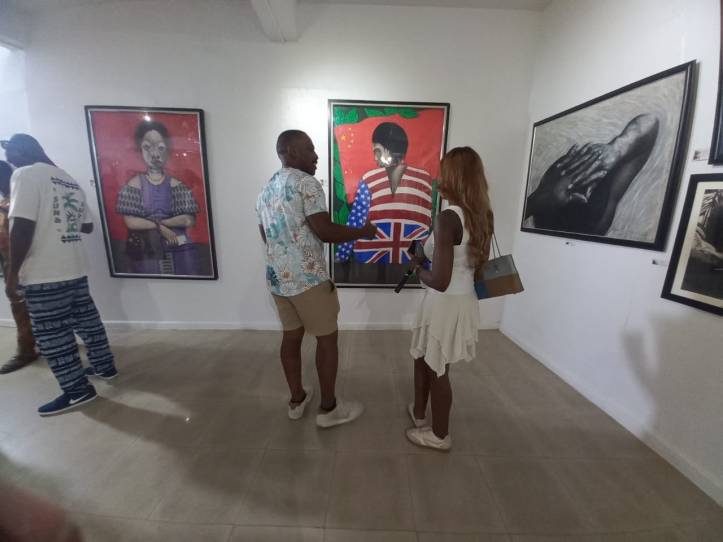
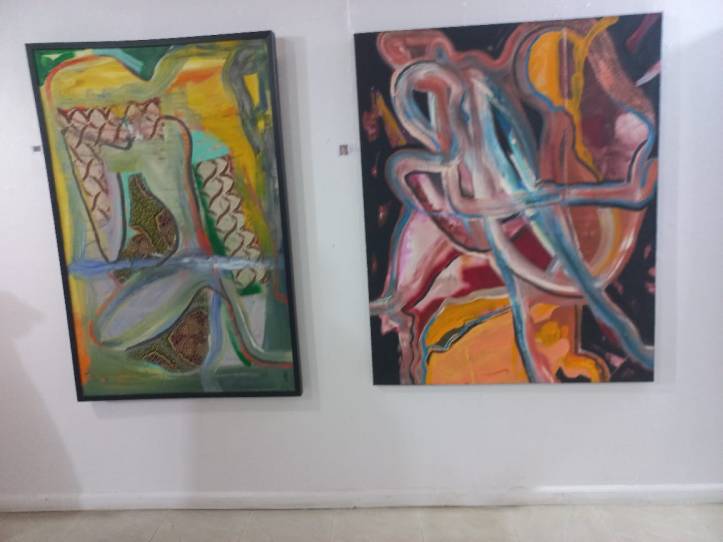
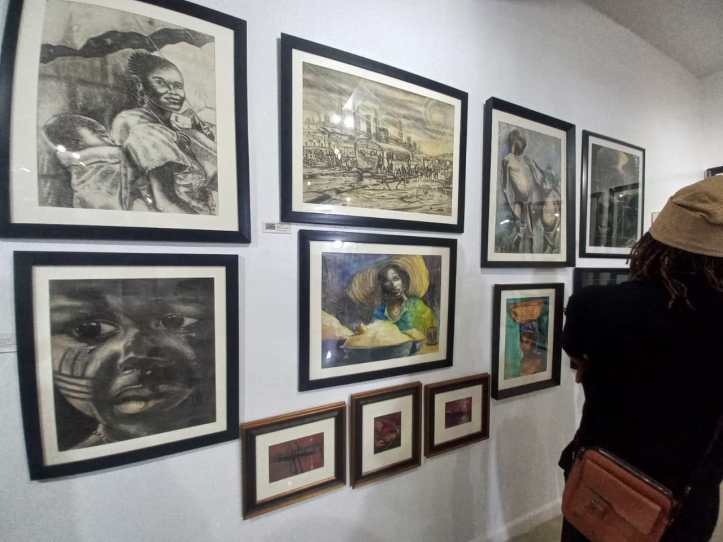
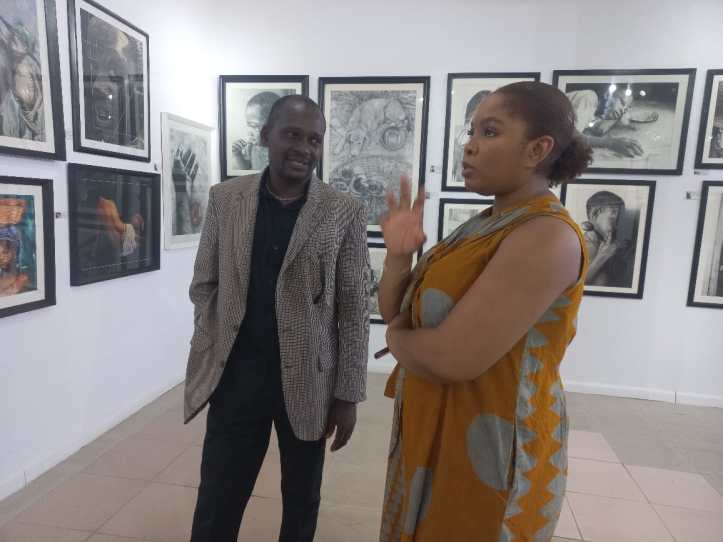
Moses Ohiomokhare, the curator extraordinaire, reminded every viewer that through subtle gradations of colour, velvety surfaces, and confident mark-making, Jefferson Jonahan challenges long-held assumptions about the limits of pastel, elevating it into a medium capable of remarkable depth and gravity.
According to Ohiomokhare, Jonahan’s works are firmly anchored in observation, where figures, objects, and spaces are distilled to their emotional and structural essence, creating moments of quiet presence that linger long after the viewer has moved on. His images emerge from a disciplined engagement with form and light, drawing the audience into spaces of stillness charged with intensity, reflection, and an almost tactile sense of presence.
For Jefferson Jonahan, inspiration is never far away. It rises from his travels, echoes through trending news, and lingers in the quiet tensions of his environment. He often reminds anyone who cares to listen that even in highbrow neighbourhoods, people still eat from dust bins and this is a stark social reality that seeps into his consciousness and, inevitably, into his art. His works are not detached from society; they are anchored in observation and empathy.
Jonahan began his artistic journey with watercolour, but soon realised it was a saturated space. Seeking a voice distinctively his, he transitioned to pastel. Now a medium that has since become his lifelong companion. For three decades, he has nurtured what he fondly describes as a beautiful romance with pastel, pushing its boundaries and elevating its possibilities.
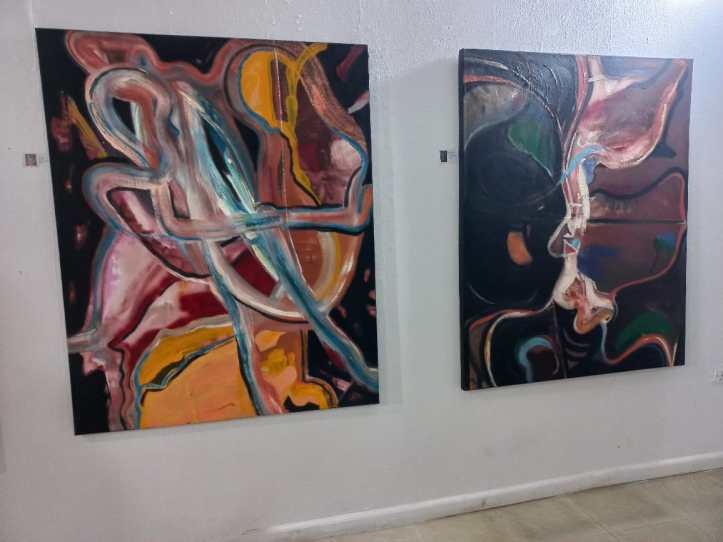
While speaking with iBAND Magazine, he recalled that his first solo exhibition was held at Didi Museum in 2002. Titled In the Midst of Life, the exhibition marked what he describes as a profound moment of self-discovery, a turning point that clarified not just his artistic direction but his purpose.
Beyond the canvas, family remains his anchor. For Jonahan, family comes first, and his devotion to them is unwavering. “My children respect my studio space,” he shared warmly. “They have realised that is where the money comes from to keep the home. They have also started drawing. They are keying in steadily.”
In those words lies a quiet legacy, one built not only on art, but on example.
The retrospective exhibition of Jefferson Jonahan Works : A Contemporary Master Pastel Artist runs till 6th March 2026.
iBAND Magazine, Celebrating Visual Arts from the Original.
Africa | Visual Art | Lifestyle | Culture

