
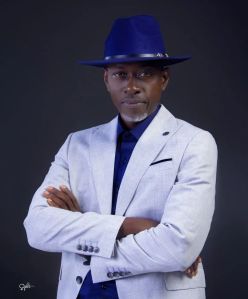
From the elegance of Efik identity to the urgency of mentorship, renowned Nigerian painter Prince Timi Kakandar is shaping a new conversation about what it truly means to be an artist. In a fast-moving art scene, Timi Kakandar is asking young creatives to slow down, learn deeply, and build from the ground up. His latest exhibition and mentorship voice come together in one clear message revealing mastery must come before expression.
Words Ireho Aito | Don’t Keep Your Art in the Finger! All photographs courtesy of Prince Timi Kakandar Facebook Photo Archives
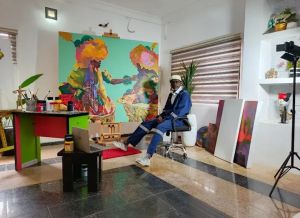
Across studios and galleries from Biodun Omolayo Gallery to the practices of Professor Peju Layiwola, Dr. Kunle Adeyemi, Dr. Adeola Balogun, Miabo Enyadike, and Timi Kakandar, a clear pattern emerges, Nigeria’s established visual artists are deeply invested in shaping the next generation, insisting that early discipline and grounded development remain the foundation for global artistic relevance in an increasingly fast and unforgiving art world.
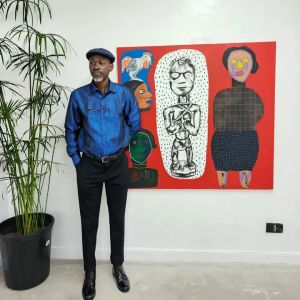
In practical terms, these renowned artists are not only speaking about development, they are actively building it into their daily practice. At Omolayo Gallery, run by esteemed painter Biodun Omolayo, as well as in the wider practice of established studio spaces, emerging artists and young ones from the ages of 6 to 19 are regularly exposed to training sessions, known as “Young At Art Children’s Workshop,” guided studio visits, and hands-on engagement with materials and techniques. Similarly, Professor Peju Layiwola continues to shape younger creatives through academic mentorship, exhibitions, and research-based approaches that connect traditional knowledge with contemporary practice.
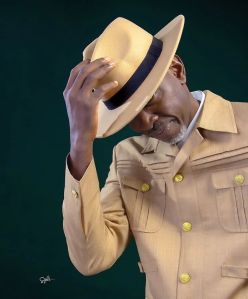
In the same direction, Dr. Kunle Adeyemi and Dr. Adeola Balogun have consistently used workshops, lectures, and collaborative studio environments to guide younger artists on discipline, technique, and professionalism. Alongside this, artists like Miabo Enyadike and Timi Kakandar extend their influence through mentorship conversations, video series, and public art dialogues. They invest highly in the power of Technology, Youtube and Social Media to navigate their mentoring series.

Kakandar’s own version of mentorship series, in particular, has become a structured space where young artists are reminded that consistency, patience, and foundation are just as important as visibility in today’s fast-moving art industry. He has consistently shared his opinion on artists platforms he is a member which approach has been of valuable royal measures.
Timi Kakandar is famously known, respected and uses painting, drawing and collage to explore his fascination with the human form in relationship to the challenges, joys and issues that shape contemporary life. In his practice, the body becomes more than subject; it turns into a living archive of emotion, memory, and social experience.
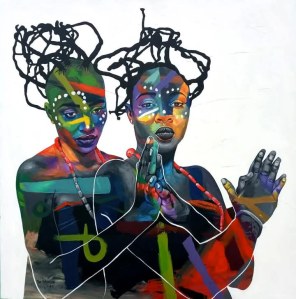
Across layered surfaces and shifting textures, his figures often appear suspended between presence and abstraction, as though caught in moments of becoming. This tension allows his work to speak quietly yet insistently about identity, coupled with how it is formed, stretched, concealed, and sometimes fractured by environment and experience.
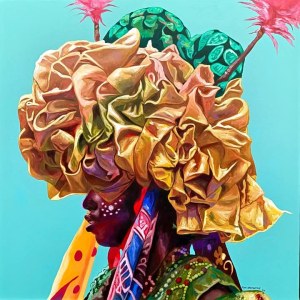
There is a particular sensitivity in the way he approaches composition. Collage elements interrupt painted gestures like fragments of thought, while drawing introduces an intimate immediacy, almost like breathing beneath the surface of the work. Together, these methods create a visual rhythm that mirrors the unpredictability of human life itself through its interruptions, its harmonies, and its unresolved questions.
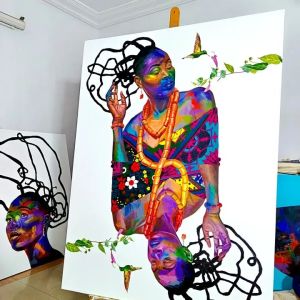
At the heart of Kakandar’s exploration is an enduring curiosity about resilience. His figures do not simply endure, they also negotiate. In doing so, his practice opens a reflective space where viewers are invited not only to see, but to recognise something of themselves within the shifting contours of the human form.
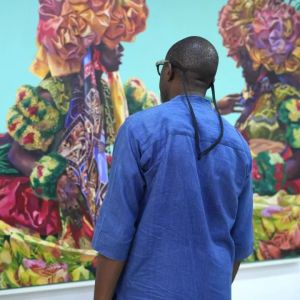
Across his compositions, the human body becomes a mirror of contemporary life. Sometimes it appears fractured, sometimes whole, often suspended in moments that feel unresolved. Yet within this openness lies a quiet strength. His figures suggest endurance without drama, resilience without declaration. They reflect how people navigate the subtle pressures of identity, emotion, and belonging.
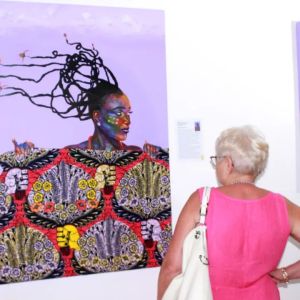
There is also an unmistakable softness in his approach. Even when his work engages complexity, it does so with restraint, allowing space for interpretation. This openness is part of its appeal in a lifestyle context that speaks to viewers not as distant observers, but as participants in the same emotional terrain.
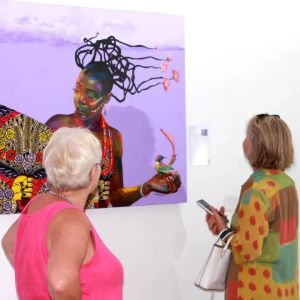
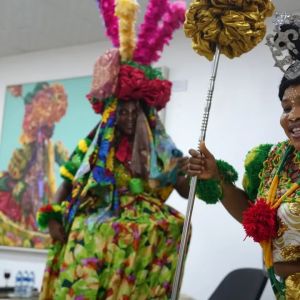
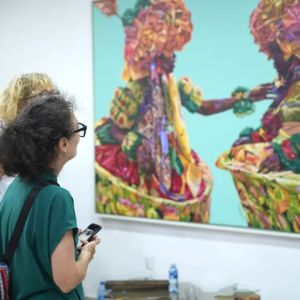
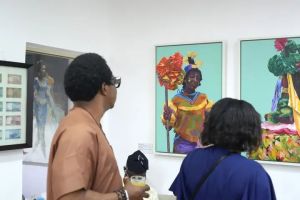
Prince Timi Kakandar’s recent solo exhibition at Quintessence Gallery, Efik Elegance: Onyonyo and the Art of Adornment, further confirmed his place among Nigeria’s most thoughtful contemporary and dependable artists. The show explored Efik heritage through the Onyonyo attire, presented not just as fashion, but as identity, authority, and cultural memory.
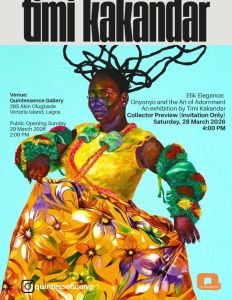
A key line from the exhibition captures its essence clearly: “She doesn’t just wear the Onyonyo. She commands it.” This idea runs through the entire body of work, where women are portrayed with strength, presence, and dignity. Kakandar uses the canvas to show adornment as power, and not decoration.
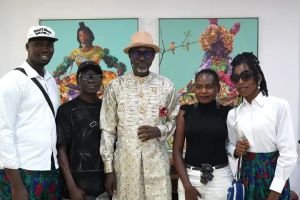
Beyond the gallery walls, Kakandar is also focused on shaping the next generation of artists. Through his Art Mentorship 101 series, he continues to stress discipline and foundational learning. His concern is the increasing rush among young artists to embrace abstract art without first mastering the basics.
He is direct about this. In his words, many young creatives “want to jump straight into abstract work without understanding drawing, structure, and composition.” He explains that abstraction is not a starting point, but an outcome of discipline and study.
He often points to Pablo Picasso to support this view, reminding young artists that even the most experimental styles are built on years of technical training. “Learn the rules effectively before you break them,” he tells them.
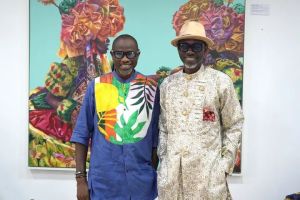
For Kakandar, abstract art only becomes meaningful when it is grounded in skill. Without that foundation, he believes expression becomes weak and easily misunderstood.
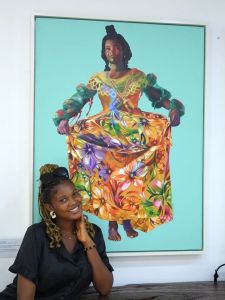
His message remains consistent across exhibitions and mentorship sessions: slow down, learn properly, and build depth. In his view, art is not about speed or visibility, but about mastery that lasts.
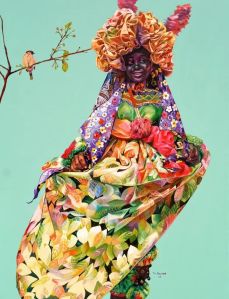
In one of his episodes titled “Learn the Rules Effectively,” Prince Timi Kakandar takes a closer look at the journey of artistic growth, explaining why true creative freedom can only come after a solid understanding of the basic rules of art. He reflects on how structure, discipline, and consistent practice shape an artist’s identity long before experimentation begins. According to him, learning these foundations properly is what gives work depth, clarity, and longevity. For Kakandar, the ability to bend or break rules in art is not a shortcut, but the result of time, patience, and mastery built over years of focused development.
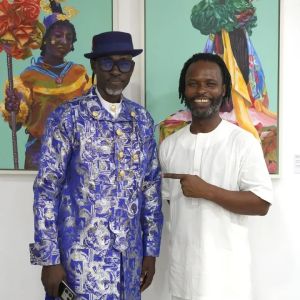
This perspective is echoed across the wider art community. Professor Peju Layiwola, Dr. Kunle Adeyemi, Dr. Adeola Balogun, all renowned visual artists and artists and festival convener such as Miabo Enyadike all contribute to this ecosystem of mentorship. Through workshops, studio practice, lectures, and curated engagements, they continue to expose young artists to the realities of professional practice while grounding them in tradition, technique and art of marketing.
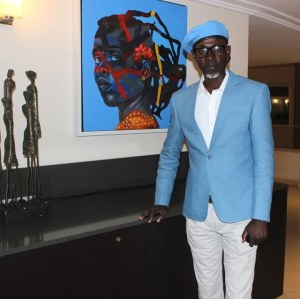
What connects these voices is a shared concern for early artistic development. In their studios and platforms, young artists are not only taught how to create but how to think, refine, and sustain a career in art. Kakandar’s mentorship series fits directly into this structure, offering a direct and practical reminder that success in the global art world is built on patience, process, and preparation but not speed.
iBAND Magazine, Celebrating Visual Arts from the Original.
Africa | Visual Art | Lifestyle | Culture

