
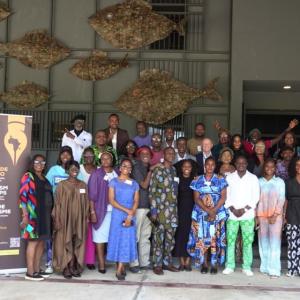
The future of arts journalism took centre stage in Lagos as Nigeria and Spain strengthened cultural collaboration through a landmark two-day workshop focused on transforming how art stories are told, communicated and preserved.
Words Ireho Aito | Don’t Keep Your Art in the Finger! Photographs Oluwaferanmi Adedeji-Ajoje and Grace Adetutu for YSMA, Abiodun Omotoso
The programme, titled “New Narratives and Singular Communication in Arts Journalism: The Museo del Prado Experience,” was held on June 10 and 11, 2026, at the Yemisi Shyllon Museum of Art (YSMA), Pan-Atlantic University, Lagos. It was organised by YSMA in partnership with the Embassy of Spain, Casa África’s #PeriodismoAfrica programme, and the Museo Nacional del Prado, Madrid, Spain.
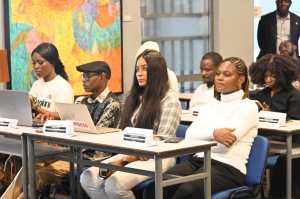
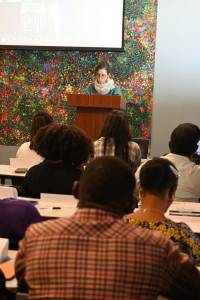
Led by Jess Castellote, Director of the Yemisi Shyllon Museum of Art, the workshop brought together cultural communicators, journalists, academics, artists and media professionals for a deeper exploration of storytelling, ethics, museum communication and the evolving role of arts journalism in shaping cultural narratives.
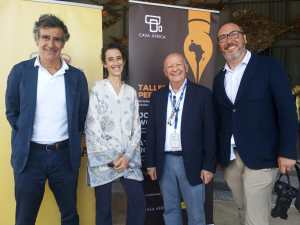
Photo courtesy Abiodun Omotosho
The general objective of the training was to equip Nigerian culture journalists and museum communication leads with Prado-tested communication strategies and YSMA-anchored practices to produce ethical, audience-centric and impactful arts journalism that sustains both careers and institutions.
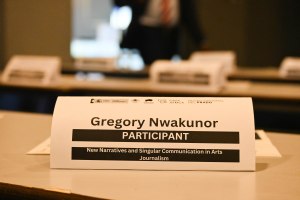
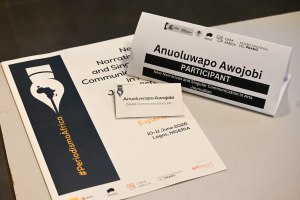
The specific objectives focused on communication mastery, translating Prado’s communication philosophy into actionable newsroom and institutional practices, including media work, owned channels and partnership building. The training also addressed ethical stewardship, innovation and skills development, sustainability, and deliverable-ready approaches for professionals working within the arts and culture ecosystem.
Among the speakers were Carlos Chaguaceda, Director of Communication and Corporate Affairs at the Museo Nacional del Prado; Eva Barta, Cultural Adviser at the Embassy of Spain; and Joan Tusell, Head of Media Relations at Casa África.
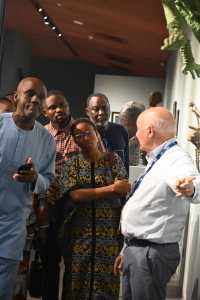
As part of the programme, participants also enjoyed a guided tour of the Yemisi Shyllon Museum of Art, helping them become more familiar with the museum, its collection and its role as a cultural institution.
A major highlight of the programme was the recognition that museums and cultural institutions are no longer simply spaces where artworks are preserved. They are communication platforms, brands and storytellers with the power to influence how societies connect with culture.
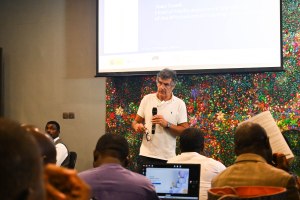
During the session titled “The Prado and the Will to Communicate,” Carlos Chaguaceda explored the importance of dynamism in communication and how institutions can create narratives that attract public attention. He explained that museums must be seen beyond collections of paintings, they must communicate like strong global brands.
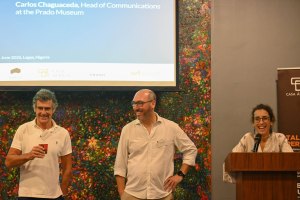
Using examples of powerful public narratives such as “the first richest black man in the world” and “the first Nigerian to…”, Tusell demonstrated how language, positioning and storytelling can create curiosity and relevance.
He emphasised that the best advertisement is often the news itself, noting that every action requires a strong headline to capture attention.
“If you don’t have a good headline, you don’t have a good idea,” he told participants, stressing that communication begins with the ability to present ideas in ways that connect with audiences.
Carlos Chaguaceda also shared what he described as the three universal laws of communication: that everyone deserves attention, everyone receives less attention than they deserve, and everyone believes they have received worse media coverage than they deserve.
The conversation then moved to a fundamental question in journalism: who decides what becomes news?
Using the traditional 5Ws of journalism “Who, What, When, Where and Why,” participants examined how stories are selected, framed and presented to the public.
The workshop also featured a panel discussion titled “A Critical Conversation on Ethics, Responsibility and Judgment in Cultural Journalism,” which brought together Dr. Ikechukwu Obiaya, Dean of the School of Media and Communication at Pan-Atlantic University; Sunshine Alaibe, Director of Art Report Africa; and self – taught artist, painter and designer Adewale Alimi.
The discussion examined the responsibilities of cultural journalists in navigating criticism, interpretation and representation, especially within a rapidly growing Nigerian art ecosystem. Alimi raised a certain red flag that received collective applause in the room when he sympathised with the journalists and their low remuneration which has become a recurring decimal. “I get surprised whenever I see an exhibition catalogue and discover how public relations experts are being highly paid to promote exhibitions and journalists who push exhibitions out through their creative writings are poorly remunerated.” Alimi painted the reality.
Dr. Ikechukwu Obiaya, in his remarks believe it is high time journalists should be more creative, to start thinking outside the box of newsroom if they really want to compete financially with other professionals in the creative field.
The workshop further addressed emerging newsroom challenges, particularly the increasing influence of artificial intelligence in journalism.
Researcher and senior academic at Pan-Atlantic University, Dr. Nwachukwu Egbunike, encouraged journalists to embrace AI tools responsibly while maintaining cultural sensitivity, ethical awareness and editorial integrity.
The sessions reinforced the idea that the modern arts journalist must move beyond reporting events. The journalist is a documentarian preserving cultural moments, a critic providing interpretation, a bridge connecting artists and audiences, and a narrative shaper influencing how African creativity is understood globally.
The workshop challenged arts journalists in Nigeria to look beyond the traditional role of reporting exhibitions, events and artistic milestones, urging them to embrace a wider responsibility within the creative ecosystem. The journalist, according to Dr. Jess Castelotte, who is also a renowned art collector and scholar, he emphasised, is not merely an observer but an active participant in shaping how art is understood, valued and remembered.
As documentarians, arts journalists preserve important cultural moments for future generations. As critics and analysts, they provide deeper interpretations that allow audiences to engage with the meaning, context and relevance behind artworks. They also serve as legitimising voices, helping audiences recognise the significance of artists and movements within a constantly evolving cultural landscape.
Beyond reporting, Jess Castelotte opined that journalists play a role in building the artistic canon by contributing to historical memory and recording the stories that define creative eras. They act as bridges connecting artists, institutions and audiences, creating conversations that extend beyond galleries and museums into wider society. Through their narratives, they influence how African creativity is perceived both locally and on the global stage.
For Nigeria’s expanding art scene, this responsibility has become increasingly important as the country continues to command greater attention within the international contemporary art conversation. The future of arts journalism, Jess Castelotte suggested, lies in storytelling that does not only capture the present but helps shape the legacy of African art.
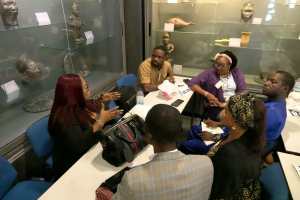
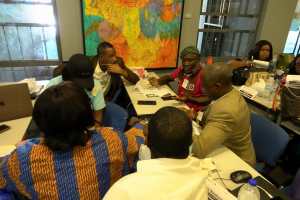
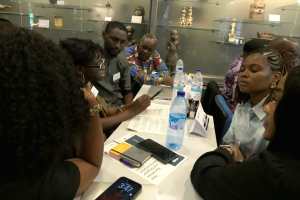
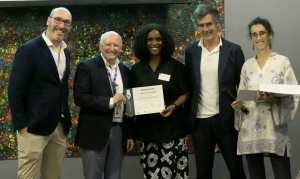
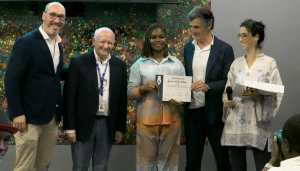
To round up the two-day training, participants were divided into groups for a team pitch session, where they applied lessons from the workshop and presented ideas reflecting the communication strategies, storytelling approaches and institutional practices explored during the programme.
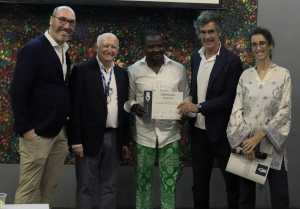
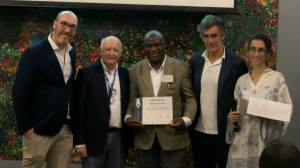
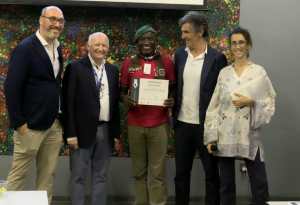
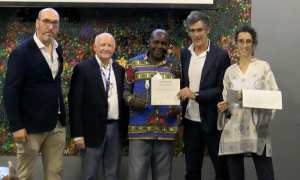
As Nigeria continues to gain visibility in the international contemporary art conversation, the Lagos workshop represented an important step towards strengthening the capacity of journalists to tell deeper, more meaningful stories about Africa’s creative landscape.
The Museo del Prado Experience ultimately became more than a training programme; it became a conversation about the future of cultural storytelling and the responsibility of those who shape the narratives of art.
iBAND Magazine, Celebrating Visual Arts from the Original.
Africa | Visual Art | Lifestyle | Culture

