
In a recent press statement, the Lagos State Government announced plans to designate the last week of September each year as “Yoruba Week” to celebrate and preserve the rich Yoruba cultural heritage. This decision follows a resolution passed by the Lagos State House of Assembly on September 19, 2023, calling for the activation of Yoruba cultural heritage and the designation of a special day as Yoruba Day. The announcement, conveyed in a letter dated April 8, 2024, and signed by the Permanent Secretary of the Ministry of Tourism, Arts and Culture, signifies the official approval by the Governor for this initiative.
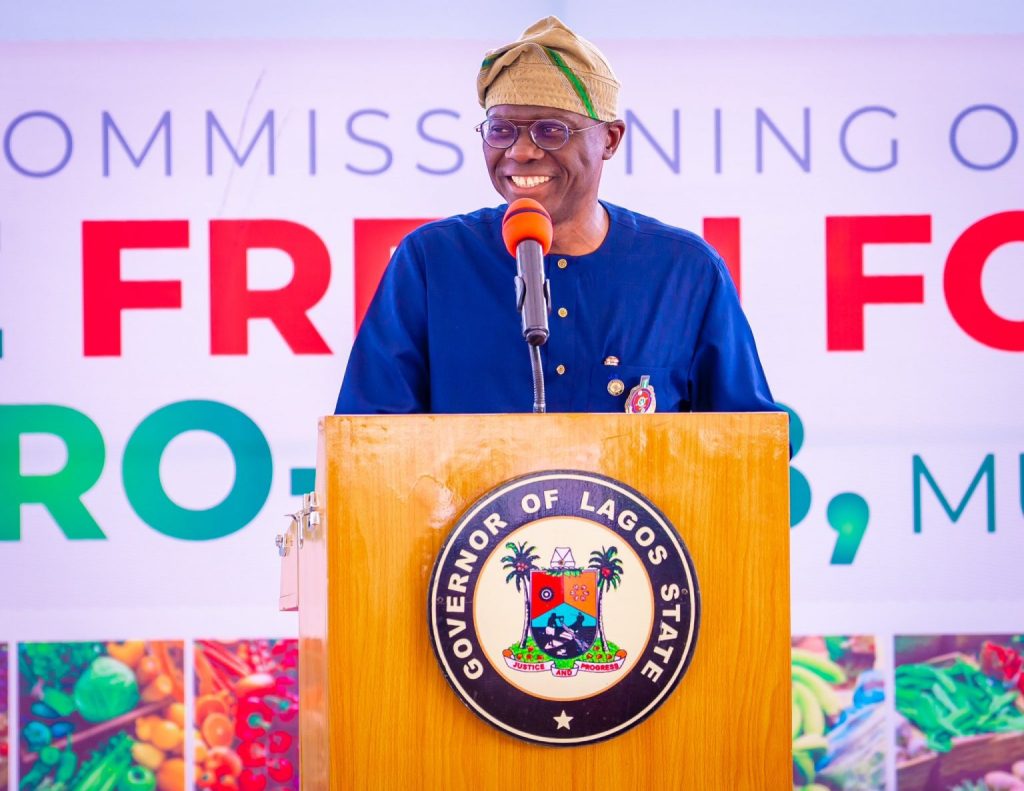
The announcement by the Lagos State Government to dedicate the last week of September every year as “Yoruba Week” to celebrate the Yoruba culture reflects a growing trend worldwide of recognizing and honoring indigenous cultures within diverse societies. This initiative not only highlights the importance of preserving cultural heritage but also serves as a platform for promoting cultural diversity and understanding.
Comparing this news with other societies around the world reveals similar efforts to celebrate and preserve indigenous cultures. For example, in Canada, the government officially recognizes National Indigenous Peoples Day on June 21st each year, honoring the cultures and contributions of First Nations, Inuit, and Métis peoples. This day serves as an opportunity for all Canadians to learn about and appreciate Indigenous heritage.
Similarly, in Australia, NAIDOC Week (National Aborigines and Islanders Day Observance Committee) is celebrated annually in July to recognize and celebrate the history, culture, and achievements of Aboriginal and Torres Strait Islander peoples. This week-long event includes various activities such as cultural performances, art exhibitions, and community gatherings.
In New Zealand, Māori Language Week (Te Wiki o te Reo Māori) is observed in September to promote the use of the Māori language and celebrate Māori culture. During this week, schools, businesses, and communities engage in activities aimed at increasing awareness and understanding of the Māori language and culture.
These examples illustrate a global movement towards recognizing and honoring indigenous cultures, languages, and traditions. By dedicating specific weeks or days to celebrate cultural diversity, governments and communities demonstrate their commitment to preserving heritage, fostering inclusivity, and promoting mutual respect among different cultural groups. Ultimately, initiatives like “Yoruba Week” in Lagos State contribute to a more harmonious and culturally rich society, where every culture is valued and celebrated.

