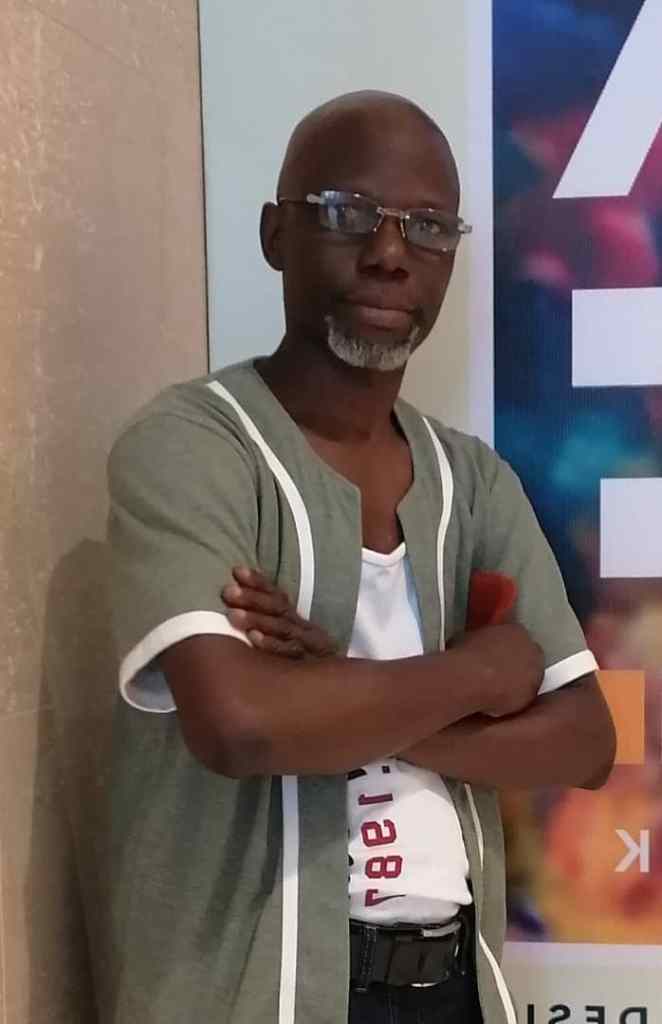
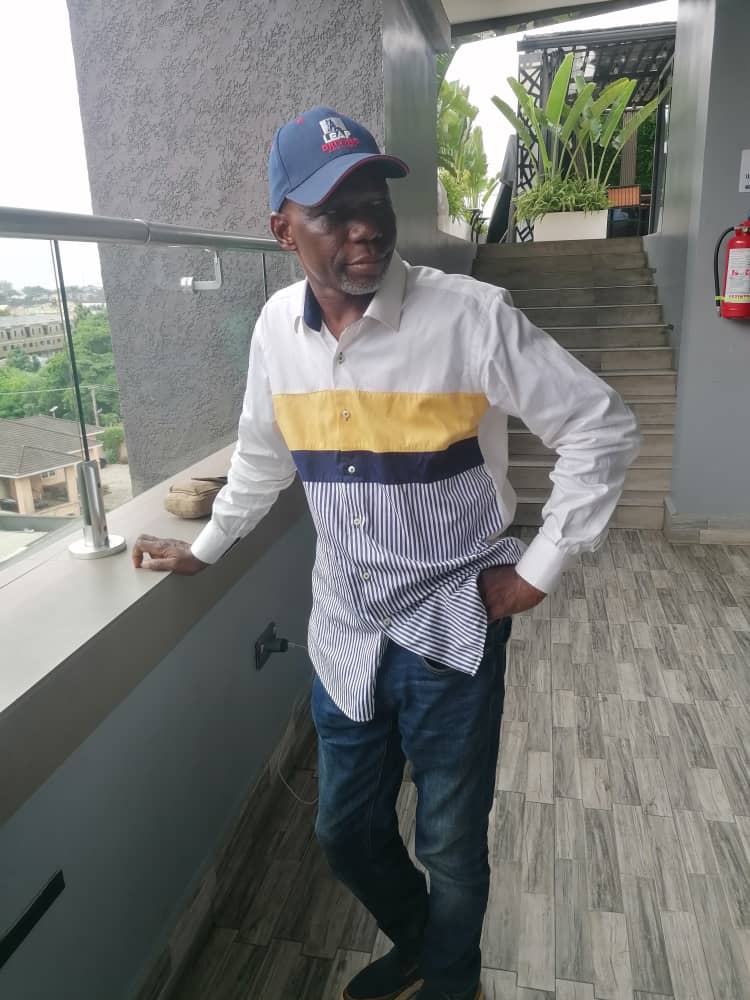
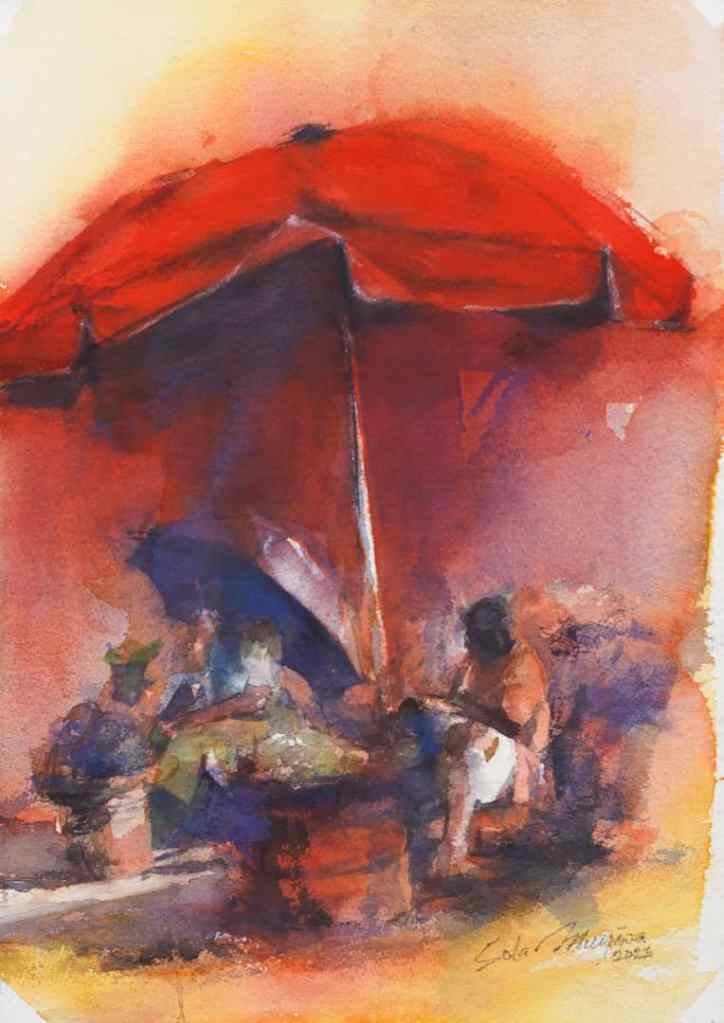
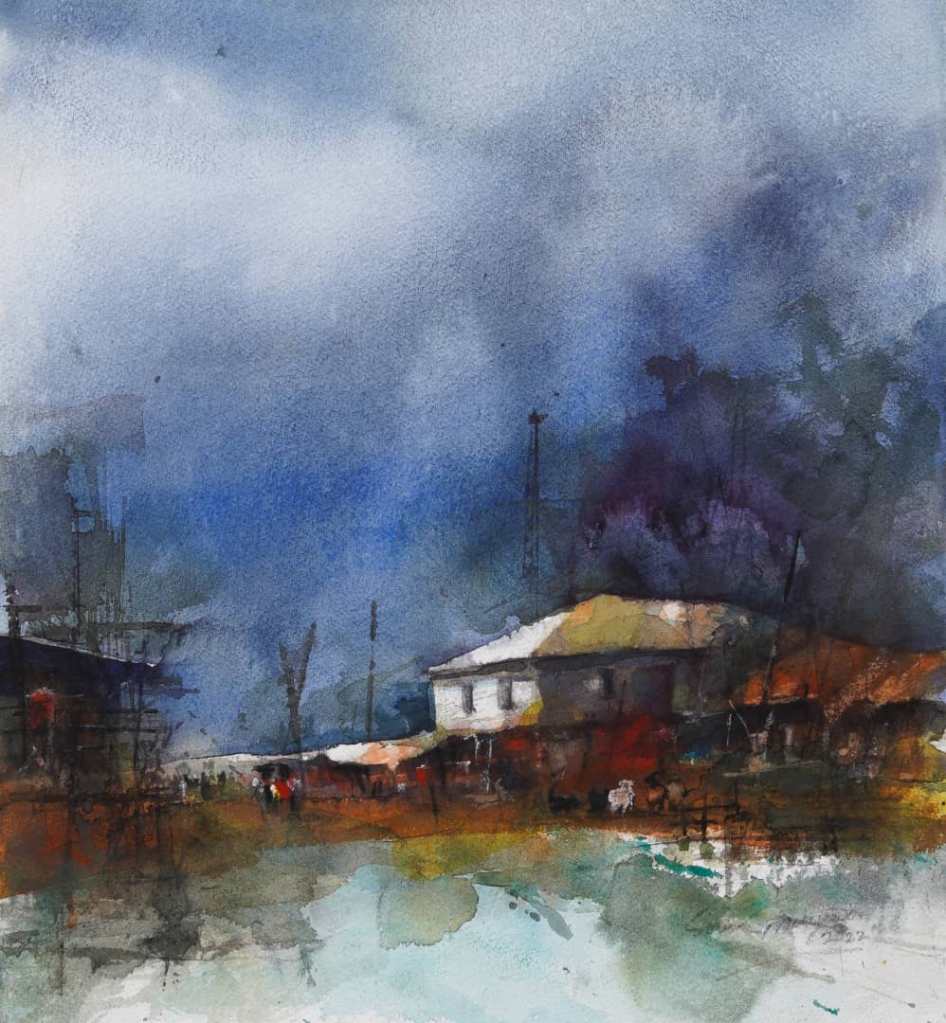
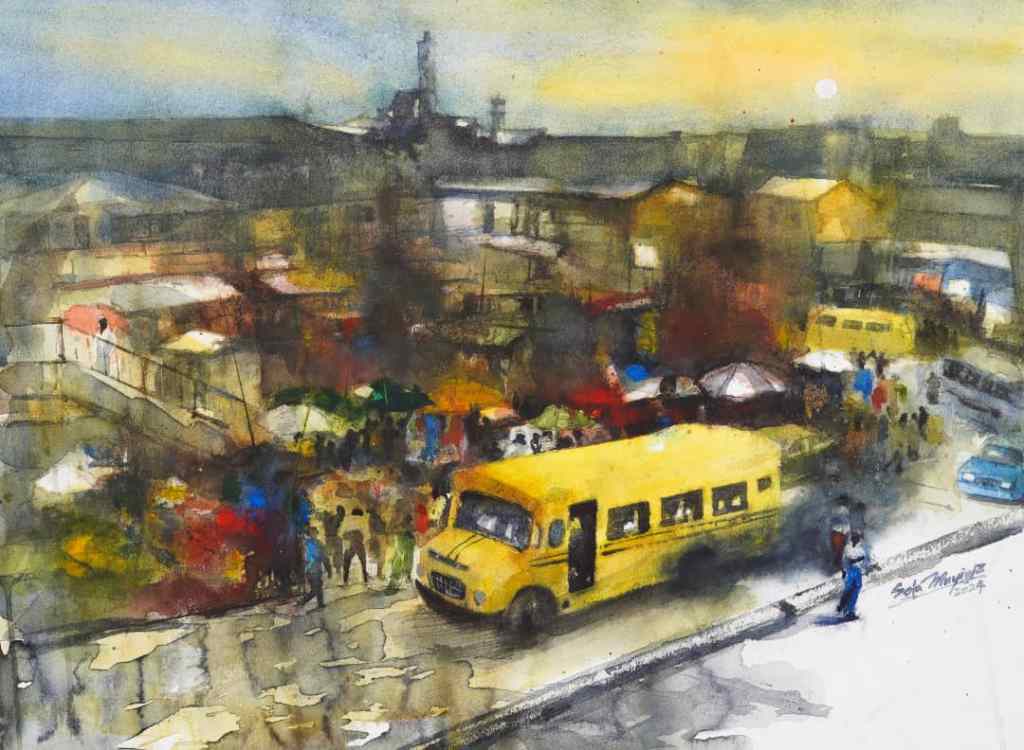
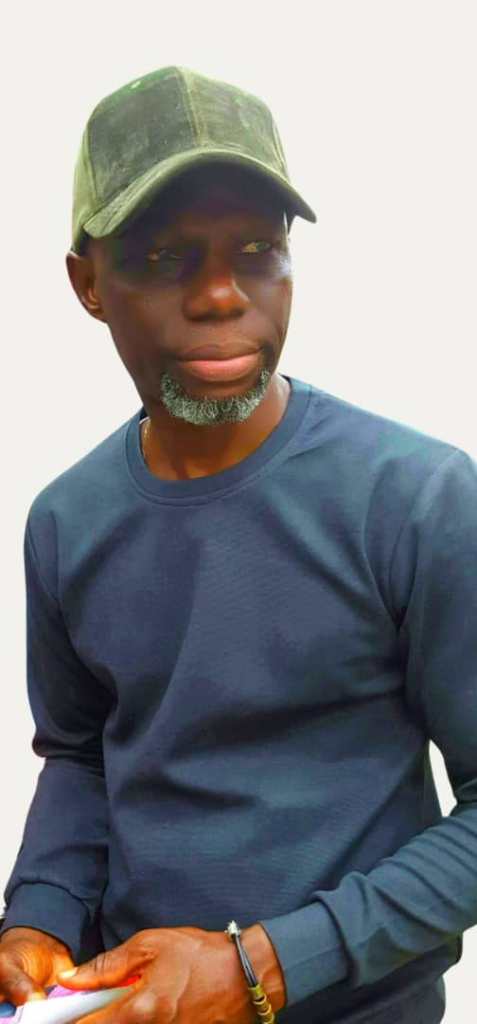
Cover |Ambassador Olumuyiwa Afolabi Olusola exhibits First Insight Without Compromise at Gemini Art Gallery
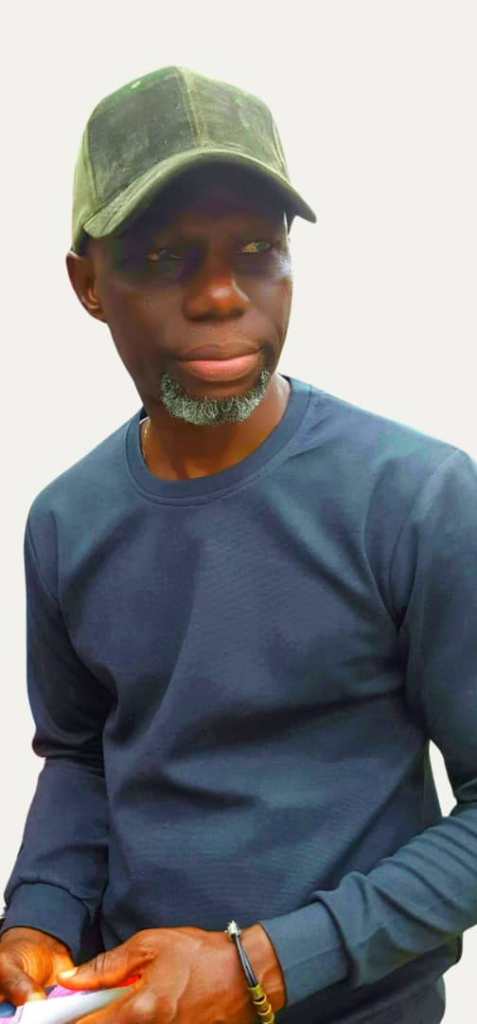
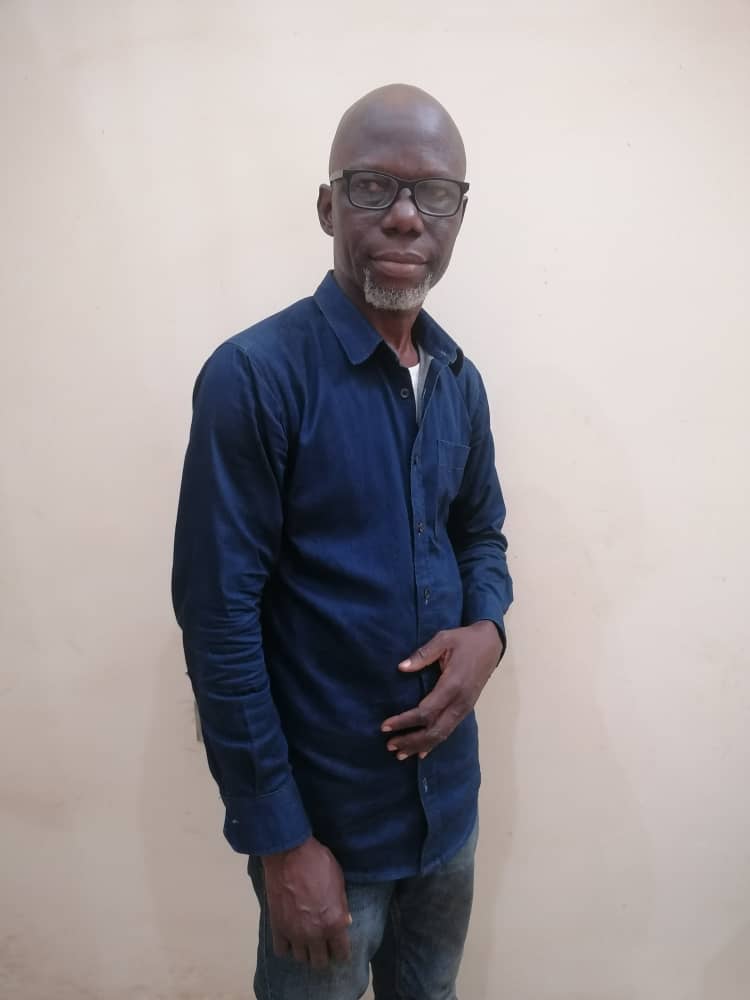
Ambassador Olumuyiwa Afolabi Olusola is a distinguished culture diplomat and artist whose creative prowess embodies prosperity and grace. A graduate of the prestigious Yaba College of Technology in Lagos, he has a deep appreciation for his cultural roots, which is evident in his vibrant watercolor collections.
His artwork showcases strong, distinct colours and clear messages, reflecting his dedication to the medium. Olusola’s talent allows him to transport audiences to the realms of nature, as well as to portray the beauty of rural and modern architecture, celebrating the essence of hard work. Over the years, he has evolved into a brand strategist and graphic artist, managing accounts for global brands in advertising.
On October 5th, 2024, at Gemini Art Gallery, Lagos, Olumuyiwa Olusola will present his latest work, “First Insight,” where he aims to infuse his art with a higher level of abstraction and ambiguity while still referencing the world around him. His journey into watercolor painting has been a gradual evolution, rooted in a period of artistic self-reflection. Olusola acknowledges that this creative realization has shaped the essence of his work, allowing him to explore the depths of his artistic expression through the medium he loves.
Olumuyiwa Afolabi Olusola in an exclusive interview with iBAND Magazine in Lagos, opened up more about his career, life and beliefs. Words by Ireho Aito.
What inspired you to pursue a career in art, specifically watercolours?
The inspiration behind my pursuit of a career in art, particularly in watercolour, stems from a deep connection with the fluidity and unpredictability of the medium. Early on, I was captivated by how watercolour’s transparency and softness could evoke a sense of light, movement, and emotion that felt both delicate and powerful.
Why Watercolours? What drew me specifically to watercolors was its ability to blend spontaneity with precision. The fluidity of the water allows the paint to flow in ways that are sometimes unpredictable, creating unique effects that can’t be fully controlled. This inherent unpredictability mirrors life in a way that resonates with me teaching me patience, acceptance, and the beauty in the unexpected. Watercolours push me to embrace imperfections and discover the hidden beauty that often lies beneath the surface.
Watercolours push me to embrace imperfections and discover the hidden beauty that often lies beneath the surface.
Additionally, the medium’s capacity to capture the subtleties of light and shadow, while maintaining a sense of softness, gives me the freedom to express my intuition, emotions and ideas with both intensity and subtlety. It allows me to explore themes such as identity, nature, and human connection with a level of transparency that feels deeply personal.
The Artistic Journey: My journey into art began with a love for sketching and observing the world around me. Over time, I explored various mediums, but watercolour captured my imagination in a way that no other medium could. It offered a sense of immediacy and expression that felt natural and aligned with my vision. The process of layering washes, experimenting with wet on wet techniques, and watching the pigments come to life as they meet water became not just a technique but a meditative practice.
I explored various mediums, but watercolour captured my imagination in a way that no other medium could.
What started as a personal exploration has evolved into a professional career, where I can now share my passion for watercolour with the world. Each piece I create is a reflection of my journey, emotions, and the unique connection I feel with this medium. Pursuing watercolour as my artistic focus has allowed me to translate fleeting moments into lasting visual expressions something that continues to inspire and motivate me every day.
Ultimately, what inspires me in watercolour is the power to capture the essence of life, where nothing is ever static, and every moment is a blend of form, color, and emotion.
How does your cultural background influence your artistic practice?
The cultural background plays a significant role in shaping my artistic practice, particularly in terms of the themes, subjects, and narratives I choose to explore. Growing up immersed in the rich cultural heritage of Africa, I have been deeply influenced by the vibrant colours, diverse traditions, and storytelling practices that define our communities. These influences are reflected in my work, where I strive to create pieces that capture the essence of cultural identity, history, and collective memory.
Connection to Tradition and Identity: African art has always been a powerful medium for expressing identity, and that is something I carry into my watercolour paintings. I am drawn to exploring how cultural traditions, symbols, and folklore shape not only individual identities but also our shared sense of belonging. In my work, you can often find references to African motifs, patterns, and symbols that tell stories of resilience, unity, and the passage of time. These elements ground my work in a cultural context, while also inviting viewers to reflect on their own heritage and personal journeys.
African art has always been a powerful medium for expressing identity, and that is something I carry into my watercolour paintings.
Colours and Aesthetics: Colour is an important tool in my artistic practice, and my use of it is heavily influenced by the vibrant hues found in African textiles, landscapes, and festivals. Growing up surrounded by the rich colours of traditional fabrics, markets, and nature, I’ve developed a deep appreciation for how colour can evoke emotion, set a tone, and communicate meaning. In my watercolours, I aim to bring that same vibrancy to life using bold, expressive brush palettes to convey the energy, joy, happiness and complexity of life.
I’ve developed a deep appreciation for how colour can evoke emotion, set a tone, and communicate meaning.
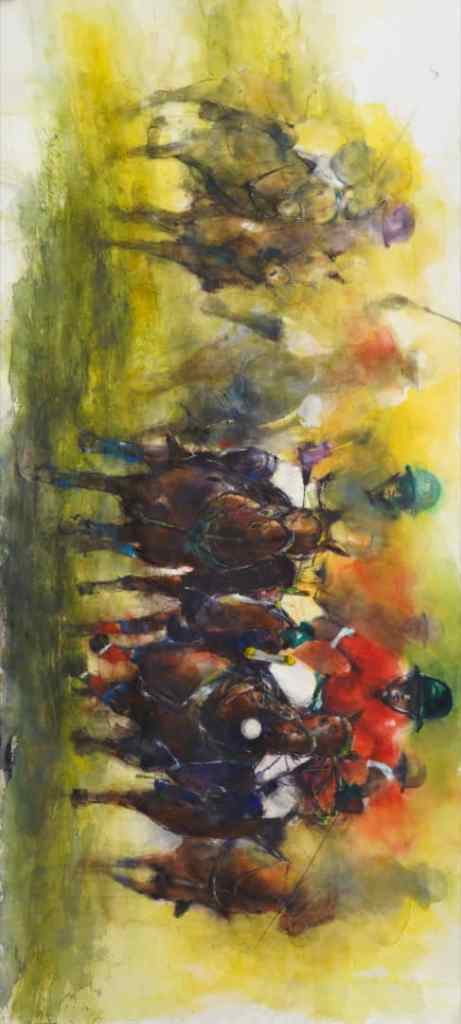
Artwork courtesy of Amb. Olumuyiwa Afolabi Olusola
Storytelling and Oral Traditions: African culture is rooted in storytelling, where history, morals, and values are passed down through generations. This tradition has influenced the narrative structure of my work. I see my paintings as visual stories, capturing moments of life, human experiences, and cultural transitions. The fluidity of watercolour allows me to represent these narratives in an organic, flowing way similar to the way stories unfold in the oral tradition. Through my art, I seek to tell stories that resonate with both personal and collective experiences, often reflecting themes of migration, community, and transformation.
Through my art, I seek to tell stories that resonate with both personal and collective experiences,
Artwork courtesy of Amb. Olumuyiwa Afolabi Olusola
Resilience and Social Commentary: Another important influence is the resilience of African communities in the face of challenges. From economic hardships to political upheavals, I am inspired by the strength and determination of people to overcome adversity. This resilience is a recurring theme in my work, “This Time” (Igba yi series) often represented through figures, landscapes, or symbolic elements. I aim to create art that speaks to these realities, offering both a commentary on current social issues and a message of hope and perseverance.
The Influence of Nature: Nature holds a prominent place in African culture, and this connection deeply influences my artistic practice. “Close to Nature”, “Meeting of the Elders” “Meeting Point” Whether it’s the sweeping savannas, the dense forests, or the tranquil coastlines, nature plays a vital role in shaping not just the environment but also the cultural and spiritual lives of people. In my paintings, I often use elements of nature to reflect themes of growth, renewal, and harmony. The natural world becomes both a subject and a metaphor, symbolizing the cycles of life and the interconnectedness of all living things.
In essence, my cultural background is the lens through which I view the world and, by extension, the way I approach my art. It provides a rich tapestry of inspiration that allows me to blend tradition with contemporary perspectives, creating works that are both deeply personal and universally relatable. My artistic practice is a reflection of my heritage, where the past and present meet in each brushstroke, telling stories that honour my roots while engaging with the broader human experience.
In essence, my cultural background is the lens through which I view the world
Artwork courtesy of Amb. Olumuyiwa Afolabi Olusola
Can you describe the significance of the motifs you choose for your watercolours?
The motifs I choose for my Watercolour paintings hold deep significance, often serving as visual metaphors for the themes, emotions, and stories I aim to convey in my work. These motifs are not merely decorative elements but are carefully selected symbols that add layers of meaning to my Watercolour paintings. Their presence connects the viewer to the cultural, spiritual, and emotional undercurrents that run through my art.
The motifs I choose for my Watercolour paintings hold deep significance, often serving as visual metaphors
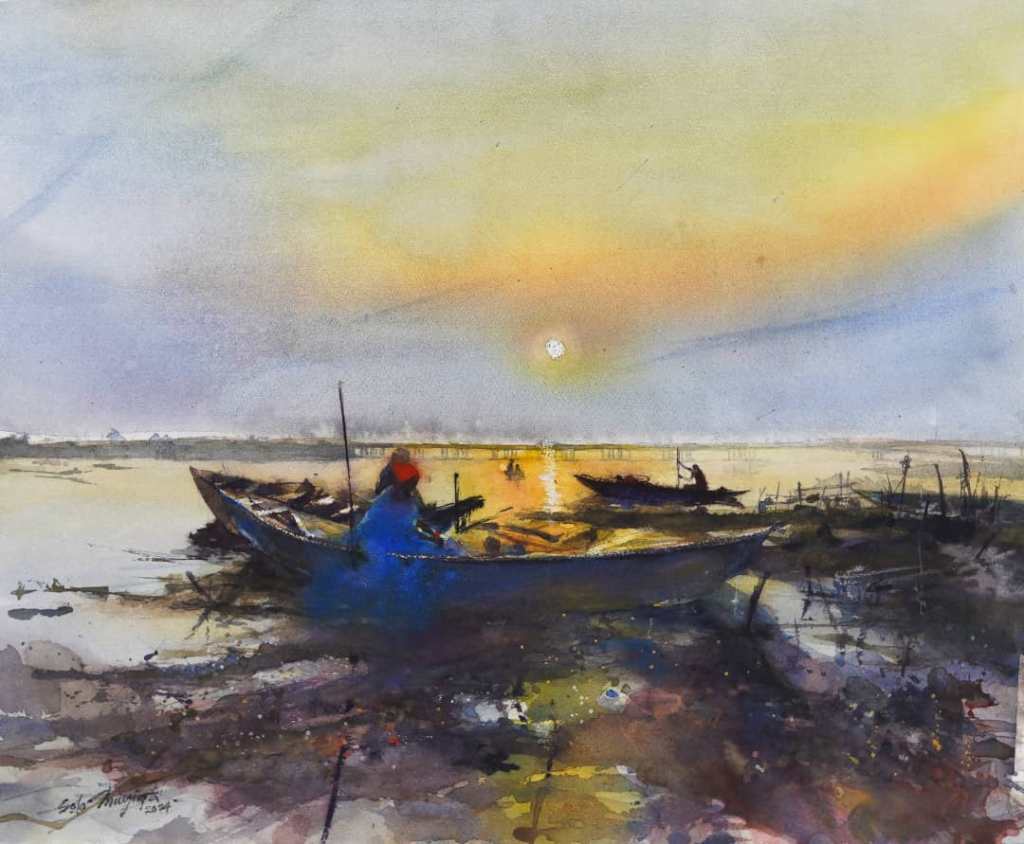
Nature and Organic Forms: Nature is a recurring motif in my watercolours paintings symbolizing life, energy, growth, transformation, and renewal. I often use elements like trees, water, and skies to reflect the cycles of life and the idea of constant change. Water, in particular, holds special significance due to its fluidity representing intuitive, power, emotions, spirituality, and the flow of time. The organic shapes of leaves, clouds, or rivers also evoke a sense of harmony and balance, reminding us of the interconnectedness of all things in nature and in life.
Light and Shadow: The play of light and shadow in my work is not just about technical rendering but also symbolizes dualities hope and despair, clarity and mystery, presence and absence. Light, especially, represents hope, insight, and spiritual awakening, while shadows often stand for the unknown or the internal struggles we face. By emphasizing these contrasts, I aim to highlight the complexities of human experience and emotion, suggesting that both light and darkness are necessary parts of life.
The play of light and shadow in my work is not just about technical rendering
Figures and Silhouettes: Human figures or silhouettes are central to many of my paintings, often representing the individual’s place in the larger universe. These figures are usually depicted in moments of reflection, transition, or connection with their environment, symbolizing the search for meaning, identity, or spiritual fulfillment. Sometimes, the figures are abstracted or merged with their surroundings, representing the blurring of boundaries between self and nature or the inner and outer joy of the worlds.
Cultural Symbols and Patterns: African cultural symbols and patterns are integral motifs in my work, reflecting my heritage and the richness of traditional African art. Geometric patterns, tribal markings, and textiles often find their way into my paintings as a nod to ancestral wisdom, cultural continuity, and the stories passed down through generations. These motifs serve as a link between the past and present, grounding my work in cultural identity while also opening up dialogues about tradition, memory, and transformation.
Spirals and Circles: Spirals and circular forms frequently appear in my work, symbolizing cycles, eternity, and unity. The spiral, in particular, represents growth, evolution, and the idea that life moves forward in a continuous flow, even as it loops back on itself. These motifs are reflective of my belief in renewal and the perpetual nature of life, where beginnings and endings are part of the same continuum. Circles also suggest wholeness and unity, aligning with themes of interconnectedness in both the personal and universal sense.
The spiral, in particular, represents growth, evolution, and the idea that life moves forward in a continuous flow, even as it loops back on itself
Water and Flow: Water itself is a central motif, given its direct connection to the medium I work with watercolor. Beyond its practical function in my art, water represents a range of symbolic meanings such as fluidity, emotion, adaptability, and purification. I often use the way watercolour pigments flow and blend with water to mirror the natural flow of water in life its ability to nourish, cleanse, and carry us forward. The unpredictability of the water also aligns with my artistic philosophy of embracing the unknown and letting the medium speak for itself.
water represents a range of symbolic meanings such as fluidity, emotion, adaptability, and purification
Artwork courtesy of Amb. Olumuyiwa Afolabi Olusola
Urban Landscapes and Movement: In more recent works, I’ve explored urban motifs, such as roads, buildings, and vehicles, to reflect the dynamic pace of modern life and the constant movement between spaces, both physical and mental. These motifs are often used to comment on themes of migration, transition, and the search for belonging in an ever-changing world. The contrast between natural and urban motifs also allows me to explore the tension between tradition and modernity, offering a visual narrative of adaptation and survival. Each of these motifs adds to the emotional and conceptual depth of my watercolours, allowing the viewer to engage with the work on multiple levels. By choosing these symbols intentionally, I aim to create a layered experience where viewers can find personal meaning while also connecting to broader themes of culture, identity, and the human experience. These motifs are, in essence, the language through which my watercolours paintings speak, conveying messages of resilience, growth, and the beauty of life’s complexities.
draw heavily on my cultural heritage to explore themes of identity, community, and resilience.
What themes or messages do you aim to convey through your work?
Through my art of watercolour paintings, I aim to convey themes of identity, resilience, interconnectedness, and transformation. My work reflects the beauty and complexity of the human experience, often drawing on cultural and spiritual symbols to explore the cycles of life and personal growth. I am particularly focused on capturing the emotional depth of moments whether they be introspective reflections, transitions, or connections between individuals and nature. Ultimately, I seek to inspire a sense of hope, renewal, and unity, inviting viewers to find meaning in both the personal and universal aspects of life.
Who are your biggest artistic influences, and how have they shaped your style?
One of my biggest artistic influences include J.M.W. Turner for his masterful use of light and atmosphere.
How do your personal experiences and environment inform your art?
My personal experiences and environment deeply inform my art by shaping both the subjects I choose and the emotions I convey. Growing up surrounded by the vibrant colours and rich culture of Africa, I draw heavily on my cultural heritage to explore themes of identity, community, and resilience. My experiences of change, introspection, and connection to nature also play a significant role, allowing me to create work art that reflects both personal growth and broader human narratives. The fluidity of watercolour paintings mirrors the unpredictability of life, allowing me to explore, express and moments of transformation, hope, and renewal.
draw heavily on my cultural heritage to explore themes of identity, community, and resilience.
Artwork courtesy of Amb. Olumuyiwa Afolabi Olusola
What challenges have you faced as an artist, and how have they impacted your work?
As an artist, a Watercolourist, I’ve faced several challenges, including balancing creative expression with financial sustainability, gaining recognition in a competitive art world, and overcoming self doubt. These challenges have impacted my work by pushing me to be more resilient and adaptable. They have also deepened my commitment to authenticity, allowing me to use my art as a means of navigating uncertainty and embracing vulnerability. Each obstacle has fueled my artistic growth, prompting me to experiment with new techniques, explore deeper emotional themes, and maintain a focus on perseverance and renewal in my work.
I’ve faced several challenges, including balancing creative expression with financial sustainability, gaining recognition in a competitive art world
How do you approach the technical aspects of working with watercolours?
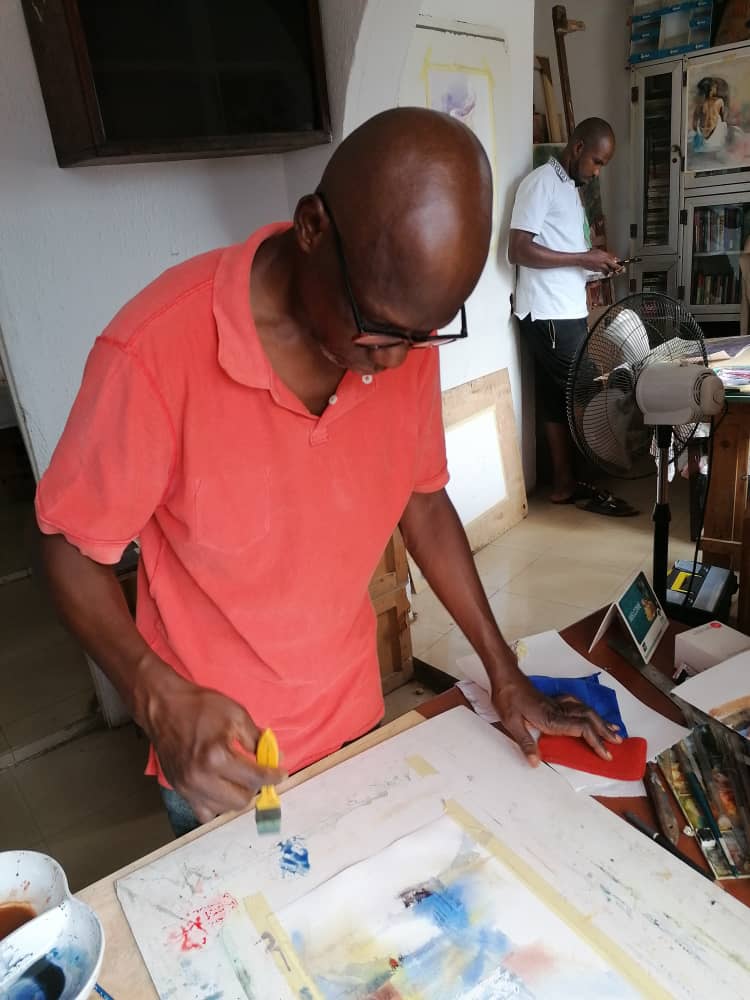
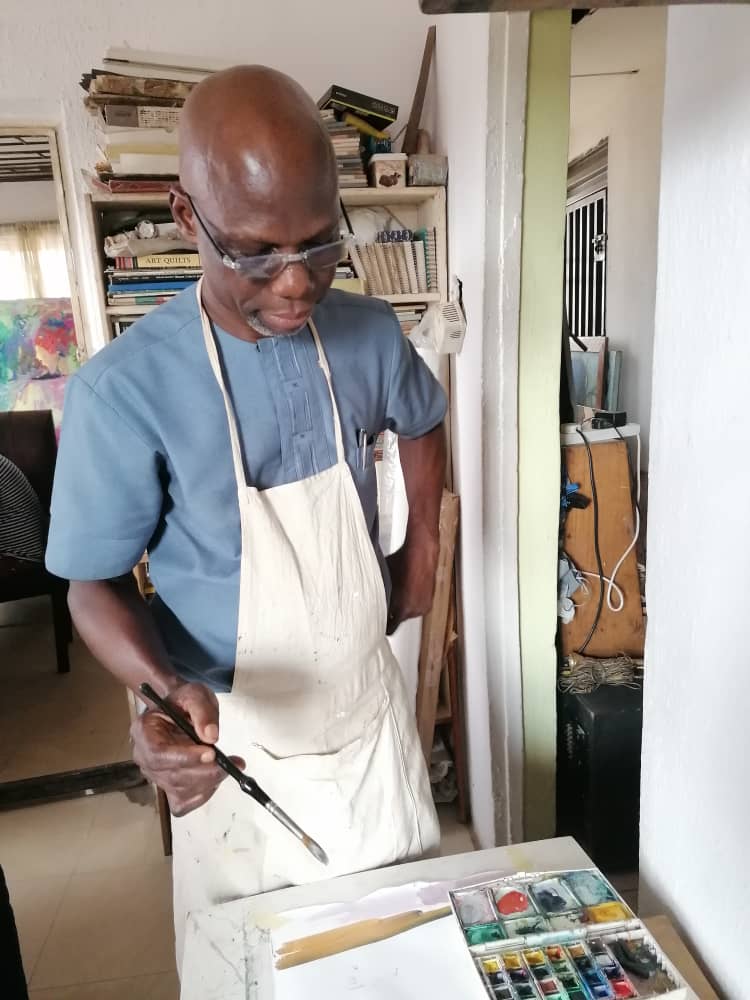
I approach the technical aspects of working with watercolours by embracing both its fluidity and unpredictability while maintaining control over the finer details. Watercolour requires a delicate balance of planning and spontaneity. I often start with light washes, allowing the water to guide the paint, creating organic textures and effects. Techniques like wet-on-wet help me capture a sense of movement and atmosphere, while wet-on-dry is used for sharper, more defined details. Layering is key to building depth and transparency, and I carefully control the amount of water to achieve the desired intensity and softness in each piece. Flexibility, patience is crucial working with Watercolour paintings and which means adapting to the medium’s natural flow, which often leads to unexpected, beautiful outcomes.
Layering is key to building depth and transparency, and I carefully control the amount of water
Artwork courtesy of Amb. Olumuyiwa Afolabi Olusola
In what ways do you think your art contributes to the broader conversation about culture?
My art contributes to the broader conversation about culture by exploring themes of identity, tradition, and transformation, particularly through the lens of African heritage. By incorporating cultural symbols, stories, and motifs, I seek to preserve and celebrate my roots while engaging in a dialogue about the complexities of modern life. My watercolours paintings reflect the blending of old and new, tradition and innovation, inviting viewers to consider how culture shapes individual and collective experiences. Through my work, I aim to highlight the richness and diversity of cultural narratives while emphasizing our shared humanity, ultimately contributing to a deeper understanding and appreciation of cultural identity in an increasingly globalized world.
My watercolours paintings reflect the blending of old and new, tradition and innovation, inviting viewers to consider how culture shapes individual and collective experiences.
What do you hope viewers take away from your exhibition?
I hope viewers take away a sense of reflection, inspiration, and connection from my exhibition. I want them to feel the emotional depth of the stories told through my watercolour and to reflect on their own personal journeys how they relate to themes of identity, resilience, and transformation. I hope they leave with a renewed appreciation for the power of art to capture life’s complexities, feeling more connected to their cultural heritage or broader human experiences. Ultimately, I want them to carry with them a sense of hope and insight, inspired by the idea that, like in my paintings, there’s always beauty, renewal, and light even in challenging moments.
I hope viewers take away a sense of reflection, inspiration, and connection from my exhibition
How many works are expecting to see at First Insight?
45 works
What was the motivation behind the theme of the First Insight exhibition, and how does it reflect your artistic journey?
The motivation behind the First Insight exhibition comes from a desire to share the initial, raw moments of discovery that have shaped my artistic journey. It represents the personal insights I’ve gained through self reflection, cultural exploration, and emotional experiences. The theme reflects my growth as an artist, where each watercolour painting captures the essence of transformation, resilience, and the search for identity. First Insight is about offering viewers a glimpse into the deeper meaning behind everyday life and my artistic evolution, while also inviting them to explore their own insights. It marks a turning point in my journey, as I reveal a more introspective, mature side of my work, grounded in personal and cultural narratives
The theme reflects my growth as an artist, where each watercolour painting captures the essence of transformation, resilience, and the search for identity.
Can you discuss any specific pieces in the exhibition that hold particular significance for you?
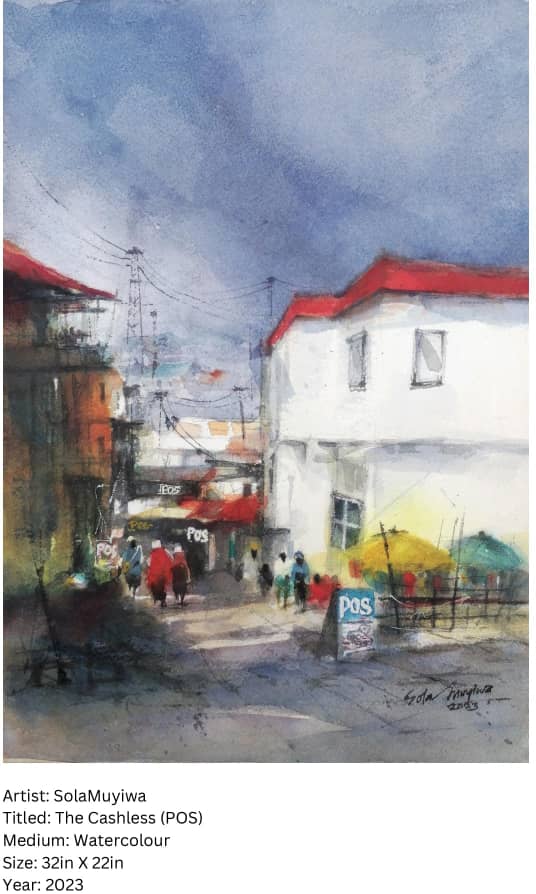
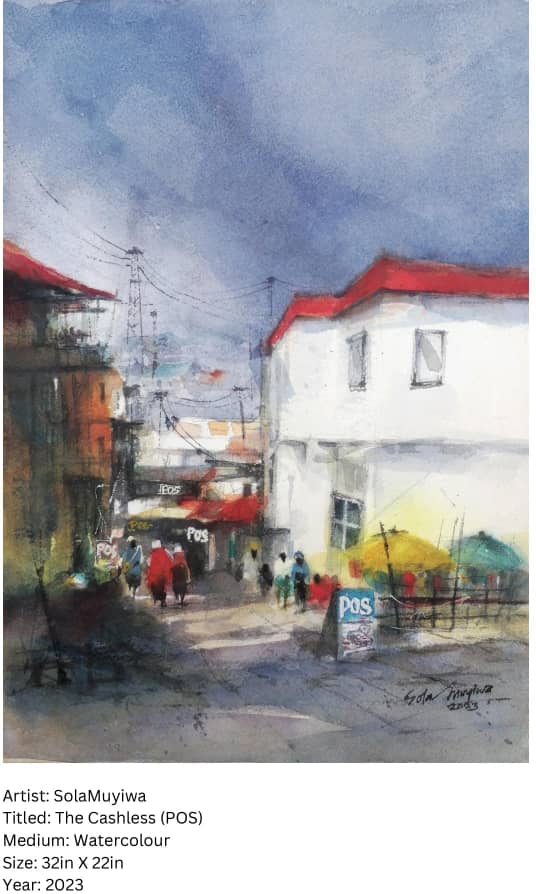
“CASHLESS” (POS)… One piece in the First Insight exhibition that holds particular significance for me is titled “Cashless” (POS). This painting delves into the rapidly changing financial landscape, particularly the shift toward a cashless society and the increasing reliance on digital transactions. The subject matter reflects the growing use of POINT OF SALE (POS) systems and mobile payments, which have become everyday experiences for many, especially in developing economies.
In “Cashless,” I use the fluidity and transparency of watercolour painting to capture the intersection between tradition and modernity. The blending of colours symbolizes the merging of old ways of handling money physical cash with the new digital frontier. The delicate yet bold strokes depict the subtle tension between convenience and the challenges posed by the shift, such as accessibility and economic disparity.
This painting holds particular significance for me because it speaks to the socio economic shifts happening in Nigeria-Africa and beyond, where the cashless movement is both empowering and disruptive. It’s a commentary on the speed of technological change and how it reshapes our daily lives, our interactions, and even our sense of security and independence.
Through “Cashless” (POS), I hope to spark conversations about the future of financial systems, the role of technology in shaping our communities, and how individuals navigate these changes. The piece invites viewers to reflect on how technology both connects and challenges us, particularly in terms of accessibility and adaptation in rapidly evolving environments.
Through “Cashless” (POS), I hope to spark conversations about the future of financial systems
How do you hope the First Insight exhibition will resonate with the audience, and what conversations do you wish to inspire?
I hope the First Insight exhibition resonates with the audience by offering them a fresh perspective on life, identity, and the emotional journeys we all experience. Through my watercolours, I want to inspire conversations about self discovery, cultural heritage, and the beauty found in both the mundane and transformative moments of life. I aim for viewers to connect with the themes of resilience, renewal, and interconnectedness that run through the work, prompting them to reflect on their own experiences and how they relate to the world around them. Ultimately, I want the exhibition to spark dialogue about how art can serve as a mirror to our personal and collective insights, encouraging deeper engagement with ourselves and each other.
I aim for viewers to connect with the themes of resilience, renewal, and interconnectedness that run through the work
Interview/Ireho Aito/ Don’t Keep Your Art in the Finger!/Artworks/Amb. Olumuyiwa Afolabi Olusola/Photographs/Amb. Olumuyiwa Afolabi Olusola