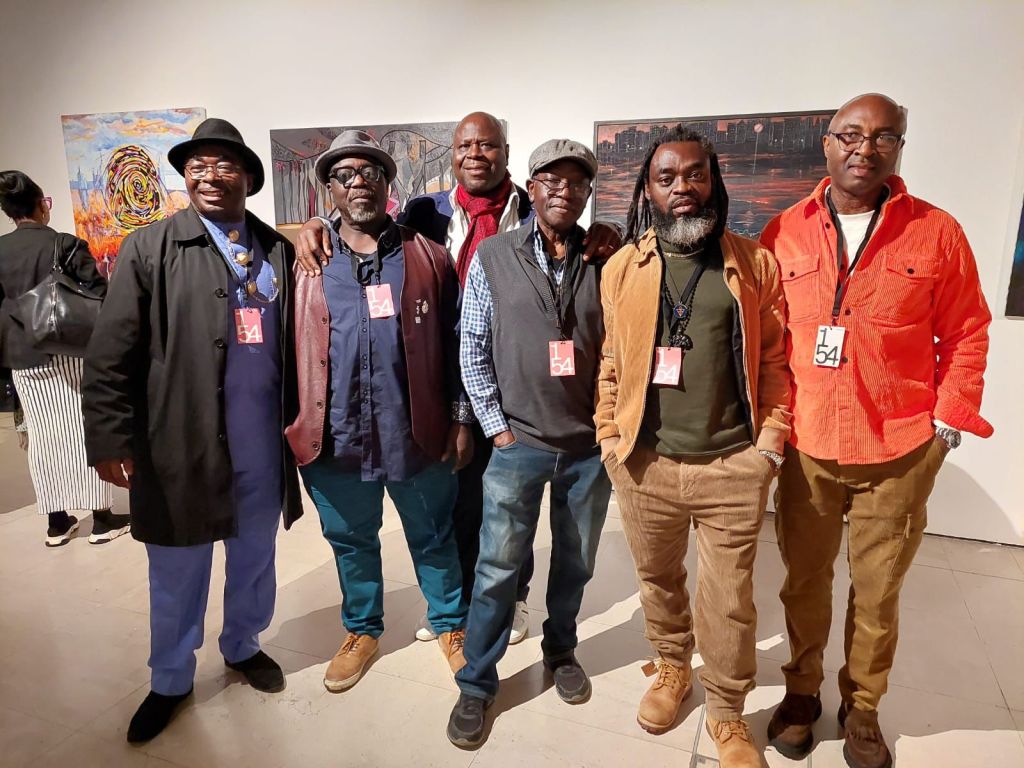
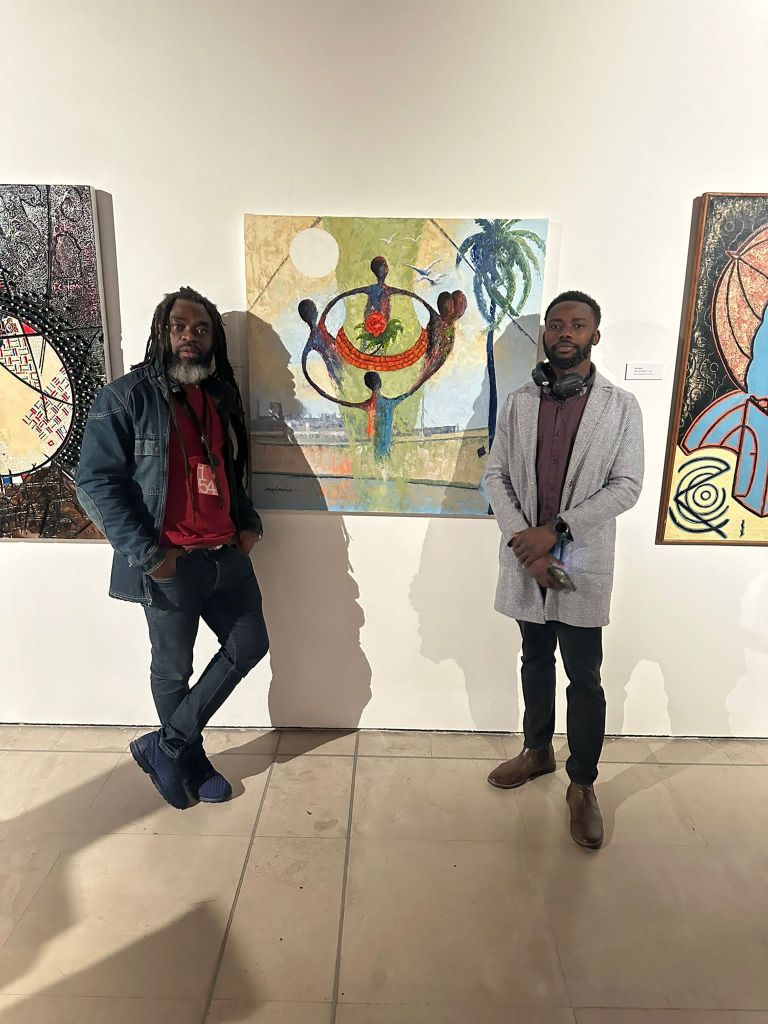
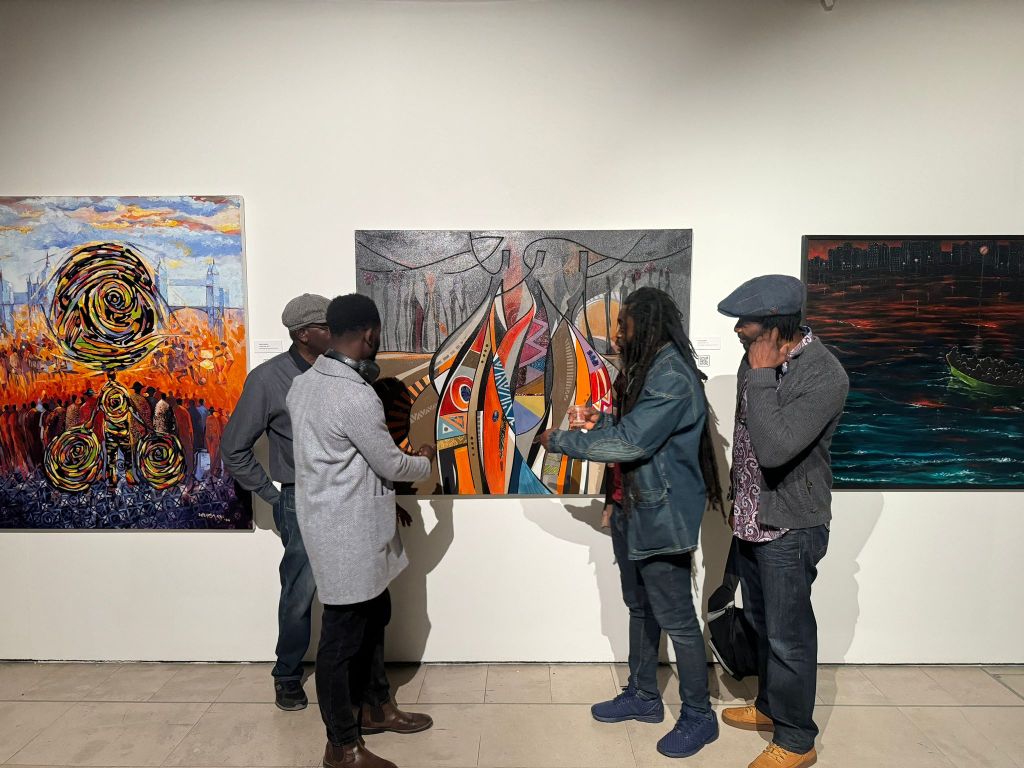
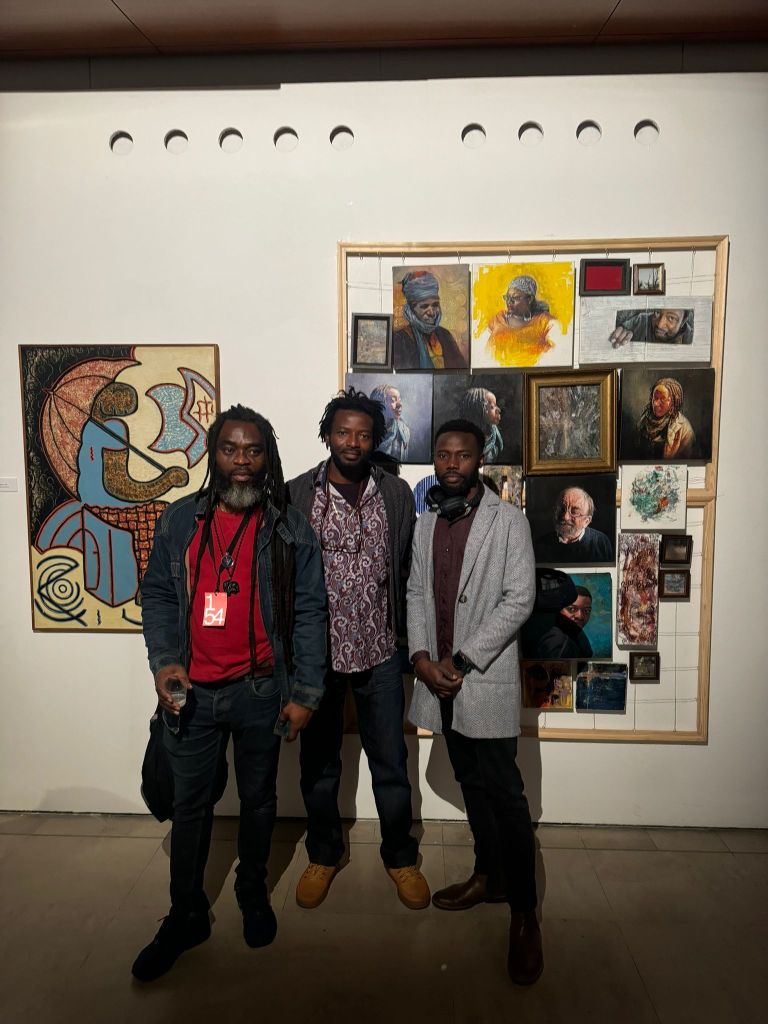
The Nigeria Art Society UK (NASUK) is participated in the 1.54 Contemporary African Art Fair at Somerset House, London.
The theme, “Waves of Change: Artistic Journeys from Nigeria to Britain,” highlights the dynamic relationship between Nigerian artists and the British art scene.
Waves of Change: Artistic Journeys from Nigeria to Britain” explores the artistic journey of Nigerian
artists in the UK from the mid-20th century to the present. The exhibition highlights the rich interplay
of identity, migration, and cultural integration examining how these artists navigate their dual
heritage, addressing Britain’s troubled historical ties with Nigeria—namely Atlantic slavery and
colonialism —while also documenting their lives in Britain.
Their works also engage with significant
Nigerian events like the Nigeria-Biafra war and the challenges of military rule, alongside celebrating
the country’s diverse cultures and landscapes.
Migration remains a deeply contentious issue, influenced by historical injustices and present-day challenges. Displaying a range of media from painting, and collage to installation and mixed media, the body of work transcends individual personal
experiences to form an interwoven narrative of our collective journey.
Anchoring this exhibition are the works of Uzo Egonu (1931-1996), described by Rasheed Araeen as
“perhaps the first person from Africa, Asia, or the Caribbean to come to Britain after the War with the sole intention of becoming an artist.” Appointed as a life counsellor to the International Association
of Art—an honour he shared with Henry Moore and Joan Miró—Egonu arrived in Britain as a teenager
shortly after World War II. His work embodies what Olu Oguibe refers to as a “judicious synthesis of visual languages,” merging his experiences in the West with the “painful turmoils” of post-colonial
Nigeria. Egonu’s diverse oeuvre, which includes both painting and printmaking, incorporates
geometric patterns and explores themes ranging from urban scenes in London to mmuo (Igbo masquerade), as seen in one of his featured oil paintings and the lithograph “Second Sacrificial Cocks”.
The solitary figures in works such as “Woman with Umbrella” and “The World in Perspective” reflect the isolation Egonu would at times experience as a Black artist in post-war Britain.
Chinwe Chukwuogo-Roy MBE (1952–2012) was a prominent Nigerian-British artist known for her official portrait of Queen Elizabeth II, commissioned for the Queen’s Golden Jubilee in 2002, making
her the first Nigerian artist to achieve this honour. Her experiences as a refugee during the Biafran War shaped her art, which often explored identity and resilience. After moving to Britain in 1975 and earning a BA in Graphic Design, she gained acclaim for her distinctive style and notable commissions, including portraits of Kriss Akabusi. In 2009, she was appointed MBE for her contributions to art and education. Her legacy endures through works like “Migrants No Entry”, featured in the ‘Waves of Change: Artistic Journeys From Nigeria To Britain’ exhibition.
Featured works include Dr Hassan Aliyu’s “The Apple Crumbles Like an Odyssey on the Bibby Stockholm”, reflecting on how historical patterns of migration—driven by global inequalities and colonial legacies—continue to shape the experiences of migrants today.
Notably, the gap between aspirations for a better life and the promises of rights and citizenship sharply contrasts with the harsh reality, marked by the erosion of local cultures and the breakdown of commitments made to these
migrants. This history resonates with the concept of an “Odyssey”—a long, arduous journey marked by struggle and survival, where the destination proved far less welcoming than anticipated.
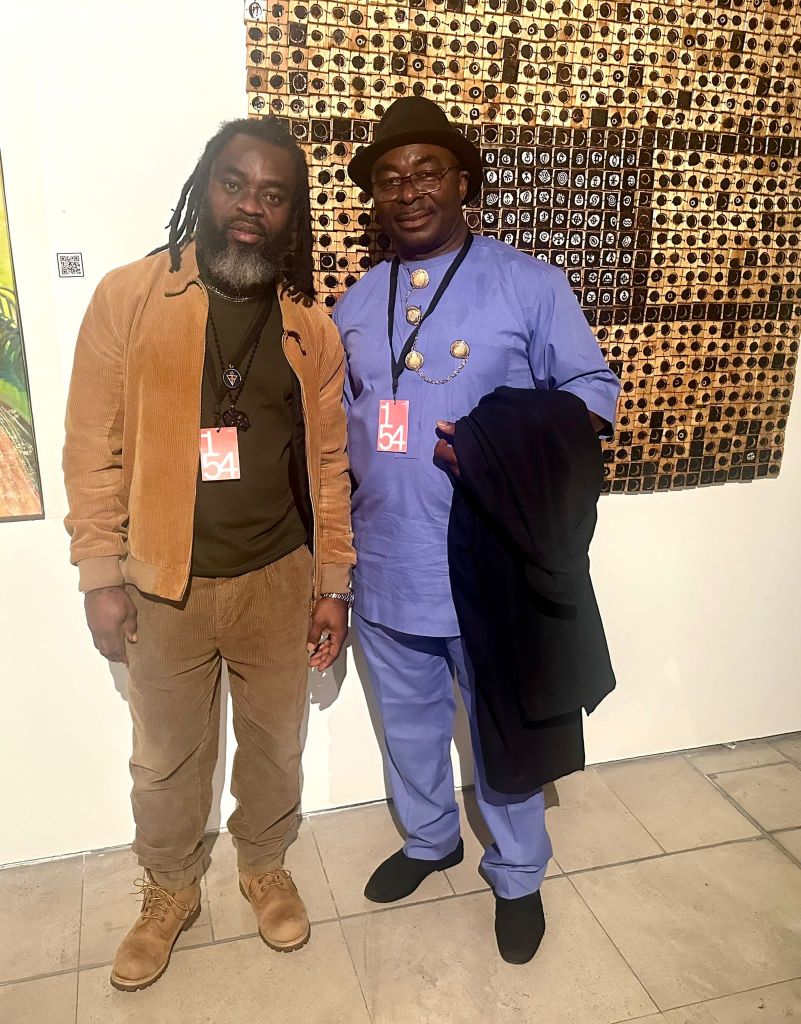
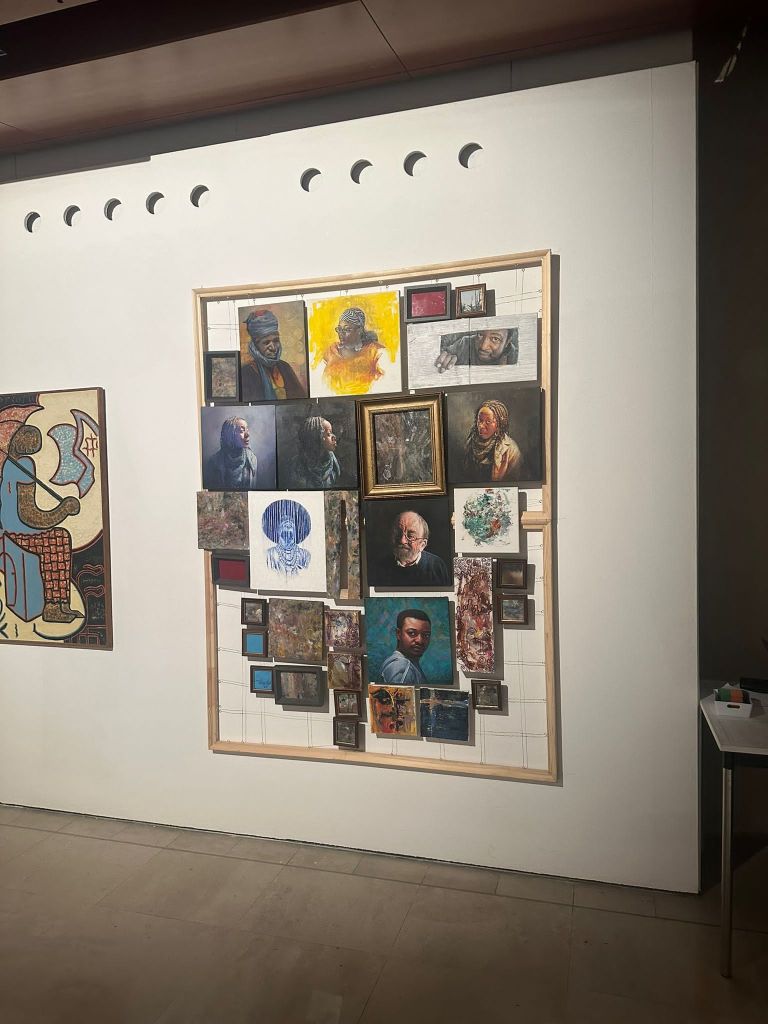
Toni Ndikanwu’s “Round holes in square pegs, the story so far” further expounds this theme, embodying the diasporic experience of leaving home in search of the ‘golden fleece’. The wooden tiles collectively represent the diverse experiences of Nigerians in the diaspora with each tile representative of unique
histories, aspirations, and expressions of the journey. The weaving together of the tiles symbolises the unique alchemy between Nigerian diaspora communities and their adopted homelands.
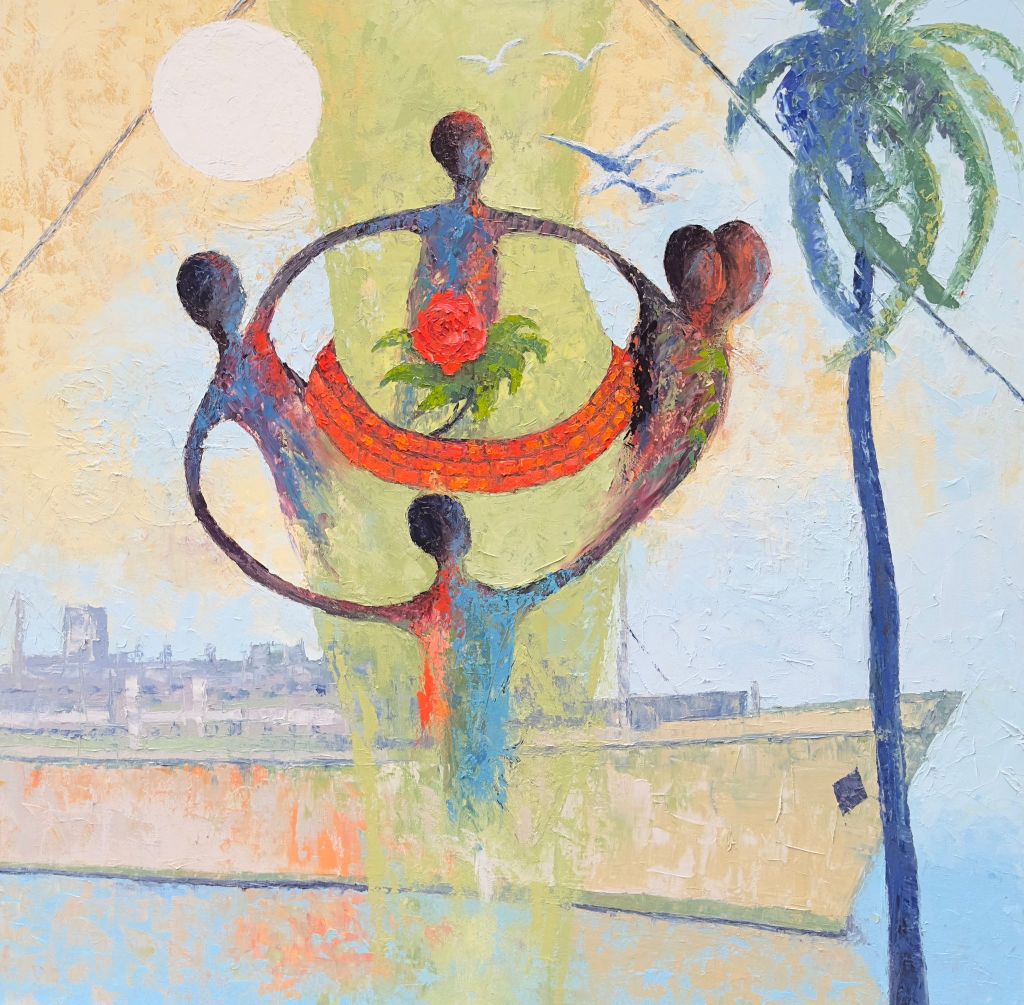
In tribute to the resilience, courage, and enduring impact of immigrants, Imoesi Imhonigie’s “Harmony Across
Horizons” piece is one of hope, determination, and the transformative power of the human spirit, illuminating the path migrants helped pave in post-war Britain. The painting, which references the
voyages many embarked on in the immediate post-war period, depicts the ship through a blend of colours, lines, and forms, symbolising both the strength of the vessel and the transient nature of travel
whilst also portraying unity and shared purposed through the five indistinct human figures connected in a circular formation.
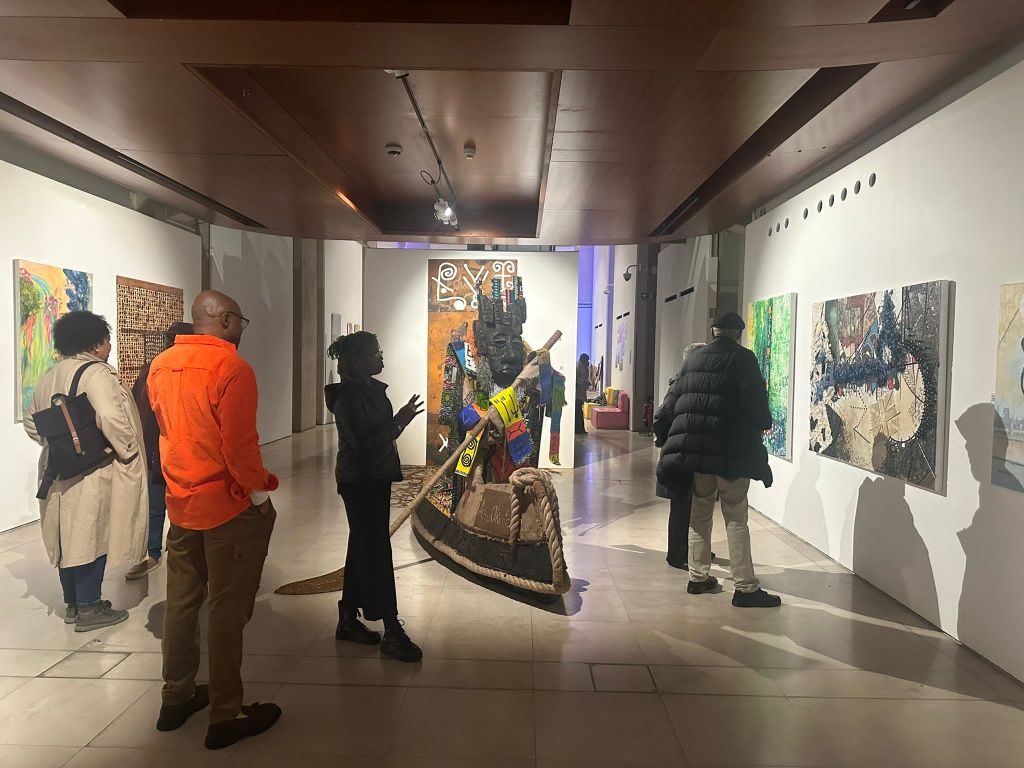
Ade Ogundimu’s “Abeokuta to Willesden” is a mixed media installation that embarks on a personal and cultural journey across continents and time exploring the cross-pollination of cultures, tracing migration’s impact on Britain’s growth, particularly during and after the World Wars. Contrary to the narrative that Africa, has solely, oral cultures, this work highlights the continent’s rich history of written
expression. Founded on his imagined legend: ‘The Personal Myth of Gudums’* the adinkra, uli and nsibidi scripts from West Africa are etched into the charred wood and painted on the canvas strips are
a powerful reminder of the continent’s literary heritage. With elements of the installation echoing early trans-Atlantic journeys, this work serves as both a deeply personal and yet collective voyage.
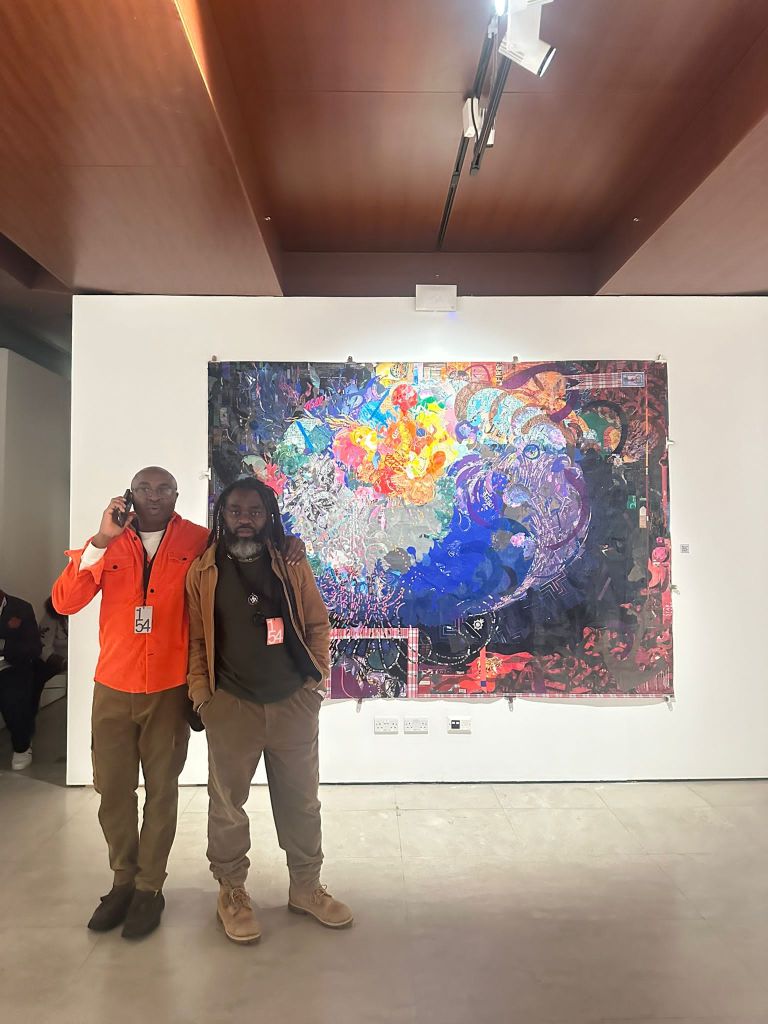
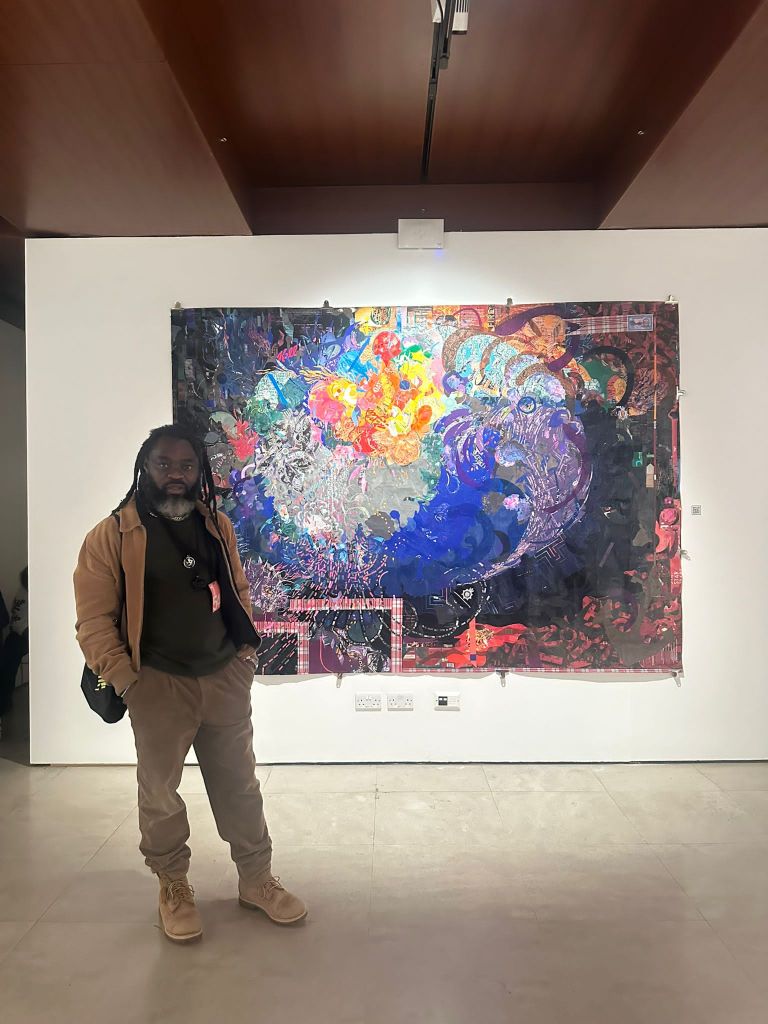
In a similar vein, Lara Ige-Jacks’ “Greener Pastures” explores the migrant’s deep connection to their roots, grounded in a strong sense of self, heritage, lineage, ancestral values, and beliefs. The Yoruba
motifs are an homage to that legacy. The cowrie shells and beads used in this piece, inherited from her grandfather, embody the ancient values of protection from evil spirits, as well as symbols of wealth
and good fortune—wishes that resonate with those embarking on journeys to other lands.
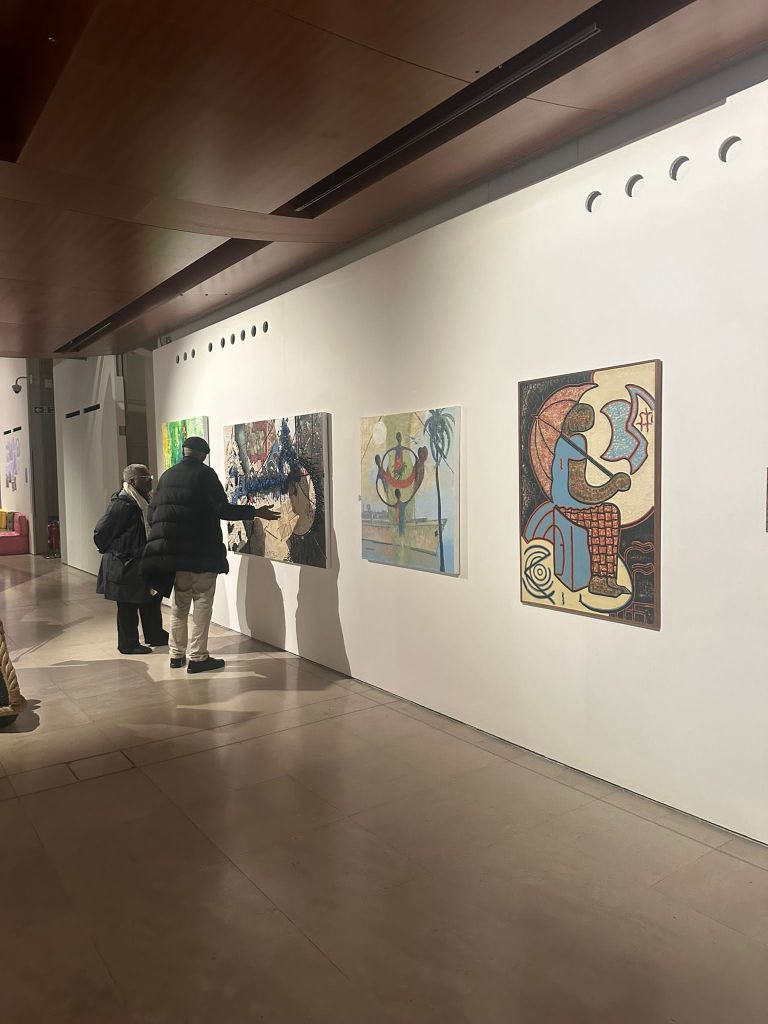
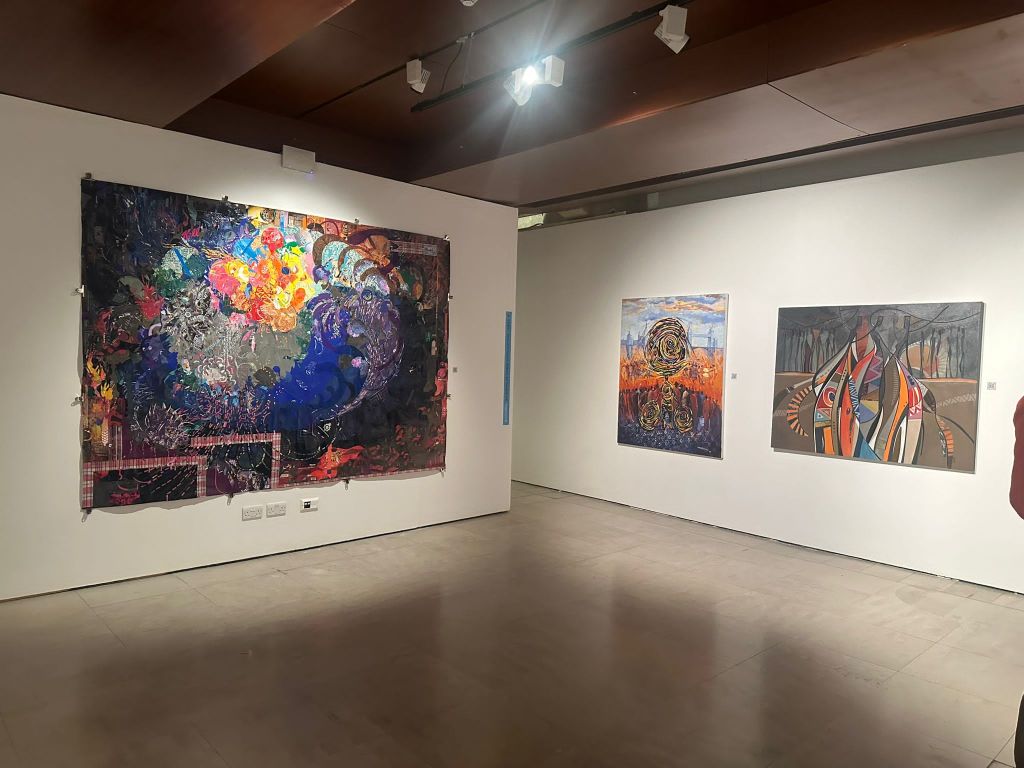
Dotun Adegbite’s “Integration” explores the politics of integration, considering the possibilities presented to Nigerians living in a new and foreign environment whilst projecting their rich cultures, history and
values. Highlighting the flamboyant aspect of the Nigerian culture, the inclusion of woven fabric in conjunction with shapes of flat colours; flowing, interlocking, overlapping as well as intercepting, serve
as expressions of the possibilities of “Integration”.
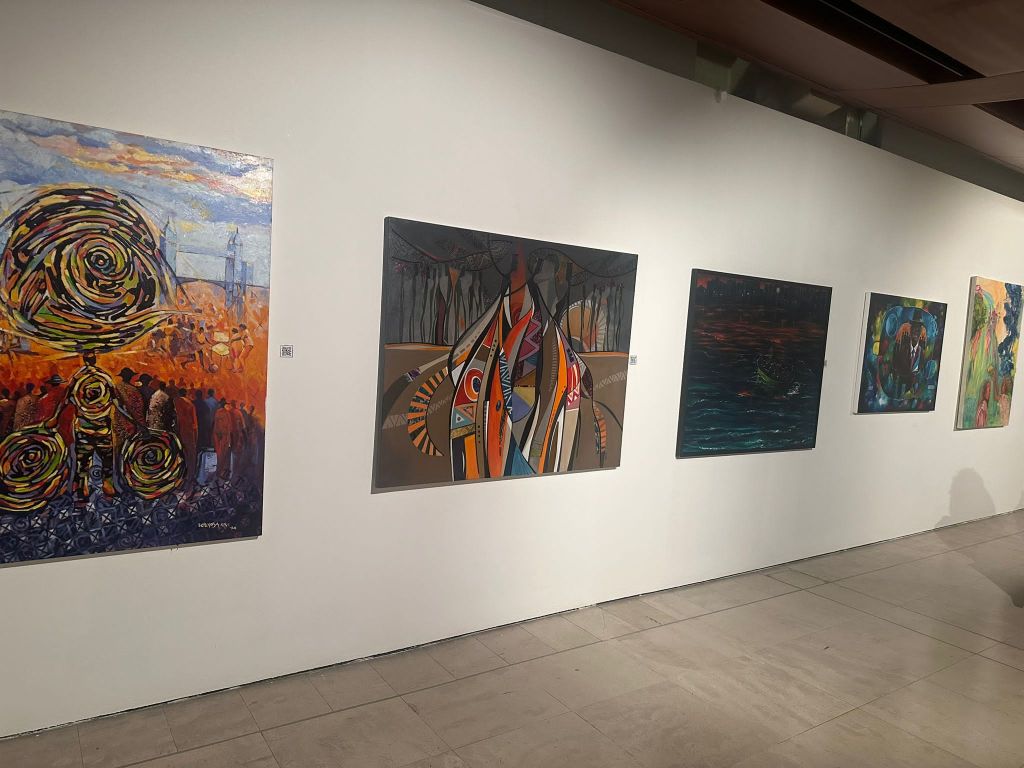
The painting “Waves of Change – The Dialogue” by Chike Azuonye celebrates the Nigerian people, along with those from other parts of Africa, who responded to Great Britain’s call for assistance in
rebuilding after the Second World War. These individuals crossed the Atlantic, navigating rough seas to reach a new home in Britain. Azuonye incorporates Uli and Nsibidi design motifs from Eastern
Nigeria, referencing the cultural heritage of these migrants. This work serves as a reminder that Nigerians have enriched Britain, a country that has in turn provided refuge to many.
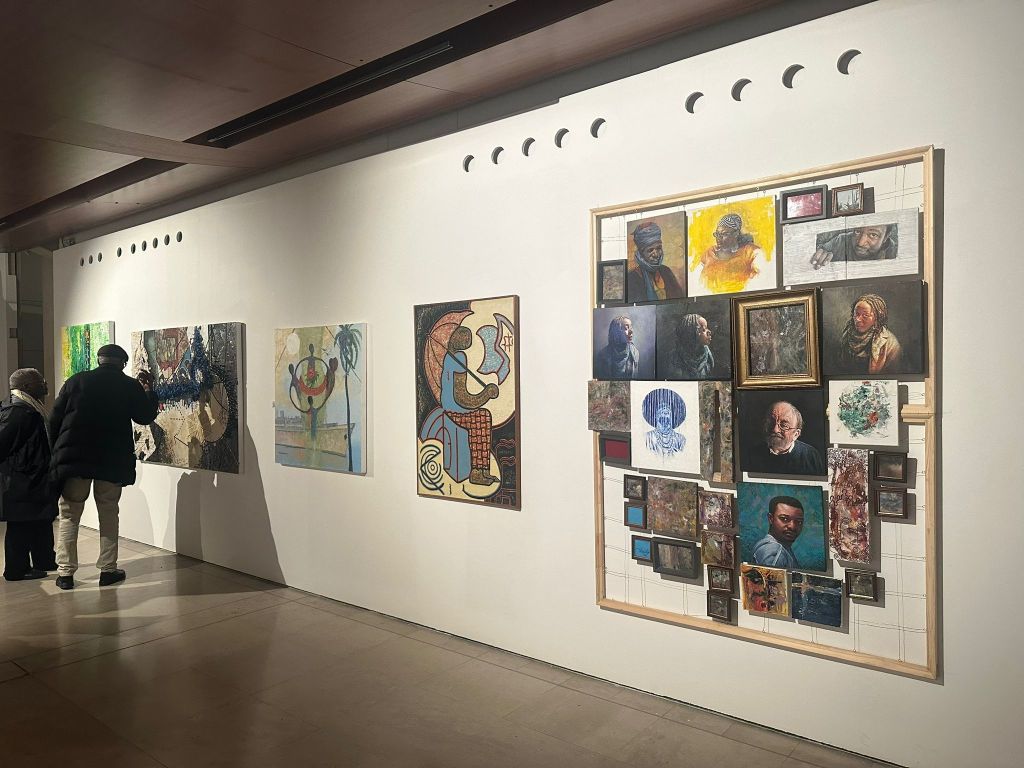
In Michael Echekoba’s “Aspiration” the use of Nigerian motifs, such as tie-dye fabric and nsibidi, represents a cultural connection to Nigeria and a reliance on spiritual and ancestral protection. Nsibidi, in particular, being an ancient system of communication, a deep connection to “home”, even as the migrants navigate a foreign space. This artwork communicates themes of identity, displacement, and
the persistent hope for a better future, encapsulating a story that is as much about individual journeys
as it is about the enduring impact of migration on communities across generations.
The use of acrylic and textured mediums to depict age and distress seeks to evoke the emotional and physical toll of
migration. The distressed texture could symbolise the passage of time, the weight of history, and the scars left by displacement and alienation.
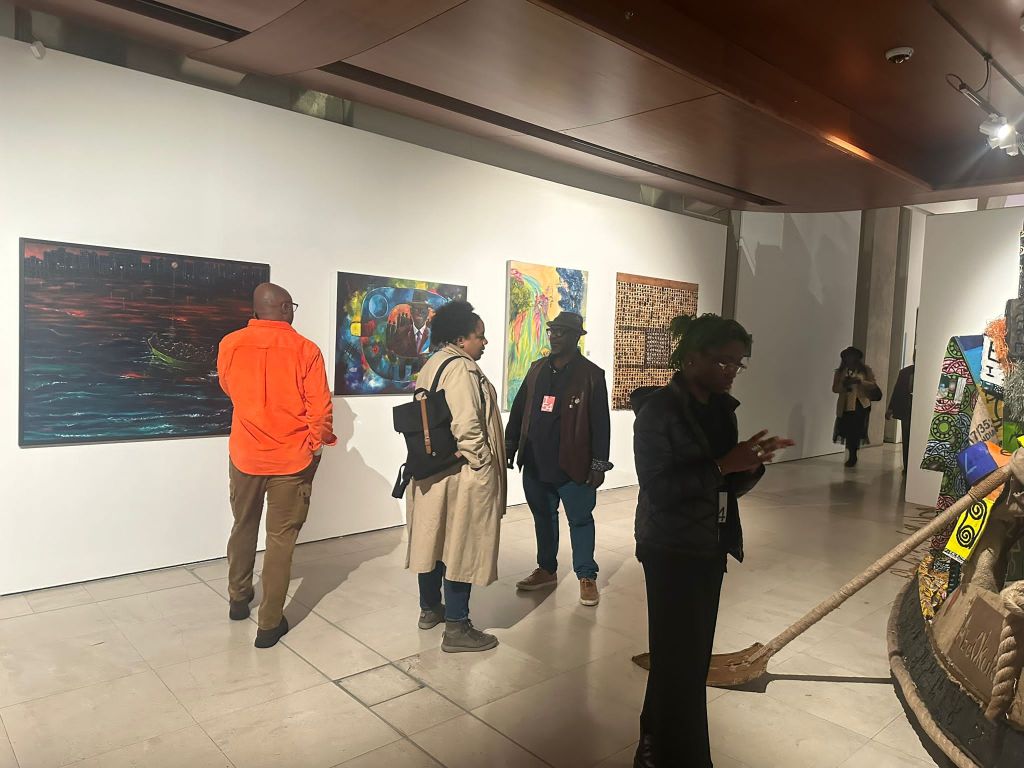
Raymond Soko’s “Aureol 2024 – treacherous waters” deliberates upon the reasons that compel the phenomenon of Nigerian migration to the UK from the
mid- 20th Century, contrasting that with the present day ‘Japa’ (must get up and leave) syndrome, where many are forced to leave Nigeria due to the country’s grinding and harsh environment. As Soko notes, “getting to the UK border does not guarantee entry”, referencing the precarity of many migrants
making journeys to Britain.
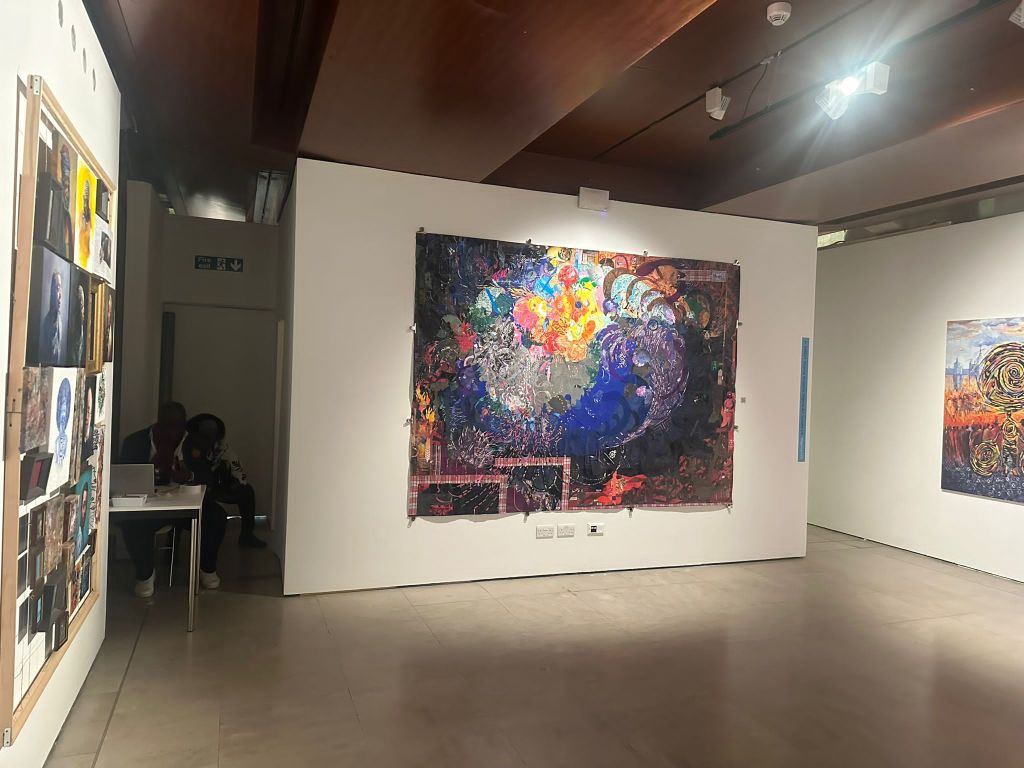
On a lyrical note, Obi Okigbo’s “Geometry of life -H2O” is a solemn
contemplation of the deep waters, the great ocean, the rivers crossed, it’s devastating yet cleansing and purifying nature. This piece aims to magnify the inseparable bond between everyone and
everything, embodying oneness symbolised in these archetypes inherent in the mysteries of creation
itself.
Waves of Change, underscores art’s role in social commentary and change. The exhibition invites reflection on the dialogues between past, present and across cultures.
Celebrating the resilience and creativity of Nigerian artists in the UK, Waves of Change: Artistic Journeys from Nigeria to Britain offers a unique perspective on the intersection of Nigerian and British cultures.
It’s a testament to the enduring power of art to transcend boundaries and connect us all.
The exhibition is curated by Associate. Professor. Louisa Uchum Egbunike


Hope you read this 🙂
Feel free to subscribe/follow the blog
LikeLiked by 1 person