It was a privilege conducting an interview with the renowned artist, Sam Ebohon, a Nigerian artist and painting powerhouse. Our conversation was facilitated by Dr. Adeola Balogun, a master sculptor and lecturer at Yaba College of Technology, who provided me with Sam’s phone number errorneously. Dr. Balogun’s role in facilitating this conversation was accidental – like, Dr. Adeola Balogun dropped this particular number of a famous historian, widely known for his critique of styles and techniques in Nigerian art sector. Somehow, it was the phone number of a painting powerhouse, Sam Ebohon. He didn’t disappoint as a master of the business as he patiently acknowledged the interview.
As I sent my first message to Sam, I couldn’t help but feel a sense of excitement and anticipation. Words by Ireho Aito for iBAND Magazine.
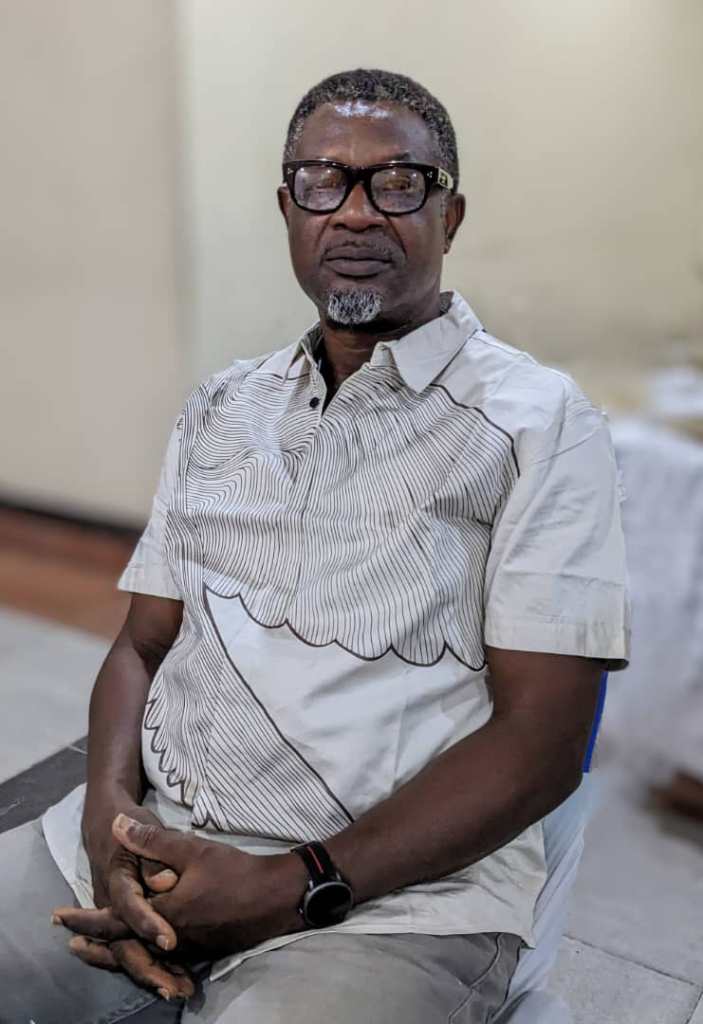
Sam Ebohon was very patient for this interview as we keep missing and fixing appointments until it finally happened by providence.
As we began our conversation, I was struck by Sam’s humility and passion for art. Sam grew up in Mushin, Lagos, where he was exposed to the rich cultural heritage of Nigeria. His childhood experiences had a profound impact on his artistic development, and he often draws inspiration from his cultural roots. “Growing up in Mushin was a wonderful experience,” Sam recalled. “I was surrounded by music, art, and culture. My family was very supportive of my artistic endeavors.”Sam Ebohon speaks Yoruba language fluently and he confesses that if not for his name, many people would think he is Yoruba.
His maternal uncle, Kayode Olanrewaju, was a master composer, and his mother was a music teacher. This artistic influence rubbed off on Sam, who would later become the first fine artist in his family. “My uncle Kayode Olanrewaju was a master composer,” Sam said. “He composed special Christian songs that were sung in village churches. My mother studied and taught music because that was her passion.” Sam’s family was deeply rooted in music and art, and this exposure had a lasting impact on his artistic development. He is a native of Owan West of Edo State. His culture, and these influences continue to shape his artistic vision.
Despite his family’s musical background, Sam chose to pursue a career in fine arts. He majored in painting, a decision that his mother initially frowned upon due to the uncertainty of a career in art. “My mother wanted me to become a teacher, a profession that was considered more stable and secure,” Sam explained. “But I was determined to follow my passion for art.” Sam’s decision to pursue a career in fine arts was not taken lightly, and he faced several challenges along the way. Yet, he admits, “challenges are made for men.”
My mother wanted me to become a teacher, a profession that was considered more stable and secure
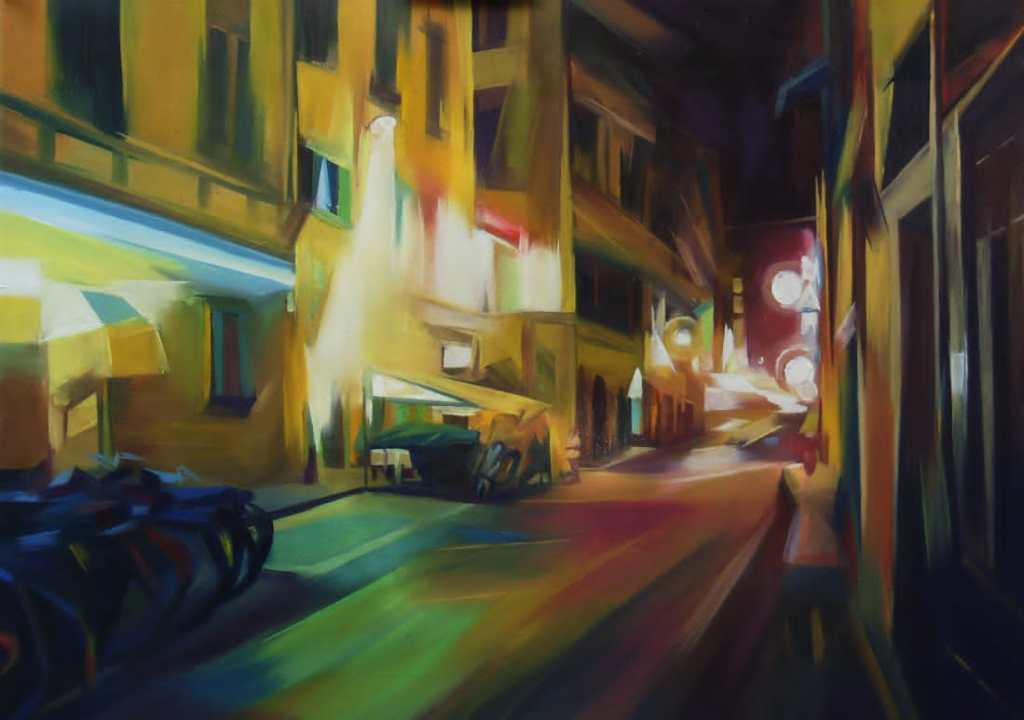
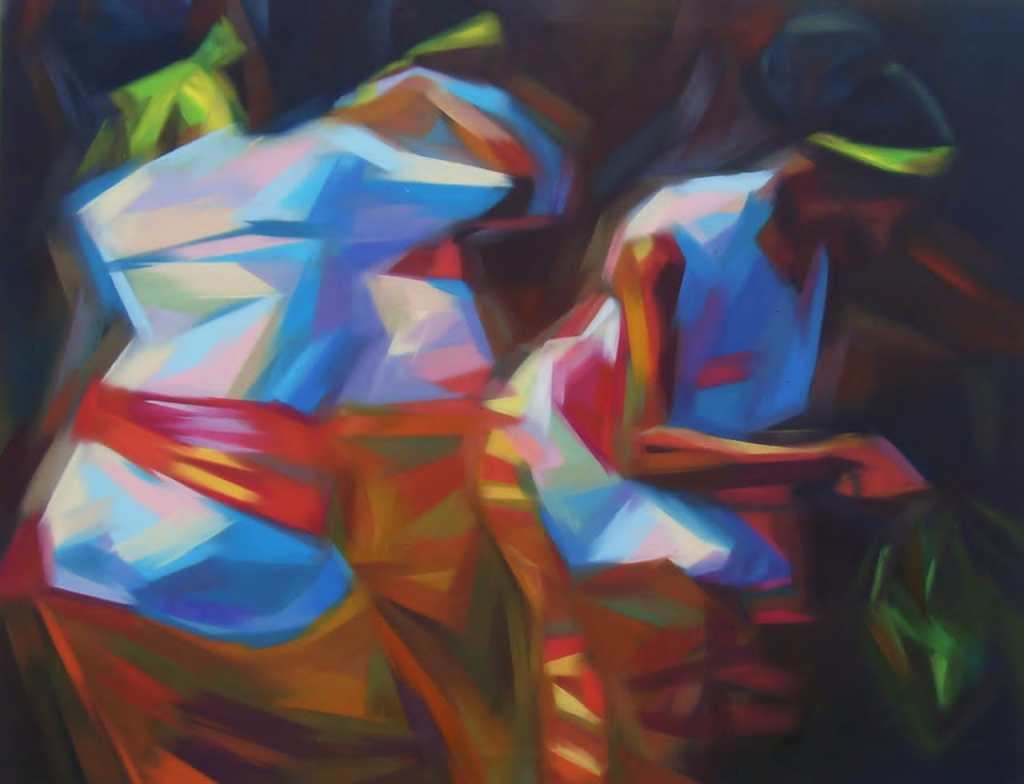
He started making money from his art while still a student, selling his works to support himself. “I started making money as a student from my passion,” Sam said. “I would sell my artworks to support myself, and that gave me the confidence to pursue my dreams.” Sam’s entrepreneurial spirit was evident from an early age, and he continues to be driven by a passion for art and a determination to succeed.
“I started making money as a student from my passion
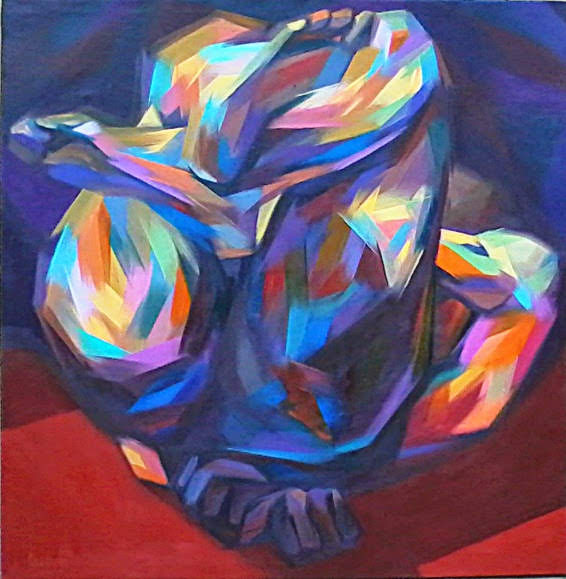
Sam’s journey as an artist was not without its challenges. He recalls the difficulties of sourcing materials and ideas, as well as the limited access to information and technology. “In our time, things were a bit difficult,” Sam said. “Sourcing materials and ideas was a daunting task. We drew inspiration from our cultural heritage and environment.” Despite these obstacles, Sam persevered, relying on his creativity and resourcefulness to hone his craft.
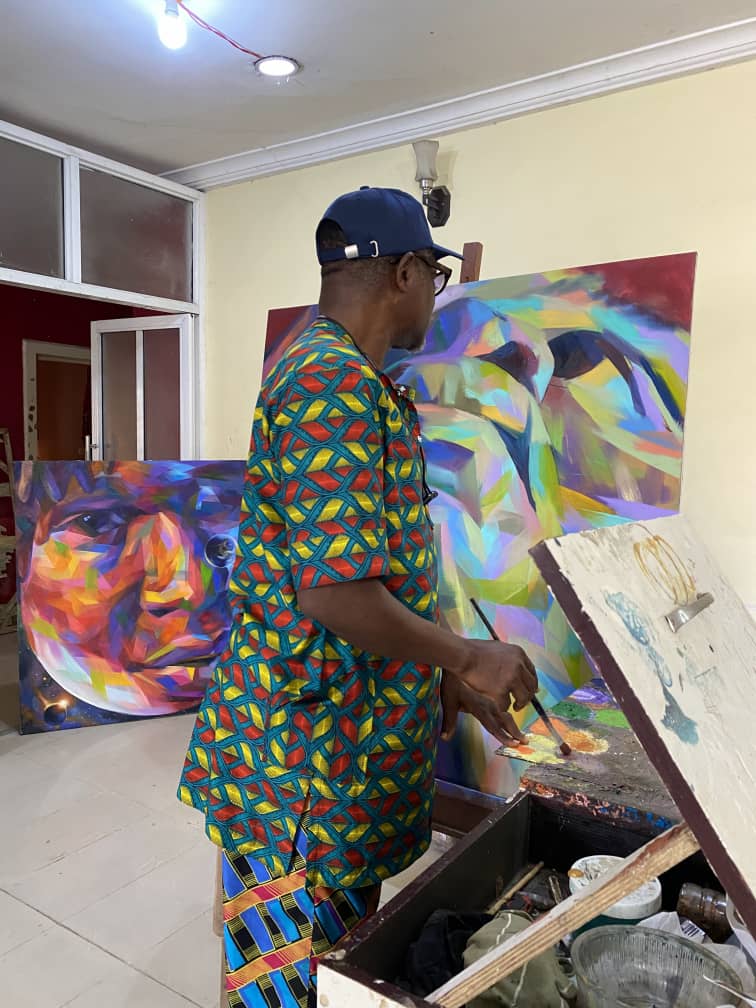
In our time, things were a bit difficult
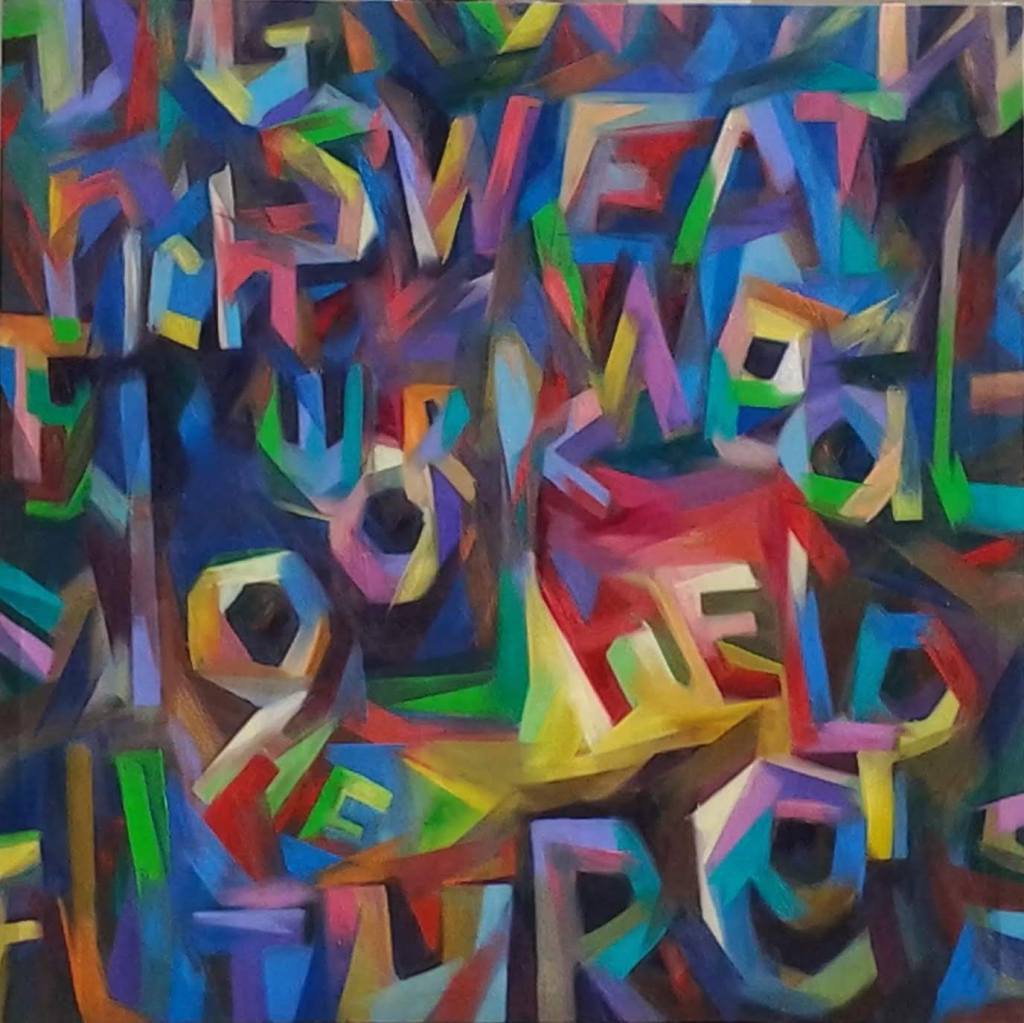
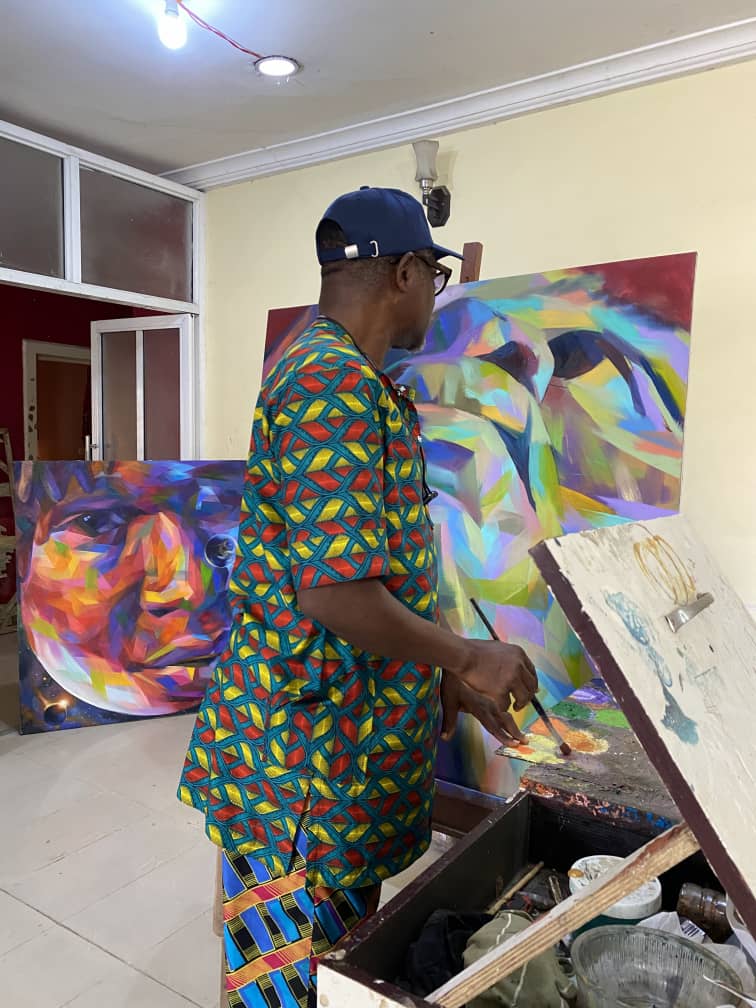
As a student at Yaba College of Technology, Sam began to make a name for himself in the art world. He was part of a generation of artists who were pushing the boundaries of Nigerian art. “We were a group of young artists who were determined to make a mark in the art world,” Sam said. “We were driven by a passion for art and a desire to succeed.”
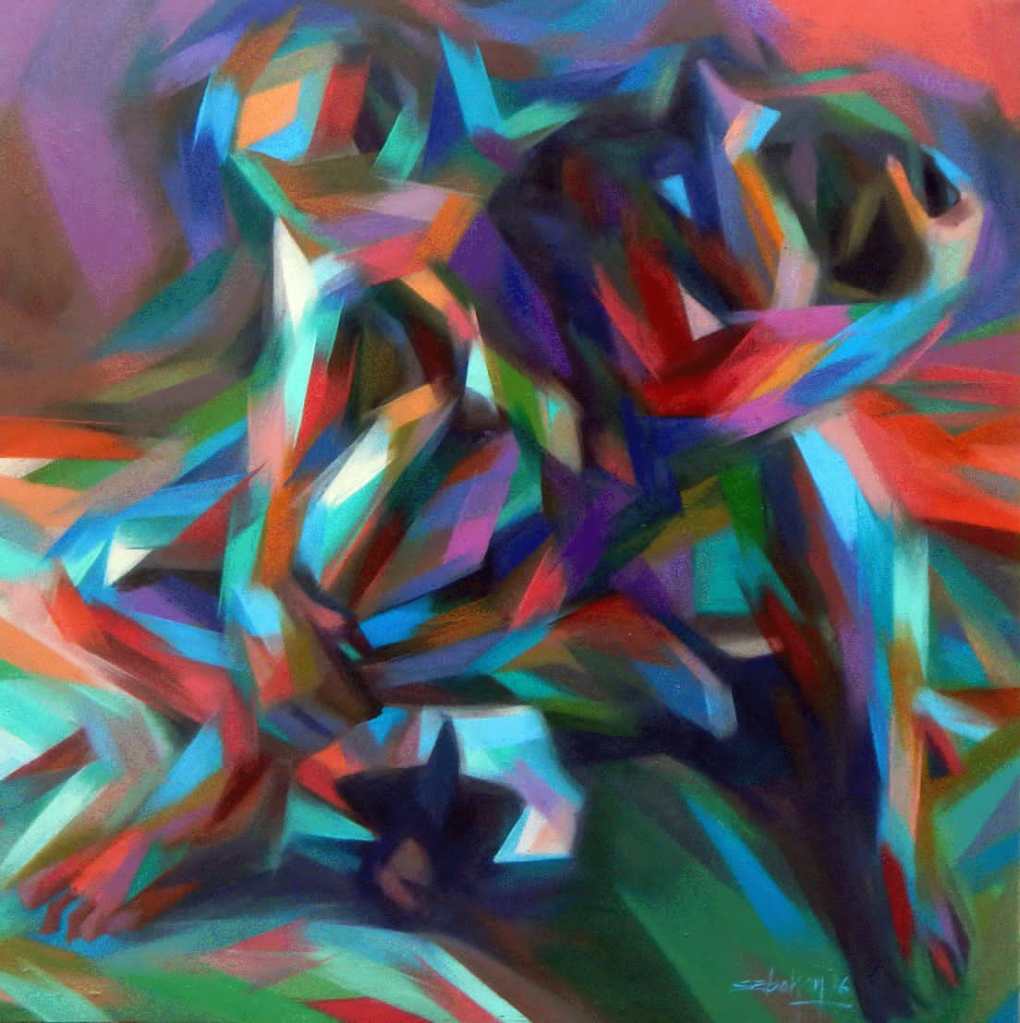
The Structural Adjustment Programs in the 1980s at the time brought critical financial reforms that affected many art students as well as families and Nigerian economy. However, Sam and his peers were determined to succeed, and they found ways to make their art work despite the challenges. “You dare not tell your people in my time that you would want to study art,” Sam said with a chuckle. “But today, these young people are not ashamed to introduce themselves as artists.”
You dare not tell your people in my time that you would want to study art,”
And at the moment, Sam Ebohon admits a lot of changes are evident in modern day visual arts. When he was asked about what has been added or removed, Sam Ebohon took me to school and which is evdient and truthful in his presentation.
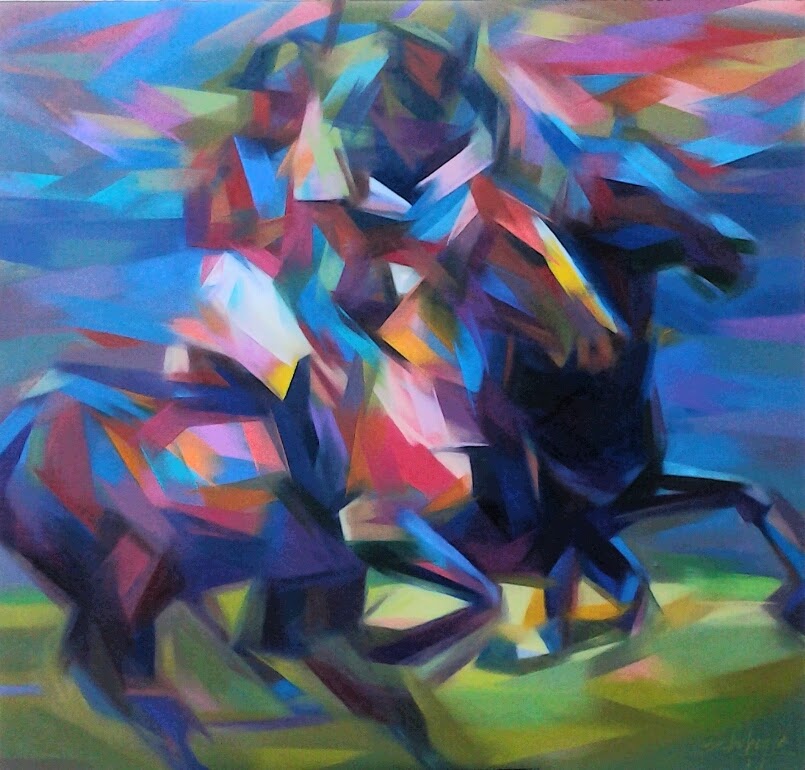
“The art world has undergone significant transformations over the years. As I reflect on my early days as an artist, I am struck by the vast differences between then and now. The journey of an artist has become more accessible, yet the essence of art has changed. In my time, sourcing materials and ideas was a daunting task. We drew inspiration from our cultural heritage and environment, incorporating traditional techniques with contemporary stylization. The absence of the internet meant that we relied on local influences and manual skills to hone our craft. Our artistic education was rooted in theory, with a strong emphasis on drawing and technical skills. The notion that one couldn’t be considered an artist without drawing skills was deeply ingrained.”
Our artistic education was rooted in theory, with a strong emphasis on drawing and technical skills.
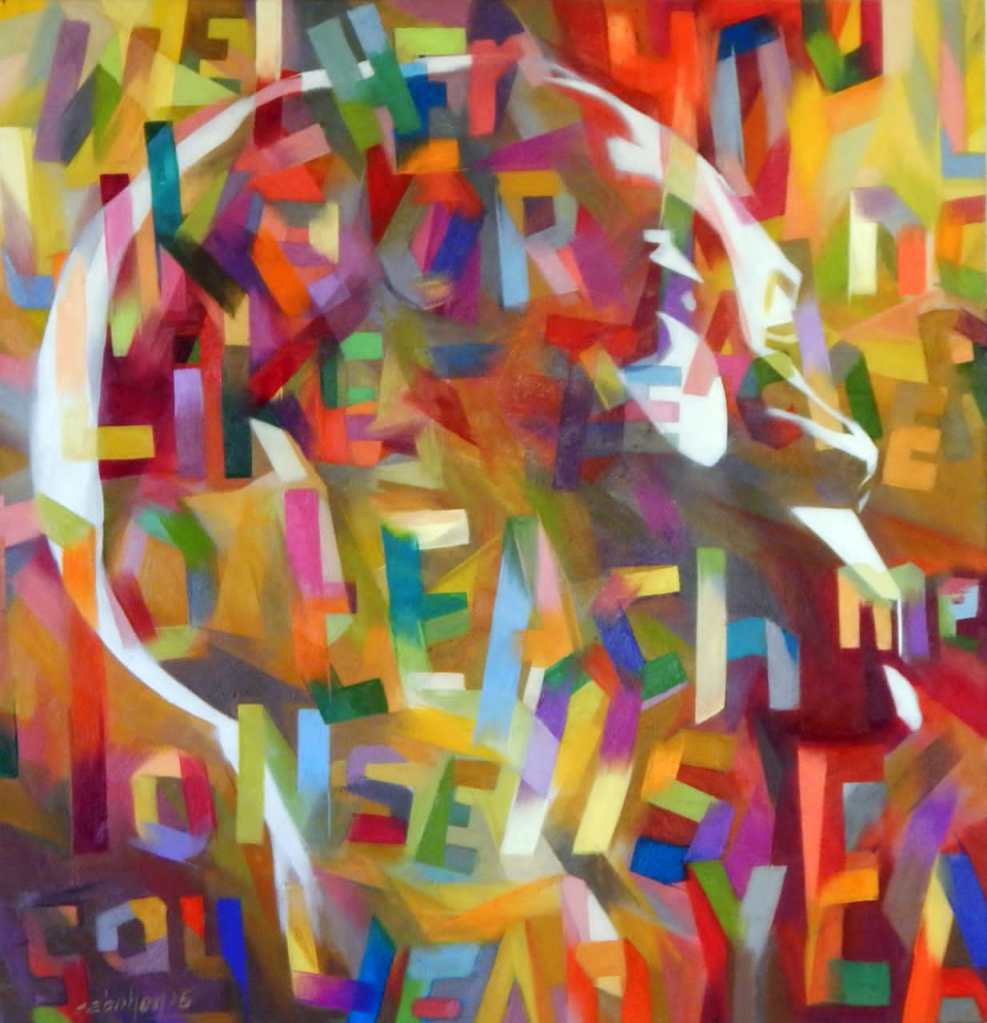
He continues in his assessment of the present, “fast-forward to the present, and the art world is almost unrecognizable. The proliferation of ideas and access to technology have democratized art, making it more accessible to a wider audience. However, this increased accessibility has also led to a dilution of traditional skills and techniques. The emphasis on theory and technical proficiency has given way to a more conceptual approach, where the idea behind the artwork takes precedence over its execution.
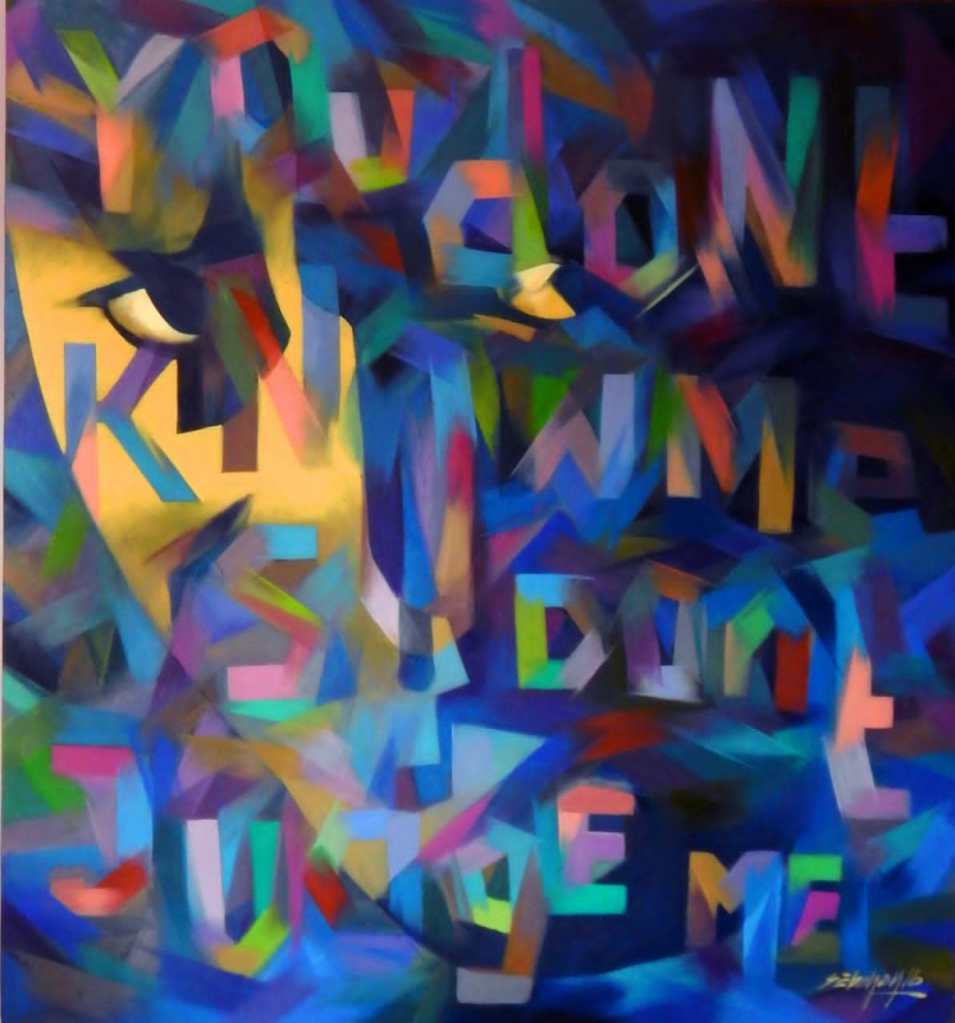
When asking him about generational change and its influence on visual art, Sam Ebohon quickly comes in to explain that it also happened in his time. Each era keeps coming with some changes here and there. The generation today are being influenced by technology such as AI and more. People could derive ideas and launch it so quickly. Travelling has become more accessible for artist. A mission started from his own time. “As Nigerian artists began to travel and explore the world, we were exposed to new ideas and modern art movements. This exchange of influences had a profound impact on our work, and we started to incorporate fresh perspectives into our art. Our teachers and mentors took notice, and soon, they too were embracing our new approaches.”
As Nigerian artists began to travel and explore the world, we were exposed to new ideas and modern art movements.
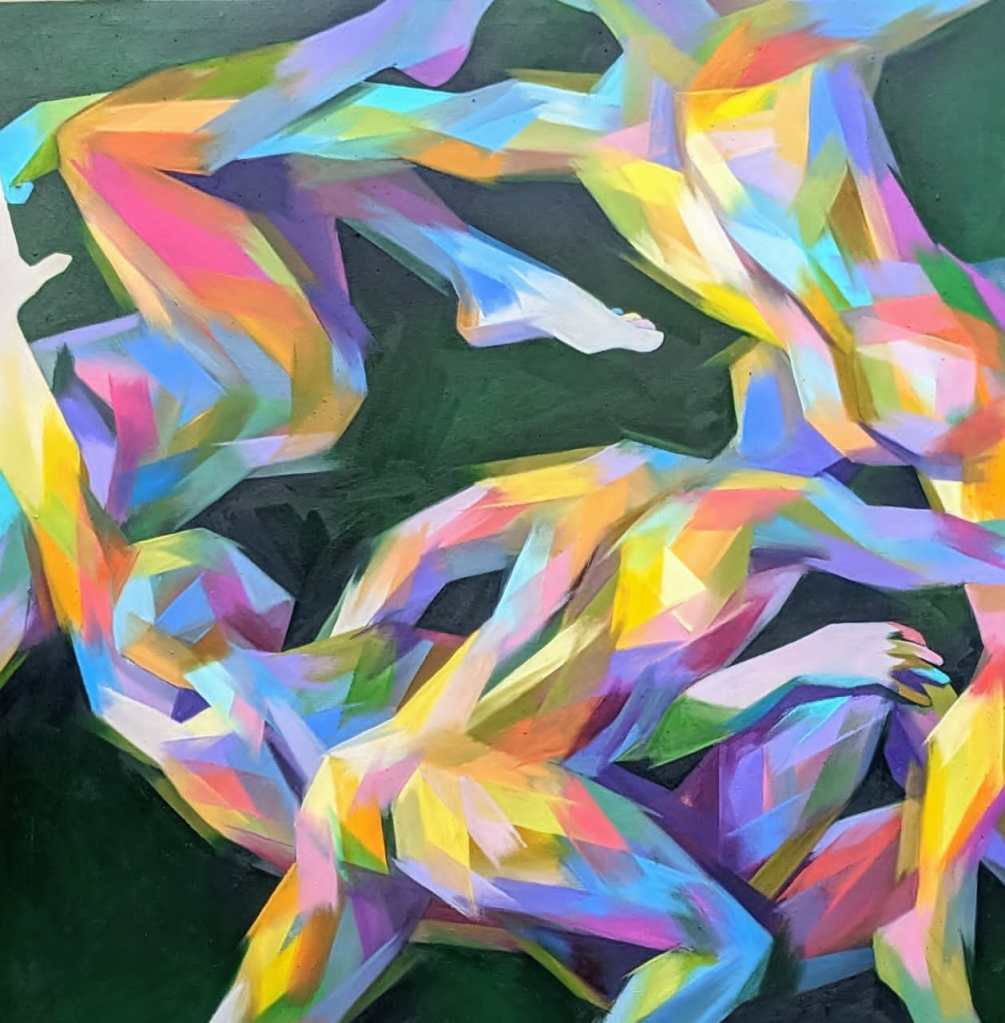
The good looking artist that was able to charm his adorable wife, who vowed not to marry an artist but today, is happily married to Sam with no regrets whatsoever, may still be sounding old schoolish in his elements, affirms that “the Nigerian art market, once distinct and vibrant, is now losing its unique flavour. The influx of global influences has created a homogenized art scene, where local identity is no longer a defining feature. While this shift is not necessarily alarming, it is a reality that we must acknowledge, he explains. “The art industry is booming, with new galleries and collectors emerging. Young artists are now dictating their own markets, placing a premium on their works. However, this rapid growth has also led to a lack of historical context and a disregard for the traditional skills that once defined our craft,” Sam Ebohon maintains.
The art industry is booming, with new galleries and collectors emerging.
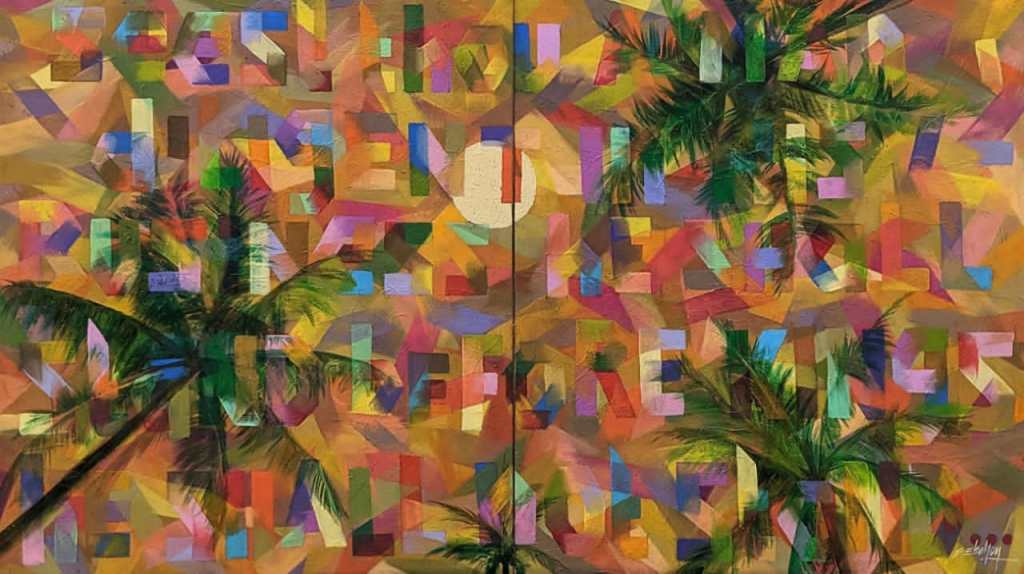
The reality of the booming effect is worrisome for Sam Ebohon, “today, we have proliferation of ideas all over the world. A lot of ideas are influencing our art. That is why someone can just splash colours and call it abstract, back then it was more of craftsmanship, on skills, knowing your artwork, it was very theoretical at that time. We were taught to draw. We were taught if you cannot draw then you cannot be termed as an artist,” he concludes.
We were taught if you cannot draw then you cannot be termed as an artist,
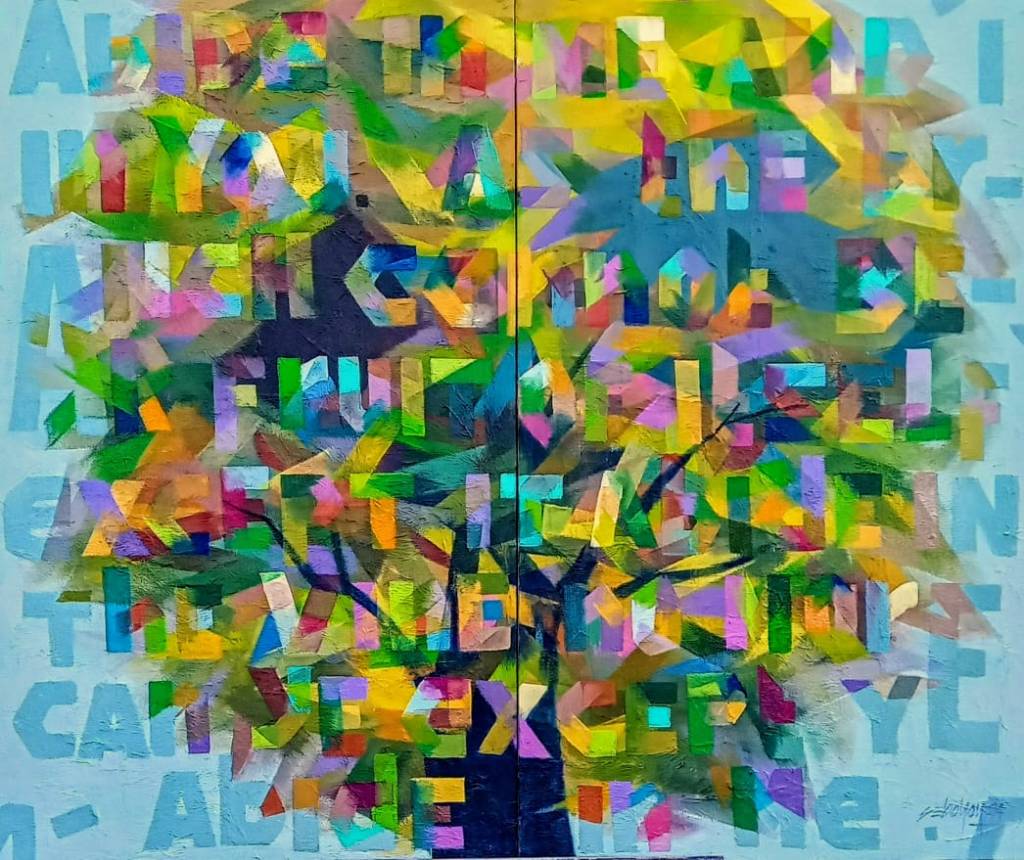
He continues to share more insights about what is missing at the moment and the bright lights being illuminated on art sector. Balancing art and financing can be challenging but Sam Ebohon offers what his generation has applied over the years, “they were creative in art, sales and finances. How do you handle everything about your business? You have to show creativity in all the areas. The older generation are wiser in managing their crafts. You can see the growth in older artist. The periods of his career are easily established. The older artist lives on ‘who am I?’ There is distinction for you to see and study.
The older artist lives on ‘who am I?’
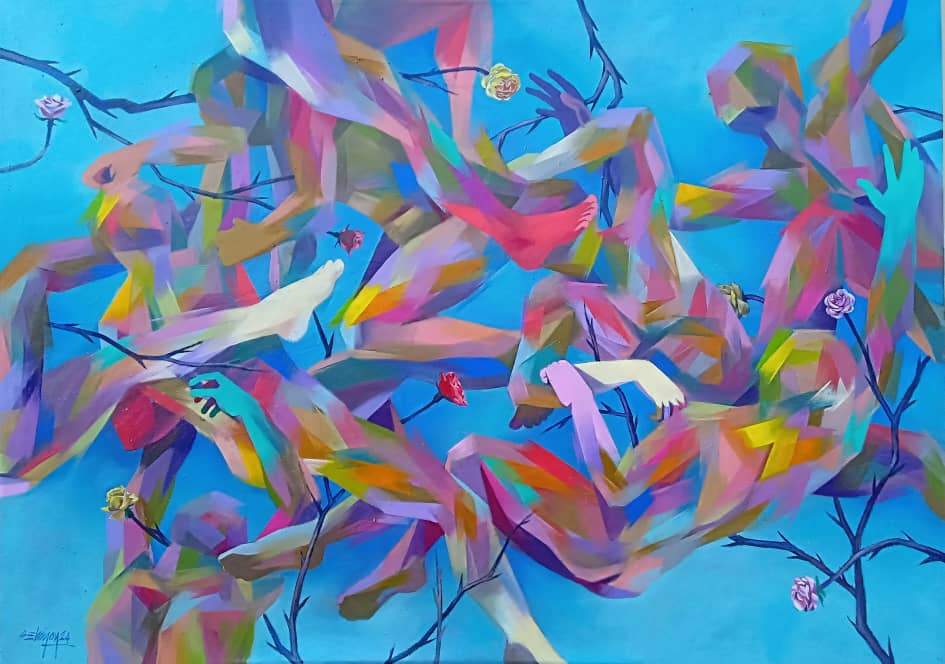
After graduation, Sam Ebohon recall he didn’t embark on exhibitions as soon as he graduated. It was a bit suicidal to attempt because of critique. He claims he was afraid to have his first exhibition because of the critical review he may have to receive which was peculiar to emerging artists of his time. “You honed your skill before coming out. Galleries are abound today for the money and no more critical review of the artist growth before they are exhibited. Its all about financial percentage sharing. Your reputation as an artist counts,” he recalls. “We knew where we were going.” Instead, he was involved in salons in a while not major exhibitions. The galleries would only promote you once you have that standard they need before exhibiting the artist.
Your reputation as an artist counts,”
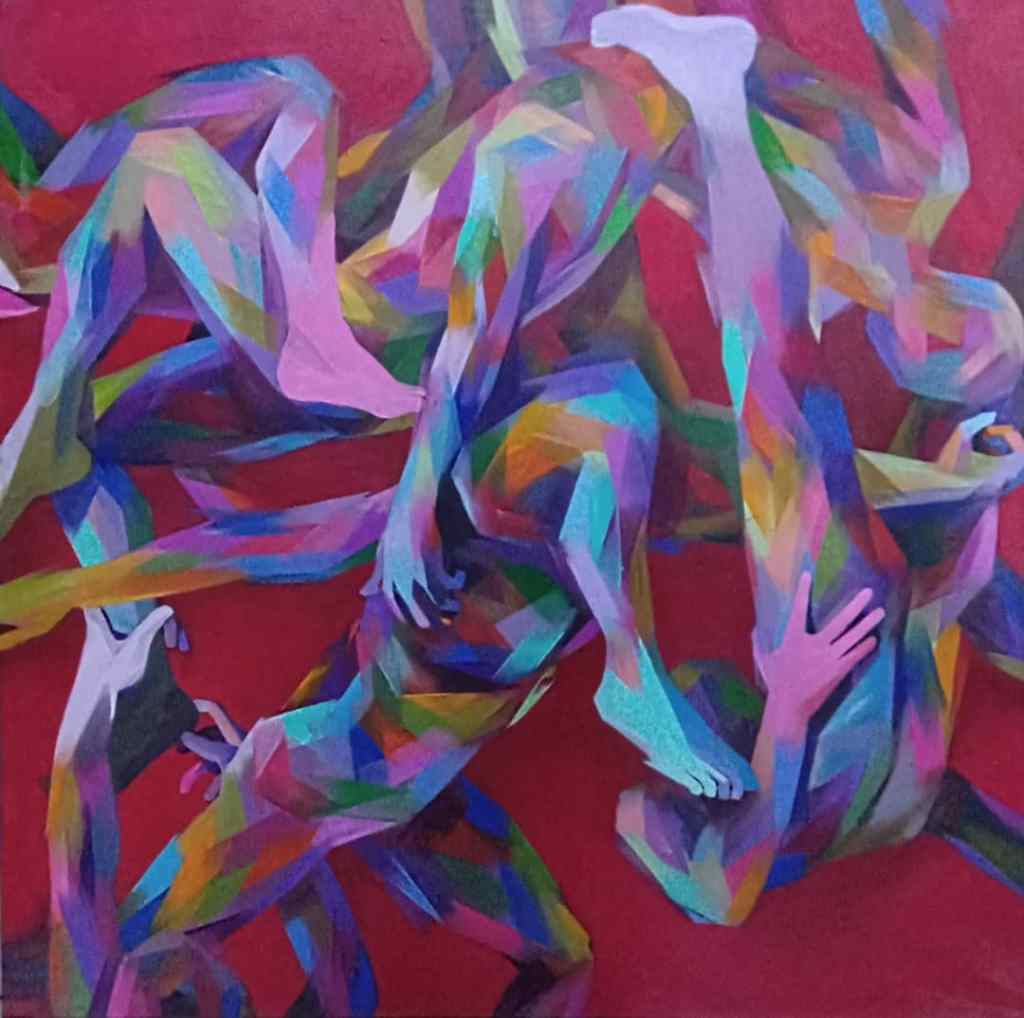
Sam’s big break came when he was invited to exhibit his work at the Hourglass Gallery. The exhibition, titled “Shades of Value,” was a huge success, with many of his pieces selling out. About thirty works were exhibited. “My first show was organized by Hourglass gallery,” Sam recalled. “The gallery asked me for it. They believed it was about time I had an exhibition.” The exhibition lasted for two months and very successful that people were buying and picking away from the original twenty works.
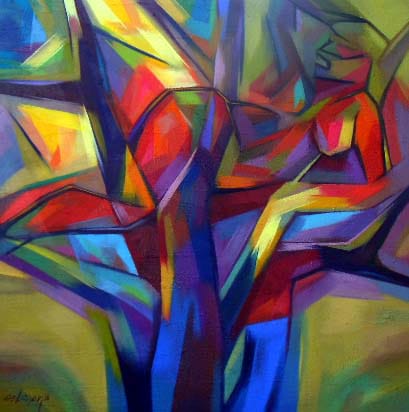
However, it was a critique from the respected collector, Torch Taire, that had a profound impact on Sam’s artistic approach. At the exhibition, Torch Taire didn’t utter a word but picked a work. He later sent an invitation to Sam Ebohon to see him privately at his abode. Sam Ebohon obliged and visited the renowned collector. Torch Taire did a critique that changed the horizon of Sam as an artist for the rest of his life. Taire’s critique encouraged Sam to simplify his colours and mature his style. “If you have a solo show, people would have headache when they leave the show” Taire had said. “Your colours are so bright and interesting. But when you see a lot of them in one place, it creates a kind of confusion,”Taire explained.
If you have a solo show, people would have headache when they leave the show”
Sam took his critique seriously, and it changed his approach to art forever. He confesses, “I mellowed down on my colours to be simplistic and mature. It was confirmed by Chike Nwangbogu of Nimbus Gallery afterwards.”
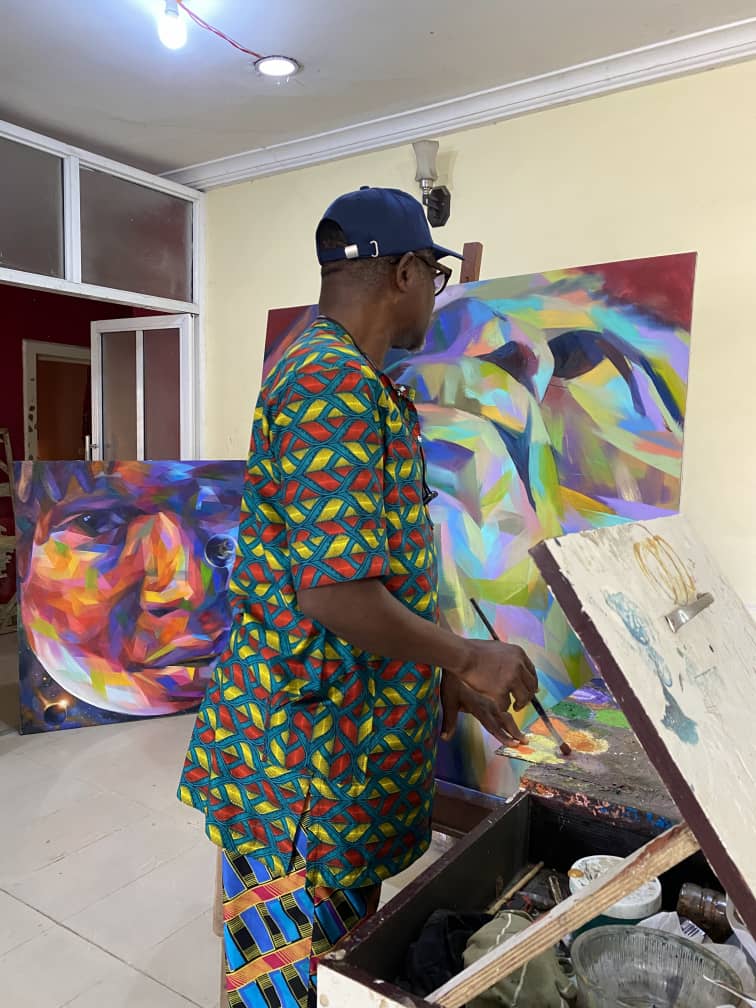
Sam’s experience underscores the importance of mentorship and constructive criticism in the artistic journey. “That critique gave me the growth,” Sam said.
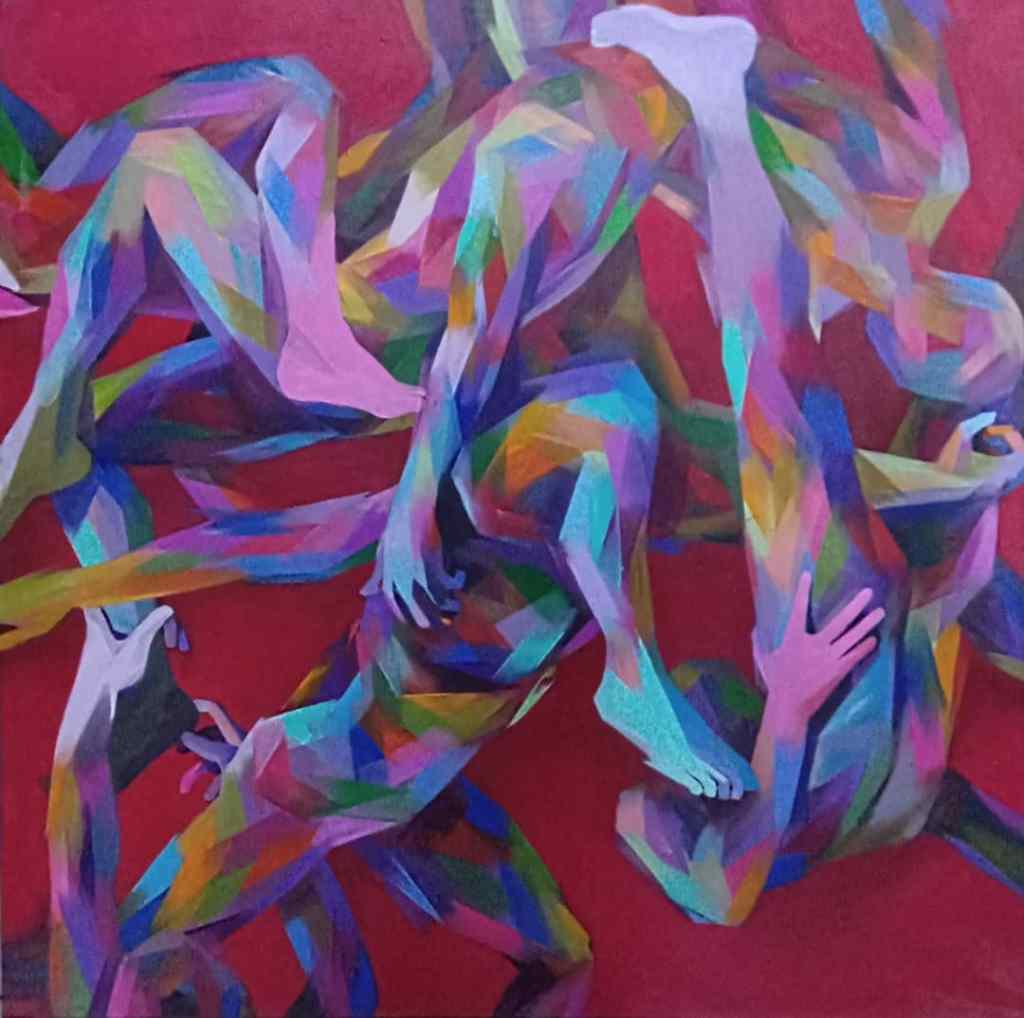
Finding a Wife for a visual artist could be so tasking but it was not the case with Sam. Sam Ebohon is a handsome dude. His RMD – like charm swept his wife off her feet even when she vowed never to marry an artist. They got married in 2000 and have travelled the world together. He admits his favourite destination has always been Minnesota, USA beacuse he is always at home with friends and loved ones. His favourite food is Egusi and Eba.
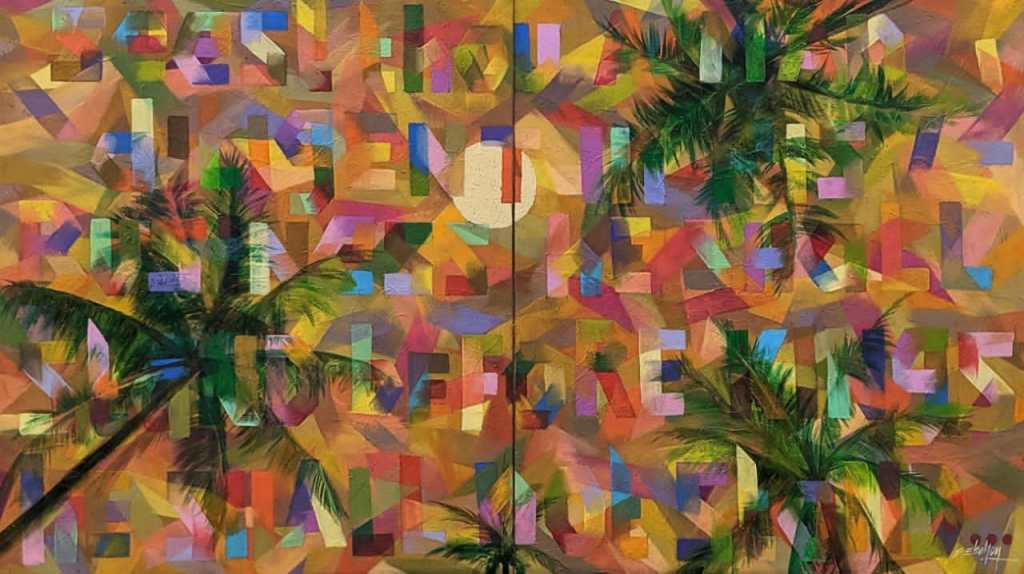
On career projections and Japa Syndrome –
Sam travels have taken him globally, exhibiting severally through arts. “Japa is a state of mind. You are just relocating but still have to survive, yet dynamics of surviving may change. My purpose of life is not for myself but for everybody. Some people’s destinies are tied with your mission. You can’t operate in isolation.” Sam Ebohon is still selling works. He has received information about the flow of operations in Japa Syndrome which are not encouraging artistically.
Words/Ireho Aito/Don’t Keep Your Art in the Finger!/Photographs/Artworks/Sam Ebohon

