
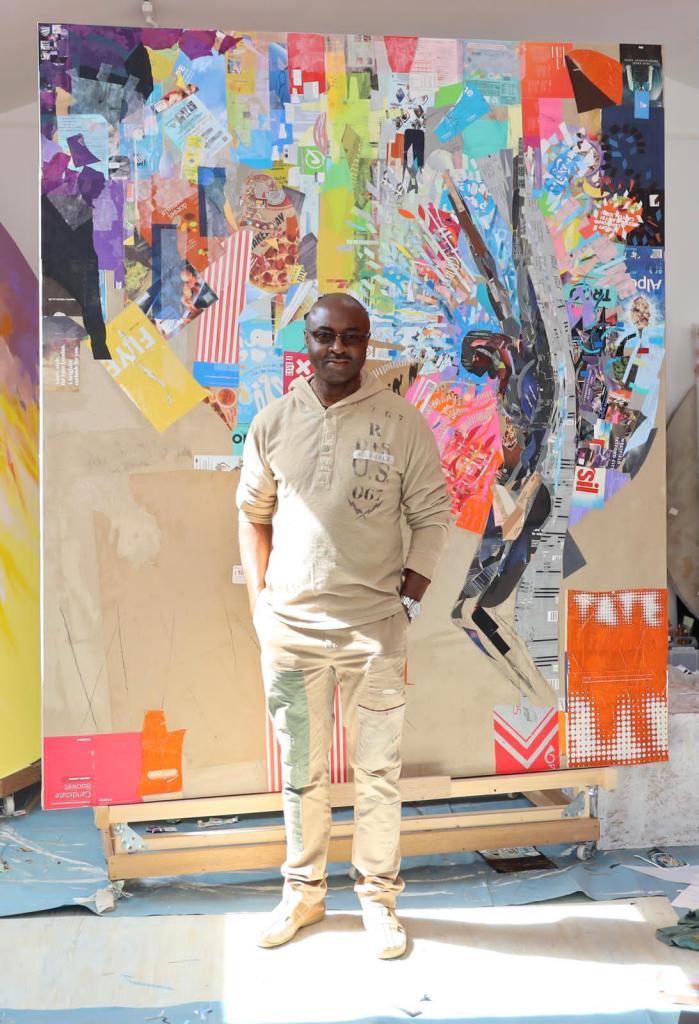
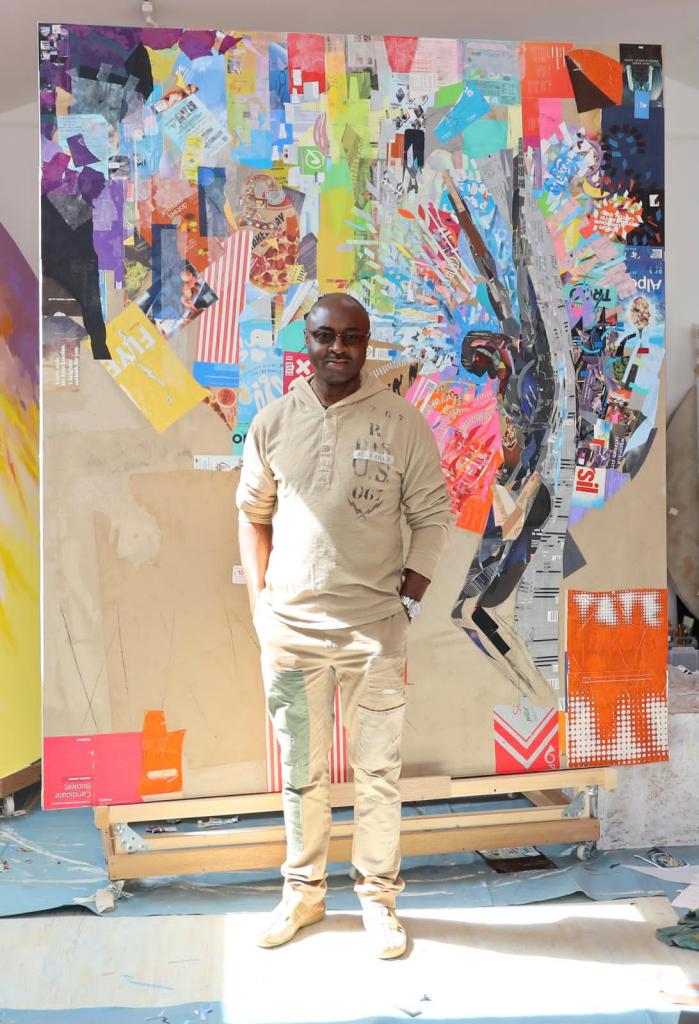
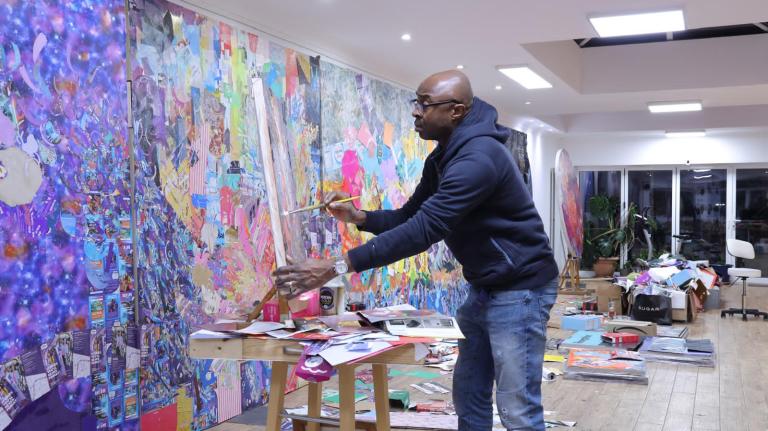
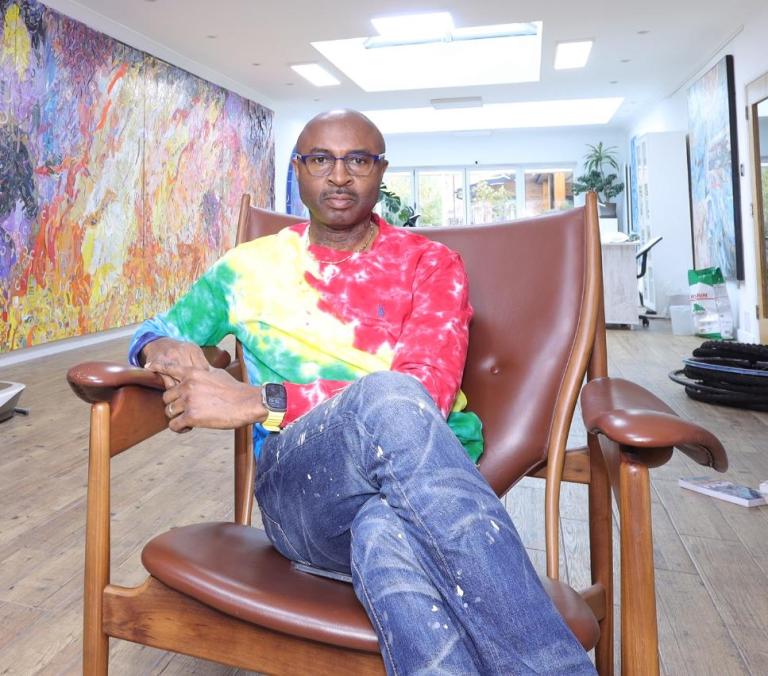
Hassan Aliyu, a British-Nigerian artist of international repute, has been a trailblazer in every sense of the word with his exceptional leadership, creativity, and dedication to promoting Nigerian culture globally.
Equipped with a strong academic foundation, Hassan has consistently demonstrated his ability to lead and inspire. During his time in Nigeria, he opened doors for his generation, showcasing his leadership qualities and unwavering determination. His can-do attitude has been a beacon of hope for many young artists.
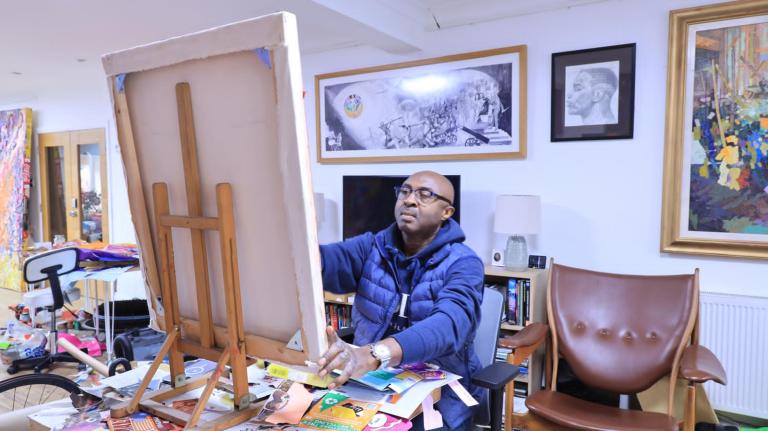
Now based in the UK, Hassan continues to fly the Nigerian flag high, leading the charge for Nigerian artists and creatives. His tireless efforts to promote Nigeria’s rich cultural heritage have earned him a reputation as a stalwart commander and a true ambassador of Nigerian art.
As the head of the Nigerian Artists’ Society of the United Kingdom, Hassan has been instrumental in organizing exhibitions that showcase the best of Nigerian art. His expertise in art direction and exhibition spaces has been invaluable in promoting Nigerian artists globally.
In this exclusive interview, Hassan shares his insights on the importance of exhibition spaces and art direction when organizing exhibitions in Nigeria and around the world. His opinion came from his observation of some recent exhibitions in Lagos where works are hung with no consideration that each of these are a masterpiece in their own right, but displayed like this deprives the audience the enjoyment of their extremely high quality of execution. Galleries should abide by the ethos that less is more.
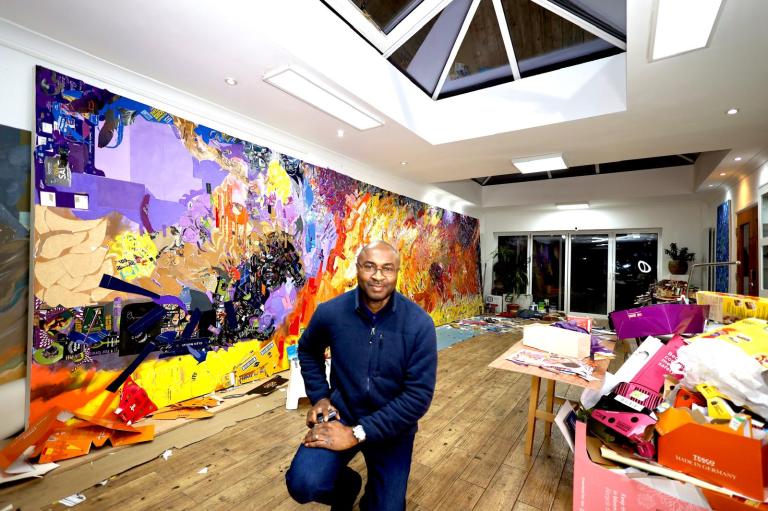
According to Hassan, exhibition spaces play a crucial role in promoting Nigerian art. “Exhibition spaces provide a platform for artists to showcase their work, connect with audiences, and gain recognition,” he explains. “In Nigeria, we need more exhibition spaces that can accommodate a wide range of artistic expressions.”
He continues, “there are so many times, the works are very jam packed and not well hung! Much too sandwiched together. Individually though, some very interesting pieces but the sense of clutter detracts!”
And when asked what advice would he give in such situations? Hassan explains, “the business of organising exhibitions, the curating aspect of it, is not just about hanging works on the wall. It is also about trying to connect the stories the works are telling. Nigerian art, presently, is so portrait heavy, intensely based portraitures while so much else is going on in the country that need attention. But the commercial consideration is so much saturated. It has permeated so much that the work starts competing with itself on the wall. And the wall is inundated by things that make it impossible to enjoy the beauty of each space, simply because they are trying to put so much up just to create opportunities to sell, in case, somebody doesn’t like this, the person likes that. It eventually becomes a shop. It loses communication.
there are so many times, the works are very jam packed and not well hung!
When a gallery lacks space? Hassan posits, “If the gallery lacks space, put up only the amount of work the gallery can accommodate. Or look for bigger gallery. Hang fewer or smaller works, also go virtual. There is nothing that stops the exhibition from being exhibited physical and virtual. It allows the works to breed. Enthusiasts, collectors and others will appreciate more within their purview.”
Presently, we live in a dynamic world where everybody feels they can do everything. But globally acclaimed artist, Hassan Aliyu explains more when asked, if a curator can also double as art director or such roles are not neccessary?
“An art director and a curator would essentially be completely two different things. A curator needs to have empathy for the artworks, in terms of how the artworks relate, connects and communicates. An art director is a business man who has funds with which they have set up a gallery or an art facility. They bring all the factors together, just as it says, director. A director directs, coordinates resources to make available what otherwise would not be possible or in existence without their inputs.
If the gallery lacks space, put up only the amount of work the gallery can accommodate. Or look for bigger gallery.
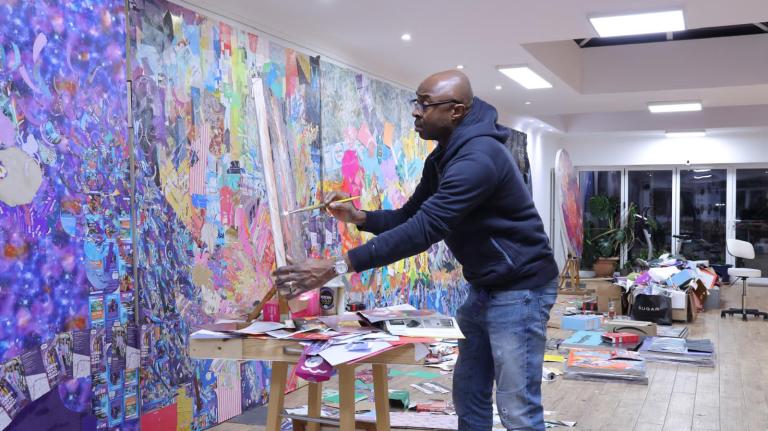
An art director is not the same as a curator. A curator is a specialist, professional position, skilled talent that requires a lot of care and understanding. The eye for the art. It is not all artists who can be curators and many art directors cannot be curators. They don’t have that empathy to the art. Yet, sometimes, a director can be a curator and a curator can be a director, because there are many curators who are business savvy and who want to invest their resources in the art. Most of the time when the commercial motivation is the main reason for setting up the gallery, the gallery always get it wrong.”
It is not all artists who can be curators and many art directors cannot be curators.
Hassan emphasizes the importance of art direction in organizing exhibitions. “Art direction is critical in showcasing Nigerian art in a way that resonates with global audiences,” he says. “It’s about creating an immersive experience that tells the story of Nigerian culture and creativity.”
Words/Ireho Aito/Don’t Keep Your Art in the Finger!
All images courtesy of Hassan Aliyu

