
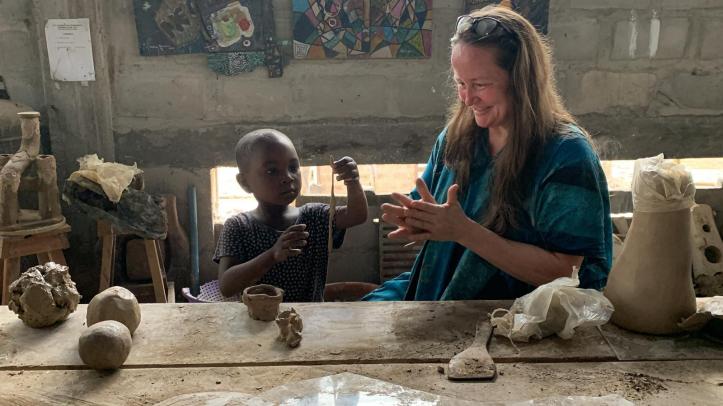
Selma Etareri’s fascination with Nigeria and the Harmattan Workshop is evident in her words. “The art and culture, particularly the Benin statues and the works of Prof. Bruce Onobrakpeya, left me in awe,” she admits. “Visiting the Harmattan Workshop felt like coming home.” This sense of belonging is a testament to the workshop’s ability to foster a sense of community and creative exchange among artists from diverse backgrounds. Interview by Ireho Aito
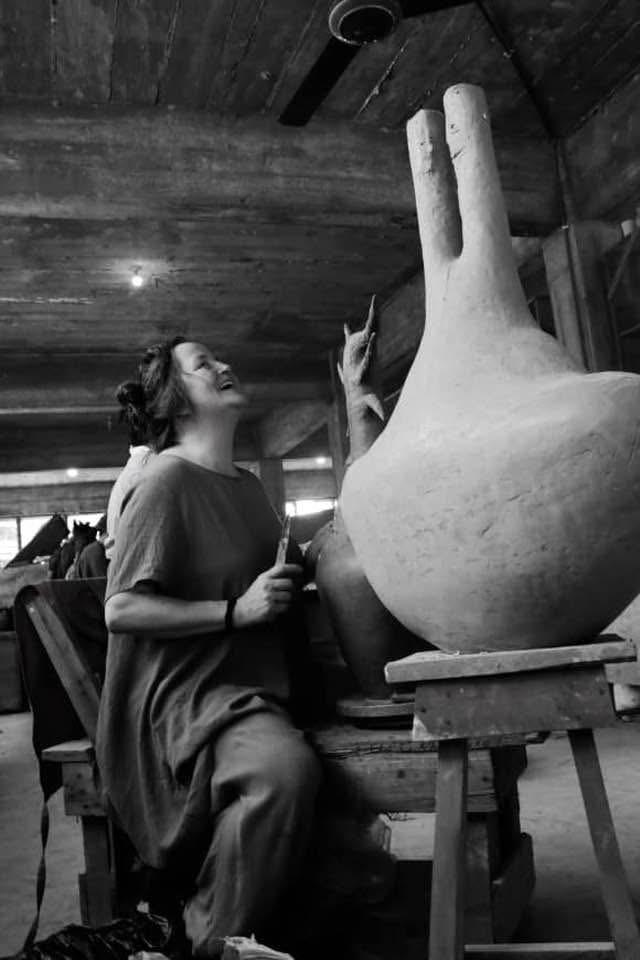
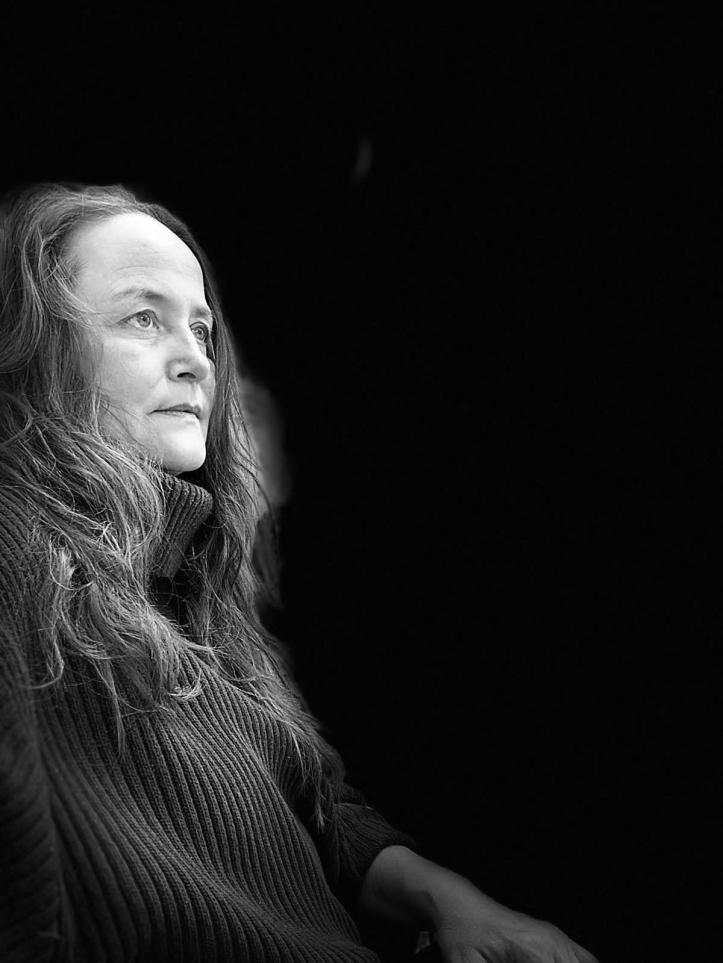
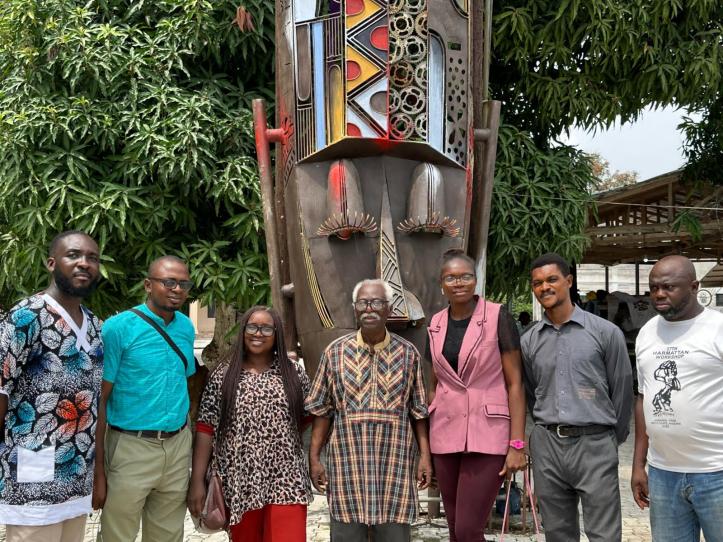
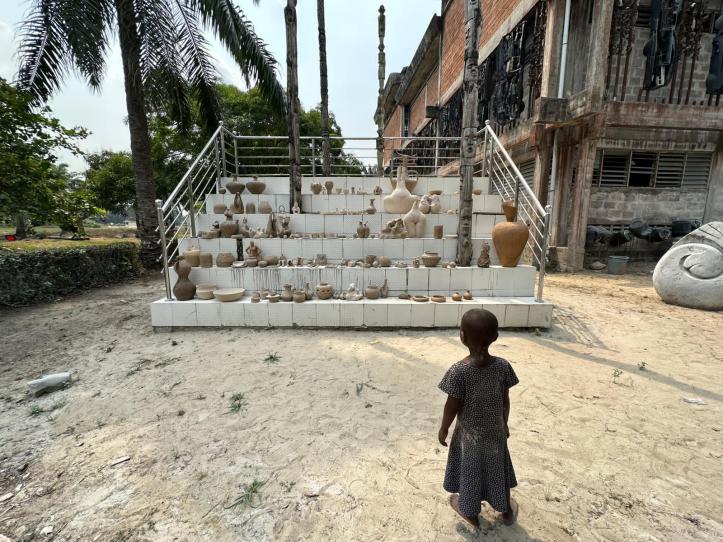
Selma Etareri’s experiences in Nigeria have left an indelible mark on her artistic approach, as she sought to reconcile the formal structures of her Austrian upbringing with the more expressive, soulful traditions of Nigerian art. This fusion of styles has yielded a body of work that is at once deeply personal and universally relatable, a reassurance to the boundless potential of cross-cultural collaboration. Selma Etareri participated at 2025 Harmattan Workshop at Agbarha Otor in Delta and her expeditions to other parts of Nigeria makes her the queen of cultural souls.
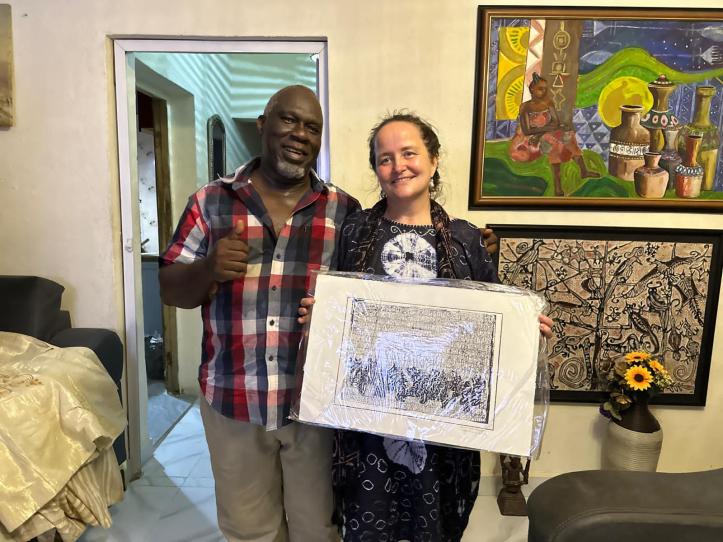
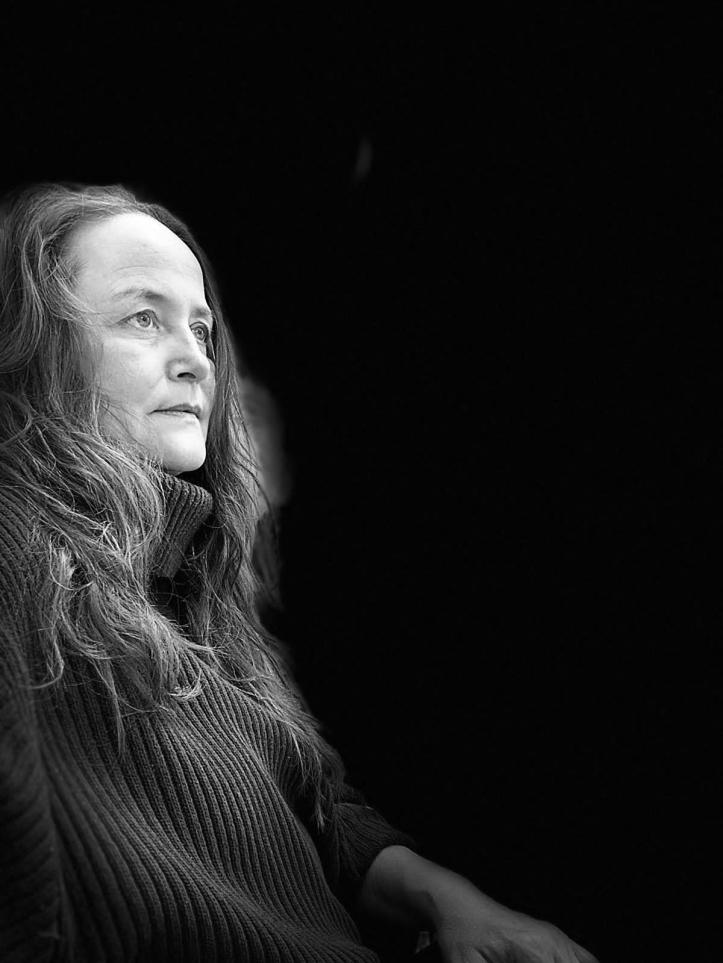
As we discuss her time at the Harmattan Workshop, Selma fondly recalls her encounters with Prof. Bruce Onobrakpeya. “He is an extraordinary mentor who supports artists with care and positive feedback,” she says. This mentorship has had a profound impact on her artistic growth, encouraging her to push boundaries and explore new creative avenues.
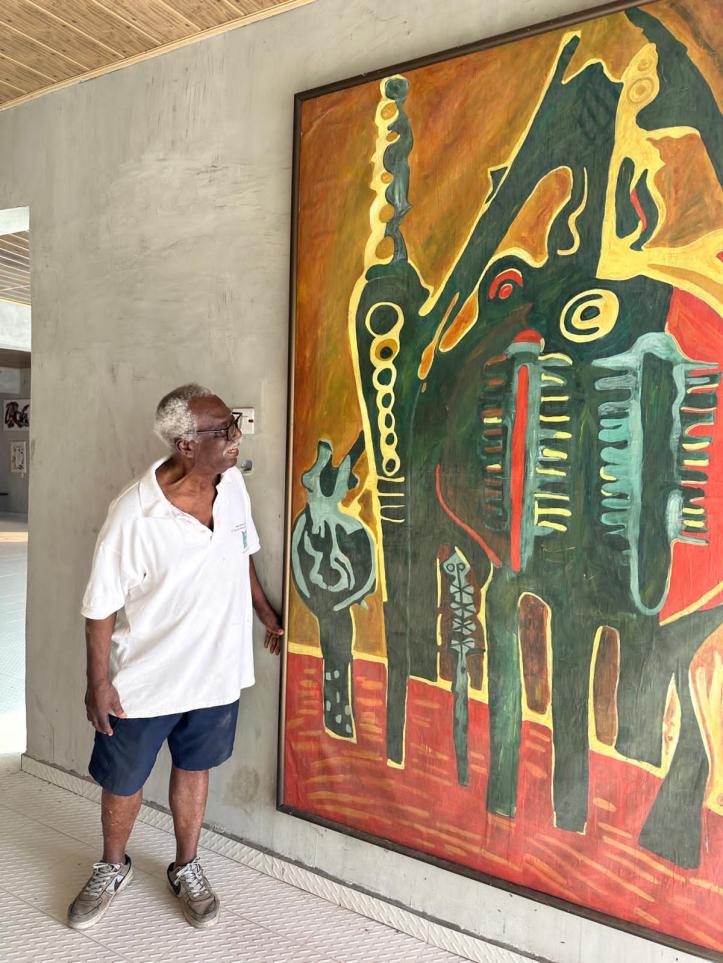
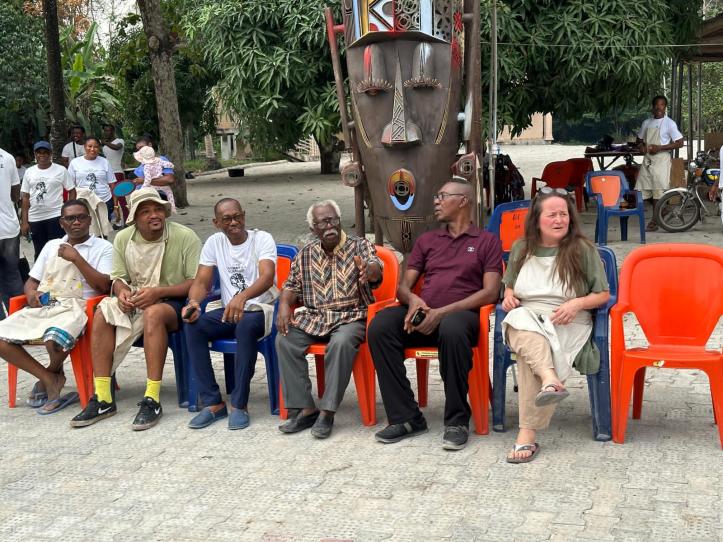
Selma’s artistic approach has evolved significantly over the years, influenced by her experiences. “In Austria, I grew up in a more formal art environment,” she explains. “In Nigeria, it’s natural to pour your soul into art. Mastering the craft is essential here.” This cultural exchange has not only broadened her artistic horizons but also deepened her understanding of the universal language of art.
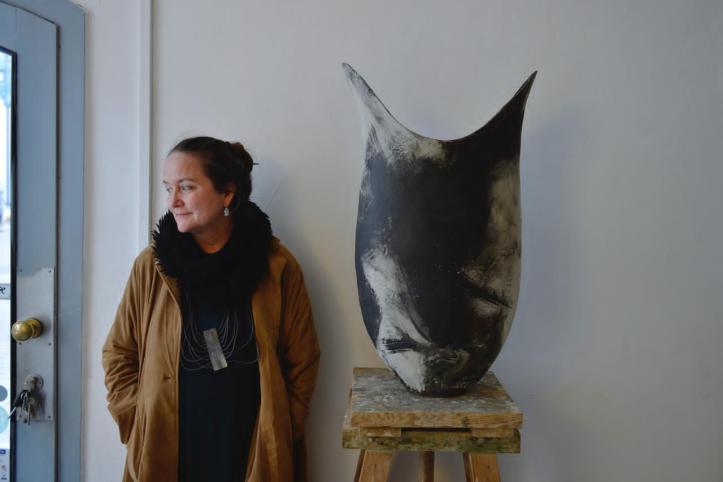
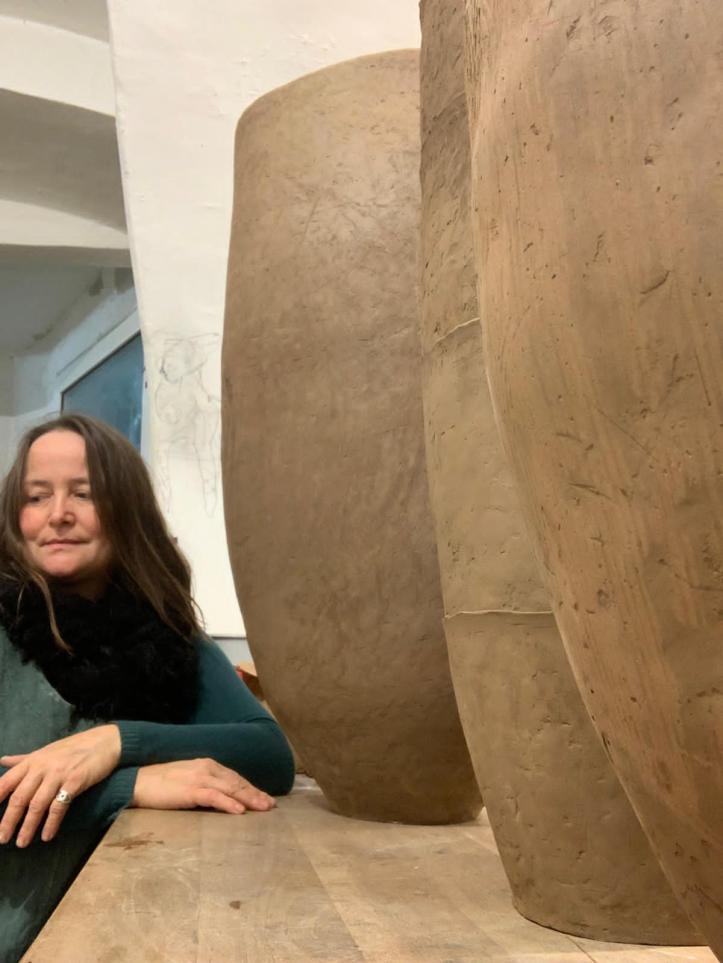
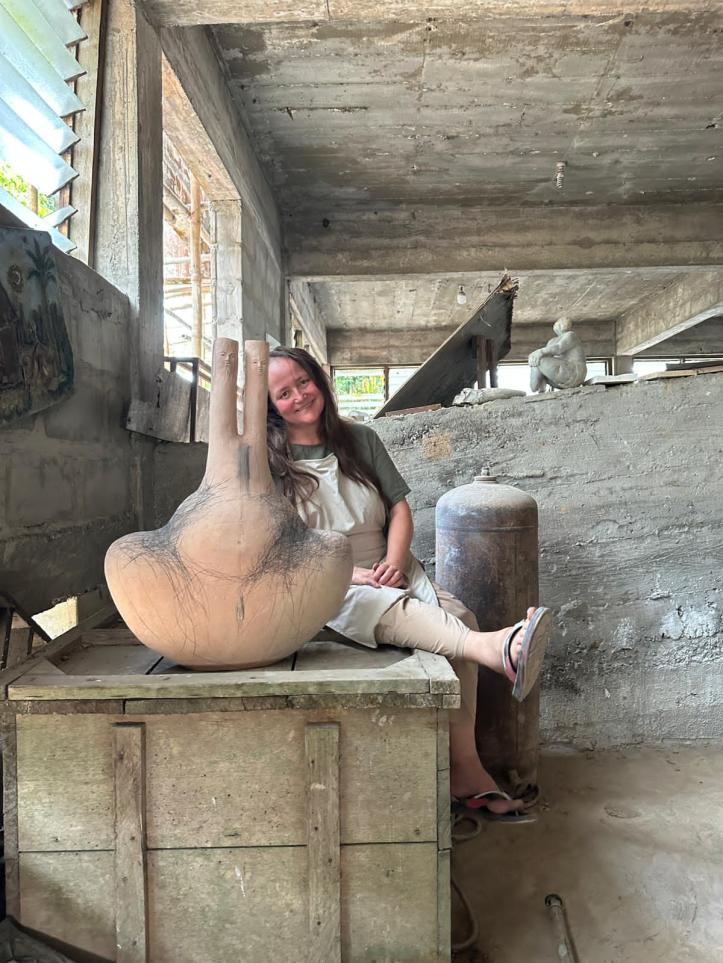
Why did you choose the Harmattan Workshop, and how did you come into contact with Prof. Bruce Onobrakpeya?
In 2024, I traveled to Nigeria for the first time to participate in the Harmattan Workshop. This decision was very personal—after 36 years as an artist and a single mother of four daughters, I finally took a break with the desire to deepen my already existing connections to the ceramics scene in Nigeria. So, I reached out to Ato Arinze, whose online network of ceramicists and artists I had been a part of for many years. He recommended that I participate in the Harmattan Workshop.
What fascinates you about Nigeria and the Harmattan Workshop?
When I arrived in Nigeria, I was overwhelmed by the art and culture, particularly the Benin statues and the impressive works of Bruce Onobrakpeya. Visiting the Harmattan Workshop felt like coming home.
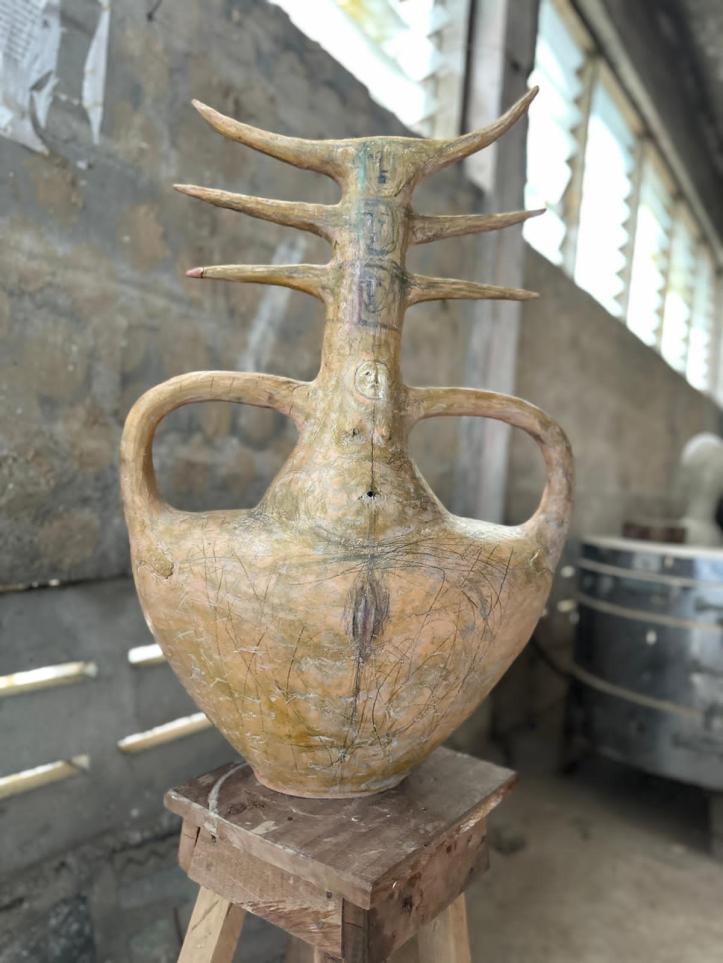
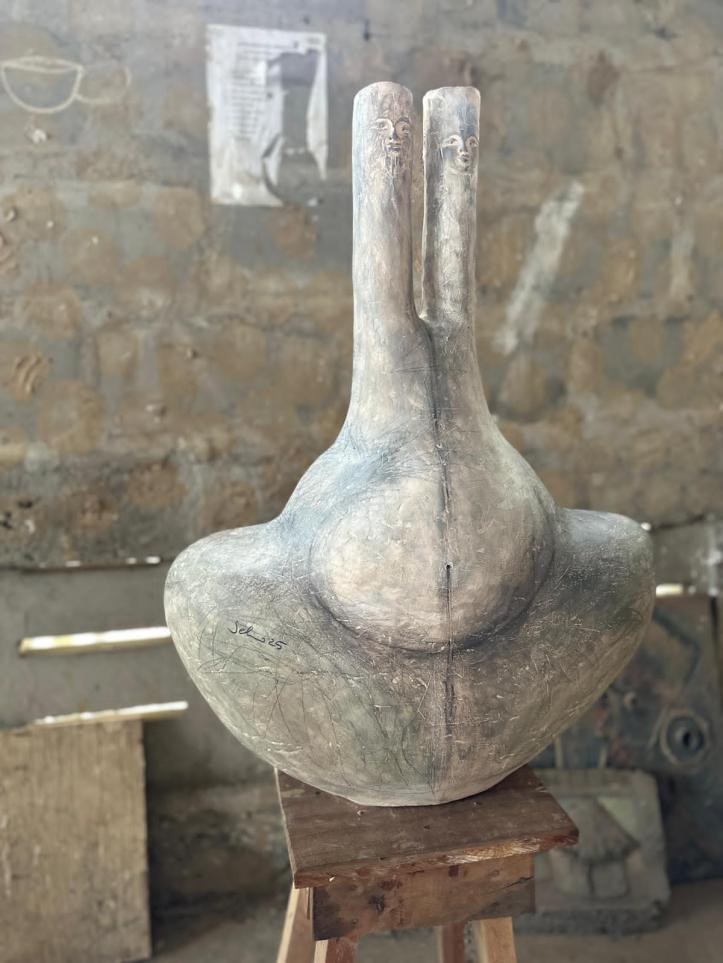
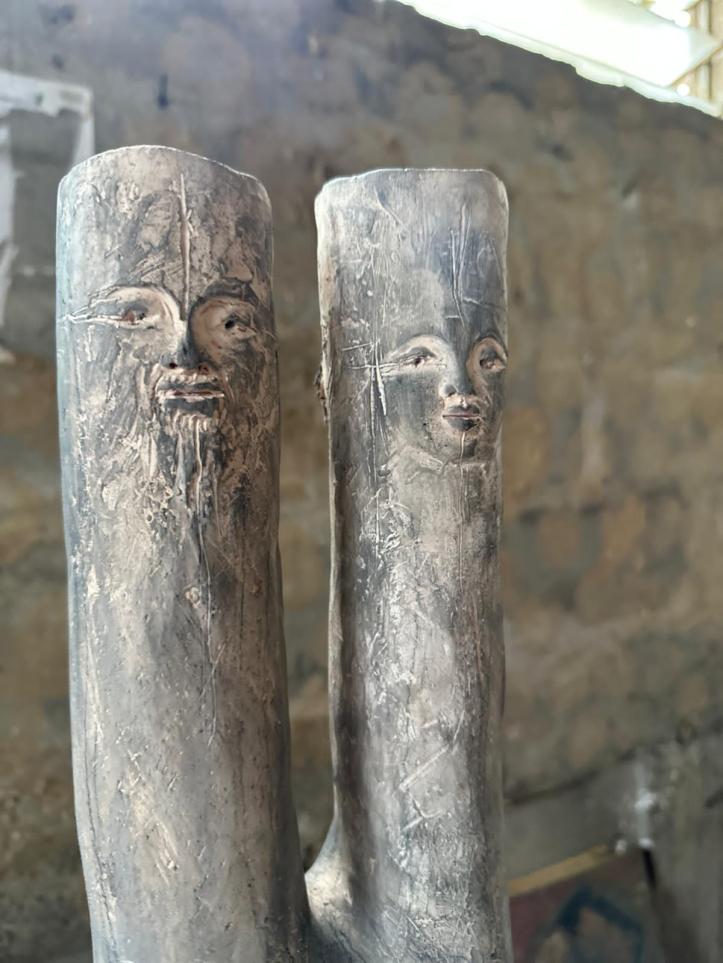
Is art sufficiently celebrated in Africa?
Since my trip, my perspective has changed. The art scene in Lagos is impressive. Many hidden galleries and studios are full of life. The world has long recognized the mastery of African artists.
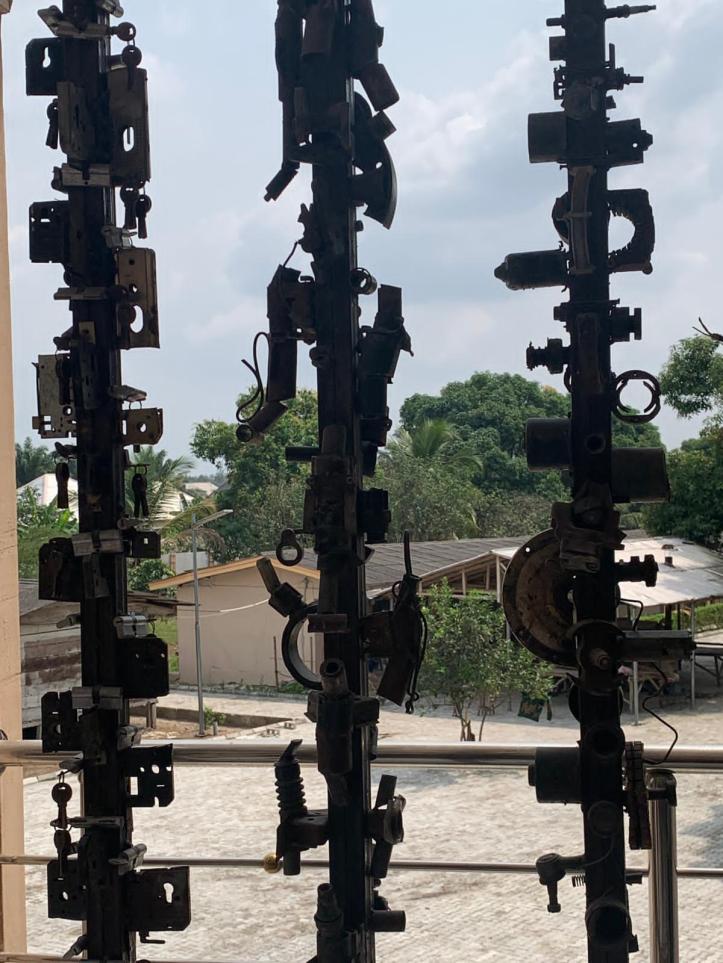
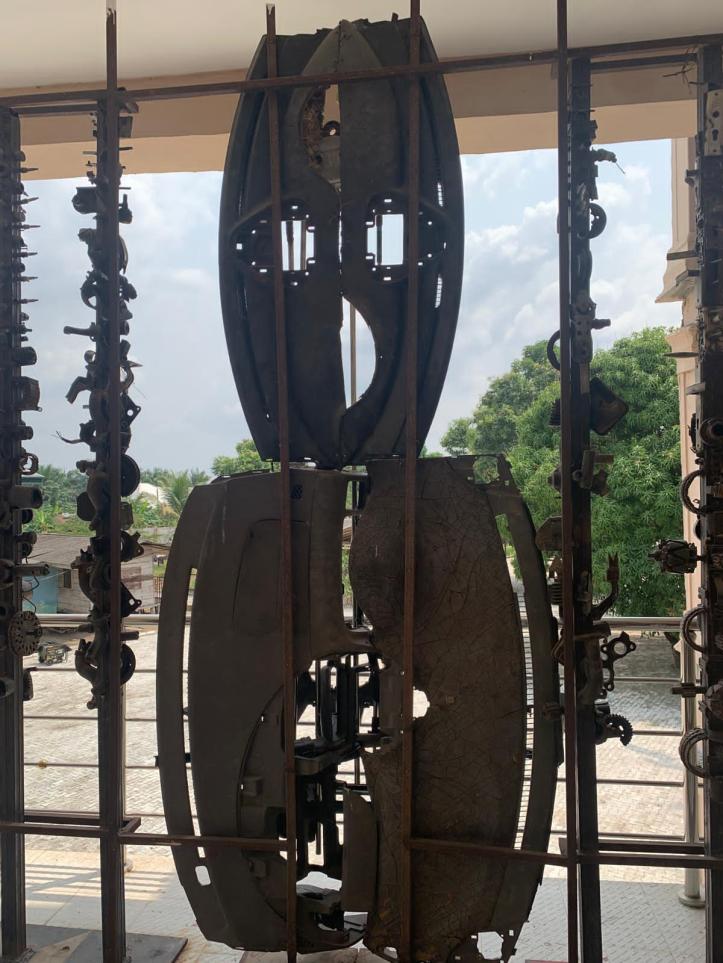
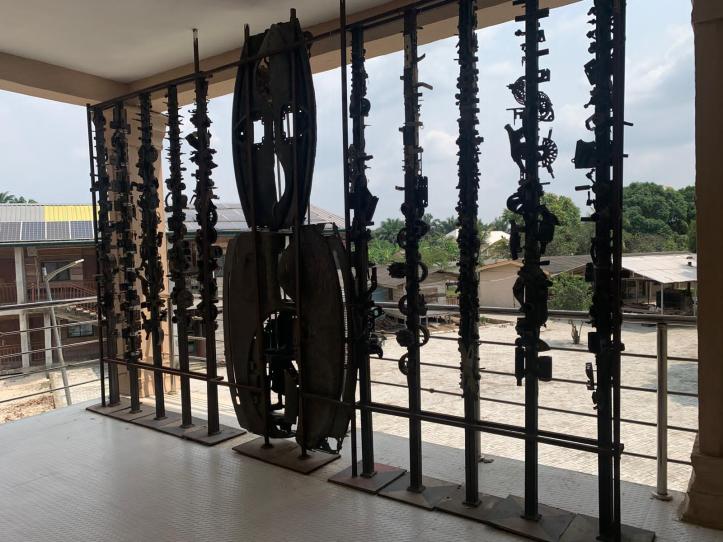
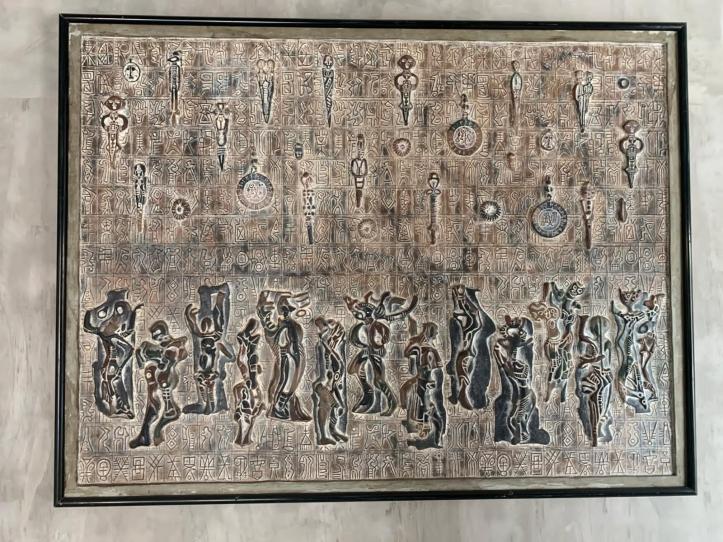
Are you privileged to be part of Harmattan Workshop?
I have now spent twelve weeks in Nigeria and wish I had come earlier. It is a privilege to be part of this artistic community.
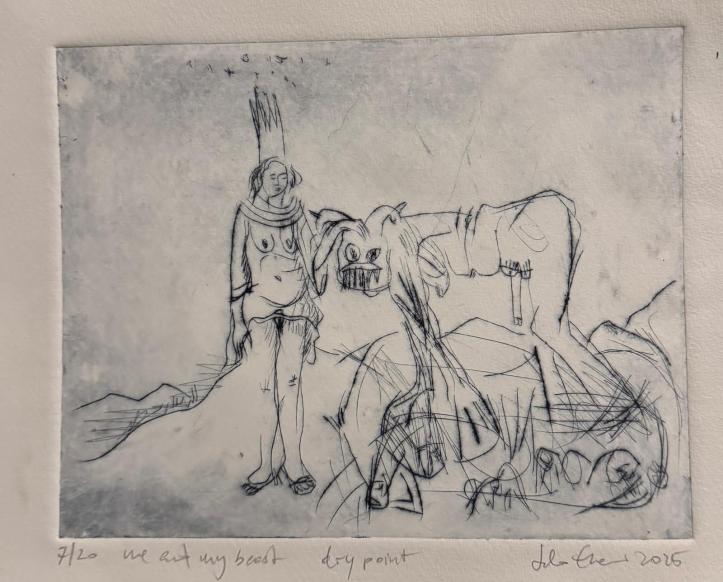
Who is Selma Etareri?
I am the daughter of an Austrian artist and grew up in Bad Hofgastein. At 14, I began my training as a ceramicist at a specialized school, and by 20, I had become self-employed as a visual and performing artist.
What were your first impressions of Nigeria, and how have they changed?
Artistically, I feel at home in Nigeria, where spirituality is an effortless, everyday reality. From my very first visit, it opened my heart wide.
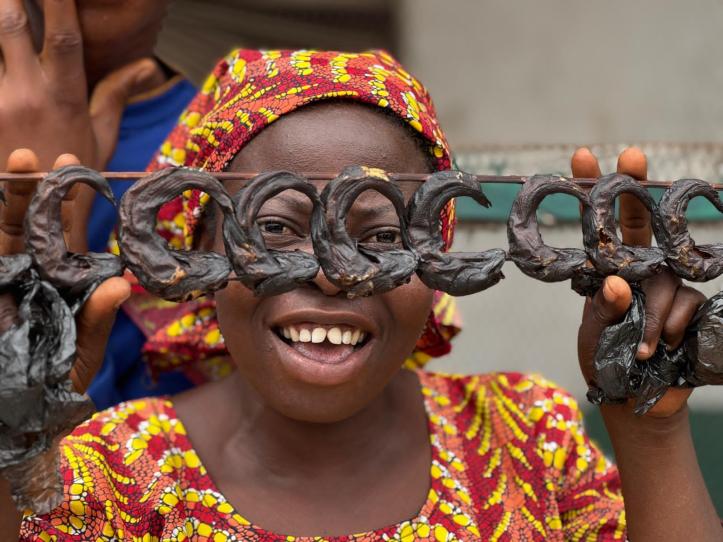
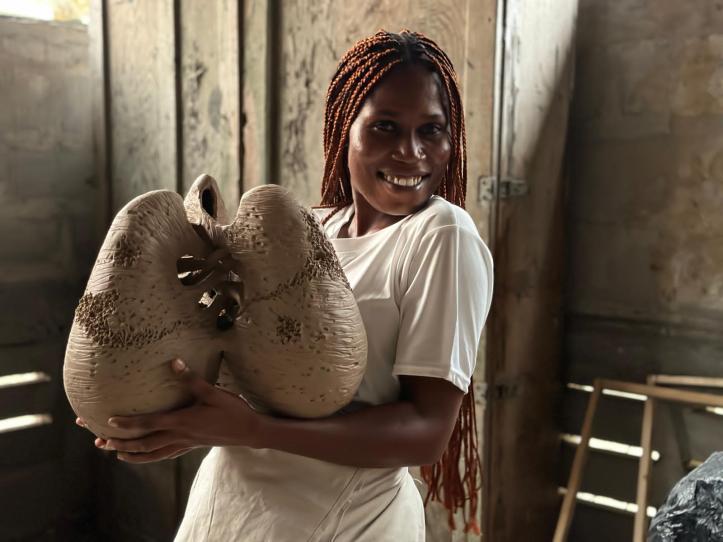
How do cultural and artistic approaches differ between Austria and Nigeria?
In Nigeria, it is natural to pour one’s soul into art. Here, mastering the craft is essential, while in Europe, the “show effect” often takes precedence.
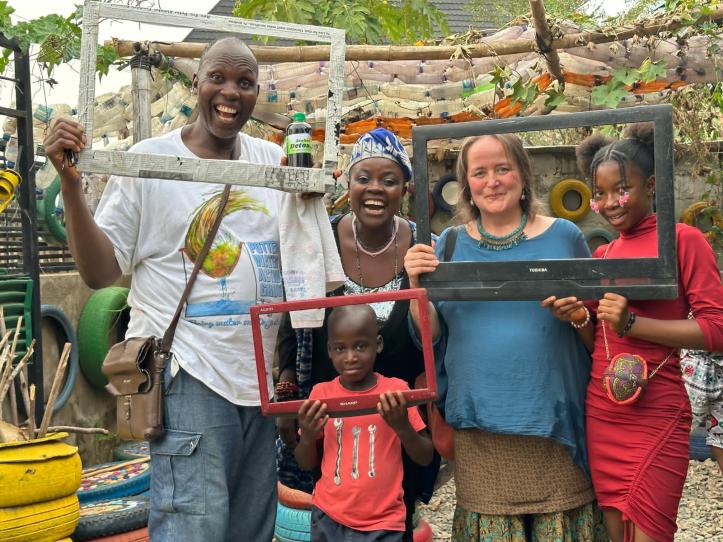
Was there a particularly memorable moment at the Harmattan Workshop?
I am deeply grateful to have met Prof. Bruce Onobrakpeya. The Harmattan Workshop is a place of mutual respect and love for art.
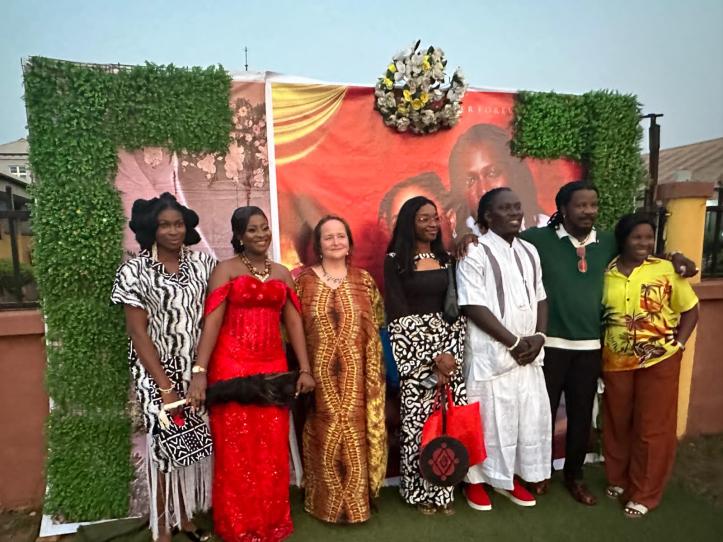
How has your artistic approach evolved over the years?
I have been an artist for 40 years and grew up in the art world. However, during my two stays in Nigeria, I received confirmation that my unconventional artistic approach is unique and appreciated in a different context.
How has Prof. Bruce Onobrakpeya’s mentorship influenced your art?
He is an extraordinary mentor who supports the artists at the Harmattan Workshop with great care and positive feedback.
Which projects at the Harmattan Workshop encouraged you to think “outside the box”?
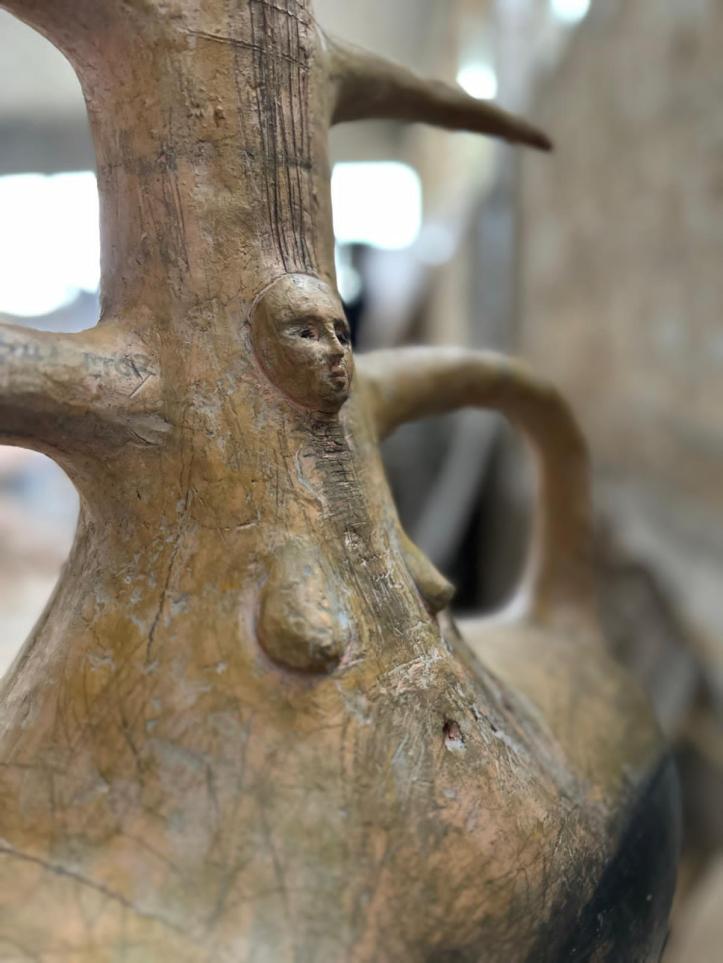
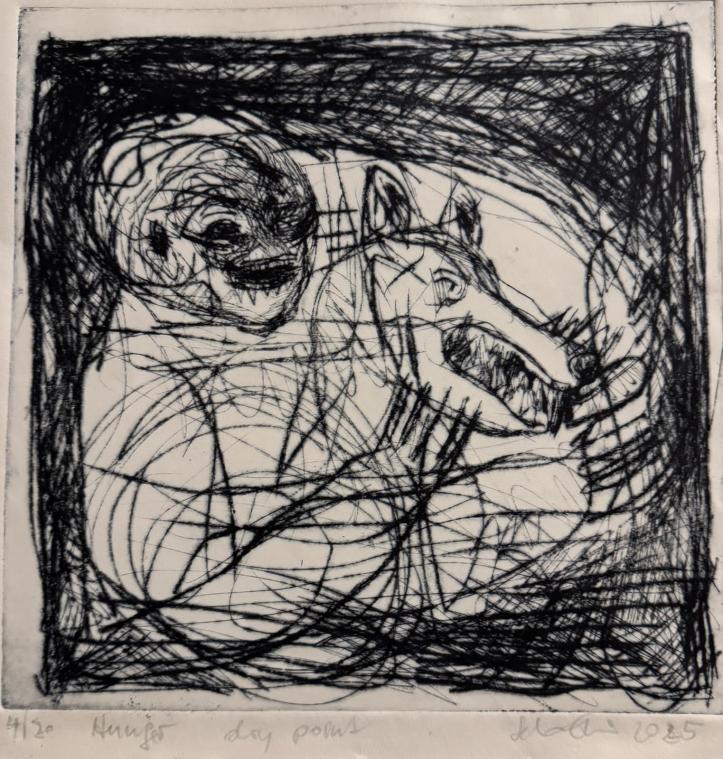
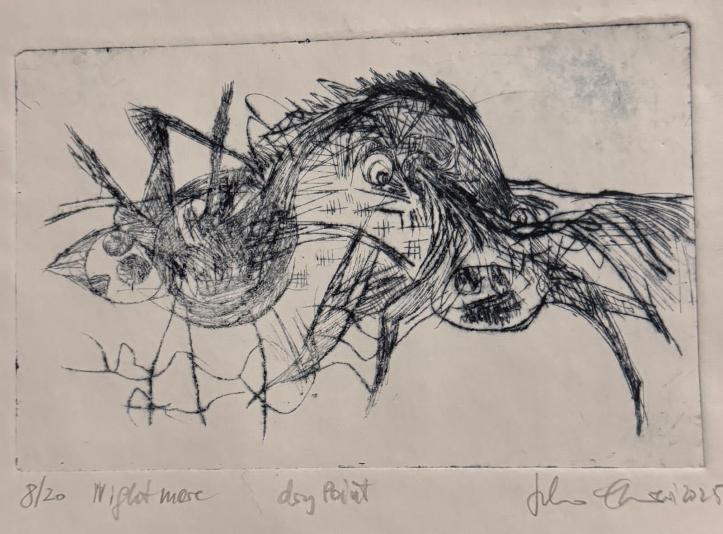
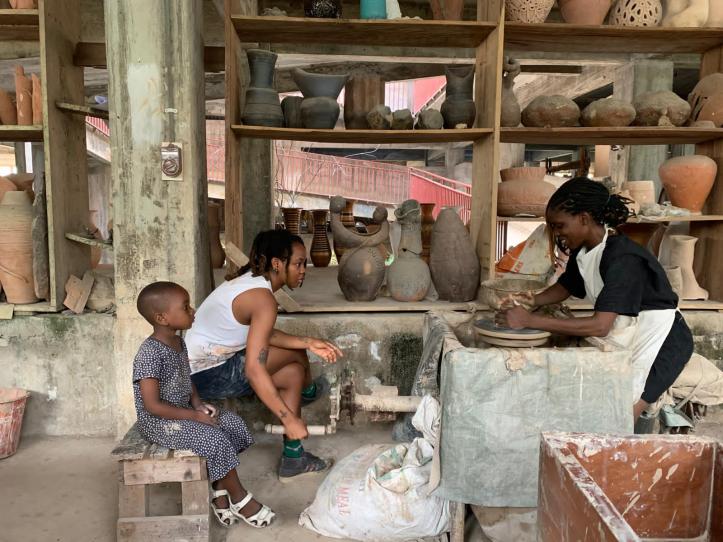
I worked with almost the same techniques as I do at home—yet the artworks themselves are not the same.
How does the Harmattan Workshop contribute to promoting Nigerian and African art?
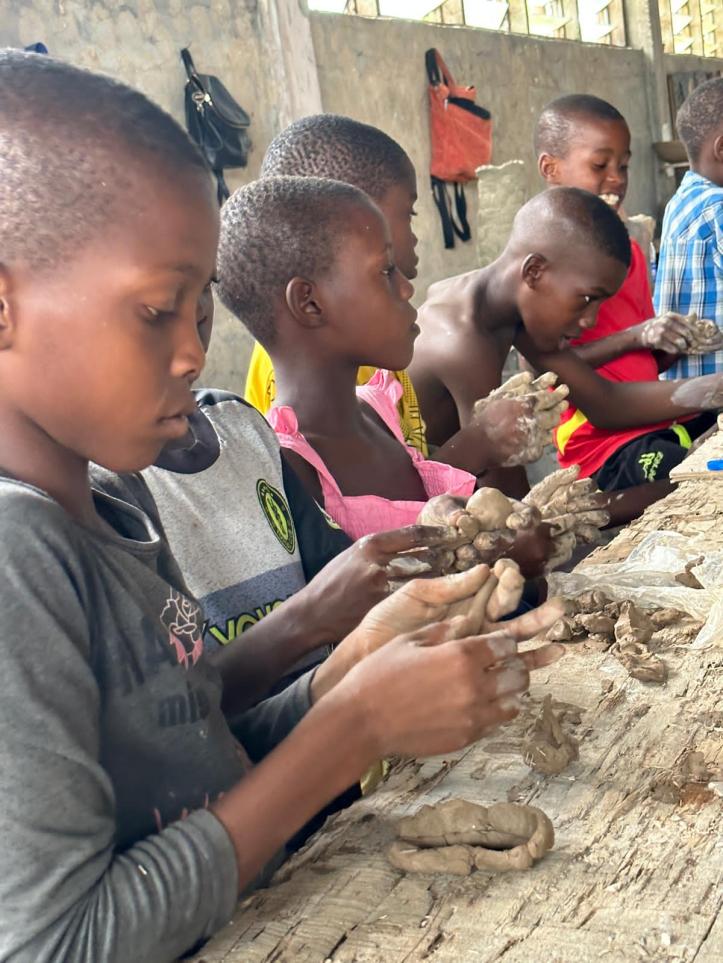
The Harmattan Workshop serves as a bridge to the international art scene, especially for young artists.
How do you navigate between the cultural identities of Austria and Nigeria?
I feel like I am opening a new chapter.
What advice would you give to young artists who want to participate in the Harmattan Workshop or explore the Nigerian art scene?
For me, it has always been essential to have a dedicated space for my artistic work.
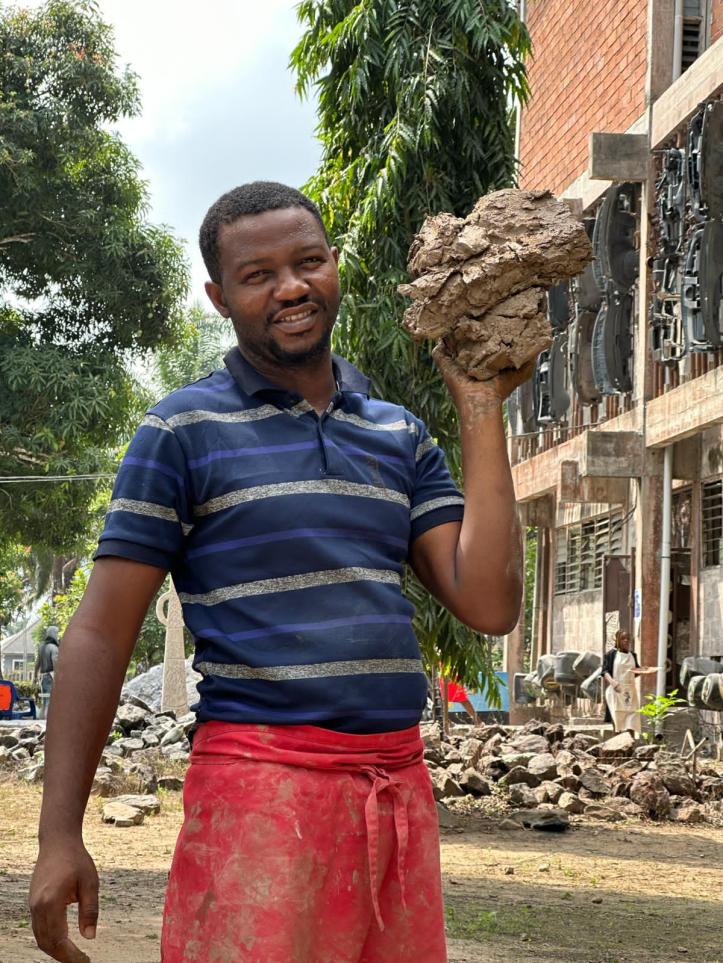
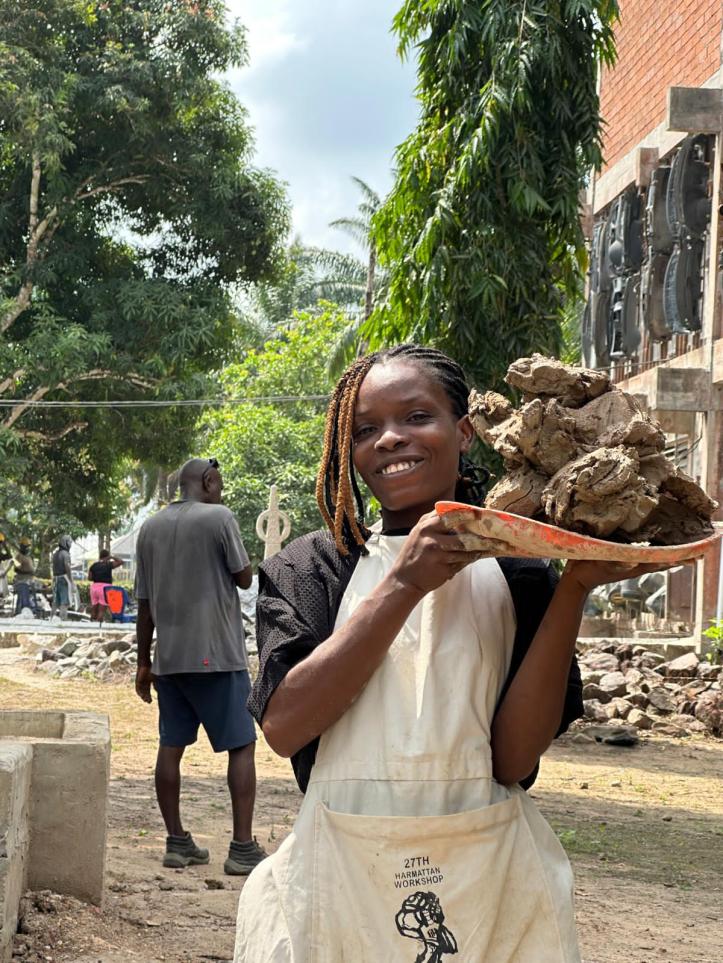
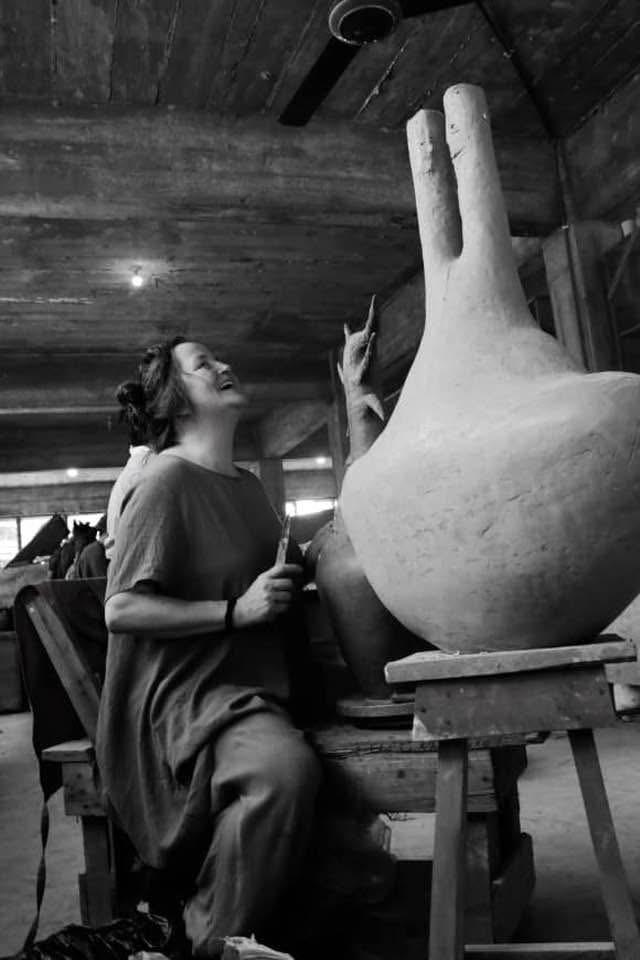
Selma Etareri, the Austrian Artist that is Crossing Borders and Bridging Cultures
How would you like to be remembered in twenty years at the Harmattan Workshop and in the Nigerian art scene?
We will see how everything evolves.
Interview/Ireho Aito/Don’t Keep Your Art in the Finger!/Artworks/Images/Photographs/Selma Etareri Gallery. Photographs by Isreal Ophori commissioned by Dr. Bruce Onobrakpeya for Bruce Onobrakpeya Foundation

