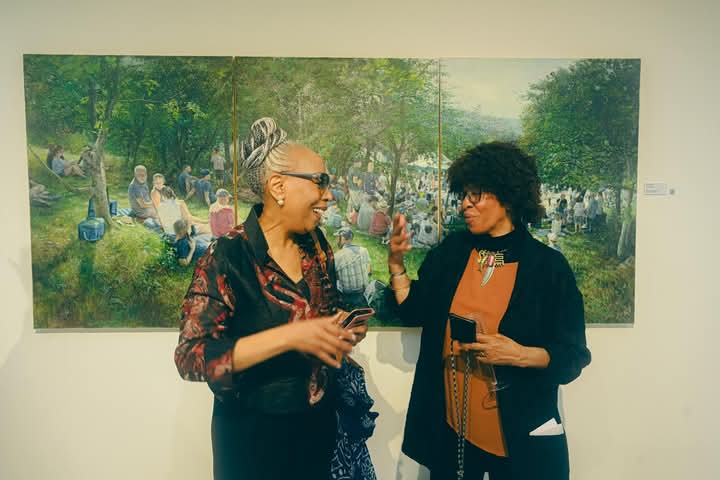
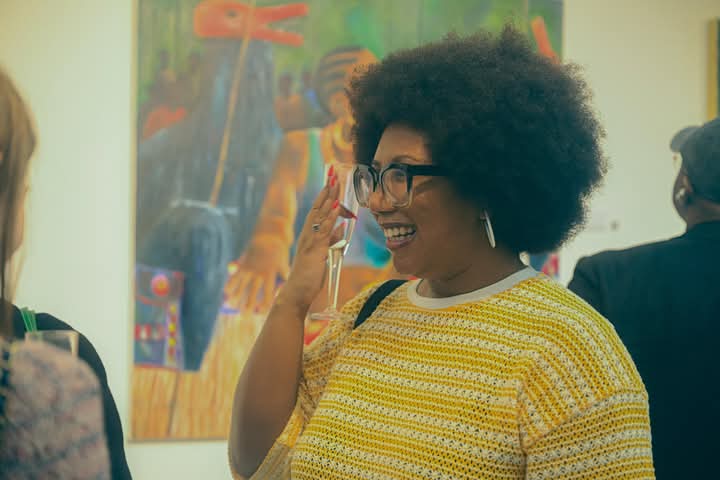
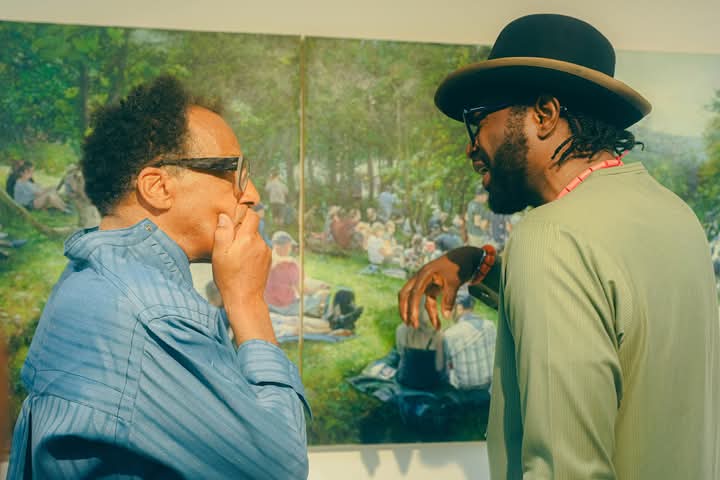
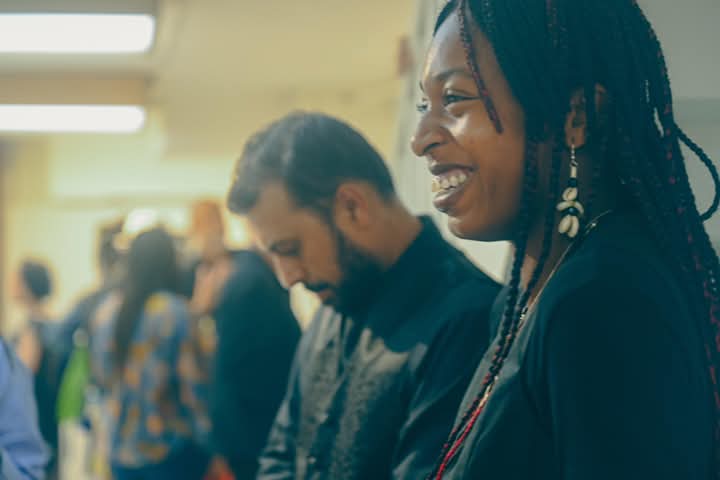
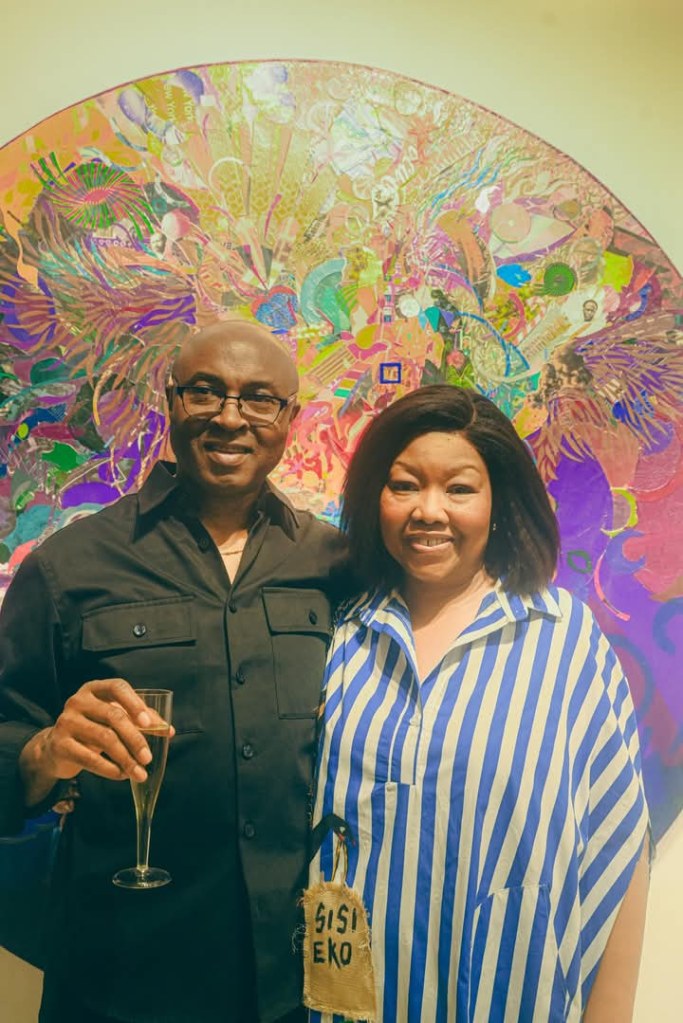
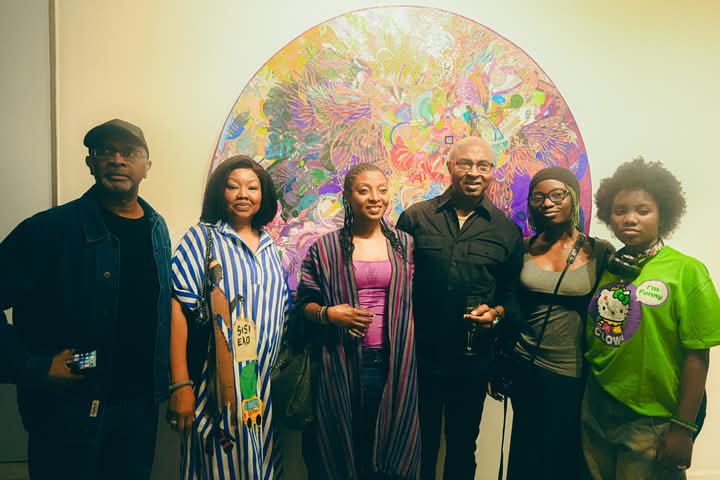
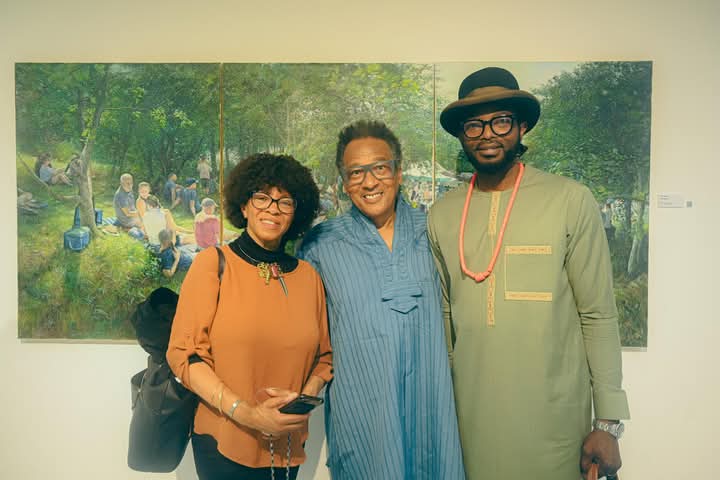
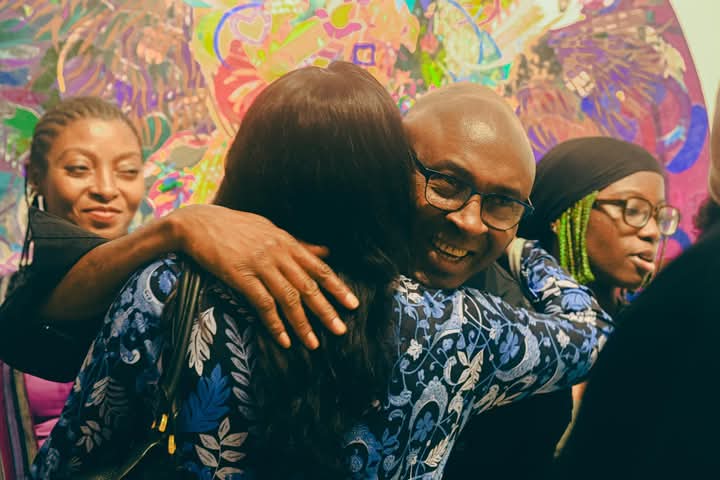
At its heart, The Carnivalesque is more than an exhibition; it is a bridge between Nigeria and the world. For the Nigeria Art Society UK, this is not just a showcase but a statement that Nigerian artists are shaping global conversations, bringing ancestral traditions into contemporary practice, and ensuring that art remains both memory and future. Writes Ireho Aito. Photography/ Lewis Patrick and PeiPei (Cecile)
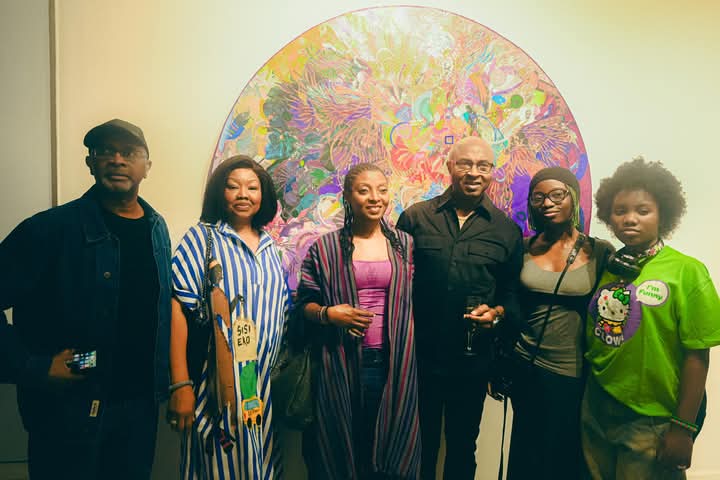
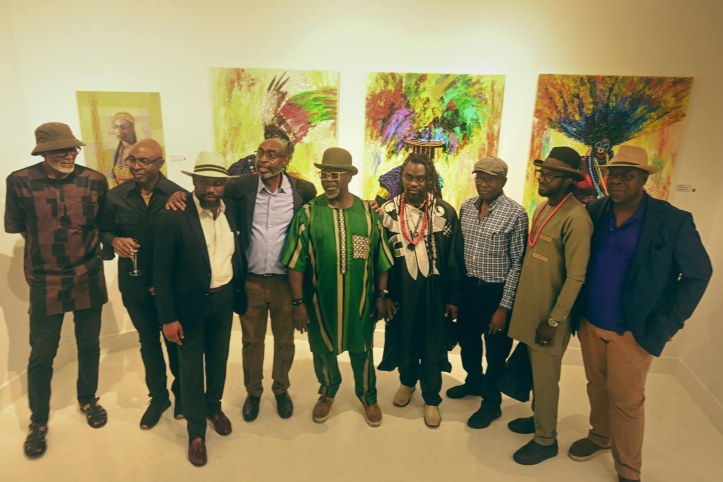
The Carnivalesque has become one of the biggest events reawakening the month of August into our reckoning apart from the start of much awaited English Premier League. And just as the Premier League is a culture buzz, this exhibition has found its uniqueness in cultural evolution with a global announcement.
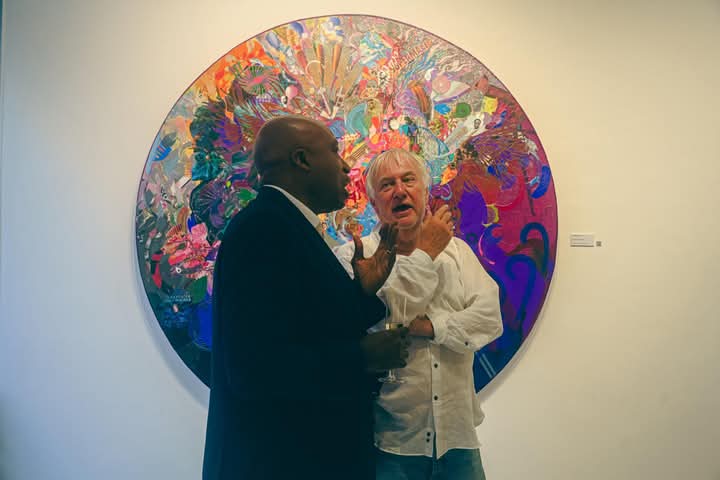
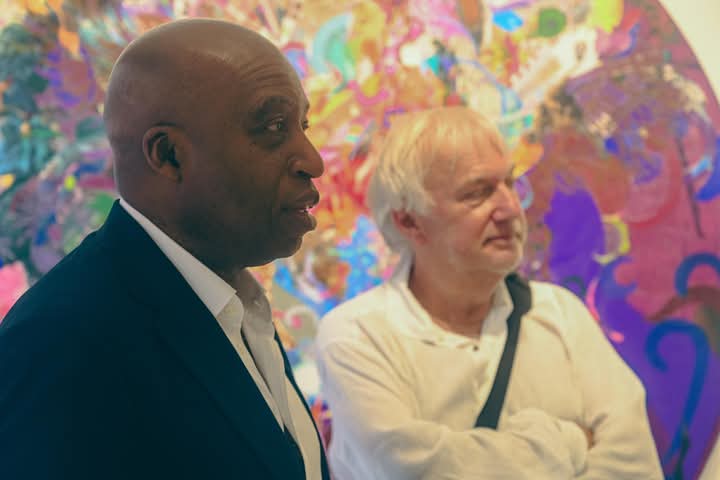
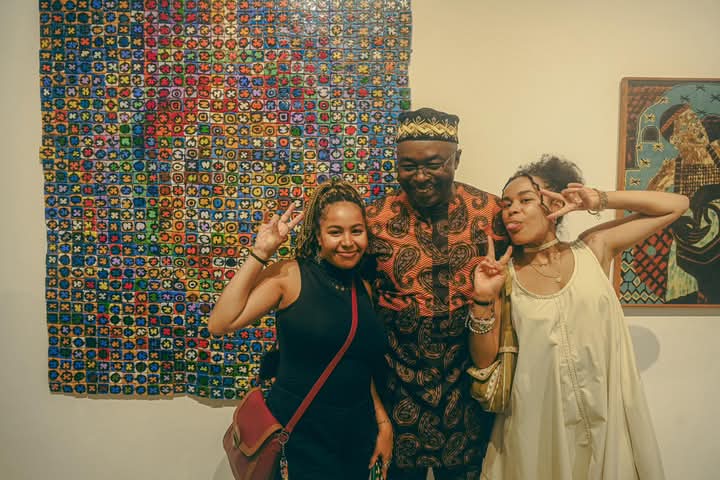
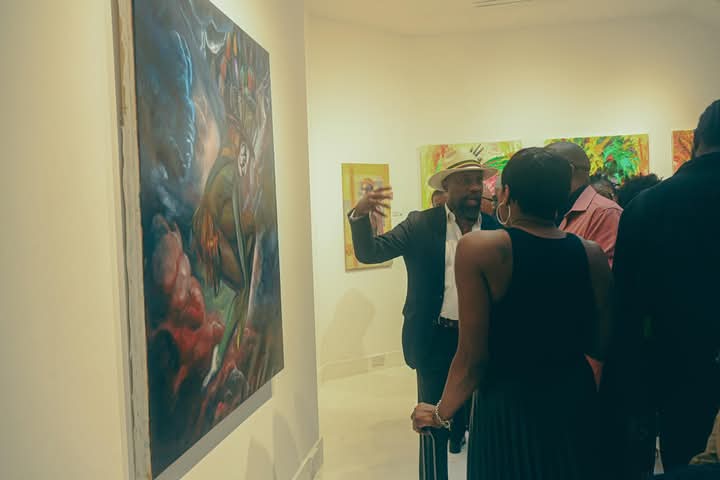
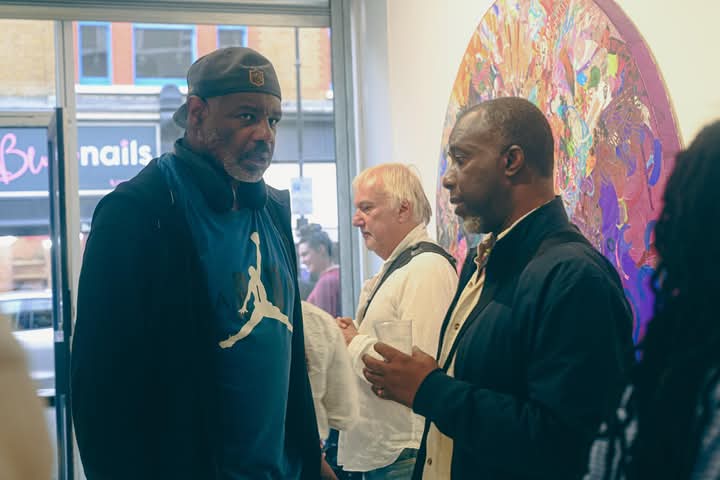
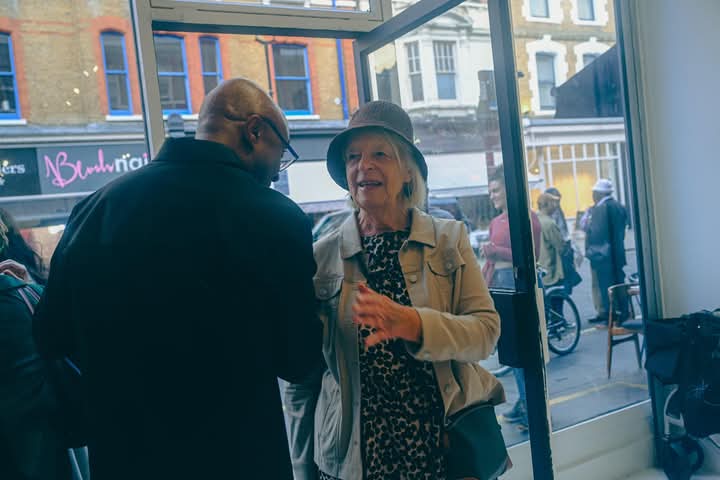
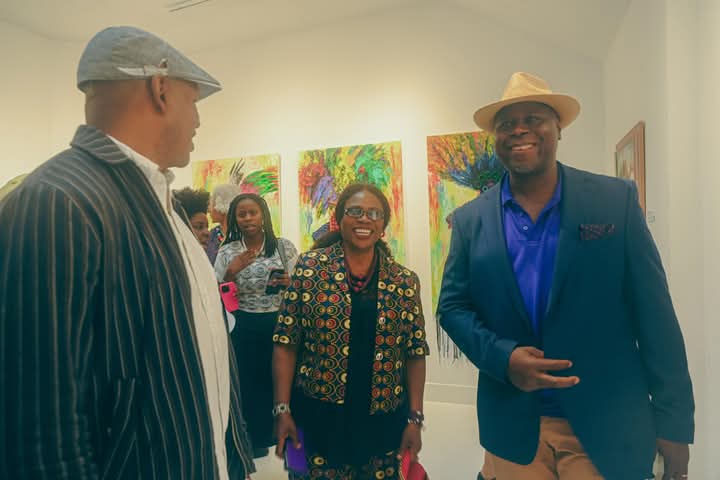
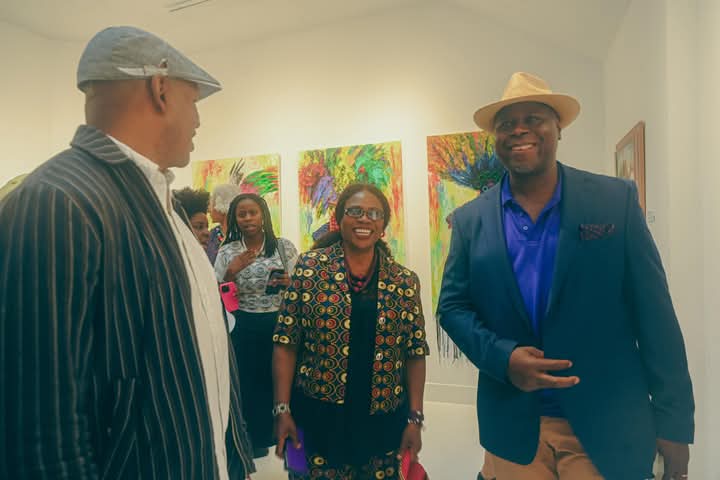
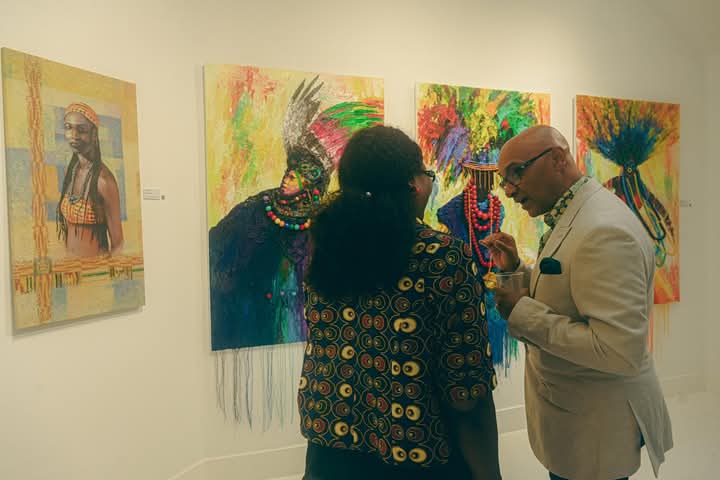
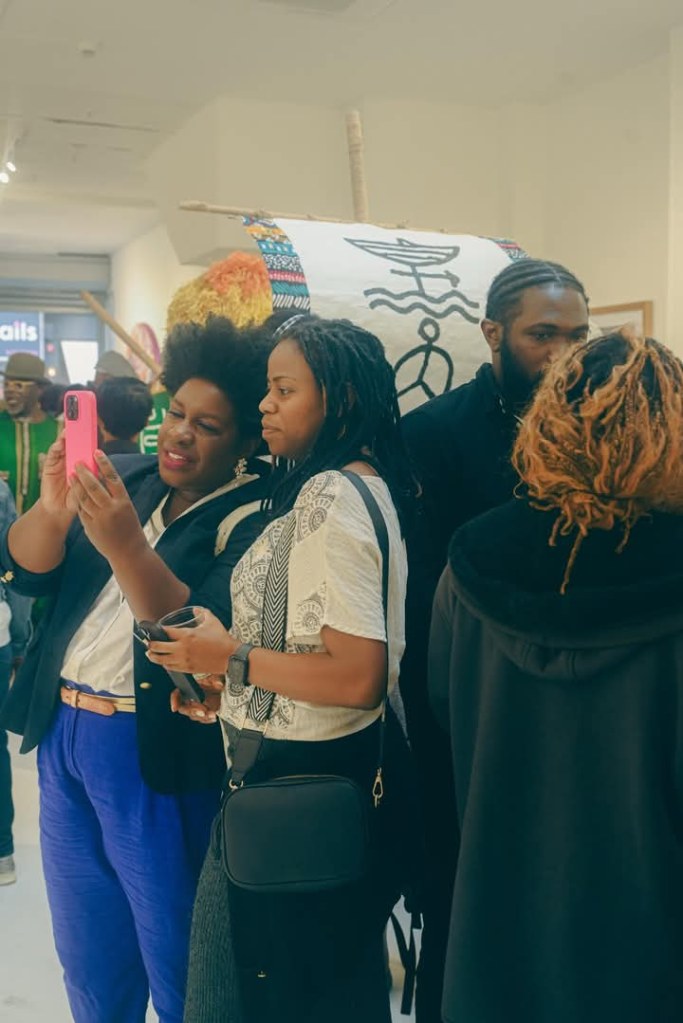
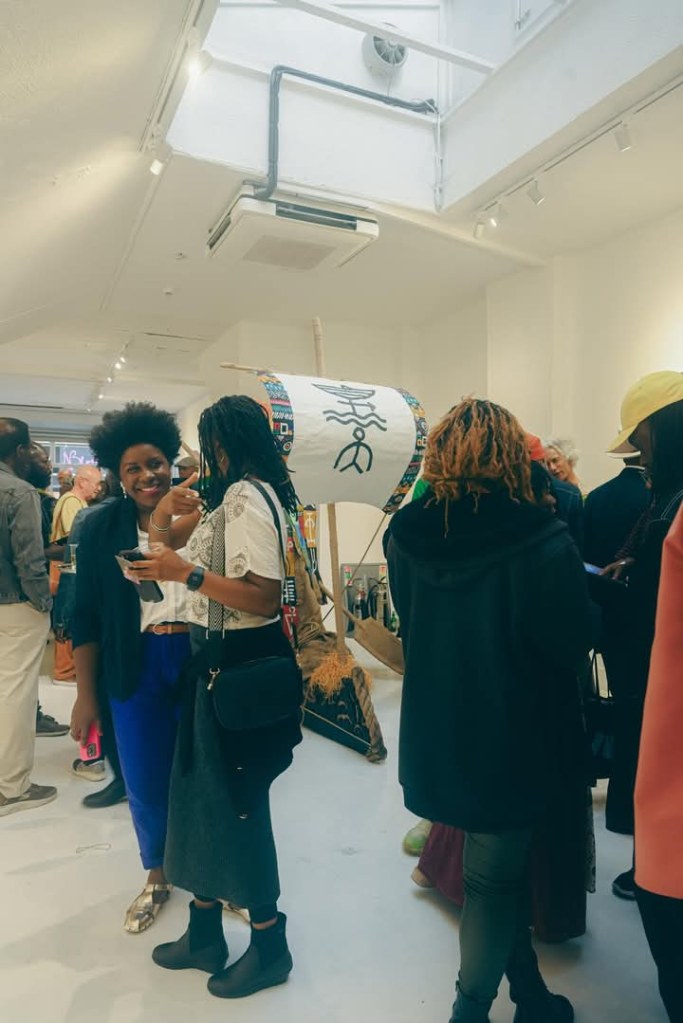
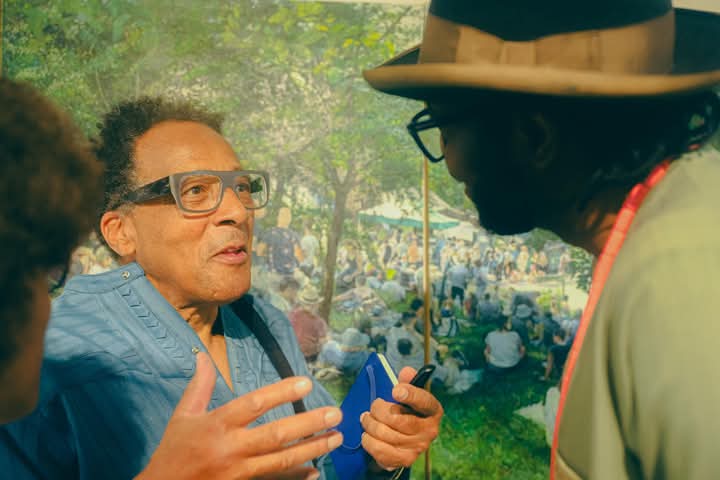
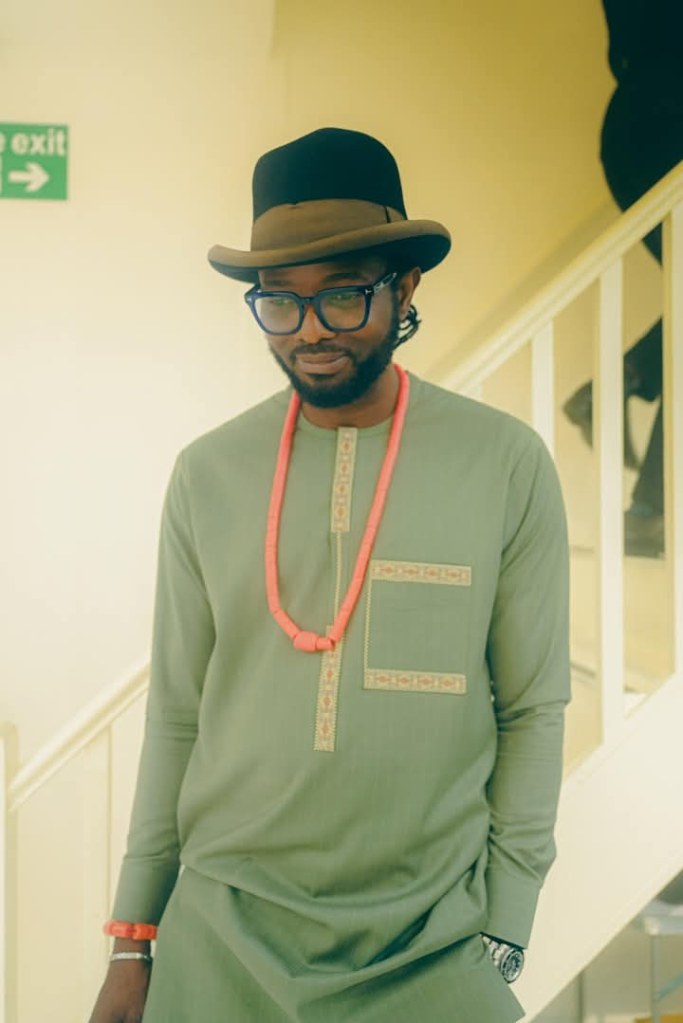
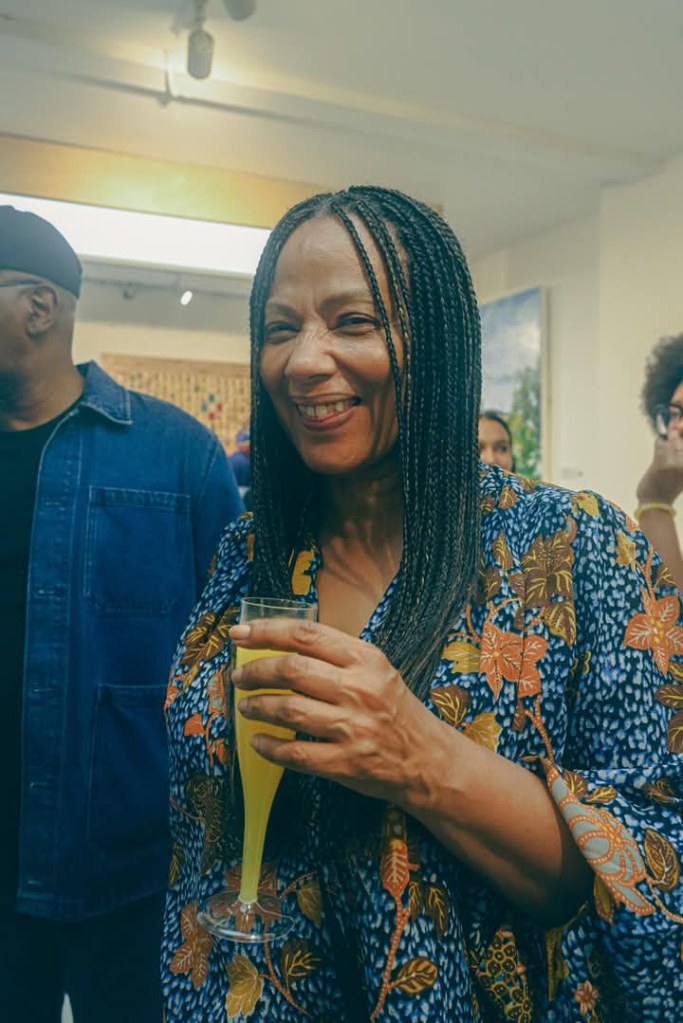
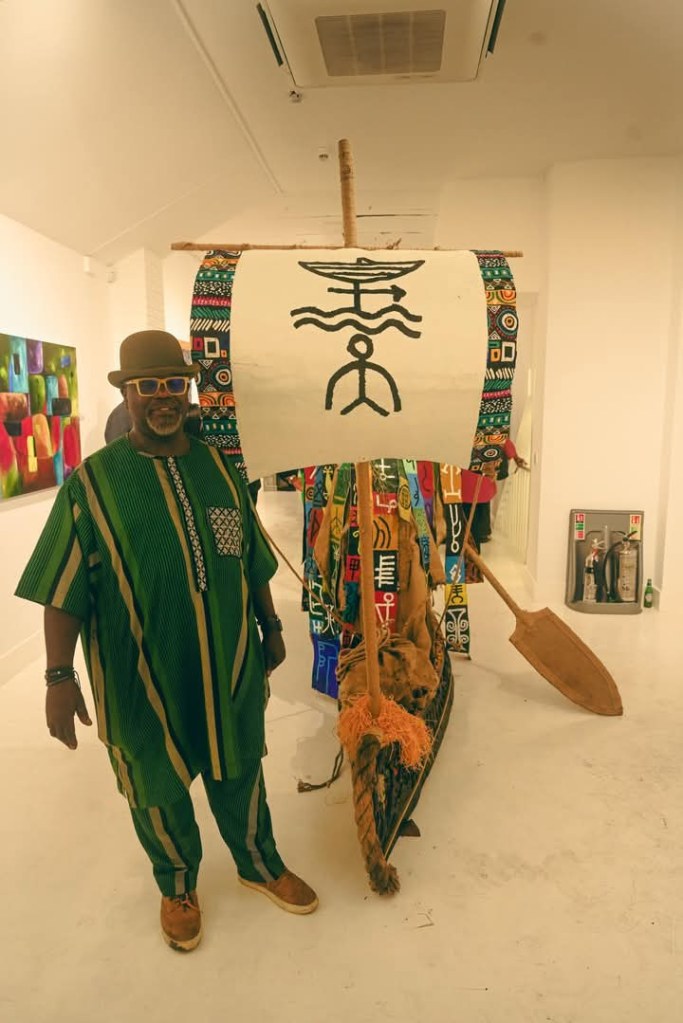
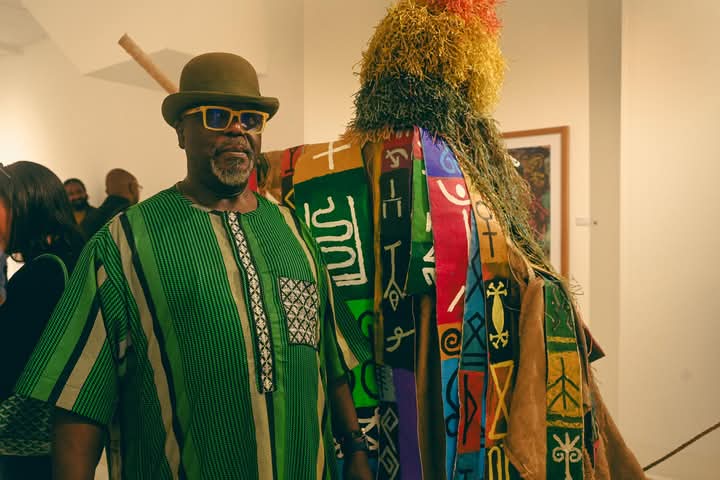
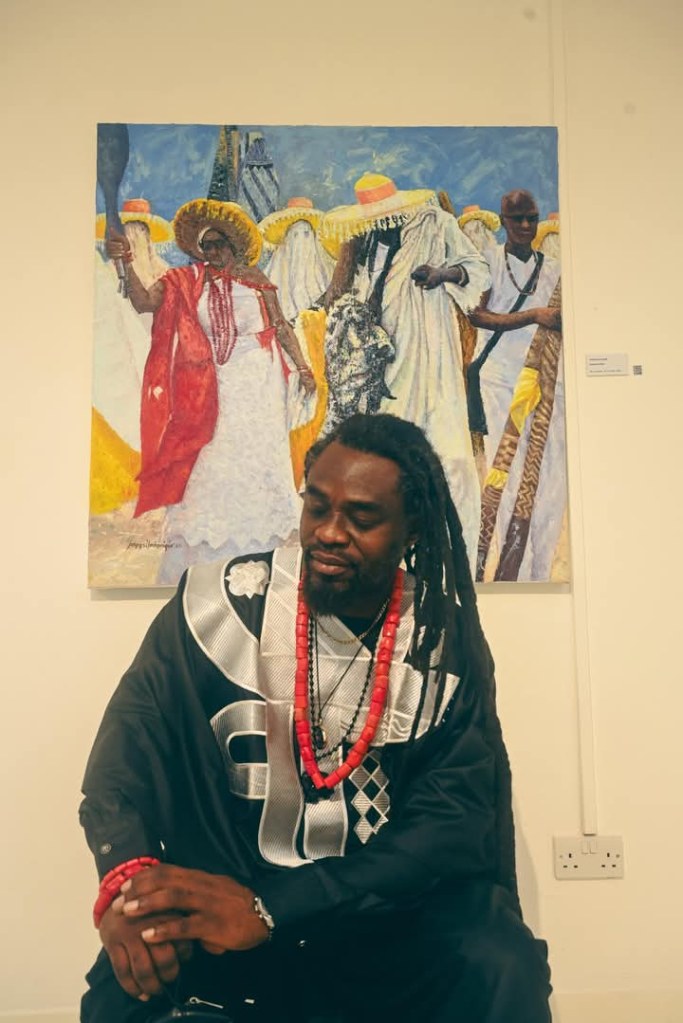
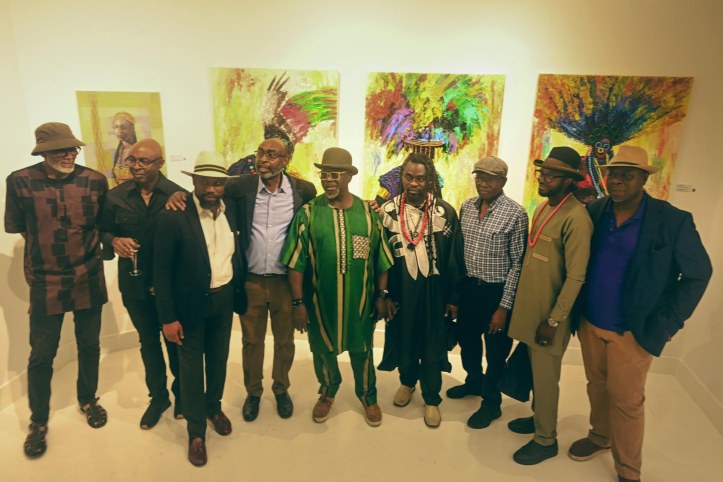
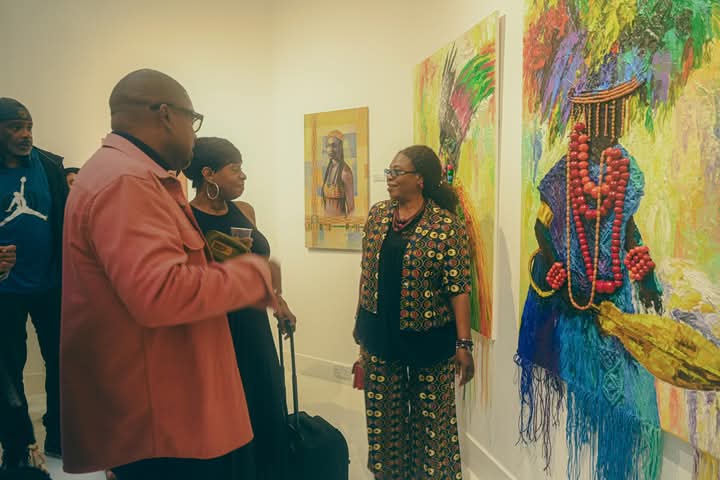
Since opening on the 21st August, London has been buzzing with the colours, rhythms, and ancestral echoes of The Carnivalesque: Body, Mind & Spirit an ongoing exhibition that does more than showcase art. It is a living celebration of heritage, resistance, and imagination, led proudly by the Nigeria Art Society UK (NASUK).
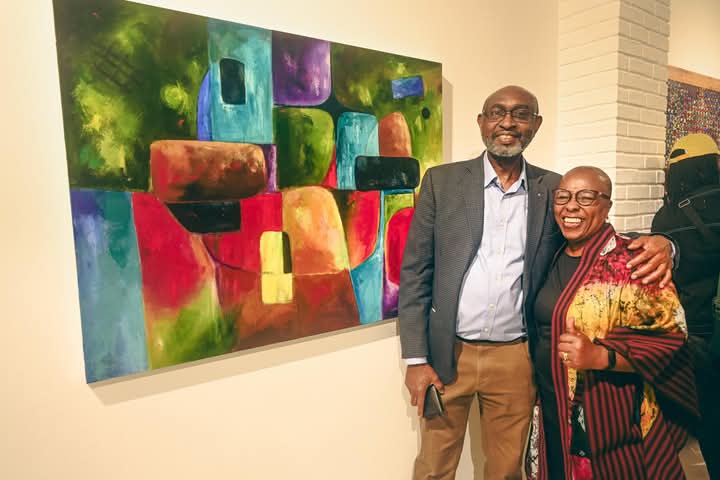
Every day from 11:00 to 20:00, visitors step into a world where Carnival is not just a performance but a philosophy exhibiting body in discipline, mind in resistance, and spirit in ancestral memory. Nigerian artists, alongside their international peers, are illuminating how Carnival and masquerade traditions transcend borders, creating a dialogue between Africa, the Caribbean, and Europe.
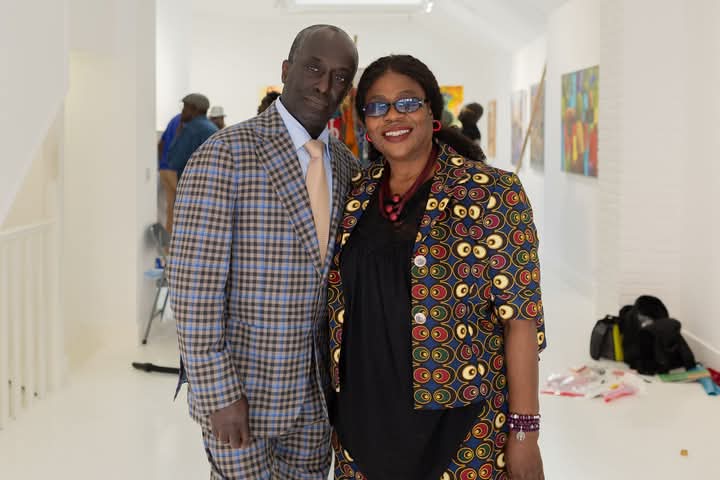
As London embraces this wave of colour, sound, and ancestral memory, the exhibition’s programme unfolds like a carnival procession itself and each day offering a new rhythm, a new vision, a new voice. From panel discussions to poetry, from sculpture to masquerade, the celebration moves seamlessly between disciplines, carrying the audience deeper into the heart of Nigerian and diasporic creativity.
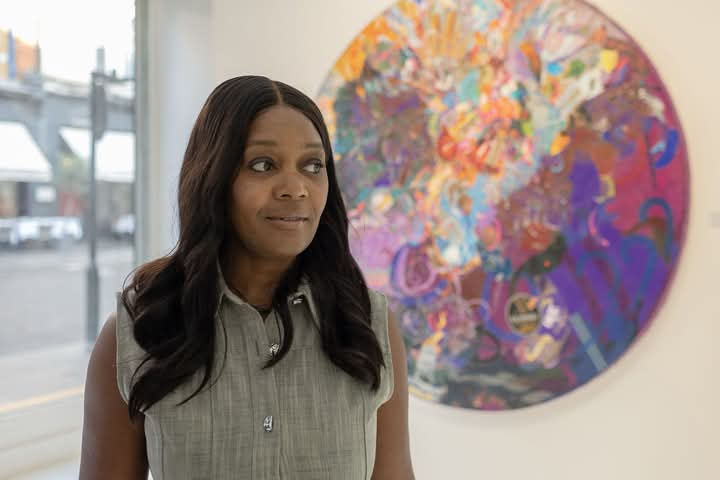
A Feast of Voices and Visions
The programme is rich and unmissable. Dr Claire Holder, the former Chairperson & CEO of Notting Hill Carnival, brings decades of wisdom, recalling both her management of Europe’s largest street festival and her trip to Abuja Carnival in 2005, where she traced the Nigerian roots of Masquerade. Her voice joins that of Rubadiri Victor from Trinidad & Tobago and Alexander D Great, a Kaiso monarch, weaving a tapestry of history, rhythm, and resistance.
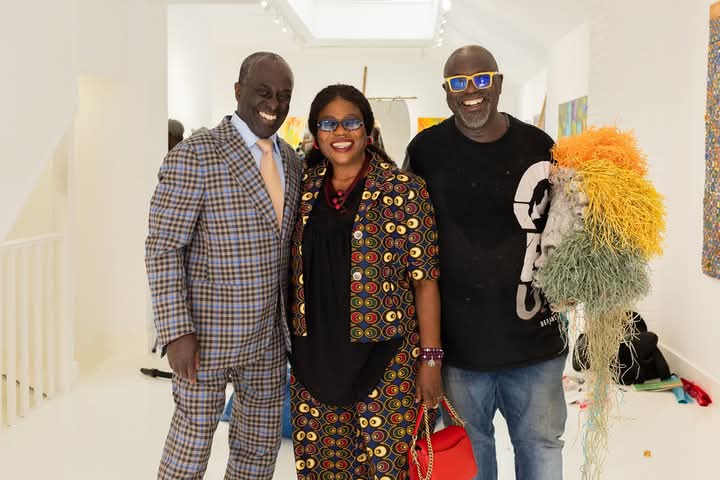
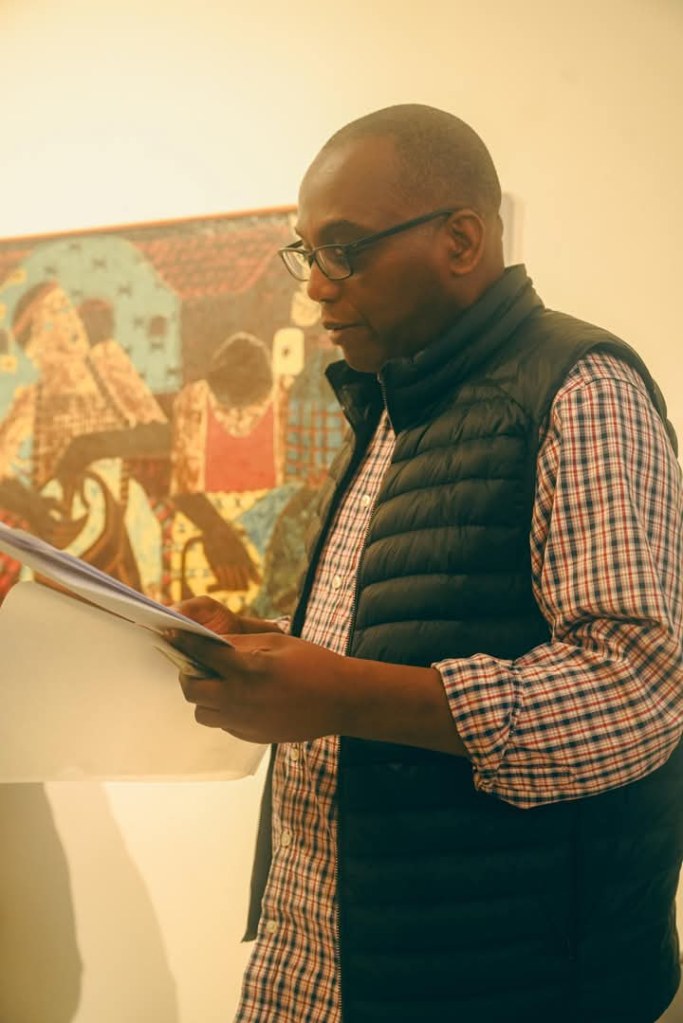
Then comes poetry’s turn to sing. Sir Ben Okri, the Booker Prize-winning Nigerian author, carries audiences across worlds, reading not only from his own work but also honouring the legendary Christopher Okigbo. Okri’s performance reminds us that literature is Carnival too which is magical, resistant, and ancestral.
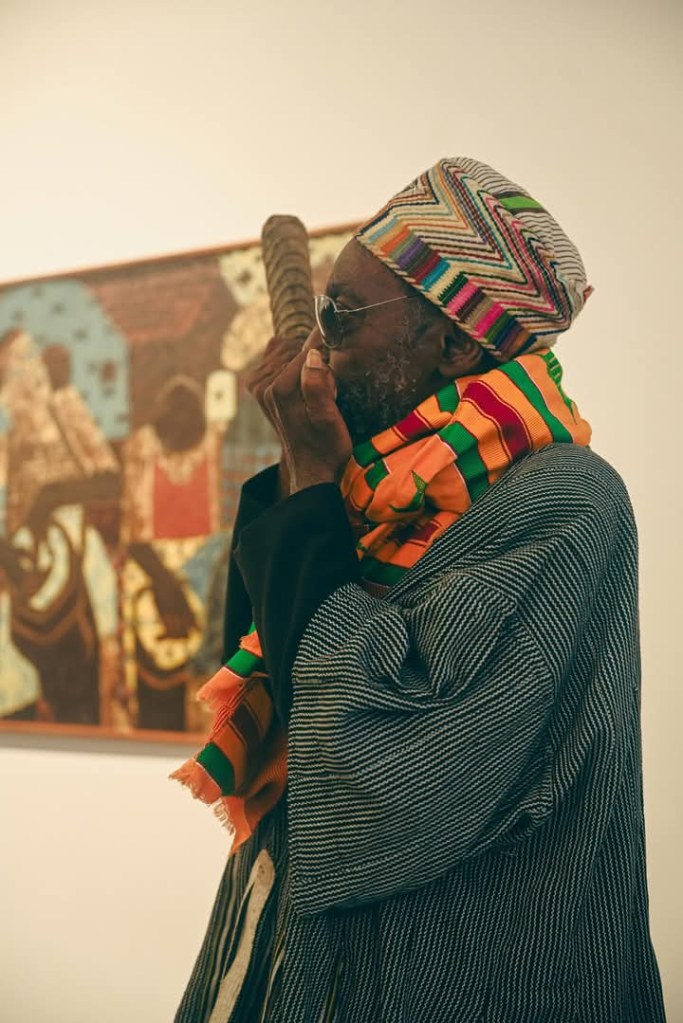
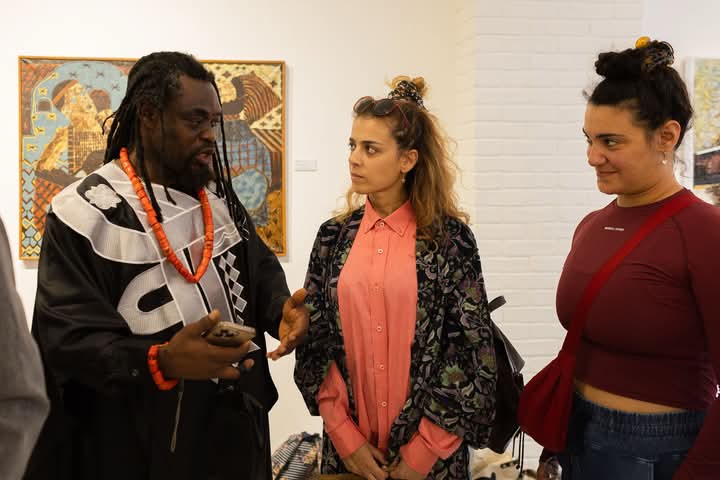
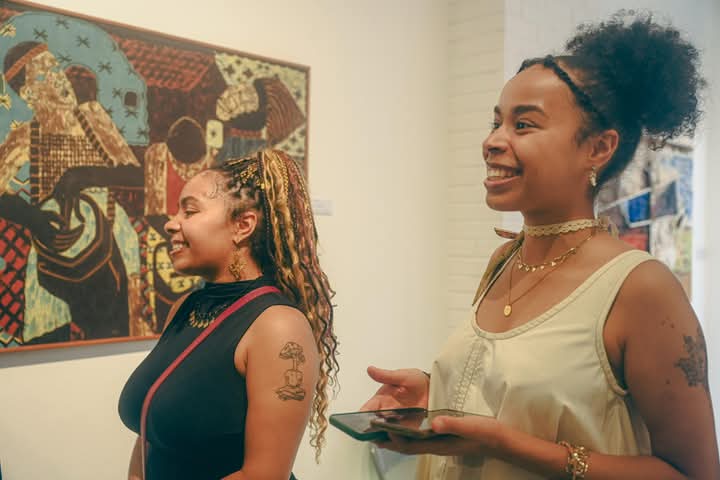
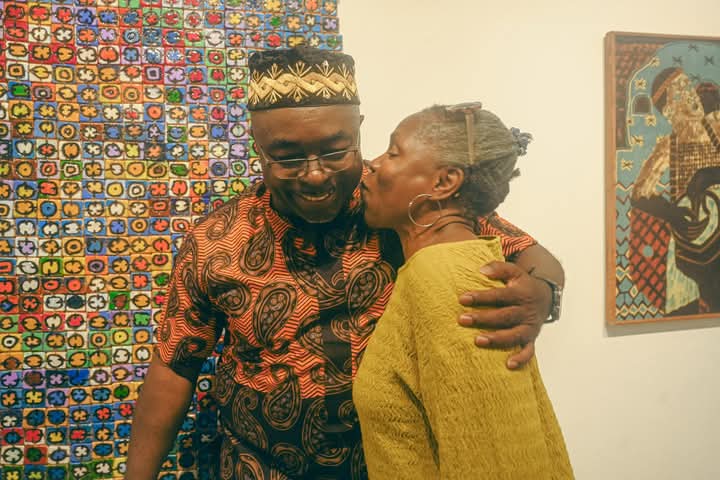
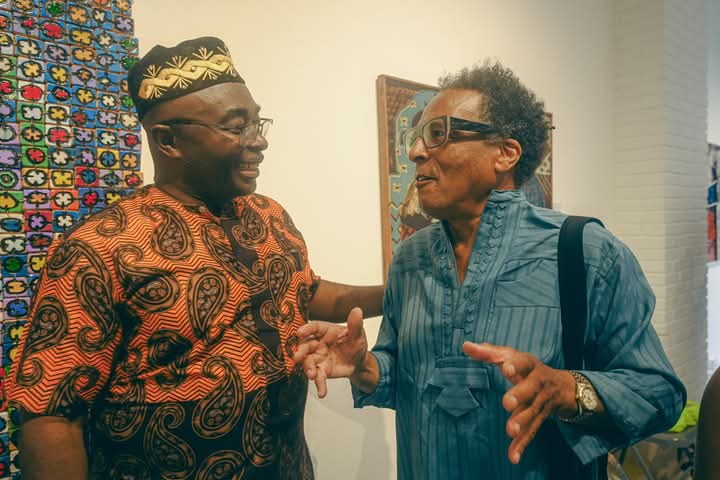
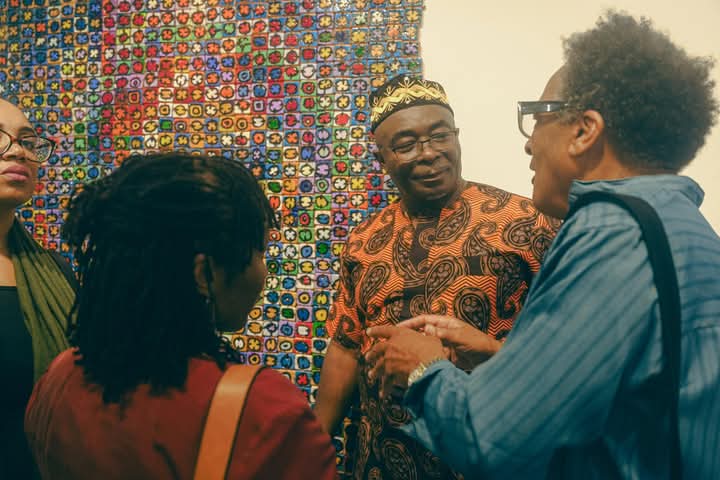
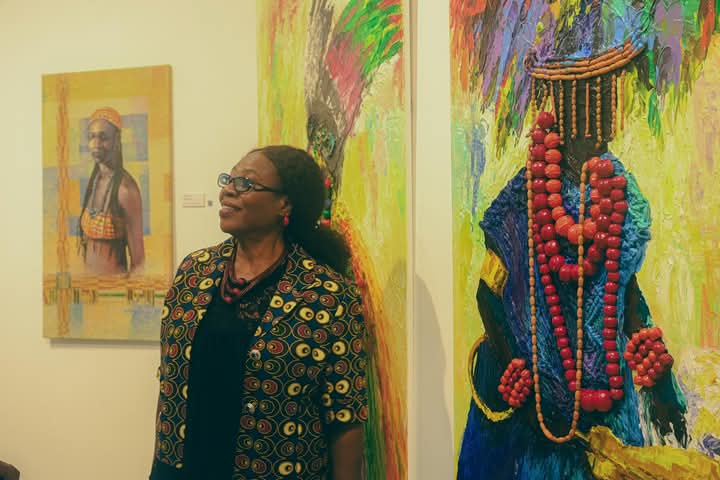
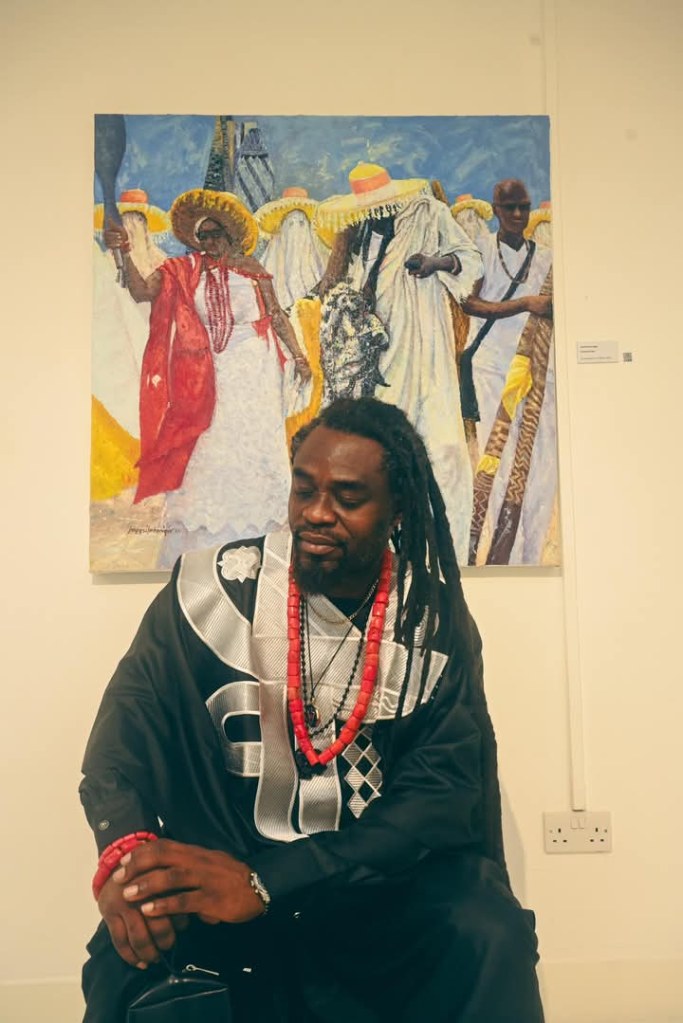
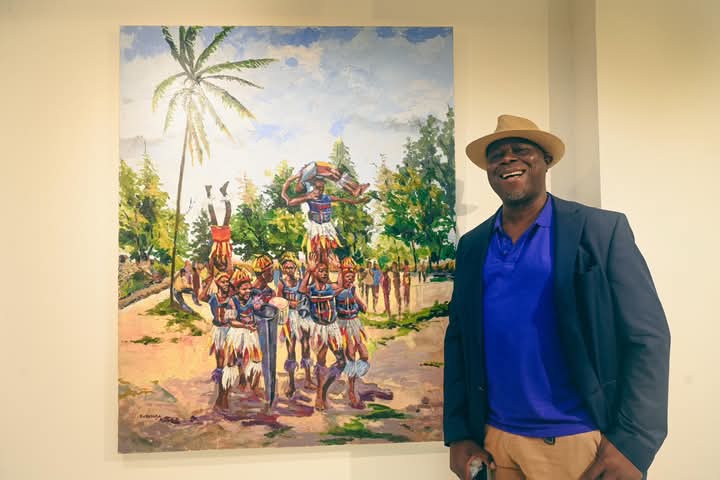
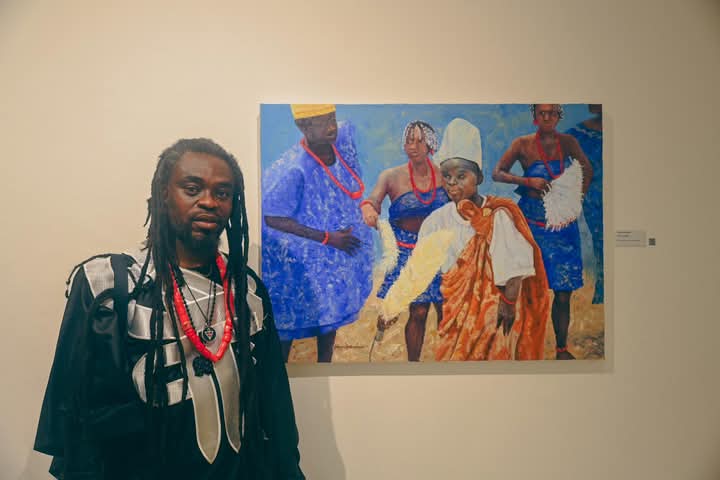
The exhibition itself is a treasure. Names like celebrated Nigerian artists Dr Hassan Aliyu, Lara Ige-Jacks, Chike Azuonye, Dotun Adegbite, Titus Agbara, Imoesi Imhonigie, Toni Ndikanwu, Obi Okigbo, Raymond Soko, Mike Echekoba, Dr. Ade Ogundimu and invited artist from Nigeria, Oliver Enwonwu all stand shoulder to shoulder with late greats Chinwe Roy and Uzo Egonu. Their canvases and sculptures pulse with stories of identity, diaspora, spirituality, and cultural rebirth, reminding audiences that Nigerian creativity is as much about preserving ancestral wisdom as it is about reimagining the future.
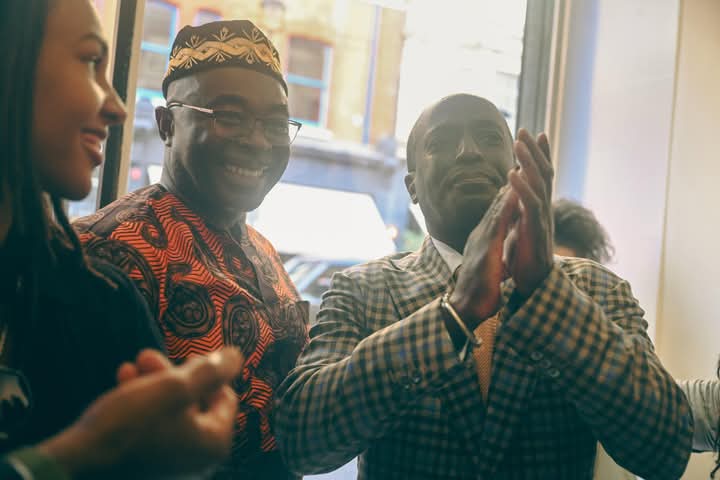
Yet, The Carnivalesque is not confined to the stillness of visual art alone. It spills into performance, sound, and ritual, where sculpture converses with drumbeats and paintings meet the moving spirit of masquerade. This is where the exhibition deepens into evenings alive with music, memory, and the sacred theatre of Carnival.
Masquerade, Memory & Music
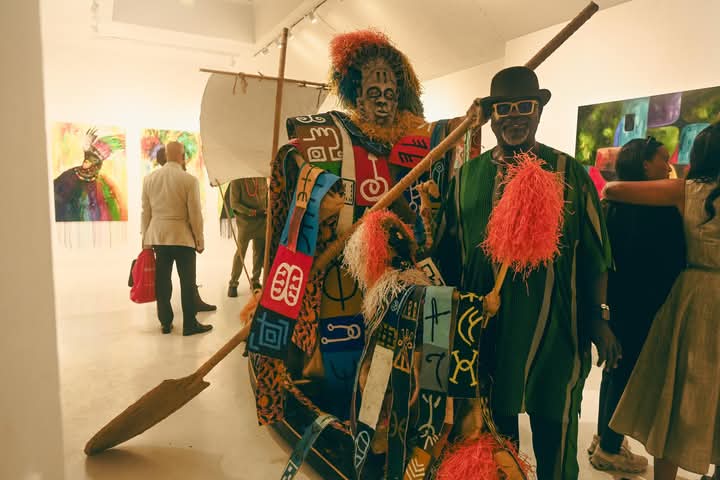
Highlights continue with an evening featuring George ‘Fowokan’ Kelly and Lekan Babalola. Fowokan’s sculptures channel ancestral spirits, while Babalola, musician and Babalawo, presents the Yoruba Egungun masquerade in dialogue with the Atlantic world. Their performances blur the line between art and ritual — a reminder that masquerade is not costume, but living spirit.
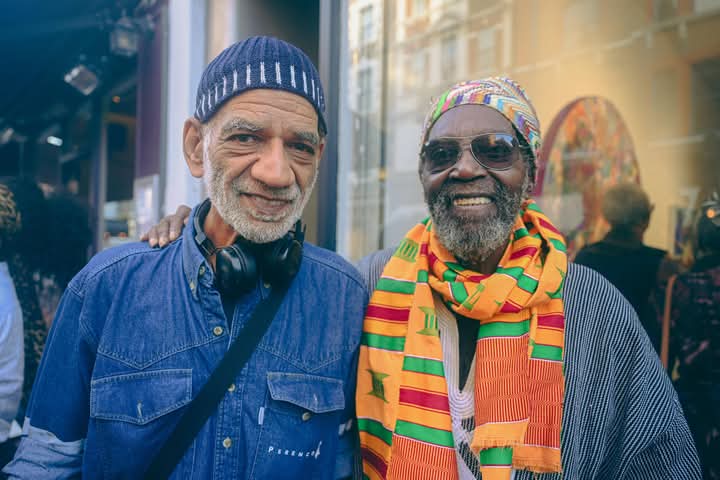
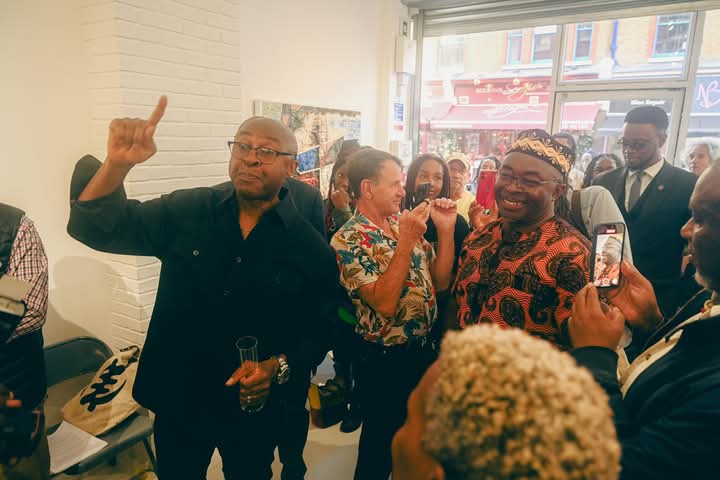
Together, they set the tone for what follows which is a continuation of cross-cultural dialogue that reaches beyond Nigeria, embracing rhythms and traditions from across Africa and its diaspora.
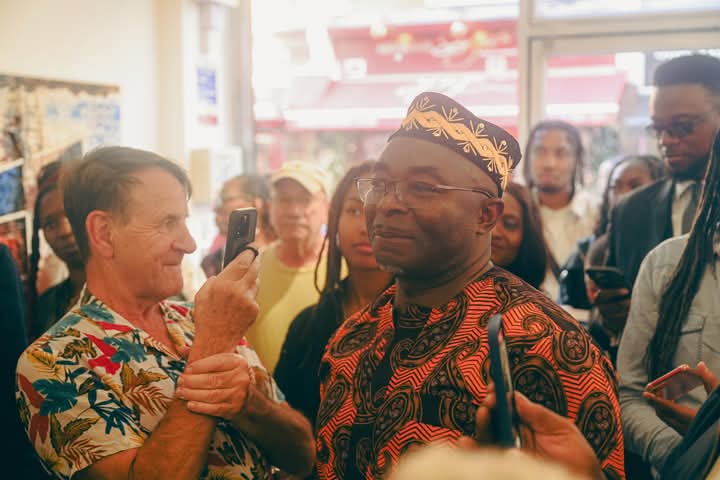
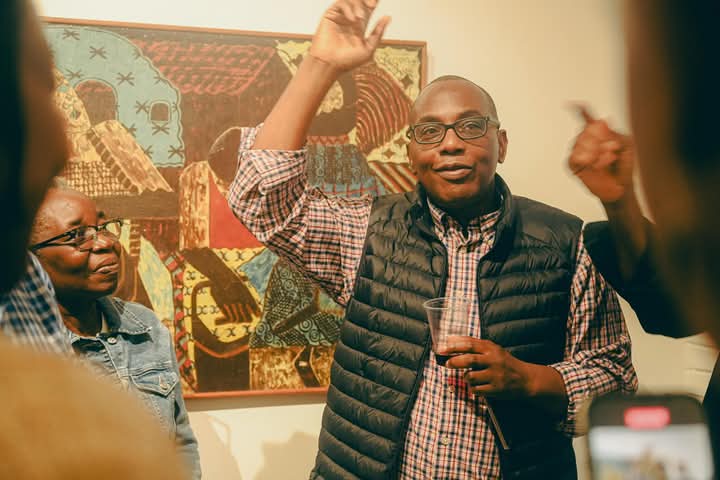
Another evening brings Eugene Skeef, percussionist and anti-apartheid activist, together with Kamal El-Alaoui, Moroccan-born carnival pioneer. Their collaboration reflects the power of art to bridge continents, heal wounds, and forge new communities.
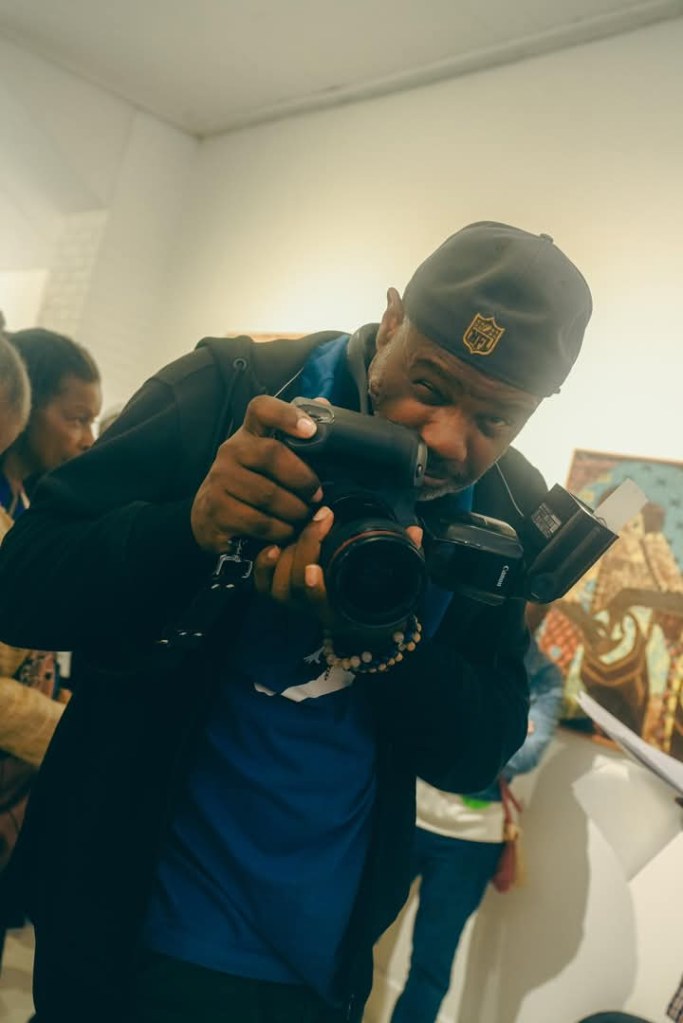
From rhythm and collaboration, the journey naturally shifts to resistance and reflection where art speaks not only in celebration but also in protest, demanding justice and reimagining freedom.
Art as Resistance
The programme crescendos with Ben Jones, an artist and activist, in conversation with Jennifer Francis of Turner’s House. Jones’ works are in equal parts prayer and protest that embody the Carnivalesque as an act of resistance. Their discussion sets the stage for the UK premiere of The Bigger Picture: Visions of Ben Jones on 29th August, a film exploring art’s role in justice, freedom, and collective healing.
Words/Ireho Aito/Don’t Keep Your Art in the Finger!/Photography/ Lewis Patrick/ PeiPei (Cecile) /Media Manager/Imoesi Imhonigie/Photographs courtesy Nigeria Art Society UK, NASUK

