Nigerian Modernism Shines at Tate Modern: A Landmark Celebration of Art, Identity, and Legacy
By Ireho Aito for iBAND Magazine – Don’t Keep Your Art in the Finger!
Photographs courtesy Selma Etareri
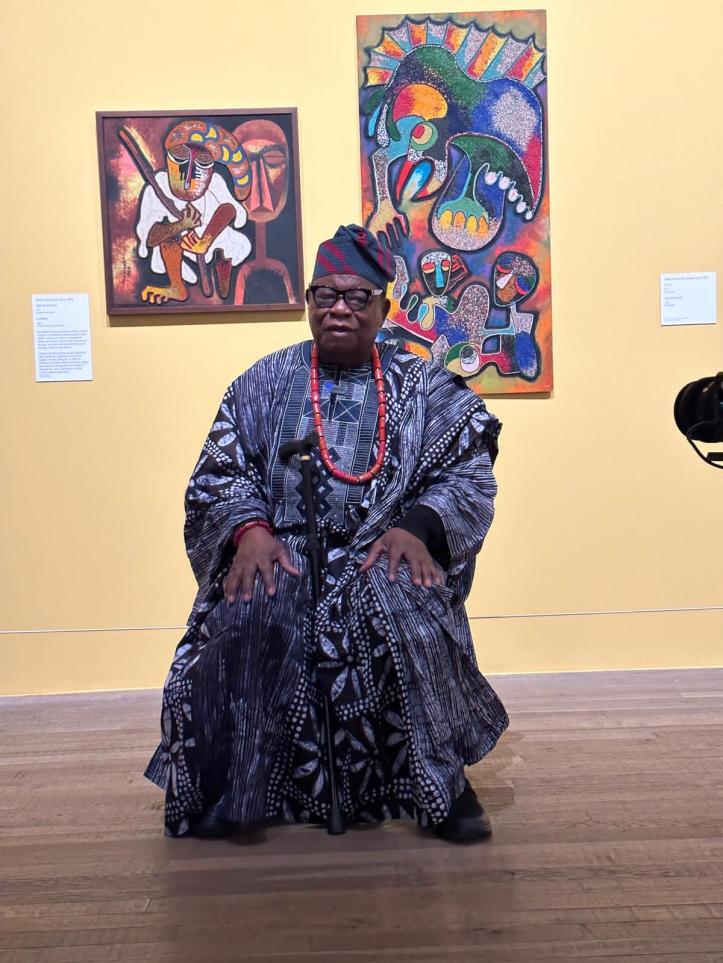
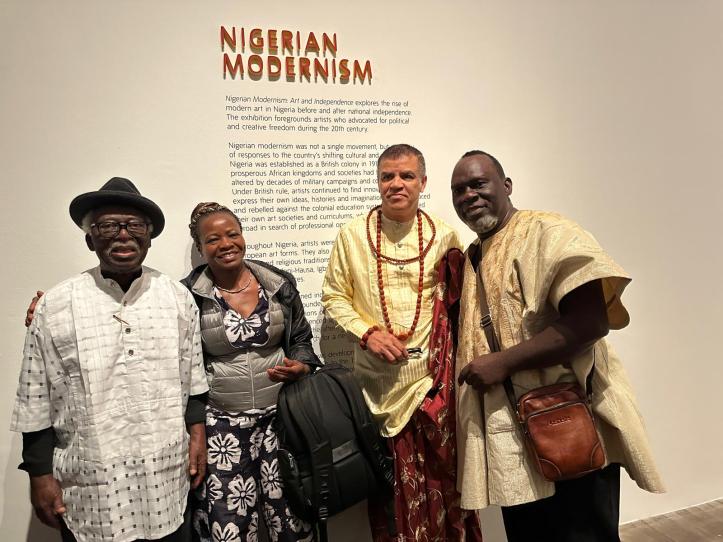
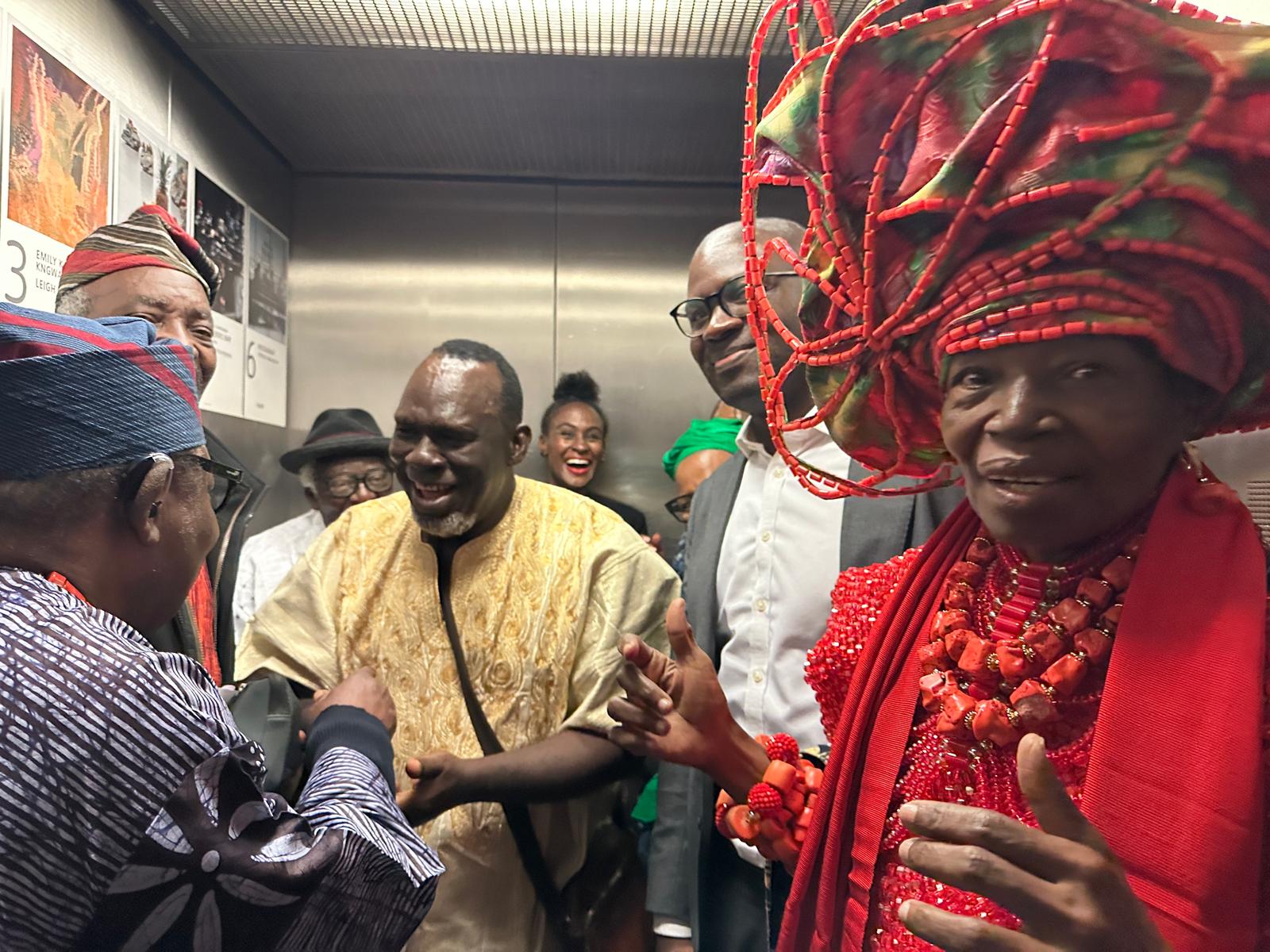
London’s Tate Modern has opened its doors to a historic celebration of Nigerian art. From October 8, 2025, to May 10, 2026, the museum’s sweeping galleries hum with colour, texture, and stories as it presents “Nigerian Modernism” the most comprehensive exhibition of Nigerian modern art ever staged outside Africa.
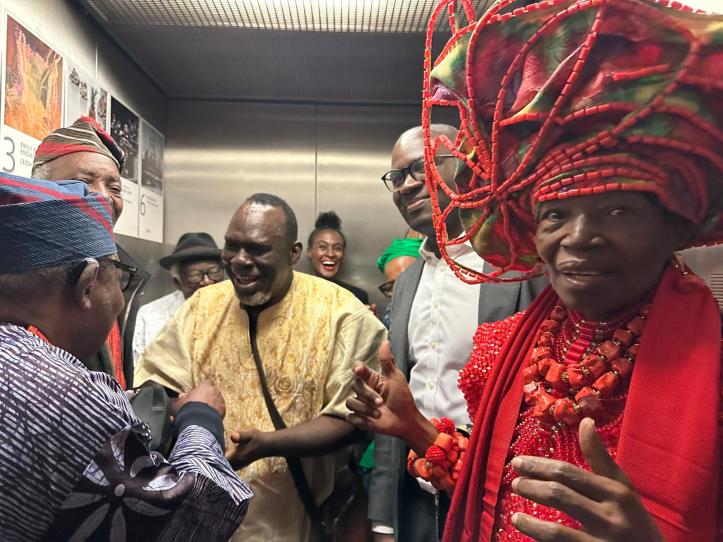
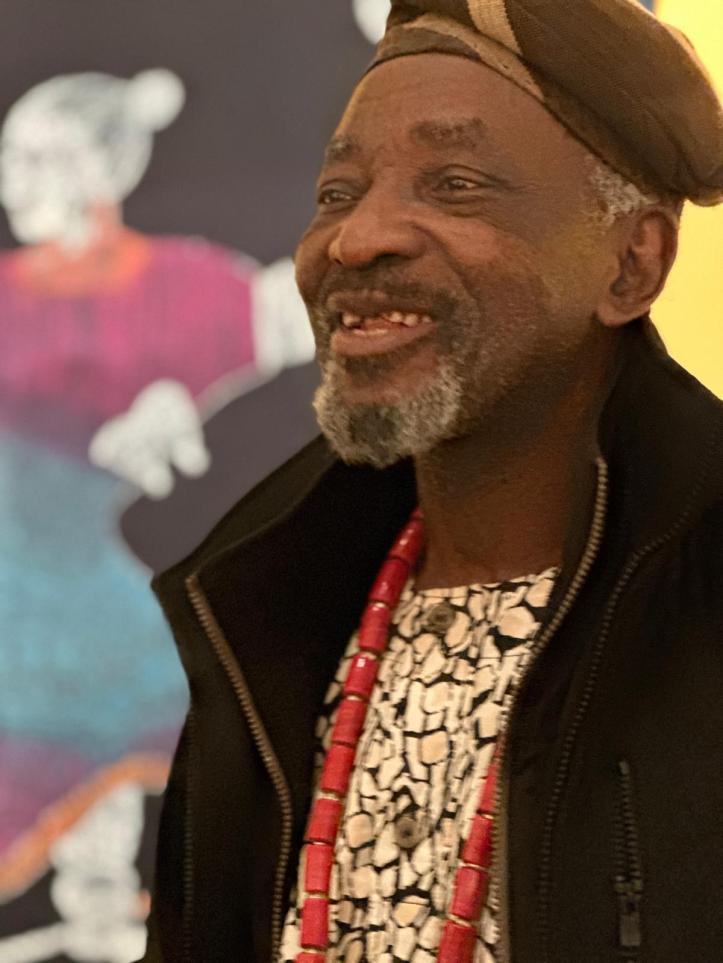

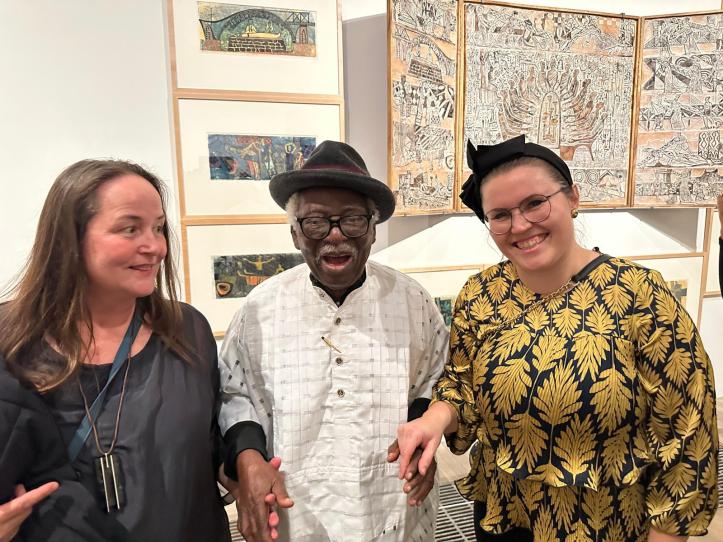
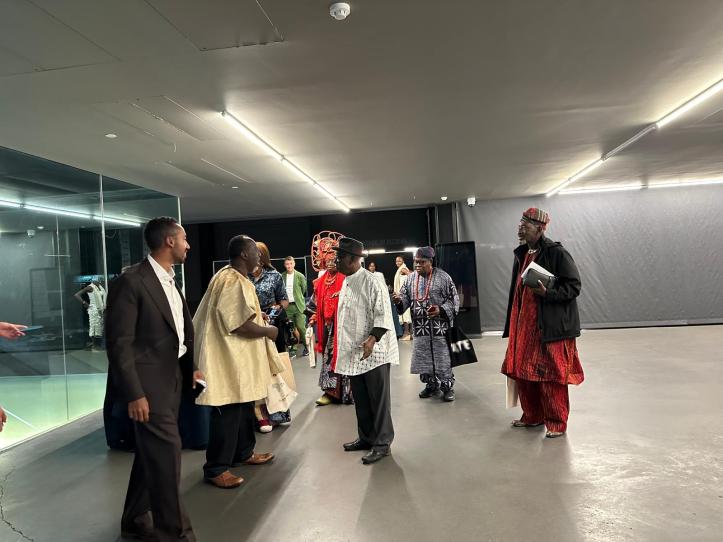
Curated by Osei Bonsu and Bilal Akkouche, the show brings together over 250 works by more than 50 artists, spanning from the 1940s to the early 2000s. It is a panoramic view of how Nigerian artists forged their own modernism, one rooted in heritage, identity, and the restless spirit of change.
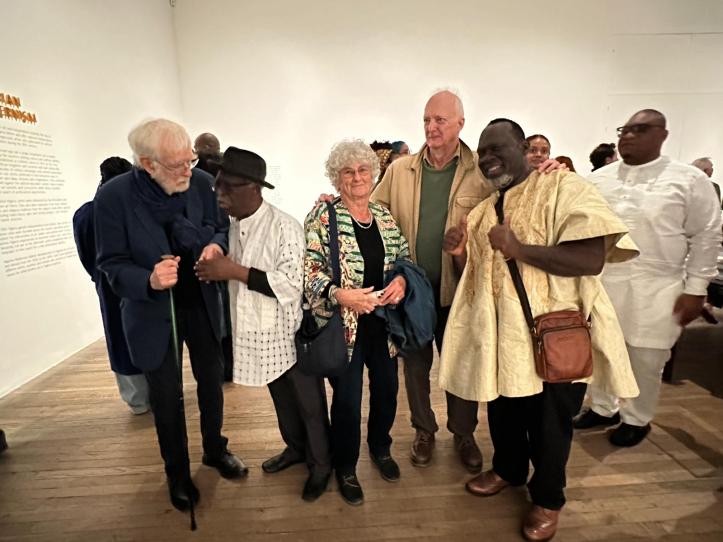
A Journey Through Time and Transformation
From the early stirrings of creative independence under colonial rule to the bold, self-assured expressions of post-independence Nigeria, Nigerian Modernism charts a nation’s visual awakening. Viewers encounter the Zaria Art Society’s revolutionary ideals, the experimental energy of the Mbari Artists’ and Writers’ Club, and the poetic philosophy of the Nsukka Art School, which reimagined Uli and Nsibidi symbols for contemporary art.
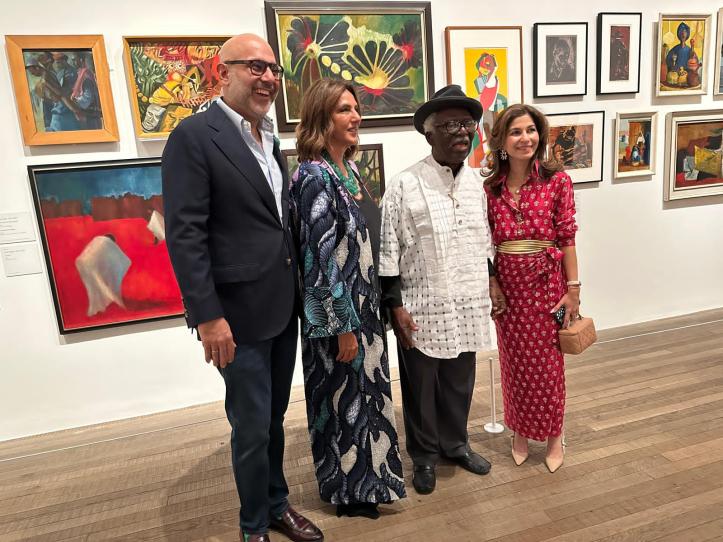
Tate Modern room feels like a chapter in Nigeria’s evolving story not just of art, but of nationhood and identity. Paintings, sculptures, ceramics, and textiles line the walls with works that feel both local and global. It is modernism with an accent, modernism that dances to the beat of Yoruba, drums, Urhobo folklores and Igbo Uli lines.
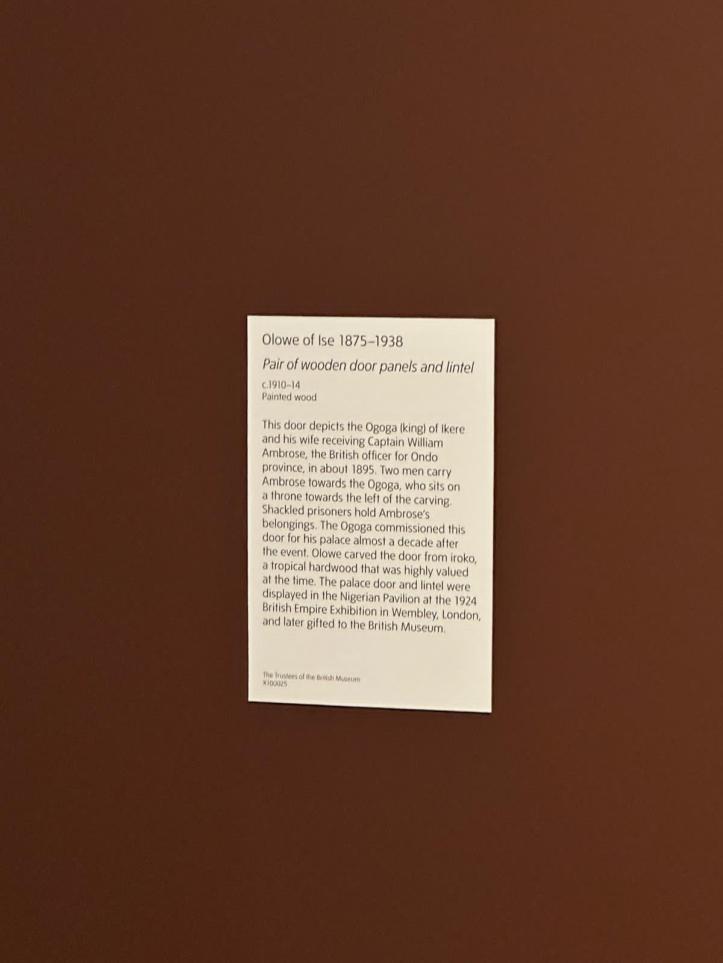
The Masters and the Movements
The exhibition highlights legendary figures such as Ben Enwonwu, whose sculpture and painting bridged African aesthetics and European training; Ladi Kwali, whose pottery still inspires global admiration; and El Anatsui, whose monumental installations shimmer with recycled beauty.
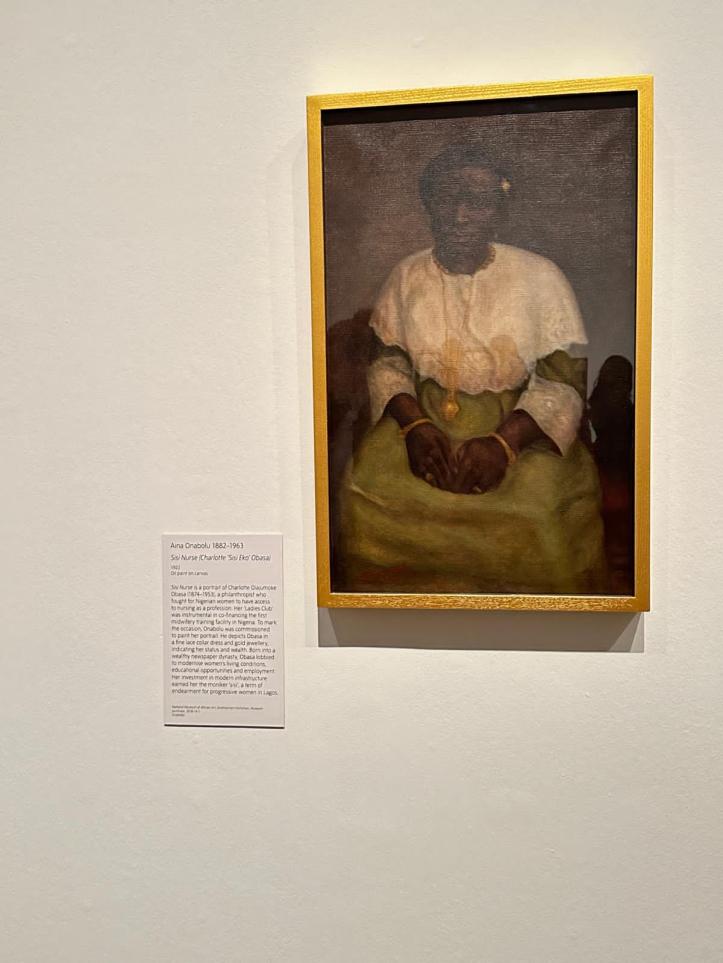
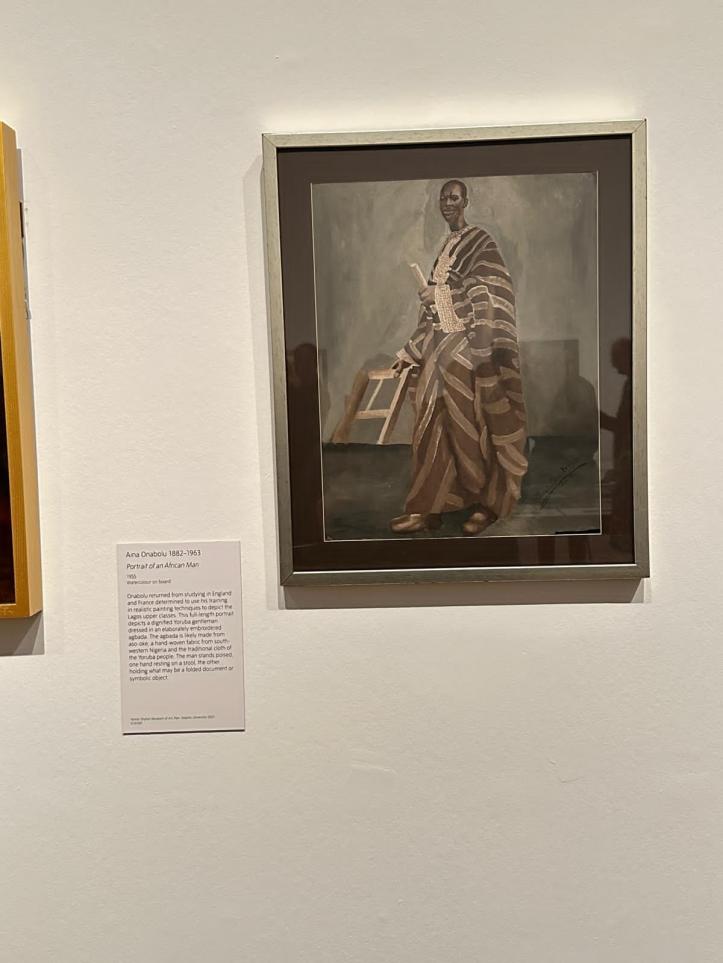
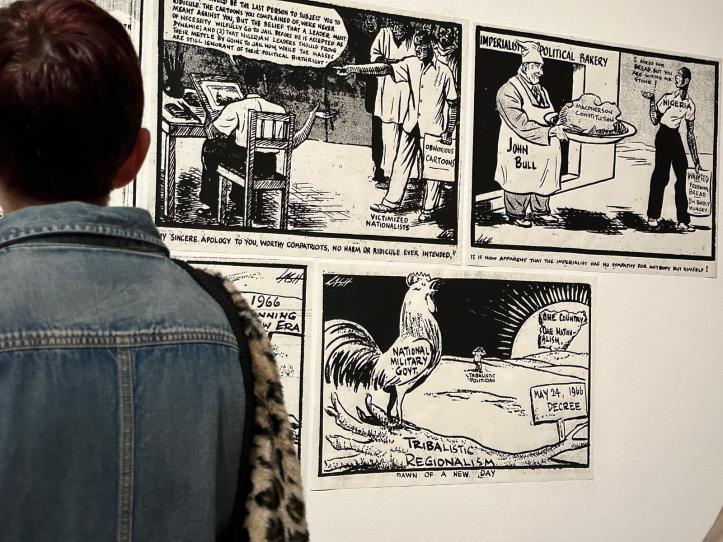
Aina Onabolu and Akinola Lasekan stand tall as foundational pillars in the story of Nigerian art and visual expression. Onabolu, revered as Nigeria’s foremost art statesman, broke colonial boundaries with his masterful portraits that affirmed African dignity and excellence at a time of racial prejudice. His pioneering spirit laid the groundwork for formal art education in the country. In parallel, Akinola Lasekan, the trailblazing cartoonist for the West African Pilot, wielded his pen as a weapon of enlightenment and resistance. Through sharp wit and fearless satire, his illustrations gave visual power to nationalist struggles, inspiring collective consciousness and political awakening. Together, these icons not only shaped the visual language of modern Nigeria but also proved that art could be both beautiful and revolutionary.
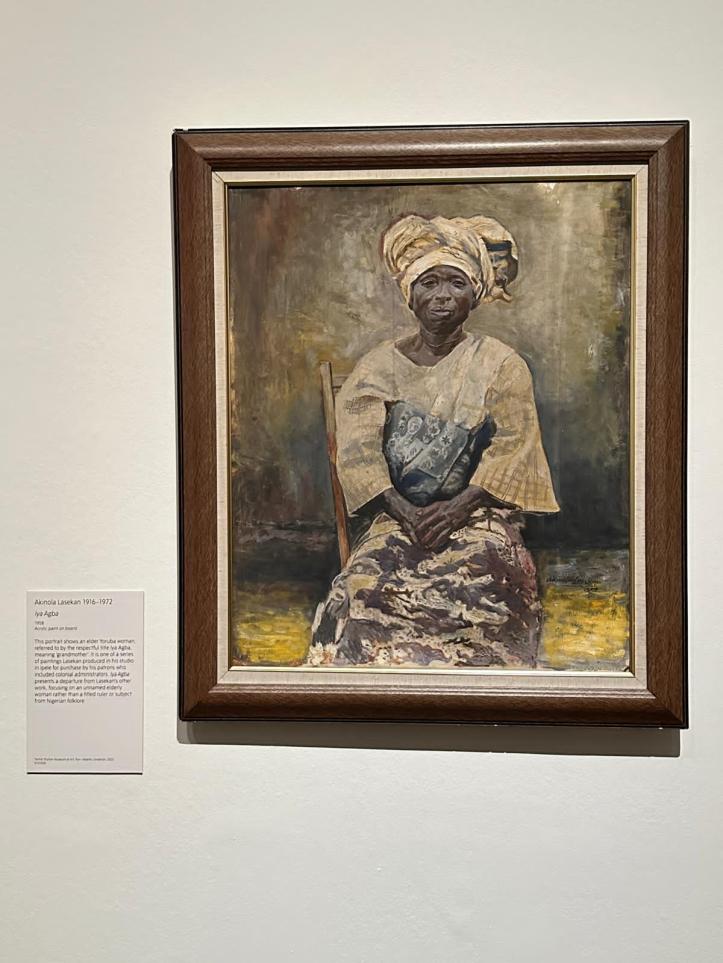
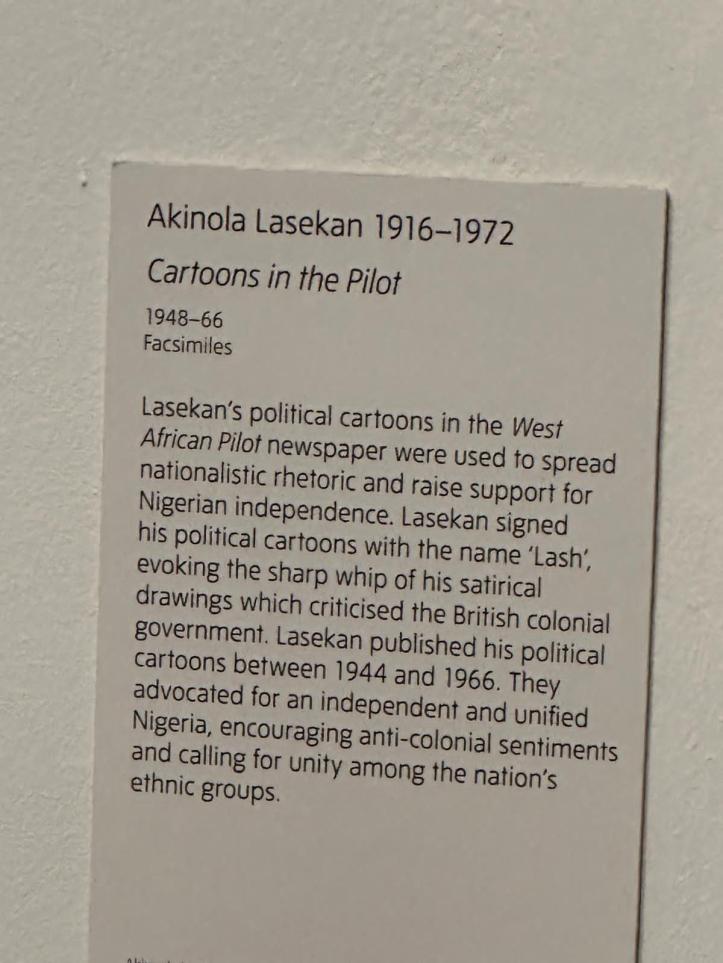
But beyond the masters, the Tate gives room to a host of underrepresented names such as teachers, experimenters, and visionaries who helped shape Nigeria’s art schools and collectives. Their works offer a layered conversation: about art as resistance, creativity as healing, and culture as memory.
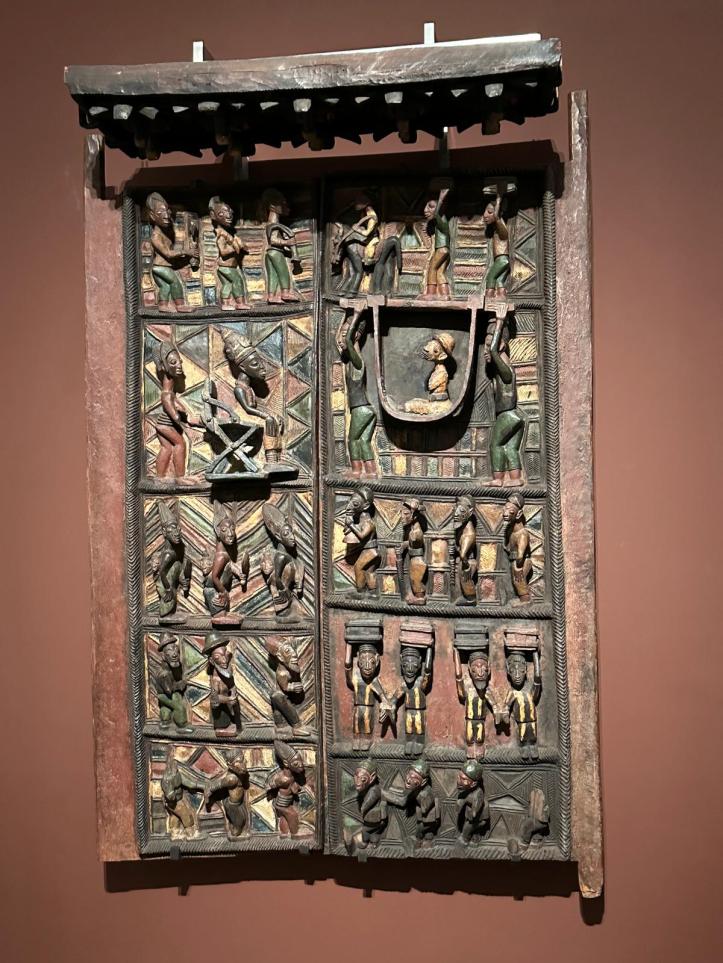
Tradition Meets Modernity
One of the show’s greatest triumphs is how it captures the fusion of tradition and technology. Viewers witness how Nigerian artists navigated the push and pull between local heritage and global influence. From the rhythmic brushstrokes of pioneers to the structural abstraction of wood carvers, the exhibition reveals how modernism was never a borrowed language. In fact, it was remixed, redefined, and reclaimed in Nigeria’s own image.
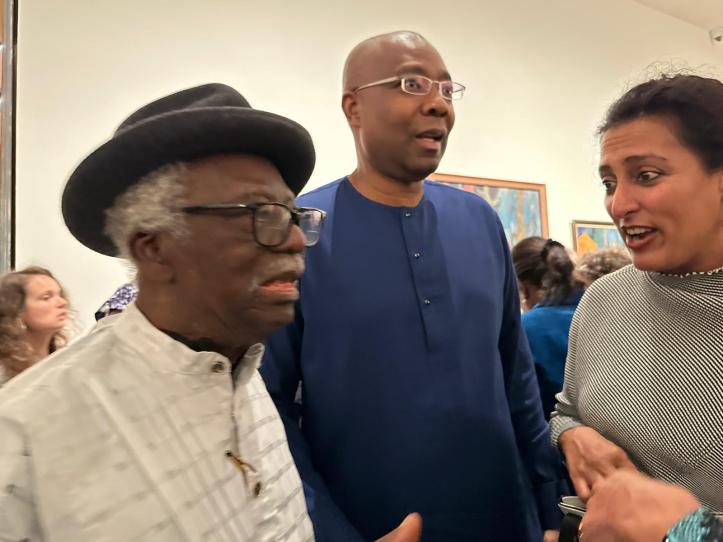
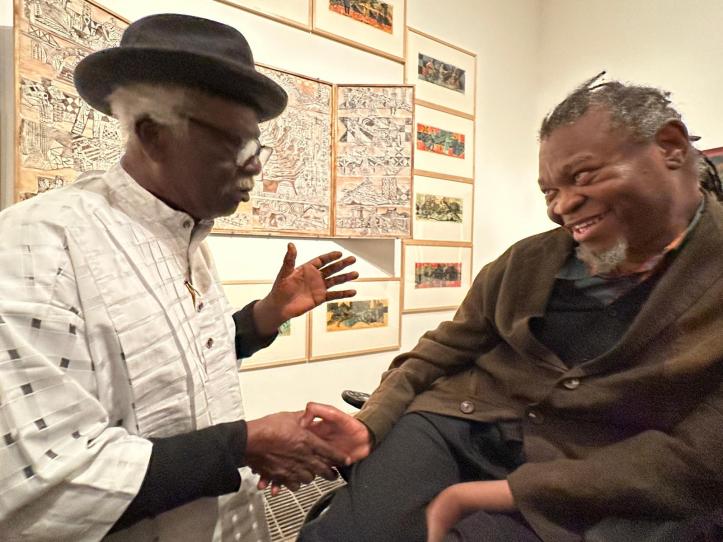
A Global Homecoming
Supported by Access Holdings and Coronation Group, Nigerian Modernism is more than an exhibition, instead it is a cultural homecoming. It places Nigerian art where it belongs: at the centre of the global modern story.
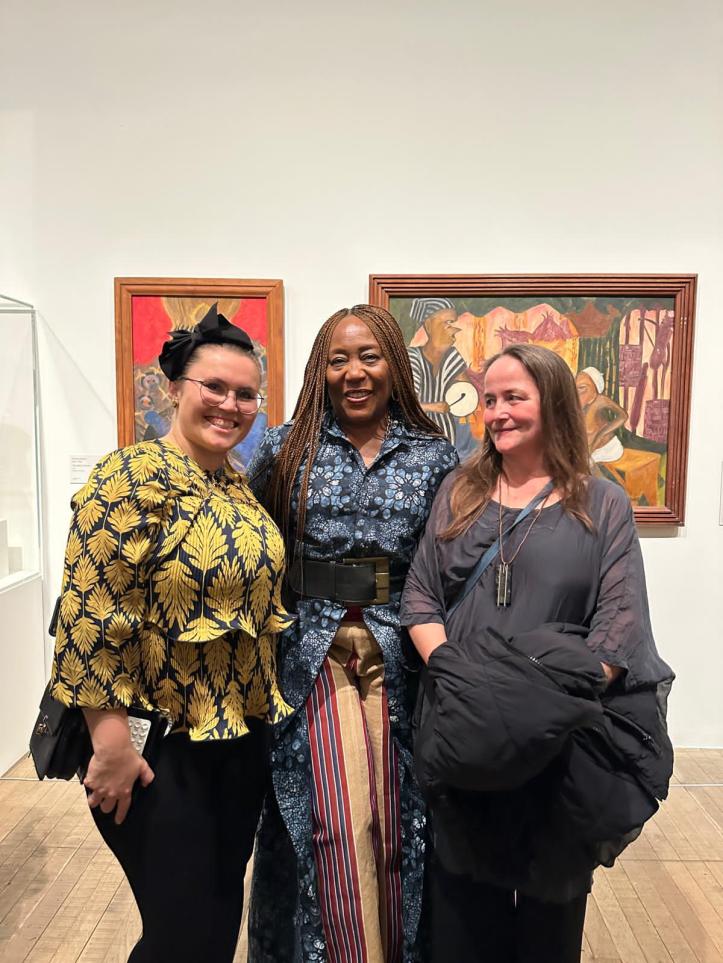
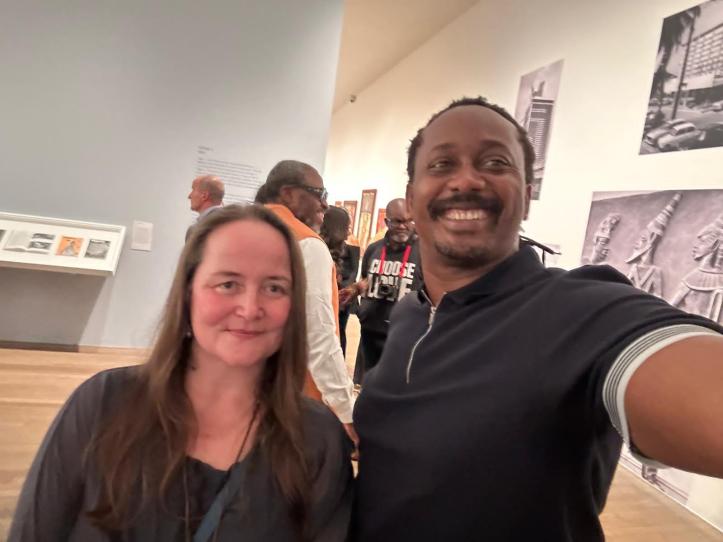
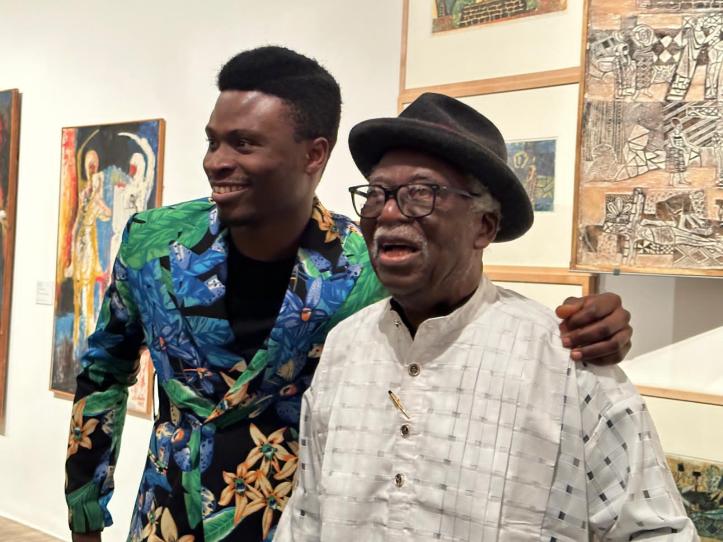
Visitors at Tate Modern are not just seeing artworks; they are witnessing how Nigerian artists told their own truths long before the world was ready to listen.
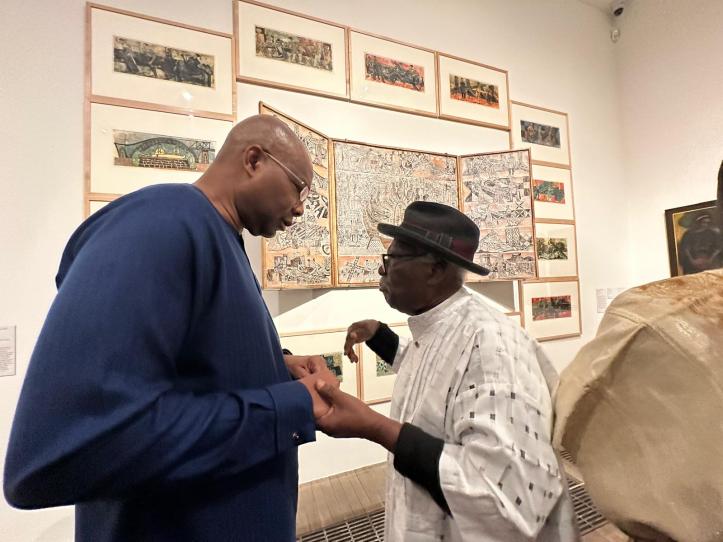
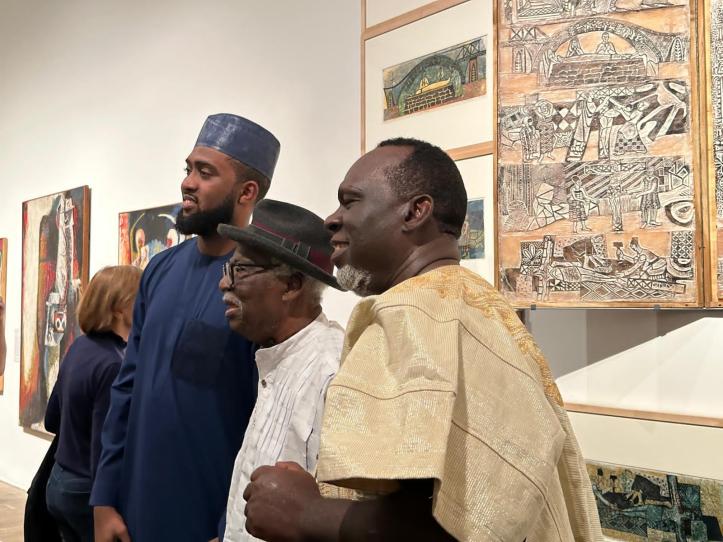
Nigerian Modernism runs from October 8, 2025, to May 10, 2026, at Tate Modern, Bankside, London.
Words/Ireho Aito/Don’t Keep Your Art in the Finger!/Photographs/Selma Etareri