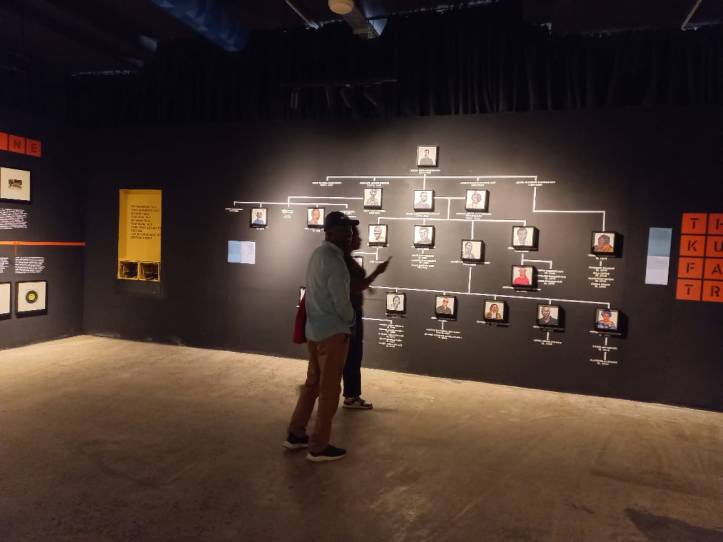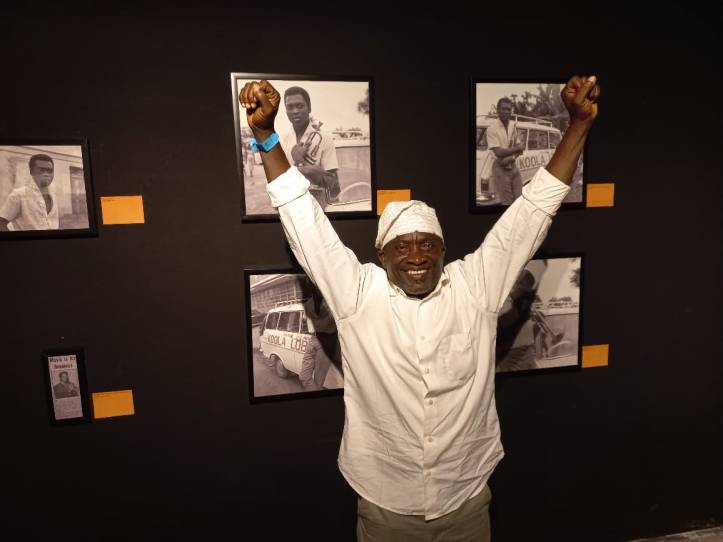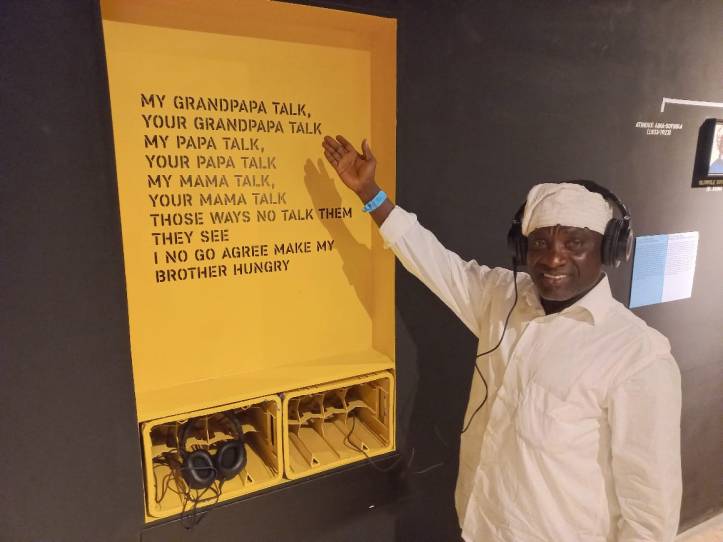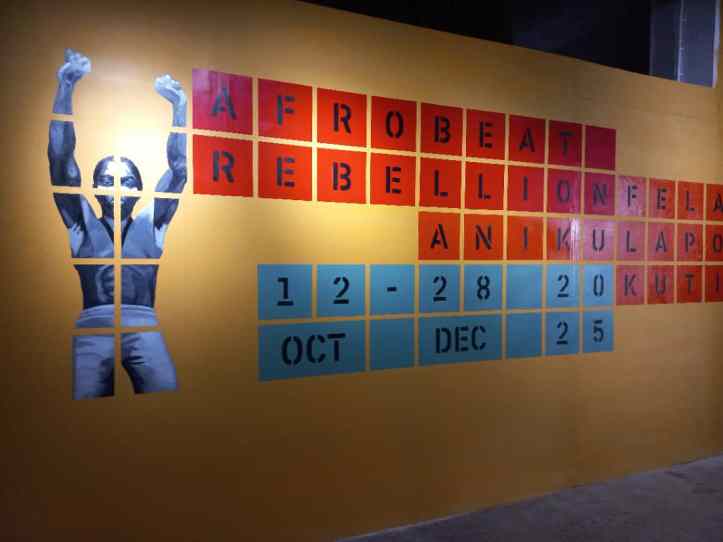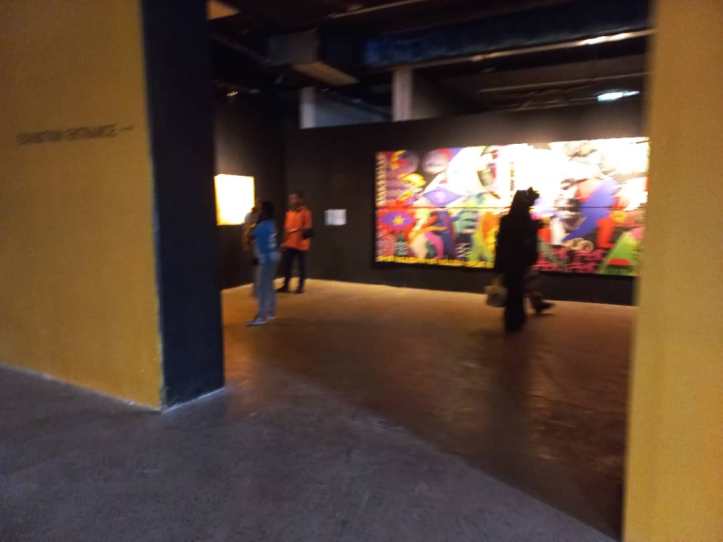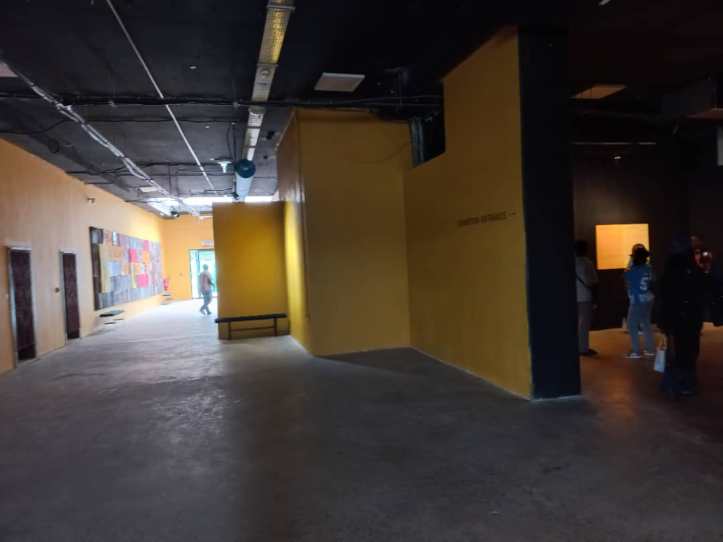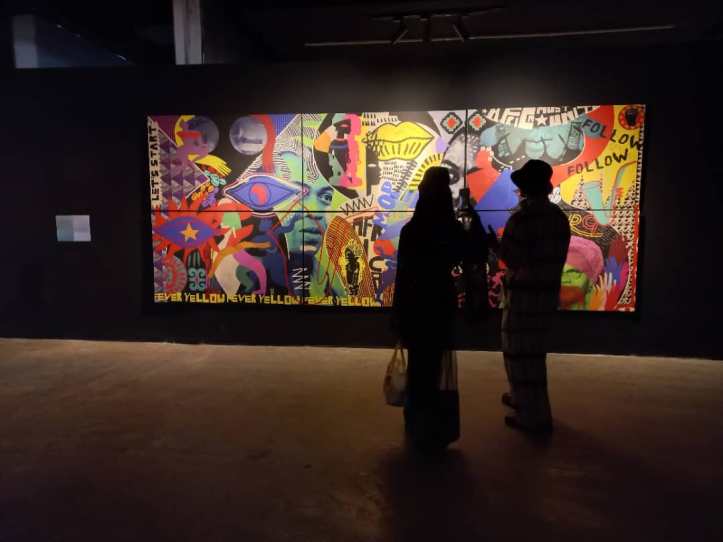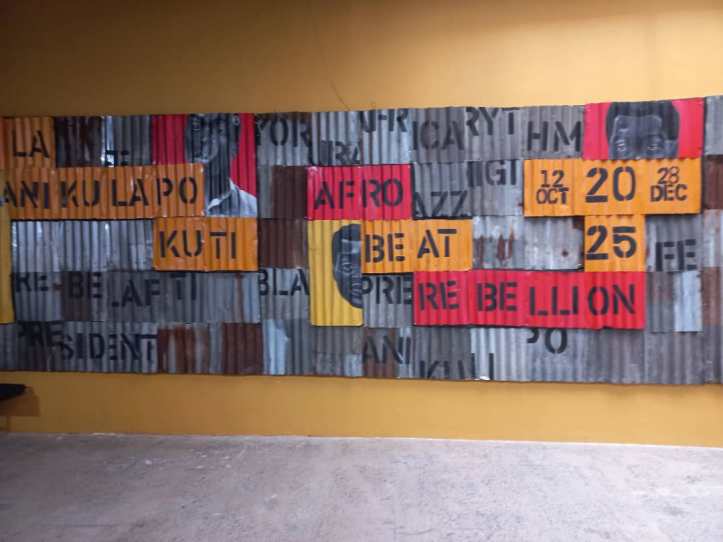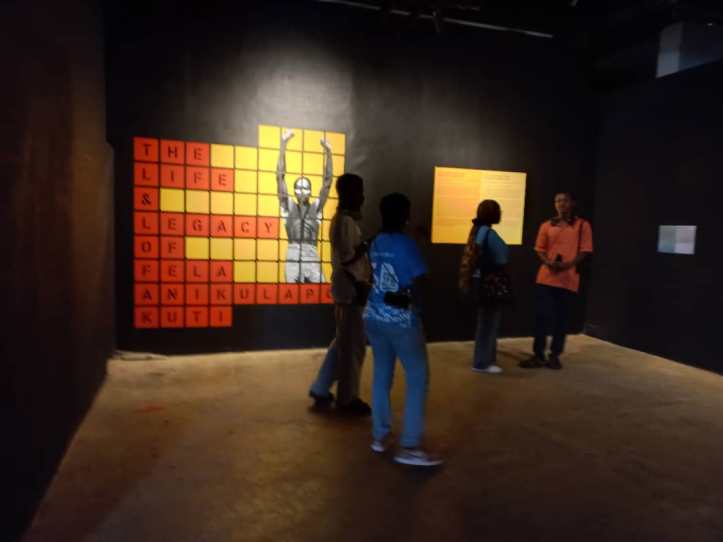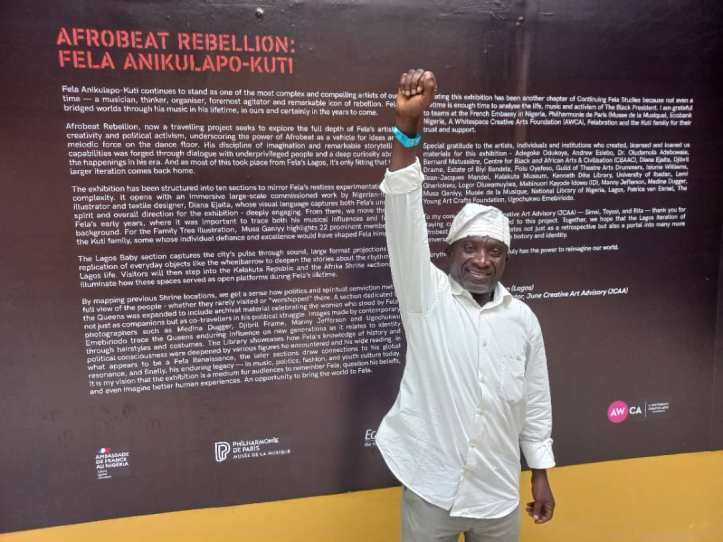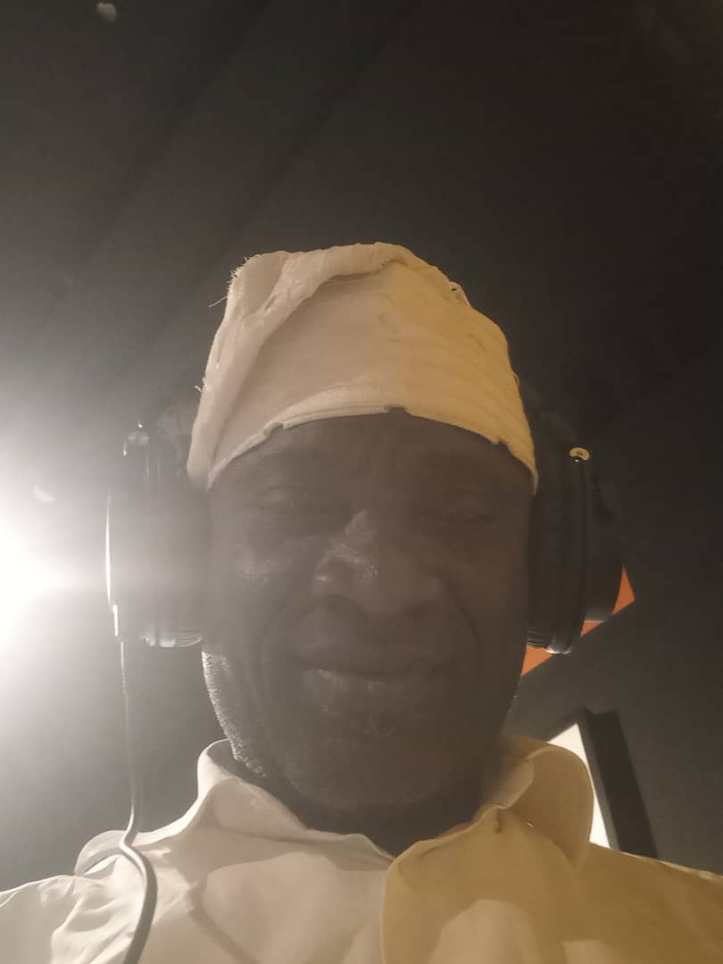
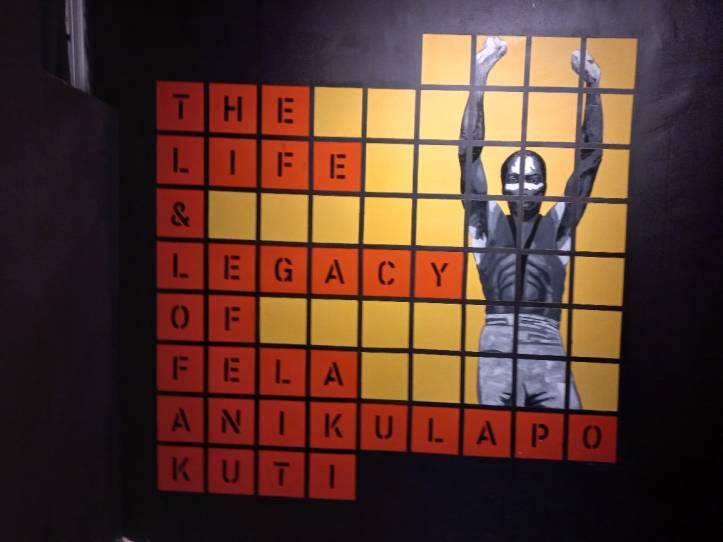
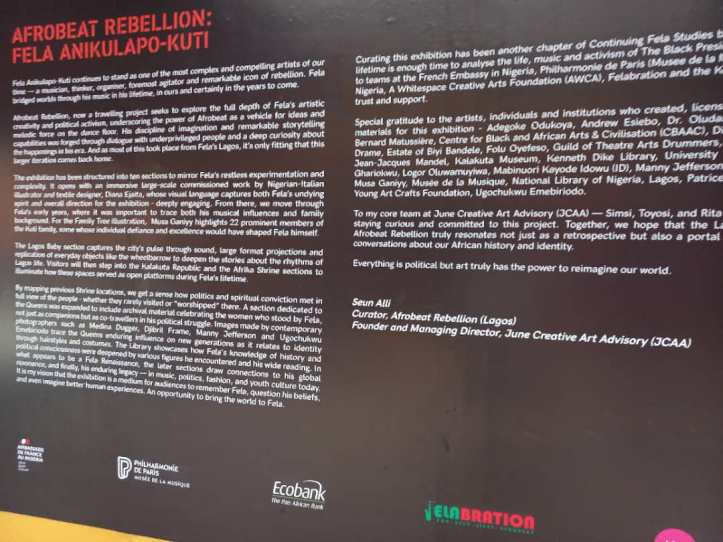
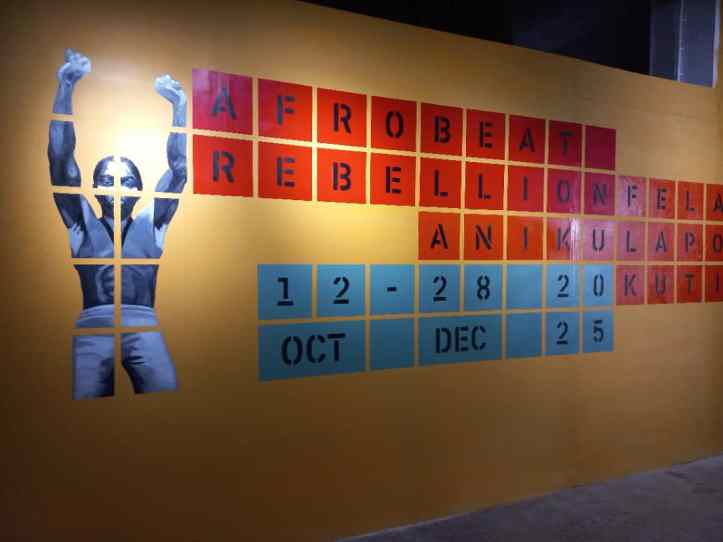
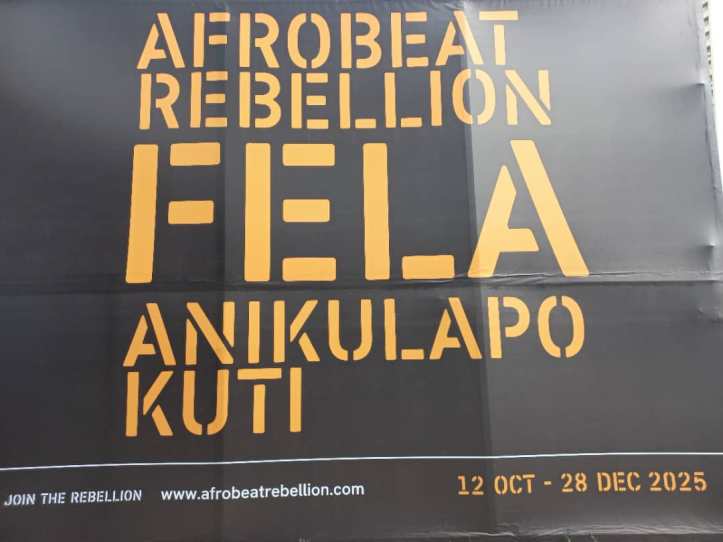
In Lagos, rebellion never really sleeps. It dances, it drums, it sings too. This October, that spirit finds its loudest echo inside Ecobank Headquarters, Victoria Island, where the exhibition “Afrobeat Rebellion” bursts open like a rhythm long waiting to speak. Visitors are greeted not just by images of Fela Anikulapo Kuti, but by the pulse of his philosophy music as protest, rhythm as resistance, and truth as the only language worth speaking. The Kuti clan is indeed a Kuti clan! Afrobeat Rebellion curated by Seun Alli runs till December.
Words Ireho Aito | Don’t Keep Your Art in the Finger! Photographs Ireho Aito and Babatunde Muyi
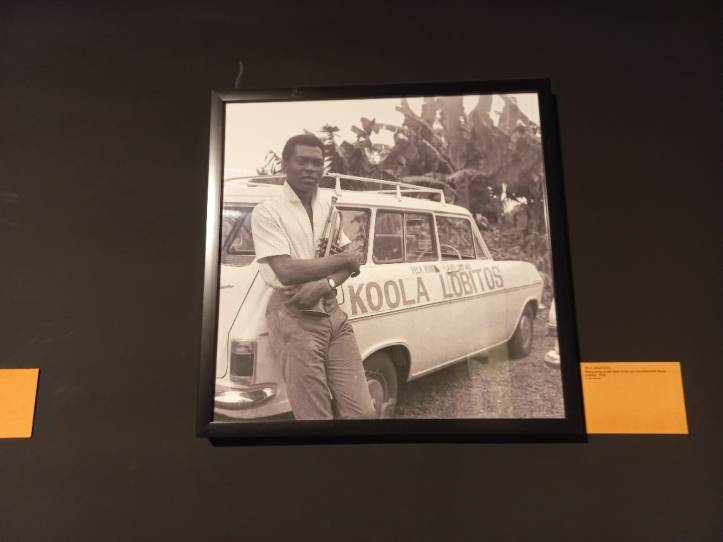
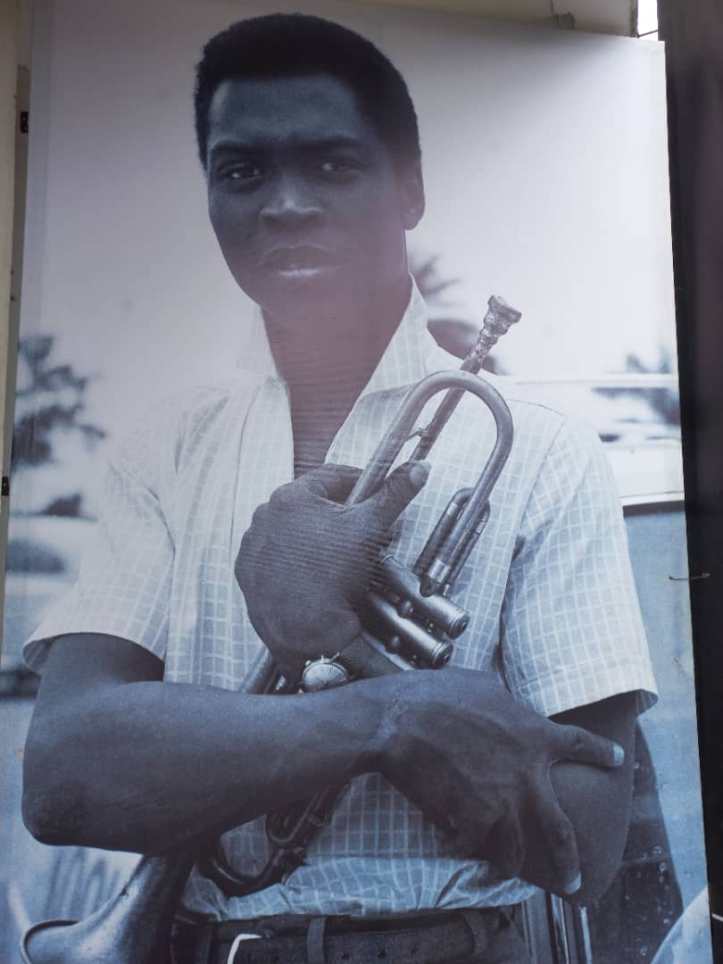
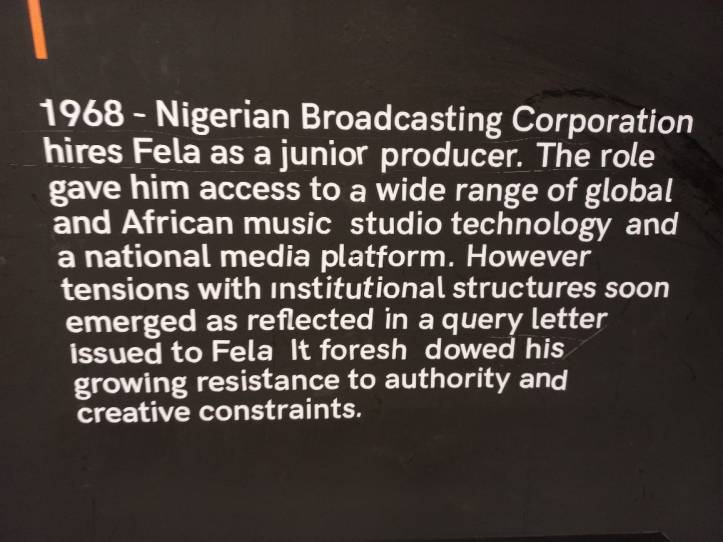
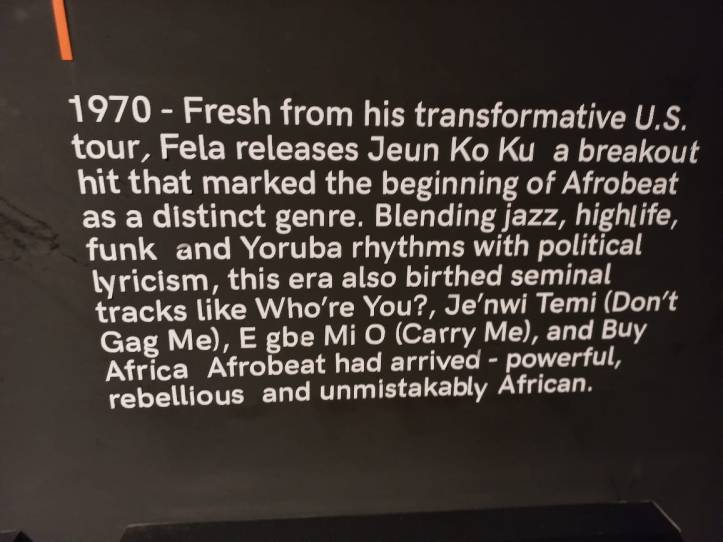
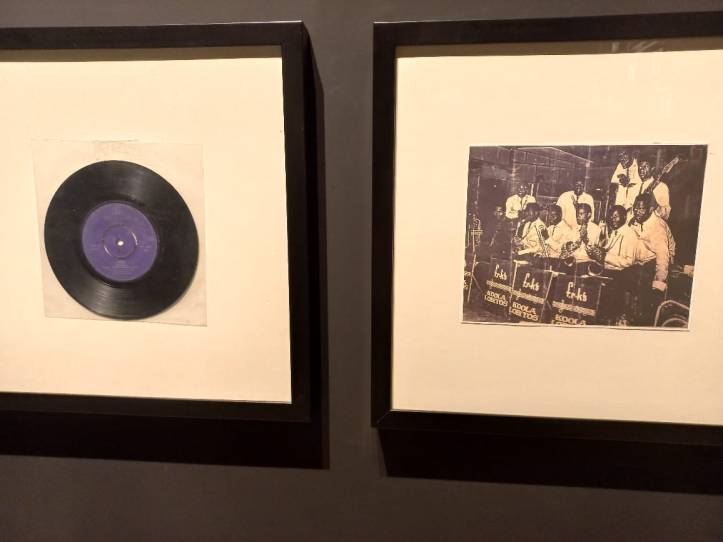
There are revolutions that happen with guns and fire, and then there are those waged with saxophones, drums, and unyielding rhythm. Fela Anikulapo Kuti belonged to the latter. His rebellion wasn’t fought in the streets but on stage, in smoky Lagos nightclubs, and on records that thundered across Africa and beyond. Afrobeat wasn’t just a sound but a declaration of independence, a sonic manifesto that challenged military oppression, Western hypocrisy, and African complacency.
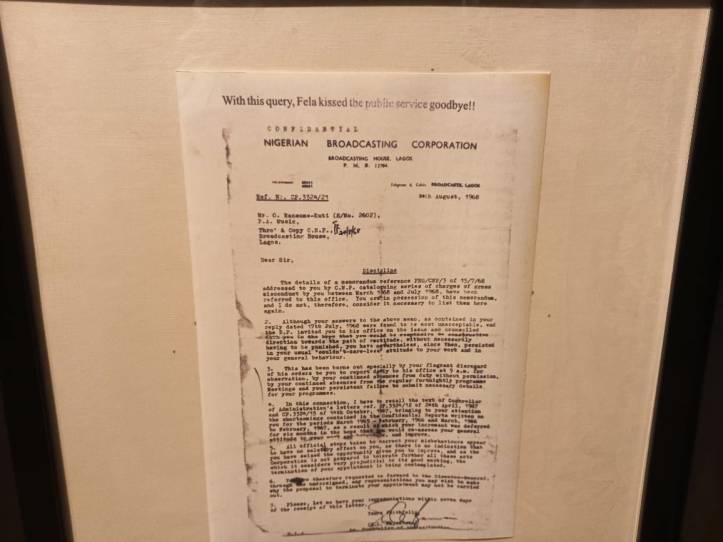
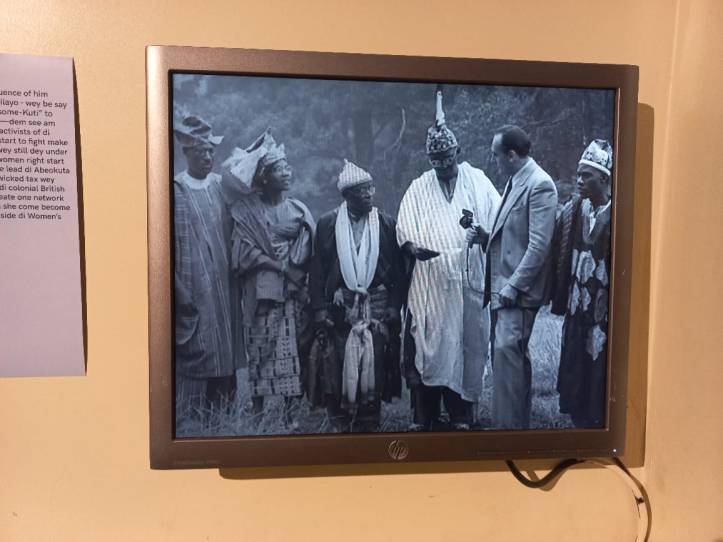
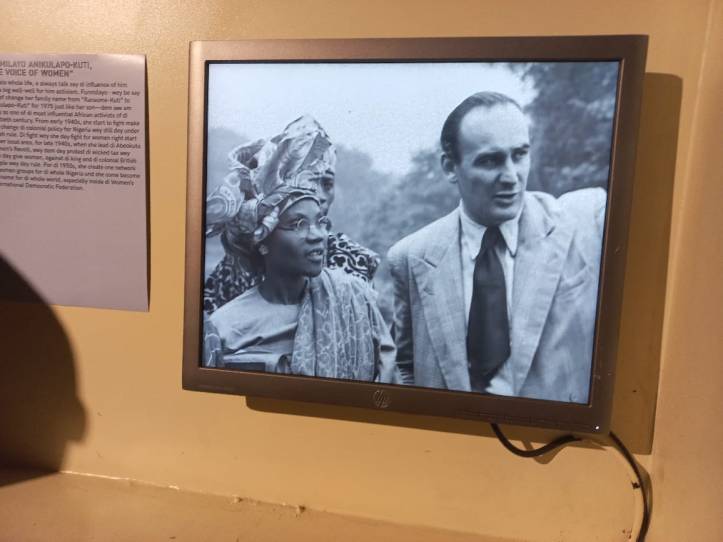
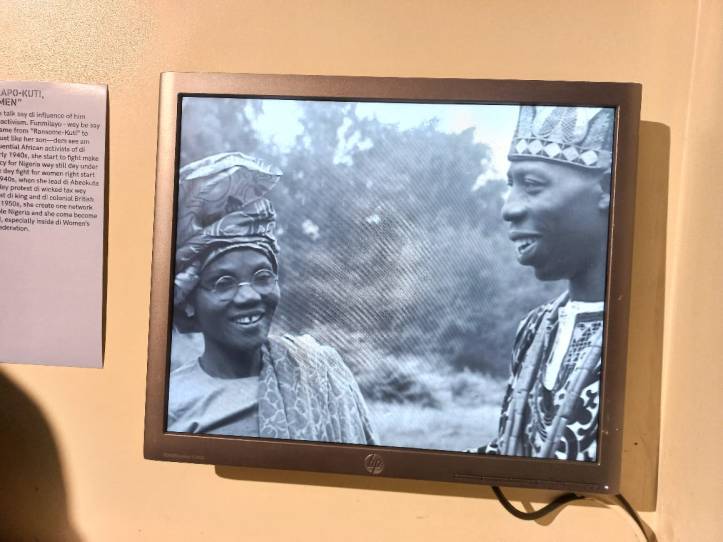
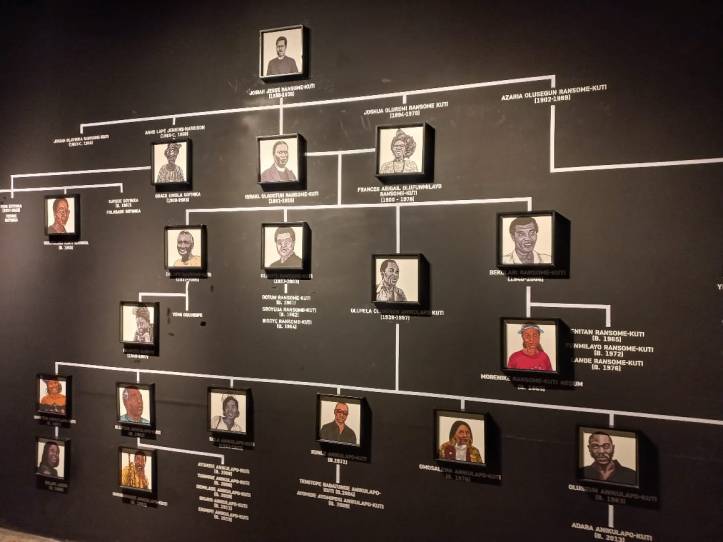
Born in Abeokuta in 1938, Fela was never one to follow convention. From his early days with Koola Lobitos to his transformation into the fiery prophet of Afrobeat, he fused highlife, jazz, funk, and Yoruba rhythms into a language of defiance. His mother, Funmilayo Ransome-Kuti, had led women in political protests decades earlier, rebellion was his inheritance.
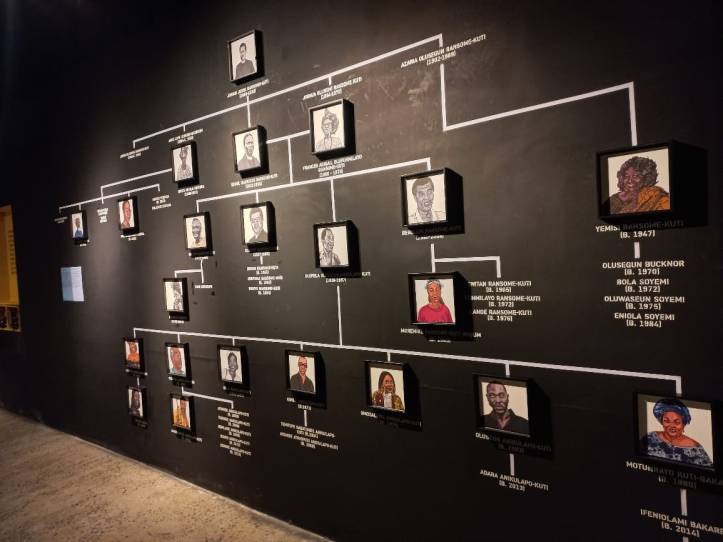
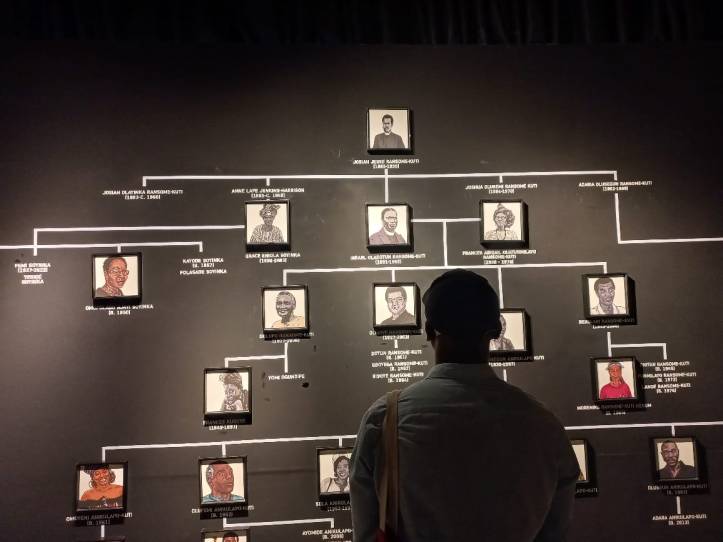
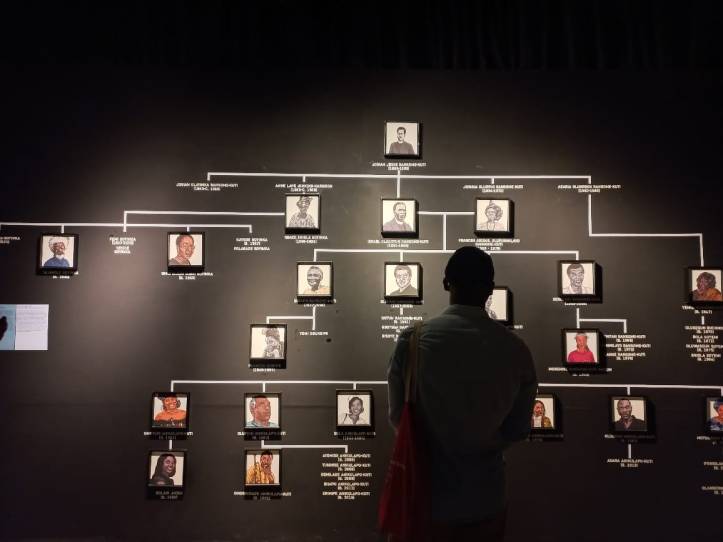
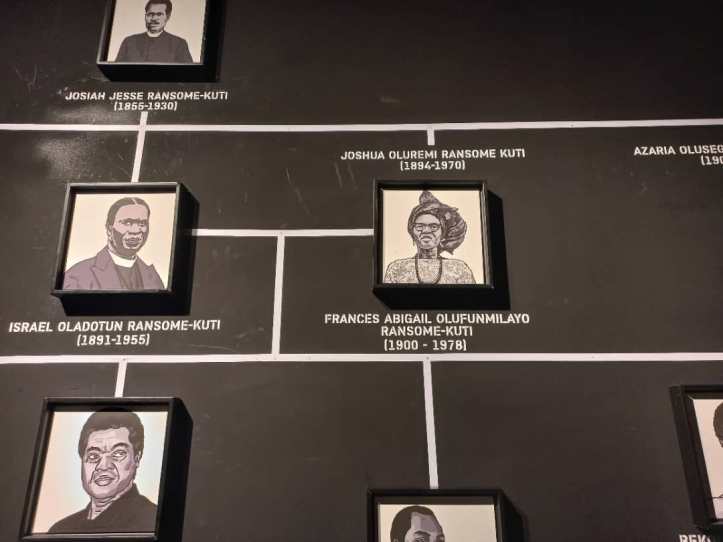
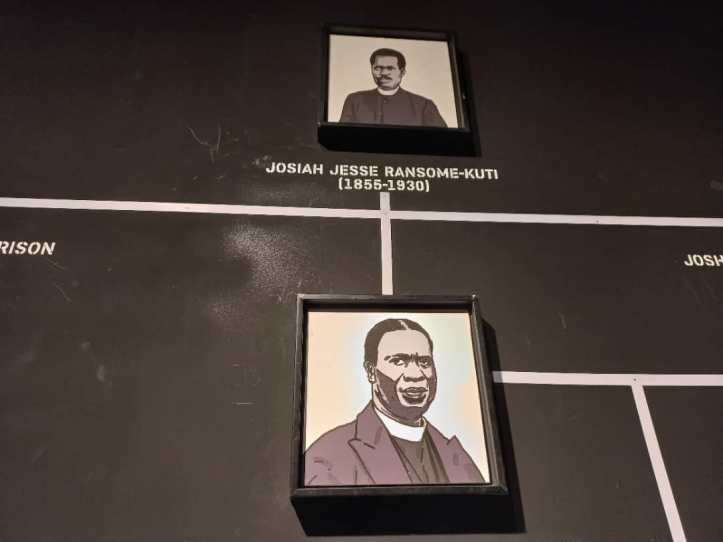
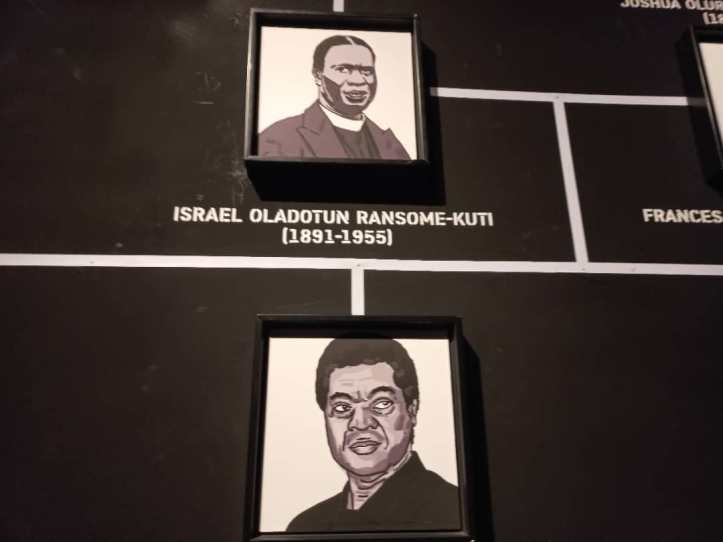
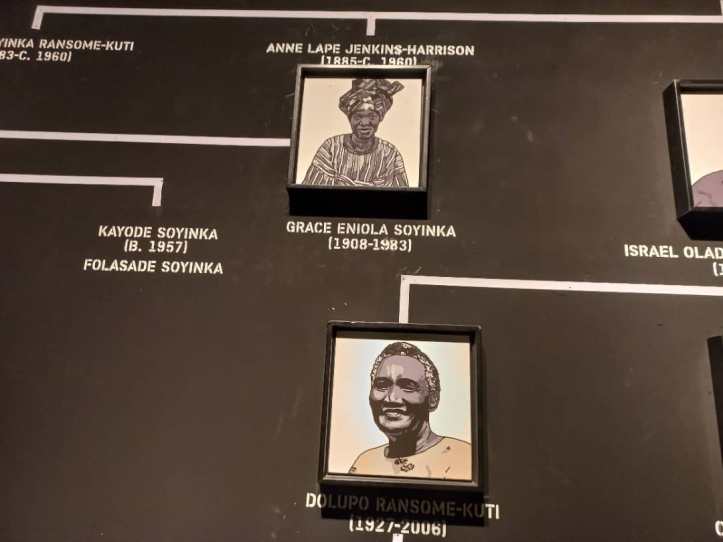
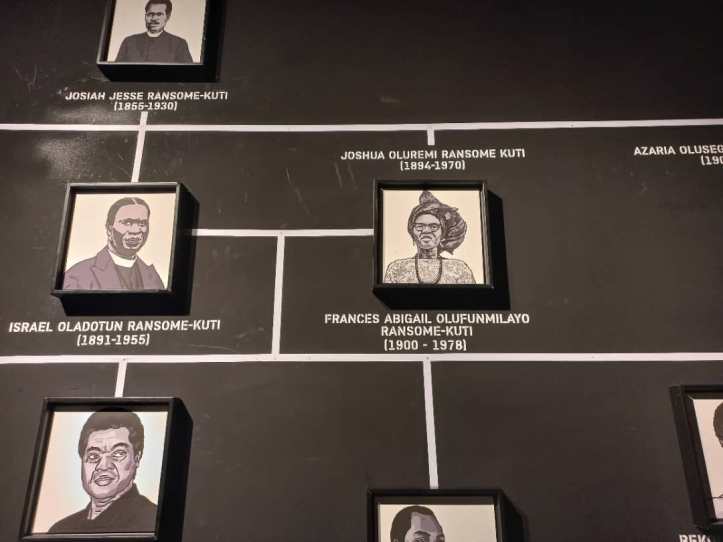
By the 1970s, Fela had become a lightning rod for truth-telling. His home, Kalakuta Republic, functioned as commune, studio, and sanctuary, a microcosm of the Africa he imagined: free, expressive, and ungoverned by colonial rules. Songs like Zombie, Water No Get Enemy, and Sorrow, Tears and Blood carried messages the powerful feared and the masses embraced. His music throbbed with the pulse of Lagos chaotic, beautiful, and unbreakably alive.
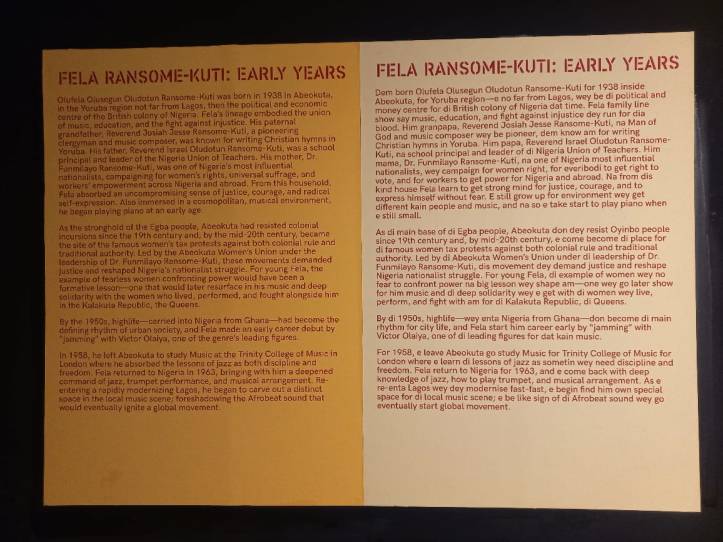
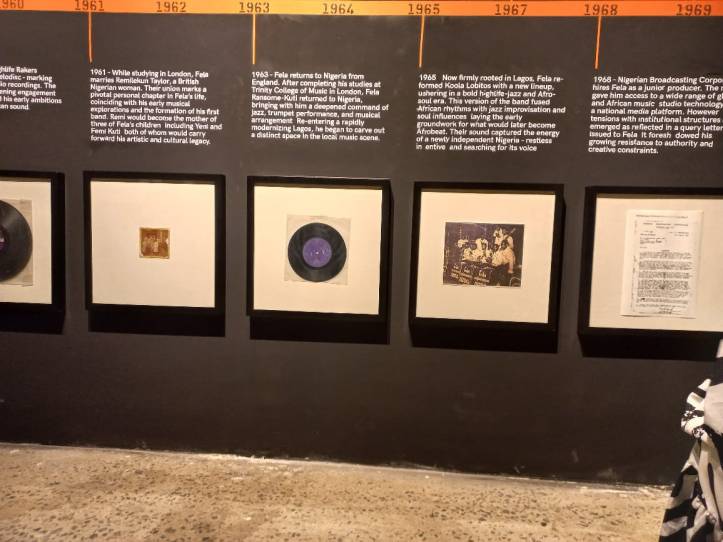
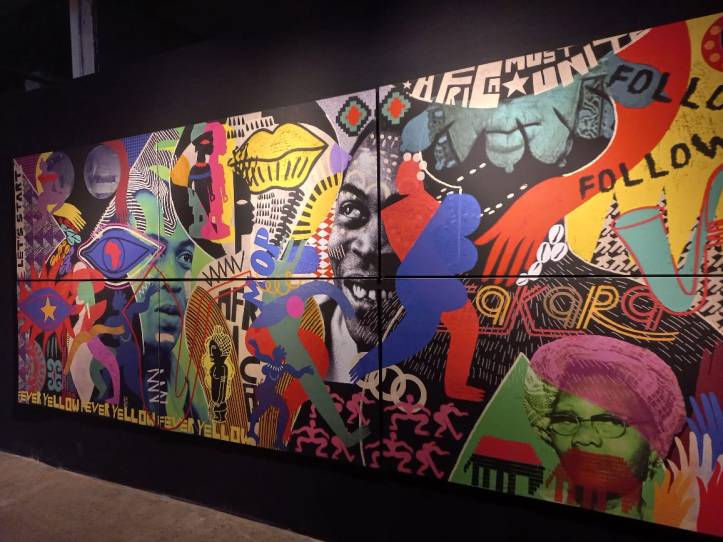
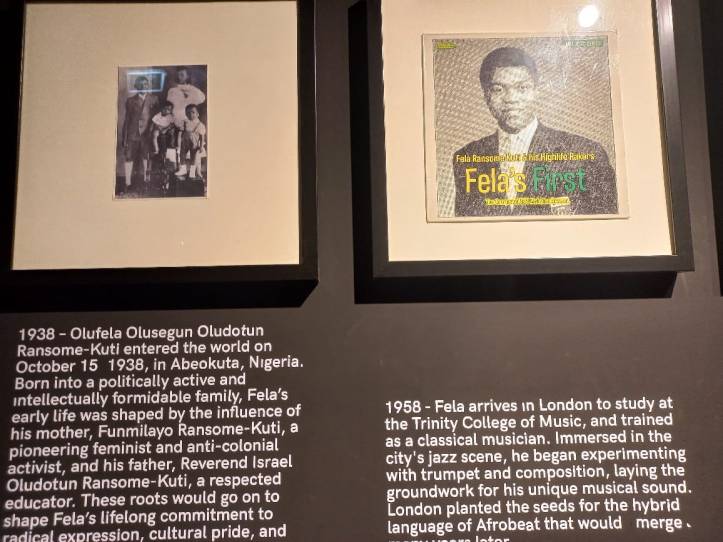
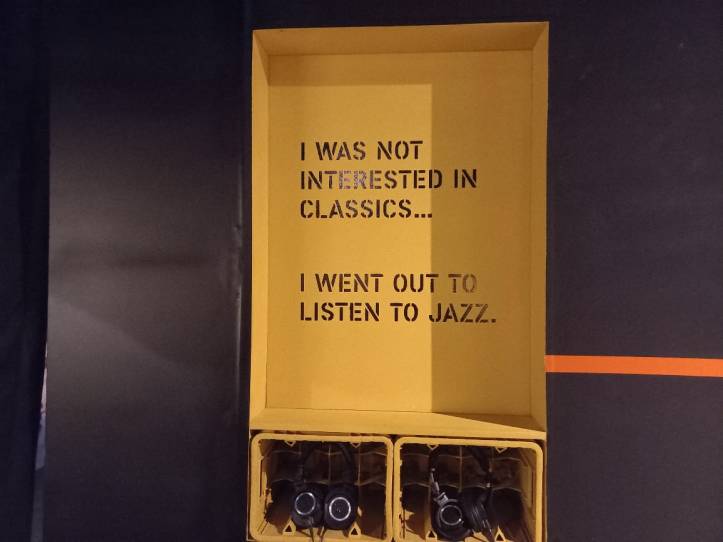
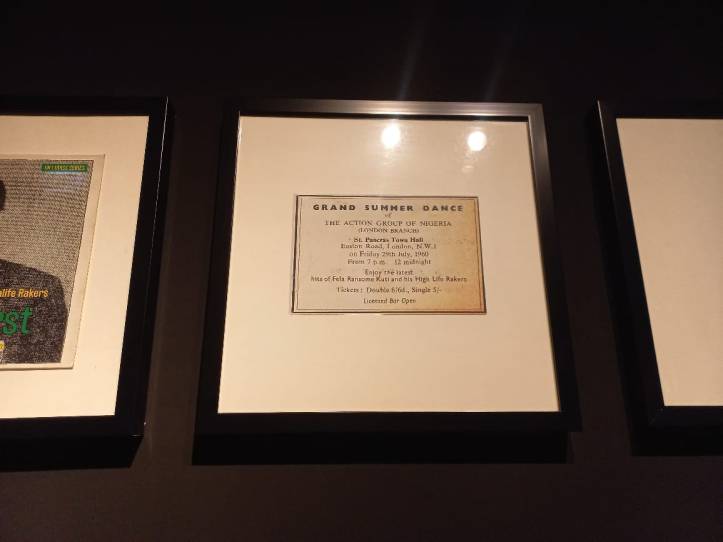
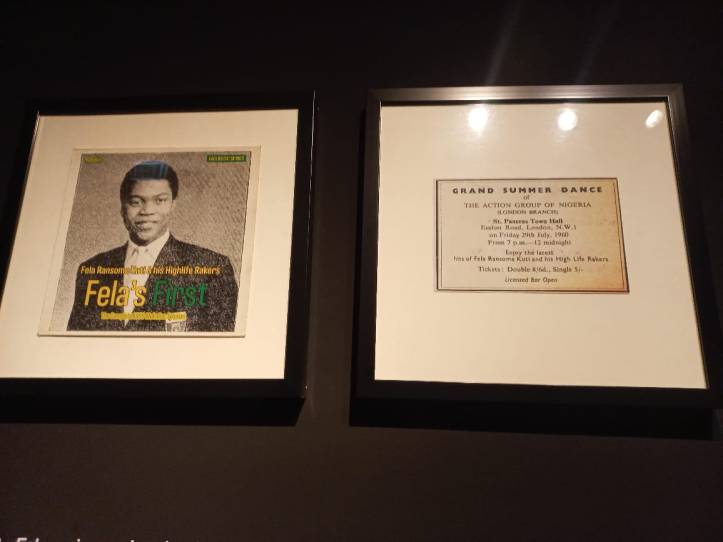
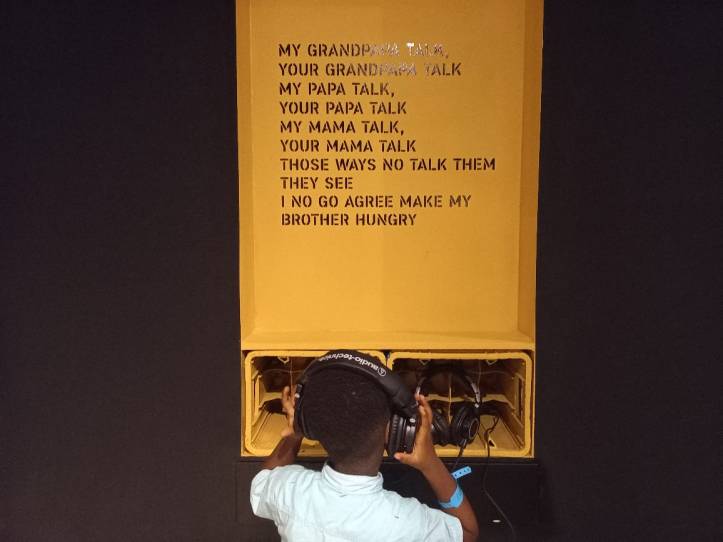
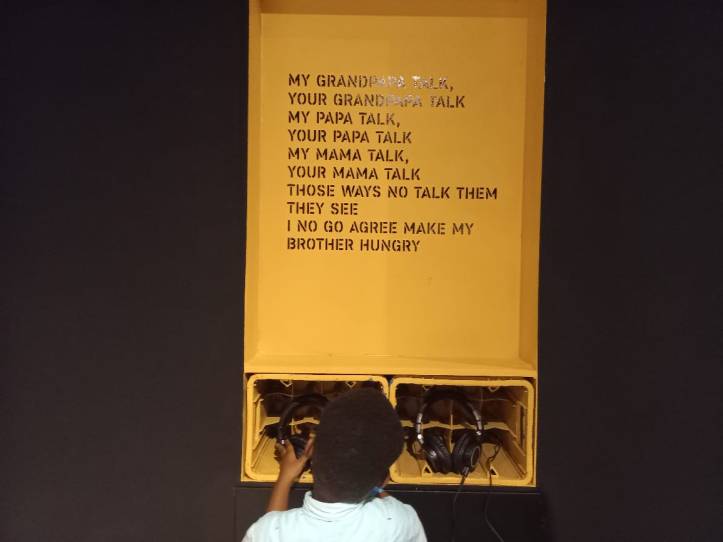
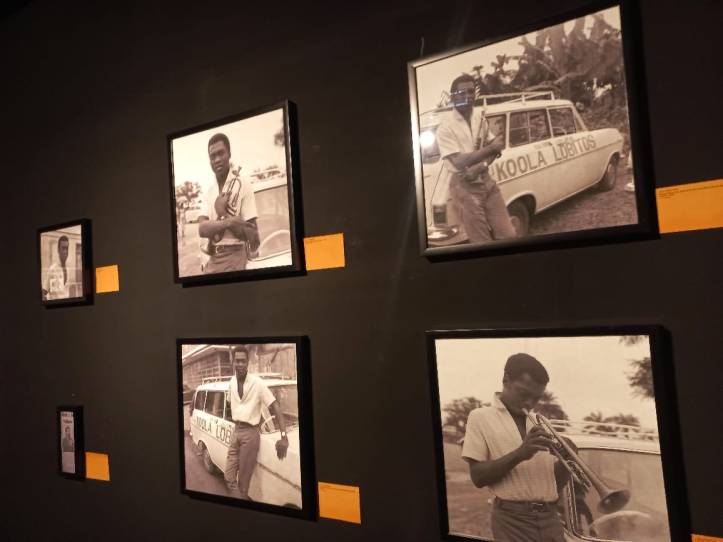
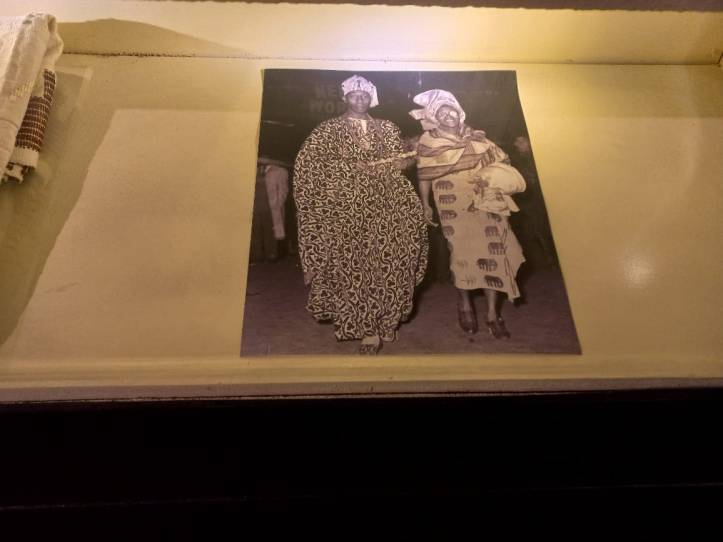
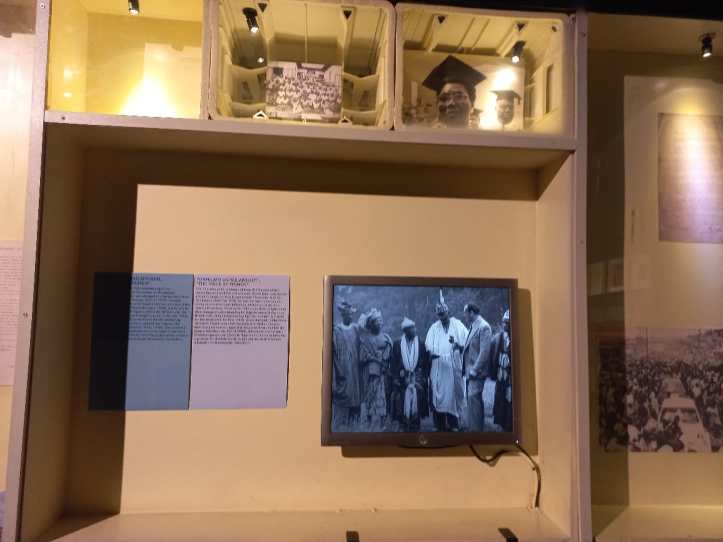
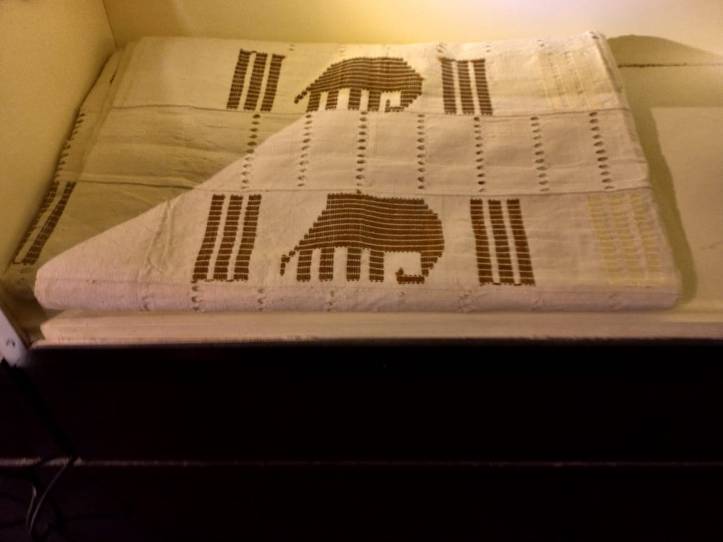
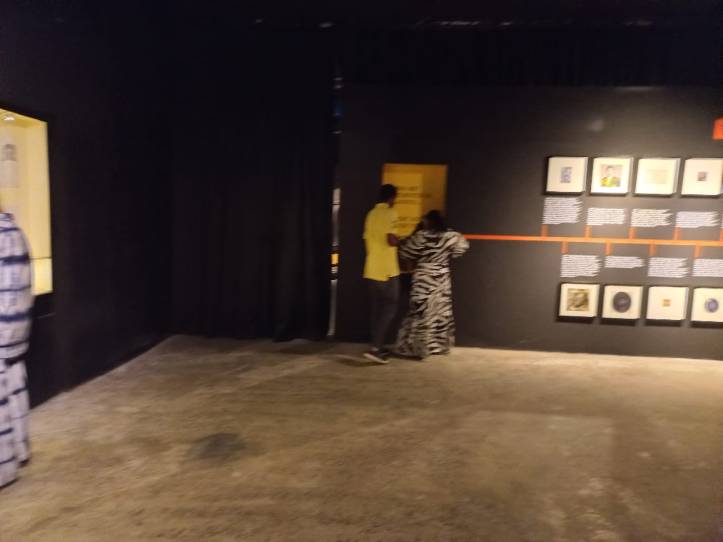
Today, Afrobeat Rebellion the exhibition now taking over Lagos and the world revisits this fire. Through rare photographs, archival posters, and sound installations, visitors journey through Fela’s metamorphosis: from the young bandleader playing cool jazz to the bare-chested oracle preaching Pan-African freedom. The exhibition doesn’t just celebrate Fela; it reactivates his voice, inviting new generations to ask uncomfortable questions about freedom, corruption, and what it truly means to be African.
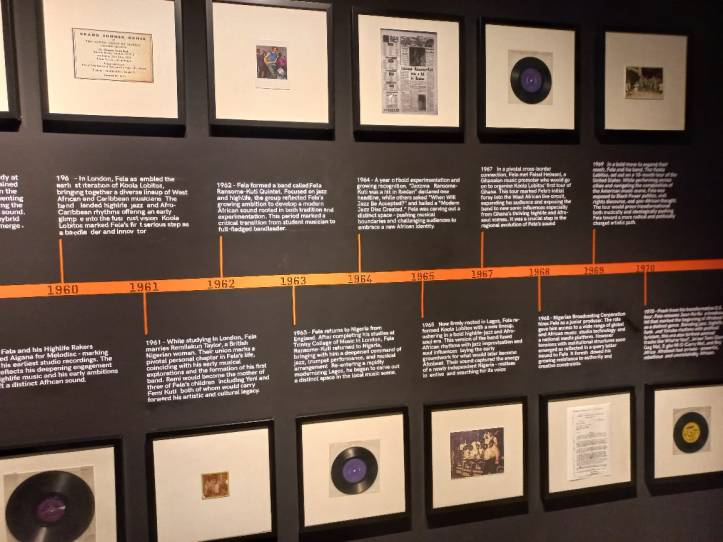
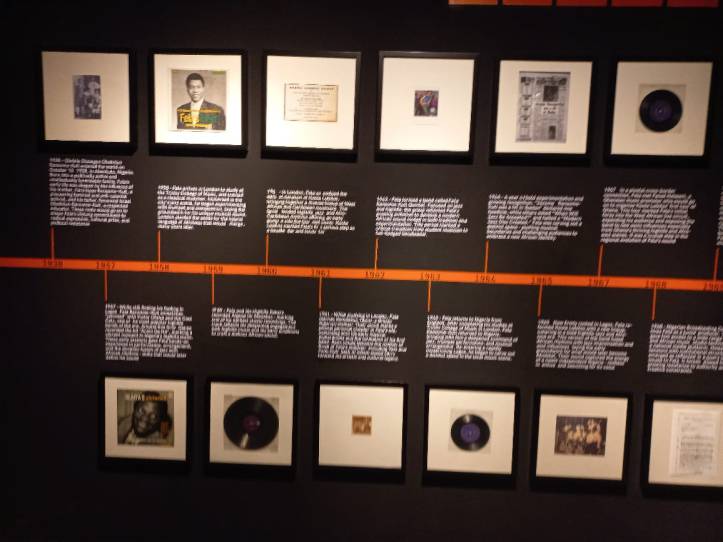
Because Fela never died. Not really. His body may rest, but his rebellion still dances through every drumbeat, every protest chant, every young artist who refuses to be silent. Afrobeat lives on a rhythm that cannot be tamed.