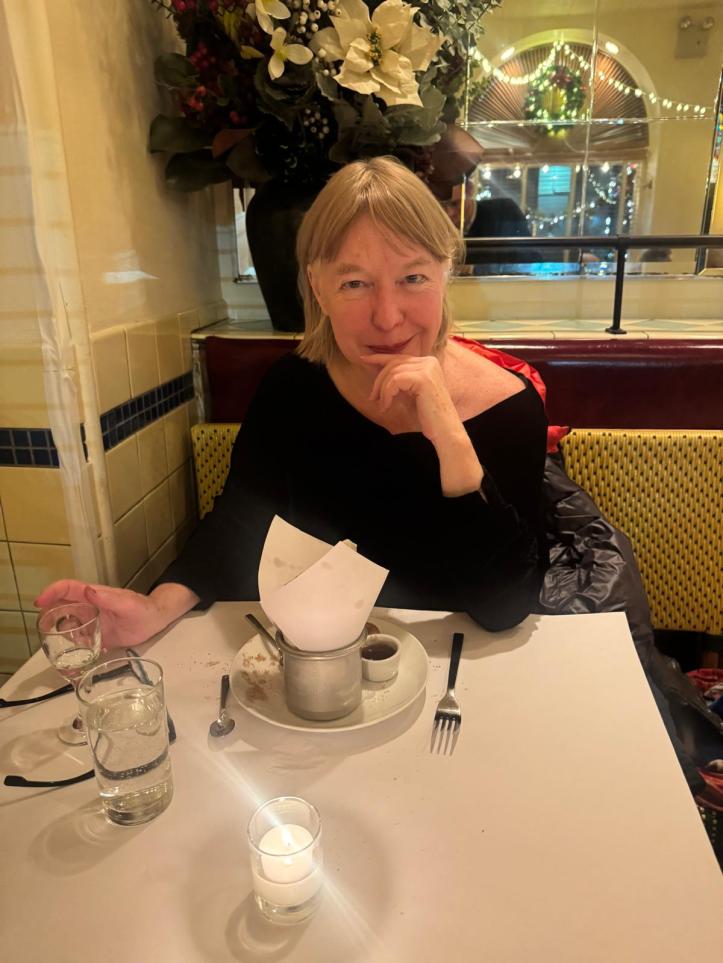
In this special conversation, iBAND Magazine sits with Carol Thompson, one of the most respected voices in African art curation and scholarship. From her early encounters with African art in rural Minnesota to her pioneering work at the High Museum of Art and beyond, Thompson’s journey reveals a lifetime of dedication to expanding how the world sees African and Diaspora art. With insight, honesty, and passion, she reflects on mentorship, legacy, and the evolving global presence of African creativity, offering readers a rare glimpse into the mind of a curator who has spent decades working at the margins, yet shaping the center of art history.
Words and interview Ireho Aito | Don’t Keep Your Art in the Finger! Photographs and arworks credit Carol Thompson
Some lives quietly shape history; others boldly redefine it. Carol Thompson’s journey does both. From rural Minnesota to the world’s most influential museums, her life has been a sustained commitment to African art, scholarship, and cultural justice.
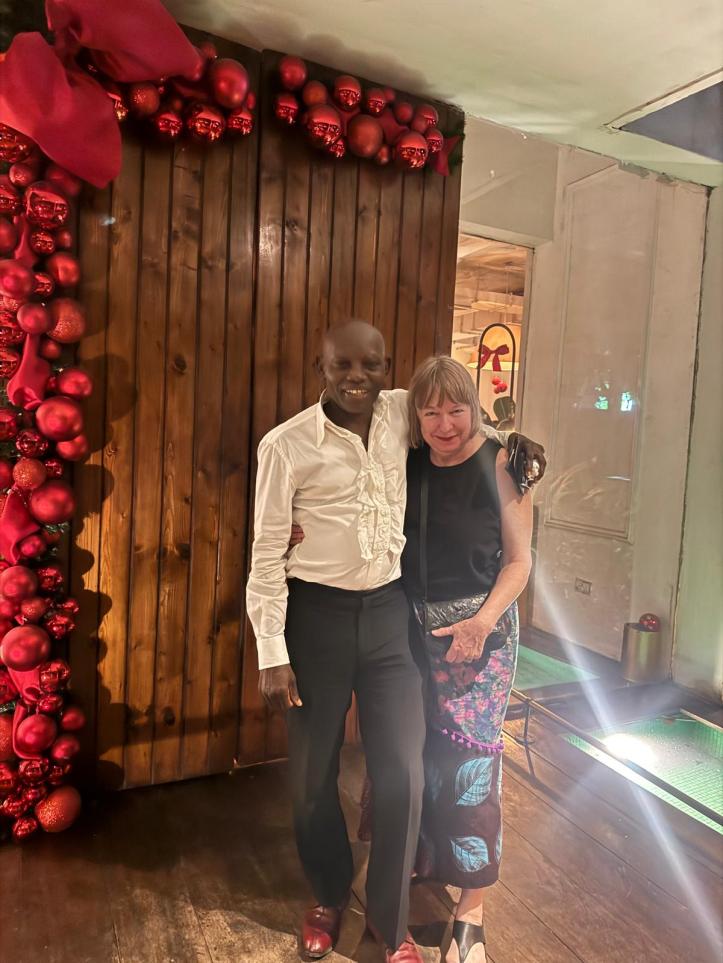
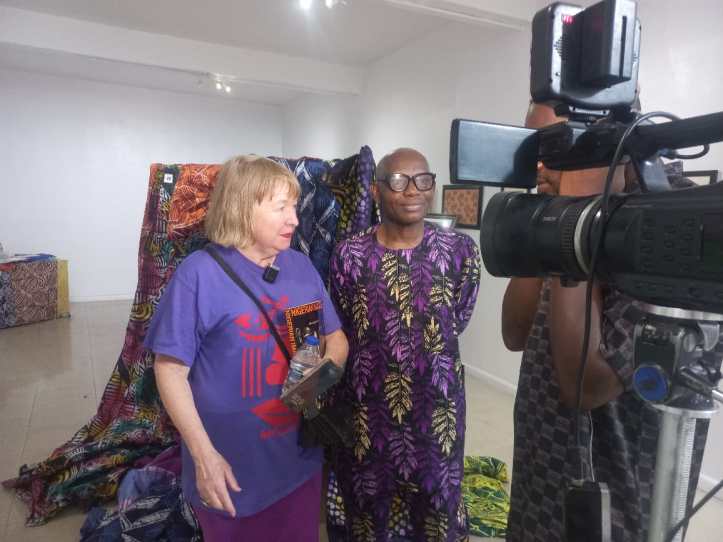
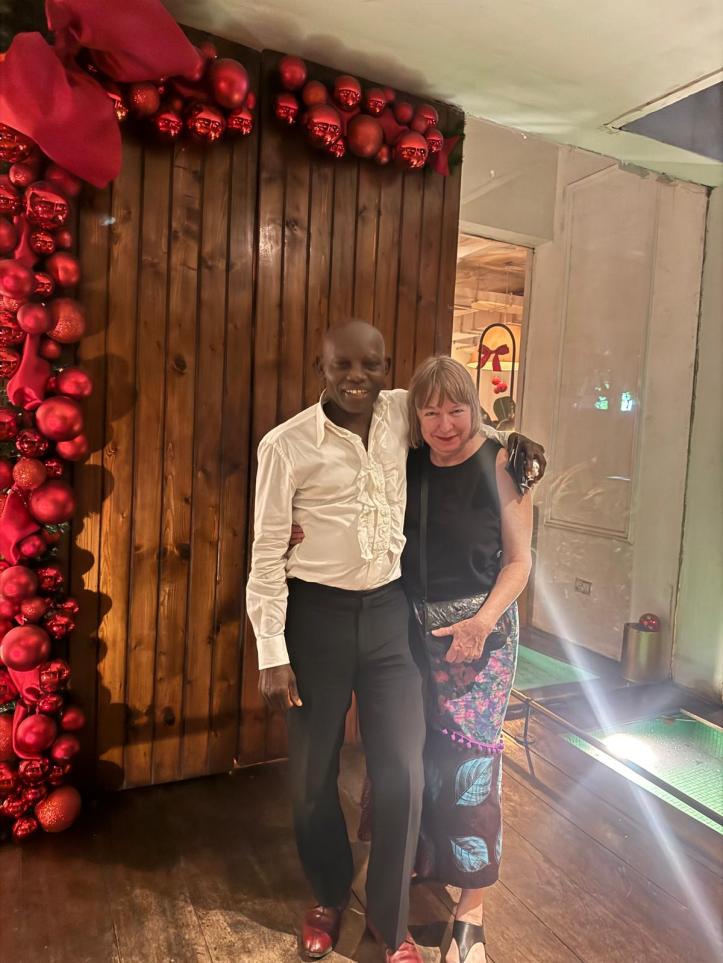
Carol and her husband, Kehinde Ayinde known as Kendoo were among the enthusiastic guests and audience at Edna Ekenimoh’s first solo exhibition entitled Metamorphic Weave: The Alchemy of Fiber and Pigment debuted inside the National Museum Onikan in Lagos on 13th of December 2025. Carol and Kendoo wanted more of the exhibition and you could see from the excitement on their faces that being around the museum was worth it to witness such a spectacle from Edna Ekenimoh.
Carol wanted to also see the museum. In fact, she requested to see the repatriated artefacts, if possible. While enquiries were made with the museum staff on duty, they were informed that the artefacts had been returned to Benin City. Though, a bit downcast, Carol and Kendoo took a tour of the National Museum to see more. “I have done it before. I have gone round the museum but I would like to see Ife artefacts and more,” Carol insists. While Kendoo was available to invest in literary journals and more available at the museum, they feel at home but the Lagos weather also took its toll on the visitors.
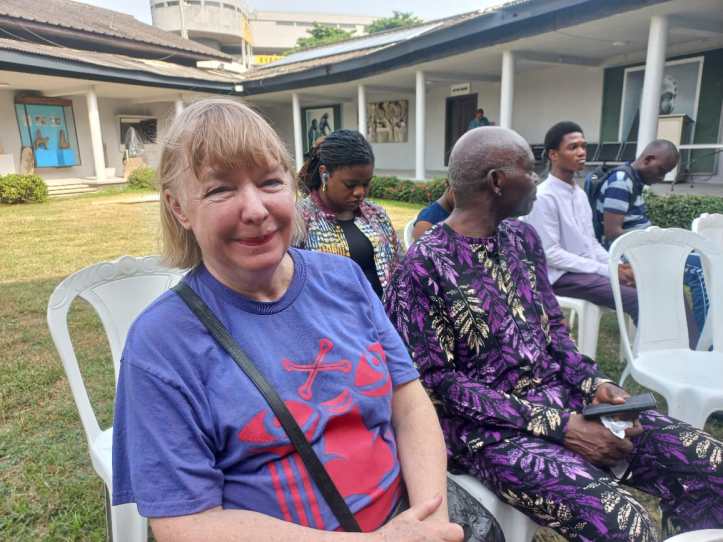
As a curator, educator, and collector, Carol Thompson has helped reposition African and Diaspora art from the margins to the global center.
As they took their time to tour the museum once more, with curious eyes and thoughtful gestures, Carol reflected on the potential of Nigeria’s cultural institutions. She believes the country can do more, and that museums remain among the most important venues to visit for education and inspiration.
Edna Ekenimoh’s invited Itshekiri band drew thunderous attention as the opening reception of her debut exhibition was about to commence. The electrifying performance instantly captivated the gathering. Carol Thompson and Kehinde Ayinde, fondly known as Kendoo, were visibly excited to be part of the vibrant crowd at the National Museum, Onikan garden, soaking in every moment of the Itshekiri folklores, music, and traditional instruments on display.
Carol could not hide her admiration for the commanding performance of Dr. Mudiare Onobrakpeya, who served as the Master of Ceremonies with remarkable poise and presence.
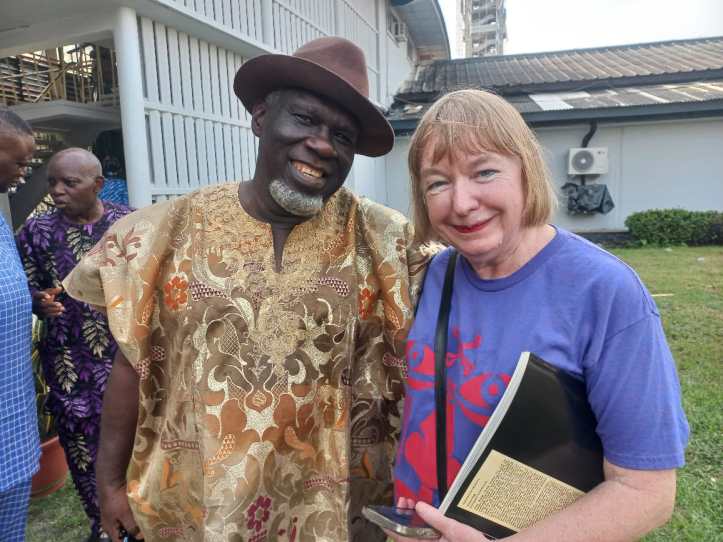
Beyond the spectacle, the evening unfolded into an unexpected itinerary of media interviews and networking for the couple. They also went on to spend generously, acquiring some of the outstanding creative works showcased at the exhibition.

In this conversation with iBAND Magazine, Thompson reflects on legacy, mentorship, resistance, and vision, offering readers a rare glimpse into a life devoted to art, truth, and transformation.
iBAND
Can you share a bit about your early life and upbringing? What first drew you to the study of African art?
Carol Thompson
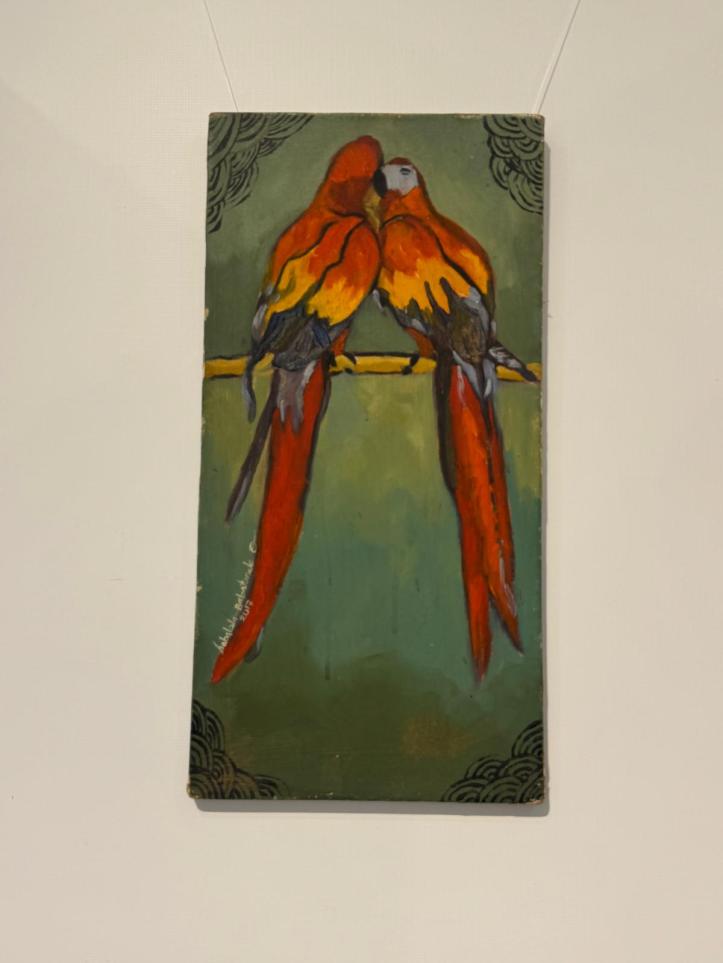
I am from a small town in rural southeastern Minnesota, surrounded by nature. As a teenager in high school, I became interested in studio art and even founded the Stewartville High School Art Club. That early engagement with making and thinking about art planted a seed that would later grow into a lifelong commitment to African art.
iBAND
What educational experiences shaped your path as a curator and scholar? Were there mentors or pivotal moments that influenced your trajectory?
Thompson
While I was an undergraduate at Hamline University in St. Paul, Minnesota, there was a city-wide celebration of African art and culture inspired by the travelling exhibition Arts of Ghana at the Walker Art Center. That moment was transformative. Hamline’s art history department introduced a course on African art, which I immediately took. I wrote my essay on a mask in the collection of the Minneapolis Institute of Art and I was hooked.
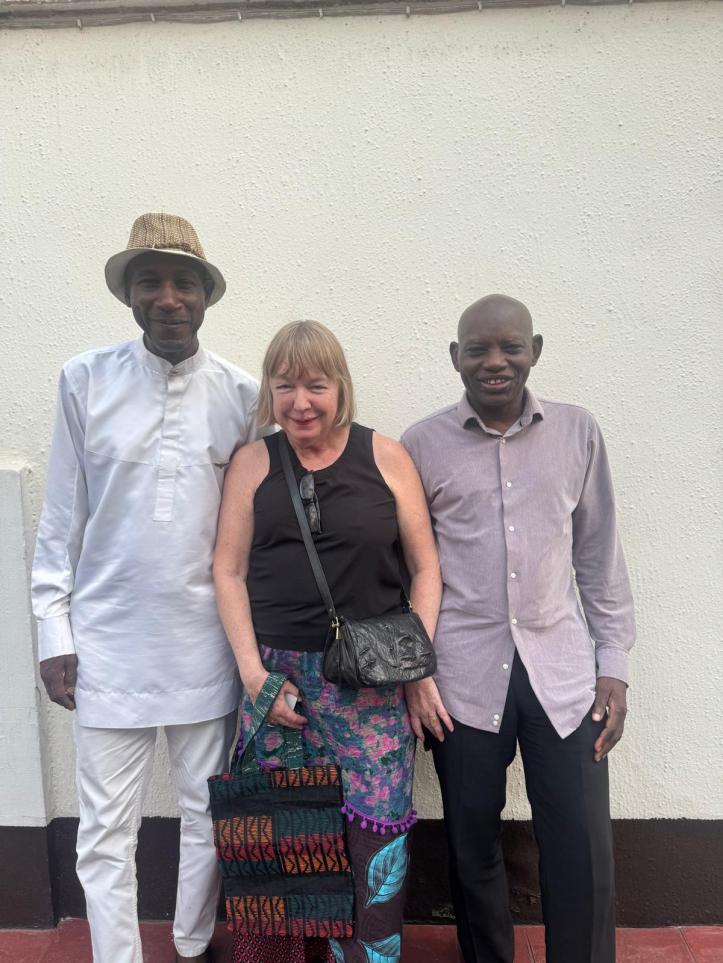
My most important mentor has been Susan Vogel, the renowned African art scholar and founding curator of the Rockefeller Wing at the Metropolitan Museum of Art. After leaving the Met in 1984, she founded the Center for African Art in New York City, and in 1987 she hired me into the curatorial department. She remains a dear friend and guiding influence.
iBAND
You have been involved in the African art world since the 1970s. How did your early roles, especially at the Center for African Art in NYC, shape your curatorial vision?
Thompson
Because the Center for African Art had no permanent collection, we organised ground-breaking exhibitions by borrowing works from public and private collections around the world, always emphasising aesthetic excellence. That experience allowed me to handle a vast number of objects and taught me the importance of authenticity and quality. These are principles that have guided my work ever since.
iBAND
During your tenure as Fred and Rita Richman Curator of African Art at the High Museum of Art, which projects stand out most for you?
Thompson
“Radcliffe Bailey: Memory as Medicine” was my most significant exhibition. I wrote the National Endowment for the Arts grant that secured funding for a major publication and enabled the exhibition to tour nationally.
Another milestone was relocating the African art galleries from a small lower-level space to a prominent, expansive gallery on the museum’s skyway. In 2017, the High Museum became the first U.S. venue for Okwui Enwezor’s seminal exhibition, Global Africa: Contemporary Art of the Black Atlantic World. Alongside it, I curated Universal and Sublime: The Vessels of Magdalene Odundo.
iBAND
Your professional network spans decades. How have relationships with artists, collectors, and institutions shaped your understanding of African art?
Thompson
Relationships are everything in this field. They deepen one’s understanding and challenge assumptions. Through these connections, I was able to acquire significant contemporary works for the High Museum by artists such as El Anatsui, Kay Hassan, and Iba N’Diaye. These are artists whose practices speak powerfully across cultures and histories.
iBAND
How do you see contemporary African art engaging with the global art world today? What trend excite or inspire you the most?
Thompson
Contemporary African art is not peripheral. it is central. Artists are asserting complex narratives that engage history, politics, materiality, and global conversations with extraordinary confidence. What excites me most is how African artists refuse to be boxed into expectations; they insist on multiplicity.
iBAND
Since returning to New York in 2020, you have built your own art collection and advised on the Thomas G.B. Wheelock Collection, how has your curatorial background influenced your personal collecting philosophy?
Thompson
I am especially drawn to ephemeral forms, such as the leaf masquerades of Burkina Faso. These works resist the intense commodification experienced by wooden sculpture. While my collection includes classic forms like a Yoruba ibeji and a Bwa nwantantay mask, it also extends beyond sculpture to include photography and other media.
iBAND
What challenges have you faced as a curator and educator in the African art world?
Thompson
Racism has been the greatest challenge I have faced even though I am white. At the High Museum, former director Michael Shapiro was profoundly Eurocentric. Thankfully, Fred and Rita Richman provided unwavering support that helped counterbalance that narrow vision and allowed African art to flourish institutionally.
iBAND
Looking back, what do you hope your contributions have achieved for the appreciation and understanding of African and diaspora art?
Thompson
Building the High Museum’s African art collection, my publications, and my work with the National Museum of Burkina Faso in Ouagadougou form my most important legacy. I have worked to broaden understanding, linking Africa and its diaspora, ancient and contemporary practices, so people can truly grasp the depth and range of African art.
iBAND
You recently visited Lagos. What were your impressions?
Thompson
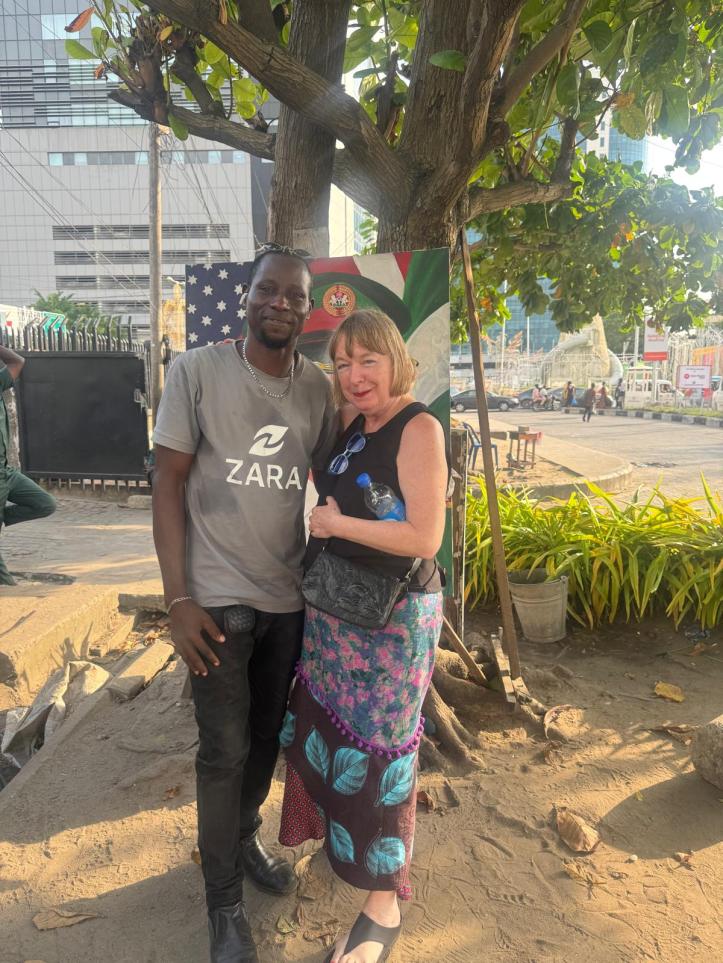
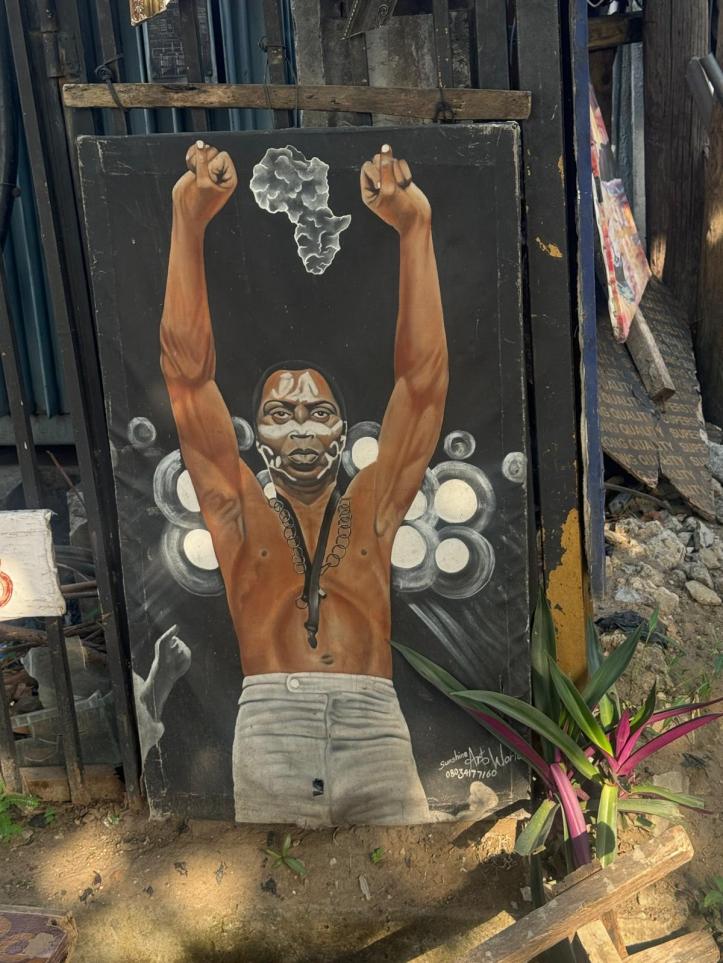
Unfortunately, I missed the Felabration exhibition, though I did purchase the French edition of its catalogue at Jazzhole. I also acquired several works, including a painting by Sunshine. Lagos remains vibrant, complex, and endlessly stimulating.
iBAND – What’s next for you personally and professionally?
Thompson
I have proposed an internationally significant travelling exhibition focused on the art of Burkina Faso, working with the National Museum in Ouagadougou and in partnership with the Smithsonian’s National Museum of African Art. The project aims to draw attention to Burkina Faso’s current crisis while celebrating Captain Traoré’s visionary leadership. Realising it would fulfill one of my lifelong goals.
I also hope to place my library and collection with an institution capable of preserving and sharing it widely. And I am writing a book about my life titled Meet Me at the Margin.
iBAND Magazine, Celebrating Visual Arts from the Original.
Africa | Visual Art | Lifestyle | Culture

