At Lagos Pop Up Museum, Source and Tributaries unfolds as a meditation on lineage, learning, and the quiet power of sustained artistic mentorship. Rooted in studio practice and collective growth, the exhibition charts where ideas begin and where they boldly diverge.
Words Ireho Aito | Don’t Keep Your Art in the Finger! Artworks courtesy of Artivity Studio
On Victoria Island, within the Pan-African Centre of Ecobank Headquarters, something quietly profound is unfolding. Lagos Pop Up Museum, already a living laboratory of contemporary expression, now hosts Source and Tributaries, an exhibition that feels less like a momentary event and more like a slow, deliberate unveiling of lineage, labour, and legacy.
Curated and organised by renowned sculptor, educator, and mentor Dr. Adeola Balogun, through his long-standing Artivity Studio, Source and Tributaries gathers together three guest artists and a constellation of mentees shaped by over two decades of rigorous studio practice, dialogue, and discipline. Opened on Saturday, January 17, 2026, the exhibition stands as both homage and horizon, honouring where artistic knowledge begins, and tracing where it dares to flow.
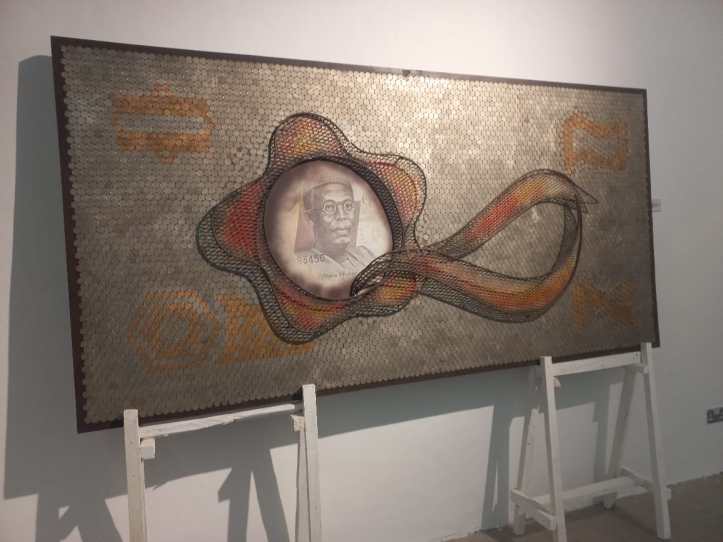
The metaphor is as elegant as it is exact. Balogun is the source not in a hierarchical sense, but as an origin point of inquiry, structure, and ethical making. The artists assembled here are the tributaries that are distinct, restless, branching into their own terrains while carrying traces of shared learning. Together, they form a living ecosystem of contemporary Nigerian art practice, one that resists stagnation and celebrates divergence.
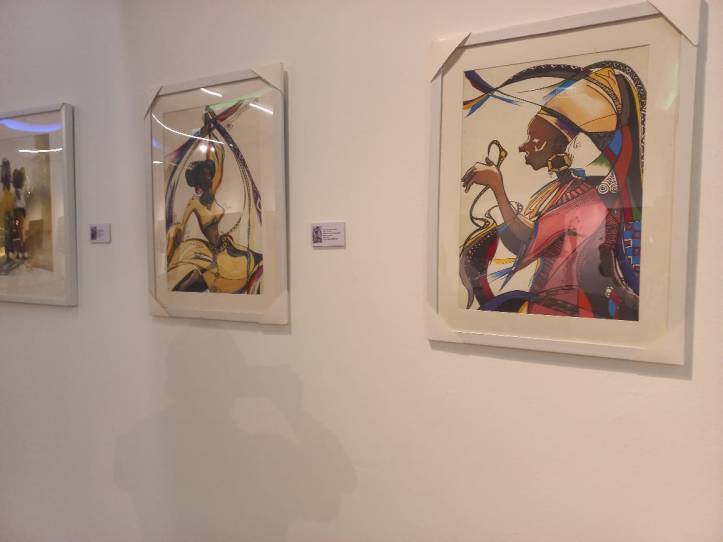
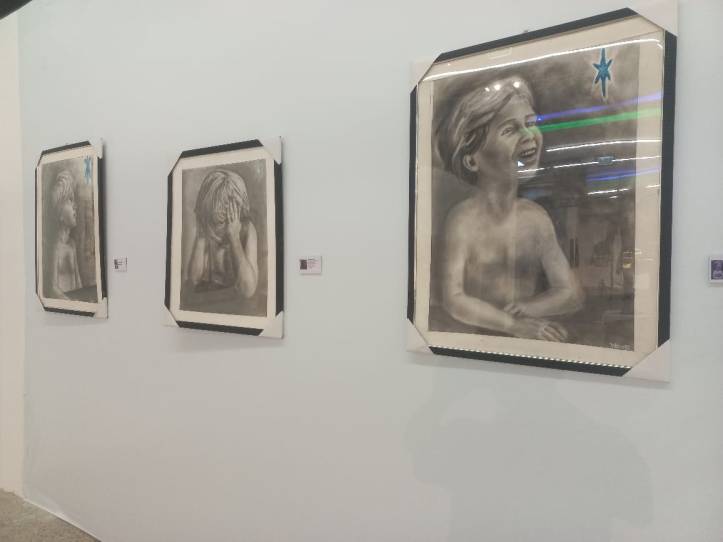
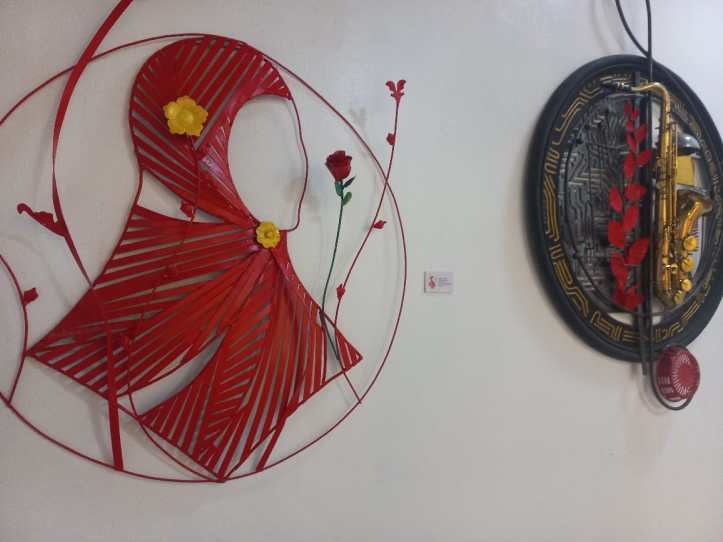
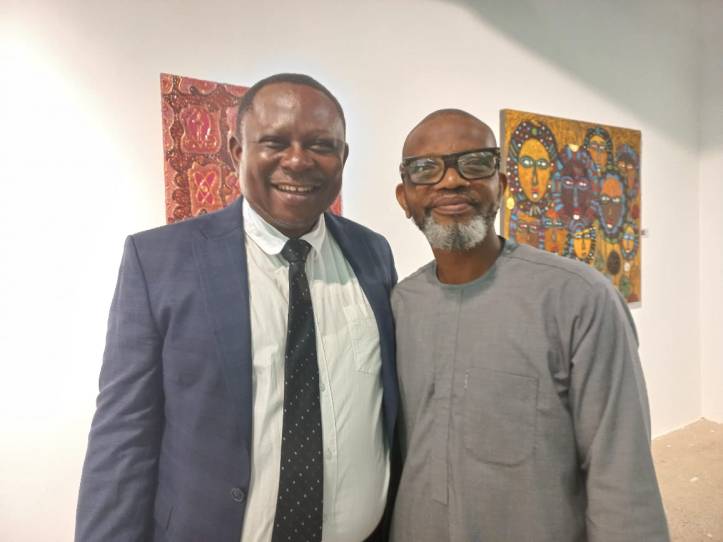
Walking through the exhibition with the master himself, Adeola Balogun, one senses the invisible architecture of mentorship. This is not an exhibition of mimicry. Rather, it is evidence of how sustained guidance, when done right, produces independence of thought. “It has been a worthwhile journey for all of us from Artivity Studio. We have had activities together and what we have today is telling our own stories through our over two decades of aligning with one another, Balogun explains as his curated grey beard points the journey has been well polished and the future is full of bright lights.
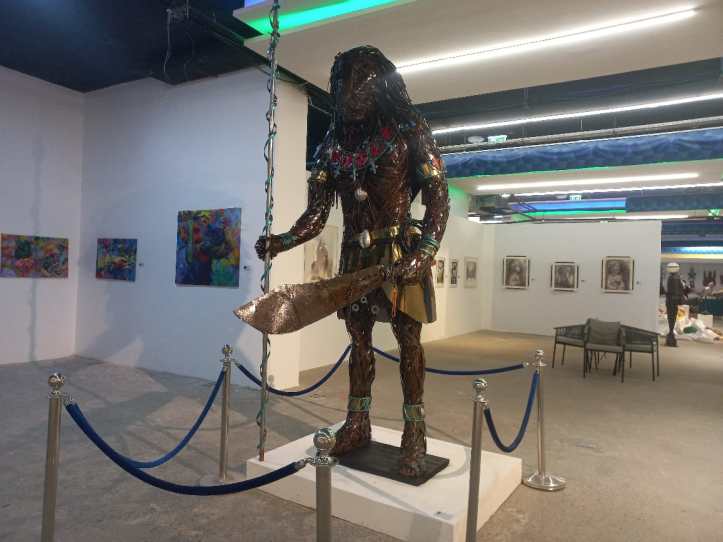
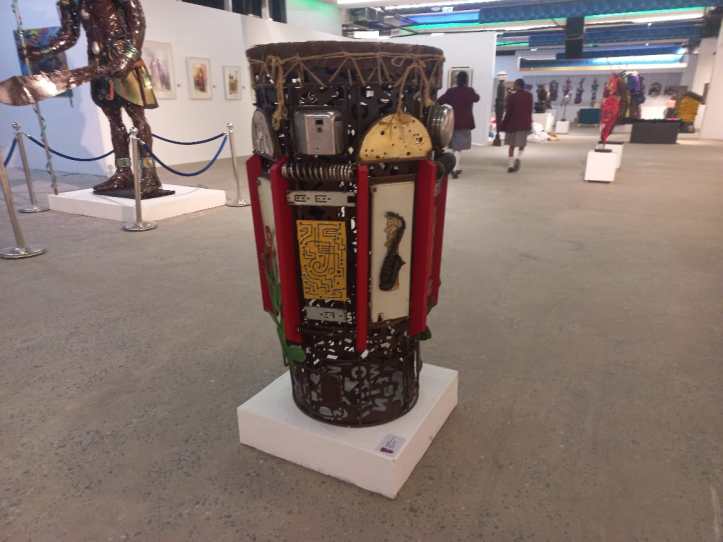
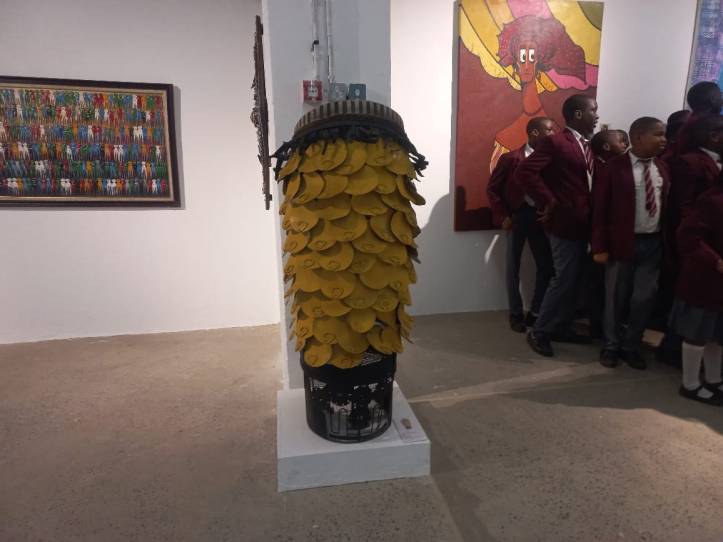
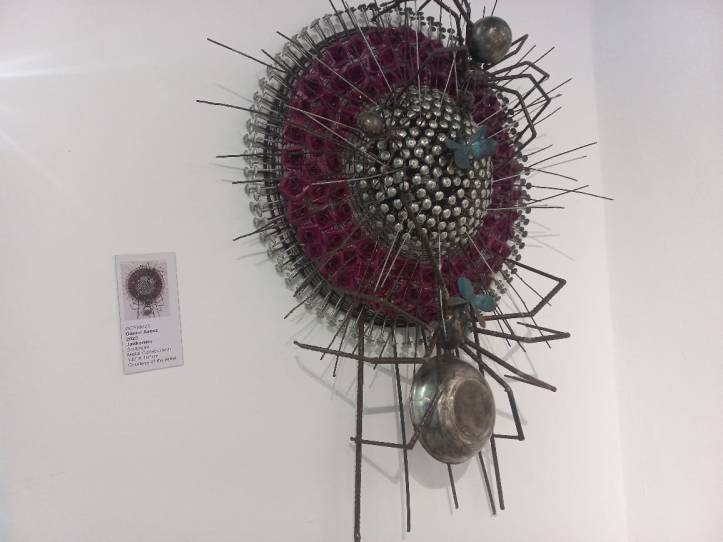
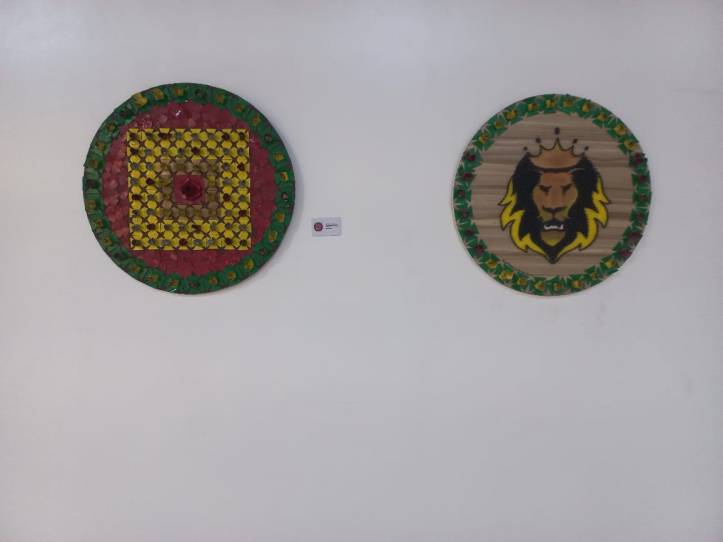
The outstanding works are showcased across sculpture, painting, mixed media, and installation. These works pulse with curiosity and material confidence. Metal bends into metaphor, watercolour breathes with memory, found objects speak back to history, and pigment becomes both language and refusal.
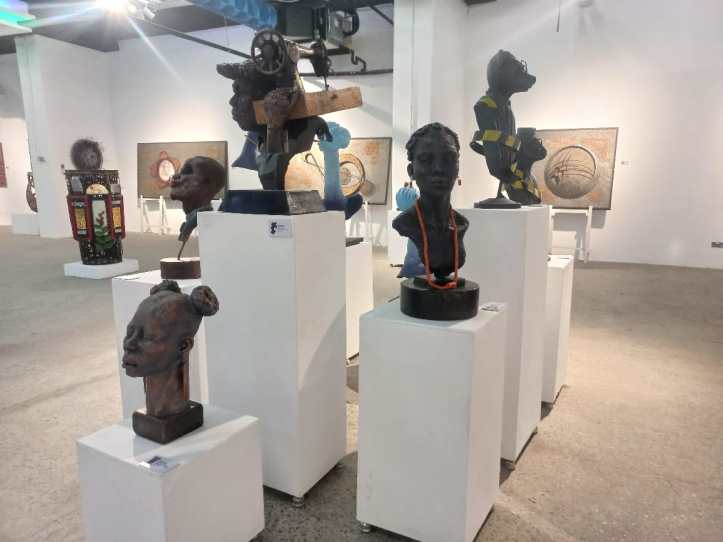
Dr. Adeola Balogun’s presence looms not as spectacle but as gravity in activity. A distinguished sculptor whose career spans public monuments, international residencies, and academic leadership at Yaba College of Technology, Balogun’s practice is defined by transformation of materials, of minds and of possibility. His sculptures, often forged from discarded or industrial remnants, carry a fluidity that animates the obsolete, compelling viewers to reconsider value, permanence, and social responsibility. That same philosophy reverberates through the works of those he has mentored.
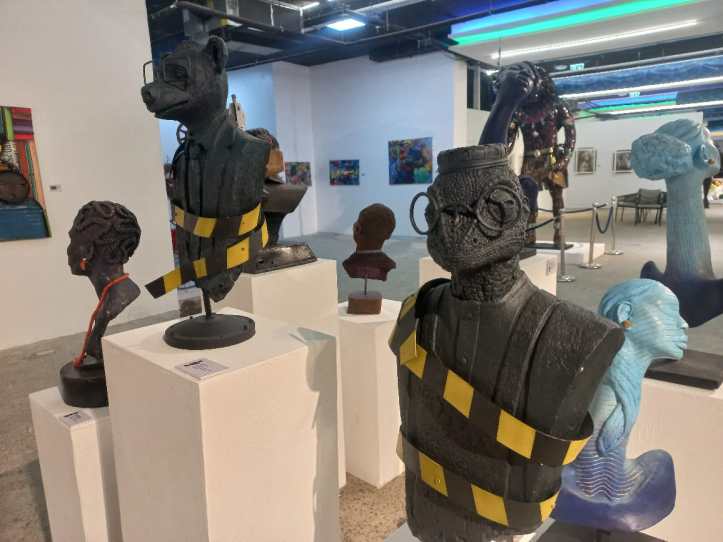
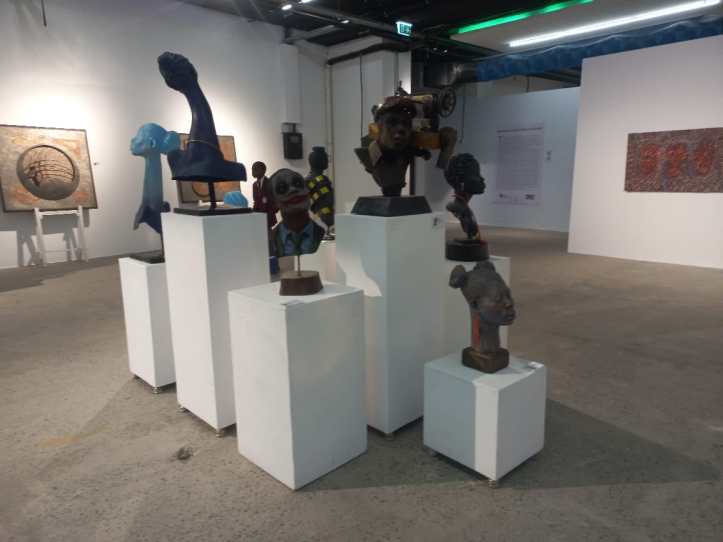
Adeola Balogun has redesigned cities from his own creativity planet with such public commissions like Funso Williams statue, Obafemi Awolowo statues, one formerly at Allen Avenue roundabout at Ikeja and the new one breathing at Obafemi Awolowo University, commissioned by Shyllon Museum. His catalogue is an intriguing catalogue.
A drive along Gerard Road in the opulent Ikoyi neighbourhood of Park View Estate reveals one of the notable public commissions by this cerebral sculptor. The work, a striking bicycle sculpture, was created in memory of the late investment banker Dr. Olaolu Mudasiru, fondly known as “Dr. Bob,” who tragically lost his life in a hit-and-run accident along the same route. Positioned as both a memorial and a quiet protest, the installation carries a powerful emotional weight, inviting passers-by to pause, reflect, and offer prayers for the repose of Dr. Bob’s soul while serving as a lasting reminder of the fragility of life and the need for collective responsibility on our roads.
Among the exhibiting artists are voices both seasoned and emergent such as ’Seyi Ajayi, whose painterly explorations oscillate between realism and abstract impressionism; Oladiran Olumide, whose decades-long engagement with African symbolism bridges education and studio devotion; and Gbenga Olatunji-Aguda, a guest artist whose multimedia practice retrieves cultural memory with entrepreneurial clarity.
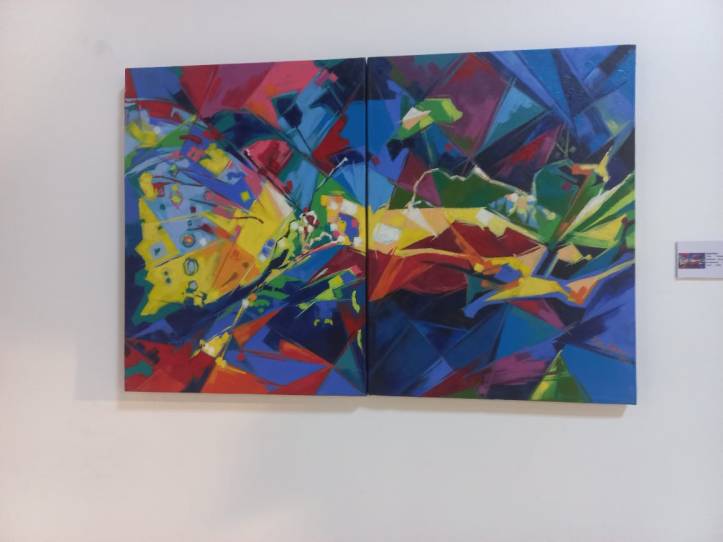
Others expand the dialogue further like Olumuyiwa Afolabi Olusola’s delicate watercolours meditate on the poetry of everyday life; Fatai Abdulkareem and Ogundeji Samson reconfigure metal and mixed media into socio-political commentary; Balogun Lukman, Daniel Azeez, Ahmed Abiodun, Ashele Israel, Nwachukwu Caleb Chibuike, Chukwudebe Vairagi Uche, Aiyedogbon Taiwo, and others each carve out personal vocabularies shaped by experimentation, resilience, and lived experience.
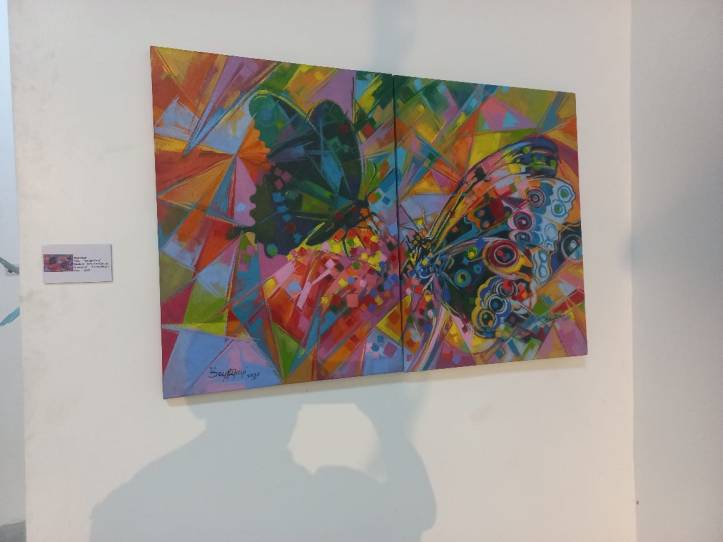
What unites them is not medium, style, or theme but a shared ethic of making. At Artivity Studio, art is not rushed. It is questioned. Tested. Broken apart and rebuilt. The studio functions less as a factory and more as a crucible, where academic theory meets the stubborn realities of material, space, and time. Source and Tributaries makes this process visible.
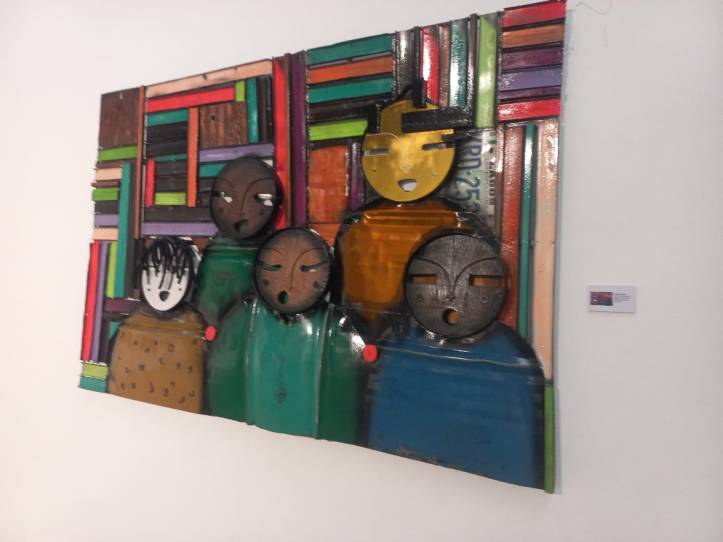
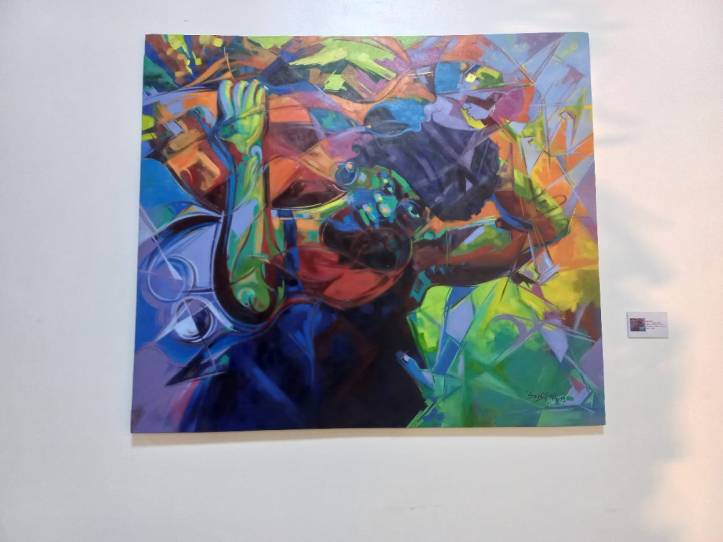
Importantly, the exhibition also includes “kindred spirits” guest artists whose practices align with the studio’s ethos thereby creating a layered conversation between generations, disciplines, and sensibilities. The result is a show that feels expansive without being scattered, intimate without being insular.
In a city as restless as Lagos, where newness often eclipses continuity, Source and Tributaries insists on the quiet power of consistency. It reminds us that artistic futures are not accidents; they are cultivated. They emerge from patient teaching, shared failures, studio sweat, and the courage to let students eventually outgrow the source.
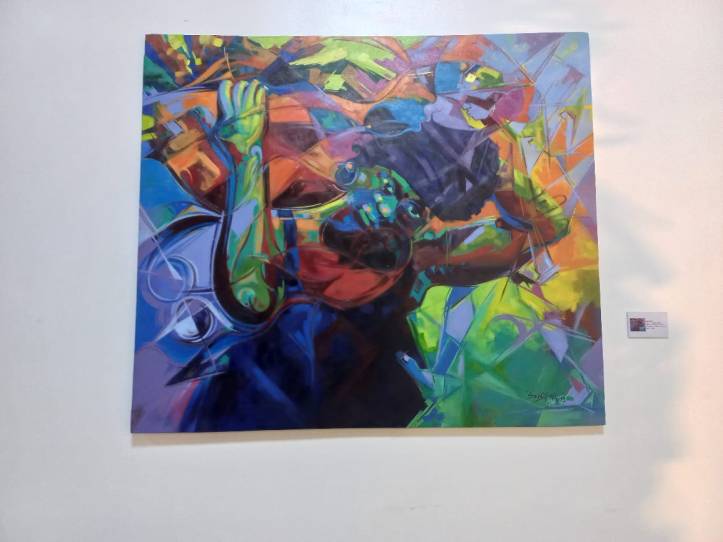
When asked whether he had ever experienced regrets with any of his mentees, Adeola Balogun responded thoughtfully that mentorship is shaped by example. “What you display for them to see is what they see,” he explained, noting that character is formed by the actions and values a leader embodies. He added that he has had no regrets, as his mentees learn directly from his way of life, professional practice, and career journey. Transforming raw potential into excellence, he concludes, is the very essence of Artivity Studio.

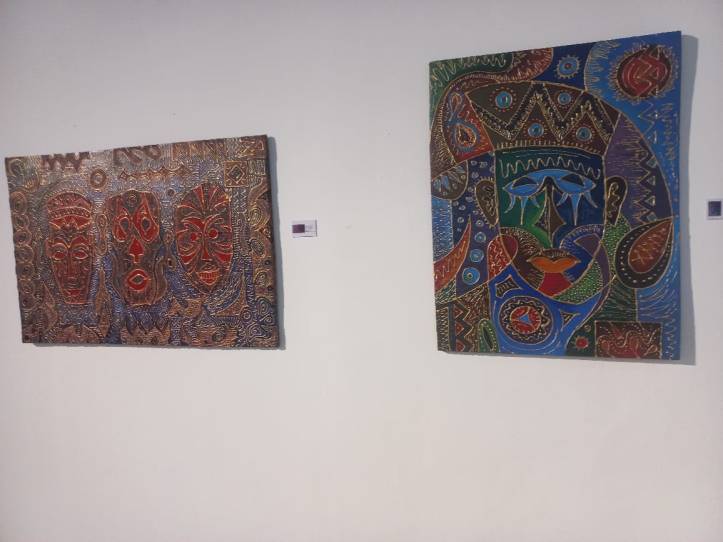
This exhibition is not merely a showcase of works. It is a cartography of influence. A celebration of mentorship as cultural infrastructure. And a compelling glimpse into the evolving tributaries shaping Nigeria’s contemporary visual landscape.
At Lagos Pop Up Museum, the waters are flowing and they are far from done carving their paths.
iBAND Magazine, Celebrating Visual Arts from the Original.
Africa | Visual Art | Lifestyle | Culture

