

In the grand theatre of Nigerian art, where mediums converse and materials breathe with ancestral memory, Professor Funke Chris Ifeta has stood steadfast, visionary, and unyielding like one of her own sculptures that is rooted, resilient and resonant.
Words Ireho Aito | Don’t Keep Your Art in the Finger! Photographs and images credit: Prof. Funke Chris Ifeta Archives
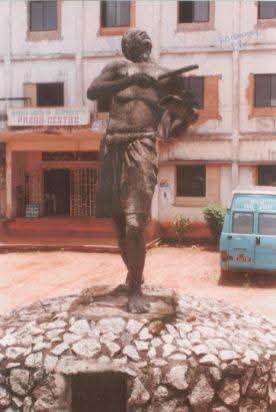
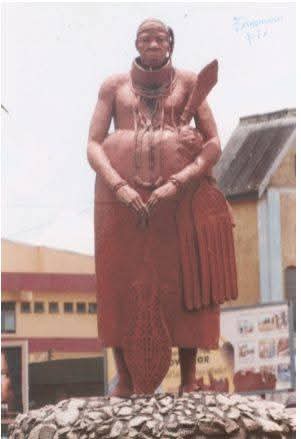
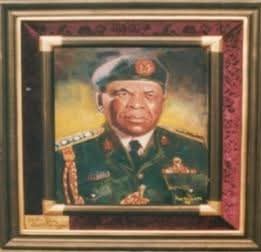
To speak of Professor Ifeta is to speak of form and force. Of clay shaped into consciousness. Of bronze that remembers. Of a woman who carved her presence into a field long dominated by men and, in doing so, became both monument and movement.
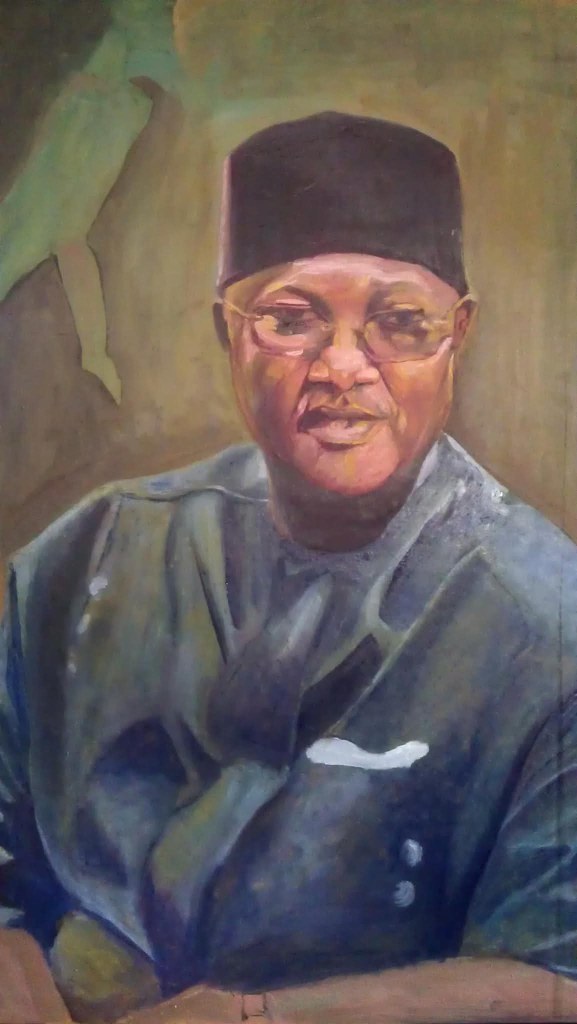
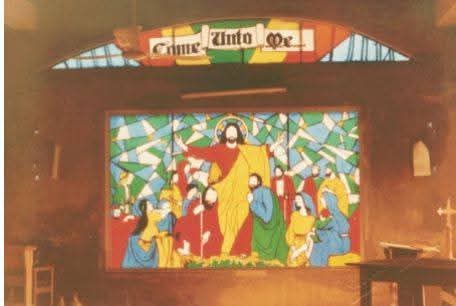
Her forthcoming retirement celebration, themed “Living Footprints of the Amazon of Nigerian Art,” is coming more than a ceremonial farewell. It is a testament to a life forged in creativity, scholarship, and cultural stewardship.
Born into a Nigeria that was still negotiating identity in the wake of independence, Funke Chris Ifeta’s artistic awakening came early. She grew up in an environment where craft was not ornamental but essential which is woven into daily life, through ritual, and storytelling. The inviting language of materials fascinated her. Suddenly, clay was not just soil anymore, it became a possibility. Again, wood was not merely a timber but became memory awaiting revelation.
Her formal training in fine and applied arts refined that instinct. At a time when few women ventured boldly into sculpture, which was a incredible to believe and arguably the most physically demanding, also materially confrontational of visual art forms, the amazon Ifeta chose it unapologetically. She embraced the rigor of working with chisels, not only that but welding torches, casting processes, she face the muscular engagement with material. Sculpture, for her, was not simply about aesthetics, it was about presence.
To call her an “Amazon” is no hyperbole. Nigerian sculpture has historically celebrated towering male figures, both in subject and authorship. Professor Ifeta entered that arena as an equal. Her works often explored themes of womanhood, resilience, spirituality, and communal identity, yet they resisted sentimentality. They carried weight, both literally and conceptually.
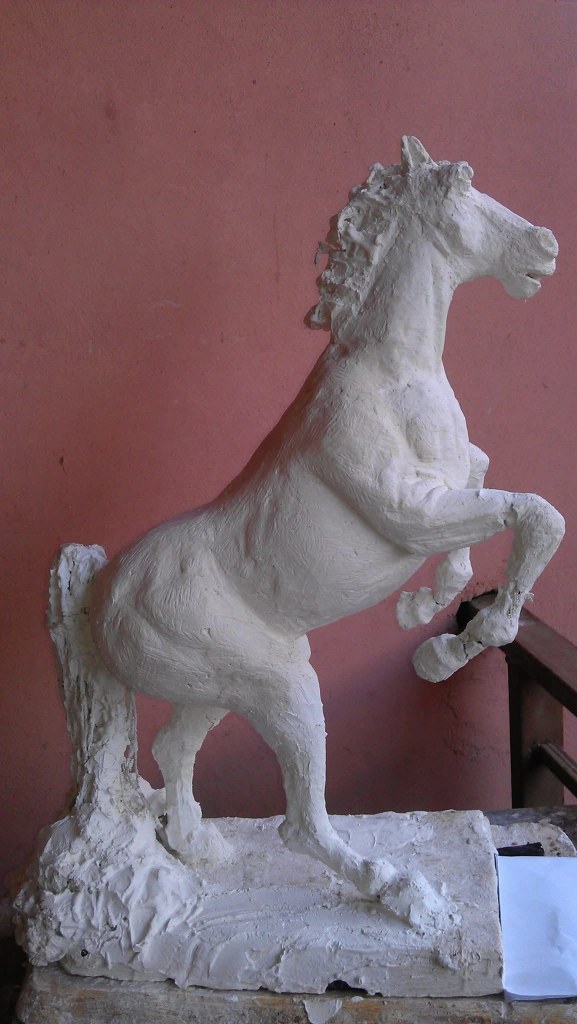
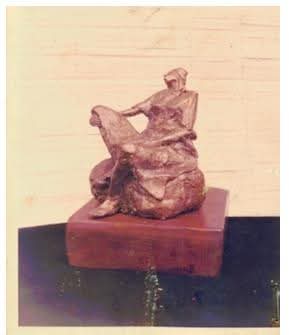
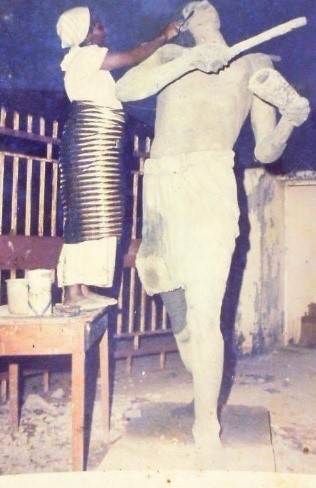
Horse modelled in POP (2010)
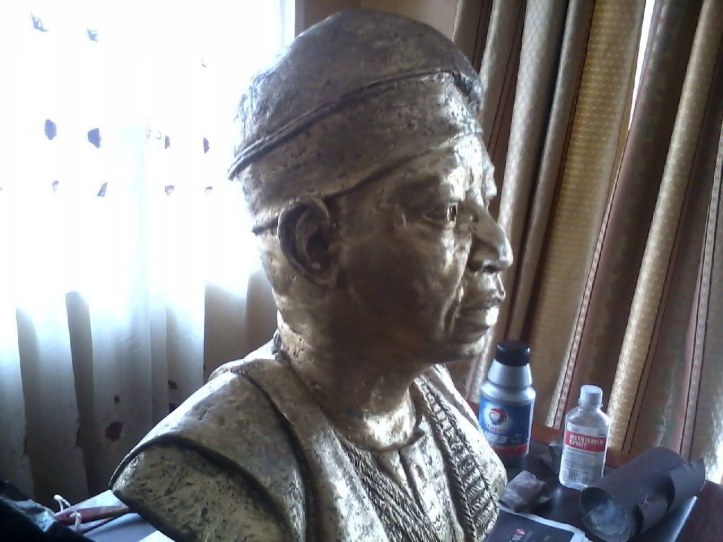
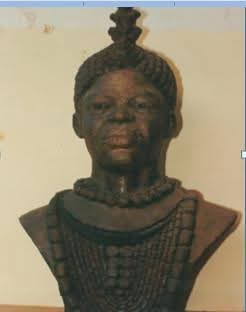
Her sculptures are known for their commanding silhouettes and textured surfaces. These are forms that appear at once ancient and contemporary. She drew from indigenous visual traditions while engaging modernist sensibilities. Whether working in metal, cement, fiberglass, or mixed media, her pieces possess a structural confidence that mirrors her own professional journey. Works like the Benin Chief, and Town Crier are product of investing in powerful traditions.
Exhibitions across Nigeria and beyond positioned her as a formidable voice in contemporary African sculpture. Collectors and institutions alike recognised in her work a rare fusion of technical mastery and philosophical depth. Each piece bore her signature: bold, thoughtful and uncompromising.
Honestly, one of her social media handles – Facebook, on a visit gives a vivid account of her sterling qualities and enterprise. From different parts of Nigerìa, her clientele base makes her royalty. Prof. Funke Ifeta sojourn in academic makes her living treasure to behold. Her trademark is indeed hardwork is a part to excellence.
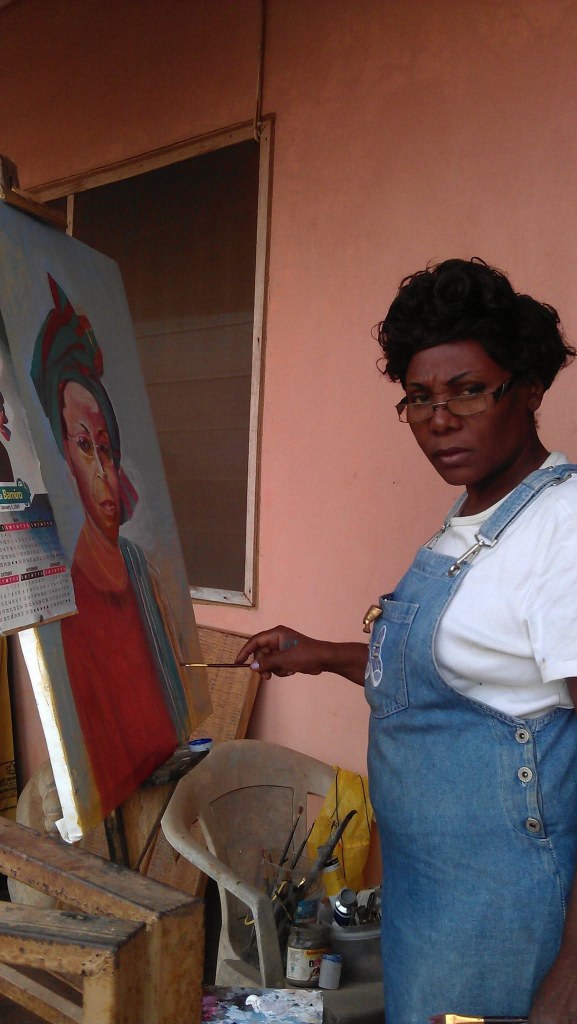
The Teacher as Architect of Futures
Yet, perhaps her most profound sculptures are not cast in bronze but shaped in human lives.
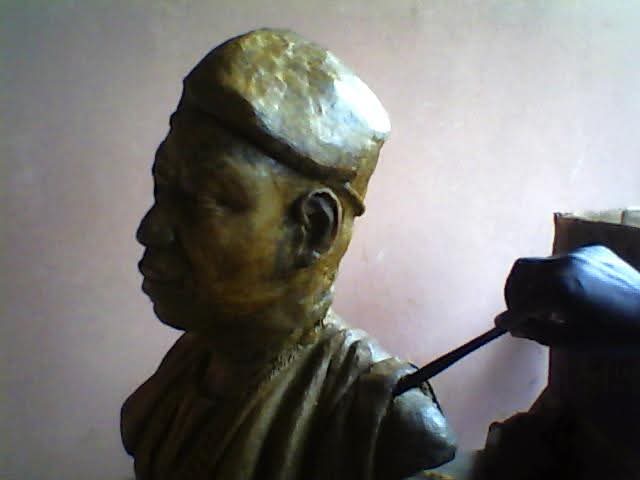
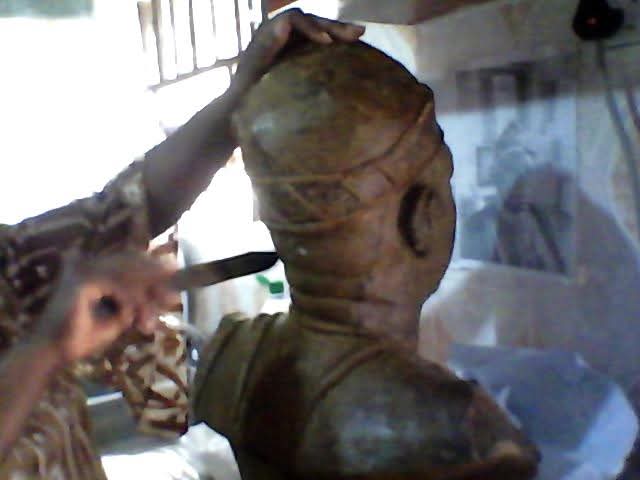
As an academic and later a professor, Funke Chris Ifeta dedicated decades to teaching, mentoring, and institutional development. In lecture halls and studio spaces, she became both critic and catalyst. Students remember her as exacting but nurturing. A teacher who demanded seriousness of purpose and respect for material integrity.
She did not merely teach technique, she taught discipline, research, and cultural consciousness. Under her guidance, generations of young artists learned that sculpture was not just about form, but about context. Sculpture is about understanding lineage, symbolism, and responsibility.
Her contribution to curriculum development and studio practice helped strengthen sculpture departments and fine arts programs at a time when arts education often struggled for institutional support.
Beyond the Studio: Leadership and Legacy
Professor Ifeta’s influence extended into professional networks and art societies, where she championed visibility for women artists and interdisciplinary collaboration. She stood as proof that leadership in the arts need not be loud to be transformative. Her authority was earned through consistency, scholarship, and excellence.
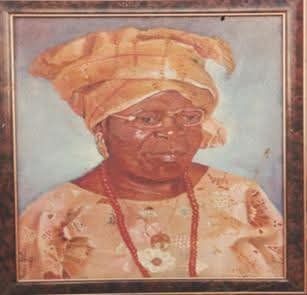
The retirement celebration organised in her honour is not an endnote but a milestone. Retirement, in the language of artists, rarely means retreat. It signals a shift from institutional responsibility to reflective creation, from administrative duties to personal exploration.
Her “living footprints” are evident everywhere: in public sculptures that animate civic spaces, in former students who now teach and exhibit internationally, in conversations about gender equity within Nigerian art, and in the quiet confidence of young women who now choose sculpture without hesitation.
The Amazon Still Stands
In many ways, Professor Funke Chris Ifeta embodies the very essence of sculpture: endurance.
As Nigeria continues to renegotiate its artistic narratives in a globalised world, figures like Ifeta remind us that progress is layered. It is built on those who dared to stand firm when the ground was uneven.
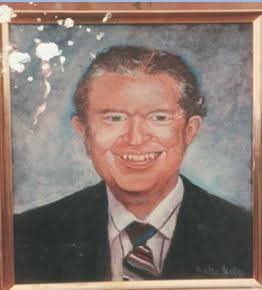
Her career tells a larger story of Nigerian art’s evolution, of women claiming space in physical and intellectual arenas, and of education as a radical act of nation-building.
Retirement may mark the closing of a chapter, but the monument remains.
And like the finest sculptures, Professor Funke Chris Ifeta’s work does not merely occupy space, it defines it.
iBAND Magazine, Celebrating Visual Arts from the Original.
Africa | Visual Art | Lifestyle | Culture

