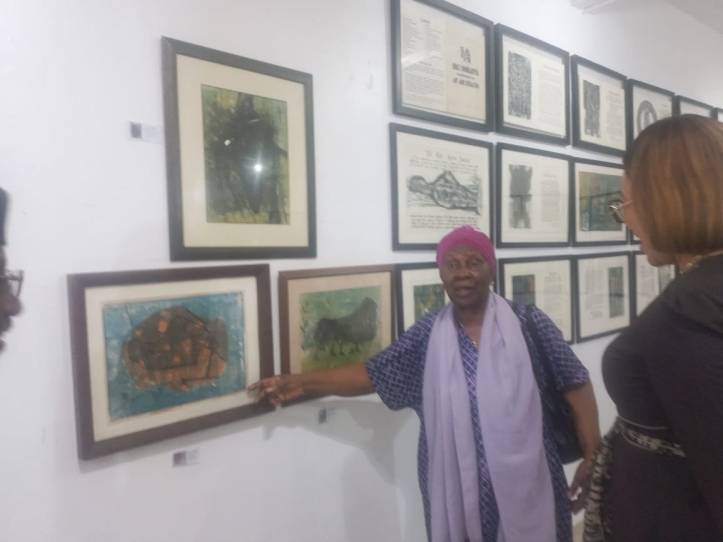
A Wednesday that began like any other turned into a lesson in legacy. Within the quiet walls of the National Museum, Professor Ebun Clark transformed art into conversation by weaving six decades of prints, memories, and meaning into one living archive.
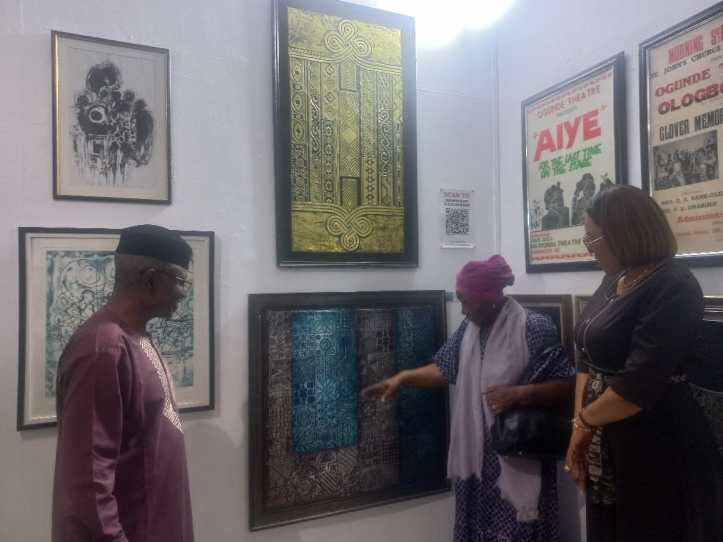
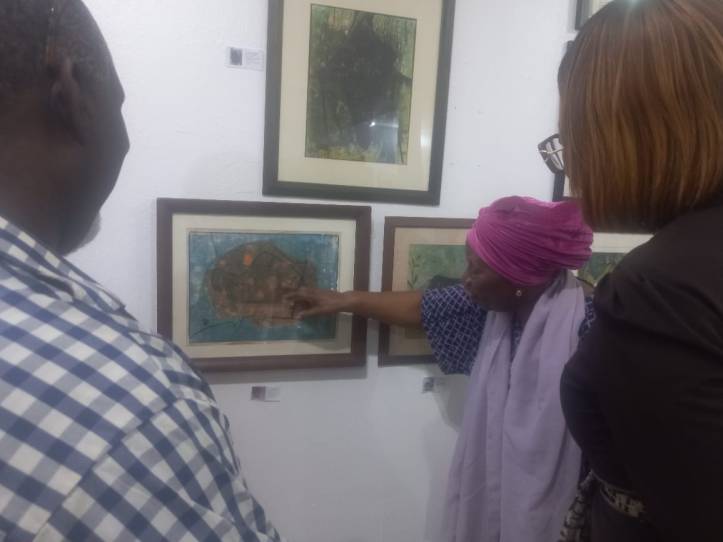
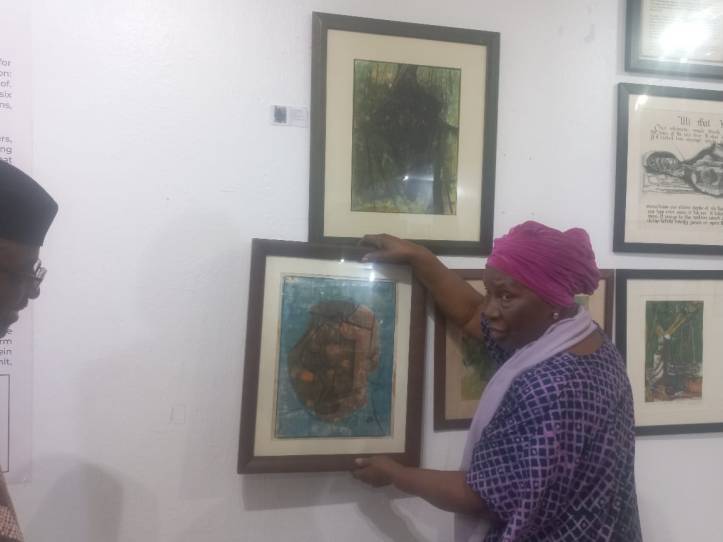
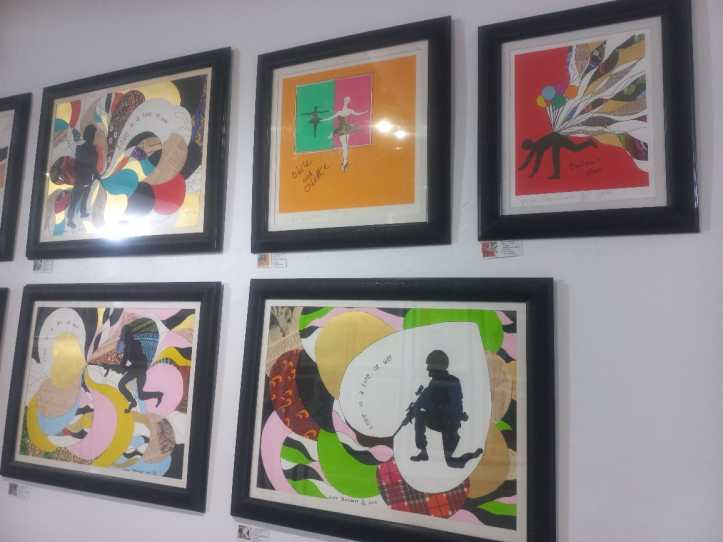
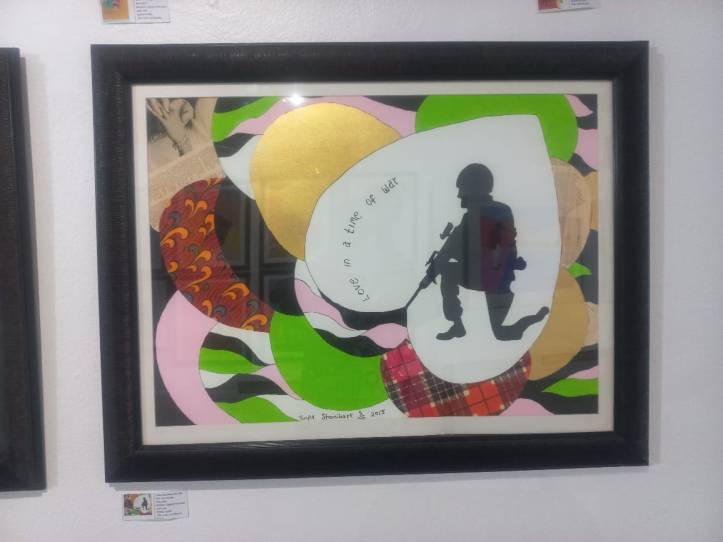
From Wawo the Tailor to Uli That Never Faded and Love in a Time of War, her collection reminds us that art is not only to be seen, but to be remembered as a timeless dialogue between history and heart. She took very few and privilege ones in the building on a journey never to be forgotten.
Words Ireho Aito | Don’t Keep Your Art in the Finger!
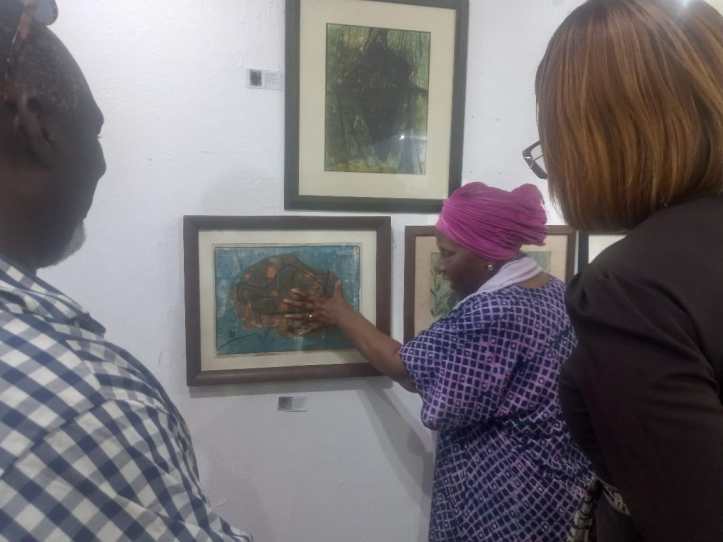
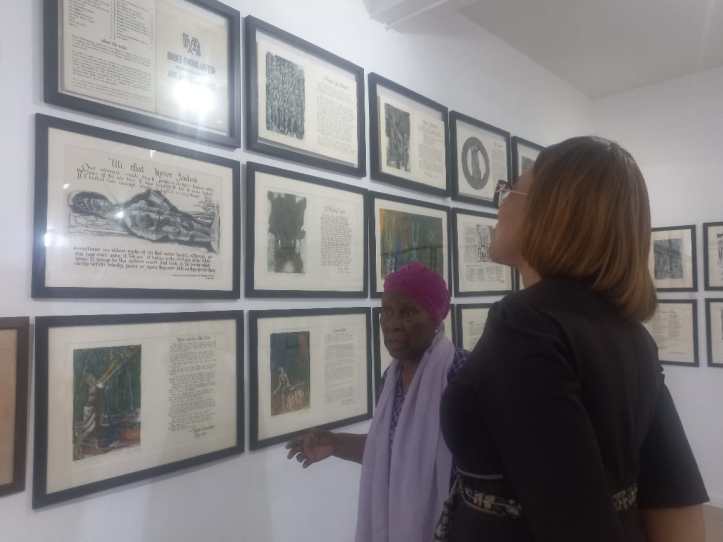
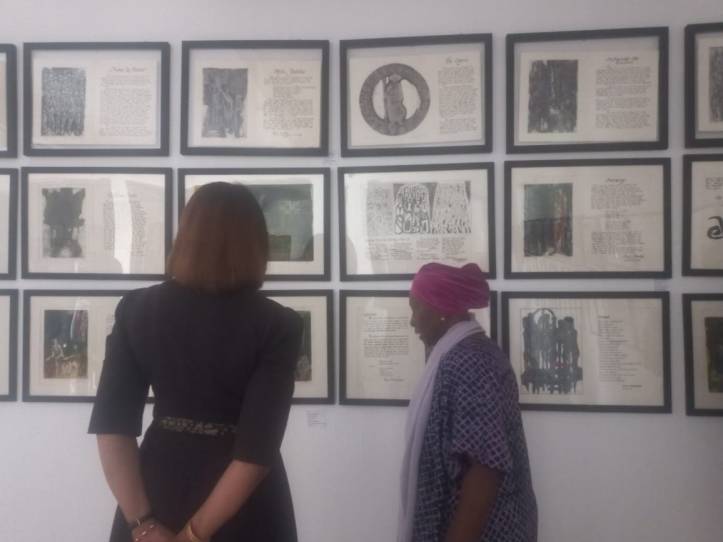
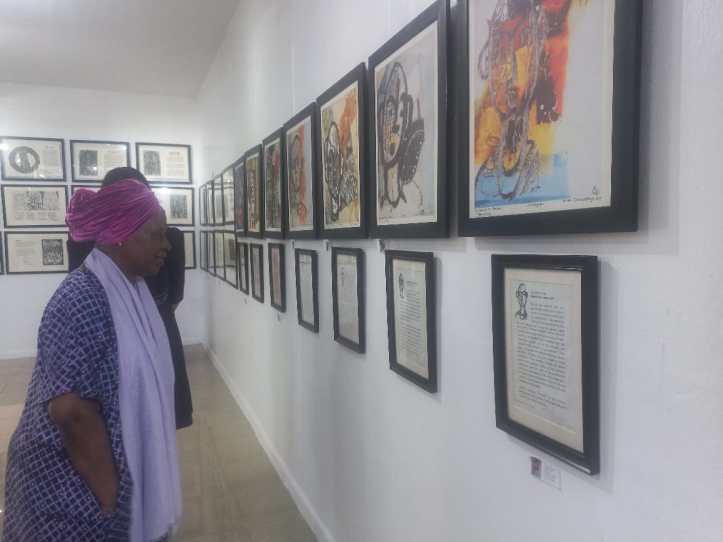
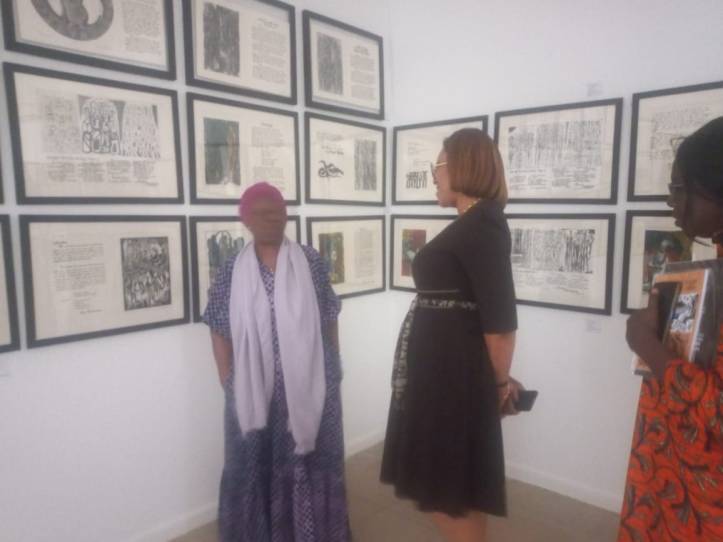
It was a beautiful, sunny Wednesday, the kind of day that seems made for art and stories. I was headed to the National Museum, Onikan, for a scheduled appointment with Mudiare Onobrakpeya, the curator extraordinaire. The setting was perfect, just days after witnessing the opening ceremony of Professor Ebun Clark’s Six Decades of Vision: Bruce Onobrakpeya’s Prints and The Global Print Family in the Collection of Prof. Ebun Clark, what an opening to remember.
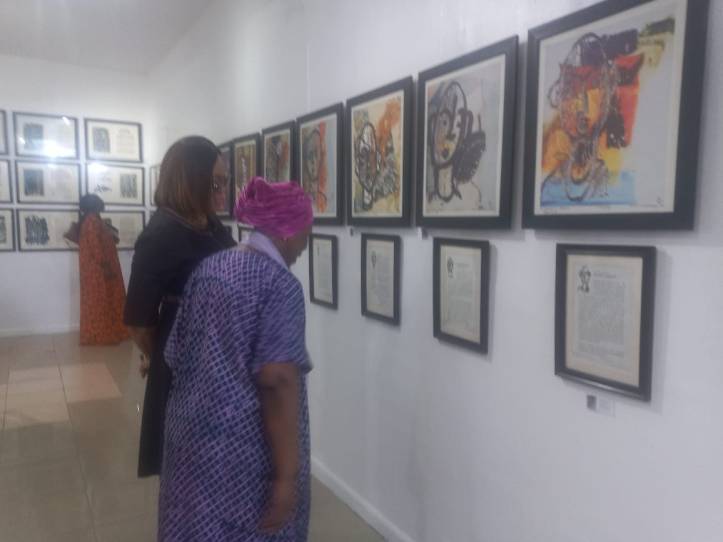
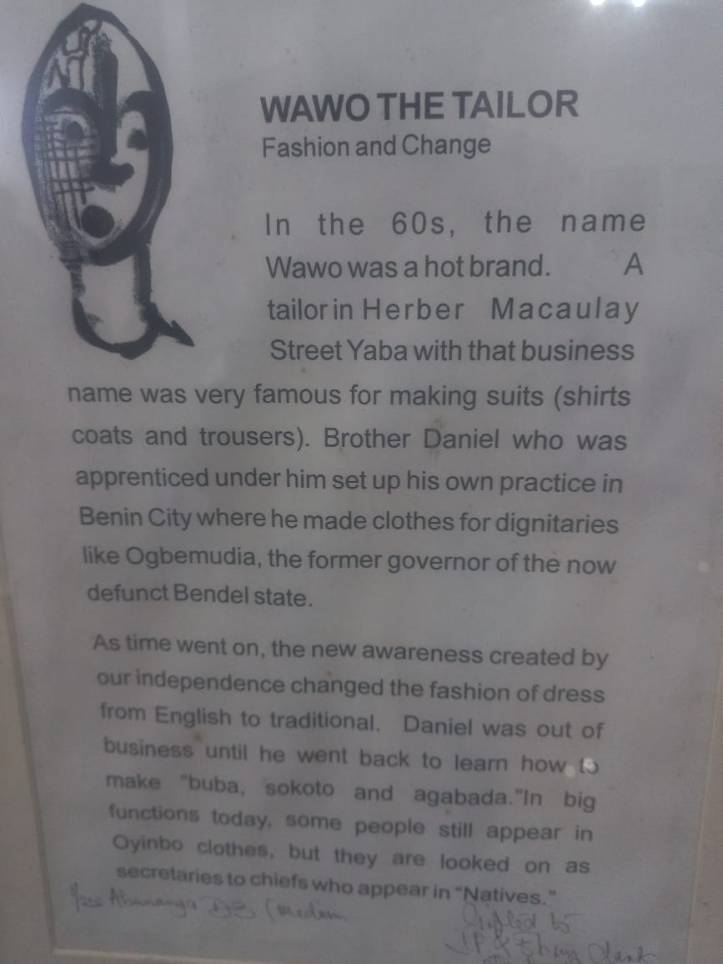
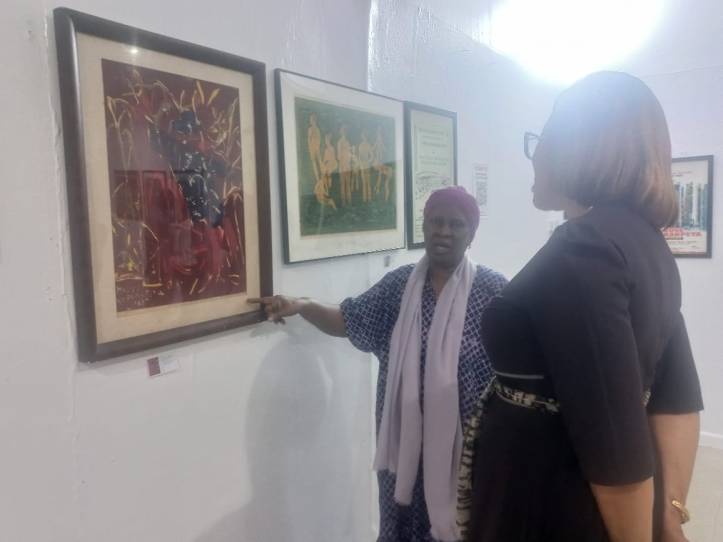
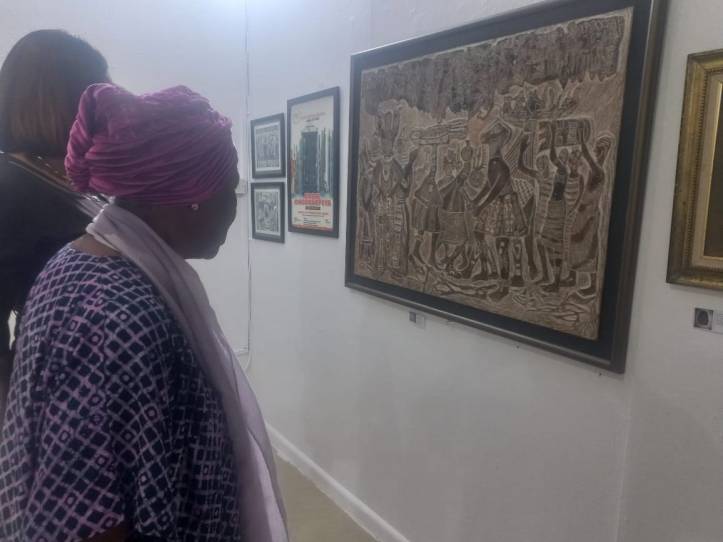
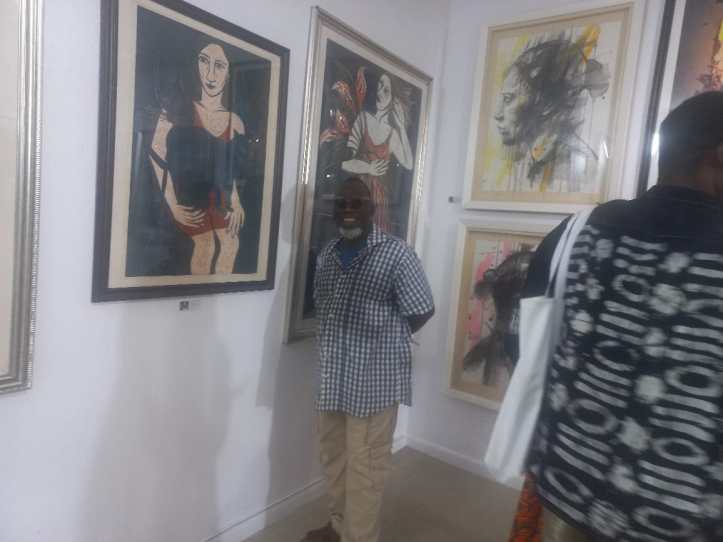
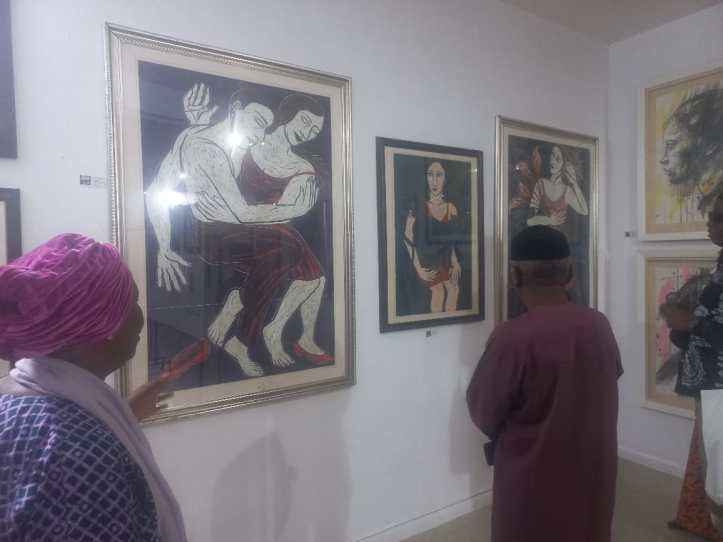
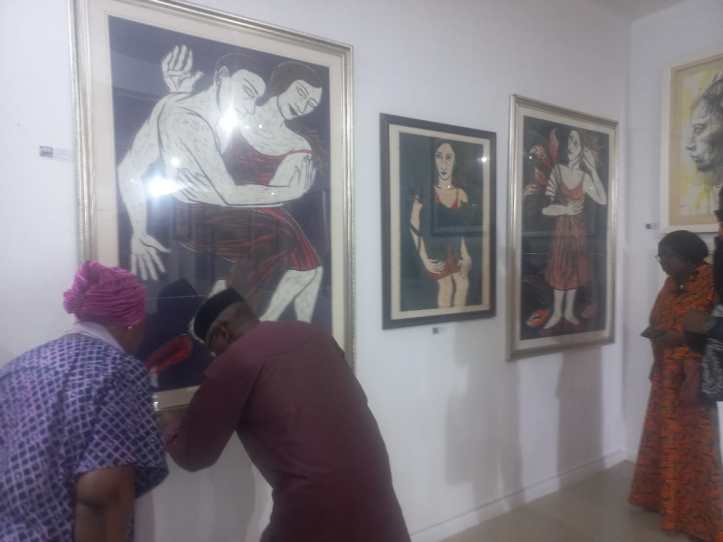
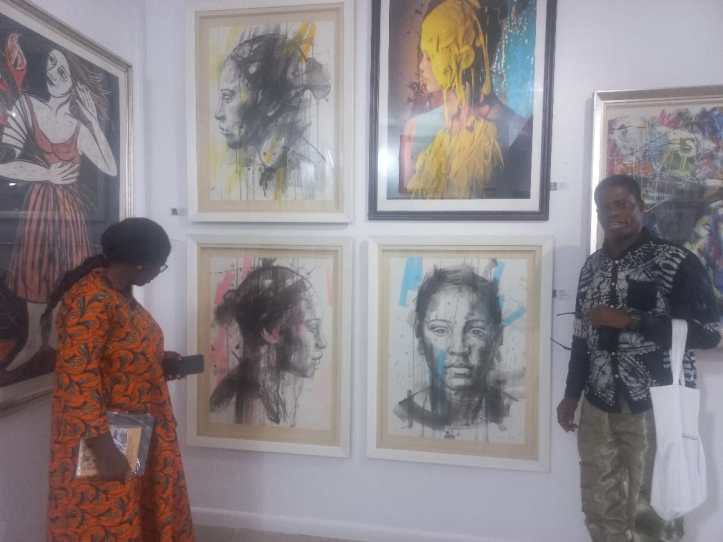
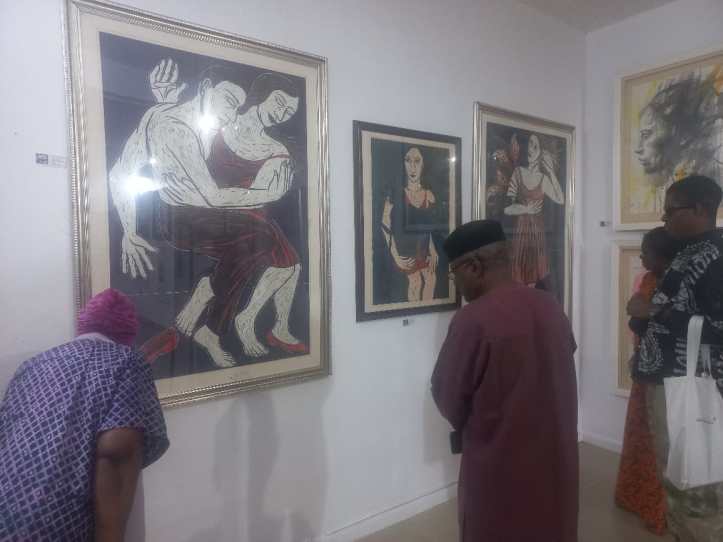
Although the museum is currently undergoing a much-needed facelift, restoration work hasn’t stopped visitors from coming in droves to witness and learn from the legacies of those who paved the way for our cultural existence.
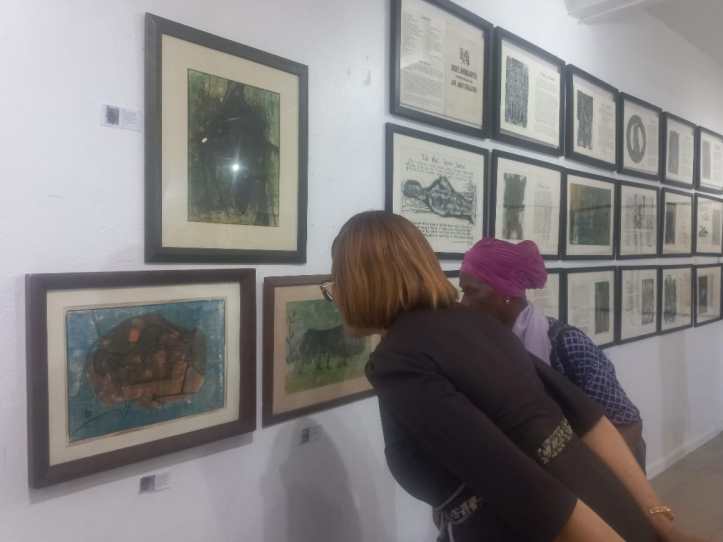
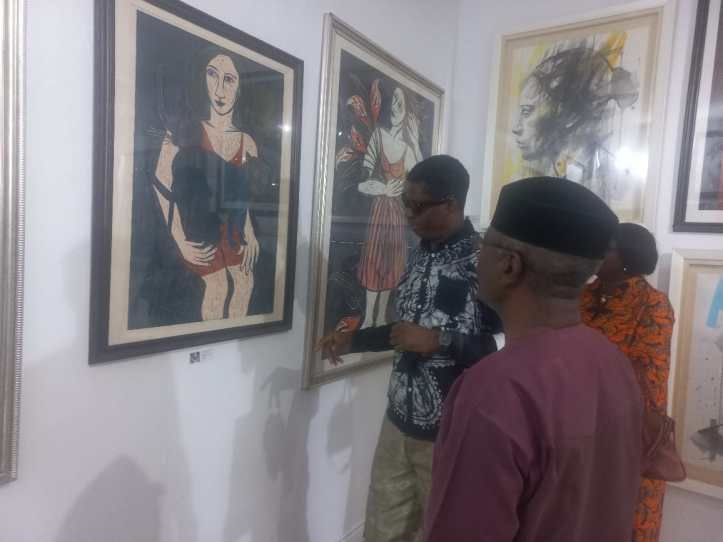
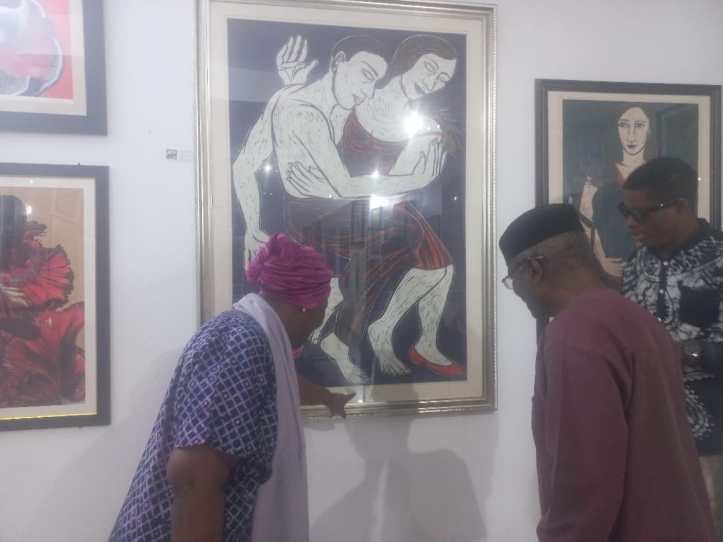
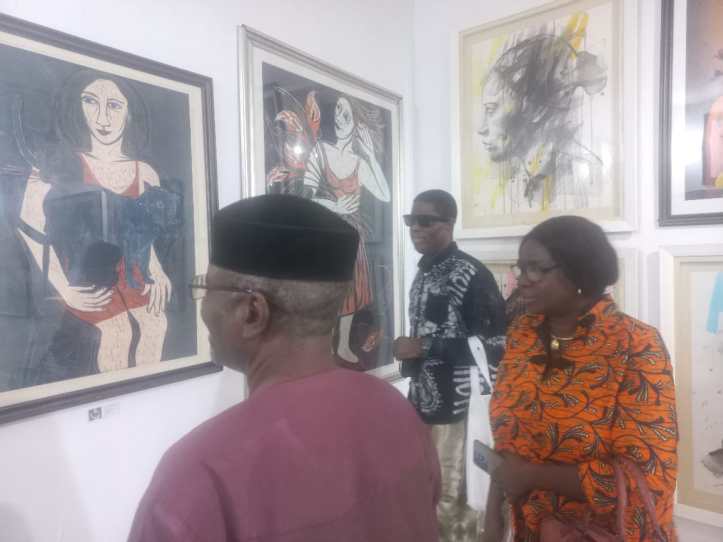
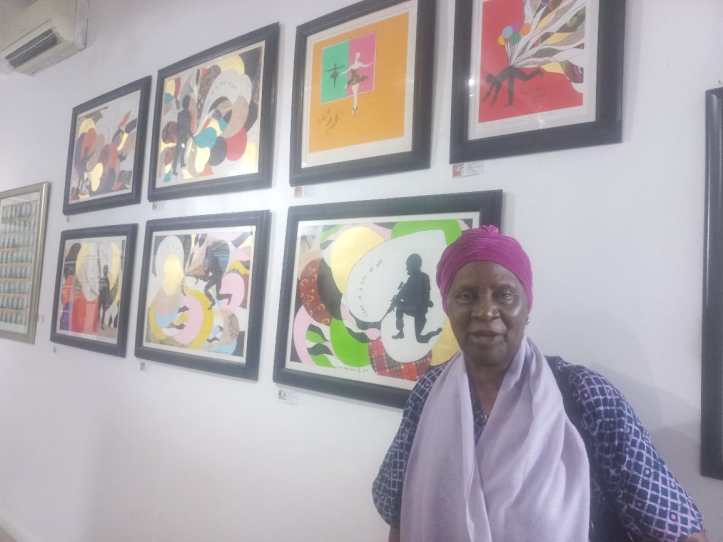
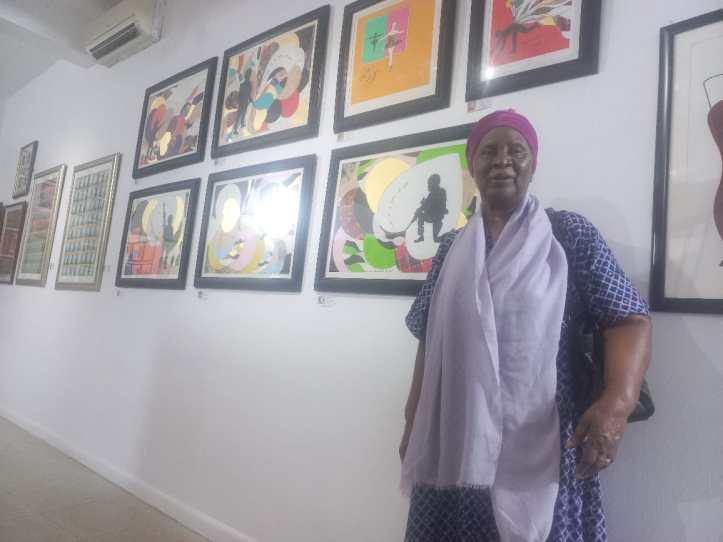
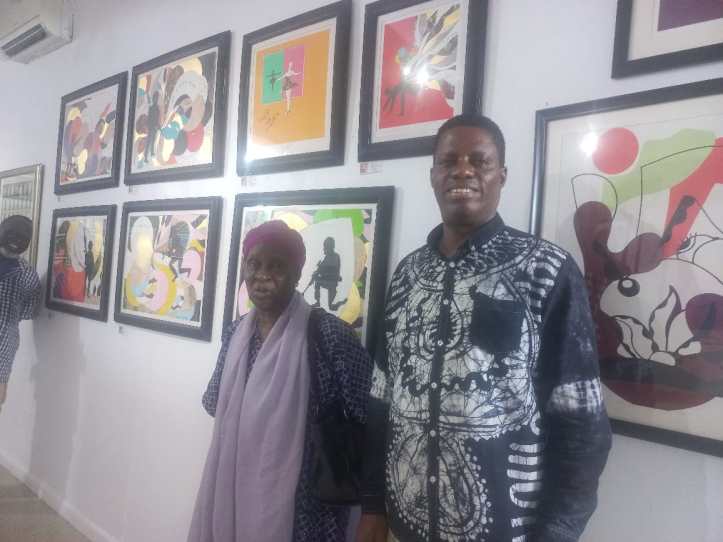
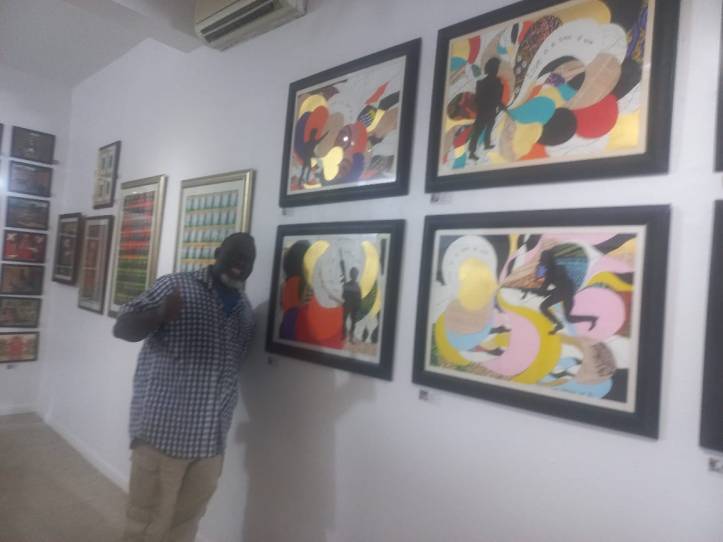
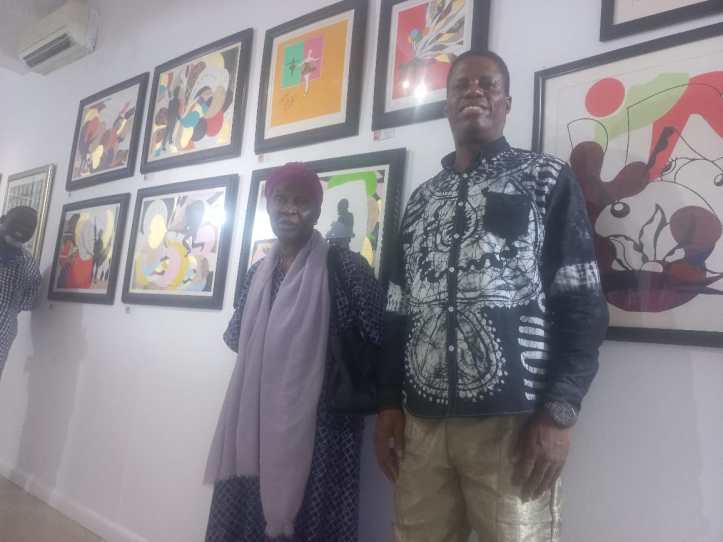
As I entered the gallery, I was greeted by the delightful sight of pupils from various schools being guided by Mudiare Onobrakpeya through the exhibitions. The young visitors nodded attentively as the cerebral curator explained the essence of each piece. It was indeed a lovely day, just as Biodun Omolayo, artist and founder of Omolayo Gallery, would always say, “Allow the young ones to feel the art early, because the earth belongs to them.” The pupils were visibly thrilled to experience art and memory firsthand.
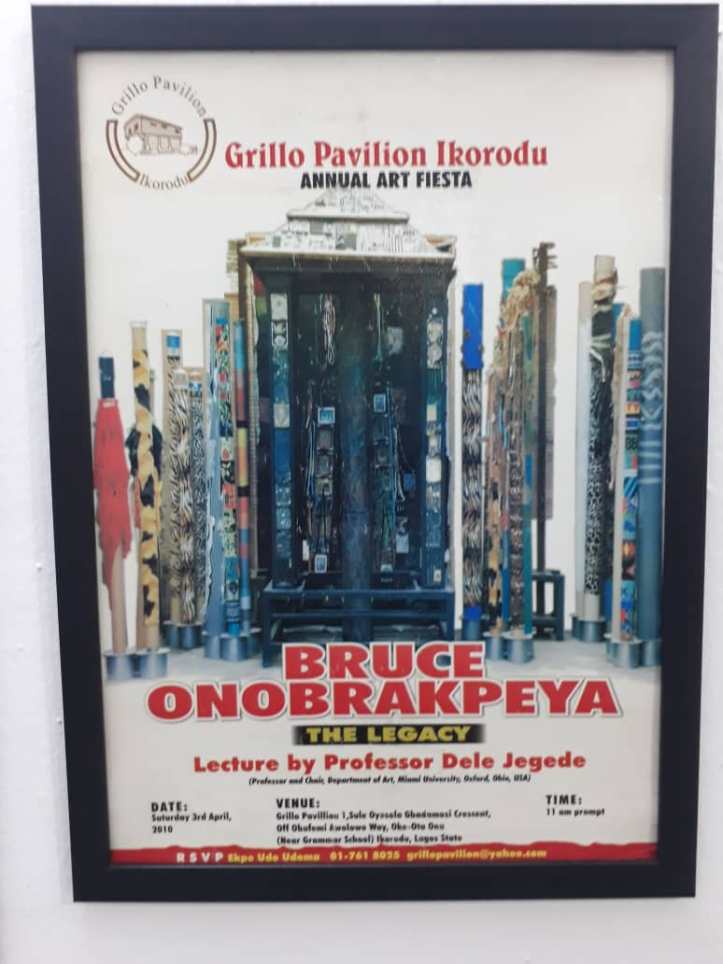
Mudiare Onobrakpeya, ever detailed and articulate, is a curator with depth. Only days before the exhibition, he had been in London with our national treasure, the living legend Professor Bruce Onobrakpeya, attending the Nigerian Modernism exhibition, a truly spectacular moment in Nigeria’s visual art history.
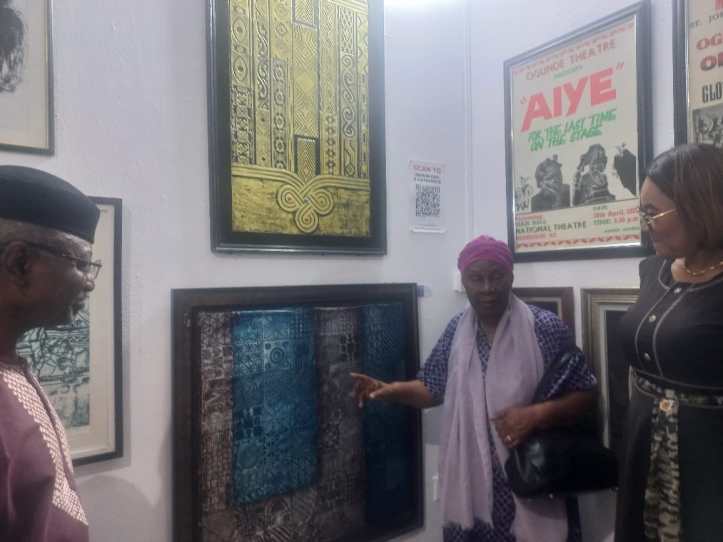
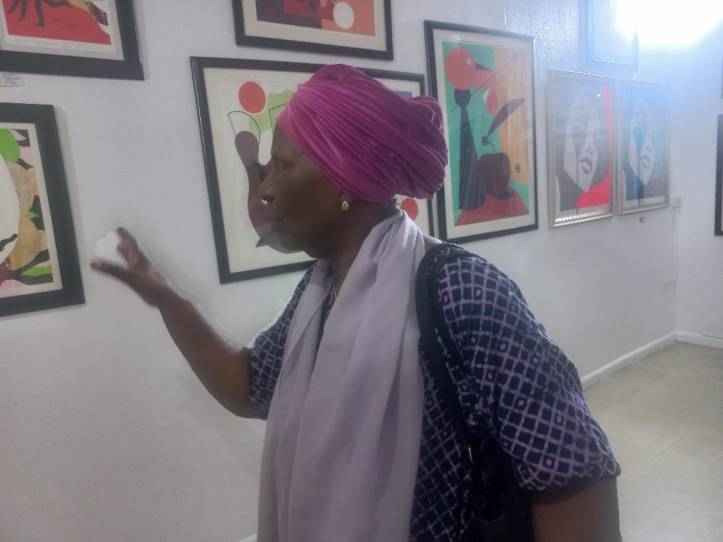
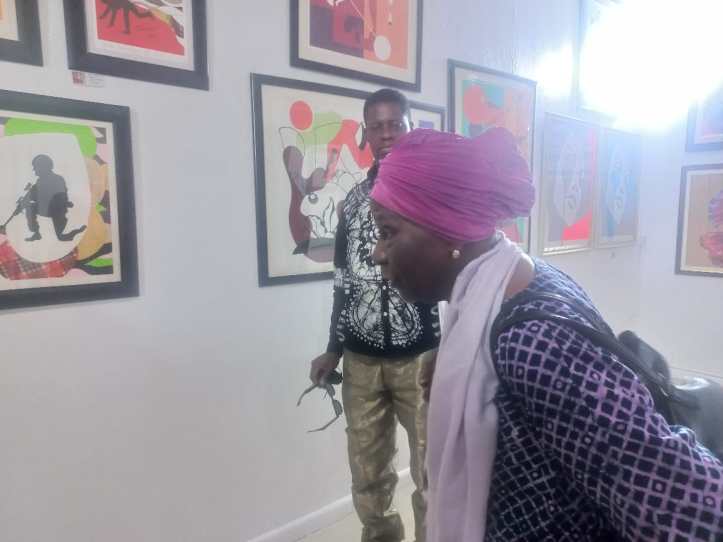
A few moments later, Professor Ebun Clark herself arrived. Her presence filled the gallery with quiet excitement. One could sense admiration ripple through the small gathering as more visitors and art enthusiasts streamed into the exhibition hall to celebrate an amazon who has passionately collected prints since December 1st, 1965 from Bruce Onobrakpeya and many others featured in her growing collection.
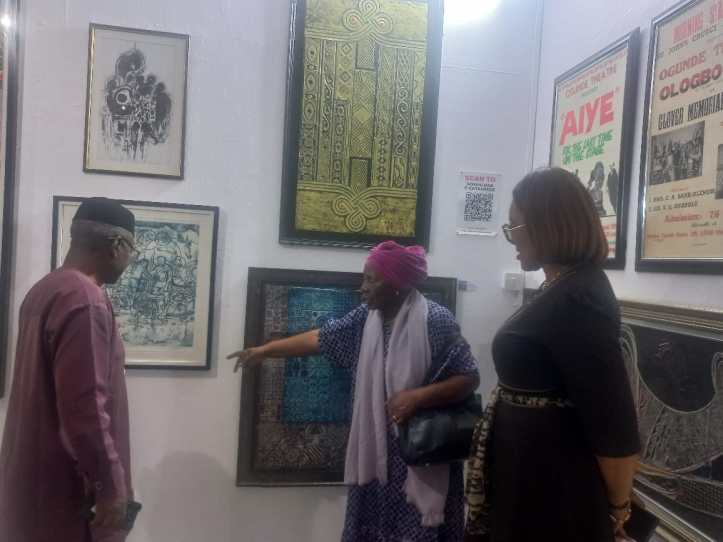
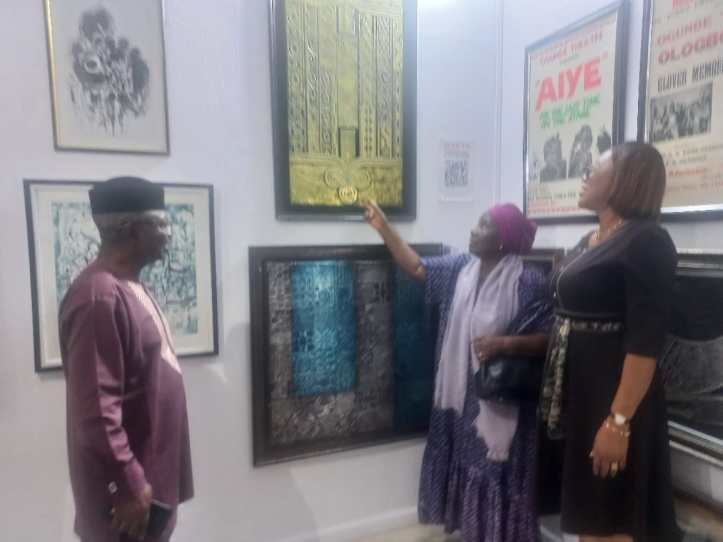
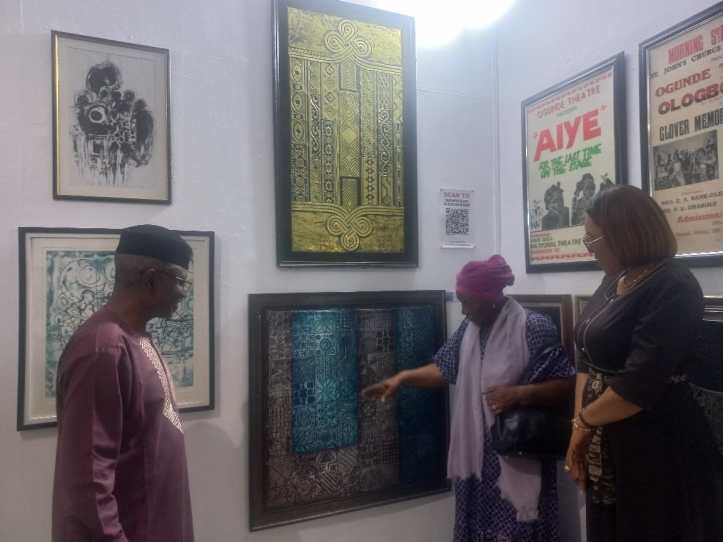
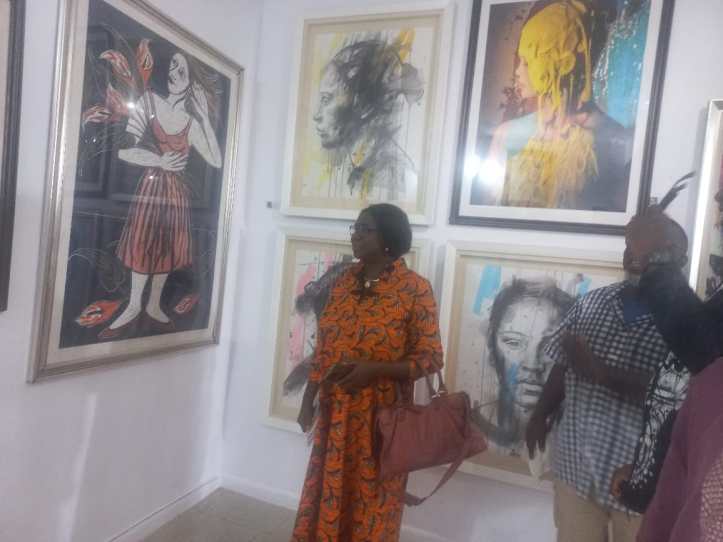
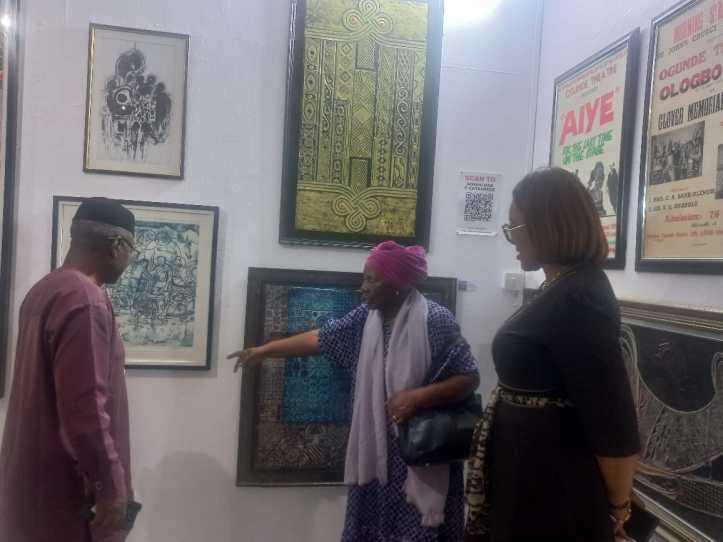
Ever gracious, Professor Clark led a captivating, TEDx-like conversation on the importance of art collecting. “It is a life and time investment one could have,” she said. In attendance that Wednesday were notable figures such as Nkechi Adedeji, Curator at the National Museum; artist Juliet Ezenwa Pearce; the septuagenarian but ever-in-demand curator Moses Ohiomokhare; Larry Segun-Lean, Founder of Mind of the Masters Creative Gallery; and unexpectedly, ace broadcaster Femi Obong-Daniels, his wife Elizabeth, and their children, who joined in the conversations about art collecting and legacy.
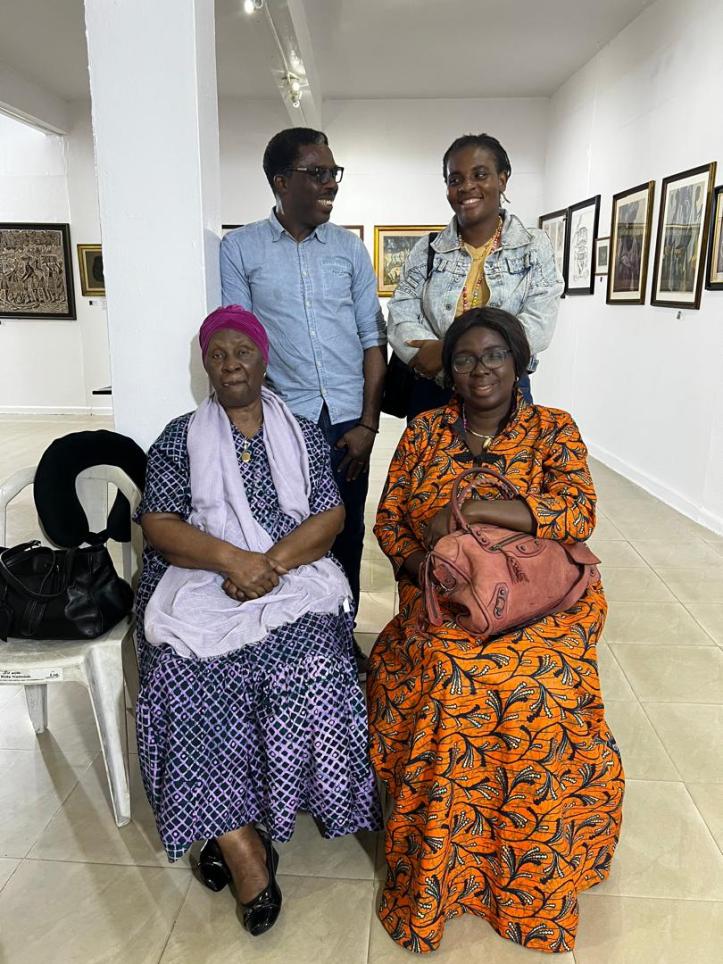
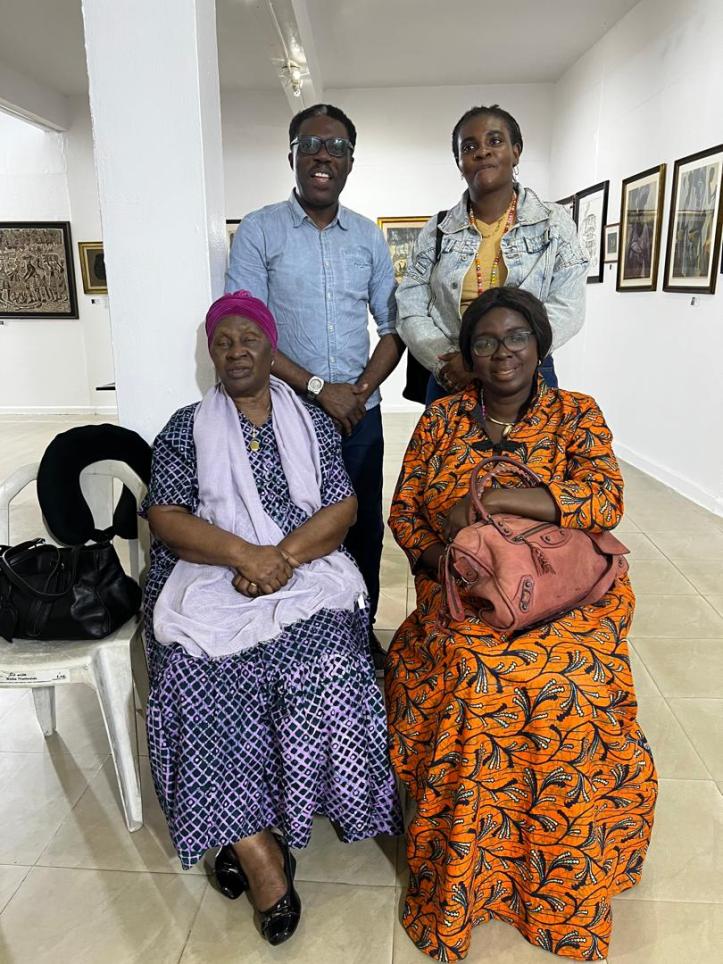
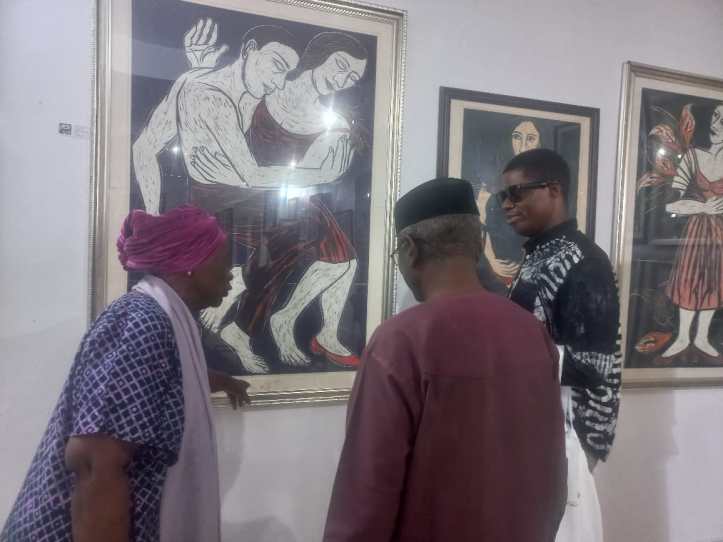
Ebun Clark emphasised the importance of timing, be there at the right time and discernment in collecting. “You must know what to collect, why you are collecting, and never forget that history and time will eventually come calling,” she enthused and this is one truth that has come alive for her in 2025.
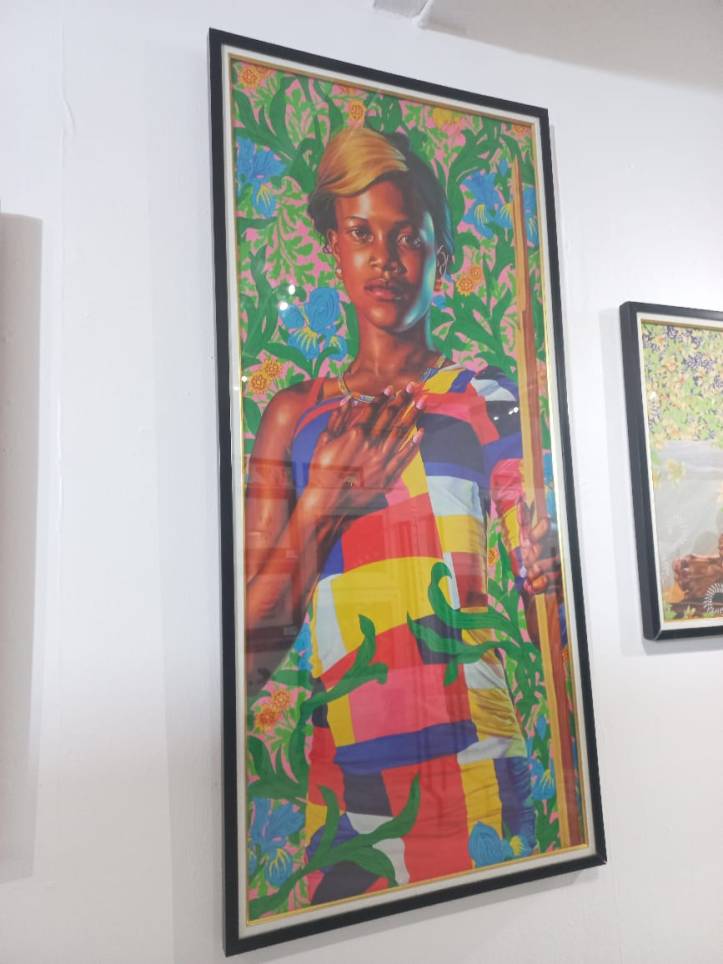
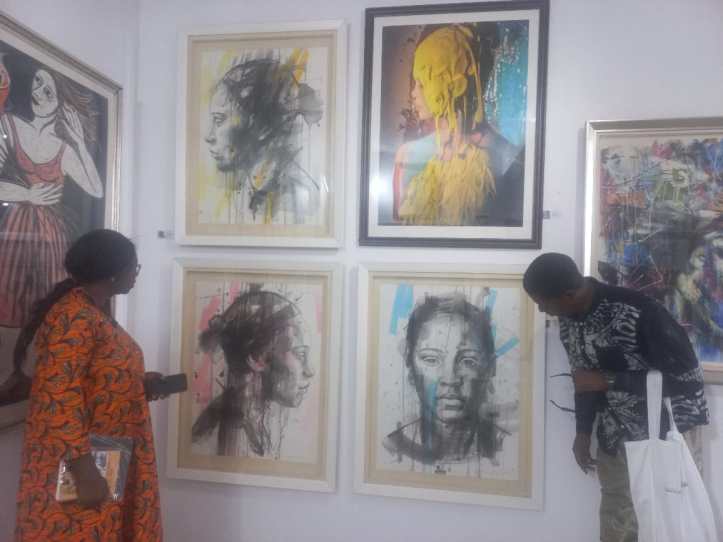
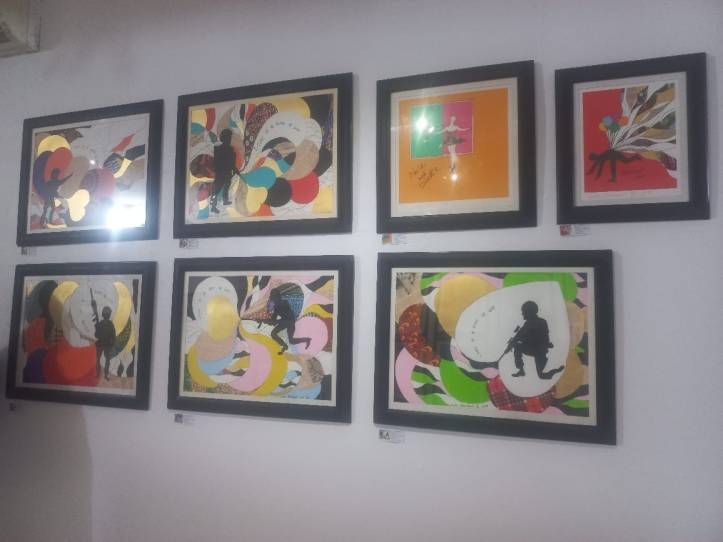
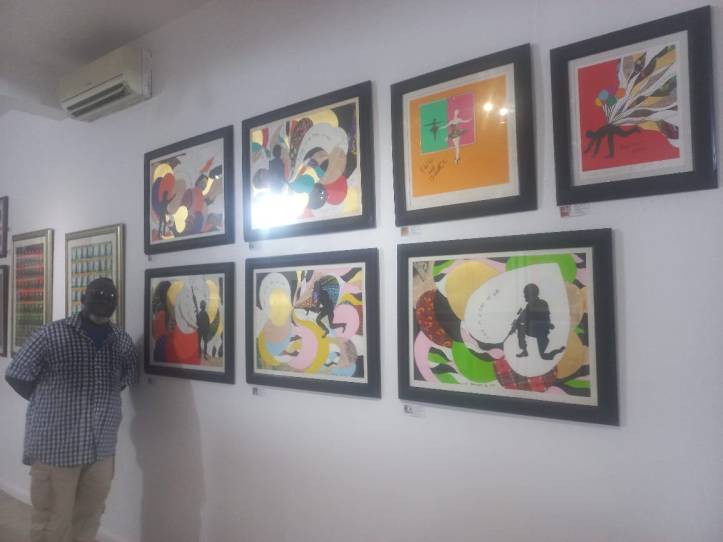
Her illustrious roll call of artists was on display, tracing six decades of art history. Her first-ever collection, Moon and Offending Christian, a lino print acquired in 1965, marks the genesis of her journey. In the exhibition brochure, the story unfolds vividly when her husband, Prof. J. P. Clark took her to Bruce Onobrakpeya’s studio in Mushin. She explained how she picked up a “discarded” print from Bruce Onobrakpeya’s Mushin studio despite his insistence that it was unsatisfactory. “I told him I would still like to buy it,” she recalled with a smile. “According to his record, he charged me three pounds.” That single act sparked a lifelong passion. On that very day, December 1st, 1965, she purchased two more prints, spending a total of nine pounds on what would become the foundation of one of Nigeria’s most significant private print collections.
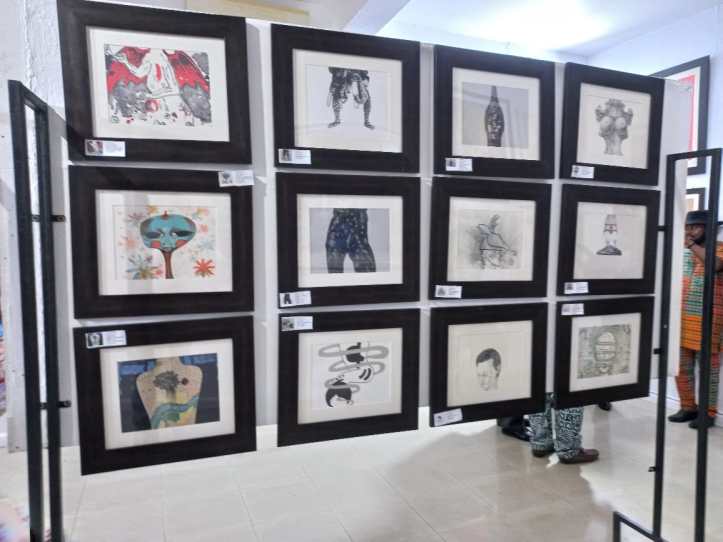
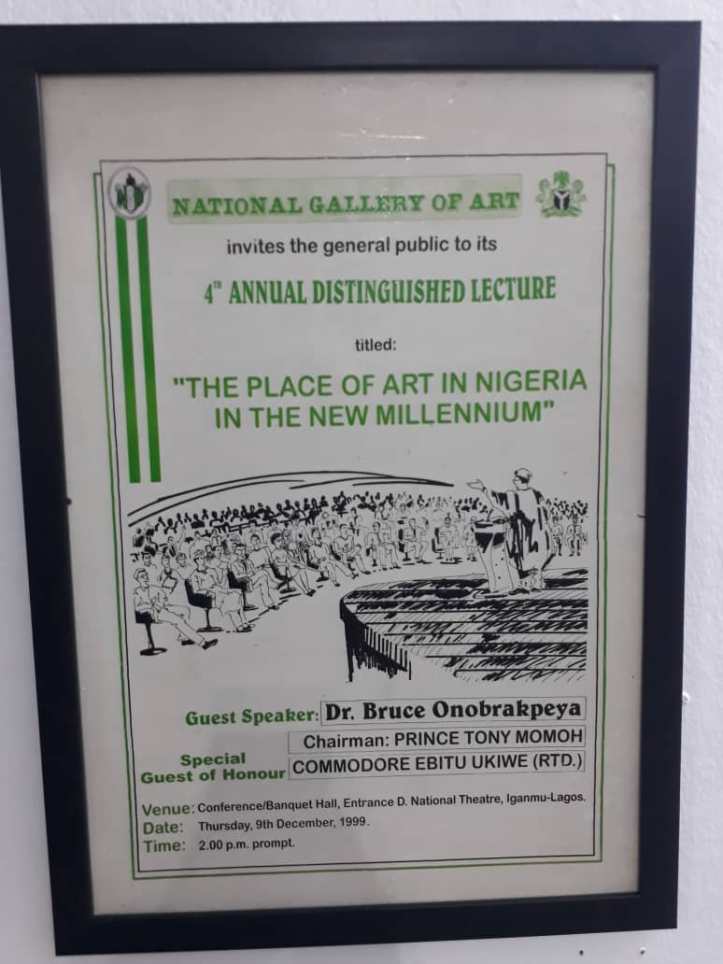
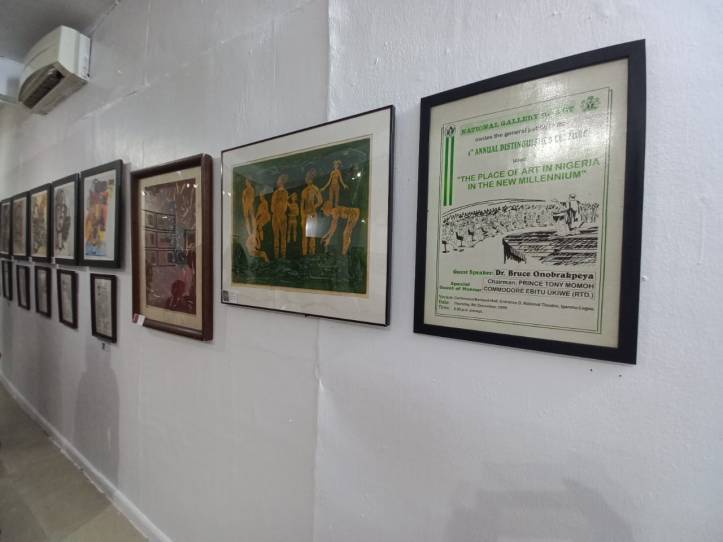
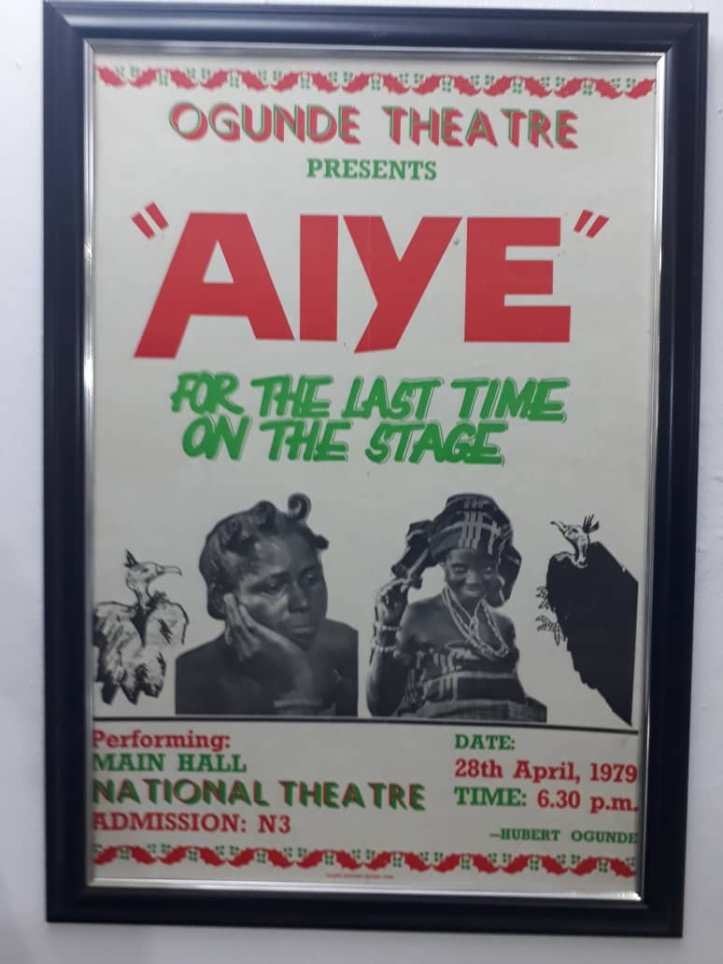
Today, the exhibition hall of the National Commission for Museum and Monuments, Onikan, has been transformed into a living archive, a historical spread of printmaking from generation to generation, one era to another. Truly, it is an epoch-making event.
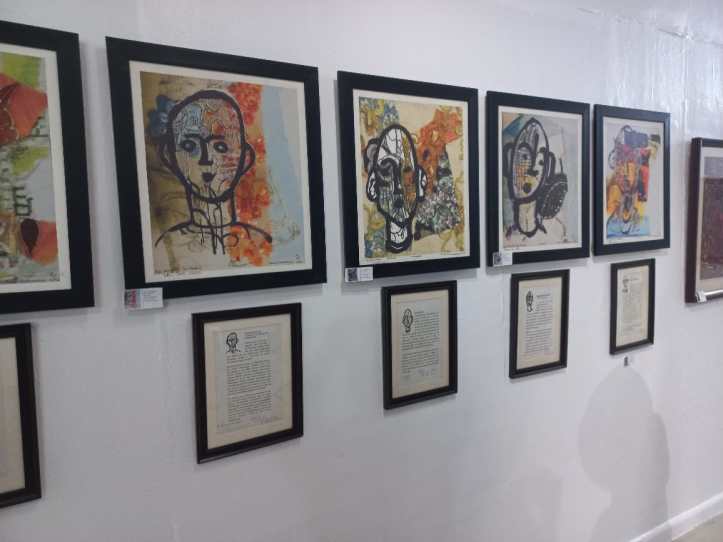
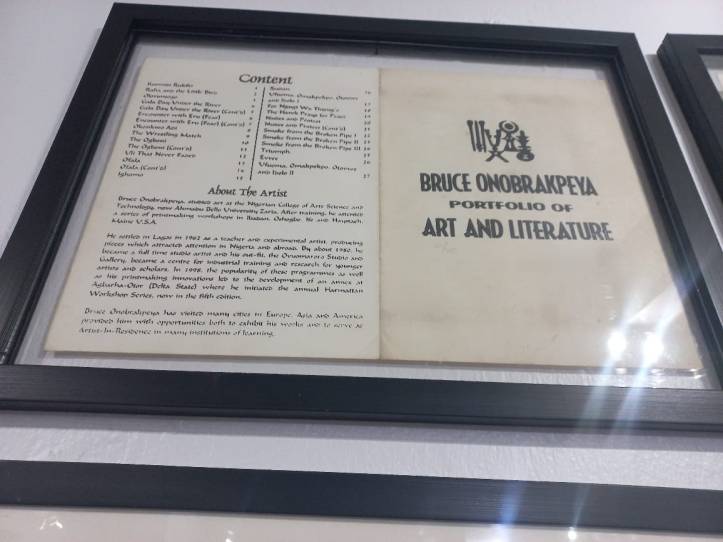
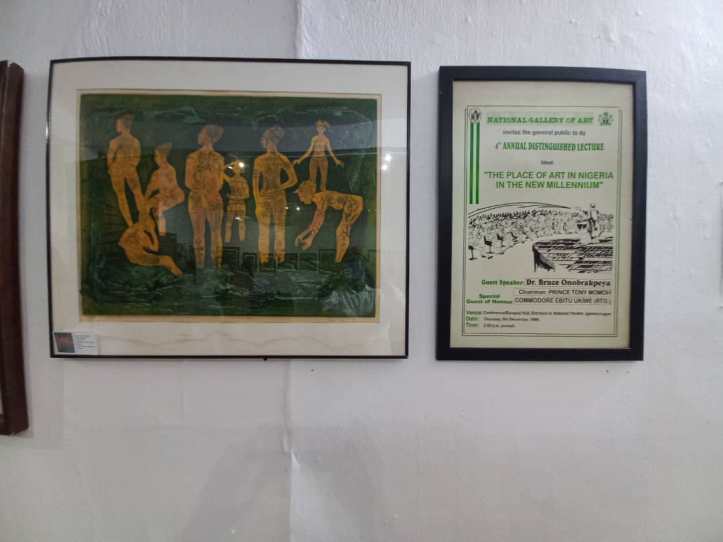
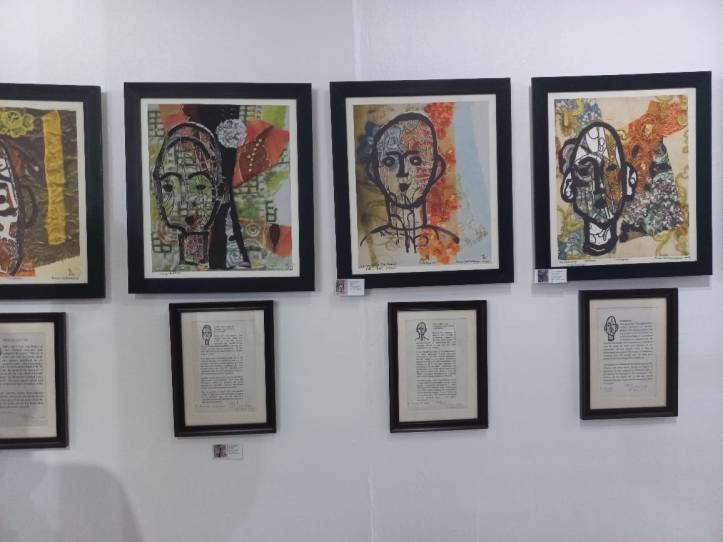
A storyteller and cultural historian, Professor Ebun Clark guided privileged visitors through the gallery, reviving forgotten histories and bringing meaning to every print. Apart from a room dedicated to Bruce Onobrakpeya’s prints, the exhibition also showcased works by iconic names such as Ben Enwonwu, Uche Okeke, Omotayo Aiyegbusi, and Solomon Irein Wangboje, representing the elders’ generation. Other artists featured in the collection include Clary Nelson Cole, David Dale, Peju Layiwola, Kunle Adeyemi who was pleasantly surprised to see his works in her collection, you still the works of Gab Awusa, Juliet Ezenwa Pearce, Joe Amenechi, Emmanuel Mbanefo, Aladegbongbe Aderinsoye, Ufuoma Onobrakpeya, Shina Yusuff, Yinka Shonibare, Deborah Segun, Akintunde Disu, Osinachi, Dennis Osadebe, Abi Ola, Eileen Cooper RA, OBE, Carol Muthiga-Oyekunle, David Walker, Lionel Smit, Liliana Porter, Nick Cave, Robert Pruit, Toyin Odutola, Hung Liu, Sonia Boyce, Pure Evil, Kehinde Wiley, Ben Enwonwu, and George Osodi, each contributing to what she calls “the global print family.”
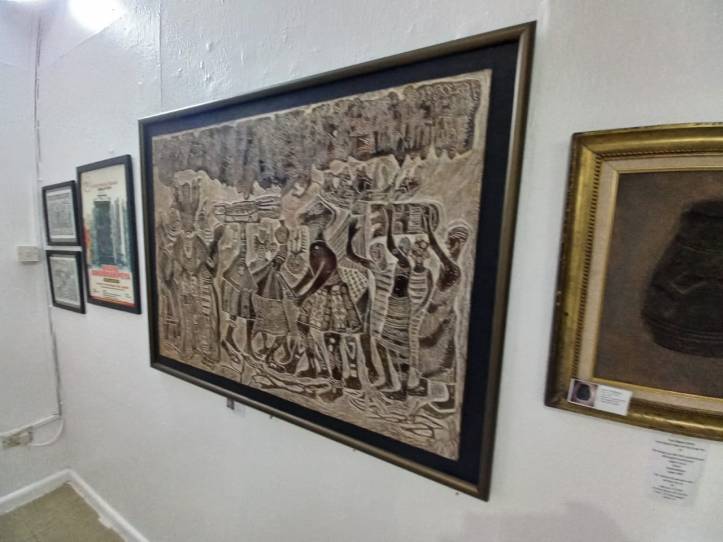
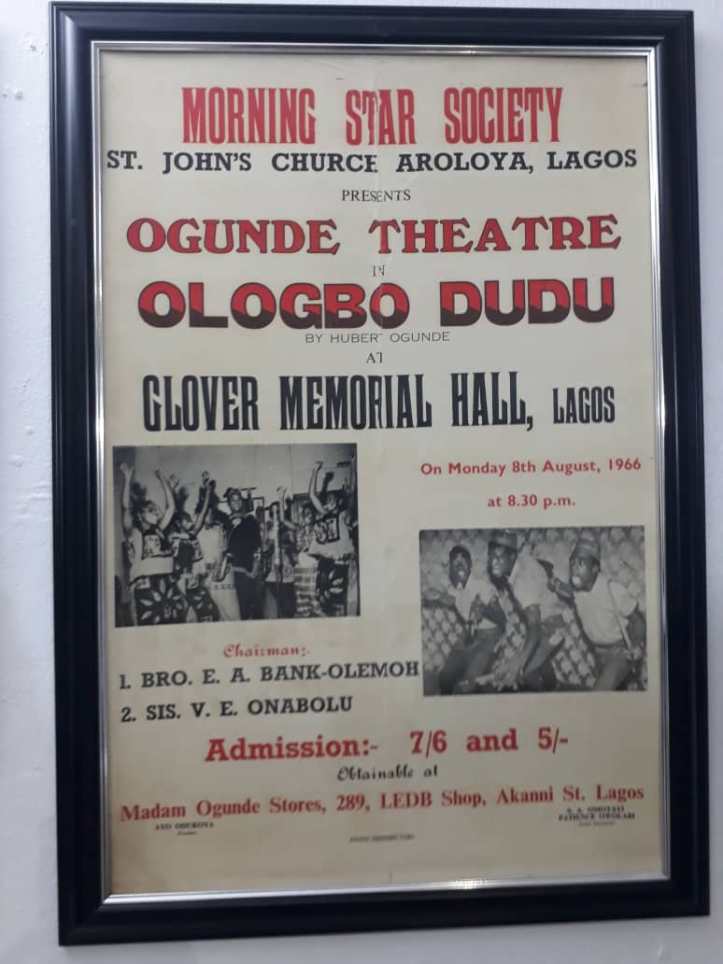
The exhibition features an impressive range of printmaking formats, techniques, and styles such as Metal Foil, Monoprint, Aluminium Foil, Intaglio Print, Lino Print, Etching, Monograph, Cartography, Collagraph, Plastocast, Stone Print Plastograph, Paintocast, Photography, Woodcut, Lithograph, Spray Paint Print, Archival Giclée, Dry Paint, Deep Etching, and Lino Engraving, all represented in diverse, stunning forms.
Through her words, her presence, and her ever-expanding legacy, Professor Ebun Clark continues to educate, inspire, and remind us that collecting art is both a cultural duty and a timeless form of storytelling, all beautifully captured in pictures from one unforgettable day.

