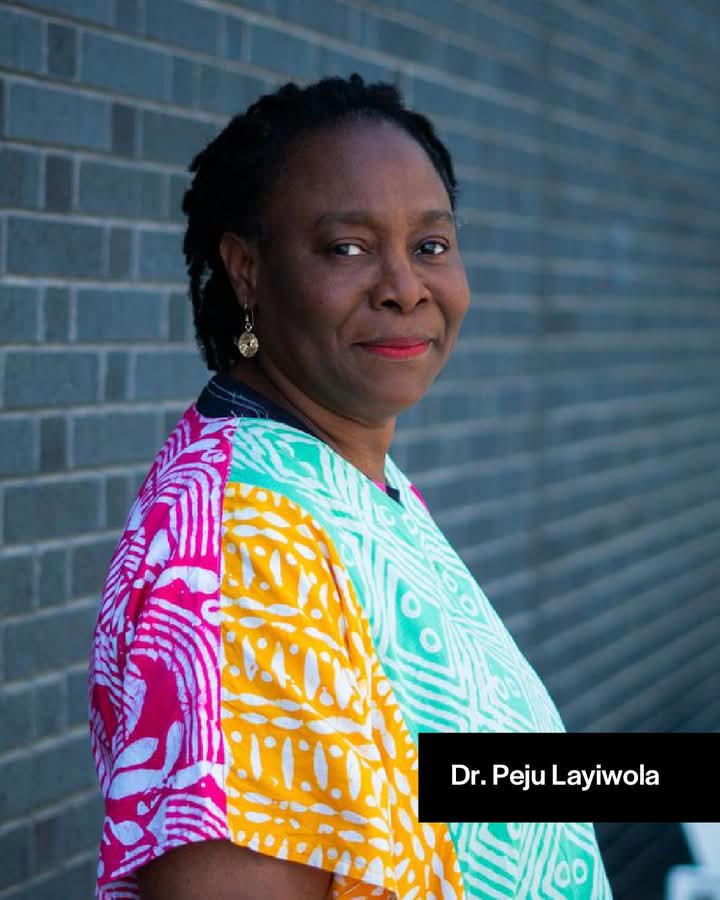
When Professor Peju Olowu Layiwola announced her retirement, it was through a formal communiqué or institutional memo, but in her own words, very warm, reflective, and deeply personal. “Yes, it is official!” she began on her Facebook page, marking the close of a distinguished academic journey that has shaped Nigeria’s art history, scholarship, and generations of cultural leaders.
Words Ireho Aito | Don’t Keep Your Art in the Finger! Photographs courtesy Prof. Peju Layiwola Archives
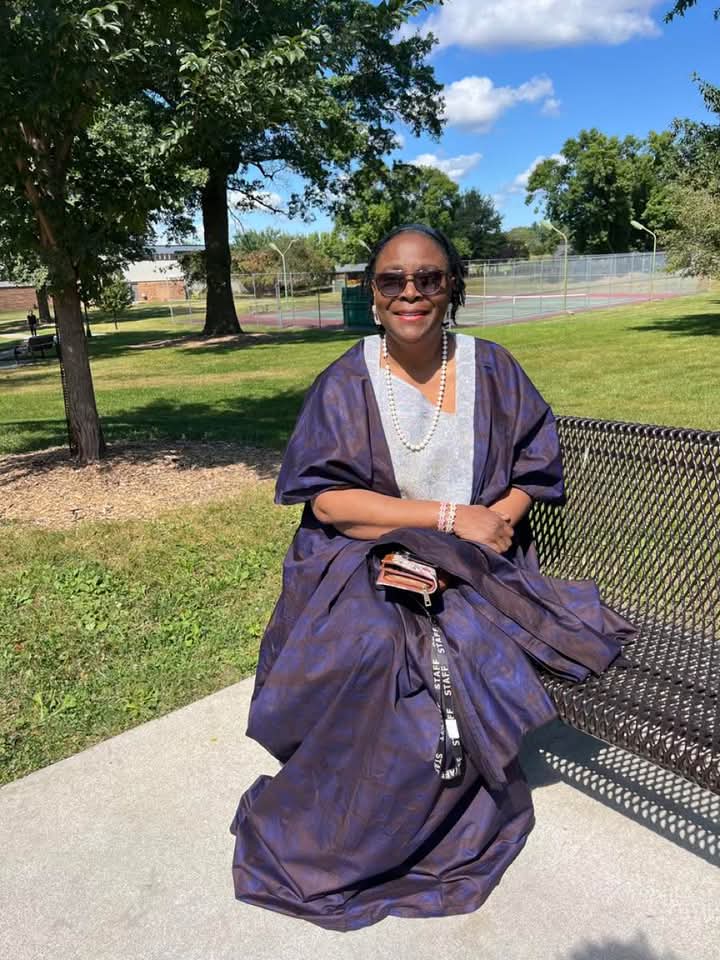
Sometime at the early turn of the new millennium, Prof. Peju Layiwola was at the historical Ovuomaroro Gallery situated at 41, Oloje Street, Mushin, Lagos. This is a street that needs no introduction in the art, culture and marketing communication spaces. This high building is the legendary abode of one of Africa’s most important culture custodians, Professor Bruce Onobrakpeya.
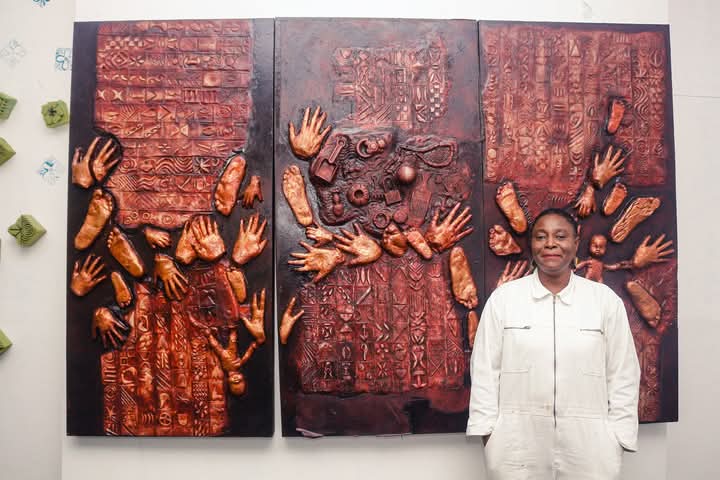
On this fateful afternoon, Professor Onobrakpeya was actually preparing for his much advertised and anticipated “Portfolio of Art and Literature.” Peju Layiwola came courteously into the building with her cute son to check on the sage and support his vision. Quietly, she went in after much exchange of pleasantries with the resident artists and staff at the time. Few moments later, Baba Bruce, Peju Layiwola and her son came out for her departure. The cosmopolitan Professor Bruce Onobrakpeya wanted to know how she was driving on the road, “so madam, are you still driving down to Ibadan today, don t you think it would be that tiring for the two of you?” he had asked. Professor Peju Olayiwola’s smile was enough to decode her response even when it was difficult to pick it. What a woman with royal presence. She is so élan.
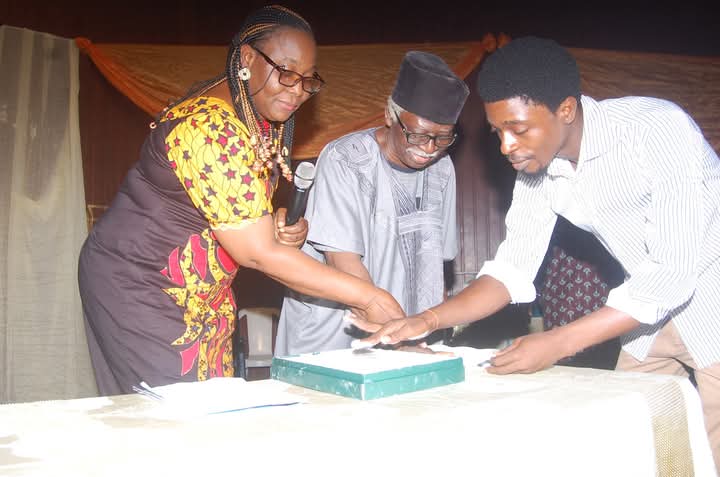
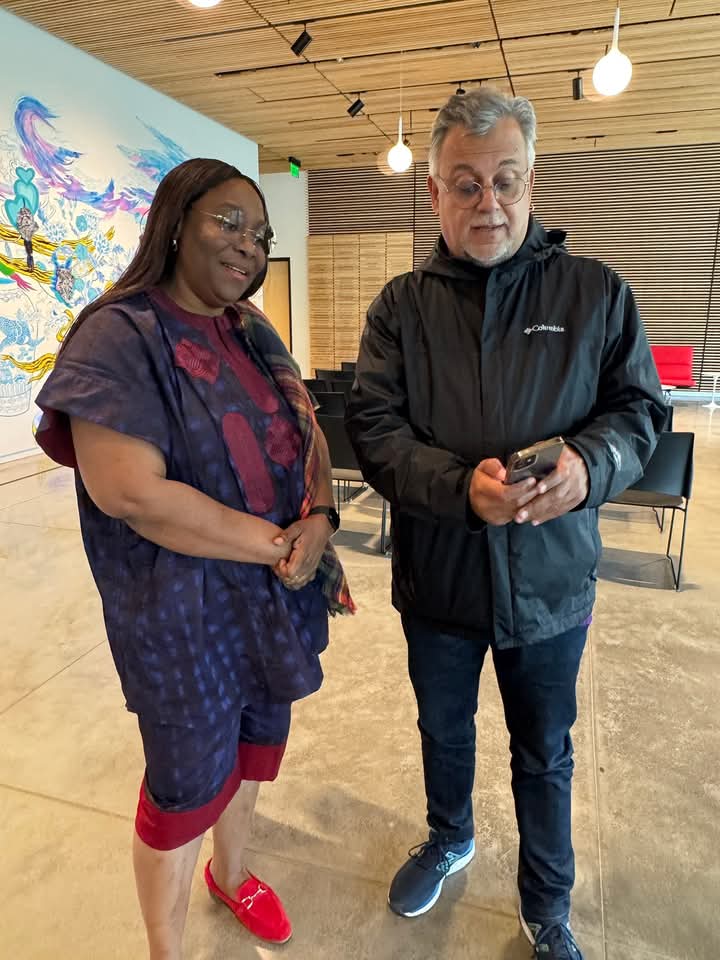
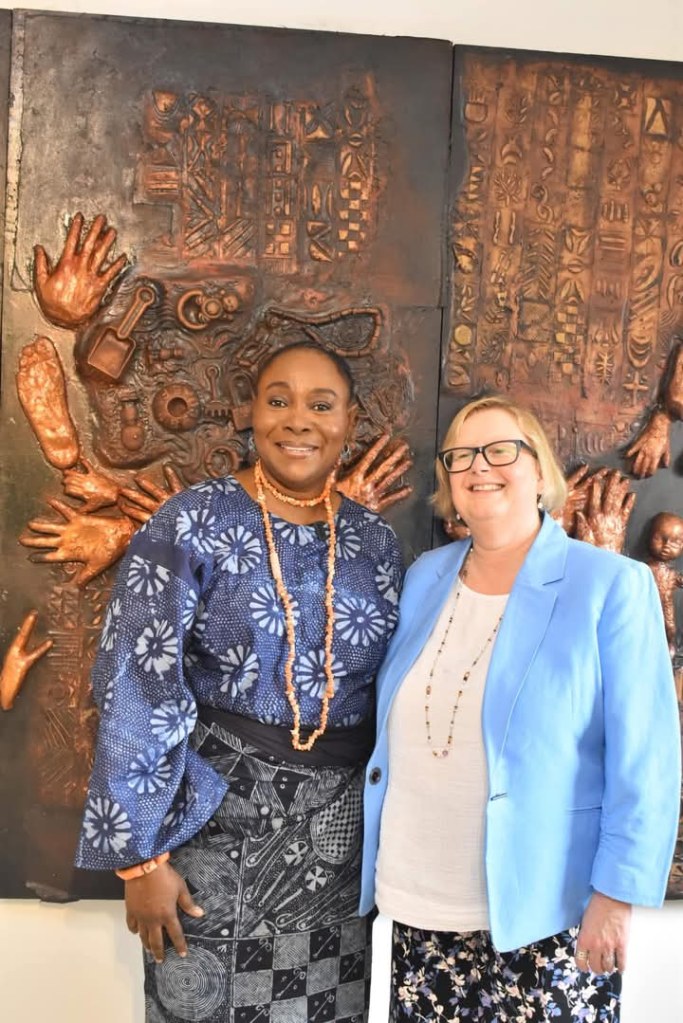
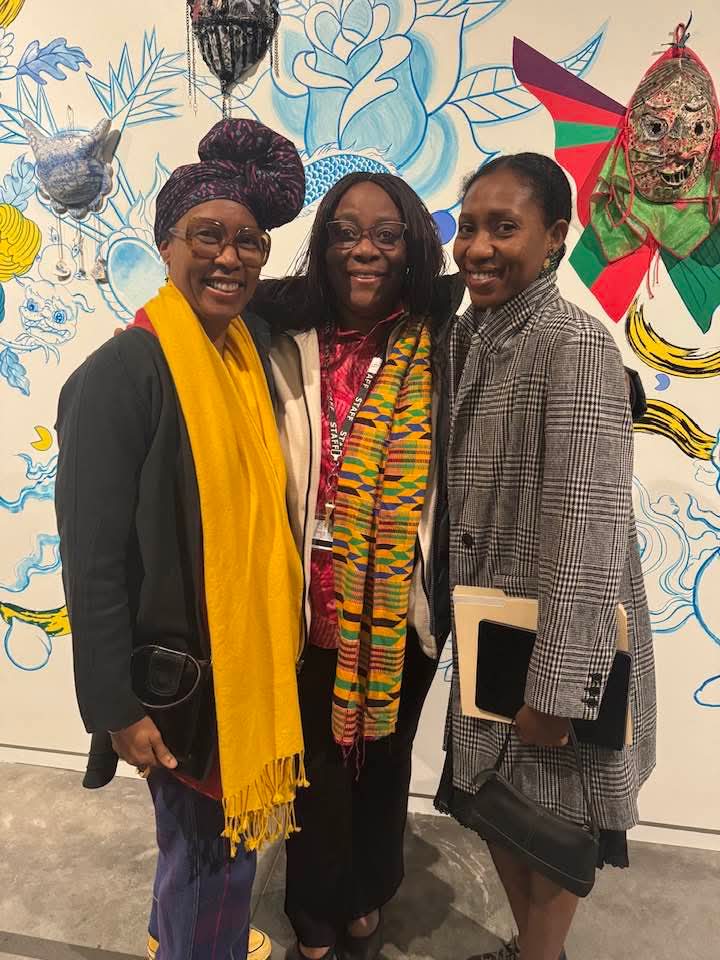
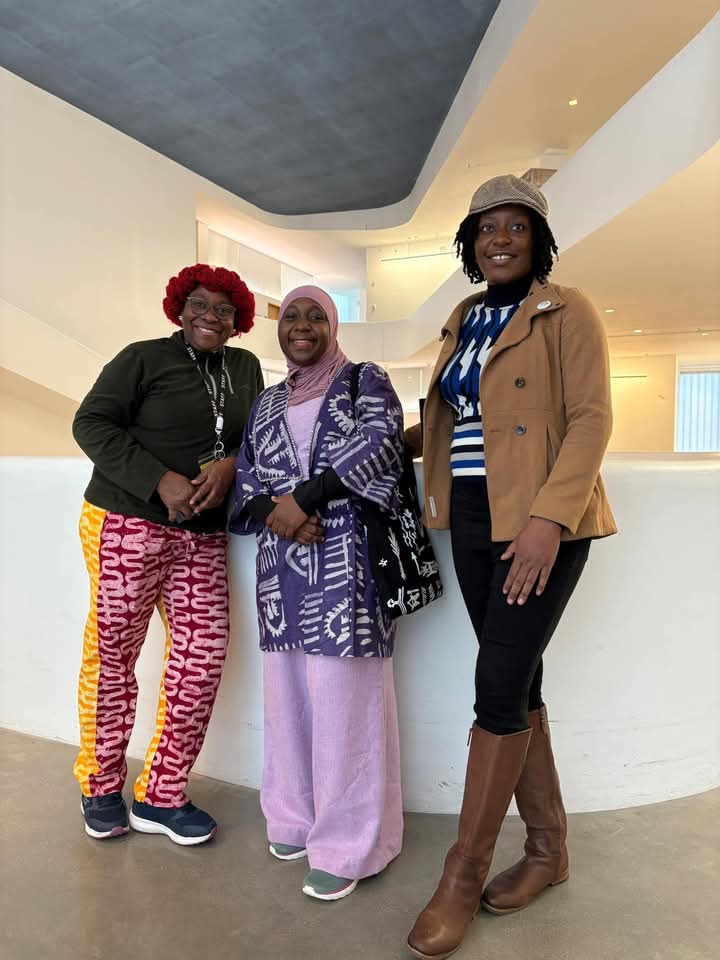
For a woman whose life has been a dialogue between history and modernity, stepping away from the classroom is less an exit than an evolution. And to understand Layiwola is to understand lineage not merely of blood, but of bronze, memory, and responsibility.
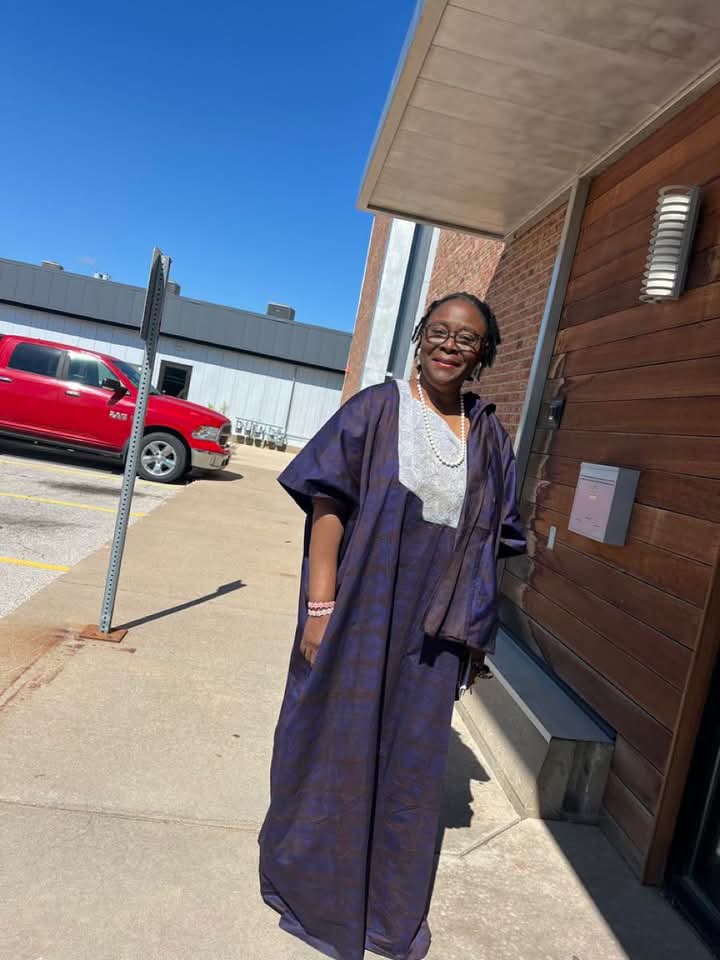
Born into Benin royalty, Peju Layiwola is the daughter of respected Princess Elizabeth Olowu, the pioneering female artist who broke gender barriers in a male-dominated guild tradition in the mid-20th century. From childhood, Peju Layiwola inhabited a world where art was both vocation and responsibility. It became an inheritance she transformed into a lifelong commitment to heritage preservation.
Her upbringing in Benin’s artistic ecosystem, combined with formal academic training, enabled her to bridge indigenous knowledge systems with global art historical frameworks forming a synthesis that defines her scholarship and studio practice.
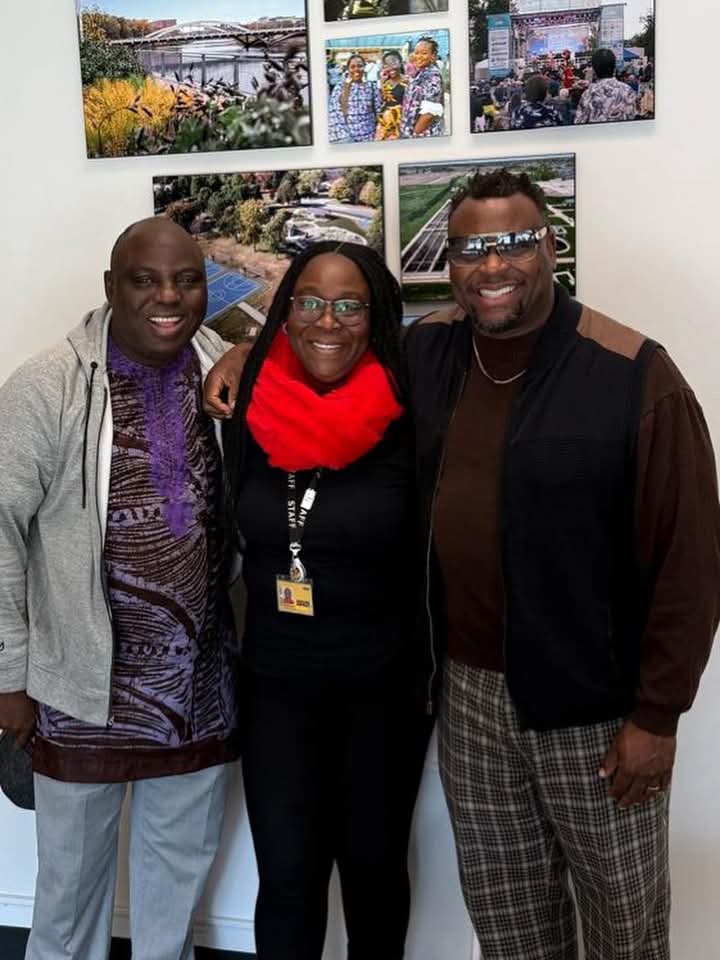
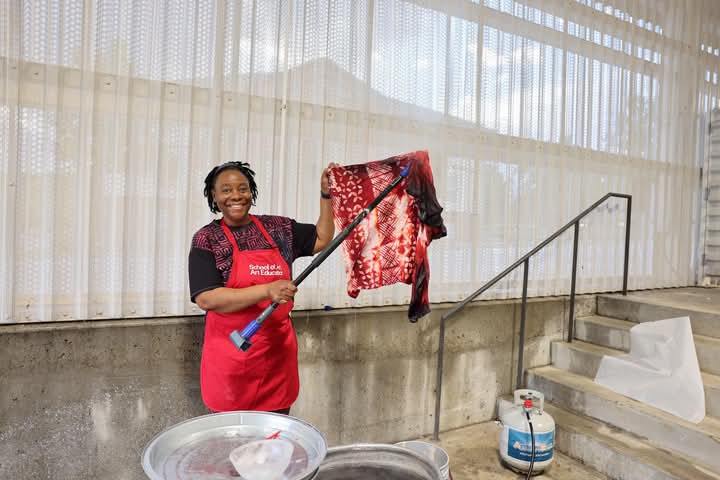
The highly exhibited artist childhood in Benin was not simply an upbringing; it was an immersion. She actually took a lot of lessons from her mother which goes beyond such artistic mentoring but how to be a woman of valour.
Likewise, is her enduring commitment to institutions and individuals that her presence often signals both validation and vision. At one of the colloquiums organised by Lagos Book and Art Festival where she was invited as a speaker, Professor spoke with characteristic clarity about the shifting energies within Nigeria’s visual art landscape. She observed that young and emerging artists were not merely participating in the scene, they were actively rewriting it, challenging inherited aesthetics and expanding the language of contemporary African art.
In that conversation, she singled out Kelani Abass as a compelling example of this creative redirection. At the time, Abass was exhibiting at the Center for Contemporary Arts, where his work interrogated memory, archives, and the afterlives of colonial imagery. Layiwola described his practice as a “magical redirection of creativity” – a phrase that captured both his experimental approach and his ability to transform historical fragments into contemporary visual narratives.
Her remarks underscored a larger truth that mentorship, for Layiwola, is not confined to the classroom. It unfolds in festivals, exhibitions, and public dialogues where established voices create space for emerging ones, and where the future of African art is shaped in real time.
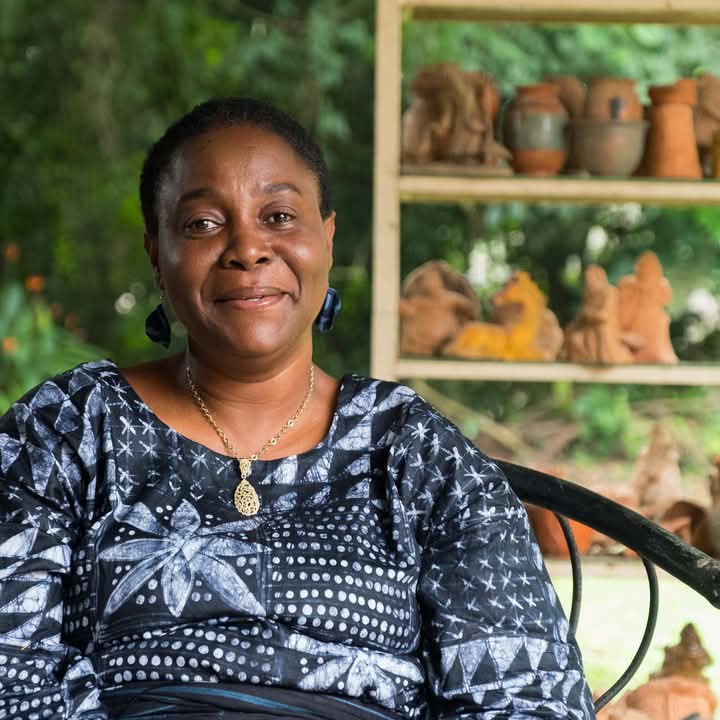
But on this fateful February afternoon, she was indeed grateful for an illustrious journey she had embarked on. She explained to her followers on Facebook that her academic journey began at the University of Benin in 1991, immediately after completing her master’s degree in Art History at the University of Ibadan. Then, the late Professor Irein Wangboje personally handed her appointment letter. An act both ceremonial and prophetic.
She spent five formative years teaching at University of Benin, popularly referred to as UNIBEN, before pausing to nurture her young family in Ibadan. In 2002, she joined the University of Lagos, where she would spend 24 transformative years mentoring students, revising curricula, and building international academic bridges. The Lagos years was in fact, a cultural engine in her regaling story.
At University of Lagos, Layiwola cultivated more than artists, she cultivated thinkers. Her classroom was a space where gender discourse met museum ethics, and where students learned that art could challenge power.
Many of her protégés now teach in universities across Africa and the diaspora a living testament to her influence from 1991 to 2026, a remarkable 35-year academic journey.
“Teaching in any university in Nigeria is truly a labour of love,” she wrote in her retirement note. It is a line that resonates deeply in a nation where passion often sustains institutions.
Parallel to her scholarship, Layiwola’s artistic career has flourished from the 1990s through the 2020s, with exhibitions across Africa, Europe, and North America.
As a regular instructor for six years at the Harmattan Workshop in Agbarha-Otor where she actually started Harmattan Workshop Jewellery and first brass casting classes in 2002, she extended her mentorship into open-air studios, guiding emerging artists to translate personal and collective histories into visual language.
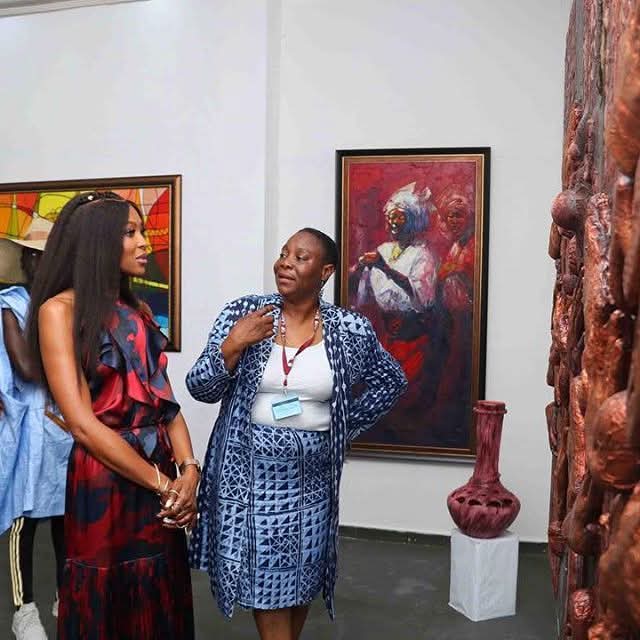
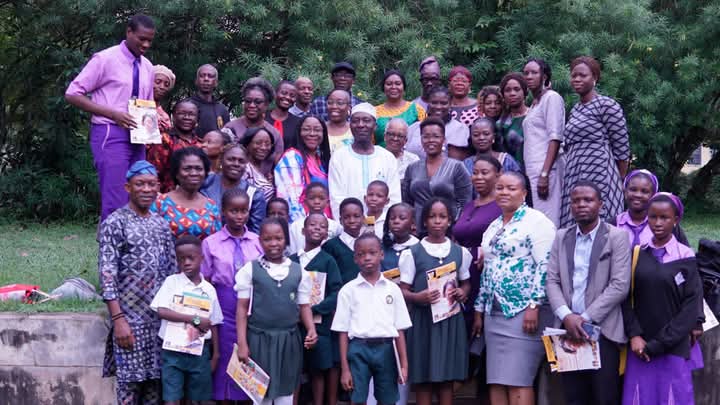
There is a quiet elegance to Layiwola in her giant strides. This is an ease that mirrors her career odyssey. Calm, poised, and deliberate, she has navigated academia, royalty, motherhood, and international art circuits without spectacle. Her life reads like a carefully composed installation where every phase is intentional, and every silence is meaningful.
Her retirement in 2026 is not retreat but a return to studio practice, writing, curatorial work, and continued advocacy for the restitution of African heritage.
“As I reflect on my years at the University of Lagos, I do so with nostalgia and a profound sense of fulfilment,” she wrote. “To have contributed to shaping talented students into professionals who enrich the global art ecosystem has been deeply rewarding.”
Peju Layiwola’s textile journey stands as a living approval to how fabric can transcend utility and become a language of history, identity, and global dialogue. Internationally acclaimed for her innovative engagement with indigenous African textiles, Layiwola has earned guest features at prestigious fashion shows and textile exhibitions, where her works converse with those of leading global artists and designers. Her practice elevates fabrics such as adire and other heritage weaves beyond aesthetics, positioning them as archives of memory and symbols of resilience.
Through high-profile conferences and lectures delivered across continents, she has articulated the profound essence of local African fabrics not merely as cultural artefacts’, but as living narratives woven with stories of community, spirituality, trade, and resistance. She often emphasises that each motif, dye, and weave carries encoded knowledge passed through generations, transforming cloth into a repository of ancestral wisdom. Layiwola’s scholarship and artistic practice illuminate how fabric embodies identity and continuity, reinforcing the global relevance of African textile traditions in contemporary art, fashion, and heritage discourse.
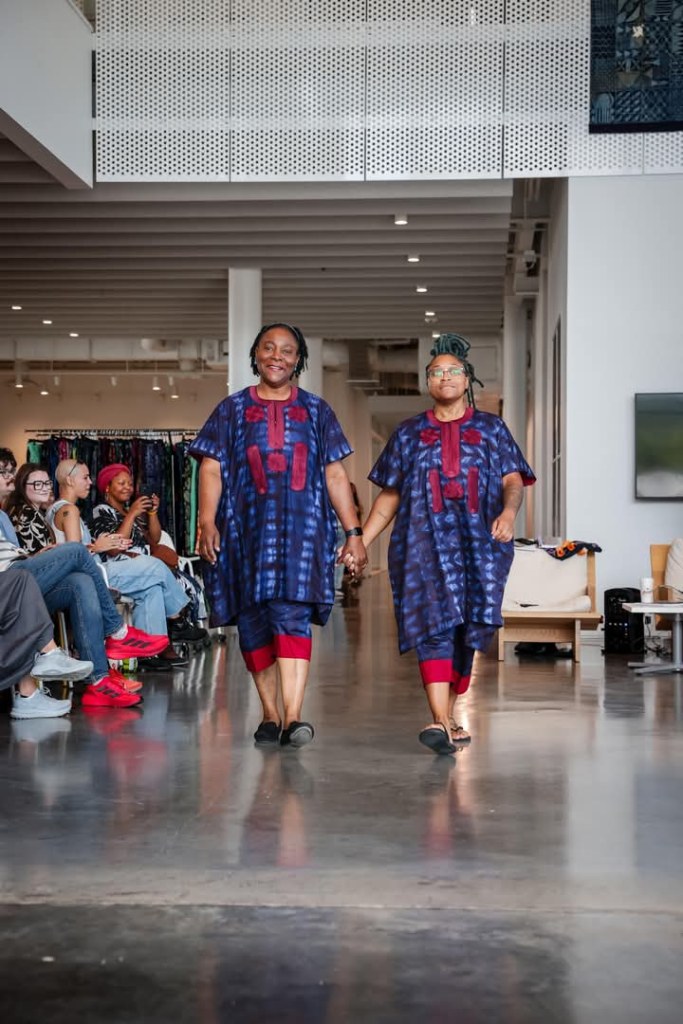
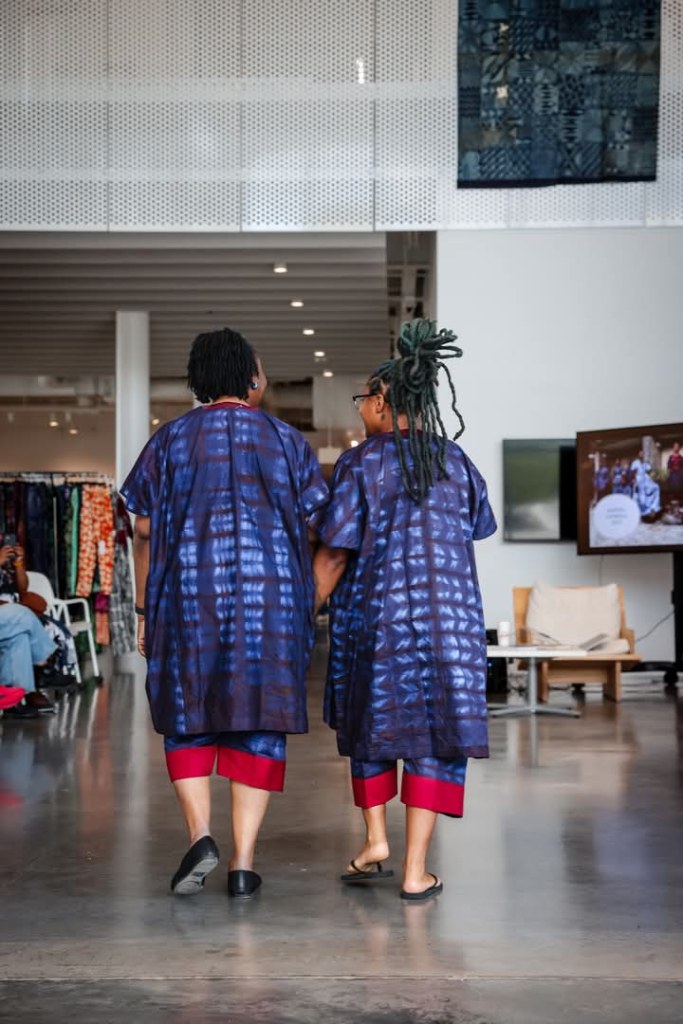
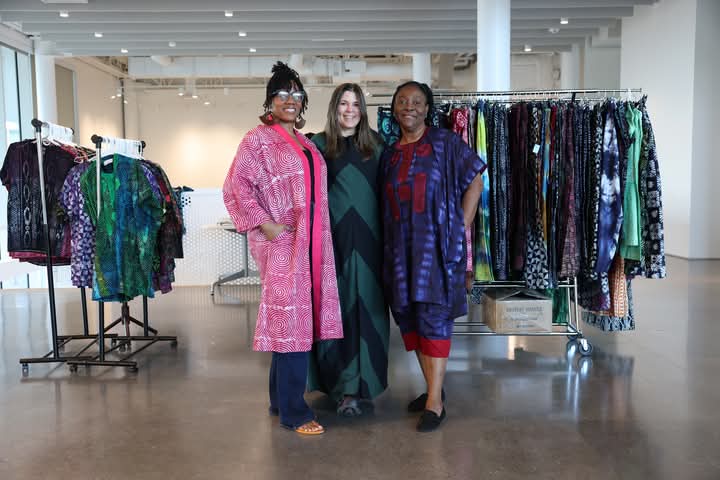
Her work continues to inspire a new generation of artists and designers to look inward, rediscover indigenous techniques, and reimagine them for a global audience, proving that African textiles are not relics of the past, but dynamic forces shaping the future of creative expression.
And therein lies her legacy which is central to Layiwola’s intellectual legacy is her work on the 1897 British invasion of the Benin Kingdom, a watershed event that led to the looting of thousands of artworks now dispersed across European and American museums. Through her research and publications, she reframed the narrative from colonial conquest to cultural dispossession, strengthening global arguments for restitution.
Her scholarship revealed overlooked dimensions of Benin’s sophistication, urban planning, technological ingenuity, and diplomatic networks challenging long-standing myths about precolonial Africa. By contextualising the bronzes and ivory works as living heritage rather than museum artefacts, she helped shift international discourse on repatriation throughout the 2000s and 2010s, influencing restitution debates that gained renewed momentum in the 2020s. Her landmark book is titled Benin 1897.com: Art and the Restitution Question (published in 2010)
Professor Peju Layiwola’s 2010 book, Benin 1897.com: Art and the Restitution Question, stands as a seminal contribution to global conversations on cultural restitution and historical memory. Focusing on the 1897 British invasion of the Benin Kingdom, the work examines the violent looting of thousands of artworks now widely known as the Benin Bronzes and their dispersal across European and American museums. Layiwola moves beyond conventional historical narration, blending archival research, artistic reflection, and personal engagement to frame restitution as both a moral imperative and a cultural necessity.
By repositioning these objects as living heritage rather than museum artefacts, she challenges colonial narratives that long diminished African sophistication.
The book published years before restitution gained momentum in the late 2010s, the book helped foreground Nigeria’s voice in international debates on ownership, justice, and memory, reinforcing her lifelong mission to ensure that history is not merely preserved, but actively reclaimed and reinterpreted for future generations.
From Benin to Lagos, from 1897 to the present, from lecture halls to global museums, Professor Peju Layiwola has taught Africa how to remember itself. She has shown that heritage is not a relic but a living pulse, that restitution is not charity but justice, and that teaching is not confined to classrooms.
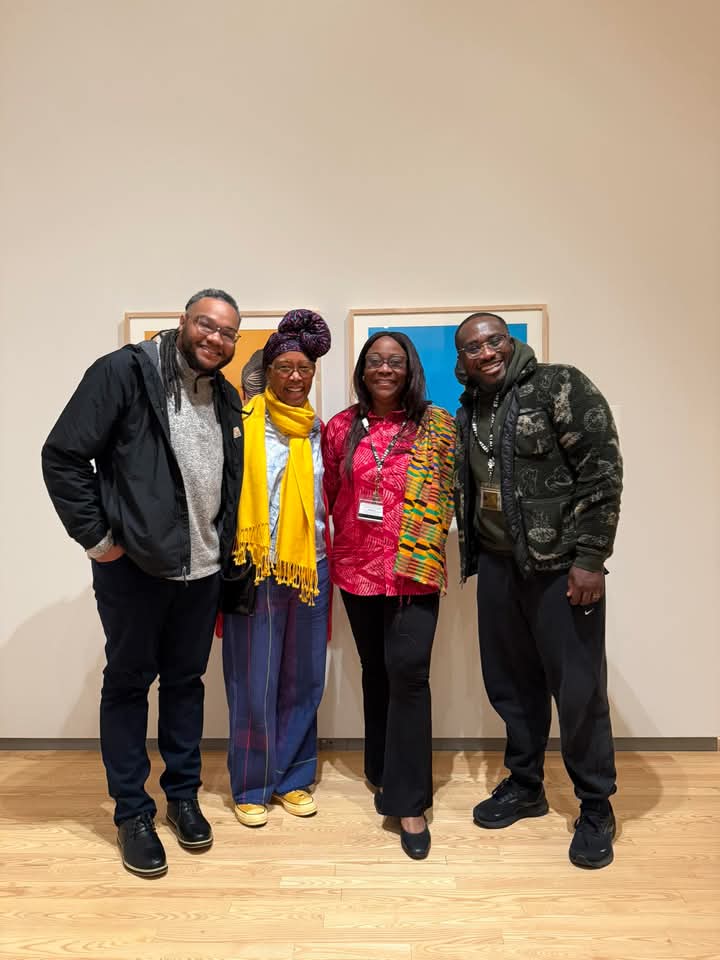
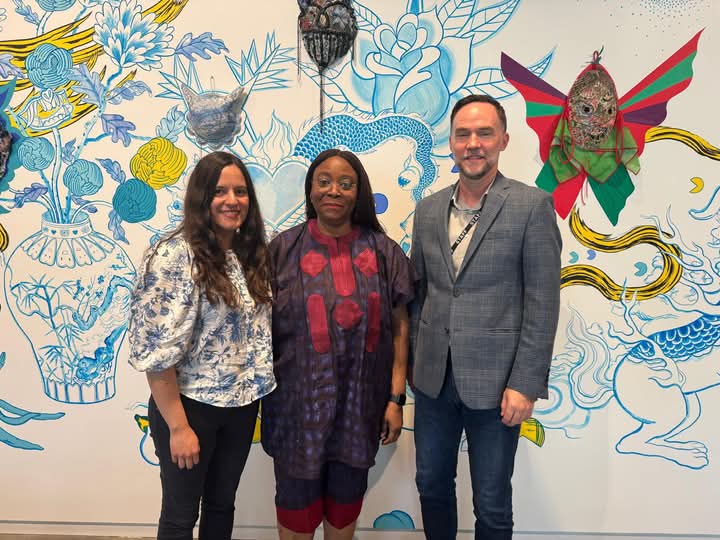
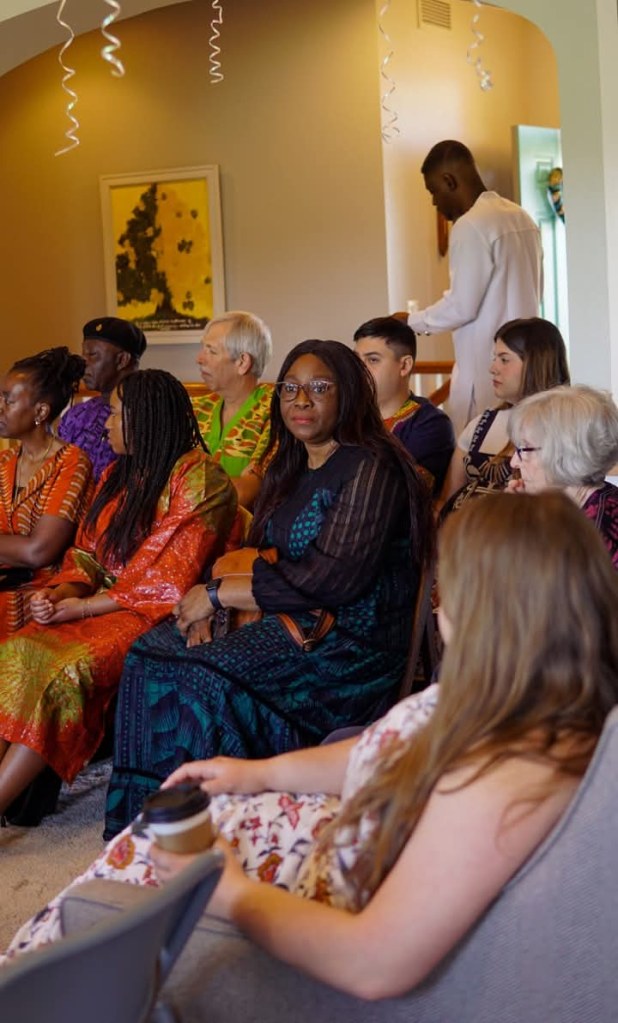
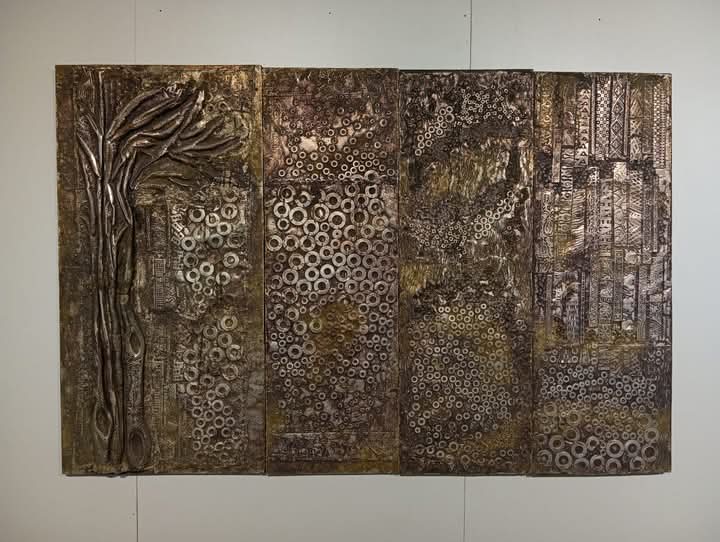
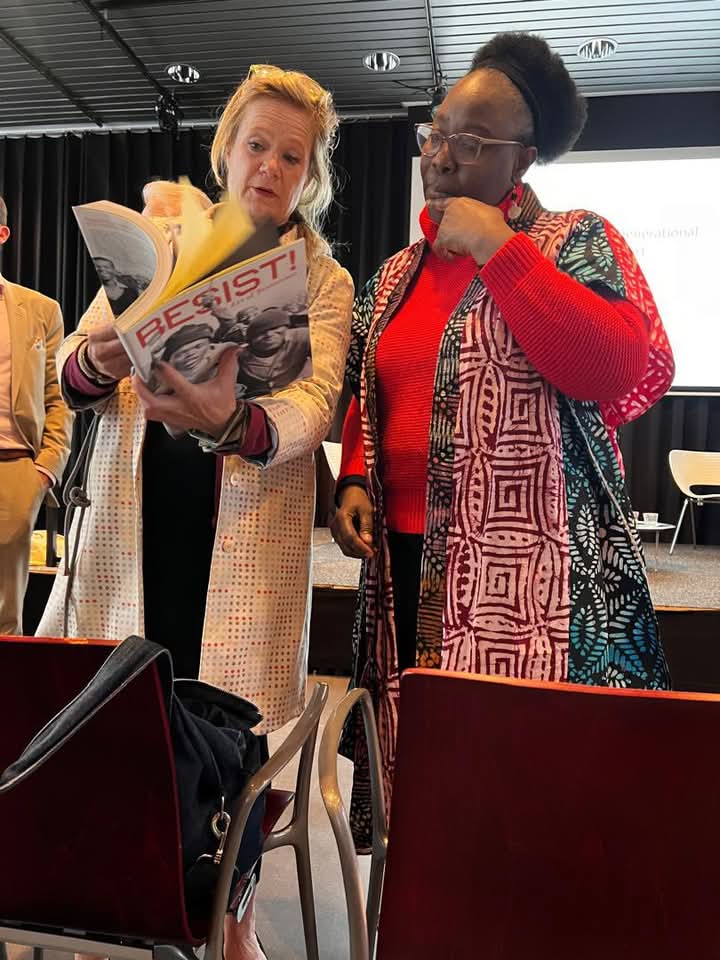
Industry players, art and culture stakeholders, esteemed collectors, gallery owners, friends, professionally colleagues and protégés have been on her Facebook page comment section to celebrate a woman who has become an epitome of what we dream to be.
Dr. Kunle Adeyemi wrote on her comment section
“Congratulations on your remarkable career at the University of Lagos!
One does not need any Prophet to know that a new global vista is opened already.
Go ahead and serve your audience in your new capacity. Best wishes always.”
Another professional colleague Prof. Rotimi Fasan commented “Congratulations, Prof. Best wishes for the future.”
Omolara Emoruwa wrote – “Wow!!! This news comes with a mixed feeling: happiness because you’re a thoroughbred academic who directly and indirectly impact lives, mine inclusive; and sadness because we will miss your intellectual experience and impactful contributions to the academia, especially those who could have benefited from your magnanimity. Nevertheless, I wish you a joyful, fulfilling retirement and more robust achievements in after-retirement endeavours that you might partake in. You’ve done your bits and both the town and the gown bear witness to this. Have a wonderful new life, prof and hope you will not relent in shaping the minds of those of us who look up to you!!! Thanks for all you did and those you’re going to do, mama prof!!!”
TonyBiyi Boyede Greenlyte commented
Congratulations on a Remarkable Academic Journey
Yes, it is truly official and what an extraordinary journey it has been.
Working with you across distances has been a privilege. Though we were not always seated side by side, the creative synergy was undeniable. Many of my colleagues who had the opportunity to share physical spaces with you often spoke about the depth of your presence calm, reflective, yet profoundly powerful. I have always seen you as a great icon of the arts: quiet in demeanor, yet unmistakably loud in impact.
Your career journey from the University of Benin in 1991, after earning your master’s degree at the University of Ibadan, to your 24 fulfilling years at the University of Lagos stands as a testament to dedication, scholarship, and artistic excellence. To have been appointed by the legendary Irein Wangboje himself speaks volumes about the brilliance that was recognized in you from the very beginning.
Many lives have been shaped by your teaching. Many more generations will read about your path, study your works, and learn from your example. Your contribution to art education, curriculum development, international partnerships, and student exchange initiatives will continue to echo long after this chapter closes.
For the love of art, we celebrate you.
We will not say goodbye to your wisdom or your mentorship, because we know retirement does not mean retreat. Workshops, seminars, global engagements your voice will still guide, inspire, and challenge the next generation.
Today, however, we pause to say:
Well done. Congratulations. And thank you for giving so much of yourself to the world of art and to humanity.
May this new chapter bring you even deeper fulfilment and boundless creative freedom.
Ire ooooo”
Joseph Uwaoma
“Words aren’t enough to express my profound gratitude to you for the creative knowledge you impacted onto me during my first bead making class, that made me become a global fashion accessories designer to be reckoned with. Not to mention how motherly you were to us/me (and the likes of Kiki, Sukanmi, Flow, etc) as your studio rats then. Professor Peju Olowu Layiwola congratulations to you ma in your retirement as you forever be my mentor”
Olawande Awonuga
“Prof Peju Layiwola, our paths crossed in 2022, thereabout when you joined our Creative arts department at the University of Lagos. You shone light into Aesthetics a course we were doing at the time and art appreciation where you brought in an expat to practicalise the beauty of Art in form of elements. I would forever be grateful for these as my inner eye of art appreciation was opened through this. And then on to Metal work where you taught us to fire and make bracelets from scratch and I am glad to say I was a part of the birthing of Wy Art Foundation. I remain grateful to the Almighty for giving humanity a soul of Excellence and Talent in Prof Peju Layiwola. You have just begun another era of Excellence and achievements which the world will celebrate. Cheers and Enjoy!!!”
Mary Eshiet commented
“Hello Prof, your students will miss you greatly. You are always creative with your magic eyes and hands. You contributed in bringing more life and excitement to the department.
Now that you are taking a bow , I can imagine how some of your students will be feeling. I wish you more joy and peace.
Congratulations Aunty 👏 🎉 👏 🎉 👏 👏 👏 👏
Thank you for the changes you introduced during your service.
Thank you for helping so many students to be what they are now.
Thank you.”
iBAND Magazine, Celebrating Visual Arts from the Original.
Africa | Visual Art | Lifestyle | Culture


I love your style of writing. Very classical yet cultured, artistic and the arrangement of your thoughts should be celebrated. By now adverts should flood this blog if indeed Nigerian celebrate true arts and culture or they merely exploit it. Thank you for your refinement of Arts in Words.
LikeLike
Thank you so much. We really appreciate your support
LikeLike